From Undergraduate Research to In-Demand Careers: How UTC’s College of Engineering and Computer Science Connects Students to AI, Cybersecurity, Quantum Technology, and Advanced Computing

Co-Founder and Chief Data Scientist
Building a career in today’s technology industry involves much more than learning how to write code in an isolated environment. High-paying careers in artificial intelligence, cybersecurity, quantum technology, data science, and advanced computing require professionals who can apply abstract technical concepts to tangible, real-world business problems. For incoming college students and their parents, the challenge is finding an undergraduate program that logically guides them from learning the basics to mastering those advanced technologies.
At the University of Tennessee at Chattanooga (UTC), the College of Engineering and Computer Science is designed as a highly structured progression. Rather than leaving students to figure out how their classes connect to the real world, the curriculum leads students from foundational mathematics and general education straight into specialized, hands-on research and industry-ready credentials.
Key Findings
- Integrated Emerging Tech: Rather than treating fields like AI, quantum networking, and cybersecurity as graduate-level research, UTC builds these competencies directly into its ABET-accredited undergraduate core.
- Stackable Credentials: Students can formalize their expertise without extending their time in school by adding specific credentials, such as the Artificial Intelligence for STEM Certificate or the Quantum Information Science and Technology (QIST) certificate.
- Direct Market Alignment: The curriculum is structured to prepare graduates for high-growth sectors, aligning with a macroeconomic baseline where the median annual wage for computer and IT occupations is $109,470.
- Building the Technical Foundation First Technical Foundation
- Pathways to Emerging Tech: AI, Quantum, Cyber, and Advanced Computing Tech Pathways
- Funding Specialized Tech and Research Funding Research
- Career Outcomes and the Tech Job Market Career Outcomes
- Navigating Your Future in Computer Science and Engineering Your Future
Building the Technical Foundation First
When students first enroll in UTC’s Computer Science and Engineering program, they do not immediately dive into quantum computing or hacking simulations. Advanced technology requires a rigorous mathematical and logical foundation.
The early semesters are heavy in general education and foundational math. This intensive preparation creates the logical framework necessary for everything that follows. Students must complete core coursework in:
- Calculus with Analytic Geometry
- Introductory Statistics
- Discrete Mathematics for Computer Science
Once this groundwork is laid, students enter the core computer science curriculum. To ensure this coursework meets universally recognized industry standards, the Computer Science B.S. is accredited by the Computing Accreditation Commission of ABET. This core curriculum acts as a proving ground. It ensures that every student who graduates has the universal systems architecture skills expected by any entry-level computing/information technology professional. Before moving on to advanced topics, students must master concepts through courses like:
- Data Structures and Program Design
- Software Design and Development
- Introduction to Operating Systems
Once that technical foundation is established, the program opens up. Instead of graduating with a generic B.S. degree, UTC students are required to choose a specific concentration that directly aligns with current market demands.
Pathways to Emerging Tech: AI, Quantum, Cyber, and Advanced Computing
UTC integrates emerging fields directly into the broader Computer Science degree pathway. This gives students multiple ways to build a highly specialized resume before they graduate.
Artificial Intelligence and Data Science
For students interested in artificial intelligence and machine learning, the academic path runs directly through the Data Science and Artificial Intelligence concentration. Because AI relies heavily on massive amounts of data, students must first learn to build, manage, and interpret large-scale data models. This concentration serves as a direct pipeline into the university’s broader AI initiatives, teaching students how to apply predictive modeling to business operations.
To formalize their expertise, undergraduates have two concurrent pathways in this field. They complete specific advanced concentration courses like Principles of Data Analytics, Introduction to Machine Learning, and Data Visualization and Exploration. Additionally, students can earn a stackable Artificial Intelligence for STEM Certificate. This provides a formal, resume-ready credential in AI without requiring them to change their primary major or extend their time in school.
The EPB Quantum Network Connection
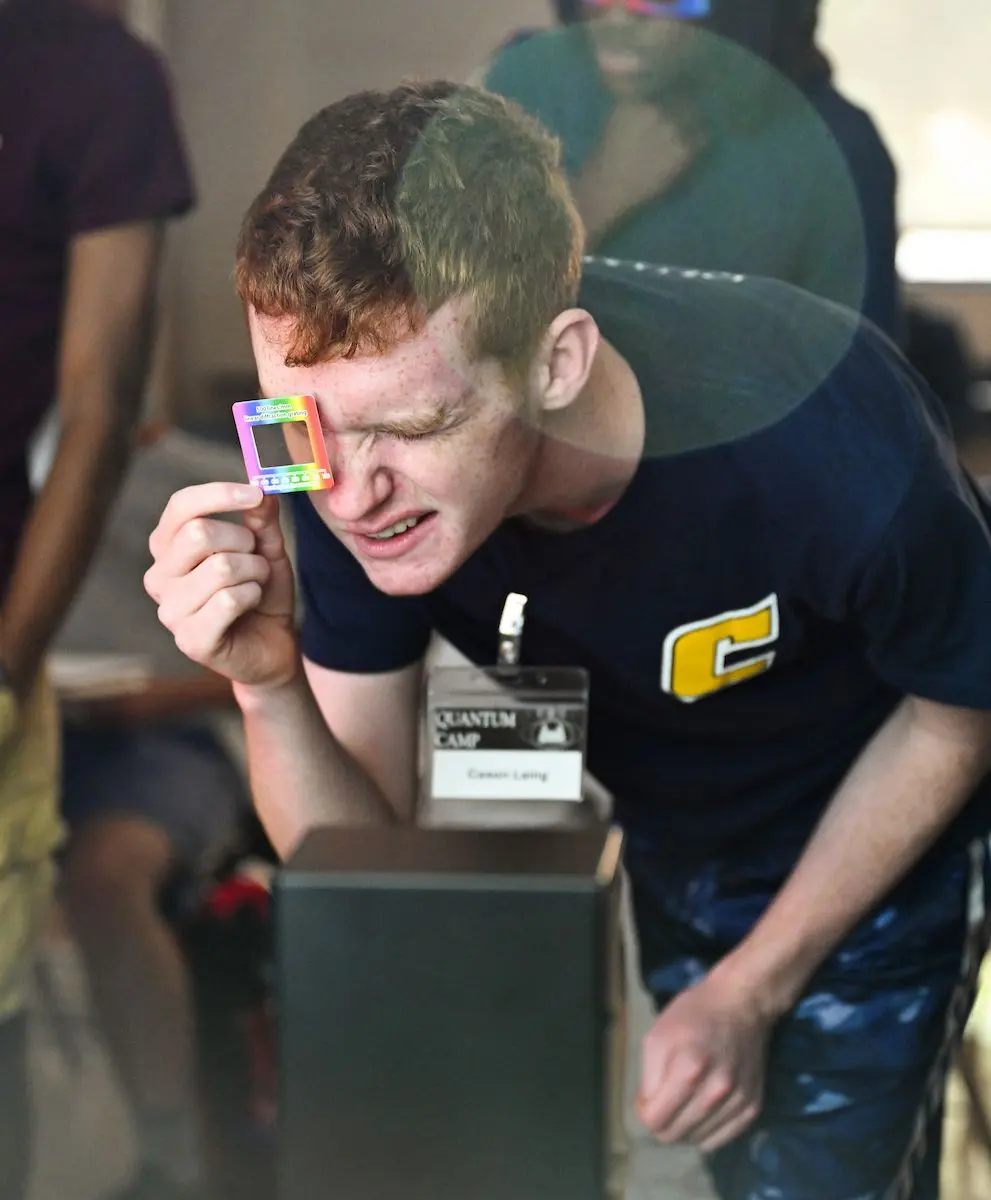
Alongside data and AI, UTC is actively connecting undergraduates to the next major shift in computing: quantum technology. In 2022, Chattanooga launched the EPB Quantum Network, establishing the city as the home of America’s first commercially available quantum network. UTC operates an active node directly connected to this infrastructure.
Undergraduates can earn a four-course certificate in Quantum Information Science and Technology (QIST). This is not just theoretical physics; companies use this commercial fiber-optic infrastructure for highly practical applications. For example:
- Finance: Banks use quantum networks to create virtually unbreakable encryption for secure data transmission.
- Logistics: Shipping companies use quantum computing models to optimize complex global supply chains.
- Healthcare: Medical researchers use it to simulate molecular structures for new drug discoveries.
The QIST certificate gives students early, hands-on exposure to these exact technologies. It functions as an accessible, stackable credential that positions them for the localized quantum-ready workforce.
Cybersecurity and the InfoSec Center
One of the most established and critical areas of study within the college is cybersecurity. Students who choose the Cyber Security concentration dive into highly practical, high-stakes coursework. They are required to master basic to advanced defense protocols and tools through classes like Biometrics and Cryptography and System Vulnerability Analysis and Auditing.
This specific concentration is closely tied to the UTC InfoSec Center, an NSA-designated National Center of Academic Excellence in Cyber Defense hub that supports hands-on security research and education. Rather than simply reading about network vulnerabilities in a textbook, students use the center's resources to practice hardening systems and applications, auditing compromised systems and investigating computer crimes under the guidance of experienced faculty.
Dr. Mengjun Xie, head of the Department of Computer Science and Engineering and Director of the UTC InfoSec Center, oversees this integration of classroom theory and active defense strategy:
- : "The UTC InfoSec Center connects students with the opportunities and experiences that help turn cybersecurity knowledge into practical skills. Through cybersecurity competitions, workshops, training, internships, research projects, and faculty mentoring, our students gain hands-on experience solving real security problems and working in team-based environments. We also help students pursue prestigious scholarship programs and connect them with internship and career opportunities. Together, these experiences prepare our students with the technical skills, problem-solving ability, and practical defense experience that today’s cybersecurity employers are actively seeking."
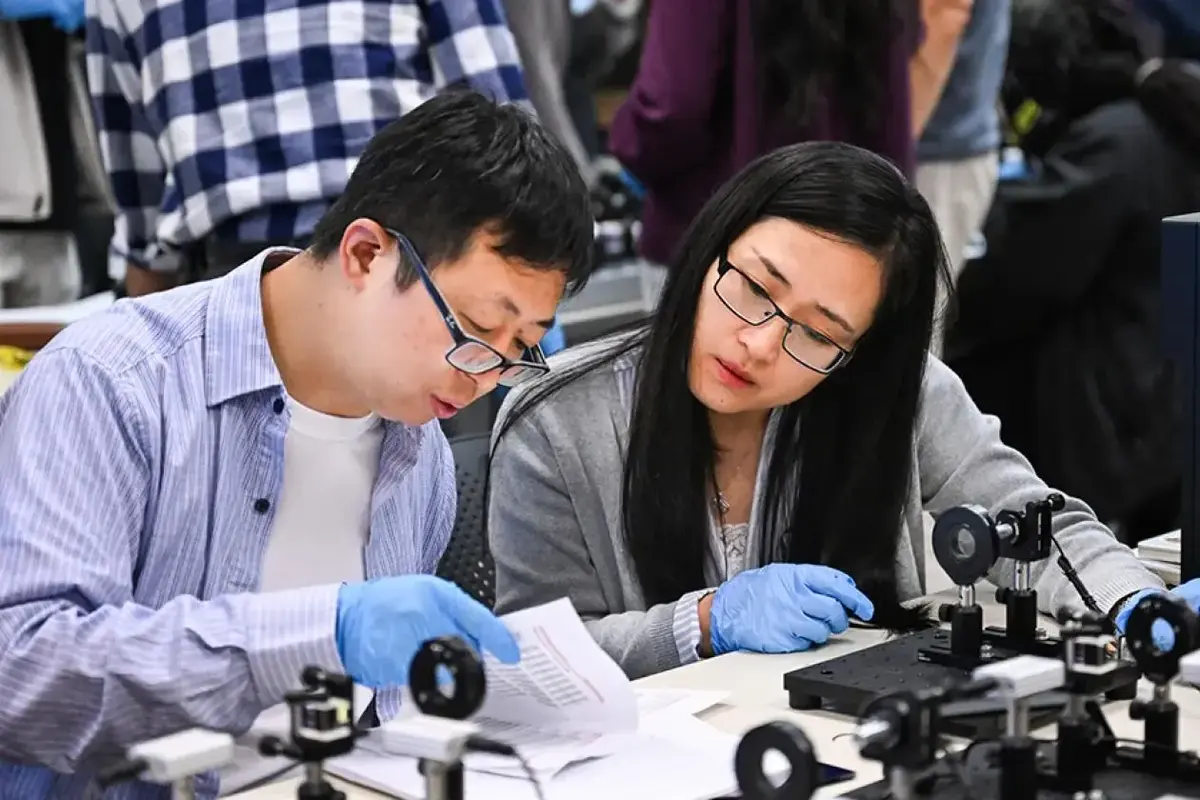
Funding Specialized Tech and Research
Earning a degree in computer science requires an upfront financial commitment. To help manage the costs associated with these programs, the College of Engineering and Computer Science points students toward specific avenues for financial assistance.
Beyond general university financial aid, undergraduates are encouraged to explore specific departmental resources meant to support their academic projects and tuition costs. By actively researching the scholarships available to engineering and computer science students, undergraduates can find opportunities funded by alumni, local industry partners, and institutional grants.
Often, local tech companies and organizations sponsor scholarships to build a pipeline of future employees who are already trained in the specific systems used in the region. Securing these specialized funds not only reduces the overall debt burden upon graduation but also signals to future employers that a student’s undergraduate research was valuable enough to warrant external investment.
Career Outcomes and the Tech Job Market
When evaluating the value of specific academic pathways and researching the different types of computer science degrees and their salaries, it is essential to look at the macroeconomic realities of the industry. The demand for highly specialized technology professionals continues to outpace the supply of qualified graduates.
According to the Bureau of Labor Statistics (BLS), the median annual wage for computer and information technology occupations was $109,470 as of May 2025. This figure represents the broader market context for students entering the tech sector. However, the specific concentrations and certificates offered at UTC map directly to some of the fastest-growing and highly specialized job titles in the modern economy:
- Information Security Analysts: Directly connected to UTC’s Cyber Security concentration, this role is projected to grow by 32% from 2022 to 2032—much faster than the national average for all occupations. Organizations are actively recruiting analysts who have hands-on experience auditing vulnerabilities and managing encrypted networks.
- Data Scientists: Supported by UTC’s Data Science concentration, the employment of data scientists is projected to grow by 35% over the same decade. These professionals are essential to interpreting the massive datasets that power predictive algorithms and business intelligence systems.
- Machine Learning Engineer / AI Architect: When evaluating--What can you do with an artificial intelligence degree?--students find that these roles rely heavily on practical algorithmic experience rather than just theoretical knowledge. Students who complete the Artificial Intelligence for STEM Certificate alongside their machine learning coursework are positioned to enter this rapidly evolving field, designing the algorithms that allow software to automate complex logistical and operational tasks.
- Quantum Network Technician: While still an emerging field globally, Chattanooga’s local EPB infrastructure creates an immediate demand for professionals who understand quantum technology. Graduates holding the QIST certificate have the foundational knowledge required to help telecommunications companies and research hospitals secure and operate quantum nodes.
Through the combination of distinct concentrations, hands-on research, and stackable certificates, the UTC curriculum directly aligns with the technical requirements of these growing professions.
Navigating Your Future in Computer Science and Engineering
Finding a role in the modern technology sector requires specialized knowledge beyond general computer programming. As industries integrate artificial intelligence, utilize quantum networks, and address cybersecurity threats, employers are looking for graduates with specific technical competencies. The curriculum at the University of Tennessee at Chattanooga reflects these industry requirements. By pairing a mathematics-solid foundation with targeted concentrations, optional certificates, and applied work in facilities like the InfoSec Center, the program provides the exact hands-on experience employers are currently seeking.
References:
- Bureau of Labor Statistics, U.S. Department of Labor. (2025). Data scientists. Occupational Outlook Handbook. Retrieved September 8, 2026, from https://www.bls.gov/ooh/math/data-scientists.htm
- Bureau of Labor Statistics, U.S. Department of Labor. (2025). Information security analysts. Occupational Outlook Handbook. Retrieved September 8, 2026, from https://www.bls.gov/ooh/computer-and-information-technology/information-security-analysts.htm
- University of Tennessee at Chattanooga. (2026). 2025-2026 Undergraduate catalog: Computer science, B.S. Retrieved September 8, 2026, from https://catalog.utc.edu/content.php?catoid=50&navoid=2012
- University of Tennessee at Chattanooga. (2026). Quantum center. Retrieved September 8, 2026, from https://www.utc.edu/research/quantum-center
Frequently Asked Questions (FAQs)
Yes. The demand for highly specialized technology professionals continues to outpace the supply of qualified graduates. The Bureau of Labor Statistics reports a median annual wage of $109,470 for computer and IT occupations, making a properly structured, ABET-accredited degree a strong strategic investment for future earning potential.
Yes. Students interested in artificial intelligence can pursue the Data Science concentration within the Computer Science B.S. program, which includes heavy coursework in machine learning and data analytics. Undergraduates can also earn a stackable Artificial Intelligence for STEM Certificate to formalize their expertise.
A concentration in cybersecurity prepares students for roles such as Information Security Analyst, a position projected to grow by 32% through 2032. Graduates with practical experience from facilities like the UTC InfoSec Center are qualified to audit vulnerabilities, manage encrypted networks, and investigate computer crimes.
Chattanooga is home to America's first commercially available quantum network. UTC operates a node on this network, allowing undergraduate students who pursue the Quantum Information Science and Technology (QIST) certificate to gain hands-on experience with the exact physical infrastructure that tech and finance companies use for secure data transmission.