2027 Colleges Without Greek Life: Test Prep Guide, Dates, Scores, and Tips

Co-Founder and Chief Data Scientist
Choosing a college without Greek life is really a question about fit: where will you find friends, leadership opportunities, safety, and belonging? The stakes are practical, too. College Board's 2024 pricing data shows average published tuition and fees of $11,610 for in-state public four-year colleges and $43,350 for private nonprofit four-year colleges, so campus culture should be weighed alongside cost.
This guide is for students, parents, transfers, and counselors comparing Greek-free campuses, student life alternatives, and value.
Key Things You Should Know
- Colleges without Greek life usually mean the school has no recognized fraternities or sororities, though students may still have clubs, houses, affinity groups, athletics, service programs, and off-campus social options.
- Do not choose a Greek-free college by culture alone: compare total cost, retention, graduation rates, financial aid, safety data, academic fit, and student support before applying.
- For cost context, College Board reported 2024-25 average published tuition and fees of $11,610 at in-state public four-year colleges and $43,350 at private nonprofit four-year colleges, making net price more useful than sticker price.
What are colleges without Greek life?
Colleges without Greek life are institutions where fraternities and sororities are not part of the officially recognized student organization system. In many cases, the college has banned Greek-letter organizations, never adopted them, or built student life around residential houses, clubs, co-ops, service groups, performing arts, outdoor programs, or academic communities instead.
This does not mean the campus has no social life. It means the main path to belonging is usually more decentralized. Instead of joining a fraternity or sorority, students may meet people through residence halls, orientation groups, cultural centers, intramural sports, student government, labs, studios, volunteer programs, religious communities, or identity-based organizations.
It is also important to distinguish "no Greek life" from "low Greek participation." Some colleges have fraternities and sororities, but only a small share of students participate. Others have unrecognized underground groups, which can create safety and accountability concerns because they operate outside normal student conduct systems. When researching a college, look for language such as "recognized fraternities and sororities," "Greek-letter organizations," "student organizations," and "residential life policies."
The core trade-off is simple: Greek-free colleges may offer a more open social structure, but students often need to be more proactive about building community. That can be a strength for students who want flexible friendships across interests rather than a social system shaped by recruitment, dues, and chapter membership.
Which colleges do not have fraternities or sororities?
Several well-known U.S. colleges are commonly identified as having no recognized fraternity or sorority system. Policies can change, so treat any list as a starting point and verify the current student organization directory, student handbook, and admissions materials before applying.
The table below summarizes examples of colleges where students often look when searching for Greek-free or non-Greek campus environments. It is designed to help you compare the type of institution and the social structure that may replace fraternities and sororities.
| College | General institution type | What often replaces Greek life socially | Best fit for students who want |
| Amherst College | Private liberal arts college | Residential life, athletics, clubs, academic communities | A small, discussion-based academic environment |
| Bowdoin College | Private liberal arts college | College houses, outdoor programs, clubs, service | A residential campus with strong community programming |
| Reed College | Private liberal arts college | Academic culture, student-run organizations, arts | An independent, intellectually intense environment |
| College of the Atlantic | Private liberal arts college | Project-based learning, sustainability work, small-campus activities | A highly interdisciplinary and environmentally focused campus |
| St. John's College | Private liberal arts college | Great Books seminars, residence life, campus traditions | A small academic community centered on reading and discussion |
| Sarah Lawrence College | Private liberal arts college | Arts, writing, student groups, close faculty interaction | A creative, individualized academic experience |
| Bennington College | Private liberal arts college | Studio work, field work, student-led activities | A self-directed arts and liberal arts setting |
| Haverford College | Private liberal arts college | Honor code culture, clubs, athletics, consortium activities | A collaborative campus with access to nearby colleges |
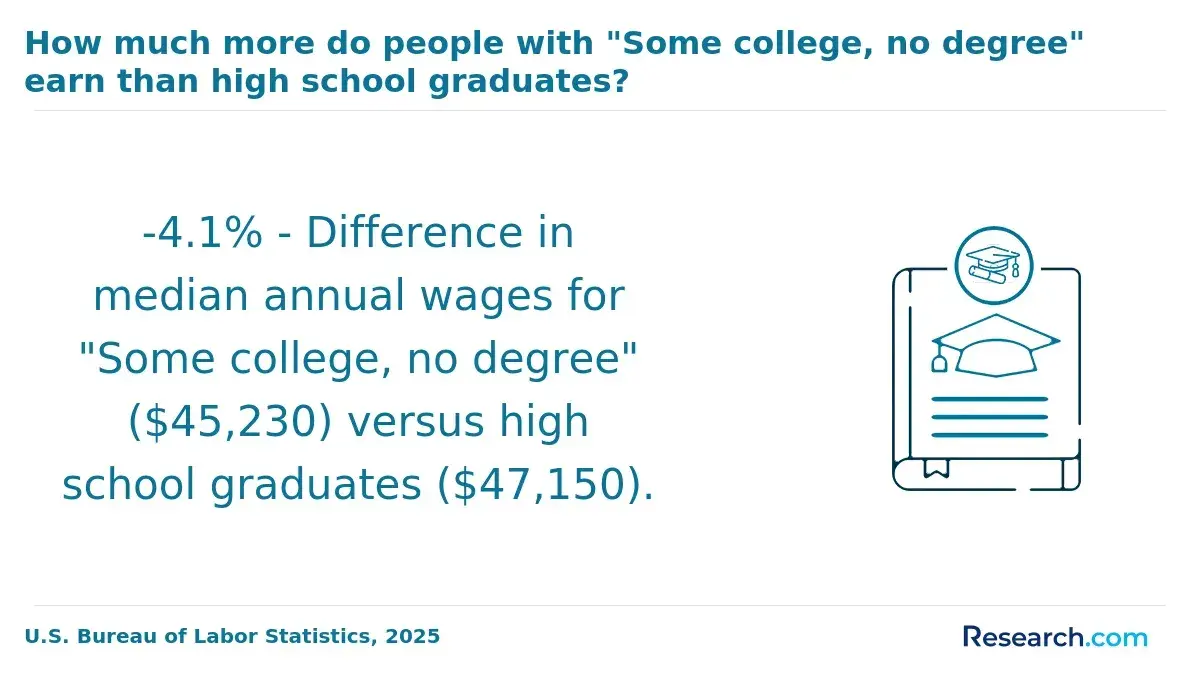
Because many Greek-free colleges are small private liberal arts institutions, families sometimes assume all options will be expensive. That is not always true after grants and scholarships, but applicants should compare net price carefully and consider broader options such as online colleges with financial aid if affordability or flexibility is the main concern.
How do you choose a college without Greek life?
Choosing a college without Greek life starts with the same question every student should ask: what kind of daily life will help me stay enrolled, do well academically, and feel connected? A Greek-free label is useful, but it should not replace deeper research into campus fit.
Use the following steps to compare colleges in a practical way. These steps help you move beyond reputation and test whether a non-Greek campus actually matches your academic, social, and financial needs.
- Confirm the school's current policy by checking the student organization directory, student handbook, and fraternity or sorority life page if one exists.
- Look at what replaces Greek life, including residence hall programming, clubs, outdoor activities, intramural sports, arts groups, cultural centers, and service opportunities.
- Compare retention and graduation data because a socially supportive campus should also help students persist toward a degree.
- Review the net price calculator rather than relying on sticker tuition, especially at private colleges with large institutional grants.
- Visit or attend a virtual student panel and ask how first-year students make friends outside classes.
- Check whether weekend life is campus-based, city-based, outdoor-focused, arts-focused, athletics-centered, or quieter than you prefer.
- Ask about mental health, advising, disability services, transfer support, and academic coaching before assuming a small college automatically provides enough support.
A common mistake is treating "no Greek life" as a guarantee of inclusion or safety. Campus culture depends on leadership, conduct enforcement, housing, student engagement, and peer norms. A Greek-free campus can still have cliques, alcohol issues, or uneven access to leadership opportunities, so ask specific questions rather than relying on the label.
Are non-Greek colleges usually public, private, or religious?
Non-Greek colleges are not limited to one sector, but they are especially common among private liberal arts colleges, religious colleges, specialized arts institutions, and colleges with distinctive residential systems. Public universities are more likely to have recognized fraternities and sororities, although participation levels can vary widely by campus.
The table below compares common institution types. It can help you decide whether the absence of Greek life is likely to be part of the school's mission, residential model, religious identity, or simply a smaller part of student life.
| Institution type | How Greek-free culture may appear | Potential advantage | Potential trade-off |
| Private liberal arts college | Greek life may be banned, absent, or replaced by residential houses and clubs | Close community and frequent faculty interaction | Higher sticker prices, though aid may reduce net cost |
| Public university | Greek life may exist but involve only part of the student body | Broader majors, lower in-state tuition, larger activity menu | Students may need to search harder for a non-Greek social circle |
| Religious college | Student life may center on faith-based activities, service, and residence halls | Shared values and structured community | Campus rules may not fit every student's preferences |
| Arts or specialized college | Social life may revolve around studios, performances, critiques, and projects | Strong peer connection through creative work | Fewer traditional majors or athletics options |
| Online or adult-focused college | Greek life is usually irrelevant or absent | Flexible scheduling for work, caregiving, or military obligations | Less traditional residential social life |
For adult learners, parents, commuters, or students returning to school, Greek life may not matter as much as price, scheduling, and credit transfer. In that case, comparing the most affordable online colleges for working adults may be more useful than focusing only on residential campus culture.
Do colleges without Greek life offer the same campus activities?
Colleges without Greek life can offer rich campus activities, but the structure is different. Instead of a fraternity or sorority calendar shaping a major part of social life, programming is usually spread across student clubs, residence halls, campus centers, athletics, arts, academic departments, and community service.
When comparing activity options, look for breadth and frequency. A school can list many clubs but still feel quiet if organizations meet rarely or are hard for first-year students to join. The most useful signs are active event calendars, funded student organizations, visible club fairs, strong residence life staffing, and traditions that include unaffiliated students.
Students should pay special attention to these activity categories because they often determine whether a Greek-free campus feels lively or isolating.
- Residential programming, including floor events, themed housing, first-year seminars, and house systems that help students meet people early.
- Student clubs that are easy to join without auditions, prior experience, selective recruitment, or high dues.
- Leadership opportunities through student government, peer mentoring, orientation, tutoring, service groups, and campus employment.
- Arts, media, and performance options such as theater, music, dance, literary magazines, radio, film clubs, and gallery work.
- Recreation options including intramural sports, outdoor programs, fitness classes, esports, and wellness events.
- Community engagement programs that connect students through volunteering, civic projects, local schools, nonprofits, and service-learning courses.
The main advantage is accessibility. Greek-free activity systems are often less dependent on recruitment, legacy connections, or dues. The main drawback is that students may need to sample several groups before finding a stable community.
How does campus culture differ at Greek-free colleges?
Campus culture at Greek-free colleges often feels less hierarchical because there is no formal fraternity or sorority membership system shaping social status, parties, housing, or alumni networks. Friend groups may form through classes, residence halls, clubs, identities, creative work, athletics, or shared causes instead.
That difference can be especially noticeable during the first semester. At a Greek-heavy campus, students may feel pressure to decide whether to rush. At a Greek-free campus, the pressure may shift toward finding your own rhythm among many smaller communities. This can feel liberating for some students and ambiguous for others.
The culture also depends heavily on size. A small Greek-free college may feel intimate, discussion-oriented, and familiar, while a large university with low Greek participation may offer more anonymity and choice. Neither is automatically better. Students who want close mentorship may prefer a small setting, while students who want many majors, activities, and social circles may prefer a larger institution where Greek life is not central.
One current trend shaping this decision is the growing student demand for belonging and well-being. Colleges are under pressure to build inclusive communities beyond selective social organizations, and many are investing more in peer mentoring, first-year experience programs, identity centers, and wellness resources. For applicants, the key is to ask what the college actually funds and staffs, not just what it says about community.
Are colleges without Greek life better for introverted students?
Colleges without Greek life can be a strong fit for introverted students, but they are not automatically better for every introvert. The best environment depends on whether the student wants a quieter social setting, smaller groups, less recruitment pressure, and more activity choices that do not revolve around large parties.
Introverted students should look for campuses where connection is built into everyday life rather than left entirely to self-promotion. Smaller classes, active residence halls, low-pressure clubs, faculty advising, peer mentors, and structured first-year programs can make a major difference.
These signs usually matter more than the simple absence of fraternities and sororities.
- Small discussion-based classes where participation becomes familiar rather than performative.
- Residence halls with community assistants who organize low-pressure events such as study nights, game nights, shared meals, and local outings.
- Clubs that welcome beginners and do not require competitive tryouts for basic participation.
- Quiet spaces, wellness rooms, libraries, studios, labs, and outdoor areas where students can recharge.
- Orientation programs that create small cohorts instead of relying only on large social events.
A red flag is a campus that says it is "tight-knit" but offers few structured ways for new students to enter groups. For an introverted student, a small college can feel supportive if it is intentionally inclusive, but it can feel socially limiting if friend groups form quickly and remain closed.
What student support services matter most at Greek-free colleges?
At a Greek-free college, formal support systems matter because students may not have a fraternity or sorority chapter providing built-in peer networks, older-student advice, event calendars, or alumni contacts. The best campuses make support easy to find before a student is in crisis.
Pay attention to services that affect both belonging and academic momentum. These are the support areas families should review before deciding whether a Greek-free campus is truly student-centered.
- First-year advising that helps students choose courses, understand degree requirements, and adjust to college expectations.
- Mental health services with clear information about appointment access, crisis support, group counseling, and referral options.
- Career services that begin before senior year include resume help, internships, alumni networking, career fairs, and major-to-career planning.
- Academic support such as tutoring, writing centers, supplemental instruction, time-management coaching, and disability accommodations.
- Transfer and commuter support for students who may not enter with the same built-in peer network as residential first-year students.
- Identity-based and cultural centers that support students across race, ethnicity, religion, gender, sexuality, first-generation status, veteran status, and disability.
Students with unusual admissions concerns, interrupted education, or legal records should also ask direct questions about background checks, clinical placements, housing rules, and career restrictions. For example, someone researching what is the best degree for a convicted felon is should evaluate both campus support and whether the intended field has licensing or placement barriers.
How do you compare costs and outcomes at non-Greek colleges?
Cost and outcomes should be compared separately from Greek life. A college may be a perfect cultural fit but still be financially risky if the net price is too high, credits do not transfer, or completion rates are weak. Likewise, an affordable school may be a poor fit if it lacks the support or academic program the student needs.
Start with net price, not sticker price. College Board's 2024-25 data shows a large gap between average published tuition and fees at public in-state four-year colleges and private nonprofit four-year colleges, but the published price does not include grants, scholarships, housing, travel, books, or personal expenses. Net price calculators are more useful because they estimate what a family may pay after grant aid.
Use this comparison framework to judge value. It focuses on the factors that most directly affect affordability, completion, and post-college flexibility.
- Compare net price for all four years, including tuition, fees, housing, food, books, transportation, health insurance, and personal expenses.
- Check whether scholarships are renewable and whether they require a minimum GPA, full-time status, major, or campus residency.
- Review retention and graduation rates because a lower annual price may not save money if the student needs extra semesters or transfers without full credit.
- Ask how many credits transfer and whether they apply to the major, general education requirements, or only electives.
- Compare major availability, internship access, career advising, graduate school placement, and alumni networks in the student's intended field.
- Estimate borrowing conservatively and avoid assuming that future earnings will automatically offset a high-cost undergraduate choice.
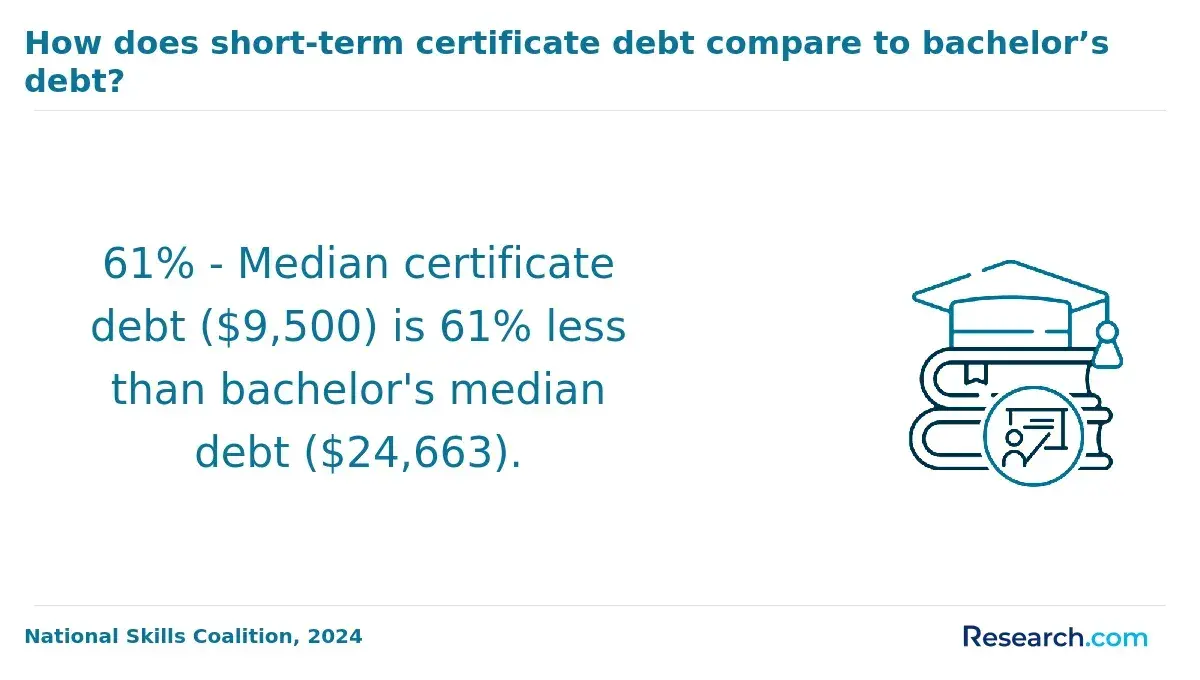
For students who want a Greek-free environment mainly because they prefer independence, flexibility, or lower social pressure, an online or commuter path may be worth comparing. A cheap online bachelor's degree can make sense when the priority is cost control, work flexibility, or completing a credential rather than residential campus life.
What questions should you ask before applying to a Greek-free college?
Before applying to a Greek-free college, ask questions that reveal how students actually build community. Admissions brochures often describe every campus as welcoming, but the details show whether support is structured, funded, and accessible.
Use these questions in campus visits, admissions interviews, student panels, or emails to student affairs staff. They are designed to uncover practical differences that may not appear in rankings or marketing materials.
- Does the college have any recognized fraternities, sororities, Greek-letter social organizations, or unofficial groups students should know about?
- How do first-year students typically meet friends during the first six weeks?
- What are the most active student organizations, and how easy is it for a new student to join?
- Are social events mostly on campus, off campus, outdoors, athletics-based, arts-based, or residence-hall-based?
- What percentage of students live on campus, and how does housing shape weekend life?
- How does the college handle alcohol, hazing, student conduct, and safety concerns in non-Greek social settings?
- What support exists for introverted students, transfer students, commuters, first-generation students, and students with disabilities?
- How soon can students access career advising, internships, undergraduate research, or alumni mentoring?
- What is the total estimated cost after grants and scholarships, and what conditions must be met to keep aid?
- If I decide this culture is not a fit, how easy is it to transfer credits to another institution?
Also consider your timeline. If finishing quickly matters more than the traditional campus experience, a bachelor's degree online in 2 years may be a better match than spending four years at a residential college solely to avoid Greek life.
Other Things You Should Know About
Yes. A Greek-free college can still have parties, concerts, residence hall events, off-campus gatherings, athletics celebrations, and student-organized activities. The difference is that social life is not officially organized through fraternities or sororities.
Usually not without formal approval. Many Greek-free colleges have policies that prohibit or restrict Greek-letter social organizations. Students should review the student handbook and ask the student affairs staff before assuming a new chapter can be created.
Generally, no. Employers and graduate schools are more likely to consider academic performance, internships, research, recommendations, leadership, skills, and program reputation. Greek membership may help some students network, but it is not required for strong outcomes.
Not necessarily. Networking may happen through alumni offices, faculty mentors, internships, career centers, clubs, athletics, research groups, and student employment. The key is choosing a college that actively connects students with alumni and career opportunities.
References
- Frequently Asked Questions - Anatolia University https://www.anatoliauniversity.edu.gr/admissions/faqs
- The Pros and Cons of Not Having Greek Life at Your College https://www.theodysseyonline.com/the-pros-and-cons-not-having-greek-life-your-school
- How to Apply to Universities in Greece - StudyinEurope.eu https://www.studyineurope.eu/study-in-greece/how-to-apply/
- Data Shows Student Support Is Central to Higher Ed’s Future - Every Learner Everywhere® https://www.everylearnereverywhere.org/blog/data-shows-student-support-is-central-to-higher-eds-future/
- Comparing cost of attendance or cost of tuition and fees https://talk.collegeconfidential.com/t/comparing-cost-of-attendance-or-cost-of-tuition-and-fees/3523012
- To Rush or Not to Rush into Greek Life on Campus http://blog.studentcaffe.com/rush-not-rush-greek-life/
- Student support services https://york.citycollege.eu/m/articles.php
- Global Campus Student Resources | The American College of Greece https://globalcampus.aug.edu/student-resources/global-campus-student-resources/
- Well known universities WITHOUT Greek life https://greekchat.com/gcforums/showthread.php
- Colleges where it sucks if you’re not Greek or sporty https://www.dcurbanmom.com/legacy/posts/list/30/1011596.page