2027 What Is FERPA?

Co-Founder and Chief Data Scientist
Student records now move through application portals, learning platforms, advising systems, and campus safety offices, so knowing who can see them matters. Recent NCES projections place U.S. public K-12 enrollment near 49.6 million and postsecondary enrollment near 19.3 million, making FERPA a daily issue for families, college students, educators, and applicants.
This guide explains what FERPA protects, when consent is required, what exceptions schools may use, and how to make smarter decisions about privacy before sharing transcripts, recommendations, health information, or online learning data.
Key Things You Should Know
- FERPA generally covers education records at schools that receive U.S. Department of Education funding, including records tied directly to a student and maintained by the school or a party acting for the school.
- Rights usually belong to parents in K-12, then transfer to the student at age 18 or when the student attends a postsecondary institution, which is especially important for the roughly 19.3 million students projected in U.S. postsecondary education.
- Schools may disclose some information without consent under specific exceptions, but they must still use legitimate educational interest, directory-information opt-out rules, or documented safety and compliance justifications.
What is FERPA and how does it protect student education records?
FERPA, the Family Educational Rights and Privacy Act, is a federal law that gives eligible students and parents control over access to student education records. It does not make every school-related conversation confidential, but it does regulate records that identify a student and are maintained by an educational agency, institution, or authorized service provider.
The practical purpose of FERPA is simple: schools should not casually share grades, transcripts, disciplinary files, schedules, financial aid records, or similar student information with people who do not have a valid right to know. FERPA also gives eligible students and parents the right to inspect records, request correction of inaccurate information, and limit certain public disclosures.
The table below separates the core FERPA ideas that often get confused. Understanding these terms helps students and parents know when they can ask for access, when they can object, and when a school may be allowed to share information anyway.
| FERPA term | Plain-language meaning | Why it matters |
| Education record | A record directly related to a student and maintained by a school or its agent | This is the main category FERPA protects |
| Eligible student | A student who is 18 or attends a postsecondary institution | The privacy rights shift from the parent to the student |
| Personally identifiable information | Information that can identify a student directly or indirectly | Schools must be careful even when a record does not show a name |
| Directory information | Limited information a school may designate as public, such as name or major, if notice and opt-out are provided | Students and parents can often block this disclosure |
FERPA is not the same as a general privacy promise. It is a records-access law with specific rights, exceptions, and enforcement mechanisms. That distinction matters because a school may be allowed to disclose information in one situation, such as a health or safety emergency, but prohibited from disclosing the same information in a routine conversation.
Who does FERPA apply to and when do student rights begin?
FERPA applies to educational agencies and institutions that receive funds under programs administered by the U.S. Department of Education. In practice, that includes most public K-12 schools, public colleges, community colleges, and many private colleges that participate in federal student aid programs.
The timing of FERPA rights is one of the most important decision points for families. In K-12, parents normally hold the rights. At age 18 or once the student attends a postsecondary institution, the student becomes the "eligible student," even if the parent pays tuition or claims the student as a dependent.
This comparison shows who typically controls FERPA rights in common school settings. It is useful because many disputes happen when parents, students, and school staff assume the same rule applies at every education level.
| Setting | Who usually holds FERPA rights? | What this means in practice |
| Elementary and secondary school | Parent or legal guardian | Parents generally inspect records and authorize non-exception disclosures |
| Student under 18 in college | Student | Postsecondary attendance can transfer rights even before age 18 |
| Student 18 or older in high school | Student, though parents may still receive access in some circumstances | Schools must handle requests under eligible-student rules |
| College student supported by parents | Student | Payment of tuition alone does not automatically give parents full access |
Schools may disclose records to parents of a dependent student under a FERPA exception, but they are not always required to do so. That is why families should ask a college about parent-access forms, emergency contact procedures, and student consent options before a problem occurs.
What types of student information are considered education records under FERPA?
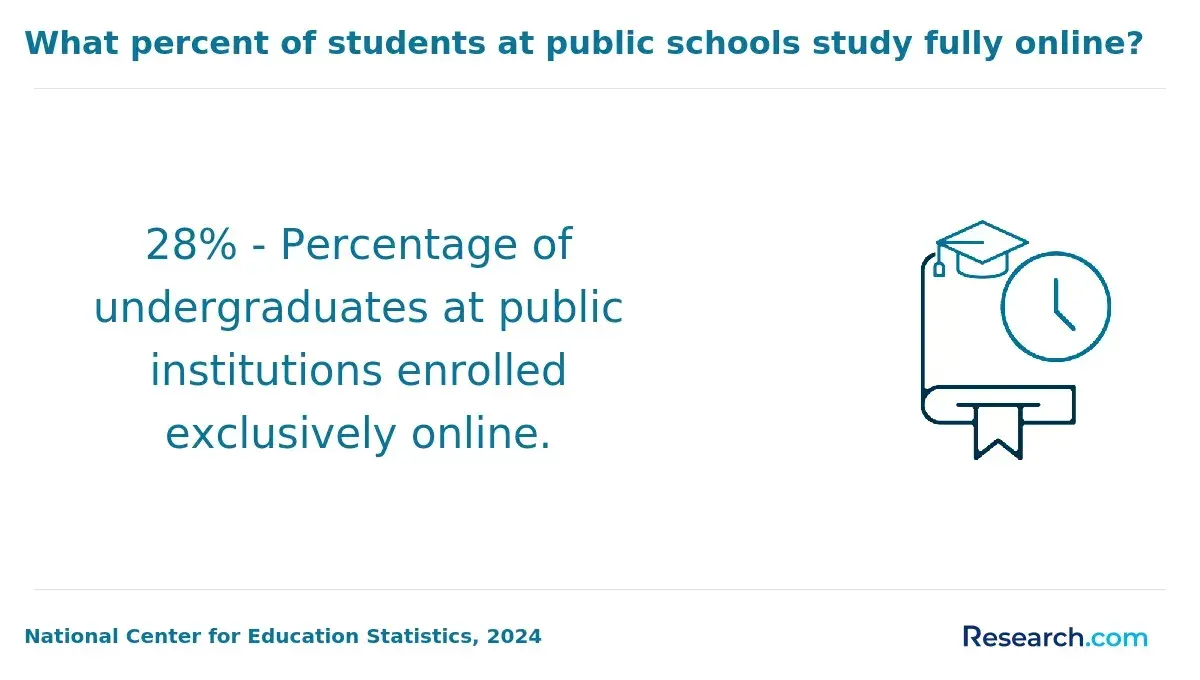
FERPA education records can be paper files, digital records, emails, database entries, video files, learning management system data, or other maintained information. The format does not matter as much as whether the record directly relates to a student and is kept by the school or a party acting for the school.
The table below outlines common student information categories and how FERPA usually treats them. It helps readers distinguish protected records from information that may fall outside FERPA or be governed by a different rule.
| Information type | Usually an education record? | Important note |
| Grades, GPA, transcripts, and test scores | Yes | These are classic FERPA-protected records |
| Class schedule and enrollment status | Often yes | Some elements may be directory information if properly designated |
| Disciplinary records | Often yes | Disclosure rules vary depending on the situation and recipient |
| Financial aid records | Often yes | These may also include sensitive family financial information |
| Teacher's private memory aid or sole-possession notes | Often no | Notes kept only for personal use and not shared may be excluded |
| Campus police law enforcement records | Not necessarily | Law enforcement unit records may be treated separately from education records |
A common mistake is assuming that "directory information" means "unprotected information." FERPA allows schools to disclose directory information only if they have given proper notice and a chance to opt out. If a student opts out, staff should not release that directory information casually.
Another mistake is treating de-identified information as automatically safe. If a small class, unique fact pattern, or combination of details makes a student easy to identify, the information may still raise FERPA concerns even without the student's name.
When can schools disclose student information without consent under FERPA?
FERPA generally requires written consent before a school discloses personally identifiable information from education records. However, the law includes exceptions that allow disclosure without consent in defined circumstances. These exceptions are not blanket permission; schools still need a legitimate reason and should disclose only what is necessary.
The following are common FERPA exceptions that students, parents, and staff should understand because they explain why a school may lawfully share information without asking first.
- School officials with legitimate educational interest may access records when they need the information to perform their professional responsibilities.
- Another school may receive records when a student seeks or intends to enroll there, if the disclosure meets FERPA transfer rules.
- Authorized government representatives may access records for audits, evaluations, compliance reviews, or enforcement of education programs.
- Appropriate parties may receive information during a health or safety emergency when the disclosure is necessary to protect the student or others.
- Organizations conducting certain studies for or on behalf of schools may receive data under controlled conditions.
- Accrediting organizations may access records needed to carry out accreditation functions.
- Schools may disclose information to comply with a lawful subpoena or court order, subject to FERPA notice rules unless an exception applies.
- Directory information may be disclosed if the school gave notice, defined the categories, and allowed students or parents to opt out.
For decision-making, the key question is not "Can the school ever share this?" but "Which FERPA exception applies, who is receiving the record, and how much information is necessary?" If the school cannot answer those questions clearly, the disclosure may be risky.
How does FERPA affect college applications, letters of recommendation, and transcripts?
FERPA affects the application process because transcripts, recommendation letters, disciplinary disclosures, and enrollment records are education records when maintained by a school. Applicants often encounter FERPA most directly when they are asked whether to waive the right to review letters of recommendation.
A FERPA waiver on a recommendation letter usually means the student gives up the right to inspect that specific letter later if they enroll at the institution that receives it and the letter becomes part of the education record. Waiving access is common because some admissions offices and recommenders view confidential letters as more candid, but students should not waive without understanding the trade-off.
Students comparing graduate pathways, including accelerated options such as 1-year PhD programs online free, should pay close attention to transcript-release forms and recommendation policies because each application system may handle consent differently.
Before submitting application materials, students can reduce privacy problems by following a simple review process. These steps are especially useful when applying to multiple colleges, scholarships, transfer programs, or graduate schools.
- Read each transcript-release authorization and confirm which records will be sent.
- Check whether recommendation letters are confidential and whether a FERPA waiver is optional.
- Ask recommenders what information they plan to discuss if the letter may include grades, conduct, accommodations, or sensitive experiences.
- Keep copies of consent forms, portal confirmations, and school policies in case a record is sent incorrectly.
- Use official school channels for transcript requests instead of sending screenshots or unofficial files that may expose extra information.
The biggest mistake is clicking through application privacy screens without reading them. A student may unintentionally authorize a broad release of records or waive inspection rights without realizing that the choice may be difficult to reverse later.
How does FERPA interact with online learning platforms and education technology tools?
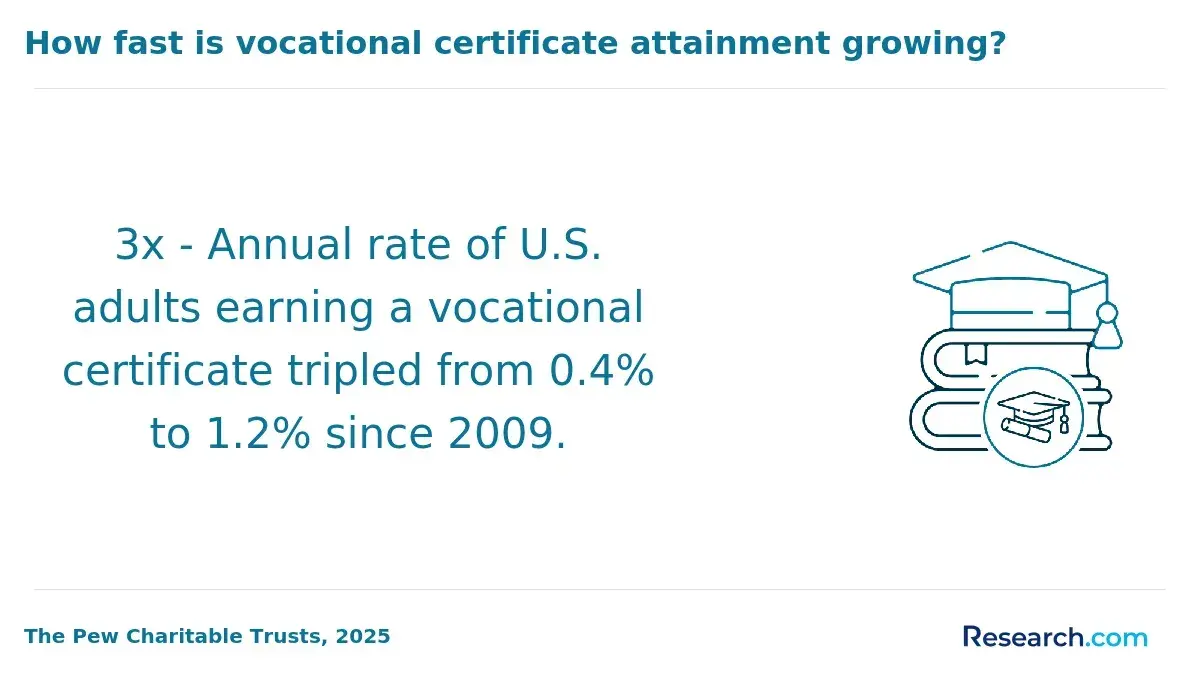
Online learning has made FERPA more complicated because student data now flows through learning management systems, video tools, proctoring software, tutoring platforms, analytics dashboards, and AI-supported study tools. A vendor can handle FERPA-protected information if it acts for the school and meets the school-official exception, but the school remains responsible for controlling access and use.
This matters for students in online courses, hybrid programs, and short credentials. If you are comparing online certificates, ask whether the provider is part of an accredited institution, a third-party vendor, or a standalone training company, because FERPA coverage may depend on the school relationship and funding status.
Schools should be especially careful with AI tools because prompts, essays, behavioral analytics, and feedback logs may reveal personally identifiable information. FERPA does not ban education technology, but it does require schools to think about purpose, access, retention, redisclosure, and whether student data is being used for vendor training or unrelated commercial purposes.
Students and parents can use the following questions to evaluate privacy before relying on an online learning platform. The goal is not to avoid technology, but to understand what data is collected and who controls it.
- Does the school identify the platform as an official school tool or an optional outside service?
- What student information does the platform collect, including login activity, video, location, keystrokes, or assessment data?
- Can the vendor use student data for product development, advertising, AI model training, or resale?
- How long is student data retained after the course ends?
- Who can access platform data: instructors, advisors, administrators, vendors, or external partners?
- Is there an alternative if a student has a privacy, disability, or technology-access concern?
A red flag is a tool that requires students to create a public profile, upload sensitive documents, or agree to broad commercial data use without a clear school-approved purpose. When in doubt, students should ask the instructor or registrar how the tool fits the school's FERPA obligations.
What are my rights to review, amend, or restrict access to my education records?
FERPA gives eligible students and parents the right to inspect and review education records maintained by the school. The school generally must provide access within the required time frame, but FERPA does not always require the school to provide copies unless failure to do so would effectively prevent access.
FERPA also gives the right to request amendment of records believed to be inaccurate, misleading, or in violation of privacy rights. This right is not a tool for challenging a grade simply because the student disagrees with an instructor's academic judgment. It is mainly for correcting factual or procedural problems in the record.
Students comparing affordable online degree programs should ask how to access records remotely, how identity is verified, and whether the school charges fees for copies, because online students may need a different process than campus-based students.
If you need to review, amend, or restrict access to records, these steps provide a practical path. Keep the request focused and documented so the school can respond efficiently.
- Identify the exact record you want to inspect, such as a transcript, conduct file, advising note, or financial aid record.
- Submit the request through the school's official FERPA, registrar, records, or student affairs channel.
- If a record is inaccurate, explain the specific error and provide supporting documentation.
- If the school denies an amendment request, ask about the hearing process and your right to place a statement in the record.
- Review the school's directory-information notice and submit an opt-out request if you do not want designated information released.
One common mistake is asking for "all records" without knowing what the school maintains. A narrower request usually works better, especially when deadlines matter for transfer, financial aid, employment verification, or professional licensing applications.
How do FERPA rules differ for K-12 students, college students, and parents?
FERPA works differently across K-12 and higher education because the holder of the rights changes. Parents often expect continuous access when a student goes to college, but the law treats postsecondary students as the primary rights holder even when they are young adults or financially dependent.
This table summarizes the practical differences among K-12 students, college students, and parents. It is useful for families deciding what consent forms and emergency plans to set up before enrollment.
| Issue | K-12 students | College students | Parents |
| Default FERPA rights holder | Usually the parent | Usually the student | Rights depend on student status and exceptions |
| Grade access | Parents typically have access | Student controls access unless an exception or consent applies | May need student consent or dependency-based disclosure |
| Discipline information | Often shared with parents under school policies | Protected, but exceptions may apply for certain conduct or safety matters | Access is not automatic in every case |
| Emergency contact | Parent involvement is routine | School may contact appropriate parties in a health or safety emergency | Emergency contact status does not equal full record access |
Military-connected students should also ask how schools handle deployment, benefits paperwork, and authorized family contacts. When comparing a military online college, privacy procedures can be just as important as tuition assistance and transfer-credit policies.
The best approach for families is to discuss access before the semester starts. A college student can often sign a release allowing parents, guardians, spouses, or other trusted contacts to receive specific records, but the release should say what can be shared and with whom.
How does FERPA relate to campus safety, health emergencies, and misconduct reporting?
FERPA includes a health or safety emergency exception that allows schools to disclose relevant information to appropriate parties when knowledge of the information is necessary to protect the student or others. This exception is meant for real-time risk decisions, not routine curiosity or broad disclosure after the fact.
Campus safety can involve overlapping rules and offices, including student conduct, residence life, counseling, disability services, Title IX or civil rights offices, and law enforcement units. FERPA may protect some records while other laws or institutional obligations require warnings, support measures, crime reporting, or emergency action.
Schools should document emergency disclosures carefully. The following factors help determine whether a disclosure is more likely to fit the FERPA emergency exception.
- There is an articulable and significant threat to the health or safety of the student or others.
- The recipient is appropriate for the situation, such as a parent, emergency responder, medical provider, law enforcement officer, or campus official with a safety role.
- The information shared is limited to what the recipient needs to address the emergency.
- The school documents the threat, the basis for the disclosure, and the parties who received the information.
Misconduct reporting can be sensitive because students may be victims, witnesses, respondents, or complainants. FERPA should not be used as a blanket excuse to ignore safety concerns, but it also should not be treated as permission to share disciplinary or medical details with people who do not need them.
What should schools and staff do to comply with FERPA and avoid violations?
FERPA compliance is not just the registrar's job. Instructors, coaches, advisors, residence life staff, IT teams, career services, financial aid officers, and third-party vendors may all handle student information. The safest schools build habits that make privacy part of daily work rather than a policy hidden in a handbook.
Career-services and advising notes can create privacy issues when they identify a student and are maintained by the school. Even when students are exploring broad options such as high paying careers for introverts, staff should record only information needed for advising and restrict access to people with a legitimate educational interest.
Schools and staff can reduce FERPA risk by following a consistent workflow. These steps are practical because most violations come from routine actions such as misdirected emails, oversharing, weak vendor controls, or informal conversations.
- Train staff annually on education records, directory information, consent, legitimate educational interest, and emergency disclosures.
- Use role-based access so employees can view only the student records needed for their job.
- Verify identity before discussing records by phone, email, video call, or chat.
- Avoid posting grades, feedback, or identifiable student work in public or semi-public spaces.
- Review vendor contracts for data use, redisclosure limits, security expectations, retention, and deletion.
- Document disclosures made under exceptions, especially health or safety emergency disclosures.
- Create a clear process for students and parents to inspect records, request amendments, and opt out of directory information.
Common red flags include emailing spreadsheets with visible student IDs, using personal cloud storage for class records, discussing a student's academic status with an unauthorized family member, giving all staff broad database access, or assuming that a vendor's privacy policy automatically satisfies FERPA. A better alternative is to use approved systems, minimum-necessary access, and written procedures for unusual requests.
Other Things You Should Know About
No. FERPA protects education records, while HIPAA generally protects medical information held by covered health care entities. Student health records maintained by a school may fall under FERPA rather than HIPAA, depending on the setting.
Not automatically. Once you are an eligible student, your college generally needs your consent unless a FERPA exception applies, such as disclosure to parents of a dependent student or a health or safety emergency.
A teacher may communicate grades through approved school systems, but ordinary email can create risk if it is misdirected or insecure. Schools should follow their own secure communication policies and avoid exposing other students' information.
Start by contacting the school's registrar, privacy officer, or student records office and ask for an explanation or correction. If the issue is not resolved, you may file a complaint with the U.S. Department of Education's Student Privacy Policy Office within the applicable time limits.
References
- Fixing FERPA: Clarifying Law Enforcement Access to Student Data https://publicinterestprivacy.org/ferpa-exceptions/
- Applicant Support https://appsupport.commonapp.org/applicantsupport/s/article/What-is-the-FERPA-Waiver
- Demystifying FERPA Compliance: What You Need to Know https://searchinform.com/articles/compliance/acts/ferpa/
- Know Your Rights: Education Records https://privacyrights.org/resources-tools/articles/know-your-rights-education-records
- Family Educational Rights and Privacy Act (FERPA) https://epic.org/family-educational-rights-and-privacy-act-ferpa/
- What Are Educational Records According to FERPA? https://teachprivacy.com/what-is-an-education-record-under-ferpa-a-flowchart/
- FERPA Compliance: Requirements, Violations, and Checklist https://www.vectorsolutions.com/resources/blogs/ferpa-compliance-higher-education/
- Understanding FERPA - Frequently asked questions https://help.scoir.com/article/q1kci6vlgs-ferpa-faqs
- FERPA Waiver Explained | Student Privacy Rights & Consent https://facit.ai/insights/what-is-a-ferpa-waiver-a-guide-for-students-and-institutions
- Top 3 FERPA Violations and How to Avoid Them https://www.kiteworks.com/regulatory-compliance/top-ferpa-violations/