2027 What IS Rolling Admission: Complete Guide for College Applicants

Co-Founder and Chief Data Scientist
Choosing when to apply can affect your admission odds, scholarship options, housing choices, and stress level. Rolling admission matters because colleges review applications as they arrive instead of waiting for one fixed deadline. Common App reported more than 1.4 million distinct first-year applicants in the 2023-24 cycle, showing how competitive and crowded the application process has become. This guide is for first-year, transfer, online, adult, and graduate applicants who want to understand rolling admission and use it strategically to make a stronger, better-timed college decision.
Key Things You Should Know
- Rolling admission means applications are reviewed continuously until seats are filled, so applying early usually gives students access to more open spots, scholarship consideration, and housing options.
- College costs make timing important: College Board reported 2024-25 average published tuition and fees of $11,610 for in-state public four-year colleges and $43,350 for private nonprofit four-year colleges, before aid.
- Rolling admission is not automatically easier; students still need to meet academic, program, financial aid, accreditation, and career-fit requirements before committing.
What is rolling admission in college, and how does it differ from regular deadlines?
Rolling admission is a college application policy in which a school reviews applications as they are completed and sends decisions throughout the cycle. Instead of waiting until a single regular decision deadline, the admissions office may begin evaluating files months earlier and continue until the class, program, or term reaches capacity.
The main difference is timing. A fixed-deadline school typically collects applications by a set date and releases decisions around the same time. A rolling admission school may issue decisions in a few weeks, although timelines vary by institution, program, volume, and whether transcripts, test scores, recommendations, or portfolios are complete.
The table below compares the most common admission plans. It can help applicants understand which timeline gives them the best balance of speed, preparation time, and decision flexibility.
| Admission plan | How applications are reviewed | Typical decision timing | Best fit for | Main caution |
| Rolling admission | Reviewed as completed | Decisions released continuously | Students ready to apply early and compare offers over time | Seats and aid may become more limited later in the cycle |
| Regular decision | Reviewed after a fixed deadline | Most decisions released in a set window | Students who need more time to improve essays, grades, or test scores | Waiting can delay planning and financial comparisons |
| Early action | Reviewed early, usually nonbinding | Earlier than regular decision | Students with strong early applications who still want choice | Deadlines can arrive before senior-year grades are available |
| Early decision | Reviewed early and usually binding | Earlier than regular decision | Students certain about one school and financially prepared | Limits ability to compare financial aid offers |
| Open admission | Often accepts applicants who meet basic eligibility standards | Varies by school and term | Community college, access-focused, and adult learner pathways | Program-level requirements may still be selective |
Rolling admission is best understood as a review schedule, not a quality label. A rolling admission college can be highly selective, broadly accessible, public, private nonprofit, online, campus-based, or career-focused.
How does rolling admission work for U.S. colleges and universities?
At U.S. colleges and universities, rolling admission usually begins when the application opens for a term and continues until the school closes the cycle. Some institutions publish a final deadline, while others strongly encourage priority submission by an earlier date for scholarships, honors programs, housing, or competitive majors.
Applicants should understand the sequence because a file is usually not reviewed until it is complete. The process often follows these steps:
- Choose the intended term, campus, delivery format, and major or program before starting the application.
- Submit the application form and fee waiver request, if applicable.
- Send official transcripts from high school, prior colleges, or military training providers when relevant.
- Submit required materials such as essays, recommendations, test scores, portfolios, auditions, resumes, or prerequisite documentation.
- Monitor the applicant portal until every item is marked received and the file is complete.
- Review the admission decision, financial aid timeline, enrollment deposit deadline, and any next steps before committing.
Rolling admission is common in many public universities, regional colleges, online programs, community colleges, and some graduate programs. It can also appear in accelerated or flexible graduate pathways, including some online master degree programs designed for working adults who need multiple start dates.
The biggest practical rule is simple: "rolling" does not mean "apply whenever without consequences." A late application may still be accepted, but the applicant could face fewer course sections, limited scholarship funds, closed majors, or less time to complete financial aid and advising steps.
What are the main advantages and disadvantages of applying under rolling admission?
Rolling admission can reduce uncertainty because students may receive decisions earlier than they would under regular decision. That speed can be valuable for families comparing cost, location, housing, and program fit. However, the same system rewards preparation, because opportunities can narrow as seats are filled.
The table below summarizes the main trade-offs. Use it to decide whether rolling admission fits your current readiness level or whether a fixed-deadline application gives you a stronger chance to submit your best work.
| Factor | Advantage | Disadvantage | What applicants should do |
| Timing | Earlier decisions can reduce waiting and help with planning | Late applicants may face fewer available seats | Apply as soon as the application is strong and complete |
| Scholarships | Early applicants may meet priority scholarship consideration dates | Some awards may run out before the final application deadline | Track scholarship deadlines separately from admission deadlines |
| Stress level | Students can spread applications across several months | Early decisions can create pressure to deposit too soon | Compare aid offers before committing when possible |
| Application quality | Strong early applicants can benefit from readiness | Rushing essays or recommendations can weaken the file | Do not submit until required materials are accurate and polished |
| Program availability | Some majors remain open longer than selective fixed-deadline programs | Nursing, engineering, business, education, and clinical programs may close earlier | Check major-level deadlines, not just university-level deadlines |
Common mistakes usually come from misunderstanding what rolling admission actually controls. It controls review timing, but it does not erase academic standards, program prerequisites, aid rules, or enrollment limits.
- Assuming rolling admission means automatic acceptance instead of checking GPA, prerequisite, portfolio, or test-optional requirements.
- Submitting early with incomplete essays, missing transcripts, or weak recommendations just to be first.
- Ignoring priority scholarship, honors college, housing, and FAFSA-related dates because the admission page says applications are still open.
- Paying an enrollment deposit before comparing net price, transfer credit, accreditation, and career outcomes.
When is the best time to submit a rolling admission application to maximize chances?
The best time to submit a rolling admission application is early in the cycle, but only after the application is complete, accurate, and competitive. For most first-year students, that often means applying in the fall or early winter of senior year if transcripts, essays, recommendations, and test plans are ready.
Timing also affects affordability. College Board's 2024-25 pricing data shows that published tuition and fees can vary widely by institution type, with private nonprofit four-year colleges averaging $43,350 before aid. Because grants and scholarships can change the real price substantially, applicants should submit early enough to receive and compare aid information before making a deposit.
Use the sequence below to time a rolling application without sacrificing quality. It is especially useful if you are applying to several schools with different priority dates.
- Three to six months before applying, build a college list that includes admission likelihood, program fit, cost range, location, format, and accreditation status.
- Two to three months before applying, request recommendations, draft essays, confirm test policies, and check whether the major has a separate deadline.
- One month before applying, order transcripts, review fee waiver options, and confirm whether scholarships require a separate application.
- Before submission, compare the application against the school's checklist and make sure every required document is ready.
- After submission, check the portal weekly until the file is complete and respond quickly to missing-item notices.
- After acceptance, wait for financial aid details when possible and compare net price, not just admission status.
Applicants should apply earlier when a program is capacity-limited, scholarship competition is high, housing is important, or visa, military benefit, employer reimbursement, or transfer credit review timelines are involved. Applicants may benefit from waiting briefly if one more grading period, stronger test score, clearer essay, or additional prerequisite could materially improve the application.
How do admission requirements and selectivity compare for rolling vs. fixed-deadline schools?
Rolling admission requirements can look similar to fixed-deadline requirements: transcripts, GPA review, essays, recommendations, test scores when required, and program-specific materials. The difference is usually not what schools ask for, but when they review the file and how quickly available seats change.
Selectivity depends on the institution and program. A rolling admission university can still deny applicants who do not meet academic standards, and a less selective school can still have selective majors. Nursing, teacher education, engineering, computer science, business, music, art, and health science programs often have additional review steps even when the university uses rolling admission.
The table below shows how requirements may differ by applicant type. This helps students avoid the common mistake of checking only the university's general admission page.
| Applicant type | Common requirements | Extra selectivity factors | Decision point |
| First-year student | High school transcript, coursework, GPA, essay, optional or required test scores | Major capacity, senior-year grades, honors programs, scholarships | Apply early if the transcript and essays are ready |
| Transfer student | College transcript, minimum credits, GPA, course equivalencies | Prerequisite completion, credit transfer limits, major availability | Request a transfer credit review before depositing |
| Adult learner | Prior college records, work history, personal statement, placement information | Time away from school, prior academic standing, credit for prior learning | Ask how old credits and work experience are evaluated |
| Graduate applicant | Bachelor's transcript, resume, statement, recommendations, prerequisites | Professional experience, licensure, portfolio, interview, cohort capacity | Confirm program start dates and prerequisite deadlines |
| Certificate applicant | Varies by provider and level | Employer recognition, industry alignment, stackability into a degree | Compare certificate value with degree requirements for the target role |
Students considering shorter credentials should be especially careful about recognition and transferability. Some online courses with certificates can support career advancement, but they are not always substitutes for accredited degree programs, licensure-track coursework, or required clinical training.
A good rule is to evaluate admission competitiveness at three levels: the university, the college or school within the university, and the specific major or program. Rolling admission may improve timing, but it does not override capacity limits or professional standards.
Do rolling admission colleges offer online, campus, and hybrid program options differently?
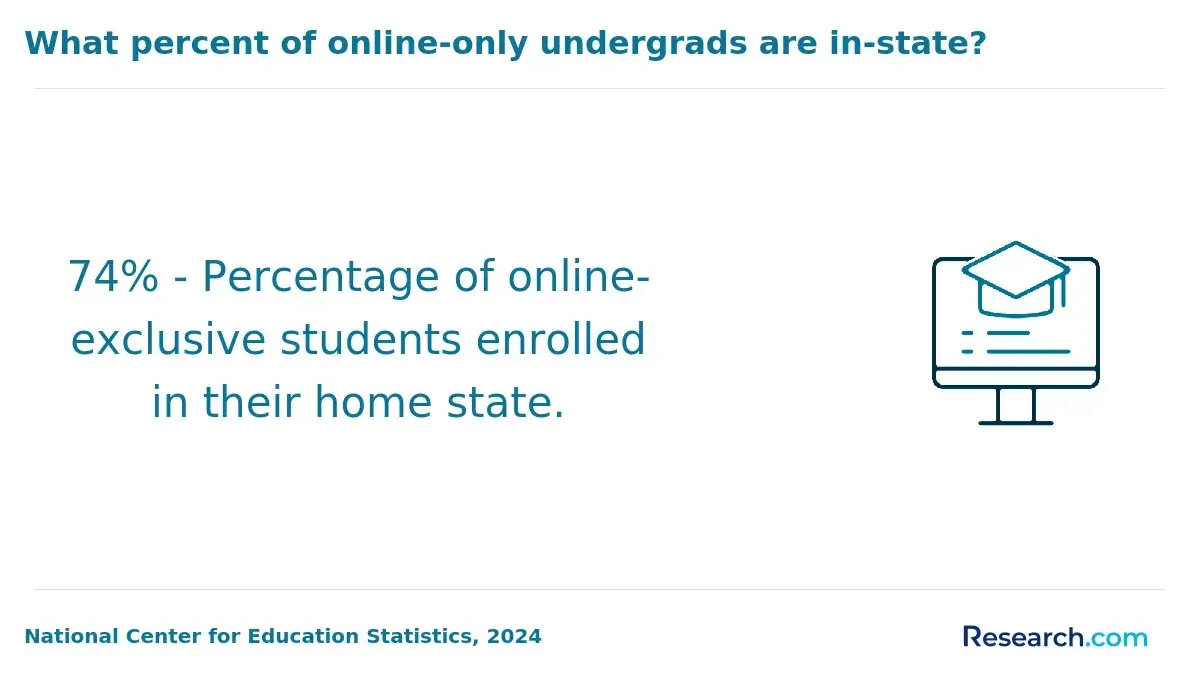
Rolling admission policies can apply to online, campus, and hybrid programs, but the experience may differ by format. Online programs often use multiple start dates and may admit students throughout the year, while campus programs may be tied more closely to fall or spring enrollment, housing, labs, clinical placements, and course sequencing.
Format matters because it affects scheduling, support services, networking, and total cost. The table below compares common delivery options for rolling admission applicants.
| Format | Best for | Potential advantage | Potential drawback | Questions to ask |
| Online | Working adults, parents, military-connected learners, remote students | More flexible scheduling and sometimes more start dates | Requires strong self-management and reliable technology | Are classes asynchronous, live, or mixed? |
| Campus | Students who want in-person advising, labs, housing, athletics, and campus life | More direct access to facilities and peer networks | May require relocation and higher living costs | Is housing still available for late applicants? |
| Hybrid | Students who need flexibility but also require labs, clinicals, studios, or residencies | Balances online coursework with in-person learning | Travel and scheduling requirements can be easy to underestimate | How often are in-person sessions required? |
Military-connected students should also check transfer credit for military training, deployment flexibility, tuition assistance rules, and support services before choosing a format. A military online college may be a better fit when the school has experience with benefit certification, leave policies, and mobile learners.
Applicants should not assume that online rolling admission is less rigorous. Accredited online programs may use the same faculty, learning outcomes, and assessments as campus programs. The more important question is whether the format supports the student's schedule, learning style, career goal, and any licensure or fieldwork requirements.
How do rolling admission policies affect financial aid, scholarships, and total college costs?
Rolling admission can affect financial aid because admission timing and aid timing are related but not identical. A student may be admitted late and still complete the FAFSA, but institutional grants, departmental scholarships, honors awards, work-study opportunities, and housing options may have earlier priority dates.
Cost comparisons should focus on net price, not sticker price. College Board reported 2024-25 average published tuition and fees of $11,610 for in-state public four-year colleges, $30,780 for out-of-state public four-year colleges, and $43,350 for private nonprofit four-year colleges. Those figures show why students should compare aid offers carefully instead of assuming the lowest published tuition will always be the lowest final cost.
The table below highlights cost factors that rolling admission applicants should review before making a deposit. These items can change the real cost of attendance more than the admission timeline itself.
| Cost factor | Why it matters | What to verify |
| Tuition and mandatory fees | Forms the base price before aid | Per-credit cost, full-time cost, online fees, program fees |
| Institutional scholarships | May have priority deadlines earlier than the final admission date | Whether early application is required for consideration |
| Federal and state aid | Requires FAFSA completion and eligibility review | School code, state deadlines, satisfactory academic progress rules |
| Housing and meals | Can be limited for late campus applicants | Availability, deposit deadlines, commuter alternatives |
| Transfer credits | Can reduce time to completion if accepted | Credit limits, course equivalencies, residency requirements |
| Books, technology, and travel | Often overlooked in online, hybrid, and campus budgets | Required software, equipment, lab travel, clinical placement costs |
Applicants considering graduate study should pay close attention to total program cost, assistantships, employer tuition benefits, and completion requirements. For example, students comparing cheap PhD programs online should still verify accreditation, faculty fit, dissertation expectations, research support, and whether the program aligns with academic or professional goals.
The safest approach is to ask each school for a financial aid timeline in writing. Admission alone does not tell you what you will pay, and a quick acceptance should not replace a careful review of the full cost of attendance.
Are rolling admission schools accredited, and how can applicants verify accreditation status?
Rolling admission schools can be accredited, unaccredited, or part of larger accredited institutions, so applicants should verify status before enrolling. Accreditation matters because it can affect federal financial aid eligibility, credit transfer, graduate school admission, employer recognition, and licensure eligibility.
In the U.S., institutional accreditation is reviewed by agencies recognized by the U.S. Department of Education or the Council for Higher Education Accreditation. Some programs also need specialized accreditation, especially in fields such as nursing, counseling, social work, education, business, engineering, public health, and allied health.
Use the following steps before paying an enrollment deposit. They are especially important for online, accelerated, graduate, and career-focused programs.
- Search the institution in the U.S. Department of Education's accreditation database and confirm the accreditor, campus, and current status.
- Check whether the specific program also needs specialized accreditation for licensure, certification, or employer recognition.
- Ask the school whether the program meets educational requirements in your state if you plan to enter a licensed profession.
- Confirm whether credits are likely to transfer to public universities, graduate schools, or professional programs you may attend later.
- Review warning signs such as pressure to enroll immediately, unclear accreditation language, unusually vague faculty information, or refusal to provide completion and cost details.
Do not rely only on phrases such as "nationally recognized," "approved," or "accredited curriculum." Those terms can be ambiguous. The name of the accrediting agency, current recognition status, and program-level approval are what matter.
How does rolling admission impact waitlists, deferrals, and transfer or adult learner applications?
Rolling admission can reduce the use of deferrals because schools often make decisions as space is available, but waitlists and delayed decisions can still happen. If a program is nearly full, the admissions office may wait for enrollment deposits, final grades, prerequisite documentation, or additional seats before issuing a final decision.
Transfer and adult learner applications can benefit from rolling admission because they often involve individualized credit review, multiple start dates, and flexible pacing. National Student Clearinghouse reporting on fall 2024 enrollment showed transfer enrollment growth, which reflects renewed mobility among students changing institutions, returning to college, or seeking better program fit. For applicants, that means transfer policies and credit evaluation can be just as important as admission speed.
The table below explains how rolling admission may affect different decision outcomes. It can help applicants respond appropriately instead of misreading a delay as either good or bad news.
| Outcome | What it usually means | How applicants should interpret it |
| Accepted | The student meets admission standards and space is available | Review aid, credit transfer, program requirements, and deposit deadlines before committing |
| Waitlisted | The school may admit more students if space opens | Send requested updates and keep other options active |
| Deferred or held | The school wants more information or later review | Submit grades, test scores, prerequisites, or documents promptly if requested |
| Denied | The applicant does not meet current standards or the program is full | Ask about reapplication, alternate majors, transfer pathways, or prerequisite improvement |
| Admitted to alternate program | The original major may be full or more selective | Confirm whether internal transfer into the target major is realistic |
Graduate and doctoral applicants should also check whether rolling admission affects cohort placement, advisor availability, capstone timelines, or dissertation requirements. Some online doctoral programs without dissertation use applied projects or capstones instead, but applicants should confirm expectations, faculty supervision, and completion timelines before enrolling.
If you are waitlisted or deferred under rolling admission, do not pause all other applications. Keep at least one financially and academically realistic option open until you have an admission offer, an aid package, and a clear path to enrollment.
What factors should students consider when choosing a rolling admission college for their career goals?
Choosing a rolling admission college should start with your career goal, not the speed of the decision. A quick acceptance is helpful only if the program is accredited, affordable, supportive, and connected to the outcomes you want.
Education can influence labor market options, but outcomes vary by field, region, employer, experience, and economic conditions. BLS 2024 education data reported median usual weekly earnings of $1,543 for workers with a bachelor's degree, compared with $930 for workers with a high school diploma. That gap does not mean every degree pays off equally, but it does show why students should connect college choice to realistic career pathways.
The table below organizes the main decision factors. Use it to compare rolling admission schools beyond acceptance speed.
| Decision factor | Why it matters | Better question to ask |
| Program fit | The major must match the career or graduate school goal | What jobs, licenses, or further degrees does this program prepare students for? |
| Accreditation | Affects aid, transfer, licensure, and recognition | Is the institution and, if needed, the program properly accredited? |
| Net price | Sticker price can be misleading | What will I pay after grants, scholarships, employer benefits, and transfer credits? |
| Completion timeline | Time affects opportunity cost and borrowing | How long do students like me typically take to finish? |
| Support services | Advising, tutoring, career services, and mental health support can affect persistence | What support is available for online, transfer, adult, commuter, or first-generation students? |
| Career outcomes | Employment data helps evaluate practical value | What internships, clinicals, employer partnerships, licensure pass rates, or placement data are available? |
Before choosing, applicants should take a practical comparison approach. The following questions can prevent expensive mistakes and help align the admission decision with long-term goals.
- Does the program lead directly to the credential, license, graduate admission, or entry-level role I want?
- Can I afford the net price without taking on debt that is unrealistic for my expected career path?
- Will the format work with my job, family, transportation, military service, or health needs?
- Are internships, labs, clinicals, student teaching, field placements, or residencies required, and can I complete them locally?
- If I change majors or transfer later, how much credit and aid eligibility might I lose?
- Does the school provide transparent information on graduation, retention, licensure, or employment outcomes?
Students should consider a different option if the school pressures them to enroll before aid is available, cannot verify accreditation, refuses to explain credit transfer, or offers a program that does not match the target career. Rolling admission is valuable when it gives you more time and choice; it is risky when speed replaces due diligence.
Other Things You Should Know About
Not necessarily. Rolling admission may improve timing because more seats can be available earlier, but the school still reviews your grades, coursework, program fit, and required materials. Selective majors can remain competitive even at rolling admission colleges.
Often, yes, if the application is still open. However, late applicants may have fewer scholarship, housing, orientation, course, or major options. Always check priority dates as well as the final admission deadline.
Many schools release decisions within a few weeks after the application is complete, but timelines vary. Missing transcripts, recommendations, test scores, portfolios, prerequisite reviews, or high application volume can delay the decision.
Usually, you should wait until you can compare cost, financial aid, accreditation, program fit, and deadlines. An early acceptance is useful, but it should not replace a full review of whether the school is affordable and aligned with your goals.
References
- The Advantages and Disadvantages of Rolling Admissions – Prompt School https://www.promptschool.com/the-advantages-and-disadvantages-of-rolling-admissions/
- When Is the Best Time to Submit Your College Applications? https://www.saraharberson.com/blog/best-time-to-submit-college-applications
- Complete List: Colleges With Rolling Admissions · PrepScholar https://blog.prepscholar.com/colleges-with-rolling-admissions
- Rolling Admissions: Key Insights https://www.themoodmeter.com/rolling-admissions-pros-cons-and-strategies/
- are - Tłumaczenie po polsku - Słownik angielsko-polski Diki https://www.diki.pl/slownik-angielskiego
- Rolling Admissions Definition & Benefits https://www.act.org/content/act/en/students-and-parents/college-planning-resources/applying-to-college/rolling-admissions.html
- Do Online Programs Have Rolling Admissions? Process, Benefits & Key Insights https://www.onlinecu.in/blog/cu/do-online-programs-have-rolling-admissions
- Rolling Admissions Guide: What, When, Why? https://www.ivywise.com/blog/what-does-rolling-admissions-mean/
- As college costs soar, top schools roll out more generous aid packages https://www.nbcnewyork.com/news/business/money-report/as-college-cost-soar-top-schools-roll-out-more-generous-aid-packages/6212697/
- are https://sjp.pl/are