2027 Social Work Resource Navigation for People Without Stable Mailing Addresses
Audited and Verified:
Our Editorial and Data Verification Process
Research.com uses government datasets, official education statistics and primary institutional information to support its career and degree guides. Our review process checks factual accuracy, occupational definitions, source dates and the requirements associated with the credentials discussed.
How This Article Was Fact-Checked
Our editorial team verifies salary estimates, employment projections, education requirements and program information against original data providers and official organizations. Salary figures are checked against the relevant occupational definitions and reporting periods. Information about licensure, accreditation and required in-person training is reviewed separately.
Fact-checked and verified on:

Co-Founder and Chief Data Scientist
A missed benefits notice can mean a missed deadline for someone who has nowhere reliable to receive mail. Social work resource navigation addresses that practical barrier while helping people pursue housing, healthcare, and income support.
This guide is for students, early-career social workers, and human services staff who want to do this work well. It explains how to build a workable contact plan with a client, which roles require a social work degree, and what to check before choosing a program or job.
Key Things You Should Know
- A lack of a fixed address does not, by itself, bar someone from applying for SNAP; a navigator must still check the program's identification, contact, and verification procedures.
- Mail planning is part of service access: the best option is one the client can use safely, check consistently, and update when circumstances change.
- Many outreach and housing-navigation jobs do not require a social work license; BSW or MSW study becomes more important when the intended role or employer requires it.
What is social work resource navigation for people without a stable mailing address?
Social work resource navigation is the collaborative work of identifying a person's immediate needs, finding relevant services, helping them complete access steps, and following up when referrals stall. For someone without a stable mailing address, it also means making a plan for notices, identity documents, appointments, and safe contact. A referral is not complete merely because a phone number or application was handed over.
People may be staying in shelters, vehicles, temporary accommodations, or someone else's home. Their circumstances affect which offices they can reach, what documentation they have, and whether receiving mail at a particular location could put their privacy or safety at risk. A navigator should ask what the person wants help with, explain available choices, obtain any required consent, and document the agreed next step without recording unnecessary details about where the person sleeps.
For readers considering formal preparation, understanding online social work degree choices can help distinguish education for social work roles from shorter, employer-provided training for a navigation job.
How do social workers connect people without permanent addresses to housing and benefits?
Effective housing and benefits navigation starts with the client's priorities, not an assumption that every person needs the same application. A housing referral, SNAP application, Medicaid inquiry, and replacement-ID request may each have different offices, evidence rules, and deadlines. Local availability also matters: entry into a housing referral system is not a promise of placement.
A practical workflow keeps the client in control while making follow-through possible:
- Ask about urgent needs, preferred contact methods, accessibility needs, and any safety concerns about sharing a location.
- Identify the appropriate local housing access point and benefits agencies; check eligibility and application procedures rather than assuming an address is mandatory.
- Agree on how the client will receive or check notices, who may help retrieve them, and how quickly time-sensitive mail will be communicated.
- With the client's permission, coordinate referrals and record application dates, confirmation numbers, requested evidence, and follow-up deadlines.
- Recheck the plan when housing, phone access, or the designated mailing arrangement changes.
For a student seeking to learn this workflow in supervised practice, social work master's programs with field education support are worth evaluating for actual partnerships with shelters, housing agencies, and benefits-navigation teams. Field placement approval remains the school's decision.
What degree do you need for social work roles serving people experiencing homelessness?
The necessary qualification depends on the job, not simply the population served. Shelters and housing organizations may hire outreach workers, peer specialists, and case managers with relevant experience or a human services background.
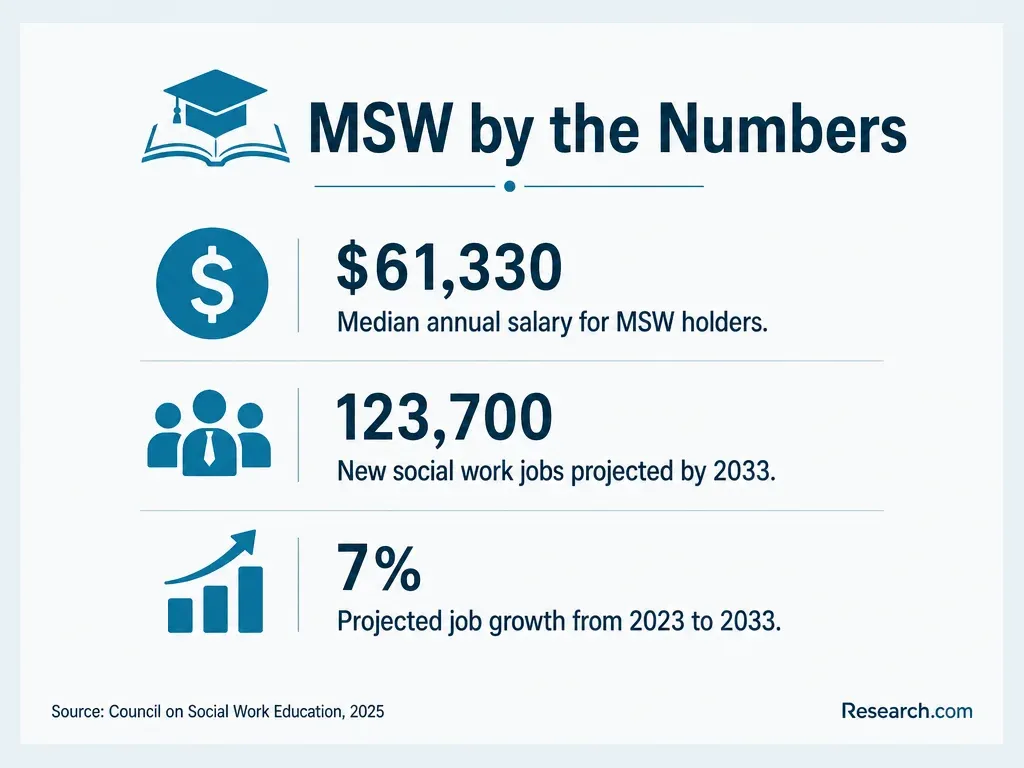
A BSW can prepare graduates for generalist social work roles. An MSW may be required or preferred for positions involving advanced practice, supervision, or particular agency classifications; clinical duties can require a separate state license and post-degree supervised experience.
Career changers should compare job postings for the exact duties they want. Experience in community outreach, benefits administration, healthcare coordination, or advocacy may provide a direct route into navigation work.
If postings consistently require an MSW, a traditional or foundation MSW can admit applicants with non-social-work bachelor's degrees, subject to program requirements. Advanced-standing MSW entry generally requires a qualifying BSW; related work experience alone does not establish eligibility. Comparing accelerated graduate social work programs is useful only after confirming which entry route applies and whether its field schedule is feasible.
There is no single mailing solution that works across every benefit, agency, and client circumstance. A navigator should confirm what each office accepts, whether the client can reliably collect mail, and how the office handles a separate mailing address and residence information. A mailing address should not be presented as proof of a residence the client does not have.
The options below solve different problems; each has a limitation worth discussing before it is entered on an application.
| Option | Potential use | What to verify |
| Shelter or service-agency address | Mail receipt where an organization offers it | Permission, pickup hours, privacy procedures, and how long mail is held |
| Trusted person's address | Stable receipt with the client's consent | Reliability, confidentiality, and whether the client can retrieve notices promptly |
| USPS General Delivery | Post-office pickup without a conventional delivery address | Local post-office availability, identification requirements, holding period, and agency acceptance |
| PO Box | Regular mail collection when affordable and accessible | Cost, USPS enrollment requirements, and whether the receiving agency accepts it |
| Electronic notices or portal | Faster access where an agency offers the option | Phone or internet access, account security, and whether any notices still arrive by mail |
A client applying to school may also need a dependable way to receive admissions and aid correspondence. Planning applications to accessible MSW programs is separate from benefits eligibility, but the same principle applies: confirm the institution's contact and document procedures rather than assuming an online application eliminates mailed notices.
CSWE programmatic accreditation and state licensure answer different questions. Accreditation concerns a BSW or MSW program's social work education; a state board decides who qualifies for a particular social work license and what that license permits. Institutional accreditation is another, separate consideration. A school's general accreditation does not establish that its social work program meets a board's educational rules.
Before enrolling for a job that specifies a BSW, MSW, or license, check the exact program and entry cohort in CSWE's accreditation directory, then compare the intended state board's current education and application requirements. Accredited social work bachelor's study formats can help frame format comparisons, but a program's status and applicability should be confirmed directly.
Graduation does not issue a license. Depending on the state and category, applicants may also need an examination and other steps; independent clinical practice commonly requires qualifying post-degree supervised experience. A housing-navigation position may require none of those clinical privileges, so verify the employer's actual job classification before paying for a credential the role does not require.
A full-time BSW typically fits within a four-year bachelor's program, though transfer credits and course sequencing affect an individual's timeline. Traditional MSW study commonly takes about two academic years full time; qualifying BSW graduates may have a shorter advanced-standing option. Part-time enrollment, field availability, and program calendars can change each timeline.
There is no responsible single price for these routes. Compare the school's published tuition and mandatory fees for the credits you must complete, then add books, screening or onboarding, travel, and any reduction in paid work during field education. A shorter route may lower some costs but create a more demanding weekly schedule. MSW study costs and potential career directions can provide comparison context; request a program-specific cost estimate before committing.
What are social worker salaries and job prospects in housing-related services?
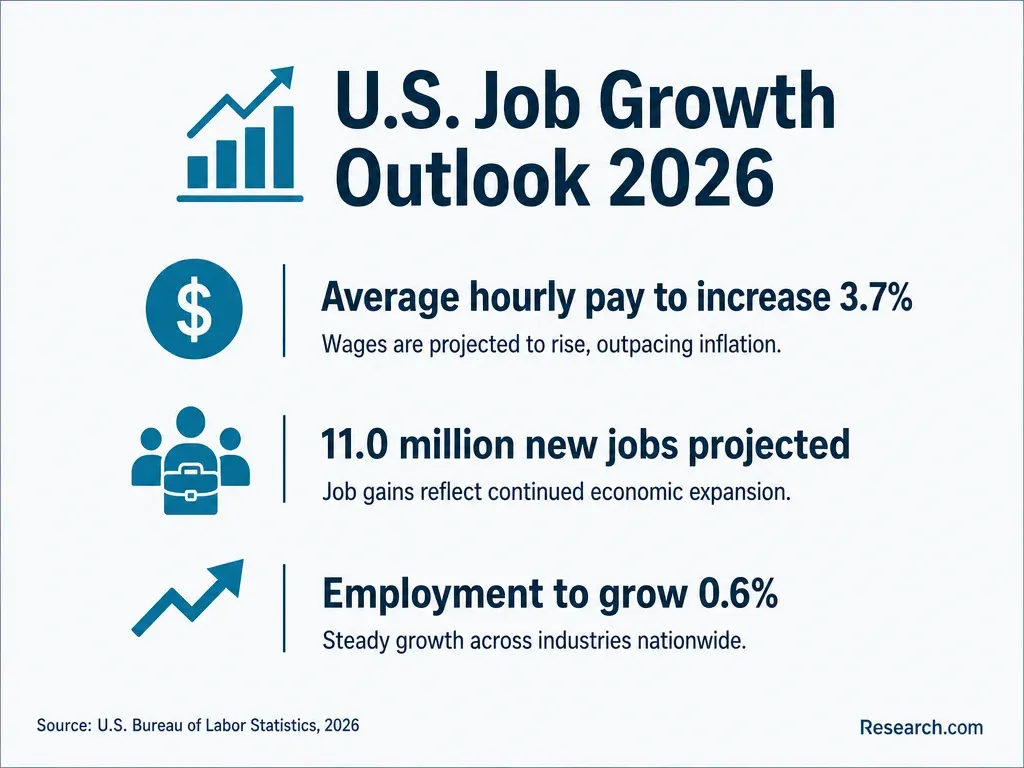
The U.S. Bureau of Labor Statistics reports a May 2025 median annual wage of $61,780 for social workers across specialties and projects 6% employment growth from 2025 to 2035. Those figures describe a broad occupation, not the pay or outlook for a particular housing navigator. Many navigation jobs fall under different occupational classifications and may have different qualification and pay structures.
For a useful salary comparison, match the posting's duties to an occupation, then check its location, employer type, required license, and pay range. Public-agency classifications and nonprofit funding can matter more to an offer than the degree name alone. Social worker earnings and location considerations add geographic context, but occupation-wide medians should not be treated as a promised return on an MSW.
Other Things You Should Know About Social Work
They can ask to apply, but identity-verification rules differ by program and state. A navigator can help the person ask the agency what other evidence it accepts rather than assuming a missing card ends the application.
Not necessarily. Programs may ask where a person is currently staying for eligibility or service-area purposes. Describe the situation accurately and ask the relevant agency how it records temporary living arrangements.
Contact the issuing agency promptly, request the notice and deadline information, and ask about any available appeal, extension, or reopening process. Do not assume that a missed deadline can always be waived.
Discuss safe contact preferences, share information only as authorized or required, and follow agency privacy rules. If disclosure could create a safety risk, seek supervisor guidance on the applicable procedures before sending information.
- Proof of Identity & Residency | Driver and Vehicle Services https://www.pa.gov/agencies/dmv/driver-services/proof-of-identity-and-residency
- No Digital Divide? Technology Use among Homeless Adults | nih.gov https://pmc.ncbi.nlm.nih.gov/articles/PMC6516785/
- Homelessness Resources and Programs | hhs.gov https://www.hhs.gov/programs/social-services/homelessness/resources/index.html
- Supportive Housing & Voucher Services | City of Albuquerque https://www.cabq.gov/health-housing-homelessness/homelessness/supportive-housing
- OVC Model Standards - Office of Justice Programs https://ovc.ojp.gov/sites/ovc/files/model-standards/6/program_standards_4.html
- Bring required documents | U.S. General Services Administration https://www.gsa.gov/federal-credentialing-services/get-appointment-help/bring-required-documents
- Chapter 7 - Privacy and Confidentiality https://www.uscis.gov/policy-manual/volume-1-part-a-chapter-7
- Patient Confidentiality - StatPearls - NCBI Bookshelf - NIH https://www.ncbi.nlm.nih.gov/books/NBK519540/
- No-Fee Post Office Boxes | uspsoig.gov https://www.uspsoig.gov/reports/audit-reports/no-fee-post-office-boxes
- NASW Standards for Social Work Case Management | nycourts.gov https://www.nycourts.gov/reporter/webdocs/nasw_standards_socialwork_casemgt.htm