
Most Affordable Trade School & Training Programs - Leading Certification Courses in Utica for 2026

Co-Founder and Chief Data Scientist
Considering trade schools in Utica for 2026? This article is here to guide you through that important decision. It features a trade school programs ranking developed by the Research.com team of data scientists to help you identify the best options available.
Choosing the right program can open doors to rewarding careers with practical skills and certifications. Whether you want to start a new career or upgrade your qualifications, this guide offers valuable insights to support your journey.
Explore affordable education paths that suit your goals and take confident steps toward your future success.
Key benefits of finishing trade school programs trade school in Utica
- Expected salary: Trade school graduates in Utica typically earn between $41,400 and $60,786 annually, with skilled trades like HVAC and electrical work often providing higher pay around $28.74 per hour.
- Popular career paths: Many graduates pursue jobs as electricians, HVAC technicians, plumbers, and automotive technicians, all of which offer solid opportunities and steady demand in the Utica area.
- Online education benefits: Completing a trade school diploma online in Utica offers flexible scheduling and faster completion times, making it easier to start working and earning sooner while balancing personal commitments.
- Most Affordable Trade School & Training Programs - Leading Certification Courses in Utica for 2026
- What can I expect from trade school programs trade schools in Utica?
- Where can I work after finishing trade school programs trade schools in Utica?
What can I expect from trade school programs trade schools in Utica?
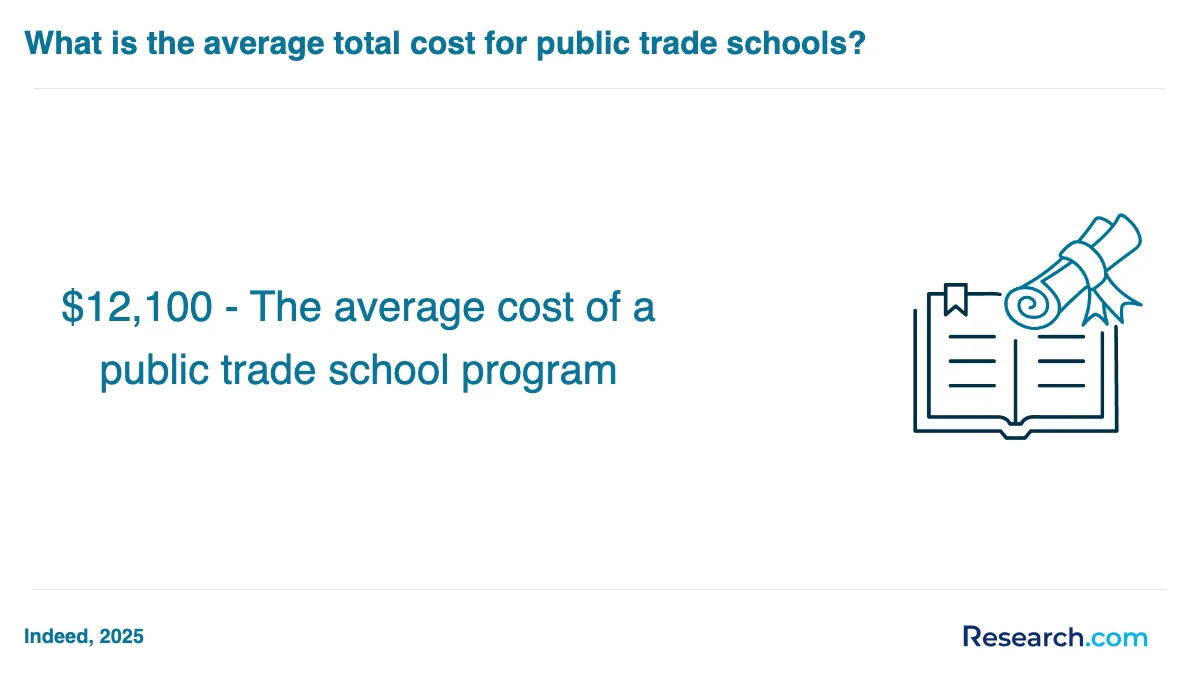
The average cost of a trade school program in Utica typically ranges from $5,000 to $15,000, depending on the length and focus of the program. Graduates from local programs often share how this investment felt manageable, especially considering the hands-on training and industry credentials they received. For example, students in electrician training courses might pay toward certification preparation that employers highly value, making the expense feel like a worthwhile step toward steady employment.
Many find that scholarships, flexible payment plans, and part-time options help keep costs reasonable without sacrificing quality or access. Some graduates appreciated evening classes that allowed them to work during the day, easing financial pressure while gaining real-world skills in fields like welding or automotive technology. Combining affordability with practical experience, these trade schools in Utica emphasize preparing students not just for immediate jobs but also for longer-term career growth.
Where can I work after finishing trade school programs trade schools in Utica?
After finishing a trade school program in Utica, graduates often step directly into well-paying jobs that match their specialized skills. For example, those trained in advanced manufacturing and robotics find themselves working in busy local factories, operating and maintaining cutting-edge machinery. Many share how quickly they were hired by companies eager for skilled technicians.
Those who complete construction, electrical, or fiber optics programs frequently secure roles with construction firms or utility providers in the area. Graduates recall feeling confident walking onto job sites as electricians or fiber optic technicians, knowing their hands-on training made them valuable from day one.
Health profession graduates report getting positions at nearby hospitals and clinics as medical technicians or healthcare assistants, appreciating the stability these jobs offer. Business-focused students find entry-level opportunities at local banks or small businesses, with some turning their training into startup ventures.
Overall, trade school graduates in Utica benefit from strong community ties and job placement support, like that from the MV Tech Corps, helping them confidently transition into careers that fit their skills and interests.
After finishing a trade school program in Utica, many graduates find themselves starting with salaries between $85,000 and $95,000 per year in fields like industrial maintenance, HVAC, and electrical trades. This is a strong outcome compared to the statewide average annual pay of about $73,463 for trade school graduates in New York, translating to roughly $35.32 per hour.
Graduates from well-known Utica trade schools often share how landing full-time roles with these salaries felt like a significant step up from prior jobs. Beyond the paycheck, roles frequently come with valuable benefits such as paid leave, professional development assistance, and retirement plans, which graduates appreciate as they plan for long-term stability.
The region's steady job growth and low unemployment rate of 3.4% as of June 2025 reinforce the availability of opportunities. Many students have reported that with some experience or additional certifications, their earnings have moved closer to or beyond the upper salary range of $109,000 annually, reflecting the real potential of careers built locally in Utica's skilled trades.
- Most trade schools in Utica require a high school diploma or GED, with some accepting equivalent credentials and typically starting at age 16.
- Competitive programs like nursing may require recent algebra coursework, a high school GPA of 80% or higher, and possibly a standardized test such as the TEAS.
- Application fees usually range between $50 and $65, with rolling admissions and multiple start dates throughout the year.
- Full trade program tuition and fees typically range from $10,000 to $30,000, with many programs qualifying for federal aid and scholarships.
- Starting salaries for graduates range from $38,000 to $50,000, increasing to $60,000 or more with experience and certifications in high-demand fields.
Most trade school programs in Utica are designed with speed and practicality in mind, allowing graduates to enter the workforce quickly. For example, certificate programs at Mohawk Valley Community College (MVCC) can be completed in as little as 8 months, making them a popular choice for those eager to start working.
Graduates often share how MVCC's FastTrack career programs, finished within a single semester, helped them quickly master targeted skills without unnecessary delays. These fast-paced formats are perfect for people looking to upskill rapidly or switch careers efficiently.
Many students in trades like electrical work and welding also benefit from programs designed to wrap up within a year, balancing hands-on experience with classroom instruction. Online and hybrid options offer even more flexible timelines, often letting learners progress as their schedules allow while still finishing under 12 months.
Overall, Utica's trade schools emphasize practical, short-term paths to employment, helping students move confidently from training to career in less than a year.
The main difference between online and on-campus trade school programs in Utica comes down to flexibility versus hands-on experience. Online programs let students complete coursework remotely, often at their own pace. This appeals especially to working professionals or parents juggling family duties, who appreciate being able to study evenings or weekends without disrupting jobs. For instance, many graduates from Utica's online courses in electrical trade mention how the 12:1 student-to-faculty ratio made them feel supported, even though they never stepped on campus.
On the other hand, on-campus programs at Utica's trade schools demand physical attendance, providing practical labs, externships, and direct access to tools and instructors. Graduates who chose on-campus classes highlight the confidence gained from hands-on training and the camaraderie of student clubs and campus life, which helped them build strong networks valuable after graduation.
Simply put, online trade programs offer convenience and accessibility, while on-campus options deliver rich, immersive skill-development and social experiences in Utica.
The average trade school cost in Utica NY varies notably depending on the institution chosen. For example, graduates from Mohawk Valley Community College (MVCC), a public school with strong local ties, often share that the in-state tuition of $5,162 per year combined with fees around $952 and books costing roughly $1,616 keeps the total educational expenses manageable. Adding on-campus room and board of about $12,390 creates a clear financial picture for students budgeting living and learning costs together. This affordability is a key reason many local students choose MVCC for trade school programs.
On the other hand, selecting Utica College, a private not-for-profit institution, means preparing for higher tuition costs-$23,208 annually, plus fees near $1,100 and $870 for books and supplies. Room and board expenses run around $13,080, which naturally affects overall affordability but often comes with access to a different range of resources and campus life. Utica trade school tuition and fees reflect how private institutions price their programs, yet many graduates feel the investment aligns with their career goals.
Most trade school graduates agree that understanding all costs-including additional expenses like transportation and specialized equipment-is essential before committing. Comparing these numbers with the state average shows typical New York trade programs may total between $31,000 and $44,000 for the full course, factoring tuition and accommodations. For students seeking quicker returns, it's worthwhile exploring options like highest paying 6 month certifications that fit within a practical budget and time frame.
Trade school students in Utica have access to a variety of financial aid options that can significantly ease the burden of tuition and expenses. The starting point is completing the FAFSA, which unlocks eligibility for federal aid like the Pell Grant-offering up to $7,395 a year-and federal student loans with manageable repayment plans. For many, these programs make it possible to focus on training without constant financial stress.
New York State's Tuition Assistance Program (TAP) is another key resource for residents attending institutions like Mohawk Valley Community College (MVCC) or Utica University's technical programs. TAP awards up to $5,665 annually, helping trade students cover most of their tuition costs.
Local scholarships also play a big role. Community grants such as those from Utica Dollars for Scholars or the Mele Family Fund deliver timely, targeted support. Graduates often share how these awards helped them afford tools and materials essential for their hands-on learning.
Institutions themselves offer robust aid. For instance, Utica University's Pioneer Passport program enables many first-year students to attend tuition-free, transforming what could be a daunting financial challenge into a hopeful stepping stone toward a career.
To enroll in a trade school program in Utica, you must first have a high school diploma or equivalent like a GED. Graduates from local programs such as St. Elizabeth College of Nursing often share how crucial it was to submit official transcripts from every school they attended to prove their academic background.
Expect to meet minimum GPA requirements-for instance, many programs require at least an 80% high school GPA or a 2.75 college GPA. This ensures you're prepared for the technical coursework ahead.
Mathematics proficiency is also key. Nursing students recall how completing basic algebra within the last three years or passing the Math TEAS test made them confident entering their program.
Other typical prerequisites include:
- Submitting all required documents and test scores before deadlines
- Standardized tests like ACT, SAT, or placement exams such as Accuplacer or TEAS
- Background checks, health screenings, and immunization proof for hands-on clinical programs
Following these steps helped many students move smoothly from application to enrollment, making their educational goals in Utica a reality.

Trade school programs in Utica focus heavily on practical skills that lead directly to employment. Graduates often share how hands-on learning in fields like electrical trade or HVAC gave them confidence walking into their first jobs. For example, courses in electrical theory and National Electrical Code® preparation make entering the electrician workforce much smoother.
Popular courses include:
- Skilled trades such as plumbing, HVAC, and electrical work, driven by growth in infrastructure and energy sectors.
- Healthcare-related programs like practical nursing and dental assisting, where students quickly apply patient care techniques.
- Culinary arts and hospitality management, teaching everything from kitchen operations to food safety.
- Public safety fields including law enforcement and fire protection technology.
- Emerging tech areas such as cybersecurity and digital media, emphasizing up-to-date industry skills.
- Hands-on trades like auto body repair, carpentry, welding, and small engine repair, often offered through Oneida-Herkimer-Madison BOCES.
These realistic, career-focused courses prepare students to meet Utica's job market needs, making employment outcomes optimistic and immediate. Many graduates highlight how real-world workshops and apprenticeships made learning relevant and exciting.
In Utica, trade school programs cover a variety of specializations tailored to local industry needs and student goals. Graduates often highlight construction trades as a highly practical path, where programs at Oneida-Herkimer-Madison BOCES teach skills from foundation work to drywall installation. These hands-on courses open doors to work as carpenters, masons, and roofing installers. Many students appreciate the opportunity to earn college credits through partnerships with institutions like Alfred State and SUNY Delhi.
Automotive and small engine programs equip students with the ability to repair engines for equipment like lawn mowers and motorcycles, providing solid entry into technician roles. Culinary arts at Mohawk Valley Community College (MVCC) bring excitement to those who love cooking and baking, combining essential kitchen skills with specialized training.
Healthcare-related programs at MVCC prepare students to quickly enter roles such as Radiologic Technologists or Emergency Medical Service providers. Other technical fields available include cybersecurity, heating and air conditioning, and fire protection technology, offering flexible online and in-person formats.
For those considering options, exploring local construction trade programs can be a practical first step toward a rewarding career with hands-on expertise.
Choosing the best trade school programs in Utica starts with pinpointing the trade that fits your skills and passion, whether it's electrical, HVAC, or construction management. Graduates from Mohawk Valley Community College often share how hands-on learning prepared them to confidently enter the workforce. Accreditation is crucial; schools like Madison-Oneida BOCES prioritize nationally recognized standards, ensuring your credential holds weight with local employers. When weighing options, consider how programs accommodate busy schedules-flexible or hybrid classes can make a big difference if you're balancing work or family. Utica University's programs are a good example, offering real-world training along with in-class instruction, helping students feel ready and optimistic about their career paths.
Look closely at career support services. Many trade schools in Utica maintain strong ties with regional businesses, improving job placement rates through internships or apprenticeships. Graduates often mention the confidence gained from these direct connections to potential employers. Lastly, evaluate tuition and financial aid opportunities. Public schools and community colleges here provide affordable choices, making it easier to focus on your goals. For clarity on the differences between options, explore what is the difference between trade school and vocational programs, which can help you decide how to choose a trade school Utica students trust.
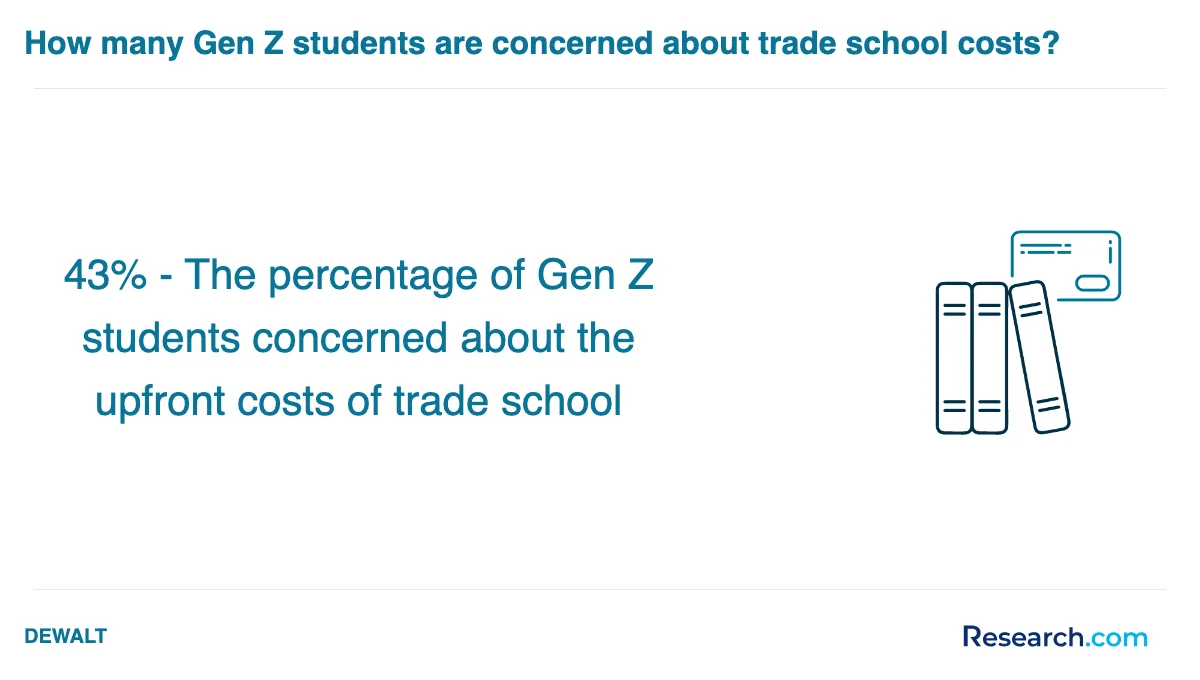
Trade school graduates in Utica discover a solid range of career opportunities for trade school graduates in Utica that reflect the city's practical needs and economic outlook. Electrical work, plumbing, and HVAC are standout fields, offering graduates steady demand as local infrastructure relies heavily on these skills. Many graduates from popular trade schools find accelerated programs invaluable, entering these high-demand trade jobs in Utica NY within two years. For example, plumbing apprenticeships provide a clear path to master licensing and self-employment, a rewarding outcome for those who prefer hands-on work and independence.
Other promising options include:
- Automotive technology and diesel equipment repair, where graduates quickly secure roles at dealerships and repair shops in the transport-focused Utica area
- Welding and machining, which fuel manufacturing and construction across the Mohawk Valley and benefit from programs including some of the most affordable online welding trade school programs
- Healthcare-related technical fields, such as biomedical equipment repair, meeting growing demand at local clinics without the time investment of medical degrees
- Animation, graphic design, and media technology, supporting the growing digital content sector locally
Graduates frequently praise the balance of skill-building and swift employment outcomes, which make trade school a pragmatic choice in Utica's evolving job landscape.
The job market for trade school graduates in Utica is notably strong, with steady opportunities in skilled trades such as advanced manufacturing, construction technology, and health professions. Graduates often find themselves quickly employed, thanks to practical experience gained through internships and apprenticeships offered by popular programs like those at OHM BOCES and Mohawk Valley Community College. Starting wages are competitive, with industrial electricians earning about $28 per hour and other roles like community health workers making $17 to $20 hourly. This reflects favorable Utica NY employment rates for trade school graduates, making it a viable pathway for steady career growth.
Practical experience is a big advantage. Graduates report that job site visits and connections through their schools lead directly to job offers. Employers value hands-on skills, which many students develop in partnership programs, including the MV Tech Corps that offers SUNY-recognized certificates enhancing employability. For those wanting flexible learning options, there are also low cost maintenance technician online courses that complement local training.
Job seekers will find the Utica market hospitable, with over 30 skilled trades positions regularly posted online. Common openings include furnace operators and CDL drivers, indicating a diverse array of trade school job opportunities in Utica NY. The new Career and Technical Education Center at Proctor High School further strengthens connections between education and local employment needs, ensuring graduates are workforce-ready.
Most Affordable Trade School & Training Programs - Leading Certification Courses in Utica for 2026
# 1 position
Mohawk Valley Community College - Criminal Justice/Law Enforcement Administration.
associateMohawk Valley Community College offers a Criminal Justice/Law Enforcement Administration program with a hybrid format, including some distance education. The program prepares students for managing public law enforcement agencies, covering topics such as law enforcement history, operational leadership, labor relations, legal responsibilities, budgeting, and public relations. Annual in-state tuition is $6,114. Graduates have a median earnings of $36,754 one year after completing the program. The college is accredited by the Middle States Commission on Higher Education.
# 2 position
Mohawk Valley Community College - Business Administration and Management, General.
associateMohawk Valley Community College offers a Business Administration and Management, General program with a hybrid format that includes some distance-education options. The program prepares students to plan, organize, direct, and control organizational functions, covering management theory, human resources, accounting, logistics, marketing, and business decision-making. Annual in-state tuition is $6,114. Graduates earn a median income of $35,774 one year after completion. The program is accredited by the Middle States Commission on Higher Education.
# 3 position
Mohawk Valley Community College - Computer and Information Sciences, General.
associateMohawk Valley Community College offers a hybrid program in Computer and Information Sciences, General, providing some distance-education options. The program focuses on computing, computer science, and information science and systems without specializing in specific subfields. Annual in-state tuition is $6,114. The program is accredited by the Middle States Commission on Higher Education.
# 4 position
Mohawk Valley Community College - Computer Science.
associateMohawk Valley Community College offers a Computer Science program with a hybrid format, allowing some distance-education options. The curriculum covers computer theory, problem-solving, system design, and user interfaces from a scientific perspective. Students receive instruction in computational science principles, programming, and practical applications. The program’s annual in-state tuition is $6,114. It is accredited by the Middle States Commission on Higher Education.
# 5 position
Mohawk Valley Community College - Computer and Information Systems Security/Auditing/Information Assurance.
associateMohawk Valley Community College offers a hybrid program in Computer and Information Systems Security/Auditing/Information Assurance. The program trains students to evaluate security needs, recommend safeguards, and manage implementation and auditing of security systems. Coursework covers computer architecture, programming, networking, cryptography, risk assessment, and investigation techniques. The annual in-state tuition is $6,114. The program is accredited by the Middle States Commission on Higher Education.
# 6 position
Mohawk Valley Community College - Heating, Air Conditioning, Ventilation and Refrigeration Maintenance Technology/Technician.
associateMohawk Valley Community College offers a Hybrid Heating, Air Conditioning, Ventilation and Refrigeration Maintenance Technology/Technician program. The curriculum prepares students to repair, install, service, and maintain HVAC and refrigeration systems, including diagnostic techniques and use of testing equipment. Instruction covers mechanics, electricity, and electronics principles related to these systems. Annual in-state tuition is $6,114. The program is accredited by the Middle States Commission on Higher Education.
# 7 position
Mohawk Valley Community College - Welding Technology/Welder.
associateThe Welding Technology/Welder program at Mohawk Valley Community College offers a hybrid format with some distance education options. It prepares students to perform welding and cutting on metal surfaces using various techniques, including arc welding, resistance welding, and brazing. The curriculum covers welding metallurgy, safety, structural design, and applicable codes. Annual in-state tuition is $6,114, and median earnings one year after completion reach $29,615.70. The program is accredited by the Middle States Commission on Higher Education.
# 8 position
Mohawk Valley Community College - Accounting Technology/Technician and Bookkeeping.
associateMohawk Valley Community College offers a hybrid Accounting Technology/Technician and Bookkeeping program designed to prepare students for technical support roles in accounting and financial management. The curriculum covers posting transactions, record-keeping systems, accounting software, and accounting principles. In-state tuition is $6,114 annually. Graduates earn a median salary of $26,181 one year after completion. The program is accredited by the Middle States Commission on Higher Education.
# 9 position
Mohawk Valley Community College - Heating, Air Conditioning, Ventilation and Refrigeration Maintenance Technology/Technician.
certificate or diplomaMohawk Valley Community College offers a hybrid program in Heating, Air Conditioning, Ventilation and Refrigeration Maintenance Technology/Technician. The curriculum prepares students to repair, install, service, and maintain HVAC and refrigeration systems, emphasizing diagnostic techniques and use of testing equipment. Instruction covers mechanics, electricity, and electronics principles relevant to these systems. The annual in-state tuition is $6,114. The program is accredited by the Middle States Commission on Higher Education.
# 10 position
Mohawk Valley Community College - Welding Technology/Welder.
certificate or diplomaMohawk Valley Community College offers a Hybrid Welding Technology/Welder program that prepares students to apply technical knowledge in welding and cutting metal surfaces. The curriculum includes arc welding, brazing, high-energy beam welding, welding metallurgy, and safety standards. The annual in-state tuition is $6,114. Graduates report median earnings of $29,615 one year after completion. The program is accredited by the Middle States Commission on Higher Education.
Frequently Asked Questions about trade school programs
After completing trade school in Utica, effective job market preparation begins with leveraging career services offered by the school. Many local trade schools provide resume workshops, interview training, and job placement assistance tailored to industries prevalent in the Utica area. According to the New York State Department of Labor, Utica's manufacturing and healthcare sectors are growing, so targeting these fields can increase job prospects.
Networking is also crucial. Graduates should engage with local trade associations and attend industry events in Central New York to build professional connections. Additionally, obtaining relevant certifications or licenses beyond the trade school diploma can significantly enhance employability.
Finally, continuous skill development through online courses or apprenticeships supports adaptability in an evolving job market, which benefits Utica trade school graduates aiming for long-term career success.
Employers in Utica seek trade school graduates with a combination of technical and soft skills. According to local industry reports, proficiency in hands-on skills such as electrical work, plumbing, and HVAC systems is highly valued. These skills must be paired with a strong understanding of safety protocols and regulations. Furthermore, problem-solving abilities and attention to detail are critical for success in the trade fields common to Utica's labor market.
Communication skills also rank high, enabling workers to collaborate effectively on job sites. The New York State Department of Labor highlights that reliability and punctuality are key professional traits employers expect in trade school graduates entering the local workforce.
Finding internships in Utica that align with your trade school program involves targeted research and leveraging local resources. Start by contacting your trade school's career services office, which often maintains partnerships with regional employers. According to the New York State Department of Labor, Utica's key industries include manufacturing, healthcare, and construction-sectors that typically offer internship opportunities relevant to many trade fields.
Utilize online platforms such as the SUNY Career Zone, a state-supported job portal listing internships throughout New York, including Utica. Local business associations, like the Utica Chamber of Commerce, also provide networking events and internship listings tailored to the community's trades.
Reaching out directly to local companies, especially small and medium enterprises, can uncover unadvertised internship roles. Employers in Utica value hands-on skills and community ties, which can give trade students an advantage.
Obtaining a trade school diploma in Utica significantly enhances career mobility and advancement opportunities. According to data from the New York State Education Department, graduates with trade certifications experience a 15% higher employment rate within the first year compared to those with only a high school diploma.
Trade schools in Utica focus on practical skills aligned with local industry needs, such as manufacturing, healthcare, and construction. This alignment increases graduates' chances of securing well-paying jobs quickly.
Additionally, employers in Utica often prioritize certified candidates for promotions, recognizing the specialized expertise that trade school diplomas verify. This credential can also open pathways to union memberships, which frequently offer better wages and job security.
Overall, trade school diplomas provide a direct route to stable employment and upward career movement within Utica's competitive job market.
In Utica, part-time job opportunities that complement trade school education often align with skills taught in these programs. For example, students in automotive technology may find entry-level mechanic or parts assistant roles nearby. The healthcare sector offers part-time positions such as medical assistants or pharmacy aides, which can enhance practical experience.
Retail and hospitality jobs are also common for trade students, especially those studying culinary arts or customer service. According to the U.S. Bureau of Labor Statistics, Utica's retail sector employs many part-time workers, providing flexible hours for students. Local job boards like Indeed show numerous openings for apprenticeships and internships tailored to trade school students.
There are several affordable degree programs available near Utica, NY, including those offered by local community colleges and state universities. Researching nearby institutions can reveal a variety of options that are budget-friendly while still offering quality education. Utilizing resources like Research.com can help identify the most cost-effective programs near me and refine your search for the best choices to suit your educational needs.
- CTE PROGRAMS | Career and Technical Education https://www.uticaschools.org/departments/cte/cte-programs
- Area Career/Technology Education | Notre Dame Schools https://notredameutica.org/area-careertechnology-education
- Career Pathways Program | Working Solutions | An American Job Center https://www.working-solutions.org/training-grant-programs/career-pathways-program
- Career Pathways https://mvcc.edu/academics/career-pathways.php
- Learn A Trade - SUNY https://www.suny.edu/trades/


