
Most Affordable Trade School & Training Programs - Leading Certification Courses in Oroville for 2026

Co-Founder and Chief Data Scientist
Choosing the right trade school in Oroville can be a big step toward a rewarding career. This article introduces the most affordable trade schools for 2026, designed to help you find the best fit for your goals and budget.
We’ll share a trade school programs ranking created by the Research.com team of data scientists. This ranking highlights programs worth considering, giving you clear insights to make informed decisions.
Whether you want a diploma or certification, investing in trade education opens doors to practical skills and career opportunities. Let’s explore the options that can lead to your success.
Key benefits of finishing trade school programs trade school in Oroville
- Trade school graduates in Oroville can earn strong salaries, such as $70,400 to $114,500 in construction roles like electricians and project managers, $70,898 yearly as CAD technicians, and up to $168,747 for experienced power lineworker instructors.
- Popular career paths include construction, technical drafting, energy sector jobs, and apprenticeships leading to roles like resident engineer with salaries up to $150,000, offering great opportunities for growth and skill development.
- Obtaining a trade school diploma or certification online provides flexibility and convenience, allowing graduates to balance work and study while still gaining recognized credentials, making education more accessible and tailored to busy schedules.
- Most Affordable Trade School & Training Programs - Leading Certification Courses in Oroville for 2026
- What can I expect from trade school programs trade schools in Oroville?
- Where can I work after finishing trade school programs trade schools in Oroville?
What can I expect from trade school programs trade schools in Oroville?
The average cost of a trade school program in Oroville is designed to be affordable, often ranging from a few hundred to several thousand dollars depending on the field and program length. Graduates from Oroville Adult Education Career and Technical Center frequently share how the relatively low tuition, combined with financial aid options, made pursuing skills like welding or computer applications attainable without major debt.
Students at trade schools in Oroville appreciate that programs are short-term, typically under a year, allowing them to enter the workforce quickly and start earning. Many mention how hands-on learning with updated equipment at sites like Las Plumas High School helped them build confidence through real-world practice. Others highlight personalized attention from instructors who bring industry experience, making lessons clear and directly applicable.
Graduates report feeling supported not only in training but also with career services like resume workshops and job placement assistance-tools that made a visible difference during job searches. Flexible class formats, including in-person and online options, cater well to those balancing family or work commitments. This practical approach ensures that students leave trade schools in Oroville ready, motivated, and optimistic about new career opportunities.
Where can I work after finishing trade school programs trade schools in Oroville?
After completing a trade school program in Oroville, graduates often find well-paying jobs in fields that match their training and local demand. For example, automotive technology grads work as automotive technicians or parts specialists at nearby dealerships and repair shops. Welding graduates are hired as welders or fabricators in local manufacturing and construction companies. These roles come with steady openings, a fact confirmed by numerous job listings for diesel mechanics and plumbers around Oroville.
Culinary arts students frequently secure positions as line cooks or kitchen managers in Oroville's restaurants, hospitals, and schools, gaining firsthand experience in fast-paced environments. Those from agriculture programs land jobs managing farms or greenhouses throughout Butte County, an area known for its rich agricultural industry. Dental and veterinary assistant apprenticeships lead directly to roles in local clinics and animal hospitals, providing hands-on training that employers value highly.
Graduates share how close ties between Oroville's trade schools and employers often result in apprenticeships or immediate job offers, making the transition to work smooth and rewarding. Entry-level wages range between $16 and $30 per hour, reflecting skills gained and the steady need in these trades.
Graduates from trade schools in Oroville often find themselves stepping into well-paid roles soon after completing their programs. For example, those who train as power lineworker instructors can start earning as much as $168,747 annually, or about $81.13 per hour. This kind of salary reflects both the technical skill required and the value utilities place on experienced educators in the area.
Apprenticeships offered by the California Department of Water Resources are a common path local students take. A Utility Craftsworker Apprentice in Oroville typically earns between $4,358 and $6,034 per month, translating to roughly $52,296 to $72,408 annually. Hydroelectric Plant Operator Apprentices earn even more, with monthly pay from $4,470 to $6,909. Graduates often share how turning their hands-on skills into these steady incomes quickly made a big difference in their financial independence.
Other popular careers include resident engineers, who report salaries between $85,000 and $150,000 per year. Many diesel mechanics and journeyperson plumbers from Oroville trade schools also find competitive wages, typically ranging between $40,000 and $70,000 annually, depending on experience and certifications earned during their studies. These earnings show that Oroville's trade schools provide more than just training; they open doors to stable, rewarding careers.
- Trade school programs in Oroville cover fields like automotive technology, welding, culinary arts, and multimedia design.
- Applicants must be at least 18 years old and have a high school diploma or equivalent to enroll.
- Tuition typically ranges from $3,000 to $10,000 for certificate courses, with some longer programs costing more.
- Flexible schedules are common, with evening and weekend classes offered, plus financial aid and apprenticeship options.
- Entry-level salaries for graduates range from $35,000 to $50,000 per year, with potential earnings rising to $70,000 as experience grows.
Trade school programs in Oroville vary widely in length, depending on your chosen field and credential. Many graduates from local programs excitedly share how they completed intensive training in under a year, quickly jumping into new careers. For example, someone finishing the Professional Welding Academy in nearby Butte County completed their training in just 11 weeks, combining classroom lessons with hands-on job experience right before graduation.
Others pursuing electrical trades benefited from the Electrical Lineworker Program at Northwest Lineman College's California campus. This 15-week pre-apprenticeship gave them the confidence to start work in less than four months, shortening the typical waiting time for entry-level roles.
For those aiming higher, apprenticeships like those offered through the California Department of Water Resources last three to four years, blending on-the-job training with classroom learning. While longer, these paths often lead to stable and well-paid careers.
Many students also consider associate degrees at Butte College, which typically take about two years, balancing technical skills and broader education. Graduates frequently remark on how this timeframe allowed them to develop a solid skill set without the longer commitment of a traditional four-year degree.
Overall, Oroville offers flexible training lengths-from a few months to several years-giving you control over how quickly you launch your career.
The key difference between online and on-campus trade school programs in Oroville lies in how students engage with their courses and peers. Online programs, such as those offered by Butte College, enable students to study remotely, ideal for those juggling work or family. Graduates often recall appreciating the freedom to learn at their own pace, using video lectures and digital assignments while connecting with instructors via email or video calls. This setup works well for self-motivated individuals comfortable with technology.
In contrast, on-campus programs require attending classes in person. For hands-on fields like welding or automotive repair, students value immediate access to specialized labs and equipment at Butte College. Graduates frequently mention the benefit of face-to-face interaction with instructors and real-time feedback that helps build confidence and skills quickly. The structured schedule also supports students who thrive with routine and direct supervision.
Both formats offer the same credentials, but online students often save on commuting and housing, making each choice practical based on personal needs and style of learning.
The average trade school tuition in Oroville typically ranges between $5,000 and $15,000 for most full programs, reflecting costs seen nationwide. Many students find that attending local community colleges or technical schools offers affordable paths to gaining skills, especially in fields like automotive technology or welding where fees stay within that range. Graduates often share how manageable expenses helped them stay focused on learning without overwhelming debt.
For those pursuing more specialized or intensive trades, such as electrical linework, the Oroville trade school program costs can be higher. For example, attendees at noted regional programs like the Northwest Lineman College California pay about $21,186 for a comprehensive 15-week term that includes all training and necessary gear. This kind of investment often pays off quickly for students entering booming industries with strong job prospects.
Public community colleges near Oroville generally have the lowest tuition, averaging around $8,683 for programs under two years and even less for two-year associate degrees. That makes these schools an attractive choice for students balancing budgets and career goals. Nonetheless, it's important to budget separately for tools, supplies, and certification exams-costs that graduates recall as part of the complete experience.
Prospective students can find additional opportunities by exploring affordable freight broker classes online, which offer flexible, cost-effective ways to break into the trade sector. Checking in with local institutions in Oroville for the latest tuition details and considering scholarships can also help make trade education more accessible.
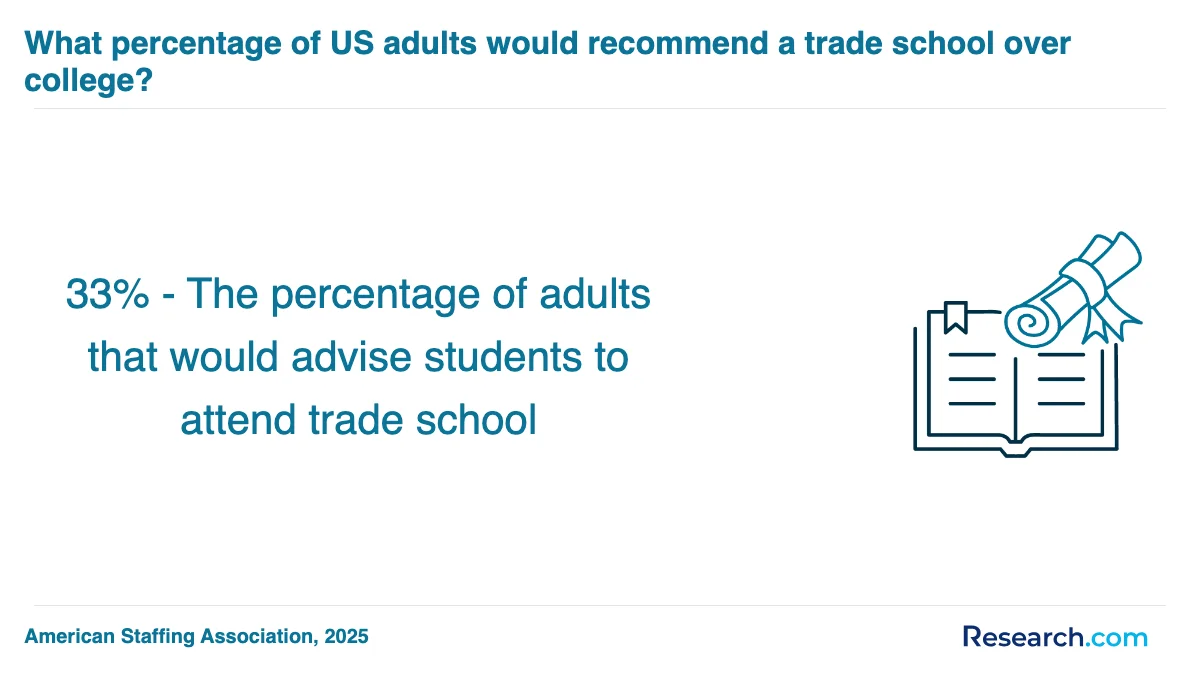
Trade school students in Oroville can access multiple financial aid options that make pursuing hands-on training more affordable. Most begin by submitting the Free Application for Federal Student Aid (FAFSA), which opens doors to Pell Grants and federal loans. For those who qualify, the California Dream Act Application (CADAA) offers similar benefits, especially for undocumented students living in the state.
The state's Cal Grant program is especially valuable, covering tuition and some living costs at many local vocational schools, provided students meet financial and academic criteria by early April. Graduates often recall how this reduced their upfront tuition burden, allowing them to focus fully on their studies.
Additionally, local groups like Cal Water award meaningful scholarships-one recent academic year delivered $80,000 split among 13 Oroville students studying full-time at accredited trade schools. Institutional scholarships and federal Direct loans through nearby schools, like Cal Northern in Chico, also offer support, creating manageable payment schedules aligned with term start dates.
Events like Cash for College workshops help students and families navigate these options, turning what once seemed complicated into achievable steps. Many Oroville enrollees find this guidance boosts their confidence and financial readiness, making their education goals feel genuinely within reach.
Enrolling in a trade school program in Oroville typically requires meeting a few straightforward but essential prerequisites to ensure students are prepared for success. Most programs insist on a high school diploma or GED, which sets the foundation for learning technical skills. Graduates from local schools, like those attending Northwest Lineman College, often share how having this basic credential made the admission process smooth and boosted their confidence entering specialized training.
Age is another key factor; you generally need to be at least 18 years old before beginning your program. This is critical for hands-on trades where safety and legal regulations matter, such as electrical or healthcare fields.
Additional common prerequisites include:
- Possession of a valid driver's license, especially for programs requiring travel or site access.
- Proof of physical fitness and medical insurance-veteran students recount how medical release forms helped them prepare for rigorous physical tasks.
- Clear background checks in healthcare-related programs, ensuring patient safety during clinical hours.
- Some programs enforce physical requirements like weight limits to comply with safety gear standards.
While standardized tests like the SAT or ACT are not usually required, certain Oroville schools may have placement tests to gauge your readiness. Graduates appreciate how this helps tailor instruction to their current skill level, making the learning journey more approachable.
Understanding and fulfilling these prerequisites paves the way for a rewarding trade career, just as many Oroville trade school alumni have experienced firsthand.

Trade school programs in Oroville focus on practical skills that lead directly to in-demand jobs. Graduates from local schools often praise how quickly they moved from the classroom to hands-on work, gaining confidence while mastering valuable trades. Common courses reflect Oroville's workforce needs, with strong emphasis on technical and health-related fields.
Typical courses include:
- Automotive technology, where students learn to diagnose and repair vehicles, a skill prized by local repair shops.
- Welding and HVAC (heating, ventilation, and air conditioning), with programs like those at the Professional Welding Academy that prepare students for certified roles, boosting job prospects.
- Electrical technology, providing training in residential and commercial wiring relevant to the region's construction sector.
- Emergency medical technology (EMT) and nursing assistant courses, combining classroom instruction with real clinical experience for fast entry into healthcare.
- Agriculture and veterinary assistance, reflecting Oroville's farming economy, where students gain hands-on skills in animal care and crop management.
- Culinary arts, multimedia design, computer applications, and business administration, catering to students pursuing hospitality and office careers.
These programs often integrate local labor market feedback, so graduates feel prepared and optimistic about immediate employment.
Trade school programs in Oroville focus on practical skills aligned with local employment demands. Graduates from the Butte County Professional Welding Academy often share how the eleven-week program helped them quickly transition into welding jobs by combining classroom learning with hands-on work in a Community Classroom setting. This direct exposure to real-world conditions builds confidence and competence.
Healthcare specializations are another strong focus, offered through Butte County CTE/ROP. Students training as Medical Assistants, Phlebotomy Technicians, or Dental Assistants benefit from programs designed for rapid entry into clinics and hospitals. Graduates report feeling well-prepared for immediate employment and career growth. The Certified Veterinary Assistant program supports those interested in veterinary services, providing essential skills in caring for animals.
For those drawn to education and childcare, Oroville's trade schools offer targeted programs preparing students for teaching assistant and child care roles. Local educational institutions value these graduates for their hands-on training and readiness to support learning environments.
Oroville's options extend beyond these with programs like the most affordable solar technician training program accessible to residents seeking emerging green technology careers.
Choosing the best trade school programs in Oroville starts with verifying accreditation. Graduates from accredited programs, like those in dental assisting approved by the Dental Board of California, have smoother paths to licensure and employment. Many Oroville students share how this recognition gave them confidence when applying for jobs locally.
Admission requirements are another practical checkpoint. For instance, completing prerequisite steps-such as a high school diploma and valid driver's license-helped several lineman program enrollees avoid delays in starting their training. Knowing these details up front can save time and frustration.
When you consider how to compare Oroville trade schools, look closely at program length and flexibility. Students juggling part-time jobs often praise programs that combine classroom work with hands-on labs and externships within the community, which they found invaluable.
Financial aid eligibility in Oroville can significantly ease costs. Many programs accept federal aid, and completing the FAFSA allowed past students to focus on learning instead of worrying about expenses.
Finally, local job placement support is a game changer. Graduates often remark on career workshops and internship connections provided by Oroville schools that helped them land jobs faster. For a broader perspective on navigating choices, consider reviewing trades vs college to align your educational goals with the right path.
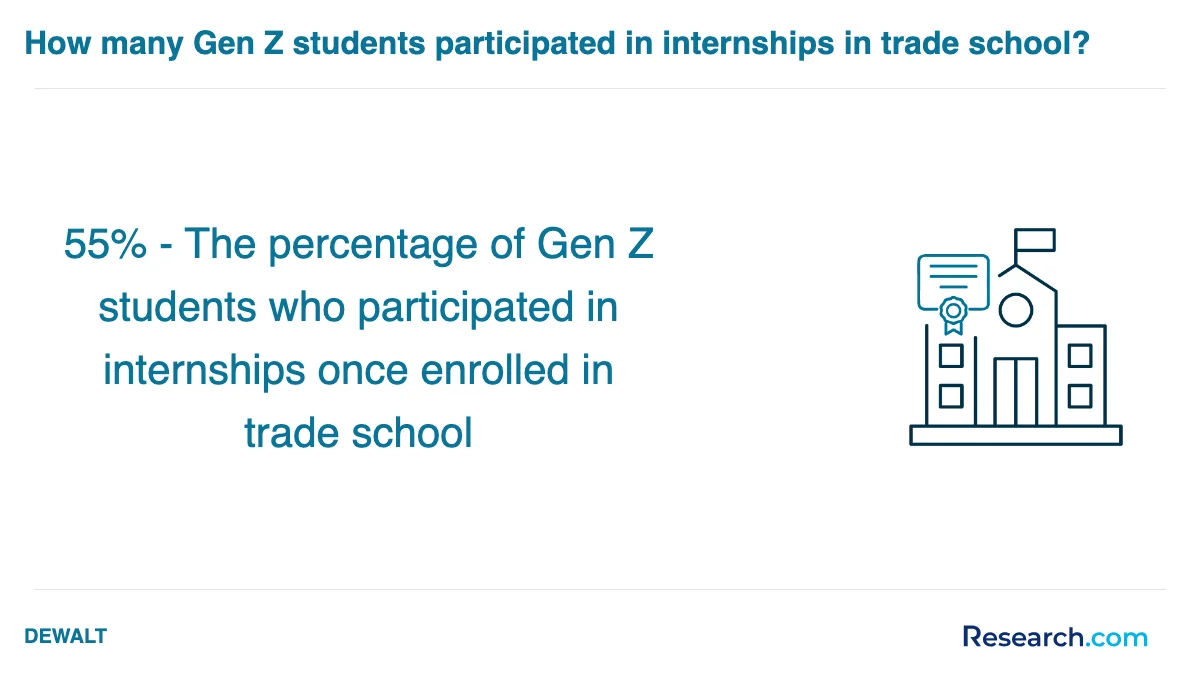
Trade school graduates in Oroville find diverse career opportunities, reflecting the city's strong link between education and workforce needs. Fields such as automotive technology, welding, culinary arts, and home economics offer practical, hands-on training that leads to steady jobs in local businesses and manufacturing plants. Graduates share stories of quickly securing roles thanks to the relevant skills gained through Oroville trade school programs and job placement efforts.
Healthcare fields stand out for students pursuing specialized training. For example, graduates of the 11-week Phlebotomy Technician program have swiftly moved into certified roles in local clinics, benefitting from direct preparation for state certification and the National Exam. Similarly, the California Campus Lineman School equips students physically and technically for in-demand positions maintaining the state's power infrastructure.
Many students appreciate that these programs typically last less than two years and lead to certifications or associate degrees, providing a competitive edge. Practical examples include those studying agricultural technologies and low cost online landscaping technology trade school programs, which expand job placement options beyond traditional routes.
The Oroville trade school job opportunities are strong, with over 90 skilled trade positions actively listed, including diesel mechanics, journeyperson plumbers, and sales representatives. Graduates from local trade schools often find themselves stepping directly into roles without the need for a four-year degree, as 65 job openings currently specify "no degree required." This accessibility makes trade programs especially appealing in Oroville.
Many graduates share that apprenticeships in welding, dental assisting, and veterinary assistance provide valuable hands-on experience while earning between $16 and $76 per hour. These roles often lead to full-time placements supported by partnerships through the Butte County Office of Education. Practical training tied to real job openings creates a clear path from school to work.
The employment outlook for Oroville trade school graduates favors those entering healthcare and construction. For example, dental assistant apprenticeships in Oroville remain in demand, reflecting opportunities not just for new students but also current workers upskilling. Success stories from local programs highlight how trade credential holders quickly secure competitive wages.
- Strong local demand in hands-on fields
- Apprenticeships offering paid training
- Many jobs requiring no bachelor's degree
For students curious about earnings, see how much do trade school graduates make to understand typical wage ranges and career progression based on current data.
Most Affordable Trade School & Training Programs - Leading Certification Courses in Oroville for 2026
# 1 position
Butte College - Information Technology.
associateButte College offers a hybrid Information Technology program focusing on designing technological information systems as solutions for business and research data needs. The curriculum covers computer hardware and software principles, algorithms, databases, telecommunications, application testing, and human interface design. Annual in-state tuition is $1,336. The program is accredited by the Western Association of Schools and Colleges Accrediting Commission for Community and Junior Colleges.
# 2 position
Butte College - Computer Science.
associateButte College offers a hybrid Computer Science program focusing on computer theory, computing problems, and the design of computer systems and user interfaces. The curriculum covers principles of computational science, computer development, programming, and practical applications. The program’s annual in-state tuition is $1,336. It is accredited by the Western Association of Schools and Colleges Accrediting Commission for Community and Junior Colleges.
# 3 position
Butte College - Criminal Justice/Law Enforcement Administration.
associateButte College offers a Criminal Justice/Law Enforcement Administration program in a hybrid format, combining in-person and distance education. The program prepares students to manage public law enforcement agencies through courses in law enforcement history, operational leadership, labor relations, legal responsibilities, budgeting, and public relations. Annual in-state tuition is $1,336. The program is accredited by the Western Association of Schools and Colleges Accrediting Commission for Community and Junior Colleges.
# 4 position
Butte College - Criminal Justice/Police Science.
associateButte College offers a Criminal Justice/Police Science program designed to prepare students for roles in law enforcement, including patrol, investigation, traffic and crowd control, and evidence management. The hybrid program includes some distance education options. Annual in-state tuition is $1,336. The program is accredited by the Western Association of Schools and Colleges Accrediting Commission for Community and Junior Colleges.
# 5 position
Butte College - Building/Home/Construction Inspection/Inspector.
associateButte College offers a hybrid program in Building/Home/Construction Inspection/Inspector that prepares students to oversee construction projects and maintain completed buildings. The curriculum covers construction processes, materials analysis, safety, building codes, blueprint interpretation, testing procedures, and accident investigation. The program's annual in-state tuition is $1,336. It is accredited by the Western Association of Schools and Colleges Accrediting Commission for Community and Junior Colleges.
# 6 position
Butte College - Automobile/Automotive Mechanics Technology/Technician.
associateButte College offers a hybrid program in Automobile/Automotive Mechanics Technology/Technician designed to prepare students with technical skills to repair, service, and maintain various automobile systems. The curriculum includes brake, electrical, engine, suspension, steering, transmission, and heating and air conditioning systems. The program has an annual in-state tuition of $1,336 and is accredited by the Western Association of Schools and Colleges Accrediting Commission for Community and Junior Colleges.
# 7 position
Butte College - Welding Technology/Welder.
associateButte College offers a Welding Technology/Welder program in a hybrid format with some distance education options. The program trains students in various welding methods, including arc welding, resistance welding, and brazing, as well as in welding metallurgy, safety, and applicable codes. Annual in-state tuition is $1,336. The program is accredited by the Western Association of Schools and Colleges Accrediting Commission for Community and Junior Colleges.
# 8 position
Butte College - Medical Administrative/Executive Assistant and Medical Secretary.
associateThe Medical Administrative/Executive Assistant and Medical Secretary program at Butte College offers a hybrid format with some distance-education options. It prepares students for roles assisting physicians, nurses, and healthcare administrators. The curriculum covers medical communications, terminology, healthcare operations, software applications, scheduling, and professional ethics. Annual in-state tuition is $1,336. The program is accredited by the Western Association of Schools and Colleges Accrediting Commission for Community and Junior Colleges.
# 9 position
Butte College - Business Administration and Management, General.
associateThe Business Administration and Management, General program at Butte College offers a hybrid format with some distance-education options. It prepares students to plan, organize, direct, and control business functions, covering management theory, human resources, accounting, logistics, marketing, and decision-making. The program is accredited by the Western Association of Schools and Colleges Accrediting Commission for Community and Junior Colleges. Annual in-state tuition is $1,336.
# 10 position
Butte College - Accounting Technology/Technician and Bookkeeping.
associateButte College offers a hybrid program in Accounting Technology/Technician and Bookkeeping designed to prepare students for technical administrative roles supporting accountants and financial personnel. The curriculum includes training in posting transactions, record-keeping systems, accounting software, and fundamental accounting principles. The program’s annual in-state tuition is $1,336. It is accredited by the Western Association of Schools and Colleges Accrediting Commission for Community and Junior Colleges.
Frequently Asked Questions about trade school programs
After completing trade school in Oroville, preparing for the job market involves several key steps to increase employment chances. First, graduates should obtain necessary certifications and licenses relevant to their field, as employers often require these credentials. For example, many technical jobs require OSHA safety certifications or state-specific licenses.
Networking is crucial; connecting with local businesses and attending industry events in Oroville can lead to job opportunities. Utilizing the school's career services can also provide access to job listings and resume workshops designed for trade careers.
According to the California Employment Development Department, Oroville's trades sector is growing steadily, especially in construction and healthcare support roles, indicating rising demand for qualified workers.
Continuing education and gaining hands-on experience through apprenticeships or internships can further enhance employability. Trade schools often help graduates find such opportunities locally.
Employers in Oroville highly value trade school graduates who possess both technical and soft skills. According to the California Workforce Development Board, top technical skills include proficiency in electrical systems, welding, and HVAC technology, reflecting the region's demand for construction and manufacturing expertise.
In addition to technical abilities, strong problem-solving and communication skills are essential. A 2023 survey by the National Association of Manufacturers found that 78% of local employers prioritize clear communication and teamwork among skilled workers.
Time management and adaptability also rank highly, as many industries in Oroville require graduates who can work efficiently under changing conditions. Trade schools that emphasize hands-on learning paired with soft skills training prepare students to meet these employer expectations effectively.
Finding internships in Oroville related to your trade school program involves multiple strategies. Start by consulting your trade school's career services, which often have partnerships with local businesses. According to the California Employment Development Department, Oroville's industries like construction, healthcare, and manufacturing provide numerous internship opportunities each year.
Local job boards and websites like Indeed and Glassdoor list internships specifically in Oroville, making them useful resources. Additionally, contacting the Oroville Chamber of Commerce can uncover connections to companies open to accepting interns.
Networking through local trade associations and attending community job fairs can also increase your chances. Research from the National Association of Colleges and Employers shows that nearly 60% of internships are secured through personal connections, highlighting the importance of active engagement.
In Oroville, earning a trade school diploma significantly enhances career mobility and advancement opportunities. Trade diplomas equip students with practical skills tailored to local industry needs, such as construction, healthcare, and manufacturing. According to the California Employment Development Department, many skilled trades in Oroville show steady job growth, reflecting a rising demand for qualified workers.
Graduates often experience faster entry into the workforce compared to traditional four-year degrees. Additionally, trade schools frequently offer certifications that lead to higher wages; the U.S. Bureau of Labor Statistics reports that workers with specialized trade credentials in California earn up to 20% more than those without formal training.
This local focus combined with practical expertise allows trade school diploma holders in Oroville to advance within their fields through promotions or specialized roles, improving long-term career stability and upward mobility.
Part-time job opportunities in Oroville can effectively complement trade school education by providing practical experience and flexible schedules. Many students find positions in construction, hospitality, and retail-industries that align closely with vocational skills taught at trade schools. For example, construction laborer roles offer hands-on work relevant to programs such as carpentry or electrical installation.
The U.S. Bureau of Labor Statistics reports that part-time jobs in California's trade-related sectors typically pay between $15 and $22 per hour, supporting students financially while they study. Local businesses in Oroville, including healthcare facilities and automotive services, also seek part-time assistants and technicians, providing onsite training that complements technical coursework.
Additionally, students enrolled in culinary or cosmetology programs may find part-time work in restaurants or salons, gaining real customer service experience. These jobs are often flexible, allowing students to balance work hours with class schedules effectively.
To choose the most affordable degree program near Oroville, CA, consider researching local community colleges and state universities that offer lower tuition rates and financial aid options. Utilize resources like Research.com to compare programs near me based on costs, program reputation, and alignment with your career goals. Be sure to visit campuses and speak with admissions counselors to understand the financial packages available, ensuring you choose a cost-effective program that meets your needs.
- Career Ready - Oroville Union High School District https://www.ouhsd.org/departments/education-services/career-ready
- Career Education - Butte College https://www.butte.edu/careers/
- Butte County CTE - Career Technical Education - Home https://cte.bcoe.org/
- Academic Programs - Butte College https://programs.butte.edu/ProgramList/All/10/true
- Lineman School in California | Northwest Lineman College | NLC https://lineman.edu/campuses/lineman-school-california/
- Home - Oroville Adult Education https://www.orovilleadulted.com/
- Trade Schools Overview | ACT https://www.act.org/content/act/en/students-and-parents/career-planning/career-planning-resources/trade-schools.html
- Benefits for attending a trade school | NSHSS | National Society of High School Scholars https://www.nshss.org/resources/blog/blog-posts/benefits-for-attending-a-trade-school/
- Is Trade School Right for You? | Fastweb https://www.fastweb.com/career-planning/articles/is-trade-school-right-for-you


