Most Affordable Trade School & Training Programs - Leading Certification Courses in Normal for 2026

Co-Founder and Chief Data Scientist
Choosing the right trade school in Normal for 2026 can shape your future with rewarding career opportunities and skills that employers value. This article introduces a trade school programs ranking developed by the Research.com team of data scientists to help you find affordable, quality options tailored to your goals.
Whether you're seeking a diploma or certification, understanding the best programs makes your decision easier and more confident. Explore practical paths that open doors, boost your earning potential, and support your dreams.
Discover your next step toward a successful career today.
Key benefits of finishing trade school programs trade school in Normal
- Expected salary: Trade school graduates in Normal can earn between $67,600 and $84,400 annually, with electricians making up to $130,000 as they gain experience, reflecting strong financial rewards.
- Popular career paths: Graduates often find jobs as electricians, HVAC technicians, plumbers, or welders, all high-demand trades offering stability and growth in Normal's job market.
- Online trade school benefits: Earning a diploma online provides flexibility and convenience, allowing students to balance work or family while gaining valuable skills quickly, just like many successful Normal students have experienced.
- Most Affordable Trade School & Training Programs - Leading Certification Courses in Normal for 2026
- What can I expect from trade school programs trade schools in Normal?
- Where can I work after finishing trade school programs trade schools in Normal?
What can I expect from trade school programs trade schools in Normal?
The average cost of a trade school program in Normal typically ranges from $5,000 to $15,000, making it a more affordable option compared to traditional four-year colleges. Graduates from local programs often mention how the lower tuition helped them start hands-on careers without the weight of excessive debt. For example, those enrolled in welding or HVAC courses appreciate the balance of practical workshops and theory, which are efficiently structured to be completed within 6 months to 2 years.
Many students attending institutions like the Bloomington-Normal Joint Apprenticeship & Training Center benefit from paid apprenticeships, reducing their out-of-pocket expenses while gaining valuable real-world experience. Evening and weekend classes also provide opportunities for working adults to learn without sacrificing income. Additionally, access to financial aid and scholarships further alleviates cost concerns, allowing a broad range of individuals from diverse backgrounds to access these programs.
By investing in a trade school in Normal, students see a clear, affordable path to skilled work with a strong employment outlook and potential earnings near $40,000 annually.
Where can I work after finishing trade school programs trade schools in Normal?
Graduates of trade school programs in Normal quickly find roles across several high-demand sectors. For example, those completing industrial maintenance or mechanic programs frequently step into positions maintaining manufacturing plants or repairing equipment in commercial facilities around McLean County. These roles offer steady work and a sense of pride in keeping essential operations running smoothly.
Electrical apprenticeship graduates, particularly from the Bloomington-Normal Joint Apprenticeship & Training Center, often become journeyman electricians. Many report satisfaction working with local contractors and utilities, benefiting from strong ties to the IBEW and NECA that facilitate job placement and career growth.
Truck driving students at Heartland Community College's Nussbaum Trucking Academy are prepared for careers as heavy truck drivers transporting goods regionally and nationally. These graduates express confidence in their skills and appreciate the widespread opportunities associated with a commercial driver's license.
Welding program alumni find themselves employed by local manufacturers or fabrication shops, performing tasks like metal cutting and safety oversight. They value the hands-on skills gained and the stable employment prospects within the growing construction and manufacturing sectors in Normal.
Graduates of trade school programs in Normal can expect an average annual salary around $65,069, or about $31.28 per hour as of June 2025, according to recent data. Many graduates from popular trade schools in Normal share stories of quickly landing construction or HVAC jobs that pay between $25 and $50 per hour, illustrating real earning potential right after completing their programs.
The salary range is broad, reflecting varied skilled trades: carpenters can earn up to $34.72 per hour locally, while more specialized roles push annual pay closer to $76,597, according to August 2025 figures. Graduates often report starting salaries well above $48,000 annually, with opportunities to boost their income by gaining certifications or experience.
Typical roles like HVAC mechanics and licensed practical nurses earn around $45,000 to $49,000, but many Normal grads feel confident their skills and local demand will lead to even better wages. These figures suggest trade school graduates here enjoy promising financial stability early in their careers.
- To enter a trade school program in Normal, you need a high school diploma or GED, and some programs require a placement or proficiency exam.
- Applicants often submit a completed application, transcripts or GED proof, a resume, and may pay a small application fee like $35.
- Program lengths range from 10 weeks to two years, covering healthcare, skilled trades, and technical fields.
- Tuition costs typically range between $5,000 and $15,000, with financial aid options such as Pell Grants and scholarships available.
- Starting salaries for graduates usually range from $35,000 to $50,000 per year, with experienced workers earning $55,000 to $70,000 or more.
Trade school programs in Normal typically take between eight months and two years to complete, depending on the chosen field and study pace. Graduates from local programs in automotive technology or HVAC often share that they finished in about a year, feeling proud of how quickly they gained practical skills and began working.
Some students pursuing cosmetology or carpentry appreciate that these programs fit well within the two-year timeframe, helping them transition smoothly into the workforce. On the other hand, more specialized healthcare programs-while less common in Normal-may require up to three years, representing a longer but rewarding commitment.
Those attending part-time, often balancing work or family, report it can take longer, but many find the flexibility valuable. Accelerated options offered by popular Normal trade schools allow highly motivated students to graduate faster, providing a sense of achievement and momentum early on.
Overall, most Normal students earn a diploma or trade certificate within two years, reflecting a focused path to new careers with tangible outcomes in a relatively short time.
Online trade school programs in Normal offer strong flexibility, allowing students to balance work and family while completing courses remotely. Graduates often describe the convenience of accessing lessons via comprehensive online platforms provided by local community colleges. For example, students pursuing business or medical assisting certificates appreciate being able to study evenings or weekends without commuting, which reduces stress and fits busy schedules.
In contrast, on-campus programs emphasize hands-on learning essential for trades like HVAC or welding. Graduates recall the value of using specialized equipment in person and receiving immediate feedback from instructors at schools in Normal. This direct interaction enhances practical skills and builds confidence for entering the workforce.
Both formats provide financial aid, but support access differs: online learners use virtual advising, while on-campus students benefit from face-to-face mentoring. Many students find networking opportunities richer on campus, yet appreciate how online courses can accelerate certificate completion. Choosing depends on personal needs and the trade's hands-on requirements.
The average trade school cost in Normal Illinois varies significantly based on residency and living arrangements, with Heartland Community College serving as a key example. Graduates who studied in-district and lived at home experienced an overall expense around $12,700 per year for a 12-credit hour load, while those living independently reported costs closer to $17,800 annually. These totals incorporate tuition, mandatory fees, and living expenses, though certain courses may require additional spending on materials and supplies. The tuition rate for in-district students was $161 per semester hour as of Summer 2022, making it affordable compared to out-of-district and out-of-state rates, which nearly double or triple this figure.
When considering Normal Illinois vocational program tuition and fees more broadly, public trade schools in Illinois typically charge between $9,000 and $14,500 for an entire program, which often spans one to two years. Private institutions tend to be higher, from $16,500 to $31,500 for program completion. Beyond tuition, students invest an extra $1,000 to $6,000 in books, materials, and equipment, which is a familiar scenario for many trainees who appreciate the practical, hands-on nature of their courses.
Living expenses, transportation, and personal costs notably impact the total investment, as demonstrated by Heartland's estimated annual totals of around $13,648 for in-district students living at home, increasing to approximately $21,404 for those living independently. Students aiming to pursue trade careers can also explore most affordable online electrical lineworker training programs, a practical option that balances affordability and flexibility.
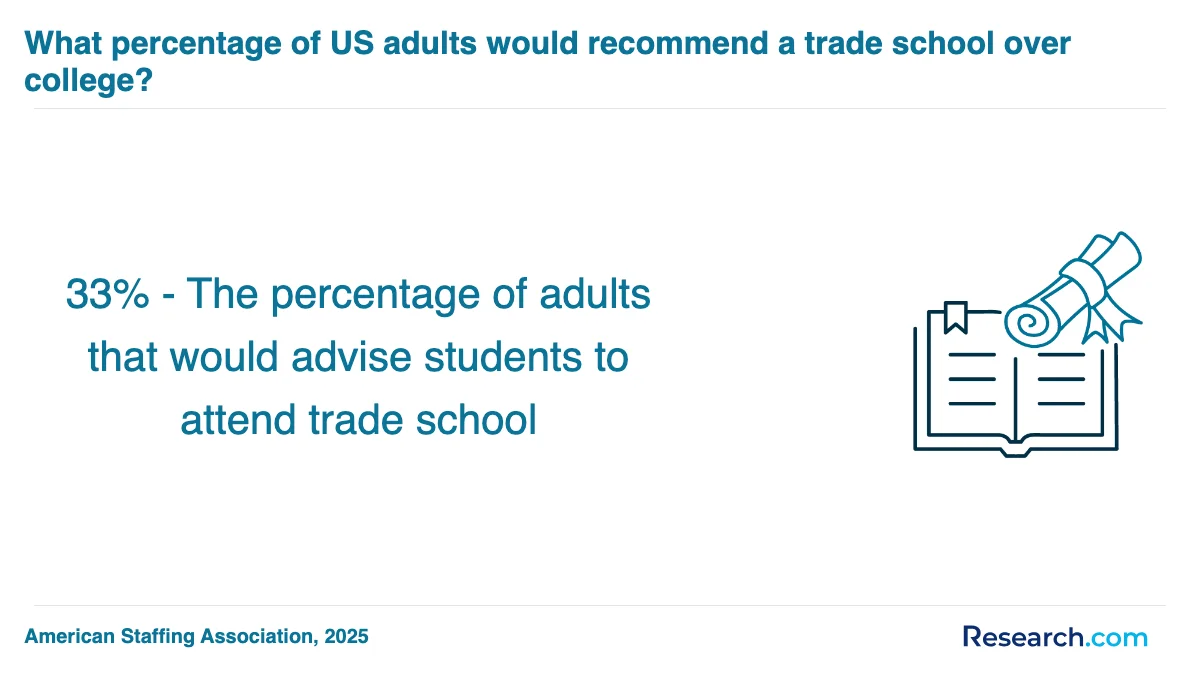
Students enrolled in trade school programs in Normal typically access financial aid through a mix of federal, state, and local sources tailored to ease the burden of tuition and fees. Federal aid begins with the Free Application for Federal Student Aid (FAFSA), which opens doors to grants such as the Pell Grant and the Federal Supplemental Educational Opportunity Grant (SEOG), as well as work-study options and subsidized loans. One graduate shared how submitting the FAFSA early allowed timely awards, enabling smoother enrollment at one of Normal's top technical colleges.
State-specific funding plays a crucial role; the Illinois Monetary Award Program (MAP) Grant stands out for Illinois residents attending approved trade programs. This need-based grant helps cover tuition without repayment requirements, offering essential relief for many local students pursuing skills training.
Institutional scholarships also boost affordability, with Normal's trade schools awarding merit- and need-based scholarships recognizing academic excellence or leadership. For example, graduates from community colleges in Normal have benefited from foundation scholarships and faculty awards that made balancing work and study more manageable.
Combining these aids creates a supportive financial environment, with many students appreciating how programs like the Chicagoland Regional College Program integrate part-time jobs and tuition help, providing practical experience alongside educational advancement.
Enrolling in a trade school program in Normal requires meeting several key prerequisites that align with both local and national vocational education standards. First and foremost, applicants need a high school diploma, GED, state-authorized equivalency, or proof of completed homeschooling. For instance, graduates from Bloomington-Normal area programs often emphasize how securing these credentials felt like a significant milestone in their journey toward hands-on skills.
Age requirements typically specify that applicants be at least 16 or 17 years old to apply, with many programs, including apprenticeships, requiring students to be 18 before starting work placements. One popular apprenticeship center in Normal mandates a driver's license and a minimum age of 17, highlighting the importance of maturity and responsibility.
Academic prerequisites focus more on prior education verification rather than standardized test scores. Most trade schools do not require SAT or ACT results, nor strict GPA cutoffs, except when considering scholarships. However, applicants often must pass aptitude or placement tests and sometimes attend an interview to demonstrate motivation and suitability.
Common application requirements include:
- High school transcripts or GED certificates
- A typed resume showcasing relevant experiences
- Payment of a non-refundable application fee, usually around $35, to cover testing costs
- Valid photo identification such as a driver's license
Many graduates describe the application process as a positive step that clarified their career goals, especially when completing in-person application days that provide direct interaction with admissions staff at trusted Normal trade schools.

Trade school programs in Normal focus on hands-on technical courses that quickly prepare students for the workforce. Graduates often highlight how training in HVAC, electrical technology, and welding gave them real-world skills that employers actively seek. For example, students studying electrical technology at the Bloomington-Normal Joint Apprenticeship & Training Center benefit from a structured program combining 720 hours of classroom instruction with 8,000 hours of paid on-the-job training.
Construction trades are also heavily emphasized, with courses including:
- Carpentry
- Plumbing
- Pipefitting
- Operating engineering
- Painting
- Cement masonry
- Roofing
- Ironworking
Many of these are delivered through registered apprenticeships provided by organizations like the Associated Builders and Contractors of Illinois (ABCIL), which connect students directly with local employers, ensuring a smooth transition from training to paid work. Graduates often describe the confidence gained from applying classroom theory to hands-on projects.
Beyond the traditional trades, Heartland Community College offers technical programs in business and technology fields such as accounting technology, computer networking, cybersecurity, and digital media communications. Students share positive feedback about short-term certificate programs designed to quickly enhance skills and increase employability in Normal's expanding job market.
Trade school programs in Normal prominently feature specializations aligned with local industry demands, ensuring graduates are workforce-ready. At Heartland Community College, a key institution here, students successfully train in industrial technology areas such as CNC machining, manual machining, machine tool technology, and welding skills. Graduates often share that hands-on training in these areas accelerated their confidence and ability to secure roles in manufacturing plants or maintenance teams.
Other students report positive experiences within construction trades, where the Construction Skills Certificate offers practical knowledge about materials, design, and safety. This prepares learners for roles like estimators or project assistants, and credits seamlessly transfer to more advanced industrial technology programs-boosting career flexibility.
Digital media specializations like media design, video production, animation, and web design are increasingly popular among creative students eager to enter the digital content field. Meanwhile, those interested in cutting-edge industries find value in electric vehicle technology programs focusing on maintenance, energy storage, and service advising-reflecting trends in sustainable transportation.
Many students seeking affordable options explore the most affordable maintenance technician training online to complement their hands-on learning in Normal.
Choosing the best trade school programs in Normal starts with verifying admission requirements. Graduates often recall passing placement exams and submitting applications with basic credentials like a high school diploma or GED. Many programs insist applicants be at least 17 or 18, ensuring readiness for hands-on training. When comparing trade schools in Normal, focus on those offering relevant programs aligned with your career goals-graduates from popular local colleges highlight the advantage of modern equipment and real-world practice that boosted their confidence and employability.
The value of accreditation cannot be overstated; schools accredited by recognized agencies provide verified quality and access to federal aid. Graduates often praise programs with transparent data on graduation and job placement rates, which reflect industry connections vital for starting careers smoothly. Considering cost is essential-some find that exploring affordable appliance repair courses online supplements budget constraints effectively. These focused steps help clarify how to compare trade schools in Normal while maximizing both educational outcomes and financial support.

Trade school graduates in Normal have diverse career paths aligned with strong local industry demands. Healthcare roles such as medical assistants and nursing aides are popular due to aging demographics and advanced care needs, with programs at Heartland Community College offering hands-on training that graduates find rewarding and immediately practical. Vocational programs and job prospects in Normal Illinois also prominently feature skilled trades like welding, electrical work, and construction, where graduates report confidence entering manufacturing and facility maintenance roles quickly after completing their certifications.
Information technology is a key growth area among trade school career opportunities in Normal IL. Graduates trained in cybersecurity, networking, or digital communications from local schools step into roles as network technicians or computer support specialists, benefiting from solid expected job growth driven by expanding business tech needs. In transportation, specialized programs such as the Nussbaum Trucking Academy prepare students for commercial driving careers, where many express satisfaction with steady demand and robust hiring.
Additional pathways include agriculture technology and business administration options, often featuring apprenticeships that allow students to gain real-world experience. For those weighing educational routes, the college vs. trade school debate can be informed by the practical, career-focused outcomes seen in Normal's trade programs.
The job opportunities for trade school graduates in Normal are strong, with over 38 active openings in skilled trades such as construction, maintenance, and technical roles as of August 2025. Graduates from popular local trade schools often report entering well-paying jobs, earning between $25 and $50 per hour for full-time positions. Employers in the area prioritize candidates who have completed accredited programs or hold relevant trade licenses, making formal training essential for success.
Hands-on training through apprenticeships and Career and Technical Education (CTE) programs further enhances career readiness, with state initiatives like the Illinois Works Jobs Programs Act creating more opportunities to gain real-world experience. Graduates from Normal trade schools appreciate the quicker path to employment, with some veterans leveraging their experience to enter the workforce more easily.
The trade school career outlook in Normal IL is supported by national industry growth projections in construction, welding, HVAC, and electrical work, making the local market highly favorable for skilled workers.
- Competitive wages ranging from $25-$50 per hour
- Strong demand in construction and technical trades
- Increased work-based learning opportunities with state support
Trade school students interested in understanding the key differences between training paths can explore the difference between trade school and vocational programs to make informed decisions about their education and career.
Most Affordable Trade School & Training Programs - Leading Certification Courses in Normal for 2026
# 1 position
Heartland Community College - Computer Systems Networking and Telecommunications.
associateHeartland Community College offers a hybrid program in Computer Systems Networking and Telecommunications, focusing on the design, implementation, and management of interconnected computer systems and software. The curriculum covers operating systems, systems design, networking theory, security, and troubleshooting. The annual in-state tuition is $5,460. The program is accredited by the Higher Learning Commission and prepares students for roles as network specialists and managers.
# 2 position
Heartland Community College - Physical Therapy Assistant.
associateHeartland Community College offers a Physical Therapy Assistant program with a hybrid format, combining in-person and distance education. The program trains students to assist physical therapists by implementing treatment plans, training patients, and documenting progress. Instruction covers anatomy, physiology, biomechanics, neuroscience, and professional ethics. The annual in-state tuition is $5,460. The program is accredited by the Higher Learning Commission.
# 3 position
Heartland Community College - Industrial Mechanics and Maintenance Technology/Technician.
certificate or diplomaHeartland Community College offers a Hybrid program in Industrial Mechanics and Maintenance Technology/Technician. This program prepares students to repair and maintain various industrial machinery and equipment, including cranes, pumps, engines, pneumatic tools, and conveyor systems. The annual in-state tuition is $5,460. The program is accredited by the Higher Learning Commission and includes some distance-education options for flexibility.
# 4 position
Heartland Community College - Welding Technology/Welder.
certificate or diplomaHeartland Community College offers a Welding Technology/Welder program with a hybrid format, including some distance education. The program trains students in welding techniques such as arc welding, resistance welding, brazing, soldering, and high-energy beam welding. It covers welding metallurgy, safety, structural design, and applicable codes. Annual in-state tuition is $5,460. The program is accredited by the Higher Learning Commission.
Frequently Asked Questions about trade school programs
After completing trade school in Normal, preparing for the job market involves a combination of skill application and professional development. Graduates should build a strong resume highlighting hands-on training and certifications earned during their programs. According to the Illinois Department of Employment Security, trades such as plumbing and electrical work show steady job growth in Normal, making local job boards a useful resource.
Networking with local employers through career fairs and apprenticeship programs can increase job opportunities. Many trade schools in Normal partner with nearby businesses, offering students real-world experience prior to graduation. Additionally, obtaining relevant licenses or certifications required by Illinois state law is crucial to enhance employability.
Continuous learning, such as advanced training or safety courses, helps graduates stay competitive. Online platforms and community colleges often provide affordable options suited to those in trades. Overall, career planning should start early during trade school to align skills with Normal's employment demands.
Employers in Normal highly value trade school graduates who demonstrate both technical expertise and strong soft skills. According to the Illinois Department of Employment Security, in 2023, the most in-demand technical skills included welding, HVAC maintenance, and electrical troubleshooting, reflecting the region's focus on manufacturing and construction industries.
Beyond technical abilities, communication and teamwork are crucial. A survey by the National Skills Coalition highlights that 75% of employers in the Midwest emphasize problem-solving and adaptability. These skills enable graduates to effectively collaborate and respond to dynamic job site challenges.
Time management and a strong work ethic are also frequently cited by local employers as essential traits for success in trade professions.
Finding internships in Normal related to your trade school program involves several practical steps. Start by contacting your school's career services office, which often connects students with local businesses offering internships aligned with their fields. Many trade schools in Normal have partnerships with employers in industries such as manufacturing, automotive repair, and healthcare.
Online platforms like Handshake and Indeed list internships available in Normal, allowing you to filter opportunities by trade category. Additionally, local organizations such as the Normal Chamber of Commerce provide resources and networking events that can lead to internship placements.
According to the Illinois Department of Employment Security, Normal's growing economy supports numerous entry-level positions suitable for internships, particularly in skilled trades. Leveraging these resources can enhance your chances of securing a relevant internship and gaining valuable practical experience.
In Normal, a trade school diploma can significantly enhance career mobility and advancement by providing specialized skills tailored to local industry demands. According to the Illinois Community College Board, graduates of trade programs in the region often see accelerated job placement within six months post-completion. This credential demonstrates practical expertise, which employers in sectors like manufacturing, construction, and healthcare value highly.
Data from the U.S. Bureau of Labor Statistics indicates that workers with trade diplomas in Illinois earn 10-20% more on average than those with only a high school diploma. Furthermore, trade school graduates frequently gain eligibility for certifications and licenses that open doors to supervisory roles and higher wages.
Employers in Normal tend to prefer candidates with these diplomas due to the hands-on experience they provide, which fosters quicker onboarding and adaptability. This advantage can translate into faster promotions and greater job security within competitive local labor markets.
Students enrolled in trade schools in Normal have access to various part-time job opportunities that complement their education. Common roles include apprenticeships in electrical, plumbing, and HVAC trades, which provide hands-on experience alongside classroom learning. According to the Illinois Department of Employment Security, Normal's local job market has grown steadily in construction and manufacturing sectors, supporting such apprenticeships.
Retail and customer service positions in hardware or automotive stores also align well with trade skills, offering flexible hours. Additionally, entry-level technician roles in local repair shops give practical exposure. These jobs not only bolster resumes but can also help offset education costs during training.
To choose the most affordable degree program near you, consider researching local universities and community colleges near Normal, IL that offer financial aid, scholarships, and competitive tuition rates. Utilize resources like Research.com to compare program costs and verify the quality of education provided. Visiting campuses or attending local college fairs near me can also help you gather firsthand information about affordability and the overall student experience.
- Most Affordable Trade School & Training Programs - Leading Certification Courses in Overland Park for 2026
- Most Affordable Trade School & Training Programs - Leading Certification Courses in Dearborn for 2026
- Most Affordable Trade School & Training Programs - Leading Certification Courses in Olathe for 2026
- Most Affordable Trade School & Training Programs - Leading Certification Courses in Topeka for 2026
- Most Affordable Trade School & Training Programs - Leading Certification Courses in Tulsa for 2026
- 20 Careers You Can Pursue Via Trade Schools https://www.titancomputers.com/20-Careers-You-Can-Pursue-Via-Trade-Schools-s/1243.htm
- Learn A Trade - SUNY https://www.suny.edu/trades/
- Trade School Career Paths: The Direct Route to Professional Success - Florida Trade Academy https://floridatradeacademy.org/trade-school-career-paths-the-direct-route-to-professional-success-2/
- Trade School Vs. College: What's The Difference? https://thebestschools.org/degrees/trade-schools-vs-college/
- Trade School Requirements: A Complete Guide | BestColleges https://www.bestcolleges.com/trades/trade-school-application-guide/
- Trade School: What Is It & What to Expect https://erieit.edu/what-to-expect-when-attending-trade-school/
- Trade school: A comprehensive guide https://www.collegeessayguy.com/blog/trade-school-guide
- Why Choose Trade Schools? Discover the Pros of Vocational Education in 2025 | OshaEducationCenter.com https://www.oshaeducationcenter.com/pros-and-cons-of-trade-schools/
- Trade Schools, What Are The Benefits - InterCoast Colleges https://intercoast.edu/articles/benefits-of-trade-schools/