Most Affordable Trade School & Training Programs - Leading Certification Courses in Des Plaines for 2026

Co-Founder and Chief Data Scientist
Considering a trade school in Des Plaines for 2026? This article introduces a helpful trade school programs ranking developed by the Research.com team of data scientists to guide you in making a well-informed decision.
Choosing the right program can open doors to rewarding careers and skill development. Whether you want to gain a diploma or a certification, finding an affordable and quality option matters.
Explore your opportunities here and start your journey toward a successful future with confidence and clarity.
Key benefits of finishing trade school programs trade school in Des Plaines
- Trade school graduates in Des Plaines can earn strong salaries, with averages around $69,228 annually or $33.28 per hour, and entry-level apprenticeships starting near $43,804; experienced workers may earn up to $96,900.
- Popular career paths include construction, electrical work, HVAC, and health-related technical fields, offering varied opportunities for growth and specialization based on local demand.
- Completing a trade school diploma online offers flexibility and convenience, allowing students to balance work or family while gaining valuable skills, making it easier to start or advance a trade career in Des Plaines.
- Most Affordable Trade School & Training Programs - Leading Certification Courses in Des Plaines for 2026
- What can I expect from trade school programs trade schools in Des Plaines?
- Where can I work after finishing trade school programs trade schools in Des Plaines?
What can I expect from trade school programs trade schools in Des Plaines?
The average cost of a trade school program in Des Plaines is generally more affordable than a traditional college degree, often ranging between $5,000 and $15,000 depending on the length and type of program. Graduates of popular local schools like Oakton College share that their investment felt worthwhile, as they completed certifications in less than two years and quickly entered skilled professions such as HVAC or automotive repair.
Many students appreciate that programs include flexible schedules with evening and weekend classes, allowing them to balance work or family responsibilities while advancing their careers. Hands-on learning is a core feature-students often work with up-to-date equipment and engage in apprenticeships or paid internships arranged through District 214 partnerships with area employers.
This practical focus, combined with mentoring from industry professionals, gives students confidence and quickly builds marketable skills. Financial aid and scholarship options make these programs accessible, offering a clear path to steady employment in Des Plaines' technical fields without a heavy financial burden.
Where can I work after finishing trade school programs trade schools in Des Plaines?
After finishing a trade school program in Des Plaines, graduates find a variety of rewarding job opportunities across public and private sectors. Many start as automotive technicians or cabinet makers, working in local shops or small businesses, where hands-on skills learned during training lead to immediate, satisfying work. Others move into HVAC, electrical, carpentry, or plumbing roles, employed by unionized companies or municipal agencies, enjoying not only steady pay but strong benefits.
Healthcare-related careers are also popular-graduates secure roles like pharmacy technician or registered behavior technician, especially as local healthcare needs grow with the aging population. Vocational healthcare training in Des Plaines schools often translates to quick hiring with competitive wages.
For those interested in public service, the Des Plaines School District hires regularly for maintenance and technical support positions that reward vocational certifications, offering stability and room for advancement. Graduates appreciate how locally recognized programs connect them directly with employers, turning skills into solid, well-paying jobs.
After finishing a trade school program in Des Plaines, many graduates find themselves earning between $35,000 and $50,000 annually right out of the gate. For example, graduates from popular local trade schools in fields like HVAC or automotive technology often secure entry-level roles that quickly cover their living expenses while building valuable skills.
Some former students report landing jobs with the Des Plaines Park District, where technical maintenance workers average around $46,408 per year. This real-life example shows that opportunities with steady employers in the area provide a reliable income early on.
For those who pursue specialized certifications after their initial trade training, wages can grow significantly. Trade school grads moving into production occupations such as machinists or welders typically see salaries near the U.S. national average of $50,090, with local demand in Des Plaines often pushing pay slightly higher.
More advanced careers, like trading analysts, illustrate the long-term earning potential some trade pathways offer, with salaries exceeding $100,000 annually after gaining experience and further credentials in the region.
- Applicants need a high school diploma or GED, a valid U.S. ID, and a Social Security Number to apply.
- Application fees typically range from $25 to $100, and some programs require passing an admission exam with scores like 60% or 70%.
- Program lengths vary from six weeks to two years depending on the certificate, diploma, or associate degree offered.
- The Manufacturing CNC Diploma costs about $14,000 plus a $100 application fee; healthcare programs usually cost less but vary by school.
- Entry-level salaries for graduates range from $35,000 to $50,000, with experienced workers earning $55,000 or more in fields like welding and HVAC.
- Many schools offer small class sizes with a 5:1 student-to-teacher ratio and flexible scheduling including evenings and online options.
Completing a trade school program in Des Plaines can take anywhere from a few weeks to several years, depending on the trade and program format. Graduates of accelerated courses at Oakton College often share how their four-week Commercial Driver's License (CDL) training fit perfectly into tight schedules, allowing them to quickly step into new careers. Many students at RR Trade School experience flexible programs lasting six to 24 weeks, balancing evening or weekend classes with work and family commitments while gaining hands-on skills and earning certificates like OSHA-10 or CPR/First Aid.
For those pursuing trades such as electrician training, the timeline is longer. Classroom instruction can span 7 to 12 months, with apprenticeships lasting an additional three to four years. Many students appreciate the structured path this provides toward full licensure, knowing their effort leads to a stable, skilled profession.
Choice Career College students find that certificate programs are tailored around industry needs, enabling a focused, practical learning experience that prepares them for immediate employment in Des Plaines' job market.
The main difference between online and on-campus trade school programs in Des Plaines lies in how students attend classes and manage their time. Online programs, like those offered by Oakton College, allow students to study from home using digital platforms, making it easier to juggle work, family, and school. Graduates appreciate the flexibility of asynchronous classes that let them learn at their own pace and start courses multiple times a year.
On the other hand, on-campus programs require students to be physically present for hands-on training, essential for careers in welding, auto mechanics, or HVAC technology. Many students find the in-person labs and direct contact with instructors helpful for mastering practical skills quickly and building professional networks.
Both options in Des Plaines come with accredited programs and access to financial aid. Students choosing online learning need to be self-disciplined, while those opting for on-campus study benefit from structured schedules and campus resources.
The average cost of trade schools in Des Plaines varies, typically ranging from $3,800 to $16,000 for a full program. Graduates from popular local trade schools often share how affordable these programs felt compared to other educational paths, especially when considering the shorter time to completion. Many programs last less than two years, allowing students to enter the workforce quickly without accumulating excessive debt. For example, a student completing an automotive technology or welding program might pay between $5,000 and $15,000, which matches the regional averages and reflects the hands-on training involved.
Des Plaines trade school tuition and fees depend heavily on the school type. Public community colleges nearby often offer the best rates, sometimes under $4,000 per year for in-district students, making them an excellent choice for budget-conscious learners. Graduates from these institutions report feeling satisfied not only with the price but also with the practical skills and job-ready programs they completed. Meanwhile, for-profit schools tend to cost closer to $16,000 but may provide flexible scheduling that suits working adults.
It's helpful to remember that some programs require purchasing additional tools or equipment, which adds to overall expenses. Financial aid and scholarships can significantly reduce these costs. Prospective students curious about options can explore whether is trade school the same as vocational school to better understand the pathway that fits their goals and budget.
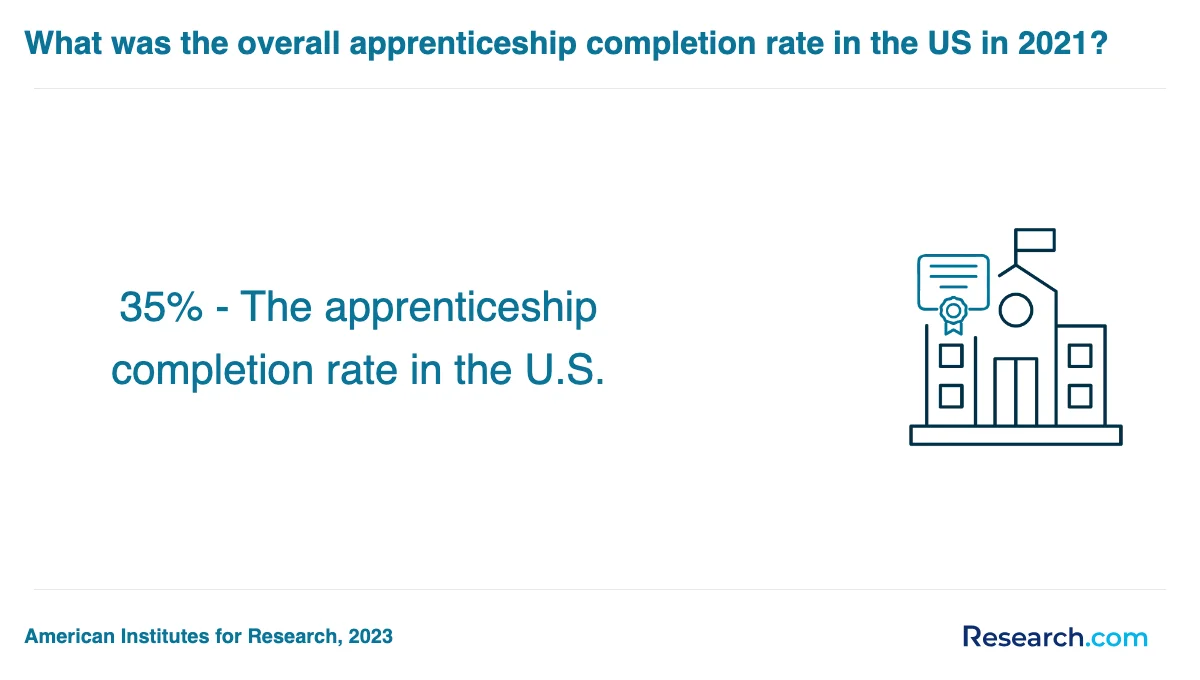
Trade school students in Des Plaines have access to several financial aid options to help ease the burden of tuition and related costs. Many graduates of local programs have found the Federal Pell Grant invaluable; this need-based grant does not require repayment and is available by completing the FAFSA early. For those with more significant financial need, the Federal Supplemental Educational Opportunity Grant (SEOG) offers additional funding, though it's limited and given on a first-come, first-served basis.
Illinois residents attending trade schools in Des Plaines often rely on the Monetary Award Program (MAP) Grant, a state-funded benefit that adjusts awards based on the number of credit hours taken, helping students balance work and study. Graduates share how scholarships from local employers like Rivers Casino, which reward community involvement or academic success, have made a real difference.
The American Opportunity Tax Credit is another frequently used resource, providing up to $2,500 in annual credits on qualified education expenses during the first four years of postsecondary education, often putting needed cash back in students' pockets.
To enroll in a trade school program in Des Plaines, students typically need a high school diploma, GED, or an equivalent state-authorized certificate. Graduates often share how this initial step felt achievable and opened doors for hands-on technical training. For those who were homeschooled, providing proper documentation usually satisfies admission requirements. Some schools accept prior postsecondary education or completion of Title IV-eligible programs, adding flexibility.
Most trade schools also enforce minimum age limits, commonly requiring students to be at least 16. Some programs allow a "mature student" status for applicants aged 18 or older who pass a qualifying test, giving a second chance to those looking to change careers.
Placement testing replaces SAT or ACT scores in many Des Plaines trade schools. For example, Oakton College asks for an Accuplacer score of 250 for its Physical Therapist Assistant program. Graduates frequently recall this test as a motivating step that helped tailor their study plans.
Additional prerequisites may apply, especially in healthcare fields:
- Completion of specific high school or college courses like biology or algebra with minimum grades
- Admissions interviews to evaluate readiness and program fit
These steps ensure students begin their programs confident and prepared, just like those who successfully started technical careers through Oakton and other Des Plaines schools.
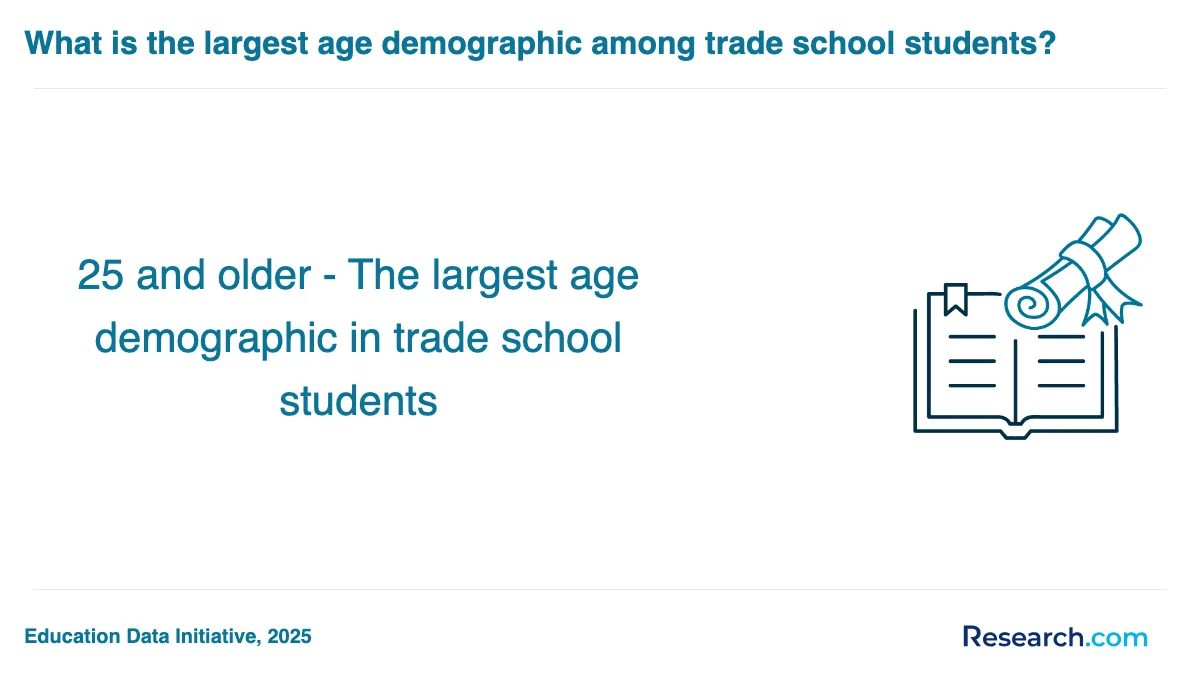
Trade school programs in Des Plaines typically include hands-on courses tailored for quick workforce entry. Graduates often share how practical training helped them build confidence and secure jobs swiftly.
Popular programs include:
- HVAC Technology: Students learn installation and maintenance of heating and cooling systems, sometimes through bilingual classes that ease learning for Spanish-speaking students.
- Electrical Technology: Courses blend blueprint reading with on-site wiring practice, allowing students to gain real-world skills in code compliance and system troubleshooting.
- Auto Mechanic Training: Focuses on engine diagnostics and repair, helping graduates quickly find roles in local repair shops.
- Welding Technology: Offers hands-on instruction in various welding techniques essential for construction and manufacturing careers.
Healthcare-related courses like medical assisting, dental assisting, billing and coding, and pharmacy technician emphasize a mix of technical knowledge and administrative skills. Many students appreciate these programs for opening doors to busy clinics and hospitals in and around Des Plaines.
Other courses such as cosmetology, business administration, cybersecurity, and criminal justice provide diverse opportunities, reflecting the community's employment landscape and students' varied interests in fast-paced, practical careers.
Trade school programs in Des Plaines offer a variety of specializations that meet local job market needs and prepare students for rewarding careers. Graduates often share how hands-on training in fields like automotive technology, welding, and electrical technology gave them the confidence to enter the workforce quickly. Popular specializations include HVAC technology, where students learn to install and maintain climate control systems, and skilled trades such as carpentry and plumbing, which often involve real-world projects like home building.
Many students appreciate flexible scheduling options, including evening and weekend classes, which make balancing work and study easier. Programs in medical assisting, dental assisting, pharmacy tech, and medical billing equip students for healthcare roles in clinics and hospitals. Others find success in business administration, cyber-security, or fire science. For those interested in entry-level positions, some graduates pursue a low cost flooring installers certification online to complement their trade skills in Des Plaines.
Students at local schools benefit from industry-recognized certifications like HVAC Excellence or NATE. This practical focus not only boosts employability but also helps students feel prepared and motivated for new careers.
When choosing the best trade school program in Des Plaines, start by focusing on accreditation and career alignment. Graduates from local technical colleges often highlight how accredited programs ensured their certifications were recognized by employers, giving them confidence in their job search. Consider your career goals carefully; many students pursuing healthcare careers in Des Plaines benefited from programs in medical assisting or dental assisting that offered hands-on learning. Meanwhile, those interested in trades like HVAC or electrical technology enjoyed selecting programs with flexible schedules suited to working adults.
Look closely at program length and flexibility, as some students appreciated completing their training in under a year, while others valued evening and weekend classes to balance family or work commitments. Support services and job placement assistance also played a key role-graduates frequently mention paid apprenticeships and industry mentorships helping them secure employment. Comparing tuition and financial aid options is essential too. For example, exploring affordable trade school programs in Des Plaines led many to access scholarships like the Rivers Casino program. To further evaluate costs, check out affordable online electrical lineworker trade school programs.

Trade school programs in Des Plaines open doors to a variety of career opportunities for trade school graduates in Des Plaines, tailored to local industry needs. Many graduates find success in healthcare roles such as medical assistants, pharmacy technicians, and physical therapist assistants by training at institutions like Oakton Community College. These careers provide meaningful work with steady demand and competitive wages.
Skilled trades jobs in Des Plaines Illinois remain a strong option. Apprenticeships in automotive technology, HVAC, electrical work, and plumbing train students for hands-on work that employers eagerly seek to fill. Graduates often join the workforce immediately, earning between $37 and $51 per hour depending on their trade. Known programs in District 214 offer valuable pathways to becoming electricians, carpenters, or welders.
Business and technology tracks provide routes into careers such as accounting associates and computer networking specialists, helpful for those aiming to meld technical and office skills. Trade schools also support creative careers in culinary arts and cosmetology, where hands-on experience connects graduates to local employers. These examples show the practical benefits of choosing trade education over traditional four-year routes; for more insight on career readiness, explore the college versus trade school discussions.
The job market for trade school graduates in Des Plaines is promising, with strong demand in healthcare, technology, education, and skilled trades. Graduates from local institutions like Oakton College report smooth transitions into roles such as surgical technologists, medical assistants, and patient care technicians. These positions offer competitive salaries and consistent hiring, especially in healthcare, where a median salary exceeding $80,000 for surgical technologists reflects statewide need.
Trade school job opportunities in Des Plaines also thrive in IT and manufacturing sectors, where hands-on training in networking, automated manufacturing, and mechanical design leads directly to well-paying jobs. Many graduates share that the practical skills gained from Des Plaines trade schools make them attractive to employers focused on digital transformation and automation.
In education and support services, local schools frequently recruit paraeducators and support staff, boosting opportunities before every school year. Graduates find that vocational credentials serve as valuable assets to meet Illinois's educator shortage.
Trade school graduates appreciate Des Plaines's proximity to Chicago, opening wider job prospects. For those looking for cost-effective training paths, exploring the most affordable online home remodeling and repair courses demonstrates practical routes to skilled employment and career growth.
Most Affordable Trade School & Training Programs - Leading Certification Courses in Des Plaines for 2026
# 1 position
Oakton College - Information Technology.
associateOakton College offers a hybrid Information Technology program focusing on designing technological information systems for business and research needs. The curriculum covers computer hardware and software principles, algorithms, databases, telecommunications, application testing, and human interface design. The annual in-state tuition is $3,985. The program is accredited by the Higher Learning Commission, providing a flexible option with both in-person and distance-education components.
# 2 position
Oakton College - Computer Systems Networking and Telecommunications.
associateOakton College offers a hybrid Computer Systems Networking and Telecommunications program designed to prepare students as network specialists and managers. The curriculum covers operating systems, systems design, networking theory, security, and troubleshooting. The program emphasizes the design, implementation, and management of linked computer systems to enhance efficiency. Annual in-state tuition is $3,985. The program is accredited by the Higher Learning Commission.
# 3 position
Oakton College - Legal Assistant/Paralegal.
associateOakton College offers a Legal Assistant/Paralegal program with a hybrid format that includes some distance-education options. The program prepares students to perform research, drafting, investigatory, record-keeping, and administrative tasks under attorney supervision. Instruction covers legal research, document drafting, courthouse procedures, and legal specializations. The annual in-state tuition is $3,985. The program is accredited by the Higher Learning Commission.
# 4 position
Oakton College - Heating, Air Conditioning, Ventilation and Refrigeration Maintenance Technology/Technician.
associateOakton College offers a hybrid program in Heating, Air Conditioning, Ventilation and Refrigeration Maintenance Technology/Technician. The curriculum trains students to repair, install, service, and maintain HVAC and refrigeration systems using diagnostic techniques and testing equipment. Instruction covers mechanics, electricity, and electronics relevant to these systems. The program’s annual in-state tuition is $3,985 and it is accredited by the Higher Learning Commission.
# 5 position
Oakton College - Automobile/Automotive Mechanics Technology/Technician.
associateOakton College offers a hybrid program in Automobile/Automotive Mechanics Technology/Technician that prepares students to repair, service, and maintain various automobile systems. The curriculum includes brake systems, electrical systems, engine performance and repair, suspension and steering, transmissions, and heating and air conditioning. The program is accredited by the Higher Learning Commission. Annual in-state tuition is $3,985, with some distance-education options available.
# 6 position
Oakton College - Physical Therapy Assistant.
associateOakton College offers a Physical Therapy Assistant program with a hybrid format that includes some distance education. The program prepares students to assist physical therapists by implementing treatment plans, training patients, and documenting progress. It covers applied anatomy, physiology, biomechanics, and professional ethics. Annual in-state tuition is $3,985. Graduates earn a median salary of $52,161 one year after completion. The program is accredited by the Higher Learning Commission.
# 7 position
Oakton College - Accounting Technology/Technician and Bookkeeping.
associateOakton College offers a fully online Accounting Technology/Technician and Bookkeeping program designed to prepare individuals for technical administrative roles supporting professional accountants and financial managers. The curriculum includes instruction on posting transactions, record-keeping systems, accounting software, and general accounting principles. The program is accredited by the Higher Learning Commission. Annual in-state tuition for this program is $3,985.
# 8 position
Oakton College - Banking and Financial Support Services.
associateOakton College offers a hybrid Banking and Financial Support Services program that prepares students for customer service roles in banks, insurance agencies, and related businesses. The curriculum includes communication, public relations, business equipment operation, and technical skills specific to financial services. Annual in-state tuition is $3,985. The program is accredited by the Higher Learning Commission.
# 9 position
Oakton College - Marketing/Marketing Management, General.
associateOakton College offers a hybrid Marketing/Marketing Management, General program designed to prepare students to manage the development of consumer audiences and the movement of products. The curriculum covers buyer behavior, marketing research, demand analysis, pricing theory, marketing campaigns, sales operations, and retailing. The annual in-state tuition is $3,985. The program is accredited by the Higher Learning Commission.
# 10 position
Oakton College - Criminal Justice/Police Science.
associateOakton College offers a Hybrid Criminal Justice/Police Science program designed to prepare students for roles in law enforcement and public security. The curriculum covers patrol and investigative duties, traffic and crowd control, evidence management, and report preparation. The program is accredited by the Higher Learning Commission. Annual in-state tuition is $3,985. Graduates earn a median salary of $25,874 one year after completing the program.
Frequently Asked Questions about trade school programs
After completing trade school in Des Plaines, preparing for the job market involves several key steps. First, graduates should obtain relevant certifications or licenses required by Illinois for their trade; this increases employability and sometimes is mandatory to work legally. Next, building a strong resume highlighting practical skills and hands-on experience gained during training is essential. Local employers in Des Plaines often look for candidates with reliable technical skills and soft skills like communication and punctuality. According to the Illinois Department of Employment Security, trades like HVAC, electrical, and automotive repair show steady job growth. Networking through local job fairs and trade associations in Des Plaines can also open job opportunities.
Employers in Des Plaines value trade school graduates who possess strong technical skills relevant to their field, such as HVAC repair, electrical work, or welding. According to the U.S. Bureau of Labor Statistics, practical hands-on abilities significantly increase employability in skilled trades. Additionally, soft skills like problem-solving, communication, and teamwork are critical, as many employers report these as essential for successful workplace integration (National Skills Coalition, 2023).
Time management and reliability also rank highly among desired traits. Local industry surveys indicate that 75% of employers prioritize graduates who demonstrate adaptability and a willingness to continue learning new technologies. These combined skills help graduates meet the evolving demands of trade positions in Des Plaines and beyond.
Finding internships in Des Plaines relevant to your trade school program involves several key steps. Start by exploring local employers connected to your field through the Des Plaines Chamber of Commerce, which often lists opportunities for students. Many trade schools also maintain partnerships with businesses for internships, so inquire directly with your program's career services.
The Illinois Department of Employment Security reports that industries like manufacturing, healthcare, and construction-common trade fields-have growing internship openings in Des Plaines. Online platforms such as IllinoisJobLink.com can also help locate internships tailored to specific trades.
Networking at local job fairs and workshops hosted by community colleges and trade schools further increases your chances of finding internships that provide valuable hands-on experience.
In Des Plaines, a trade school diploma can significantly enhance career mobility and opportunities for advancement. Graduates typically gain specialized skills that align with local industry demand, such as in automotive technology, healthcare, and construction. According to the Illinois Workforce Development Council, individuals with trade certifications in this region see an average 15% increase in employability over those without postsecondary credentials.
Trade school diplomas often lead to quicker entry into the workforce compared to traditional four-year degrees. Many local employers in Des Plaines value practical experience paired with formal training, which can result in faster promotions and higher wages. For example, certified HVAC technicians earn a median salary of around $55,000 annually per U.S. Bureau of Labor Statistics data.
Moreover, Des Plaines' proximity to Chicago's economic hubs allows diploma holders to access diverse job markets. This geographic advantage magnifies the diploma's impact on upward career movement, especially in skilled trades where demand remains high.
Part-time job opportunities in Des Plaines offer valuable hands-on experience that complements trade school education. Common roles include apprenticeships in electrical, plumbing, and HVAC fields, where students apply classroom skills in real work settings. According to the Illinois Department of Employment Security, construction and skilled trades jobs in the region have grown by 5% over the past two years, indicating rising demand.
Additionally, retail and warehouse positions related to building materials and tools provide insight into supply chain management and customer service. Local employers often seek trade school students for part-time roles, allowing flexible schedules that align with class times. This practical experience enhances job readiness and expands professional networks essential for career development.
Des Plaines, IL, located near several community colleges and universities, offers a variety of affordable degree programs for prospective students. Programs near Des Plaines, IL, vary from two-year associate degrees to four-year bachelor’s degrees, particularly through institutions like Oakton Community College. Research.com can be a helpful resource to explore and compare these affordable degree opportunities near me.
- Career Programs and Pathways - Oakton Community College https://catalog.oakton.edu/career-programs-pathways/
- Home https://www.hvac-tech.com/des-plaines-il
- Career Activities | Des Plains Valley Region-EFE | 708-779-4448 https://www.dvr-efe.org/career-camps/
- CNA School | Phlebotomy School | Career Options, Inc. https://www.careeroptionscenter.com/
- Center for Career Discovery / Apprenticeships https://www.d214.org/Page/2107