
Most Affordable Trade School & Training Programs - Leading Certification Courses in Columbia for 2026

Co-Founder and Chief Data Scientist
Choosing the right trade school in Columbia is an important step towards a fulfilling career. This article helps you explore the most affordable options available in 2026, making your decision easier and more confident.
The trade school programs ranking, created by the Research.com team of data scientists, offers valuable insights into program quality and cost. It’s designed to guide you in finding programs that match your goals and budget.
Getting a trade school diploma or certification can open doors to rewarding jobs and personal growth. Dive in and discover opportunities that can shape your future.
Key benefits of finishing trade school programs trade school in Columbia
- Expected salary: Trade school graduates in Columbia can earn between $40,000 and $80,000 annually, depending on their field, with technical careers often starting around $60,000 per year.
- Popular career paths: Graduates often pursue construction, HVAC, welding, automotive technology, and engineering-related jobs, all offering strong opportunities and growth in the local job market.
- Online education benefits: Earning a trade school diploma online can provide flexibility, allowing students to balance work and studies easily, making it a smart choice for many in Columbia looking for convenient and effective training.
- Most Affordable Trade School & Training Programs - Leading Certification Courses in Columbia for 2026
- What can I expect from trade school programs trade schools in Columbia?
- Where can I work after finishing trade school programs trade schools in Columbia?
What can I expect from trade school programs trade schools in Columbia?
When it comes to the average cost of a trade school program in Columbia, you're looking at a friendlier figure than the four-year university price tag. Graduates from popular local trade schools often mention how their total investment stayed comfortably within reach, often around the lower thousands to mid five figures, depending on the length and type of program. For example, programs at the Columbia Career Center, which serves both high school students and adults, offer affordable access combined with strong community support. Many students express relief and excitement about avoiding crushing debt, enabling them to focus on skills instead of bills.
One graduate, after completing a health information management course, recalled juggling evening classes online while keeping their day job-saving money and gaining hands-on experience. Another's story from a dental assisting program highlights scholarships and flexible schedules that made education possible without sacrificing family time. These relatable experiences showcase how Columbia trade schools bring career dreams within financial reach through flexible pricing, public school partnerships, and accessible course options.
Where can I work after finishing trade school programs trade schools in Columbia?
Finish a trade school program in Columbia, and you're stepping right into a world of hands-on jobs that pay well and hire fast. Graduates from local favorites like Columbia Career Center jump straight into roles as HVAC technicians, maintenance mechanics, or lead carpenters-jobs found all over the construction and manufacturing sectors. Imagine starting your day fixing climate systems or remodeling homes, knowing your skills are in high demand.
Some grads head into healthcare, working as sterile processing technicians or surgical technologists at nearby hospitals. One former student shared how mastering sterile processing gave them a steady job with a salary between $25,000 and $40,000-and real pride in supporting patient care behind the scenes.
Others dive into transportation with paid apprenticeships like J.B. Hunt's, gaining experience driving trucks across the country, while students from newer tech programs explore physical security roles, managing drones or surveillance systems that keep businesses safe.
Trade school in Columbia isn't just education; it's a fast-track ticket to meaningful, well-paid work across growing industries that value your real-world skills every single day.
Dreaming about what your paycheck looks like after finishing a trade school program in Columbia? Picture this: graduates from East Central College and North Central Missouri College stepping into their first jobs with starting salaries between $35,400 and $35,980 annually. That's enough to rent an apartment, fill your tank, and still have some fun on the weekends.
But here's where it gets exciting. Keep honing your skills as an electrician, insurance sales agent, or executive secretary, and watch your earnings climb toward the $51,000+ range. Imagine landing a chef or head cook role, bringing in about $52,380 yearly, turning your passion for food into a paycheck that's just as satisfying as your meals.
Overall, the typical salary in Columbia swings roughly from $47,400 up to $76,400, with top performers hitting nearly $94,000 annually. It's a real-world paycheck that grows with your effort, perfect for trade school grads determined to build a comfortable life right here in Missouri.
- Applicants need a high school diploma, GED, or HiSET to enroll; some programs require ACT/SAT scores or certifications for advanced tracks.
- Most programs take two years or less to complete, offering a quick path into the workforce.
- Tuition typically ranges from $5,000 to $15,000 for the entire program, with financial aid available to 74% of students at some schools.
- Free tuition may be available through local initiatives like the Stephens Promise Program for eligible middle-income students.
- Graduates usually find jobs within six months, with entry-level salaries up to $60,000 in healthcare, construction, and manufacturing.
Ready to jump into a new career in Columbia? Many trade school programs here are designed like a fast-moving train-some grads at Job Point zip through warehouse or highway maintenance certifications in just 12 to 16 weeks. Imagine finishing your course in a few months and stepping straight onto the job site, earning rather than just learning.
For those wanting deeper skills, schools like Ranken Technical College offer solid two-year programs. Graduates emerge with associate degrees or certificates, armed with both theory and hands-on mastery in trades like automotive tech or welding. It's a compact time frame packed with real-world prep, making every day count toward a future job.
Plus, Columbia's trade schools get it: life moves fast. With rolling admissions and flexible schedules, many students start anytime and complete faster than expected. Apprenticeship models at places like Stephens College blend classroom excitement with on-the-job reality, often turning months of study into paid work opportunities.
Overall, Columbia's trade schools offer swift, practical paths tailored for enthusiastic learners eager to launch careers without the usual long haul.
The online trade school experience in Columbia feels like having a classroom in your pocket. Imagine a graduate juggling a part-time job and family, logging into Columbia College's 24/7 course materials from their couch, studying HVAC theory on a Tuesday evening when the house is quiet. No commuting, no rigid schedules-just pure flexibility. Yet, hands-on skills still sparkle through occasional on-campus labs, where students connect theory to real-world tools in person.
On the flip side, picture a welding student at State Technical College of Missouri, sparks flying and gloves dusted with metal flakes, thriving in the raw energy of on-campus labs. Here, the buzz is tactile-peer chatter, instructor cues, and immediate feedback create a living classroom that zoom can't replicate. The community vibe is stronger, perfect for those craving face-to-face networking and daily structure.
Both paths in Columbia ignite ambition, but the choice boils down to whether you want convenience wrapped in digital freedom or hands-on craftsmanship rooted in campus life.
The average trade school tuition in Columbia dances between $3,863 and $15,636, a range that feels more like an invitation than a roadblock. Imagine a graduate stepping out from Southern Missouri Technical Institute after completing a robust 900-hour program in Auto Mechanics or Welding, having invested around $8,000. They're not just walking away with skills but with a confidence forged in affordability and practicality. This total cost of trade school programs Columbia students face is a refreshing contrast to the typical four-year college price tag, which hovers around $9,800 per year. Here, less time means less debt, and that clarity fuels ambition.
Welding or automotive technology might set you back anywhere from $5,000 to $15,000. A medical assisting diploma swings on a wider pendulum, anywhere from $2,000 up to $20,000, depending on whether you pick traditional or online formats (including the most affordable online freight broker training pathways). Financial aid is often available, cushioning the investment with grants, scholarships, and incentives for local Columbia residents. For many graduates, the vibrant hands-on learning coupled with reasonable costs transforms dreams into livelihoods without the shadow of overwhelming loans.
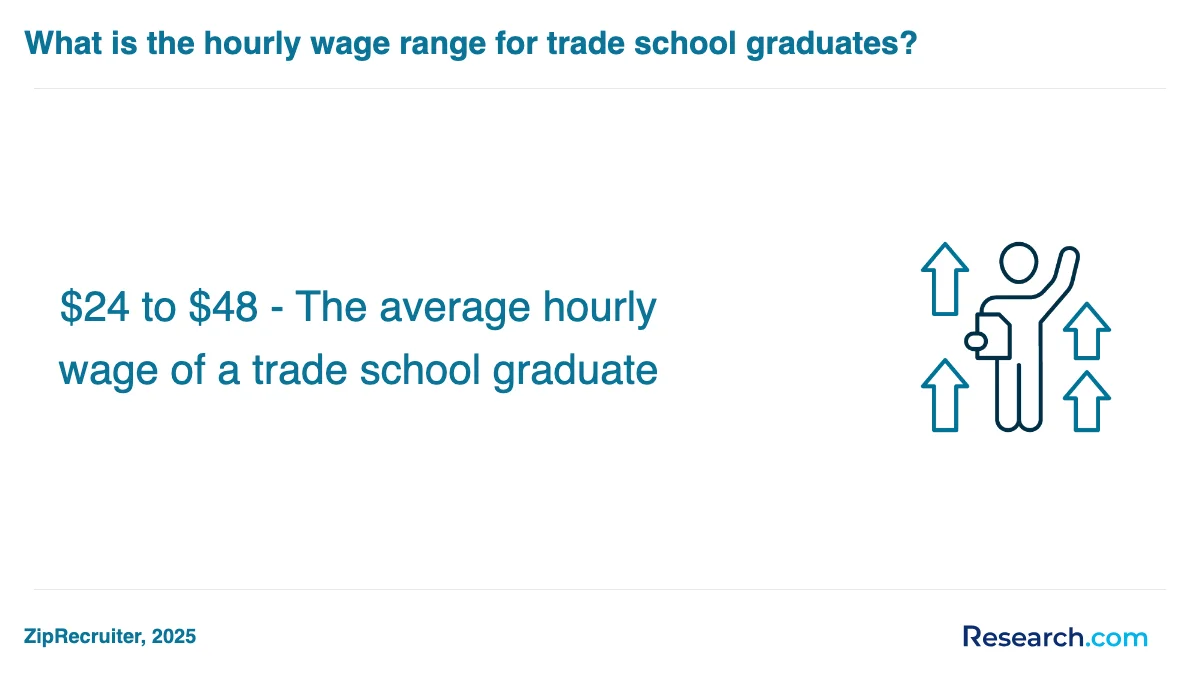
If you're diving into a trade school in Columbia, financial aid is like a trusty sidekick easing your journey. Many students at popular schools, like Ranken Technical College, find great relief in federal Pell Grants and Direct Loans, which help tackle tuition and book costs. Imagine a graduate who balanced night classes as a mechanic while a work-study job covered his tools-this aid made grinding through the program doable without drowning in debt.
Then there's Missouri's Fast Track Workforce Incentive Grant, a real lifesaver for those chasing high-demand careers. One grad remembers how the grant covered nearly all tuition, plus a little extra for books and transportation, allowing uninterrupted focus on honing skills. Public two-year schools in Columbia often offer the Access Missouri Financial Assistance Program too, giving up to $1,700 a year to those who show financial need via FAFSA-a vital boost for many.
Local scholarships, some reaching $2,000, also cheer on students who get community-involved and stay dedicated. Knowing these resources are within reach makes the dream of a skilled trade education in Columbia feel not only possible but exciting.
In Columbia, stepping into a trade school is much like unlocking the door to a promising new career path, and the key usually lies in proving you've completed high school in some form. Graduates often recall how simply submitting a high school transcript, GED, or even a HiSET score opened these doors wide.
Here's what you'll generally need to get started:
- A high school diploma or its equivalent-a GED score of 500+ (post-2014) or a HiSET score of at least 60 usually does the trick for schools like Columbia College.
- For those with homeschooling backgrounds, providing a homeschool attestation or transcript is a straightforward way to confirm your readiness.
- Specialized programs might ask for a bit more-think ACT/SAT scores or a resume showcasing relevant work and training experiences.
- If you're a transfer student with under 24 credits, expect to meet freshman requirements, including a GPA check.
Imagine a recent graduate who balanced part-time work and submitted their official transcript just before enrollment, feeling that sweet mix of relief and excitement. No rigid GPA bars usually stand in your way, but demonstrating eagerness and preparation helps you shine in competitive programs that sometimes request personal statements or recommendations.
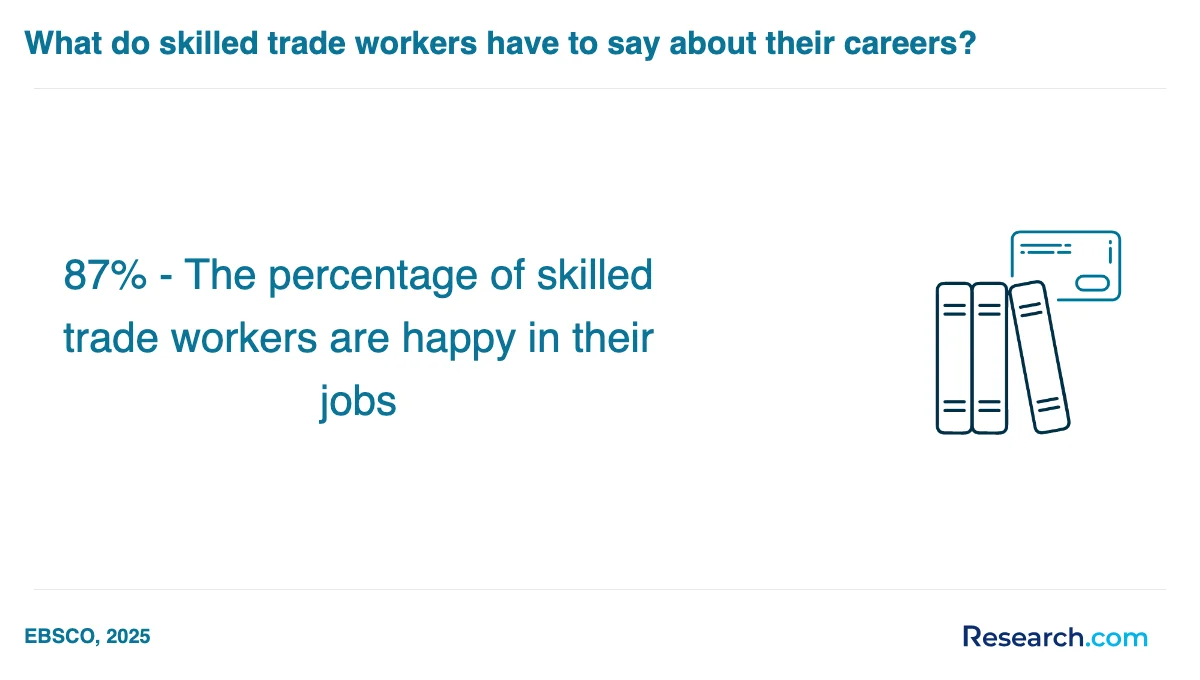
Trade school programs in Columbia pack a punch with practical, hands-on skills that set grads up for success fast. Imagine rolling up your sleeves at a local workshop, like the ones at Columbia Trade School, where welding sparks fly and future electricians wire real buildings under expert eyes. HVAC courses walk you through installing climate-control systems, prepping you to tackle Missouri's sweltering summers with confidence.
Healthcare-focused students dive into medical assisting or pharmacy technician programs, joining the ranks of regional healthcare heroes ready to support bustling clinics and hospitals. Over at Luxx Beauty and Barber Institute, a future cosmetologist perfects nail art and masterfully blends esthetics with business savvy, dreaming of opening a thriving salon in downtown Columbia.
- Electrical technology, welding, HVAC: hands-on, industry-aligned, and high-demand
- Medical assisting, pharmacy technician, health information technology: healthcare pathways with strong job prospects
- Cosmetology, manicuring, esthetics, barbering: creative, licensed beauty careers
- Information technology, project management, system administration: tech skills for the digital age
Graduates typically celebrate flexible schedules that balance night classes with daytime jobs, making their two-year journey feel achievable and empowering. Practical training combined with soft skills like teamwork often creates confident professionals stepping solidly into Columbia's workforce.
In Columbia, trade school programs open doors to vibrant, hands-on careers with specializations that spark real passion and quick success. Graduates often tell stories of diving into Carpentry & Building Construction Technology, mastering blueprint reading and framing, then heading straight to construction sites where their skills build homes and dreams. Others find their rhythm in Fabrication & Welding Technology, welding metals in buzzing workshops, ready to tackle manufacturing challenges.
Imagine getting your hands on robotic arms and automated systems in Mechanical Automation Technology, turning tech curiosity into skilled craftsmanship. Meanwhile, tech-savvy students fired up about cybersecurity and hardware imagine careers in booming IT fields. Columbia's trade schools even nurture future educators through certifications like Early Childhood to Secondary Education, shaping tomorrow's classrooms.
Look closely, and you'll see due to financial aid and accessible entry paths, many students embrace even the cheapest online electrician trade school programs to jumpstart their careers.
- Carpentry & Building Construction Technology
- Fabrication & Welding Technology
- Mechanical Automation Technology
- Information Technology
- Education Certifications (Early Childhood-Secondary)
Choosing the best trade school programs in Columbia means zoning in on what really sparks your passion and career goals. Imagine a graduate from Ranken Technical College, who mastered hands-on carpentry and walked right into a job because the school's employer ties are solid gold here. Real-world training and internships aren't just buzzwords-they're the backstage passes to your future paycheck.
When figuring out how to choose a trade school in Columbia, accreditation is your compass. It's not just paper; it's your ticket to financial aid and credibility. Plus, programs like C.O.T.Y. provide paid work experiences that build confidence and bankable skills, especially for those wanting a leg up in tough job markets.
Don't forget to explore financial options, like the Stephens Promise Program that lifts tuition burdens. And if you want to peek beyond the basics, check out community college online programs that tailor schedules to your lifestyle while keeping quality intact.

Trade school career opportunities in Columbia MO span an exciting spectrum, perfectly tailored for those craving hands-on, dynamic work. Graduates from local favorites like Ranken Technical College and Stephen's College find themselves diving into roles as carpenters or heavy equipment operators, constructing everything from bustling bridges to essential water systems. The thrill of building tangible infrastructure - and the union support that often comes with it - turns these paths into rewarding adventures.
High-demand technical jobs for Columbia graduates also await in manufacturing and fabrication. Welding technology programs crank up the skills of future machinists and plant technicians, who embrace careers marked by stability and impressive wages. Apprenticeships and real-world training keep graduates climbing upward.
Others launch careers in the electrical and utilities sector, joining hands with unions like the IBEW to become linemen or substation techs. Then there's IT and mechanical automation, which cater to those tech-savvy souls preferring online flexibility as they train for roles like automation technicians.
- Carpenter, heavy equipment operator with union-backed benefits
- Welder, machinist, plant technician in fabrication
- Linemen, traffic signal and substation technicians
- IT support specialists and automation technicians with online options
Many graduates relish the fact that they step into a marketplace with multiple job offers within months. Starting salaries can hit $60,000, making trade school a smart launchpad. And, if you're after affordable options to kickstart a career right from home, exploring cheap online construction trade programs is a savvy move.
Graduates from Columbia's trade schools walk into a job market buzzing with opportunity. With the unemployment rate at a striking 2.4 percent, these graduates often find themselves fielding multiple job offers before their caps even hit the stage. Imagine a recent graduate from the Columbia Area Career Center swiftly landing an electrical technician role at a local hospital, energized by a salary that matches Columbia Missouri technical careers salary trends, reaching up to $60,000 in their first year.
Hands-on training here means mastering skills in welding, HVAC, or commercial truck driving that employers-from construction companies to the University of Missouri Health Care-actively hunt for. Graduates report that their strong chances stem from this practical edge, making the job opportunities for trade school graduates in Columbia genuinely vibrant.
Consider these common success stories:
- Remodelers snapping up local construction gigs fueled by steady infrastructure projects
- Electricians and carpenters quickly joining vital maintenance crews with great benefits
- Diesel tech students advancing into commercial trucking positions with multiple job offers
For anyone curious about the range of careers powered by skilled trades, check out what are trade careers to visualize your own path thriving in Columbia's dynamic workforce.
Most Affordable Trade School & Training Programs - Leading Certification Courses in Columbia for 2026
# 1 position
Howard Community College - Diagnostic Medical Sonography/Sonographer and Ultrasound Technician.
associateHoward Community College offers a Diagnostic Medical Sonography/Sonographer and Ultrasound Technician program with a hybrid format, including some distance education. The program trains students to perform medical ultrasound techniques under physician supervision, covering patient care, sonographic data processing, and professional ethics. Annual in-state tuition is $4,080. Graduates have a median earning of $72,633 one year after completion. The program is accredited by the Middle States Commission on Higher Education.
# 2 position
Howard Community College - Computer and Information Sciences, General.
associateHoward Community College offers a hybrid Computer and Information Sciences, General program with some distance-education options. The program covers computing, computer science, and information science and systems, providing a broad foundation without specializing in specific areas. Annual in-state tuition is $4,080. The institution is accredited by the Middle States Commission on Higher Education, ensuring recognized academic standards for students pursuing this general computing program.
# 3 position
Howard Community College - Computer Systems Networking and Telecommunications.
associateHoward Community College offers a hybrid program in Computer Systems Networking and Telecommunications that prepares students to design, implement, and manage linked computer systems and networks. The curriculum covers operating systems, network theory, security, troubleshooting, and network optimization. The annual in-state tuition is $4,080. The program is accredited by the Middle States Commission on Higher Education and equips students for roles as network specialists and managers at various levels.
# 4 position
Howard Community College - Criminal Justice/Police Science.
associateHoward Community College offers a Criminal Justice/Police Science program with a hybrid format, including some distance-education options. The program prepares students for roles in law enforcement, covering patrol, investigation, traffic and crowd control, evidence management, crime prevention, weapon operation, and report preparation. Annual in-state tuition is $4,080. The program is accredited by the Middle States Commission on Higher Education.
# 5 position
Howard Community College - Health and Medical Administrative Services, Other.
associateHoward Community College offers a hybrid Health and Medical Administrative Services program, providing some distance-education options. The program focuses on various health and medical administrative skills not covered in other specific programs. Annual in-state tuition is $4,080. The program is accredited by the Middle States Commission on Higher Education.
# 6 position
Howard Community College - Business Administration and Management, General.
associateHoward Community College offers a hybrid Business Administration and Management, General program that prepares students to plan, organize, direct, and control organizational functions. The curriculum includes management theory, human resources, accounting, purchasing, logistics, marketing, and business decision-making. The program is accredited by the Middle States Commission on Higher Education. Annual in-state tuition is $4,080, providing a cost-effective option for students seeking this field.
# 7 position
Howard Community College - Accounting Technology/Technician and Bookkeeping.
associateHoward Community College offers a hybrid program in Accounting Technology/Technician and Bookkeeping designed to prepare individuals for technical administrative roles supporting accountants and financial personnel. The curriculum includes instruction in posting transactions, record-keeping systems, accounting software, and general accounting principles. The annual in-state tuition is $4,080. The program is accredited by the Middle States Commission on Higher Education.
# 8 position
Howard Community College - Physical Therapy Assistant.
associateHoward Community College offers a Physical Therapy Assistant program with a hybrid format, including some distance education. The program trains students to implement physical therapy treatment plans, conduct interventions, and use related equipment under supervision. Instruction covers anatomy, physiology, biomechanics, neuroscience, and professional ethics. Annual in-state tuition is $4,080. Graduates earn a median income of $45,388 one year after completion. The program is accredited by the Middle States Commission on Higher Education.
# 9 position
Howard Community College - Diagnostic Medical Sonography/Sonographer and Ultrasound Technician.
certificate or diplomaHoward Community College offers a Diagnostic Medical Sonography/Sonographer and Ultrasound Technician program with a hybrid format, including some distance education options. The program prepares students to use medical ultrasound techniques for diagnostic purposes, covering patient care, sonographic data processing, and professional ethics. Annual in-state tuition is $4,080. Graduates earn a median salary of $72,633 one year after completion. The program is accredited by the Middle States Commission on Higher Education.
# 10 position
Lincoln College of Technology-Columbia - Electrician.
associateThe Electrician program at Lincoln College of Technology-Columbia offers hybrid learning to prepare students for installing, maintaining, and repairing electrical systems in residential, commercial, and industrial settings. Instruction covers electronics principles, wiring, power transmission, safety, and applicable codes. Graduates earn median annual earnings of $40,219 one year after completion. The program is accredited by the Accrediting Commission of Career Schools and Colleges.
Frequently Asked Questions about trade school programs
After completing trade school in Columbia, preparing for the job market involves several important steps. First, it is crucial to build a professional resume that highlights certifications, hands-on skills, and any relevant internship experiences. According to the National Center for Education Statistics, approximately 80% of trade school graduates in technical fields find jobs related to their training within six months.
Networking with local employers and attending job fairs in Columbia can significantly increase employment opportunities. Many trade schools offer career services, including interview preparation and job placement assistance, which should be utilized.
Continuing education and obtaining additional licenses or certifications may boost a graduate's competitiveness. Staying informed about industry trends in sectors like HVAC, electrical, or automotive technology helps align skills with local market demands.
Employers in Columbia highly value practical skills from trade school graduates that directly impact job performance. According to the U.S. Bureau of Labor Statistics, technical proficiency in fields like electrical work, HVAC, and welding ranks among the most sought-after skills. Employers also emphasize strong problem-solving abilities and adaptability to new technologies, crucial in rapidly evolving industries.
Beyond technical skills, communication and teamwork are frequently cited by region-specific surveys as essential soft skills. The National Association of Manufacturers notes that 85% of manufacturers prefer candidates who demonstrate reliability and effective collaboration. Additionally, time management and a strong work ethic remain important traits for career success in Columbia's technical job market.
Finding internships in Columbia that align with your trade school program involves strategic research and outreach. Start by consulting your trade school's career services office, which often maintains relationships with local businesses offering internship opportunities tailored to specific trades.
Additionally, websites like the U.S. Department of Labor's CareerOneStop provide tools to search internships by location and occupation. In Columbia, sectors such as manufacturing, healthcare, and information technology commonly offer internships for trade students.
According to the National Association of Colleges and Employers (NACE), 60% of internships lead to job offers, emphasizing their importance. Networking locally through industry groups and job fairs also increases your chances in Columbia's competitive market.
In Columbia, a trade school diploma can significantly enhance career mobility and advancement opportunities. According to data from the National Center for Education Statistics (NCES), graduates of trade programs often enter the workforce faster and with specialized skills that are in high demand locally. This credential helps individuals qualify for higher-paying jobs in sectors like construction, healthcare, and technology. The Columbia Department of Employment reports that trade school graduates experience a 15% higher employment rate within one year of completion compared to those without postsecondary credentials.
Furthermore, trade diplomas provide a practical alternative to traditional college degrees, particularly benefiting those seeking a quicker return on investment. Employers in Columbia value the hands-on training and certifications from trade schools, which often lead to promotions and wage increases. As a result, such diplomas can be a vital tool for social and economic mobility in the region.
Students attending trade schools in Columbia can find part-time job opportunities that align closely with their fields of study, enhancing both their skills and resumes. Popular options include positions as automotive technicians, HVAC assistants, or electrical helpers, which often offer flexible hours compatible with class schedules.
According to the U.S. Bureau of Labor Statistics, part-time roles in construction and skilled trades in the Columbia metropolitan area have grown by approximately 5% over recent years, reflecting increased demand. These jobs provide hands-on experience and networking potential within industries such as plumbing, welding, and carpentry.
Additionally, local businesses in Columbia sometimes partner with trade schools to offer internships or apprenticeships, which can serve as paid part-time roles. These opportunities are valuable for hands-on learning and may lead to full-time employment after graduation.
To choose the most affordable degree program near me, it's crucial to first compare tuition fees, financial aid options, and program offerings of local colleges and universities. Researching schools near Columbia, MD can be facilitated by resources like Research.com, which may provide insights into cost-effective programs. Additionally, visiting campuses and speaking with admissions counselors can offer practical information about costs and available scholarships to make an informed decision.
- Trade School Programs in Columbia, SC | Fortis https://www.fortis.edu/campuses/south-carolina/columbia.html
- Ways to Gain Experience | Columbia Career Education https://www.careereducation.columbia.edu/news/october-2023/ways-gain-experience
- Ten facts about trade school - Columbia Star https://www.thecolumbiastar.com/articles/ten-facts-about-trade-school/
- WorkBC Site Maintenance - Service Temporarily Unavailable https://www.workbc.ca/explore-training-and-education/trades-training/trades-training-programs
- Lincoln Tech in Columbia MD School for Skilled Trade https://www.lincolntech.edu/campus/columbia-md
- Career & Technical Education https://www.columbiabasin.edu/learn/discover-your-path/career-technical-education/index.html
- School of Trades, Industry, and Professional Studies | Camosun College http://camosun.ca/tips
- Preparing for the Future - COMO Magazine https://comomag.com/2025/03/11/preparing-for-the-future-trade-school-technical-school/


