Best Trade School & Training Programs - Leading Certification Courses in Traverse City for 2026

Co-Founder and Chief Data Scientist
If you’re thinking about starting a career through a trade school in Traverse City, this article is for you.
We present a trade school programs ranking created by the Research.com team of data scientists to help you make an informed choice. This guide highlights the best options available locally, so you can find programs that match your goals and interests.
Getting a trade school diploma or certification can open doors to rewarding careers and personal growth. Exploring these opportunities with confidence makes all the difference.
Key benefits of finishing trade school programs trade school in Traverse City
- Trade school graduates in Traverse City can expect competitive salaries, with averages around $58,527 per year and roles like surgical technologists earning about $58,010 annually, making these careers financially rewarding.
- Popular career paths include surgical technology, various technician roles, and skilled labor positions, offering diverse opportunities that match local job market needs and provide solid growth potential.
- Online trade school diplomas offer flexibility and convenience, allowing students to balance work and study while earning valuable credentials recognized by employers in Traverse City.
- Best Trade School & Training Programs - Leading Certification Courses in Traverse City for 2026
- What can I expect from trade school programs trade schools in Traverse City?
- Where can I work after finishing trade school programs trade schools in Traverse City?
What can I expect from trade school programs trade schools in Traverse City?
The average cost of a trade school program in Traverse City typically ranges from $5,000 to $15,000, depending on the length and specialization of the course. Graduates from institutions like Northwestern Michigan College and the Career Tech Center often describe their investment as reasonable considering the hands-on training and industry certification preparation they received. For example, students in the Welding Technology program have found that this cost covers both intensive lab work and access to modern equipment, which closely simulates real job environments.
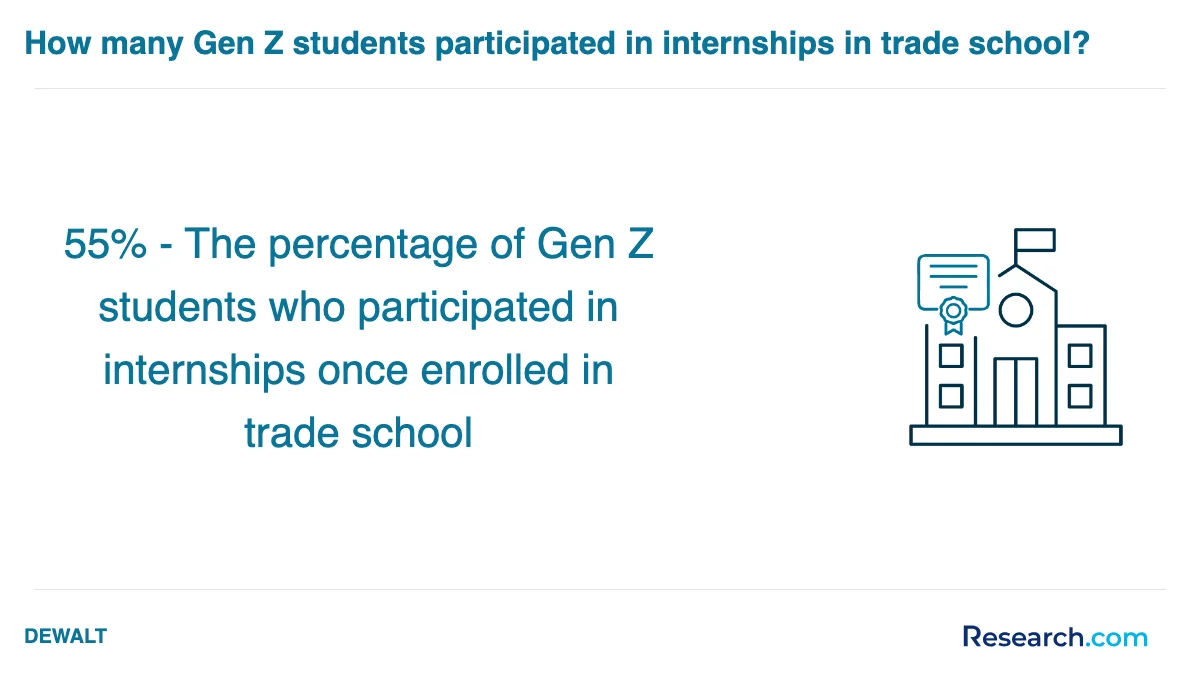
Many students appreciate that their tuition fees also support opportunities for internships and cooperative work experiences, which build valuable professional networks and enhance employability. Short-term intensive courses, such as the Survey Technician Training, offer more affordable, flexible pricing to accommodate working adults who need a quicker, cost-effective path into the workforce.
Overall, the cost reflects a practical investment in gaining job-ready skills and access to programs that continually adapt to the evolving needs of Traverse City's industries, making the expenses feel justified and worthwhile.
Where can I work after finishing trade school programs trade schools in Traverse City?
After completing a trade school program in Traverse City, graduates find a variety of rewarding career paths aligned with their training. Many secure positions in construction, maintenance, and utilities, working as maintenance technicians, utility workers, or crew leaders. Those trained in carpentry often join construction teams as carpenters or construction crew members, benefiting from the region's steady demand for skilled trades. Graduates from healthcare-focused programs, such as medical or dental assisting, frequently find roles in local clinics, dental offices, and hospitals, contributing meaningfully to community health.
Technical training in welding, machining, or HVAC opens doors to manufacturing and industrial jobs. Employers like Northwestern Michigan College regularly hire graduates for facilities and IT support roles, demonstrating the practical value of trade education. Similarly, educational institutions such as Traverse City Area Public Schools employ graduates as public health nurses or maintenance staff.
These opportunities reflect a strong local employer demand, enabling graduates to confidently launch stable careers in familiar, community-centered workplaces right after finishing their programs.
After finishing a trade school program in Traverse City, graduates typically earn a median hourly wage of around $22.37, which translates to roughly $46,530 annually for full-time work. This is slightly below the statewide Michigan median, but many graduates find this competitive within the local skilled trades job market. For example, welders or HVAC technicians who trained in Traverse City's trade schools often report starting near this wage, feeling optimistic about steady income combined with attainable career growth.
Many graduates appreciate how quickly they move from education to employment thanks to the hands-on training focused on local demands. Some electrical and technician trade school alumni share that while initial salaries may seem modest, gaining experience and certifications soon opens doors to higher pay-sometimes surpassing the state average annual wage of $47,593.
Local cost of living and demand for skilled workers in Traverse City help graduates enjoy a balanced lifestyle, making the investment in trade school feel worthwhile and encouraging for those pursuing a reliable, skilled career path.
- Northwestern Michigan College offers trade programs in automotive technology, welding, construction trades, and engineering technology with hands-on learning and small class sizes.
- Admission usually requires a high school diploma or GED, but some programs allow current high school students to enroll through partnerships, such as with AIS Construction Equipment for heavy equipment training.
- Annual costs for in-state students average $8,874 for tuition, plus $1,202 in fees and $835 for books and supplies; room and board can add $10,200, though many students commute.
- About 30% of students take loans averaging $5,882 per year to help cover expenses.
- Graduates often find jobs locally with starting salaries around $50,000 for heavy equipment technicians and opportunities in automotive service, welding, construction, and manufacturing.
- Industry partnerships provide internships and apprenticeships to help students gain real-world experience and address local labor shortages in construction and related fields.
Trade school programs in Traverse City typically range from six to twenty-four months, depending on the field and study format. Graduates from popular local institutions, like Northwestern Technological Institute, often mention completing hands-on programs such as HVAC technician training in just 10½ months of full-time dedication, which brings a sense of accomplishment quickly.
Shorter courses, like nail technology or aesthetics, can be finished within 5 to 8 months, allowing students eager to start working to jump into their careers rapidly. Medium-length programs-such as medical assisting or welding-usually take between 9 and 12 months. Many students appreciate this timeframe as it balances practical skill-building with manageable time commitments.
Longer programs, including automotive technology, may extend to 13 or 14 months, providing in-depth experience needed for complex trades. Students at Northwestern Michigan College find that most certificates and diplomas there align well with national averages, often completing within one to two years. Part-time options and internships might lengthen these periods, but they offer flexibility for those balancing work or family.
The difference between online and on-campus trade school programs in Traverse City primarily lies in how courses are delivered and the learning environment. Online programs, like those at Northwestern Michigan College (NMC), let students access materials and complete assignments from home using platforms such as Moodle and Zoom. This flexibility appeals to working adults and parents managing busy schedules, allowing them to study at their own pace without the need to commute.
On the other hand, on-campus programs require students to attend classes and labs in person, a crucial factor for hands-on fields like welding or HVAC. Graduates of NMC's on-campus programs often highlight the value of direct mentorship from instructors and immediate access to specialized equipment, which boosts their confidence and skill mastery.
Many students appreciate hybrid options that blend online theory with necessary in-person practice. This mix offers the best of both worlds, especially for technical trades where practical experience is essential yet some coursework can be done remotely.
The average cost of trade schools in Traverse City typically falls between $14,000 and $22,000 for the full program, encompassing tuition, fees, and additional expenses. Many graduates recall balancing these costs with the value of hands-on training and the shorter duration compared to traditional universities. At Northwestern Michigan College, a well-known choice in Traverse City, in-district tuition for Grand Traverse County residents is $157 per contact hour, while in-state students from elsewhere in Michigan pay $320 per contact hour. Out-of-state learners face tuition costs of $415 per contact hour. General fees add $35.25 per contact hour, covering essential student services and technology, which means full-time students generally budget between $5,000 and $10,000 annually depending on residency and course load.
Traverse City trade school tuition and fees combine to form only part of the financial picture. Program-specific costs such as tools, uniforms, and equipment often add an additional $500 to $5,000. Many students find that these expenses are a worthwhile investment toward their future careers. Books and supplies commonly account for $500 to $1,000 yearly, and housing varies for those moving away from home, with typical accommodation costs ranging from $1,200 to $1,800 annually. For those exploring cost-effective options, various affordable paths, including cheap online welding certification programs, can supplement in-person trade school studies.
Those who have completed programs in Traverse City emphasize that, although the average cost hovers around $17,744 per year for tuition and fees statewide, local total expenses mostly range from $17,000 to $22,000 per year. These figures resonate with many students who appreciate the clarity on financial planning and the accessible entry into skilled trades. With this understanding, prospective students can confidently pursue their ambitions knowing what to expect from the average cost of trade schools in Traverse City.

Trade school students in Traverse City have access to a variety of financial aid options designed to alleviate the cost of education. Many begin with the Free Application for Federal Student Aid (FAFSA), which unlocks eligibility for federal grants like the Pell Grant, scholarships, work-study positions, and low-interest Stafford Loans. For instance, graduates from Northwestern Michigan College (NMC) often report relying on these loans, with an average loan amount of $5,882 helping bridge the gap between tuition and other expenses.
Local scholarships play a crucial role as well. The Grand Traverse Regional Community Foundation provides over 50 scholarships worth between $2,000 and $4,000, rewarding students for academic success and community involvement. Many Traverse City students have shared how these awards made a tangible difference in their ability to stay focused on their training without financial stress.
Emergency assistance programs and college work-study opportunities at schools like NMC further support students facing unexpected hardships, allowing them to earn while they learn. These practical resources create a supportive environment where students feel empowered to succeed despite financial challenges.
Enrolling in a trade school program in Traverse City typically requires proof of high school completion, such as a diploma, GED, or an equivalent certificate. Graduates from local programs, including those at Northwestern Michigan College, often share how this prerequisite assured their readiness for hands-on learning.
Minimum age requirements usually set the bar at 16, though certain specialized fields may require you to be older. This ensures all students are mature enough for the rigorous demands of trades like healthcare or technology.
Admission rarely hinges on standardized test scores like the SAT or ACT. Instead, many Traverse City trade schools use placement tests to tailor course enrollment, allowing students to start exactly where they need to, which boosts confidence and motivation early on.
Applicants must also provide essential documentation:
- Completed application form
- Proof of identity
- Transcripts or certifications verifying prior education
For competitive programs, such as nursing certificates at Northwestern Michigan College, prerequisites must be completed before admission is granted. Students often describe this process as challenging but rewarding, ultimately preparing them well for their careers.
Financial preparation includes completing FAFSA for those seeking aid, reinforcing a responsible, goal-oriented approach from the start.
Trade school programs in Traverse City typically include hands-on courses designed to prepare students for immediate employment in technical fields. Graduates from Northwestern Michigan College, the region's leading provider, praise the practical approach to subjects like automotive service, construction trades, and welding. One graduate recalls how mastering diagnostics and hybrid technology in automotive classes translated directly to their first job at a local repair shop.
Students can expect training in these core areas:
- Automotive technology-covering electrical systems, drivability diagnostics, hybrid tech, and undercar maintenance
- Construction technology-including carpentry, electrical systems, HVAC, plumbing, and facilities maintenance
- Welding-various welding processes, safety protocols, and fabrication techniques
- Engineering technology-robotics, automation, electronics, and marine technology
- Manufacturing-machining, CNC operation, and process control
Fast Track programs, such as CNC operator training, combine online theory with in-person practice for accelerated certification. Graduates appreciate these programs' balance of classroom learning and real-world skills valued by employers across northern Michigan. HVAC/R courses prepare students for national certifications, enabling quick entry into the HVAC industry. Many find that locally offered online courses in robotics and quality inspection provide flexible options to build competitive technical skills while balancing work or family.
Trade school programs in Traverse City offer a variety of specializations tailored to meet the needs of local industries and students seeking practical skills. Popular programs at Northwestern Michigan College (NMC), a leading institution, include:
- Automotive technology, where graduates quickly find roles as service technicians or repair specialists focusing on electrical systems, hybrid technology, and advanced diagnostics.
- Construction technology, which covers carpentry, HVAC, plumbing, and facilities maintenance, supported by strong regional partnerships like the Home Builders Association of Northwest Michigan.
- Welding technology, offering multiple certificate levels and associate degrees, often integrating American Welding Society credentials to boost employability.
- Engineering technology, including biomedical, electronics, marine, and robotics, emphasizing hands-on skills in CNC machining and automation.
Students often share that their hands-on learning experiences in these programs gave them confidence and readiness for work in Northern Michigan's robust job market. For those interested in shorter courses or quick skills upgrades, Traverse City provides options in power equipment and quality inspection, perfectly suited for immediate employment. Exploring careers in trade school within these fields reveals promising opportunities and career satisfaction.
Selecting the best trade school programs in Traverse City starts with pinpointing your field of interest, whether it's automotive technology, healthcare, or construction. Graduates from popular local colleges often share how smaller class sizes and hands-on training enriched their learning experience, allowing direct interaction with instructors and valuable access to up-to-date equipment. This real-world practice equips students with skills that employers in Traverse City prioritize.
When evaluating how to compare trade school costs in Traverse City, consider tuition alongside financial aid and scholarships offered by schools. Many programs provide competitive pricing or even no-cost training for eligible students, easing the financial burden as graduates transition confidently into the workforce. Additionally, prioritize schools with strong career support and employer partnerships; past students frequently highlight how these connections eased their job placement process.
For those seeking efficient paths to employment, exploring options like 6 month online certificate programs high paying jobs can offer valuable alternatives that align with local industry demands.

Trade school graduates in Traverse City have diverse and rewarding options in the skilled trades careers in Traverse City. Graduates from well-regarded local programs often secure positions in electrical occupations, welding, precision machining, and robotics, where strong local demand leads to excellent pay and stable employment. For example, graduates in electrical fields report earning potential exceeding $100,000 by their early twenties, thanks to Traverse City's rapidly growing industrial sector.
Traverse City trade school job opportunities extend into advanced manufacturing areas such as automated robotics, where hands-on training with electronics and CAD design prepares students for innovative roles. Automotive technology programs also thrive, sending graduates into dealerships, independent shops, and specialized fleet service roles-reflecting the increasing complexity of modern vehicles and the need for skilled technicians.
- Electrical occupations with high starting salaries
- Welding and precision machining with strong local apprenticeship options
- Robotics and automation involving cutting-edge technologies
- Automotive technicians in diverse settings including race team support
Many Traverse City trade schools collaborate with local employers, offering cooperative work-study that leads directly to workforce integration. Students looking for affordable, practical training may also explore cheapest flooring installation training online to complement or expand their skillsets in related trades.
The skilled trade job opportunities in Traverse City are highly promising for graduates of local trade schools. Graduates specializing in electrical work, HVAC technology, and construction management often find multiple job openings shortly after completing their programs. Employers in Traverse City actively seek technicians, maintenance workers, and crew leaders, with many roles offering competitive salaries ranging from $50,000 to $90,000 depending on experience.
Many trade school graduates report positive experiences transitioning into stable employment thanks to hands-on training and strong community partnerships. For example, partnerships between educational institutions like Northwestern Michigan College and local industry leaders create apprenticeship opportunities that provide real-world experience.
Key employers often attend local career fairs, making networking straightforward for new graduates. Popular trade schools in Traverse City prepare students well, enhancing Traverse City trade school graduate employment by focusing on:
- Apprenticeship programs linking students with local businesses
- Strong connections to area trade associations
- Focused training in high-demand skill areas like HVAC and electrical
Students looking for flexible learning options can also explore the best vocational trade schools online, which complement in-person programs and expand opportunities nationwide.
Best Trade School & Training Programs - Leading Certification Courses in Traverse City for 2026
# 1 position
Northwestern Michigan College - Criminal Justice/Law Enforcement Administration.
associateNorthwestern Michigan College offers a hybrid Criminal Justice/Law Enforcement Administration program that prepares students for leadership roles in public law enforcement agencies. The curriculum covers law enforcement history, operational command, legal responsibilities, budgeting, and organizational leadership. The annual in-state tuition is $5,350. Graduates have a median earning of $52,976 one year after program completion. The program is accredited by the Higher Learning Commission.
# 2 position
Northwestern Michigan College - Criminal Justice/Police Science.
associateNorthwestern Michigan College offers a Criminal Justice/Police Science program designed to prepare students for duties such as patrol, investigations, traffic and crowd control, and evidence management. The hybrid program includes some distance education options and focuses on crime prevention, weapon operation, and report preparation. Annual in-state tuition is $5,350. Graduates earn a median salary of $52,976 one year after completion. The program is accredited by the Higher Learning Commission.
# 3 position
Northwestern Michigan College - Computer Systems Networking and Telecommunications.
associateNorthwestern Michigan College offers a hybrid program in Computer Systems Networking and Telecommunications, focusing on the design, implementation, and management of linked computer systems and software. The curriculum covers operating systems, systems design, networking theory, security, and troubleshooting. The program prepares students for roles as network specialists and managers. Annual in-state tuition is $5,350. The program is accredited by the Higher Learning Commission.
# 4 position
Northwestern Michigan College - Electrical and Power Transmission Installation/Installer, General.
associateNorthwestern Michigan College offers a hybrid program in Electrical and Power Transmission Installation/Installer, General, designed to equip students with skills to install residential, commercial, and industrial electrical systems and power transmission lines. The curriculum covers electricity, safety, wiring, insulation, grounding, blueprint interpretation, equipment operation, maintenance, and relevant codes. Annual in-state tuition is $5,350. The program is accredited by the Higher Learning Commission.
# 5 position
Northwestern Michigan College - Automobile/Automotive Mechanics Technology/Technician.
associateNorthwestern Michigan College offers an on-campus program in Automobile/Automotive Mechanics Technology/Technician. The program prepares students with technical skills to repair, service, and maintain various automobile systems, including brakes, electrical, engines, transmissions, steering, and heating/air conditioning. The annual in-state tuition is $5,350. The program is accredited by the Higher Learning Commission.
# 6 position
Northwestern Michigan College - Welding Technology/Welder.
associateNorthwestern Michigan College offers a Welding Technology/Welder program with a hybrid format that includes some distance education. The curriculum covers arc welding, resistance welding, brazing, soldering, high-energy beam welding, cutting, and welding metallurgy. Students learn about ferrous and non-ferrous materials, oxidation-reduction reactions, safety, structural design, and relevant codes and standards. The program is accredited by the Higher Learning Commission. Annual in-state tuition is $5,350.
# 7 position
Northwestern Michigan College - Dental Assisting/Assistant.
associateNorthwestern Michigan College offers a hybrid Dental Assisting/Assistant program designed to prepare students for patient care, dental radiography, and administrative office tasks under professional supervision. The curriculum covers medical record-keeping, scheduling, equipment maintenance, basic radiography, chairside assisting, and impression taking. Annual in-state tuition is $5,350. Graduates have a median earning of $34,029 one year after completion. The program is accredited by the Higher Learning Commission.
# 8 position
Northwestern Michigan College - Accounting Technology/Technician and Bookkeeping.
associateNorthwestern Michigan College offers a hybrid Accounting Technology/Technician and Bookkeeping program designed to prepare individuals for technical administrative roles supporting accountants and financial personnel. The curriculum covers posting transactions, record-keeping systems, accounting software, and basic accounting principles. The program is accredited by the Higher Learning Commission. Annual in-state tuition is $5,350, with some courses available through distance education options.
# 9 position
Northwestern Michigan College - Business Administration and Management, General.
associateNorthwestern Michigan College offers a fully online Business Administration and Management, General program designed to prepare students to plan, organize, direct, and control business functions. The curriculum covers management theory, human resources, accounting, purchasing, logistics, marketing, and business decision-making. The program’s annual in-state tuition is $5,350. Graduates have median earnings of $25,274.75 one year after completion. The program is accredited by the Higher Learning Commission.
# 10 position
Northwestern Michigan College - Baking and Pastry Arts/Baker/Pastry Chef.
certificate or diplomaNorthwestern Michigan College offers a hybrid Baking and Pastry Arts/Baker/Pastry Chef program that prepares students for professional roles in commercial baking establishments. The curriculum covers bread and pastry making, handling, storage, decorating, and baking industry operations, including product packaging and marketing. The program's annual in-state tuition is $5,350. It is accredited by the Higher Learning Commission and includes some distance-education options.
Frequently Asked Questions about trade school programs
After completing trade school in Traverse City, preparing for the job market involves several strategic steps. First, it is crucial to develop a clear understanding of the local industries with high demand, such as manufacturing, healthcare, and construction, which frequently employ trade graduates. According to the Michigan Department of Technology, Management & Budget, Traverse City sees steady growth in skilled trades jobs, with an estimated 5% rise expected by 2028.
Networking plays an important role; reaching out to local employers, attending job fairs, and joining professional associations can open employment opportunities. Additionally, obtaining relevant certifications and licenses enhances credibility and job prospects. Lastly, candidates should prepare strong resumes highlighting hands-on skills and consider internships to gain real-world experience before entering the workforce.
Employers in Traverse City highly value practical skills gained through trade school programs. According to the Michigan Department of Labor, technical proficiency in areas like electrical work, HVAC, and welding ranks among the most sought-after abilities. Many local industries emphasize hands-on experience and certifications that demonstrate job readiness.
Soft skills also play a crucial role. A 2023 survey by the Traverse City Chamber of Commerce found that 78% of employers prioritize strong communication, problem-solving, and teamwork abilities alongside technical expertise. Time management and reliability consistently rank as key traits for trade school graduates.
In summary, a combination of certified technical skills and proven soft skills significantly improves job prospects in Traverse City's competitive trade markets.
Finding internships in Traverse City related to your trade school program involves several practical steps. Begin by contacting the career services office at your trade school, as many maintain partnerships with local businesses and can provide access to internship listings.
Traverse City's economy supports industries like manufacturing, healthcare, and skilled trades, offering internship opportunities in fields such as automotive technology, HVAC, and construction. According to the Michigan Talent Dashboard, local employers frequently seek interns for hands-on roles.
Additionally, explore resources like the Northwest Michigan Works! that connect job seekers and employers, including for internships. Networking at local trade organizations, job fairs, and online platforms tailored to trade careers can also lead to valuable placements.
Building relationships with employers directly by visiting businesses or reaching out via their websites often uncovers openings not widely advertised. Persistence and proactive communication remain key strategies for securing relevant internships in Traverse City's competitive market.
In Traverse City, earning a trade school diploma can significantly enhance career mobility and advancement opportunities. The region's growing industries, such as manufacturing, healthcare, and automotive services, often prioritize practical skills and certifications over traditional degrees. According to the Michigan Department of Labor and Economic Opportunity, trade occupations in this area see employment growth rates higher than the state average, with median wages increasing by 7% over the past five years.
Trade school graduates typically enter the workforce faster, reducing unemployment periods. This diploma provides recognized credentials that employers in Traverse City value, enabling workers to access better-paid, more stable positions.
Furthermore, many local businesses partner with trade schools for apprenticeship programs, which foster direct career advancement.
Part-time job opportunities in Traverse City that complement trade school education are often found in industries needing hands-on skills. Students training in automotive technology can seek assistant mechanic roles at local repair shops, which allows practical application of their studies. Healthcare program enrollees might find part-time work as certified nursing assistant aides or medical receptionists, gaining valuable patient interaction experience.
Retail and hospitality also offer part-time positions useful for those studying electrical or HVAC systems, as these sectors frequently require maintenance support. According to the Bureau of Labor Statistics, Traverse City's part-time job market is growing by about 3% annually, especially in service and technical roles. These jobs enable students to earn income while developing relevant professional skills.
To find the best degree program near me in Traverse City, MI, consider utilizing resources like Research.com, which offers insights into various programs and universities available in your area. Look for institutions that offer strong academic support, good faculty, and programs that align with your career goals. Additionally, visiting local campuses near Traverse City, MI, or consulting with a career advisor can provide personalized guidance and help you make an informed decision.
- Academic Offices : Technical Division : Northwestern Michigan College https://www.nmc.edu/programs/academic-offices/technical-division/
- Career Training Programs https://www.michigan.gov/mistudentaid/programs/michigan-achievement-scholarship/career-training/programs
- Northwest Education Services Career Tech Center - Career Investigator for Northwest Michigan https://www.nwmicareers.org/organization.asp
- Career Pathways : NW MI Works! https://www.nwmiworks.org/career-pathways.html
- Client Challenge https://www.northwested.org/downloads/ctc_filesimages/ne_career_tech_program_overview_web_2023Rev.pdf
- Develop Your Career • Traverse Connect https://traverseconnect.com/economic-development-old/develop-career/
- Apprenticeship Training - IBEW Local 498 https://www.ibewlocal498.com/training/
- Getting Into a Career in the Trades - UP Michigan Works! https://upmichiganworks.org/getting-into-a-career-in-the-trades/
- Skilled Trades | Confederation College https://www.confederationcollege.ca/programs-courses/skilled-trades
- Canadian Skilled Trades Programs for International Students https://www.applyboard.com/blog/canadian-skilled-trades-programs