
Best Trade School & Training Programs - Leading Certification Courses in Columbia for 2026

Co-Founder and Chief Data Scientist
Choosing the right trade school in Columbia can shape your future in meaningful ways. This article offers a carefully researched trade school programs ranking created by the Research.com team of data scientists to guide you in making an informed decision.
By exploring this ranking, you’ll discover programs that match your career goals, helping you gain valuable skills and certifications faster. A trade school diploma opens doors to rewarding job opportunities and personal growth.
Whether you’re starting fresh or advancing your career, this guide supports your journey toward success and confidence.
Key benefits of finishing trade school programs trade school in Columbia
- Trade school graduates in Columbia can earn strong salaries, with construction workers making between $47,400 and $76,400 annually, welders and HVAC technicians often earning up to $76,000, and truck drivers starting around $49,000 per year.
- Popular career paths for trade school graduates include construction, welding, electrical work, HVAC, and commercial truck driving, all offering stable jobs and great chances for growth in Columbia's job market.
- Getting a trade school diploma online offers flexibility that fits busy schedules, allowing students to learn at their own pace while still gaining the skills needed to succeed in high-demand local trades.
- Best Trade School & Training Programs - Leading Certification Courses in Columbia for 2026
- What can I expect from trade school programs trade schools in Columbia?
- Where can I work after finishing trade school programs trade schools in Columbia?
What can I expect from trade school programs trade schools in Columbia?
The average cost of trade school programs in Columbia is generally lower than traditional four-year colleges, making them an attractive option for many students. Graduates from well-known institutions like the Columbia Area Career Center report tuition fees that are often offset by financial aid, such as the Stephens Promise Program, which can provide up to four years of free tuition for qualifying students.
Students appreciate the affordability as they gain practical skills through hands-on learning, including internships and labs, which prepares them swiftly for the job market. Many find the flexible formats-ranging from face-to-face to hybrid and online classes-ideal for balancing work and study.
Trade school attendees also frequently mention how industry-experienced instructors and access to up-to-date equipment create a realistic and motivating educational environment. The strong partnerships with local employers further enhance job placement, helping students transition smoothly into careers in healthcare, construction, and IT sectors.
Where can I work after finishing trade school programs trade schools in Columbia?
After finishing a trade school program in Columbia, graduates access a wide range of career paths in healthcare, skilled trades, and technical services. Many find rewarding roles in healthcare facilities like hospitals and specialty clinics as sterile processing technicians, surgical technologists, or dental assistants. For instance, graduates from Columbia career centers report earning $25,000 to $60,000 annually, with job growth near 9%, reflecting strong demand and steady advancement opportunities.
Skilled trades graduates often join construction firms or property management companies as HVAC technicians, remodelers, or lead carpenters. With nearly 90 trade-related jobs available locally, students from popular local technical schools feel confident entering the workforce quickly. Several share stories of being hired within weeks thanks to hands-on training that matches employer needs.
Technical instrumentation and engineering technician roles also attract graduates, offering roles with manufacturers and utility providers that emphasize certification-based skills. Many appreciate the flexibility of Missouri trade credentials, which allow regional or national mobility, broadening their job markets substantially.
After finishing a trade school program in Columbia, Missouri, graduates can expect an average annual salary around $62,986, which translates to about $30.28 per hour. Entry-level salaries from well-known local institutions show promising starts: graduates from East Central College begin with around $35,406, North Central Missouri College alumni earn roughly $35,982, and those from Cape Girardeau Career and Technology Center make about $31,973 in their first years. These figures demonstrate that starting pay in Columbia remains competitive and rewarding for those entering skilled trades.
For specific careers, electricians in Columbia earn a median of $51,280 annually, while chefs and head cooks bring in about $52,380. Executive secretaries and administrative assistants see similar wages near $51,920. These roles reflect real-world success stories of graduates applying their hands-on training to stable, well-paying jobs without needing a four-year degree.
Trade school graduates in Columbia can visualize a practical path to financial independence and career satisfaction through local, achievable opportunities that support early workforce entry and steady income growth.
- Proof of high school completion is required, such as a diploma, GED, or equivalent; some programs may also ask for ACT/SAT scores or resumes.
- Most trade school programs in Columbia, Missouri, can be completed within two years, focusing on hands-on training to speed workforce entry.
- About 74% of students at Missouri technical colleges receive financial aid, and some programs offer free tuition for eligible middle-income families.
- Starting salaries in high-demand technical fields can reach up to $60,000 per year for trade school graduates in Columbia.
- Many graduates find employment within six months due to strong partnerships between trade schools and local employers.
Trade school programs in Columbia typically take from a few weeks up to two years to complete, depending on the chosen field. Graduates from Ranken Technical College often share how their two-year programs provided focused, hands-on experience that quickly transitioned them into the workforce. Some students find the shorter, accelerated training particularly appealing; for example, certifications offered by Job Point can be completed in as little as 12 to 16 weeks, enabling rapid entry into jobs.
Rolling admissions at many Columbia trade schools allow students to begin programs soon after enrolling, which reduces waiting times and accelerates career starts. Fields like welding or healthcare support may be finished in just a few months, making it easier for students balancing family or work commitments to reskill efficiently.
Graduates often express satisfaction with the practical training and the strong post-completion employment rates, sometimes securing jobs within six months. Financial aid options further support uninterrupted study, making trade schools in Columbia an accessible and effective path to career advancement.
The primary difference between online and on-campus trade school programs in Columbia lies in how students engage with their education. Online programs, such as those offered by Columbia College, provide exceptional flexibility by allowing access to course materials anytime, anywhere. Graduates of these programs often appreciate being able to balance studies with work or family commitments, progressing through accelerated eight-week courses at their own pace.
In contrast, on-campus programs focus on hands-on training essential for trades like automotive technology or welding. Ranken Technical College exemplifies this approach, where students gain real-time supervision and immediate feedback in labs and workshops. Graduates emphasize the confidence they gain from practicing skills in person and collaborating with peers under expert guidance.
Both options maintain accreditation and align with employer expectations, but the choice often depends on whether flexibility or direct, practical experience is more critical. For Columbia students, online learning reduces travel time and supports diverse schedules, while on-campus training offers immersive, skill-focused environments that build practical competence.
The average cost of a trade school program in Columbia, Missouri typically falls between $15,105 to $15,291 for tuition and fees alone. This range reflects the standard expenses for less than two-year colleges, where many students seeking diplomas or certificates choose to enroll. Graduates from popular Columbia trade schools often describe managing these costs as feasible when balanced against quicker program completion times compared to traditional four-year colleges.
When factoring in the total cost of attendance (COA)-which includes tuition, fees, books, supplies, and living expenses-the average yearly expense rises to roughly $17,275. Many students pursuing automotive technology or welding programs find that these totals align with their budget expectations, as such courses often cost between $5,000 and $15,000, sometimes with extra expenses for tools or materials.
For those interested in medical assisting, tuition and fees in Columbia trade schools might vary more broadly, from $2,000 to $20,000, depending on whether the program is delivered online or in person. Graduates frequently note that financial aid, averaging about $6,109 per student, plays a crucial role in making these programs accessible.
Compared to the high cost of four-year degrees, which can exceed $30,000 to $40,000 over four years, trade school programs in Columbia provide a budget-friendly path. Students often express satisfaction in completing training within a year or less, enabling them to enter the workforce quickly. Many explore options like 6 month certifications that pay well, which highlight affordable, accelerated pathways.
Understanding Columbia sc trade school tuition and fees is essential for planning. Prospective students appreciate clear cost details, especially when deciding among certificate programs and diplomas offered locally.
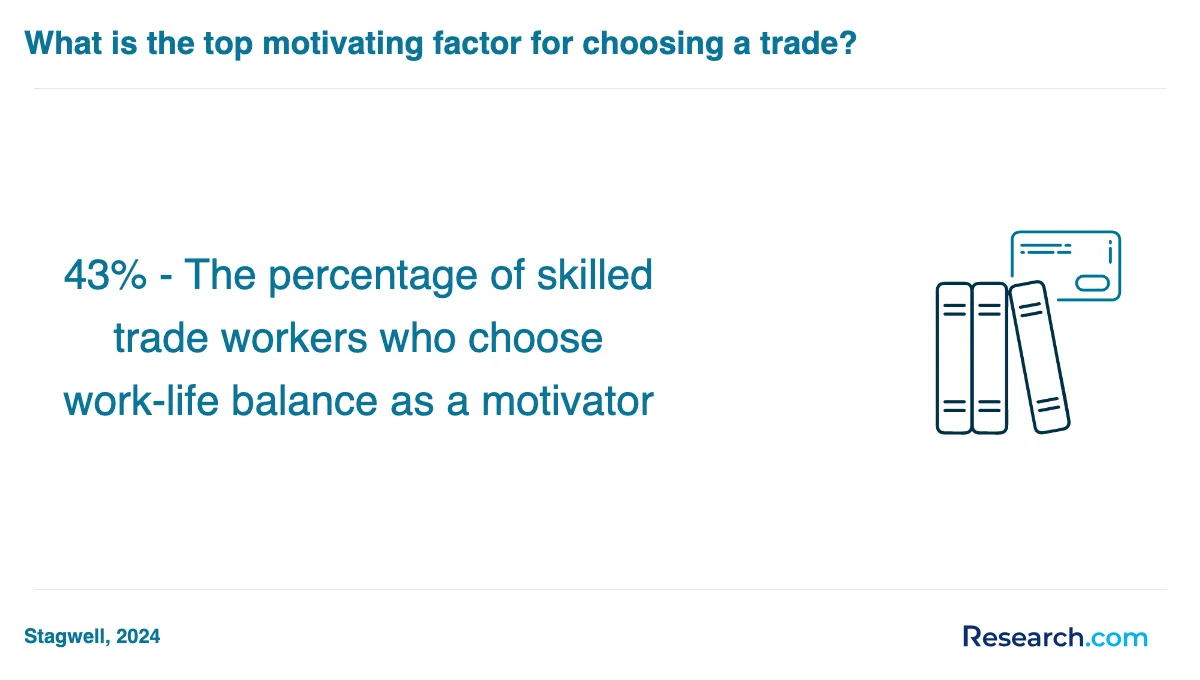
Trade school students in Columbia benefit from multiple financial aid options that make vocational education more accessible. The primary support comes from federal aid, accessed via the FAFSA, which unlocks grants, loans, and work-study opportunities tailored to students' financial needs and enrollment costs. For example, many students at local institutions like Moberly Area Community College rely on the Federal Pell Grant, which can cover up to $7,395 in a school year, easing tuition burdens significantly.
State-level assistance further boosts affordability. The Access Missouri Financial Assistance Program provides need-based awards ranging from $500 to $3,500 annually depending on the school type. For instance, graduates who chose private technical colleges in Columbia often express relief at receiving the higher-tier grants, which help cover living expenses as well as tuition.
Merit-based options such as the A+ Scholarship Program offer tuition reimbursement for up to two years at community colleges or vocational schools, rewarding students for strong academic and attendance records. Numerous trade school graduates recall how this program allowed them to refocus on their studies without the stress of financial uncertainty.
Additionally, institutional scholarships from schools like Moberly Area Community College provide targeted support-$500 per semester for workforce development fields, renewable and combinable with other awards. This layered aid environment creates a positive atmosphere where students feel genuinely supported throughout their education journey in Columbia's trade programs.
To enroll in a trade school program in Columbia, Missouri, applicants must generally provide proof of high school completion or an equivalent credential like a GED or HiSET certificate. Graduates from Columbia trade schools often recall submitting either high school transcripts or equivalency scores early in their application process. For instance, Columbia College requires a minimum GED score of 500, while Missouri University of Science and Technology expects at least a 15 on each HiSET section.
Some trade schools offer early admission options for high school juniors who have earned enough credits and have consent from their school authority and parents, which many enthusiastic students have leveraged to get a head start.
Home-schooled applicants have also successfully enrolled by submitting detailed transcripts showing completed coursework along with standardized test scores such as ACT or SAT.
Additional requirements vary but may include:
- Standardized test scores (ACT or SAT) when requested
- A resume highlighting relevant professional experience
- Program-specific certifications, especially for competitive enrollment
- Proof of English proficiency for international students
Admission committees in Columbia's trade schools often review applications holistically, considering GPA rigor and personal circumstances, allowing motivated applicants multiple pathways to join their programs.
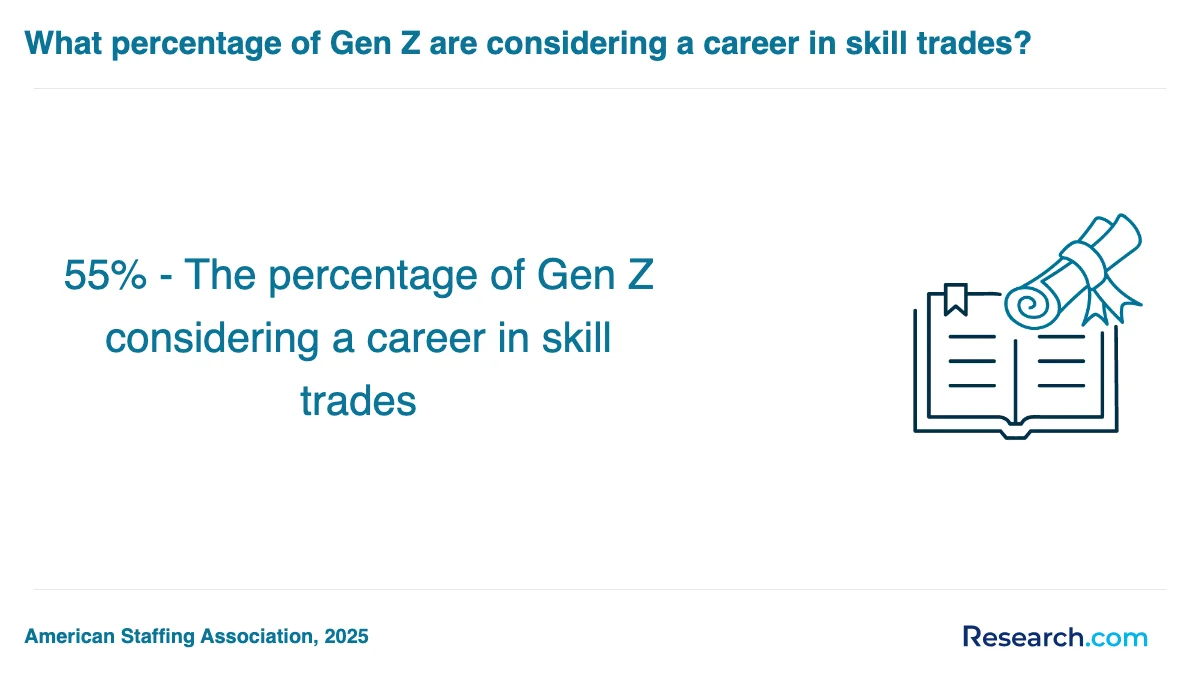
Trade school programs in Columbia typically focus on practical, in-demand courses designed to prepare students for immediate employment. Popular technical fields include HVAC (Heating, Ventilation, and Air Conditioning), electrical technology, and welding. Graduates from local programs often share positive experiences about hands-on training, which equips them to confidently install, maintain, and repair systems across residential and commercial settings.
Columbia's trade schools also emphasize medical field training such as medical assisting, billing and coding, and healthcare administration. These courses equip students with skills directly applicable to hospitals and clinics, making job transitions smoother and faster.
Additionally, business administration, information technology, and accounting programs reflect the evolving needs of the workforce. Students appreciate the versatility these courses offer in different career paths within Columbia's growing job market.
- Specialized beauty and personal services programs include cosmetology, barbering, manicuring, and esthetics, preparing students for state licensing and industry entry.
- Flexible class formats such as online, hybrid, and face-to-face courses accommodate diverse schedules.
Graduates frequently report multiple job offers shortly after completion, with many starting salaries reaching $60,000 annually, showcasing the practical value of these programs in Columbia's economy.
Trade school programs in Columbia typically focus on specializations that equip students with practical skills for high-demand careers. Graduates from Ranken Technical College's Central Missouri campus often highlight hands-on training in fields like Carpentry & Building Construction Technology, Fabrication & Welding Technology, and Mechanical Automation Technology, aligning with construction and industrial automation sectors.
Healthcare is another thriving specialization, with the Columbia Area Career Center training over 2,400 students annually in health sciences, practical nursing, and medical assisting. Graduates find these programs rewarding due to the stable, growing job market.
Additional popular areas include automotive technology, culinary arts, and business administration, with many programs offering flexible, online options to balance study with work or family.
Students have reported that programs lasting two years or less lead to multiple job offers, with some placement rates surpassing 90% and starting salaries up to $60,000. For those exploring options, it's useful to compare these results with what's the best community college for their needs.
Choosing the best trade school programs in Columbia Missouri demands a detailed review of accreditation, program variety, and hands-on learning opportunities. Graduates from well-known local institutions often cite the value of strong industry partnerships and real-world apprenticeships as key to their smooth transition into the workforce. For instance, students pursuing healthcare-related fields benefit significantly from colleges offering allied health programs integrated with clinical externships, enhancing both skill and confidence.
Evaluating reputation through student outcomes such as graduation and job placement rates is essential. Many students share positive experiences of Columbia schools that provide flexible schedules including evening or part-time classes, catering well to working adults. If you compare trade school costs and earning potential in Columbia, balancing tuition with available scholarships and financial aid can make programs more accessible. Understanding these financial aspects alongside career support helps ensure the chosen school aligns with both goals and budget.
Researching trade paths also includes exploring estimated salary trajectories. You can find dependable data on this through resources like the trade school average salary to align your education with market demand and future earnings.

Trade school graduates in Columbia can access diverse and high-demand career paths tailored to local industry growth. Graduates frequently enter construction, a sector expected to add nearly 155,000 jobs yearly nationwide, with roles such as residential or commercial construction worker and remodeling specialist. Technical colleges like Ranken provide hands-on Carpentry & Building Construction Technology programs that equip students with skills aligned to this booming market.
Welding is another thriving field, reflecting the national shortage of over 400,000 skilled welders. Graduates from Fabrication & Welding Technology programs in Columbia find employment as fabrication specialists and structural welders, benefiting from high employer demand.
Other notable options include electrical work, HVAC, commercial truck driving, and diesel technology, all offering competitive starting salaries, some above $60,000. For those seeking Columbia Missouri technical diploma jobs in IT, programs prepare graduates for IT support and network specialist positions.
Graduates from local trade schools often report multiple job offers and rewarding careers, exemplifying the value of Columbia's practical training. Explore more about trade jobs and opportunities in the area.
The job market for trade school graduates in Columbia is highly favorable, with unemployment at just 2.4% as of December 2024. Graduates from local institutions report multiple job offers shortly after completing programs, reflecting strong demand. For example, many recent graduates in construction, welding, and HVAC praise the direct connections their schools maintain with local employers like the University of Missouri Health Care, which actively recruits skilled workers.
Job opportunities for trade school graduates in Columbia often include competitive benefits such as health insurance and tuition reimbursement, making roles attractive beyond just the initial salary. Many find themselves in positions within months, supported by programs like "World of Work" that offer hands-on career exploration with Columbia-area businesses.
Salary expectations align well with demand, as Columbia MO trade school graduate salaries are competitive within the region, particularly for trades like electrical work and diesel technology. With a nationwide shortage in skilled trades, including welding, graduates are positioned for steady income and growth.
For those interested in advancing quickly, numerous programs from Columbia's top trade schools prepare students with practical skills, and the option for affordable tuition is always a consideration-as seen in cheapest freight broker classes online programs, which complement hands-on trades with logistics expertise.
Best Trade School & Training Programs - Leading Certification Courses in Columbia for 2026
# 1 position
Howard Community College - Diagnostic Medical Sonography/Sonographer and Ultrasound Technician.
associateHoward Community College offers a Diagnostic Medical Sonography/Sonographer and Ultrasound Technician program with a hybrid format, including some distance education. The program trains students to perform medical ultrasound techniques under physician supervision, covering patient care, sonographic data processing, and professional ethics. Annual in-state tuition is $4,080. Graduates have a median earning of $72,633 one year after completion. The program is accredited by the Middle States Commission on Higher Education.
# 2 position
Howard Community College - Diagnostic Medical Sonography/Sonographer and Ultrasound Technician.
certificate or diplomaHoward Community College offers a Diagnostic Medical Sonography/Sonographer and Ultrasound Technician program with a hybrid format, including some distance education options. The program prepares students to use medical ultrasound techniques for diagnostic purposes, covering patient care, sonographic data processing, and professional ethics. Annual in-state tuition is $4,080. Graduates earn a median salary of $72,633 one year after completion. The program is accredited by the Middle States Commission on Higher Education.
# 3 position
Howard Community College - Computer and Information Sciences, General.
associateHoward Community College offers a hybrid Computer and Information Sciences, General program with some distance-education options. The program covers computing, computer science, and information science and systems, providing a broad foundation without specializing in specific areas. Annual in-state tuition is $4,080. The institution is accredited by the Middle States Commission on Higher Education, ensuring recognized academic standards for students pursuing this general computing program.
# 4 position
Howard Community College - Computer Systems Networking and Telecommunications.
associateHoward Community College offers a hybrid program in Computer Systems Networking and Telecommunications that prepares students to design, implement, and manage linked computer systems and networks. The curriculum covers operating systems, network theory, security, troubleshooting, and network optimization. The annual in-state tuition is $4,080. The program is accredited by the Middle States Commission on Higher Education and equips students for roles as network specialists and managers at various levels.
# 5 position
Howard Community College - Criminal Justice/Police Science.
associateHoward Community College offers a Criminal Justice/Police Science program with a hybrid format, including some distance-education options. The program prepares students for roles in law enforcement, covering patrol, investigation, traffic and crowd control, evidence management, crime prevention, weapon operation, and report preparation. Annual in-state tuition is $4,080. The program is accredited by the Middle States Commission on Higher Education.
# 6 position
Howard Community College - Business Administration and Management, General.
associateHoward Community College offers a hybrid Business Administration and Management, General program that prepares students to plan, organize, direct, and control organizational functions. The curriculum includes management theory, human resources, accounting, purchasing, logistics, marketing, and business decision-making. The program is accredited by the Middle States Commission on Higher Education. Annual in-state tuition is $4,080, providing a cost-effective option for students seeking this field.
# 7 position
Howard Community College - Accounting Technology/Technician and Bookkeeping.
associateHoward Community College offers a hybrid program in Accounting Technology/Technician and Bookkeeping designed to prepare individuals for technical administrative roles supporting accountants and financial personnel. The curriculum includes instruction in posting transactions, record-keeping systems, accounting software, and general accounting principles. The annual in-state tuition is $4,080. The program is accredited by the Middle States Commission on Higher Education.
# 8 position
Lincoln College of Technology-Columbia - Electrician.
associateThe Electrician program at Lincoln College of Technology-Columbia offers hybrid learning to prepare students for installing, maintaining, and repairing electrical systems in residential, commercial, and industrial settings. Instruction covers electronics principles, wiring, power transmission, safety, and applicable codes. Graduates earn median annual earnings of $40,219 one year after completion. The program is accredited by the Accrediting Commission of Career Schools and Colleges.
# 9 position
Lincoln College of Technology-Columbia - Electrician.
certificate or diplomaThe Electrician program at Lincoln College of Technology-Columbia offers hybrid learning to develop skills in installing, operating, and repairing electrical systems, including residential, commercial, and industrial wiring. The curriculum covers electronics principles, safety, testing, inspection, and applicable codes. Graduates have median earnings of $40,219 one year after completion. The program is accredited by the Accrediting Commission of Career Schools and Colleges.
# 10 position
Lincoln College of Technology-Columbia - Welding Technology/Welder.
certificate or diplomaThe Welding Technology/Welder program at Lincoln College of Technology-Columbia is a hybrid program combining in-person and distance education. It trains students in various welding techniques such as arc welding, resistance welding, and high-energy beam welding. The curriculum covers welding metallurgy, structural design, safety, and industry codes. Graduates have median earnings of $39,408 one year after completion. The program is accredited by the Accrediting Commission of Career Schools and Colleges.
Frequently Asked Questions about trade school programs
After completing a trade school program in Columbia, preparing for the job market requires a strategic approach. First, graduates should update their resumes to highlight practical skills and certifications acquired during training. According to the National Center for Education Statistics, technical skills significantly improve employability in sectors like healthcare, automotive, and construction.
Networking is also crucial. Joining local industry associations or attending job fairs in Columbia can connect graduates with potential employers. The U.S. Bureau of Labor Statistics notes that 70% of jobs are found through professional networks.
Additionally, pursuing internships or apprenticeships can provide hands-on experience and improve job prospects. Many trade schools in Columbia have partnerships with local businesses to facilitate this.
Finally, enhancing soft skills such as communication and teamwork can make candidates more attractive to employers in a competitive market.
Employers in Columbia prioritize several essential skills when hiring trade school graduates. Technical proficiency in fields like welding, automotive repair, and electrical work remains the most sought-after skill. According to a 2023 report from the Columbia Workforce Development Board, 78% of employers emphasize hands-on experience and mastery of industry-specific tools.
Soft skills are equally important. Communication, teamwork, and problem-solving abilities are frequently highlighted as critical, with 65% of local employers valuing effective interpersonal skills to maintain workplace efficiency and safety. Time management and adaptability are also key traits.
Trade school programs focusing on these areas tend to better prepare students for Columbia's competitive job market.
Finding internships in Columbia relevant to your trade school program involves leveraging several local resources. Start by consulting the career services department of your trade school, as many schools maintain partnerships with businesses in Columbia that offer internships specifically for their students.
Additionally, the Columbia Chamber of Commerce often lists internship opportunities in various trades, reflecting Columbia's diverse economy in healthcare, construction, and manufacturing. According to the U.S. Bureau of Labor Statistics, trade-related internships in Columbia have grown by 8% over the past three years, indicating increasing availability.
Online job platforms such as Indeed or Glassdoor can be filtered to show internships in Columbia's key industries. Networking through local trade unions and attending job fairs hosted by Columbia-area technical colleges are also effective strategies.
A trade school diploma in Columbia significantly enhances career mobility by providing practical skills that meet local industry demands. Many graduates find quicker entry into skilled positions compared to traditional four-year degrees. According to the U.S. Bureau of Labor Statistics, occupations requiring vocational training often experience faster job placement and lower unemployment rates.
In Columbia, sectors like healthcare, construction, and advanced manufacturing actively seek trade-educated workers, creating opportunities for advancement. The Georgetown University Center on Education and the Workforce reports that trade school graduates can earn competitive salaries, sometimes surpassing those of bachelor's degree holders in some fields.
Furthermore, trade diplomas often serve as stepping stones to certifications and apprenticeships, enhancing long-term career growth. The Columbia Workforce Report (2023) highlights that up to 65% of trade school graduates report promotions or wage increases within five years, demonstrating strong upward mobility.
In Columbia, part-time job opportunities that complement trade school education often align closely with students' chosen fields of study. For example, those enrolled in automotive or electrical programs frequently find work as apprentices or assistants in local repair shops. According to Columbia's Department of Labor, positions like these offer flexible hours and practical experience, essential for skill development.
Hospitality and healthcare students may secure part-time roles such as nursing aides or front desk associates, providing income while reinforcing classroom learning. The U.S. Bureau of Labor Statistics reports that part-time healthcare support jobs in Columbia grew by 5% in the last two years, reflecting steady demand.
Retail and warehouse roles are also common, allowing students to develop time management and customer service skills. These part-time positions, often reported by local job boards, pay between $12 and $16 per hour, helpful for students managing tuition and expenses alongside studies.
To find the best degree program near Columbia, MD, consider checking local universities such as the University of Maryland, Baltimore County, or Howard Community College for their offerings. You can also utilize resources like Research.com to explore rankings and reviews of degree programs specific to your field of interest. Additionally, visiting college fairs and open houses near you can provide valuable insights and firsthand information about programs available near Columbia, MD.
- Career & Technical Education https://www.columbiabasin.edu/learn/discover-your-path/career-technical-education/index.html
- Trade School Programs in Columbia, SC | Fortis https://www.fortis.edu/campuses/south-carolina/columbia.html
- Home - Columbia Area Career Center https://career-center.org/
- Career Technical Education (CTE) https://gocolumbia.edu/career_technical/index.html
- Lincoln Tech in Columbia MD School for Skilled Trade https://www.lincolntech.edu/campus/columbia-md
- Technology & Trade Programs | Columbia Gorge Community College https://www.cgcc.edu/tech-trade-pathway
- Manufacturing, Trades and Transportation https://lowercolumbia.edu/programs/trades/
- Ten facts about trade school - Columbia Star https://www.thecolumbiastar.com/articles/ten-facts-about-trade-school/
- Graduate School: Factors to Consider | Columbia Career Education https://www.careereducation.columbia.edu/resources/graduate-school-factors-consider


