
Best Certificate Programs - Leading Certification Courses in Chicago Heights for 2026

Co-Founder and Chief Data Scientist
If you're considering advancing your skills through a trade school in Chicago Heights, this article is designed just for you. We present a carefully researched trade school certificate programs ranking created by the Research.com team of data scientists to guide your decision-making process.
Discover programs that align with your goals, helping you boost your career prospects and skills effectively. Earning a trade school diploma or certification can open doors to new opportunities and personal growth.
Read on to find reliable insights that make choosing the right program easier and more confident.
Key benefits of getting trade school certificate in Chicago Heights
- Expected salary: Graduates with trade school certificates in Chicago Heights can earn between $40,000 and $65,000 per year, with union carpenters making up to $89,000 and plumbers earning as much as $110,000 annually, offering strong financial rewards early in their careers.
- Popular career paths: Many graduates pursue exciting roles like electricians, machinists, HVAC technicians, and union trades workers, all of which provide hands-on work, steady demand, and chances to grow in the skilled trades industry.
- Online certification benefits: Earning a trade school certificate online in Chicago Heights allows for flexible scheduling and quicker completion, making it easier for busy students to enter the workforce faster without sacrificing quality education.
- Best Certificate Programs - Leading Certification Courses in Chicago Heights for 2026
- What can I expect from trade school certification programs in Chicago Heights?
- Where can I work with trade school certification in Chicago Heights?
What can I expect from trade school certification programs in Chicago Heights?
The average cost of a trade school certification program in Chicago Heights varies but generally falls between $5,000 and $15,000, depending on the field and school. Graduates from electrical technology and HVAC programs often note that while the upfront expense can feel significant, the intensive hands-on training and shorter time to workforce entry justify the investment. For example, a welding certificate graduate shared how the practical labs and flexible evening classes allowed them to work part-time, easing financial pressure during the program.
Many students appreciate that costs tend to be lower than traditional college degrees while still providing direct pathways to employment. Schools in Chicago Heights often offer financial aid options that can substantially reduce out-of-pocket expenses, making programs more accessible. Additionally, programs like medical assisting include real-world clinical experience, which students report as invaluable in gaining confidence and job readiness quickly.
The value of the cost is further enhanced by local job placement support and connections to industries like construction and healthcare, common in Chicago Heights, creating opportunities that graduates find both motivating and reassuring.
Where can I work with trade school certification in Chicago Heights?
After finishing a trade school certification program in Chicago Heights, graduates often find themselves quickly employed across various in-demand sectors. For example, those who complete HVAC training frequently secure roles with local property management companies or maintenance teams at hospitals, applying certifications like the EPA Section 608 license right away. Many share how starting as entry-level technicians feels rewarding as they gain skills that lead to supervisory positions.
Electrician program graduates typically begin as apprentices with construction firms or utility companies, valuing the hands-on training that transitions them toward journeyman status. Students appreciate that Chicago Heights offers real-world opportunities, such as working with local contractors, which builds confidence and professional growth.
Others pursuing construction trades leverage programs like the Illinois Works Pre-Apprenticeship to connect with union apprenticeships. Graduates recall feeling proud joining carpentry or plumbing teams that maintain neighborhoods around Chicago Heights.
Healthcare certifications open doors to clinics and nursing homes nearby, matching the community's steady need for medical assistants. Welding and IT grads also highlight access to Chicago's broader job market, creating a sense of achievement as they enter diverse roles soon after certification.
After completing a trade school certification program in Chicago Heights, many graduates find encouraging earning opportunities that reflect the local demand for skilled professionals. For instance, those who train as technical instructors typically report salaries around $82,320 annually or about $40 per hour. This surpasses the national average and is quite motivating for new graduates from well-known trade schools in the area.
Career school instructors also benefit, earning roughly $75,908 a year, provided they pair their trade certification with teaching credentials. Graduates often share how the combination of practical skills and educational roles leads to rewarding and stable careers, especially at vocational institutions recognized across Chicago Heights.
Skilled tradespeople like electricians and HVAC technicians can earn competitive wages starting around $43.80 per hour once they gain experience, with overtime and benefits adding further value. Many graduates recount feeling proud to move from entry-level pay to substantial incomes in a relatively short time, given the clear pathways for advancement found locally.
These figures show that pursuing trade school certification in Chicago Heights offers not just education but tangible financial growth, making the investment worthwhile for many students.
- "Completing the HVAC certification at Chicago Heights Technical Institute was a game changer. The hands-on training prepared me for real-world challenges, and the career support helped me land a great job as a technician just weeks after graduation. I'm proud to work in a field I love." - Marcus
- "Attending the welding program here was such a rewarding experience. The instructors were passionate and truly cared about my success. Now, I'm employed in local construction projects and feel confident knowing my skills meet industry standards. This certification opened doors I never expected." - Latisha
- "Getting my certified electrician license through Chicago Heights Trade Academy gave me both the technical knowledge and professional networking I needed. What stood out was the supportive community and flexible schedule, making it possible to work and study. Now, I'm advancing my career right in Chicago Heights." - Juan
- Most trade schools in Chicago Heights have open admissions, with Prairie State College reporting a 100% acceptance rate.
- Popular trade programs include HVAC, welding, automotive technology, electrical technology, and business-related fields.
- Annual tuition at Prairie State College averages $7,059, with 61% of students receiving financial aid.
- Starting salaries for graduates are around $22,500 per year, with potential to earn over $40,000 as experience grows.
- Flexible scheduling with evening and weekend classes helps students balance education with work or family.
Completing a trade school certification program in Chicago Heights typically ranges from a few months up to one year, depending on the field and program format. Graduates from Prairie State College often share how short-term certificate programs, like automotive specialist training, can be finished within one semester-about 4 to 6 months-when attending full-time. This accelerated pace suits those eager to enter the workforce quickly, offering a rewarding sense of achievement soon after enrolling.
More technical or hands-on certificates may take closer to two semesters (8 to 12 months), providing deeper skill mastery. For instance, HVAC certification programs offer day and evening classes to accommodate busy schedules, letting students balance work and study.
Some students appreciate the flexibility of part-time or intensive weekend courses, like the Basic RiderCourse for motorcycle operation, completed in roughly 20 instructional hours. This adaptability allows learners in Chicago Heights to tailor their education around personal commitments without losing momentum.
These varied options highlight how trade schools here thoughtfully prioritize individual pace, helping students feel confident and supported as they advance toward new careers.
The key difference between online and on-campus trade school certification programs in Chicago Heights is how students engage with hands-on learning. On-campus programs, like those offered at local institutions specializing in HVAC and electrical trades, provide direct access to workshops and equipment. Graduates often recall the confidence gained from practicing on real tools in the HVAC Technical Institute's 10,000-square-foot workshop, where instructors offer immediate feedback-something hard to replicate online.
Online programs, meanwhile, offer flexibility that suits students juggling work or family. Many find value in progressing at their own pace through virtual labs and simulations, especially in fields like IT or medical support. However, those seeking certification in physically demanding trades may feel the lack of practical, in-person training, which local employers in Chicago Heights emphasize during hiring.
This contrast means students should weigh their learning preferences and career goals carefully. Those who thrive on hands-on experiences often feel more prepared through on-campus courses, while others appreciate the convenience of online study without sacrificing the technical foundation needed for certification.
The average trade school tuition in Chicago Heights generally ranges from $10,000 to $15,000 for certification programs. This estimate fits many students' experiences who attend popular local trade schools offering certifications in fields such as automotive technology, welding, and medical assisting. Graduates often share how the relative affordability compared to four-year colleges helped them achieve career goals without excessive debt. For example, those in automotive technology programs reported tuition costs between $5,000 and $12,000, including some expenses for tools and materials, which aligns well with the Chicago Heights trade school certification cost breakdown.
Public trade schools tend to be more budget-friendly, usually charging between $9,000 and $14,500, while private institutions can push total expenses over $30,000, which can feel overwhelming. One graduate recalled choosing a local community college that offered certification for about $4,000 to $8,000, appreciating how the shorter training hours-often between 500 and 1,500 hours-allowed quicker entry into the workforce. This approach not only reduced costs but also minimized time away from family and income opportunities.
For students exploring career options, it's useful to consider what what are the highest paying trades can bring in terms of return on investment. By understanding the Chicago Heights trade school certification cost breakdown and linking it with practical program lengths and local tuition rates, prospective students can make informed decisions that support both financial and career satisfaction.

Students pursuing trade school certification programs in Chicago Heights typically rely on federal student aid, which includes grants, loans, and work-study. Filling out the Free Application for Federal Student Aid (FAFSA) each year is essential, as it determines eligibility for grants like the Pell Grant and the Federal Supplemental Educational Opportunity Grant (FSEOG). These grants, which don't require repayment, provide crucial financial support that can ease the burden of tuition and supplies.
Many Illinois residents can also access the Monetary Award Program (MAP) Grant, a need-based state grant helpful for students at approved institutions such as Prairie State College. Graduates often share how the MAP Grant significantly lowered their tuition costs, making certification attainable without overwhelming debt.
Veterans attending Chicago Heights trade schools benefit from specialized Veteran's Benefits, while others utilize federal and private loans to fill gaps. Institutional scholarships and payment plans available at schools add further flexibility. Students commonly appreciate FAFSA workshops and personalized counseling which streamline financial aid navigation, creating a more confident and hopeful path to certification completion.
To enroll in a trade school certification program in Chicago Heights, candidates must meet a set of clear prerequisites designed to ensure readiness and success. Most trade schools require applicants to have a high school diploma or GED, establishing a fundamental academic foundation.
Graduates from popular local programs often note that submitting official documents-such as a birth certificate and Social Security card-is mandatory, alongside being at least 18 years old. Schools commonly expect students to:
- Pass a general aptitude test assessing critical thinking and basic technical skills
- Complete an orientation session to familiarize themselves with course demands
- Submit all application materials and pay a non-refundable application fee, usually around $20
- Undergo oral interviews, with selection based on combined test and interview scores
In programs like HVAC or electrical training offered at prominent Chicago Heights institutions, candidates may also face physical exams and drug screenings, which reinforce safety standards. Many successful students mention how preparatory courses in algebra, geometry, and communication helped them feel confident before starting.
While prior hands-on experience in trades such as plumbing or construction can smooth the application journey, it is not compulsory. This approach benefits individuals from diverse backgrounds eager to build rewarding careers in skilled trades within their community.

Trade school certification programs in Chicago Heights typically include a diverse range of courses designed to equip students with hands-on skills for immediate employment. Common fields of study found in the certificate program curriculum in Chicago Heights trade schools include commercial driver's license (CDL) training, automotive technology, HVAC, electrical technology, welding, and plumbing.
Graduates often share how CDL courses cover essential vehicle operation and safety, enabling them to enter the logistics workforce quickly, sometimes in under five weeks at institutions like Prairie State College. Automotive technology students describe gaining confidence through practical diagnostics and repairs on modern vehicles, while HVAC certification programs balance theory with simulations to prepare for recognized exams.
Other popular courses include electrical wiring and blueprint reading, welding techniques, plumbing system design, and maintenance skills. Additional options such as robotics and quality assurance reflect evolving industry demands. These programs are frequently tailored to local needs, blending rigorous academics with applied learning for real-world readiness.
For students seeking specialized options, Chicago Heights also offers access to low cost online cosmetology programs through regional connections, enhancing flexibility without compromising quality.
Choosing the best trade school programs in Chicago Heights means focusing first on accreditation and practical training. Graduates from Prairie State College often highlight how its hands-on curriculum and recognized credentials gave them confidence entering the workforce. This real-world experience is crucial when employers expect proof of your skill beyond textbooks.
Cost is another key factor, especially when you compare trade school costs Chicago Heights-wide. Many students appreciate flexible payment options and the availability of financial aid at local institutions, which helps ease the pressure of balancing school with life responsibilities. Evening and weekend classes offered by several Chicago Heights schools allow working adults to upskill without sacrificing income.
A graduate's recommendation frequently points to the benefit of schools with strong industry ties that lead to internships and apprenticeships. These connections make a difference in landing a job quickly after certification. For example, welding students seeking affordable welding training programs online often find Chicago Heights options supplemented by hybrid learning, combining convenience with credible skill building for immediate employment opportunities.
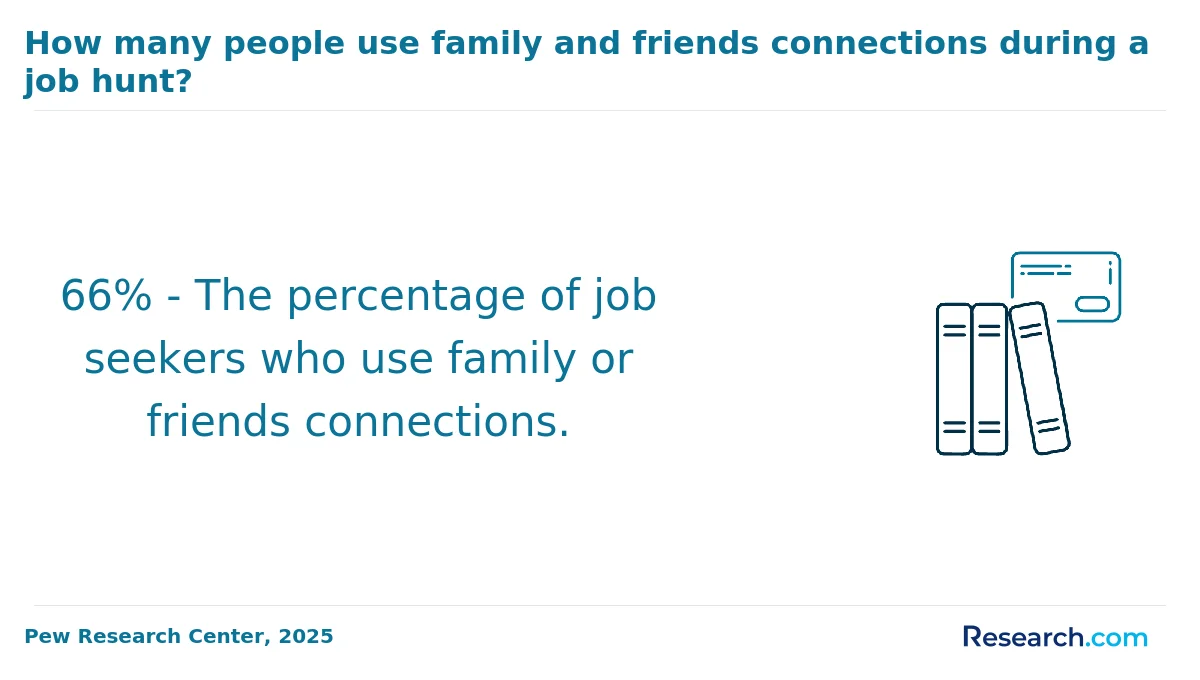
Graduates of trade school certification programs in Chicago Heights find numerous trade school careers in Chicago Heights that offer hands-on, rewarding work with tangible results. Many enter fields like HVAC, where they gain certifications such as the EPA Section 608 universal license, enabling them to install and repair heating and cooling systems right away. A graduate shared how mastering these skills brought immediate job offers from local contractors eager to meet growing demand for energy-efficient climate systems.
Electrical technology is another thriving path, reflecting skilled trades job opportunities Chicago Heights residents value. Graduates often secure roles as electricians or wiring installers because their programs emphasize practical blueprint reading and code compliance. One electrician certification graduate described early satisfaction in troubleshooting real-world wiring issues on local construction sites.
Other viable careers include welding and construction pre-apprenticeships offered through initiatives like Illinois Works, preparing students for carpentry, plumbing, and masonry. Graduates praise the collaboration with community centers in Chicago Heights that makes these rising trades accessible. Some explore healthcare support or IT, but success stories most often highlight skilled trades.
For those curious about diverse options, programs connected to regional resources even link to most affordable online landscaping classes, broadening skill sets creatively. Career-ready trade skills in Chicago Heights clearly transform lives through rapid, focused training aligned with local industry needs.
The job market for graduates of trade school certification programs in Chicago Heights remains strong and promising, especially given the area's diverse industry demands. Graduates from institutions like Prairie State College report positive employment outcomes in fields such as manufacturing, healthcare, and transportation. For example, many mechanical technician and handyman certificate holders quickly find roles due to the constant local need.
Current data shows about 159 skilled trade jobs available in Chicago Heights, illustrating a robust trade school jobs Chicago Heights landscape. Students often highlight the benefit of hands-on experience combined with employer partnerships that local programs emphasize, leading to high job placement rates and satisfaction.
Key factors contributing to this favorable Chicago Heights skilled trades employment outlook include:
- Collaboration between Prairie State College's Workforce Trades Unit and local industries ensuring relevant skills training
- State-supported programs like the Illinois Works Pre-Apprenticeship Program offering free practical training in construction
- Access to WIOA-approved certifications which open doors to federally supported retraining funds
This environment allows graduates to confidently enter sectors with labor shortages while pursuing well-rounded careers. For insight on roles that are in high demand, students can refer to the list of trades in demand, helping guide their career choices with market-aware decisions.
Best Certificate Programs - Leading Certification Courses in Chicago Heights for 2026
# 1 position
Prairie State College - Dental Assisting/Assistant.
certificate or diplomaPrairie State College offers a Hybrid Dental Assisting/Assistant program preparing students to provide patient care, take dental radiographs, and assist dentists and hygienists. The curriculum covers medical record-keeping, office duties, equipment sterilization, basic radiography, and chairside assisting. The annual in-state tuition is $4,176. The program is accredited by the Higher Learning Commission, providing both practical skills and supervised practice in dental assisting.
# 2 position
Prairie State College - Heating, Air Conditioning, Ventilation and Refrigeration Maintenance Technology/Technician.
certificate or diplomaPrairie State College offers a hybrid program in Heating, Air Conditioning, Ventilation and Refrigeration Maintenance Technology/Technician. This program trains students to repair, install, service, and maintain HVAC and refrigeration systems, emphasizing diagnostic techniques and the use of testing equipment. Instruction covers mechanics, electricity, and electronics relevant to system repair. The annual in-state tuition is $4,176. The program is accredited by the Higher Learning Commission.
# 3 position
Prairie State College - Industrial Mechanics and Maintenance Technology/Technician.
certificate or diplomaPrairie State College offers a Hybrid Industrial Mechanics and Maintenance Technology/Technician program that prepares students to repair and maintain industrial machinery such as cranes, pumps, engines, and conveyor systems. The program is accredited by the Higher Learning Commission and features an annual in-state tuition of $4,176. It includes some distance-education options to accommodate diverse learning needs.
# 4 position
Prairie State College - Automobile/Automotive Mechanics Technology/Technician.
certificate or diplomaPrairie State College offers a hybrid Automobile/Automotive Mechanics Technology/Technician program designed to prepare students for repairing, servicing, and maintaining various automobile systems. The curriculum covers brake systems, electrical systems, engine performance and repair, suspension, steering, transmissions, drive trains, and heating and air conditioning. The program is accredited by the Higher Learning Commission and has an annual in-state tuition of $4,176.
# 5 position
Prairie State College - Nursing Assistant/Aide and Patient Care Assistant/Aide.
certificate or diplomaPrairie State College offers a hybrid Nursing Assistant/Aide and Patient Care Assistant/Aide program that prepares students to perform routine nursing-related services under nurse supervision. The program’s annual in-state tuition is $4,176. Graduates have median earnings of $30,067 one year after completion. This program is accredited by the Higher Learning Commission and includes some distance-education options.
# 6 position
Prairie State College - Electrician.
certificate or diplomaPrairie State College offers a Hybrid Electrician program that trains students to install, operate, maintain, and repair electrical systems in residential, commercial, and industrial settings. The curriculum covers electronics, wiring, power transmission, safety, electrical testing, and applicable codes. Annual in-state tuition is $4,176. The program is accredited by the Higher Learning Commission, providing technical skills essential for careers involving electric-power wiring and electrical distribution panels.
# 7 position
Prairie State College - Welding Technology/Welder.
certificate or diplomaPrairie State College offers a Welding Technology/Welder program with a hybrid format, including some distance education options. The program prepares students to apply technical skills in various welding methods such as arc welding, resistance welding, brazing, and cutting. Instruction covers welding metallurgy, safety, structural design, and relevant codes. Annual in-state tuition is $4,176. The program is accredited by the Higher Learning Commission.
Frequently Asked Questions about trade school certificates
After completing a trade school certification program in Chicago Heights, preparing for the job market involves several key steps. First, graduates should develop a professional resume highlighting their technical skills and hands-on experience acquired during training. According to the U.S. Bureau of Labor Statistics, skilled trade jobs in Illinois have grown by over 5% in recent years, reflecting strong local demand.
Networking is crucial; joining local trade associations and attending job fairs in Chicago Heights can connect graduates with potential employers. Additionally, obtaining relevant licenses or state certifications enhances job prospects. Trade schools often provide career services, including interview preparation and job placement support, which can be valuable resources. Keeping skills updated through continuing education remains important in this evolving job market.
Employers in Chicago Heights prioritize a combination of technical and soft skills when hiring graduates from trade school certification programs. According to the Illinois Department of Employment Security, skills such as proficiency with specialized tools, electrical systems, HVAC technology, and welding techniques are in high demand.
Strong problem-solving abilities and attention to detail also rank highly, as these attributes reduce workplace errors and improve safety. Communication skills are essential because many roles involve teamwork and customer interaction.
Time management and reliability are further emphasized by local employers, reflecting the fast-paced nature of trades work. Data from the Chicago Heights Chamber of Commerce notes 78% of employers seek certified graduates who demonstrate both hands-on competence and professional workplace behaviors.
Finding internships in Chicago Heights relevant to your trade school certification program involves several key strategies. Start by contacting your school's career services office, as many trade schools have partnerships with local employers to provide internship placements. According to the Illinois Department of Employment Security, Chicago Heights has growing opportunities in manufacturing, construction, and healthcare sectors-fields commonly tied to trade certifications.
Networking is also essential. Joining local chambers of commerce, such as the Chicago Heights Chamber of Commerce, or industry-specific groups can connect you with employers seeking interns. Additionally, online job portals like IllinoisJobLink.com list internship openings tailored to the Chicago Heights area.
Volunteering for community projects can sometimes lead to internship offers, as hands-on experience is highly valued by employers. Be proactive in reaching out to local businesses, especially small to mid-sized companies that often need skilled interns but don't widely advertise positions.
Trade school certification programs in Chicago Heights play a significant role in enhancing career mobility and advancement. According to the U.S. Bureau of Labor Statistics, individuals with vocational certificates often earn 10-15% more than those without postsecondary credentials. In Chicago Heights, these certifications are tailored to meet local industry demands, particularly in fields like construction, healthcare, and manufacturing.
Holding a trade certification can improve job prospects by validating specific skills employers require, increasing employment rates by up to 25% compared to non-certified peers, according to data from the Illinois Community College Board. Additionally, certifications help workers qualify for higher-level positions and raise their earning potential.
Employers in Chicago Heights often prioritize candidates with recognized certifications as they demonstrate verified expertise and commitment to the trade. This advantage can lead to faster promotions and greater job stability in competitive local markets.
Part-time job opportunities in Chicago Heights can effectively complement trade school certification programs by providing practical experience and financial support. Students enrolled in fields such as automotive technology, HVAC, or welding often find part-time work at local repair shops, maintenance companies, or manufacturing facilities. These roles offer hands-on training directly related to their studies.
Retail and customer service positions at nearby businesses also allow students to develop essential soft skills like communication and time management. According to the U.S. Bureau of Labor Statistics, trade-related part-time roles in the Chicago metropolitan area are growing steadily.
Additionally, apprenticeships and internships facilitated by local unions or industry partnerships can enhance skills while earning wages.
Yes, there are several reputable degree programs near Chicago Heights, IL that you might consider. Universities and colleges in this area offer a diverse range of undergraduate and graduate programs in fields such as business, engineering, and health sciences. Utilizing resources like Research.com can help identify top programs and universities near me to match your academic interests and career goals.
- Trade School Opportunities at Tricoci University https://www.tricociuniversity.edu/beauty-blog/trade-school-opportunities-at-tricoci-university/
- Why Trade School? A Smart Path to High-Demand Careers https://www.genesiscareer.edu/why-trade-school-high-demand-careers/
- Guide to Skilled Trade Jobs in Chicago – Career Counseling – Alan B. Shepard High School https://shepard.chsd218.org/apps/pages/index.jsp
- Financial Aid and Veteran Services | Prairie State College https://prairiestate.edu/apply-and-aid/financial-aid/default.aspx
- Technical Trade School | Universal Technical Institute https://www.uti.edu/
- Trade School vs. Traditional University | North American Trade Schools https://nats.ca/Home/NewsArticle/trade-school-vs-traditional-university/
- Online Trade School https://www.ashworthcollege.edu/area-of-study/trades/
- Difficulties of Students in a Vocational School | International Multidisciplinary Journal of Research for Innovation, Sustainability, and Excellence (IMJRISE) https://risejournals.org/index.php/imjrise/article/view/623
- Trade School Careers https://auto.edu/blog/trade-school-careers
- Why Choose Trade Schools? Discover the Pros of Vocational Education in 2025 | OshaEducationCenter.com https://www.oshaeducationcenter.com/pros-and-cons-of-trade-schools/


