
Best Associate Degree Programs - Leading Certification Courses in Columbia for 2026

Co-Founder and Chief Data Scientist
Considering an associate degree in Columbia? This article is here to guide you through the best options available for 2026. It features an associate degree programs ranking developed by the Research.com team of data scientists to help you make an informed choice.
Getting an associate degree can open doors to new career opportunities and personal growth. By exploring these top programs, you’ll gain valuable insights to find the right fit for your goals and lifestyle.
Take this step with confidence and discover the path that suits you best.
Key benefits of associate degrees in Columbia
- Expected salary: Associate degree graduates in Columbia earn competitive pay, such as $47,932 per year from technical programs and up to $74,940 annually for experienced program associates, showing strong financial potential.
- Popular career paths: Graduates often enter fields like criminal justice, cybersecurity, hospitality management, and health sciences, with schools like Ranken Technical College and Columbia College Missouri helping students succeed.
- Online education benefits: Earning an online associate degree offers flexibility and convenience, allowing students to balance life and studies while gaining skills recognized by employers in Columbia's job market.
- Best Associate Degree Programs - Leading Certification Courses in Columbia for 2026
- What can I expect from associate degree programs in Columbia?
- Where can I work after finishing associate degree programs in Columbia?
What can I expect from associate degree programs in Columbia?
The average cost of an associate degree program in Columbia varies but generally ranges from $7,000 to $15,000 per year depending on the institution and program chosen. Graduates who pursued degrees at Columbia College often recall appreciating the balance between affordability and quality, especially given the hands-on experiences in fields like Dental Laboratory Technology or Culinary Arts. These programs combine classroom learning with extensive lab work, making every dollar spent feel like a worthwhile investment in real skills.
Students often mention how the flexible class schedules-such as evening or online options-allowed them to manage work and family alongside coursework, which added value beyond just tuition savings. Transferring to four-year universities after completing foundational courses through Columbia's associate degree programs can also reduce overall college costs, since many credits align with Missouri's Core 42 Transfer Curriculum and are widely accepted at public colleges across the state.
For those budgeting, tuition grants and transfer programs based in Columbia provide additional financial support, lightening the burden and turning what might seem like a daunting cost into an achievable goal.
Where can I work after finishing associate degree programs in Columbia?
After completing an associate degree program at one of Columbia's well-regarded schools, many graduates discover a variety of rewarding career paths right at their fingertips. For instance, those trained in healthcare often find themselves thriving as Physical Therapist Assistants or Dental Hygienists in local clinics, where their skills are both valued and essential. Graduates mention how rewarding it feels to help patients daily, combining their education with hands-on experience in Columbia's supportive community.
Others share excitement about stepping into business or administrative roles, such as Human Resources Assistants or Customer Care Representatives, where their two-year degree has opened doors to stable, well-paying jobs. The practical training received at Columbia institutions empowers these graduates to confidently navigate office environments and contribute immediately.
In education and technical trades, graduates working as Preschool Teachers or Cultivation Technicians express pride in applying specialized knowledge gained locally. Whether educating children through Head Start programs or managing agricultural tasks, they appreciate the direct impact their associate degree has on their professional growth and daily work life.
After finishing an associate degree program in Columbia, Missouri, graduates often find themselves stepping into the workforce with confidence, earning between $38,765 and $47,932 annually. This range reflects the variety of roles available locally, from entry-level positions paying around $13.99 to $19.38 per hour, to more skilled jobs reaching up to $27 per hour. Many graduates from well-known institutions like Columbia College Missouri share stories of securing early career salaries near $47,199, which offers a reassuring sign of financial stability soon after graduation.
Take the example of a Program Associate in Columbia who averages a salary of $43,805. Or consider those in Sales Support roles earning between $26,566 and $41,767. For those passionate about specialized areas, positions like Customer Service Trainer or CRM Field Clinical Representative can even offer annual salaries from $47,734 to $49,009, proving that an associate degree here can be a gateway to rewarding opportunities.
These figures highlight the practical advantages of choosing an associate program in Columbia, where local demand and competitive wages combine to reward dedication and skill. Whether imagining your first paycheck or planning the next step, knowing these numbers can inspire confidence in your investment.
- Andrés: Pursuing an associate degree in Electrical Technology at a trade school in Columbia was a game-changer. The hands-on training and knowledgeable instructors prepared me perfectly for real-world challenges. Landing a job as an industrial electrician within months was incredibly rewarding-I feel confident and valued every day.
- María: Earning my associate degree in Culinary Arts transformed my passion into a thriving career. The practical experience and supportive environment at the Columbia institute gave me the skills and confidence to join a top restaurant. This journey taught me discipline, creativity, and the joy of meaningful work.
- Javier: Studying Business Administration at a Columbia trade school was both efficient and empowering. The focused curriculum suited my busy lifestyle, and the career services helped me secure a role in a local startup quickly. I'm proud to say this degree opened doors I never imagined possible.
- Applicants typically need a high school diploma with a minimum GPA of 2.75 and a 90% attendance record; placement tests like the Accuplacer may be required.
- Associate degrees include 60 semester hours based on the Missouri CORE 42 curriculum, covering communications, humanities, social sciences, natural sciences, and math.
- Tuition at public colleges in Missouri ranges from $4,500 to $6,000 annually, excluding fees and living costs; transfer students may qualify for a 10% tuition grant at Columbia College.
- Starting salaries for graduates range from $32,000 to $45,000 per year, with median earnings rising to $46,000-$52,000 as experience grows.
- Many associate degree programs align with transfer pathways like the A2B initiative, which guarantees admission to bachelor's programs at Columbia College.
Completing an associate degree program in Columbia typically takes about two years of full-time study, with most students enrolling in 15 to 16 credits per semester to stay on track. Graduates from well-known local schools often share how this timeline blends well with their work and personal lives, allowing them to balance responsibilities while progressing steadily toward their goals.
Some find that part-time enrollment, although extending their studies to three or four years, offers the flexibility needed to manage jobs or family commitments. Others take advantage of summer courses or accelerated programs to finish sooner, embracing the challenge of a heavier workload for quicker results.
For students needing remedial classes before starting college-level courses, such as in math or English, the total time can increase, but many appreciate the solid foundation these classes provide. Those pursuing a second associate degree in Columbia often face a slightly longer path, requiring additional credit hours, yet they report a rewarding growth in skills and confidence through the process.
The key difference between online and on-campus associate degree programs in Columbia lies in how and where students experience their education. Graduates from Columbia College's online programs often describe the freedom to study whenever their schedules allow, which works well for those juggling jobs or family life. Courses delivered in accelerated eight-week sessions help these students advance quickly without sacrificing quality.
Meanwhile, students attending on-campus programs in Columbia benefit from face-to-face interactions and hands-on learning. For example, those at the University of Missouri-Columbia appreciate the traditional classroom setting, immediate feedback from instructors, and access to campus resources like labs and student centers. This format fosters a strong sense of community and engagement that many find motivating.
Both routes offer solid academic support, yet online learners tend to rely more on virtual tutoring and digital resources, which can feel convenient but sometimes isolating. Choosing between them often comes down to personal priorities-flexibility and independence versus immersion and direct interaction.
The average associate degree cost in Columbia reflects a balance between quality education and affordability, especially for those attending public two-year colleges. In Missouri, in-state students typically pay around $4,077 in tuition and required fees per year, while out-of-state students face higher fees, averaging about $7,613 annually. Graduates from these community colleges often share stories of managing tuition costs alongside working part-time, highlighting the accessibility provided by reasonable Columbia MO community college tuition and fees.
Local institutions like Columbia College offer a different financial picture, charging approximately $344 per credit hour regardless of residency. With most associate programs requiring about 60 credits, students can expect a full program cost near $20,640. Despite the higher sticker price, many students find value in the flexibility of online or in-person classes and the availability of scholarships and financial aid that ease the burden during their studies.
Some students emphasize the advantages of community colleges such as Three Rivers College, which provides lower rates-$108 per credit hour for in-district residents and $152 for others-translating to tuition between $6,480 and $9,120 for the full associate degree. This affordability, combined with support services and federal financial aid, reassures many local learners pursuing their educational and career goals.
It's essential to remember that tuition is only part of the cost; textbooks and living expenses also contribute significantly. Nonetheless, financial aid opportunities are widespread. For those balancing work and study, exploring options like the quickest online degrees for working adults can be a practical way to progress efficiently without overwhelming expenses.
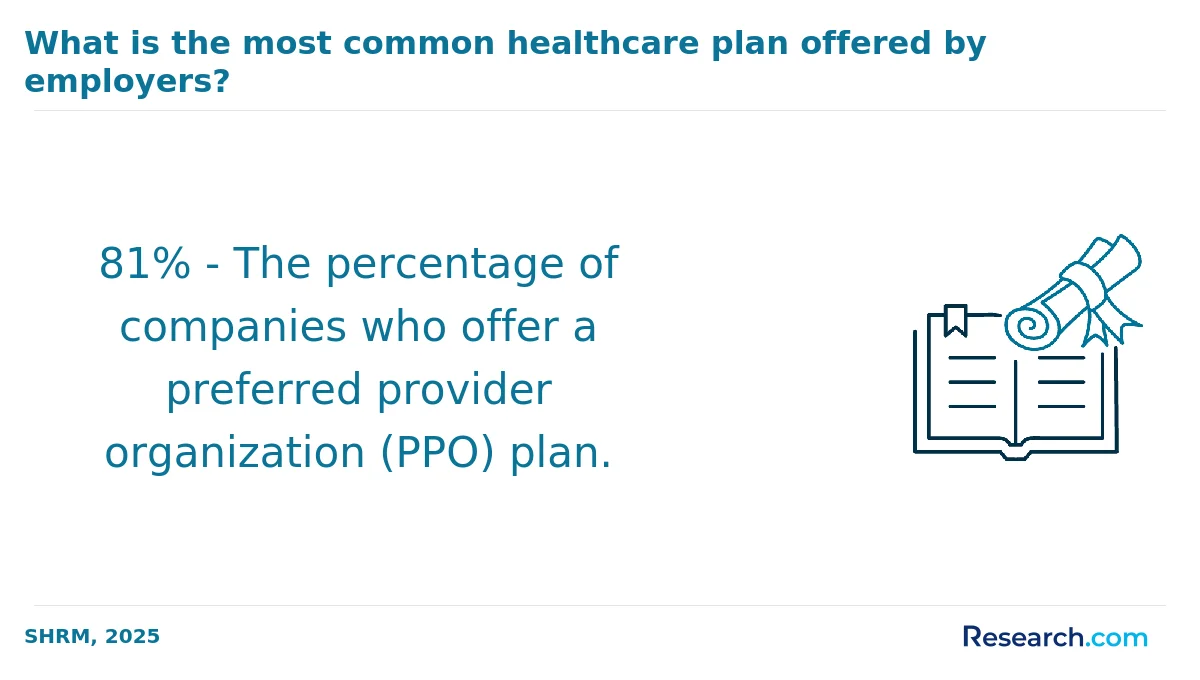
Many associate degree students in Columbia find financial aid a vital support on their educational journey, easing the pressure of tuition and living expenses. For example, graduates from Columbia College often share how the Columbia College Access Missouri Financial Assistance Program made a significant difference. This scholarship offers up to $2,850 annually to full-time Missouri residents with demonstrated financial need, helping students focus on their studies without constant financial worry.
Other students at public two-year colleges in Columbia benefit from the state's Access Missouri Financial Assistance Program, which awards between $500 and $1,700 based on need and enrollment. Imagine a student balancing part-time work and classes who receives this grant - it can mean fewer hours at work and more time to grasp challenging subjects.
For those planning to transfer after completing their associate degree, the Associate Degree Transfer Grant at Columbia College provides up to $1,000, easing the transition to a four-year institution. Many students appreciate how completing the FAFSA opens doors not only for state aid but also for federal options like Pell Grants and Direct Student Loans, broadening their financial resources as they pursue their goals.
Enrolling in an associate degree program in Columbia means meeting clear, purposeful prerequisites that prepare you for academic success. Graduates from well-known schools like Columbia College and Moberly Area Community College often reflect on how having a solid foundation-such as a high school diploma or its equivalent-was essential before they began their journey.
Many programs set a minimum GPA to ensure readiness; for example, nursing aspirants at MACC needed at least a 2.7 GPA. Another graduate shared how maintaining a steady 2.75 GPA alongside strong attendance made admission smoother, especially through early college programs linked with Columbia Public Schools.
Testing also plays a key role. Imagine taking the ATI TEAS exam and scoring above 58% to unlock doors to nursing. For non-native English speakers, submitting TOEFL scores proves language readiness, opening pathways otherwise closed.
Key prerequisites include:
- High school diploma or equivalent
- Minimum GPA-usually between 2.7 and 2.75 for competitive programs
- Standardized or placement test scores, such as ATI TEAS or Accuplacer
- Official transcripts from all schools attended
- Additional steps like background checks or English proficiency evidence in some fields
These requirements aren't hurdles but stepping stones, reflecting the commitment and preparedness you bring to campus life in Columbia, setting the stage for your academic achievements.
Associate degree course requirements in Columbia typically blend a strong foundation of general education with specialized, career-focused courses. Graduates from popular associate degree schools often reflect on how classes in humanities, mathematics, sciences, and social sciences helped them develop essential skills like critical thinking and communication. For example, general education usually totals 28 to 32 quarter hours, covering topics that prepare students for real-world problem-solving.
Beyond these foundational classes, typical classes for Columbia associate degrees dive into specific fields. Many students appreciate how tailored coursework directly connected to their career goals enhances both confidence and employment readiness. Some examples include:
- Dental Laboratory Technology with advanced courses on prosthetics and orthodontic appliances totaling 71 major credits
- Culinary Arts featuring culinary techniques, global cuisines, nutrition, and food service management (64 credits)
- Business Administration courses in management, accounting, and tourism within a 92-credit program
- Information Technology focusing on operating systems, programming, and network security also within 92 credits
- Early Childhood Education emphasizing teaching methods, language development, and child psychology
Many who choose associate degrees in Columbia find a balance between broad academic skills and specialized training that feels both practical and inspiring. For those exploring options, especially from open enrollment university programs, the emphasis on transferable credits and real-world application makes the experience fulfilling and accessible.
Choosing the best associate degree program in Columbia Missouri starts with ensuring the program is accredited, which guarantees that credits transfer smoothly and that employers recognize your qualifications. Graduates from popular Columbia community colleges often mention how accreditation gave them confidence in their education's value. Next, consider the diverse fields available locally, from Dental Laboratory Technology to Culinary Arts, allowing you to align studies with your passions and career goals.
Look closely at the curriculum structure; many programs blend major-specific courses with general education, supporting well-rounded skills. Some offer flexible schedules or online options, which recent students appreciate for balancing work and study. Faculty expertise also matters-smaller classes and experienced instructors in Columbia's colleges foster supportive learning environments that many alumni recall fondly.
Finally, it's wise to compare associate degree costs in Columbia and explore financial aid opportunities. Public institutions here often provide affordable paths to degree completion, which is a relief to many. If you're curious about earning potential based on different majors, see which major makes the most money.
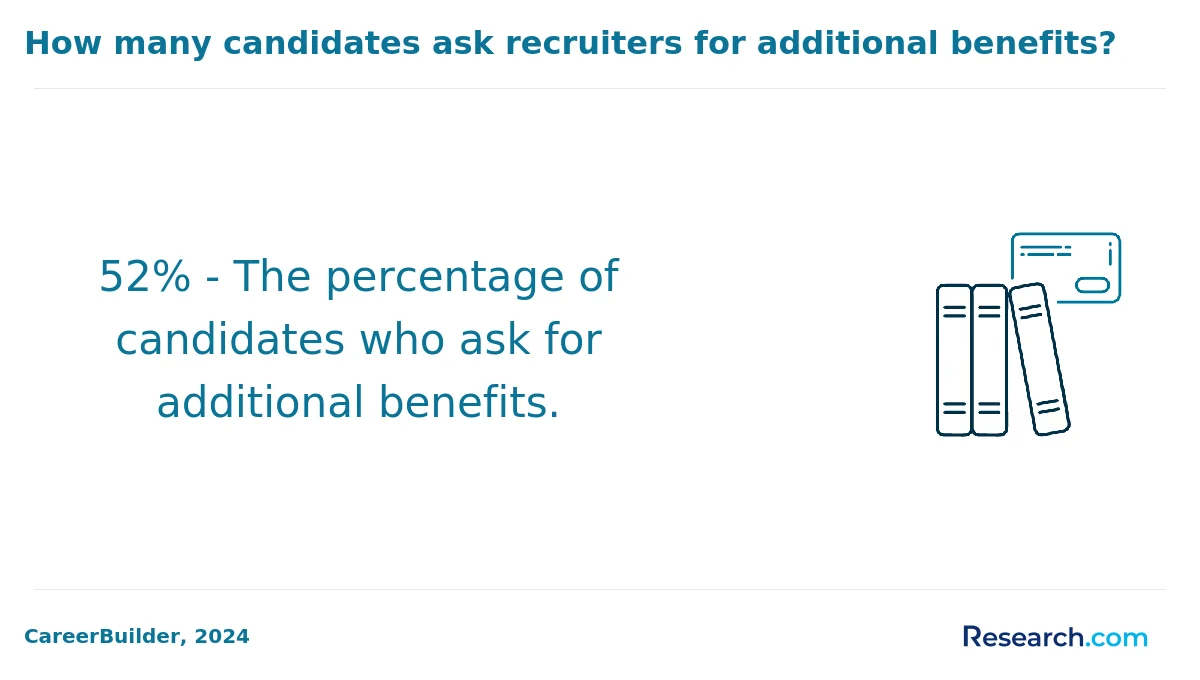
Associate degree graduates in Columbia discover a wealth of career opportunities with an associate degree in Columbia that align with their skills and aspirations. Many graduates from local community colleges and technical schools find rewarding roles in healthcare, such as becoming physical therapist assistants, dental hygienists, or registered nurses. These positions offer not only stable employment but also a chance to positively impact the community's well-being. Other graduates leverage their education to enter the business sector, securing roles like administrative assistants or customer service representatives, often with hourly wages ranging from $24 to $28 and benefits that promote work-life balance.
Others pursue paths in education or social services, where associate degrees prepare them for roles like preschool teachers or community support specialists, enriching lives through direct engagement. Technical fields, including desktop support and agriculture-related positions, provide yet another avenue for graduates eager to apply hands-on skills.
Graduates often share how Columbia's associate degree programs have opened doors to the highest paying associate degree jobs in Columbia, balancing passion with practical growth. For those concerned about affordability while exploring these career paths, researching cheapest online universities can offer valuable options.
The job outlook for associate degree holders in Columbia reflects a vibrant and varied employment scene, especially for graduates from popular local schools offering hands-on training. Graduates often share how quickly they find roles in healthcare-as Registered Nurses or Physical Therapist Assistants-where steady demand from local hospitals ensures not only job security but also comprehensive benefits like tuition reimbursement and paid time off. Others pursuing business or administrative roles, such as Human Resources Assistants or Customer Care Representatives, report welcoming workplaces eager for their skills and eager to support career growth.
Technology fields reveal encouraging Columbia associate degree employment trends, too. Many graduates from Columbia's technical programs secure IT support positions with prospects for advancement, embracing the excitement of fast-paced, growing industries. Real-life success stories often mention how these roles serve as stepping stones toward higher-paying, in-demand careers. For instance, understanding that software development roles could increase by 26% by 2032 motivates many students to pursue related associate degrees.
Students frequently highlight several appealing aspects of their experience:
- Competitive wages between $18 and $28 per hour depending on the role and experience
- Strong employer emphasis on practical skills combined with supportive advancement pathways
- Access to jobs offering health insurance and other benefits early in their careers
Given the dynamic job landscape in Columbia, an associate degree often serves as a practical, rewarding foundation. Graduates find encouragement in knowing that numerous roles align well with their qualifications and provide real opportunities to advance. For those seeking high earning potential without a four-year degree, this reality offers great hope. For further insights on high-paying roles suitable for those with trade or associate degrees, checking out high paying jobs with trade school can be a valuable resource.
Best Associate Degree Programs - Leading Certification Courses in Columbia for 2026
# 1 position
Columbia State Community College - Veterinary/Animal Health Technology/Technician and Veterinary Assistant.
associateColumbia State Community College offers a program in Veterinary/Animal Health Technology/Technician and Veterinary Assistant. The program trains students to assist veterinarians and specialists in patient care, clinical procedures, and owner communication. Instruction covers animal nursing, health, clinical pathology, radiology, anesthesiology, dental prophylaxis, surgical assisting, laboratory procedures, and office administration. Annual in-state tuition is $4,904. The program is accredited by the Southern Association of Colleges and Schools Commission on Colleges.
# 2 position
Columbia State Community College - Information Technology.
associateColumbia State Community College offers a hybrid Information Technology program focusing on designing technological information systems for business and research support. The curriculum covers computer hardware and software, algorithms, databases, telecommunications, application testing, and human interface design. Annual in-state tuition is $4,904. The program is accredited by the Southern Association of Colleges and Schools Commission on Colleges.
# 3 position
Columbia State Community College - Criminal Justice/Safety Studies.
associateColumbia State Community College offers a Hybrid Criminal Justice/Safety Studies program focusing on the criminal justice system, including criminal law, policy, police and correctional systems, and the judiciary. The program is accredited by the Southern Association of Colleges and Schools Commission on Colleges. Annual in-state tuition is $4,904. The curriculum covers organizational components, administration of justice, and public attitudes toward criminal justice issues.
# 4 position
Columbia State Community College - Business Administration and Management, General.
associateColumbia State Community College offers a hybrid program in Business Administration and Management, General, preparing students to plan, organize, direct, and control organizational functions. The curriculum covers management theory, human resources, accounting, purchasing, logistics, marketing, and business decision-making. Annual in-state tuition is $4,904. The program is accredited by the Southern Association of Colleges and Schools Commission on Colleges. Median earnings one year after completion are $31,640.
Frequently Asked Questions about associate degree programs
Preparing for the job market after earning an associate degree in Columbia requires a strategic approach. According to the National Center for Education Statistics, nearly 60% of associate degree holders find employment within a year of graduation nationwide. Focus on developing both technical skills from your program and soft skills like communication and teamwork, which are highly valued by employers.
Internships and part-time jobs related to your field provide practical experience and networking opportunities. Career services at community colleges often offer resume workshops and job placement support, which can be essential in competitive markets like Columbia.
Additionally, researching local industry demands is crucial. For example, healthcare and IT fields are rapidly growing in Columbia, offering promising job prospects for associate degree graduates.
Employers in Columbia consistently prioritize a combination of technical and soft skills when hiring associate degree graduates. According to a 2023 report by the National Association of Colleges and Employers (NACE), critical thinking and problem-solving top the list of desired abilities. Graduates who demonstrate strong analytical skills are more competitive in technical fields such as healthcare and information technology.
Communication is another key skill, with 78% of surveyed employers emphasizing the need for clear verbal and written expression. Teamwork also remains essential, as many roles require collaboration across departments.
Additionally, basic digital literacy is crucial; proficiency in software tools relevant to one's industry enhances job prospects. Time management and adaptability are valued soft skills that improve workplace efficiency and responsiveness to change.
Finding internships in Columbia relevant to your associate degree program requires a strategic approach. Start by exploring the career services departments of local community colleges; they often maintain strong relationships with Columbia-area employers and offer internship placement assistance.
Additionally, online job platforms such as Handshake and internships.com feature listings specific to Columbia, with many opportunities tailored to associate degree fields like healthcare, business, and technology. According to the National Association of Colleges and Employers, about 65% of students in the US secure internships through college connections.
Networking through local professional organizations can also increase your chances of finding relevant internships. Many Columbia businesses prefer candidates who demonstrate localized knowledge and commitment.
In Columbia, an associate degree serves as a key stepping stone for career mobility and advancement. According to the U.S. Bureau of Labor Statistics, individuals with an associate degree earn approximately 20% more on average than those with only a high school diploma. This credential often opens doors to skilled technical jobs in fields like healthcare, information technology, and business management, which are in demand locally. Employers in Columbia appreciate the practical skills and targeted training associated with associate degrees, making graduates more competitive in the job market.
Furthermore, many Columbia-based community colleges have partnerships with local industries, facilitating internships and direct job placement opportunities. The Maryland Higher Education Commission reports that nearly 60% of associate degree holders in the region find employment related to their field within six months of graduation. This direct link between education and employment enhances social mobility, especially for first-generation college students and working adults seeking career changes or promotions.
Students pursuing associate degrees in Columbia have diverse part-time job opportunities that complement their education. Common roles include administrative assistants, retail associates, and customer service representatives. These positions help develop skills in communication, organization, and problem-solving, which are valuable across many fields.
Healthcare students often find part-time work as medical assistants or pharmacy technicians, gaining practical experience aligned with their studies. According to the Bureau of Labor Statistics, Columbia's healthcare support jobs are projected to grow 12% from 2022 to 2032, reflecting strong demand.
Technical program students frequently work as IT support technicians or lab assistants, roles that reinforce their classroom learning while providing income. The local job market's expansion, driven by technology firms in Columbia, supports these opportunities, providing real-world experience alongside academic progress.
To choose the best degree program near Columbia, TN, consider researching various programs and universities to assess their curriculum, faculty expertise, and resources related to your field of interest. Utilize resources such as Research.com to find comprehensive information on program rankings and reviews from alumni to make an informed decision. Additionally, visiting campuses and attending college fairs near me are effective strategies to gain first-hand insights into available opportunities.
- Tuition & Fees https://lowercolumbia.edu/pay-for-college/tuition/
- Online vs Traditional Degrees: Similarities and Differences https://www.aiu.edu/blog/online-vs-traditional-degrees/
- Associate Degree Programs | Academics | Miami Dade College https://www.mdc.edu/academics/programs/associate.aspx
- Apply https://www.columbiastate.edu/apply
- How Working Adults Can Overcome Challenges When Going Back to School | The Link https://www.columbiasouthern.edu/blog/blog-articles/2024/october/challenges-adults-face-going-back-to-school/
- What is an associate’s degree? | Top Universities https://www.topuniversities.com/blog/what-associates-degree
- Choosing a Major https://gocolumbia.edu/student_services/counseling/choosing_a_major.html
- The value of a college education on the American worker https://www.pewresearch.org/social-trends/2016/10/06/5-the-value-of-a-college-education/
- ▷ Future professions in Colombia: AI, education, and employment https://www.planetaformacion.com/en/blog/best-future-professions
- How to get a student internship - Save the Student https://www.savethestudent.org/student-jobs/the-ultimate-guide-to-internships.html





