Best Pharmacy Technician Training Programs & Trade Schools - Top Pharmacy Tech Schools in Omaha for 2026

Co-Founder and Chief Data Scientist
Choosing the right pharmacy technician trade school in Omaha can shape your future career and open doors to rewarding opportunities. This article introduces a carefully crafted ranking of pharmacy technician programs created by the Research.com team of data scientists to help you make an informed decision.
By exploring these top programs, you’ll discover options that fit your goals and schedule. Earning a diploma or certification as a pharmacy technician can boost your confidence and prepare you for a stable, fulfilling career in healthcare.
Key benefits of finishing pharmacy technician trade school in Omaha
- Graduates from pharmacy technician trade schools in Omaha can expect an average annual salary around $37,734, with certified technicians earning even more, up to $54,396 annually, reflecting strong earning potential early in their careers.
- Career paths often include roles in retail pharmacies, hospitals, or specialty pharmacies, offering graduates diverse opportunities for growth and specialization after completing their programs.
- Finishing a pharmacy technician trade school online provides flexibility and convenience, allowing students to balance work or family while gaining skills, as experienced by many successful Omaha graduates.
What can I expect from pharmacy technician trade schools in Omaha?
Enrolling in a pharmacy technician trade school program in Omaha means immersing yourself in a blend of classroom theory, hands-on training, and real-world externships. Graduates often recall the intensity of mastering subjects like pharmacology, medical terminology, and pharmaceutical calculations within 10 to 20 weeks. One common experience is balancing fast-paced classes with practical skills such as filling prescriptions and managing drug inventories, which are essential for daily pharmacy operations.
Students typically engage in externships at local pharmacies or hospitals, gaining direct exposure to patient interactions and teamwork under licensed pharmacists' supervision. For instance, several graduates describe spending up to eight hours weekly in these settings, which solidifies their confidence and communication skills. While Nebraska doesn't mandate certification, many Omaha programs prepare students for the Certified Pharmacy Technician exam, a crucial step for job-market competitiveness.
Expect a structured environment emphasizing accuracy and adaptability. Tuition varies widely, so researching costs-including materials and exam fees-helps set realistic expectations. Overall, students appreciate the blend of technical knowledge and interpersonal growth that Omaha's trade schools provide.
Where can I work after finishing pharmacy technician trade schools in Omaha?
After completing a pharmacy technician trade school program in Omaha, graduates often find themselves quickly employed in diverse healthcare settings across the city. Many start in retail pharmacies located inside grocery stores or national chains, where they assist pharmacists with filling prescriptions and advising customers on over-the-counter options. Graduates frequently share how rewarding it feels to help community members manage their medications effectively in these fast-paced environments.
Others pursue careers in hospital pharmacies, such as those tied to Omaha's major healthcare systems. Here, technicians prepare patient medications and support clinical staff, gaining valuable hands-on experience with complex pharmaceutical procedures. Graduates from local trade schools often describe this work as both challenging and fulfilling, especially when contributing directly to patient care outcomes.
Long-term care and specialty pharmacies represent additional career paths. These roles require managing medication for nursing home residents or patients with chronic conditions, offering a meaningful way to impact vulnerable populations. Trade school alumni report a strong sense of purpose working in such settings.
Overall, Omaha's pharmacy technician programs provide not just education but a gateway to stable jobs with growth potential, making graduates confident and optimistic about their futures in pharmacy.
How much can I make after finishing pharmacy technician trade schools in Omaha?
After completing a pharmacy technician trade school program in Omaha, graduates typically start earning around $18.43 per hour. This wage reflects what many entry-level technicians report, especially those from popular local schools where hands-on training prepares them well for immediate employment. Many graduates share that this starting pay provides a sense of financial independence soon after finishing their studies.
Certification can make a noticeable difference. Certified pharmacy technicians in Omaha often earn about $19.28 per hour, and some report annual salaries reaching up to $54,396. Graduates who pursued certification after trade school mention feeling more confident in job interviews and experiencing quicker career advancement. This matches data showing certified techs command higher wages and more stable positions.
Salary ranges vary widely, with many earning between $34,625 and $50,090 annually. This depends on experience, employer type, and additional skills gained during or after trade school. For example, graduates from well-known Omaha programs often highlight how their practical training and internship opportunities helped them secure jobs with competitive pay in a very active local job market.
Best Pharmacy Technician Training Programs & Trade Schools - Top Pharmacy Tech Schools in Omaha for 2026
# 1 position
Clarkson College - Physical Therapy Assistant.
associateThe Physical Therapy Assistant program at Clarkson College is fully online and prepares students to assist physical therapists in patient care, treatment interventions, and clinical documentation. The curriculum includes anatomy, physiology, biomechanics, neuroscience, and professional ethics. Annual in-state tuition is $15,168. Graduates have median earnings of $41,699 one year after completion. The program is accredited by the Higher Learning Commission.
# 2 position
Nebraska Methodist College of Nursing & Allied Health - Physical Therapy Assistant.
associateNebraska Methodist College of Nursing & Allied Health offers a Physical Therapy Assistant program in a hybrid format, combining distance education with in-person training. The program prepares students to assist physical therapists by implementing treatment plans, training patients, and documenting progress. Coursework covers anatomy, physiology, biomechanics, neuroscience, and professional ethics. Annual in-state tuition is $18,173. The program is accredited by the Higher Learning Commission. Median earnings one year after completion are $37,878.
Key Findings
- Applicants must be at least 18 years old, have a high school diploma or GED, and a clean background without recent drug-related offenses.
- Program lengths in Omaha range from 12 weeks to 5 months, combining online classes, in-person labs, and externships in various pharmacy settings.
- Tuition costs vary, with Quality Career Pathways charging $750 for a 12-week program and Metropolitan Community College charging about $2,154.
- Certification is not required by Nebraska but preferred by employers; most programs prepare students for national exams like NHA's ExCPT or PTCB CPhT.
- Median annual salary for pharmacy technicians in Nebraska is $40,300, with a projected 7% job growth nationwide from 2023 to 2033.
How long does it take to complete pharmacy technician trade schools in Omaha?
Completing a pharmacy technician trade school program in Omaha typically takes between six months to one year, depending on the specific school and course structure. Students at popular trade schools in Omaha often appreciate this relatively short timeframe, as it allows them to quickly enter the workforce and start gaining hands-on experience. Graduates frequently share how the accelerated pace kept them motivated and engaged, balancing classroom instruction with practical labs that simulate real pharmacy environments.
For example, one graduate from a well-known Omaha trade school described how the intensive program fit well into their busy schedule, allowing them to manage work and family commitments while advancing their career goals. Another graduate highlighted the benefit of completing the program quickly, noting how it helped them secure a pharmacy technician position shortly after graduation.
This streamlined approach is ideal for those eager to start working without a lengthy delay, making Omaha's pharmacy technician programs a practical choice for ambitious students focused on tangible results.
What's the difference between online and on-campus pharmacy technician trade school programs?
The main difference between online and on-campus pharmacy technician trade school programs in Omaha centers on how students engage with their coursework and hands-on training. Graduates from Quality Career Pathways often describe the online format as a flexible option, allowing them to complete most of their 124 hours of coursework remotely. This setup is ideal for those balancing work or family, as it requires just a few hours on campus and an externship at a local pharmacy, offering practical experience without disrupting daily routines.
Conversely, students at Metropolitan Community College appreciate the immersive, in-person environment. They attend a structured five-month program filled with labs and group activities, which fosters a strong sense of camaraderie and immediate access to instructors. Many find this direct interaction motivating and reassuring, especially during skill-building exercises.
Both paths include externships at local pharmacies, essential for real-world practice. The choice between flexibility and structure shapes each student's experience, making Omaha's programs well-suited to diverse learning styles and life circumstances.
What is the average cost of pharmacy technician trade schools in Omaha?
The average cost of a pharmacy technician trade school program in Omaha ranges widely from $650 to over $2,000, depending on the institution and program length. Graduates from Nebraska Methodist College appreciate the affordability of its 10-week hybrid program at $650, which includes all essentials like textbooks and exam vouchers, making it easier to budget while balancing work or family commitments. Others who enrolled at Metropolitan Community College spent $2,154 on a comprehensive five-month in-person course, valuing the hands-on experience and nationwide credential preparation despite the higher price.
In typical scenarios, students attending Quality Career Pathways find the $750 twelve-week online blended with externship format flexible and reasonably priced, enabling them to complete coursework while working part-time. Similarly, those who chose the University of Nebraska Medical Center's $950 online course liked the convenience but factored in a small $5 access fee, which seemed negligible compared to overall quality.
It's important to recognize that community colleges often have a significantly broader price range, sometimes between $4,000 to $20,000 yearly, due to program length and extras. Vocational trade schools may charge from $700 up to $12,000. Adding textbooks, uniforms, lab fees, and equipment can easily push costs higher, which prospective students must consider.
Many Omaha students find that exploring financial aid-such as federal loans, grants, and state assistance programs-makes these training programs more accessible. By understanding what do you need to become a pharmacist and carefully comparing options, individuals can select a pharmacy technician training that aligns with both educational goals and financial constraints.
What financial aid is available for pharmacy technician trade schools in Omaha?
Pharmacy technician students in Omaha benefit from a variety of financial aid options tailored to ease the burden of tuition and related expenses. Federal aid is a cornerstone, but only accessible if the student enrolls in an accredited program such as those offered by Metropolitan Community College. Graduates often recall how submitting the FAFSA® unlocked Pell Grants, sometimes up to $7,395 for the academic year, which significantly offset their approximate $2,154 program cost including books and exam fees.
For those attending non-credit programs like Nebraska Methodist College, with a total fee near $650, scholarships become especially valuable. Many students express gratitude for monthly $500 scholarships from Nebraska Medicine, which helped cover essentials like background checks and exam vouchers. Beyond grants and scholarships, Direct Subsidized and Unsubsidized Loans provide flexible borrowing options, though repayment is required after graduation.
Work-study programs also stand out for students balancing study with income, allowing them to gain hands-on experience while earning. Some graduates highlight employer tuition reimbursement as a welcomed bonus, though availability varies. Navigating these options requires attention to deadlines and eligibility, but many find the financial support accessible and encouraging throughout their journey.
What are the prerequisites for enrolling in pharmacy technician trade schools in Omaha?
Enrolling in a pharmacy technician trade school program in Omaha generally requires meeting a few clear prerequisites that ensure students are prepared for the rigors of the training. Most popular Omaha trade schools expect candidates to have a high school diploma or GED, which serves as the foundational educational requirement. Graduates often reflect on how this basic credential was essential before starting hands-on learning.
Additionally, many programs ask for the following:
- Proof of residency or legal status to study in the U.S., which can be a straightforward step for local students.
- Basic math and communication skills, as these are critical for accurate medication dispensing and patient interaction.
- Some schools may require a background check, especially if clinical externships at local pharmacies are part of the curriculum.
Students who have successfully navigated these prerequisites often share that the clear guidelines helped them feel confident and ready to embark on their training. For instance, a graduate from one of Omaha's well-known trade schools mentioned that having to demonstrate basic competencies upfront made the actual coursework feel more manageable and less intimidating.
What are the typical courses in pharmacy technician trade schools in Omaha?
Pharmacy technician trade school programs in Omaha consistently include courses that build both foundational knowledge and practical skills essential for the profession. Graduates from institutions like Metropolitan Community College and Nebraska Methodist College often highlight the balance between theory and hands-on learning that these courses provide.
Typical courses cover:
- Pharmacology: Understanding drug classifications and therapeutic uses is crucial. Students learn how medications interact with the body, preparing them to assist pharmacists confidently.
- Pharmacy Law and Ethics: Federal and state regulations are emphasized to ensure safe and legal handling of medications.
- Pharmaceutical Calculations: Accurate dosage measurement and I.V. flow rate calculations are practiced, skills vital for preventing errors in real pharmacy environments.
- Medical Terminology and Anatomy: These courses help students decode prescriptions and understand medication effects on the human body.
- Prescription Processing: Students gain experience interpreting and filling prescriptions, including differentiating brand and generic drugs.
- Inventory Management and Insurance Billing: Managing drug supplies and navigating insurance reimbursement prepare students for daily pharmacy operations.
Many graduates recall how hands-on skills labs and externships, like those at Quality Career Pathways, brought these concepts to life by placing them in authentic hospital and retail pharmacy settings. This blend of coursework and real-world experience makes Omaha's pharmacy technician programs both engaging and directly relevant to job readiness.
What are the available specializations in pharmacy technician trade schools in Omaha?
Pharmacy technician trade school programs in Omaha offer several targeted specializations designed to prepare students for real-world pharmacy settings. Graduates often highlight the Certified Pharmacy Technician (CPhT) program, like the one at Metropolitan Community College (MCC), where an 80-hour curriculum builds confidence in safely assisting pharmacists and handling patient care efficiently. Such hands-on skills are deeply valued in Omaha pharmacy technician training programs.
Additionally, many students find the National Pharmacy Technician Certification pathway at the University of Nebraska Medical Center (UNMC) practical and engaging. This program's seven online modules followed by live workshops make the learning process flexible yet thorough, ideal for those balancing work and study commitments.
Hands-on experience is crucial, and Quality Career Pathways' 12-week course with externship opportunities at Consonus Pharmacy immerses students in critical daily pharmacy operations-from billing to intravenous therapy-giving them reassuring familiarity with the workplace.
- Specialized tracks like sterile compounding, long-term care, and veterinary pharmacy available at UNMC allow learners to align their training with specific career interests.
- Graduates appreciate how these varied focuses translate into job readiness and a deeper understanding of diverse pharmacy environments in Omaha.
This breadth of specialization supports ambitious students aiming to grow in their roles while boosting their potential pharmacy technicians salary.
How do you choose the best pharmacy technician trade school program in Omaha?
Choosing the best pharmacy technician programs Omaha requires careful attention to several key factors. Graduates often emphasize the importance of attending schools with strong accreditation, like those recognized by the American Society of Health-System Pharmacists, which ensures programs meet rigorous standards. For example, students from Nebraska Methodist College appreciate how their 9-week course, combining theory with a 40-hour externship, helped them build confidence and real-world skills.
Flexibility is crucial, especially for working individuals; many value programs such as Metropolitan Community College's 80-hour course that accommodate varied schedules. Practical training that prepares you well for the Pharmacy Technician Certification Board exam also makes a huge difference in graduates' success and job satisfaction.
Beyond training, understanding Nebraska's specific certification requirements is vital to avoid surprises in licensure. Those who have thrived in pharmacy technician schools Omaha often recommend exploring curriculum details and program reputations through alumni feedback and employer insights before deciding. For those curious about the next step, understanding what college degree do you need to be a pharmacist can also guide long-term career planning.
What career paths are available for pharmacy technician trade school graduates in Omaha?
Graduates from pharmacy technician trade school programs in Omaha find diverse pharmacy technician job opportunities in Omaha that extend beyond typical retail roles. Many begin in retail pharmacies, such as chain stores or local outlets, where they develop strong customer service skills managing prescriptions and over-the-counter medications. Others pursue hospital or long-term care (LTC) settings, engaging with complex medication management and sterile compounding, which offers a more technical and hands-on daily routine favored by those seeking growth.
Some graduates take advantage of specialized paths, becoming pharmacy assistants or specialists focusing on administrative functions or inventory management. The flexibility of full-time or part-time schedules with day, night, and weekend shifts supports varied personal lifestyles.
Beyond immediate roles, Omaha graduates from trade schools like Nebraska Methodist College explore pharmacy technician career advancement Omaha by pursuing certifications or degrees in health sciences. These paths enhance prospects for leadership positions or allied health fields. Those seeking knowledge often consult resources on pharmacy tech education required to understand the steps toward such advancement.
What is the job market for pharmacy technician trade school graduates in Omaha?
The pharmacy technician job outlook in Omaha is promising for graduates of local trade schools, reflecting a steady demand across multiple healthcare settings. Graduates from well-known Omaha programs often share how completing their training made them competitive candidates for roles in retail chains, hospitals, and long-term care facilities. Employers in the area frequently seek both entry-level and experienced technicians, with many willing to provide on-the-job training for those recently certified or registered with the Nebraska Board of Pharmacy.
Typical wages range between $16.75 and $20.25 per hour, matching regional expectations and offering financial stability for those entering this field. Graduates report positive experiences balancing full-time roles or part-time schedules, which suits students transitioning into the workforce.
- Several hospitals like Nebraska Medicine actively hire graduates, contributing to a robust job market.
- Flexible work environments enhance job satisfaction for new technicians.
- Trade programs streamline certification, key for quick employment.
For those interested in further advancing their pharmacy knowledge, exploring online pharm d programs can expand career opportunities beyond technician roles.
Frequently Asked Questions about pharmacy technician
After completing a pharmacy technician trade school in Omaha, preparing for the job market involves several key steps. First, obtaining certification, such as the Pharmacy Technician Certification Board (PTCB) credential, significantly improves employment prospects. Nebraska requires registration with the state Board of Pharmacy, which mandates passing an exam and background check.
Next, gaining hands-on experience through internships or externships offered by trade schools can enhance practical skills and build professional networks. According to the U.S. Bureau of Labor Statistics, pharmacy technician jobs in Nebraska are projected to grow about 7% from 2022 to 2032, aligning with national trends.
Finally, students should focus on resume building, interview preparation, and understanding local healthcare employers' expectations to successfully enter Omaha's competitive job market.
Employers hiring pharmacy technician graduates in Omaha prioritize a mix of technical and interpersonal skills. According to the Nebraska Department of Labor, accuracy in medication preparation and strong knowledge of pharmaceutical calculations are critical, as errors can impact patient safety. Proficiency with pharmacy software and inventory management systems is also highly valued, reflecting the growing role of technology in pharmacy operations.
Communication skills are essential since technicians must clearly interact with pharmacists, healthcare providers, and patients. Attention to detail, reliability, and adherence to safety protocols rank among the top traits employers seek. The National Healthcareer Association reports that certified pharmacy technicians often have better job prospects, highlighting the importance of formal training and certification in the Omaha job market.
Finding internships in Omaha relevant to pharmacy technician trade school programs involves several practical steps. Start by contacting local pharmacies, hospitals, and healthcare facilities, as many offer internship opportunities to students. Organizations like Nebraska Medicine and CHI Health frequently collaborate with trade schools to provide hands-on experience.
Trade schools themselves often maintain partnerships with local employers and can guide students toward available internships. Additionally, the Nebraska Board of Pharmacy requires pharmacy technician trainees to complete practical work experience, which encourages schools to facilitate these placements.
Online job boards and local healthcare job fairs in Omaha also list internship openings. According to the U.S. Bureau of Labor Statistics, pharmacy technician internships improve employment prospects, making early networking essential.
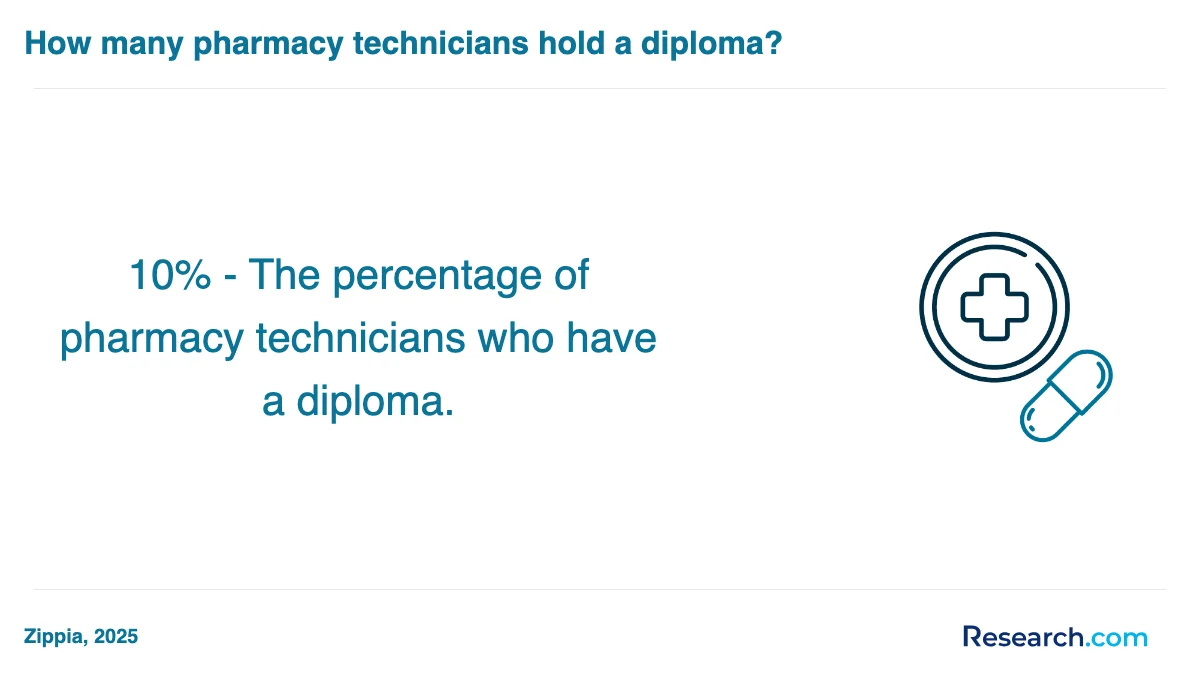
Obtaining a pharmacy technician trade school diploma in Omaha significantly enhances career mobility and advancement opportunities. Such programs provide essential training that meets state requirements, allowing graduates to qualify for certification exams like the PTCB, which employers widely recognize. According to the U.S. Bureau of Labor Statistics, certified pharmacy technicians in Nebraska earn a median salary approximately 10% higher than non-certified peers, demonstrating the tangible benefits of formal education.
In Omaha's competitive healthcare job market, a diploma signals verified skills, increasing chances for hiring and promotion. Many local pharmacies and hospitals prefer candidates with accredited training, facilitating quicker entry into roles with greater responsibility. Furthermore, continuing education pathways often require a formal diploma as a foundation for specialized certifications, supporting long-term career growth.
Students attending pharmacy technician trade schools in Omaha can benefit from part-time jobs that provide relevant experience while supporting their education. Positions such as pharmacy aides or clerks in local pharmacies offer hands-on exposure to medication management and customer service. These roles often require no prior certification, making them accessible for students.
Additionally, working as a pharmacy cashier or inventory assistant in retail pharmacies like CVS or Walgreens can help students understand pharmacy operations and improve their communication skills. According to the U.S. Bureau of Labor Statistics, Omaha's healthcare sector is growing, with pharmacy-related jobs increasing by 5% over the past decade.
Part-time roles in healthcare settings such as hospitals or clinics also provide valuable experience with medical terminology and equipment, complementing classroom learning. These jobs can enhance a student's resume and prepare them for certification exams.
To identify the best Pharmacy Technician degree programs near Omaha, NE, consider using Research.com, which offers insights into program rankings and can help you compare different institutions nearby. Many universities and community colleges have relevant programs, so visiting local institutions or speaking with admissions offices can provide information on curriculum quality and job placement rates. Additionally, searching for alumni reviews and accreditation status can aid in assessing which programs are the most reputable near me.
Related Pharmacy Technician Rankings for Nearby Cities
- Best Pharmacy Technician Training Programs & Trade Schools - Top Pharmacy Tech Schools in Kansas City for 2026
- Best Pharmacy Technician Training Programs & Trade Schools - Top Pharmacy Tech Schools in Oklahoma City for 2026
- Best Pharmacy Technician Training Programs & Trade Schools - Top Pharmacy Tech Schools in Collegedale for 2026
Top Trending Rankings
References
- Pharmacy technician | Explore Careers | National Careers Service https://nationalcareers.service.gov.uk/job-profiles/pharmacy-technician
- How Much Do Pharmacy Technicians Make? | UMA https://www.ultimatemedical.edu/blog/pharmacy-technician-pay-information/
- Pharmacy Technician Salary Guide | 2025 https://nurse.org/healthcare/pharmacy-technician-salary/
- Pharmacy Technicians : Occupational Outlook Handbook: : U.S. Bureau of Labor Statistics https://www.bls.gov/ooh/healthcare/pharmacy-technicians.htm
- What Does a Pharmacy Technician Do? Career Guide https://www.twclondon.org.uk/blogs/what-does-a-pharmacy-technician-do
- Types & Levels of Pharmacy Technicians (& Salaries for Each) https://www.stepful.com/post/types-levels-of-pharmacy-technicians
- Pharmacist vs. Pharmacy Technician: 6 Key Differences https://www.marshall.edu/blog/pharmacist-vs-pharmacy-technician/
- Become a Pharmacy Technician https://www.pharmtechsociety.org/education-and-training/become-a-pharmacy-technician
- Pharmacy Technician Program https://www.pharmacytechschools.com/program/
- 7 Tips To Getting a Job as a Pharmacy Technician - Galaxy Medical College https://galaxymedicalcollege.edu/7-tips-to-getting-a-job-as-a-pharmacy-technician/