
Most Affordable Maintenance Technician Schools & Training - Budget-Friendly Maintenance Tech Trade Programs in Omaha for 2026

Co-Founder and Chief Data Scientist
Choosing the right maintenance technician trade school in Omaha can feel overwhelming. To help, this article features a maintenance technician trade school programs ranking created by the Research.com team of data scientists. Their careful analysis highlights the most affordable and reputable options for 2026.
By exploring these schools, you can find a program that fits your goals and budget. Earning a diploma or certification opens doors to stable jobs and career growth. Whether starting fresh or upgrading skills, this guide supports your journey toward a rewarding future in maintenance technology.
Key benefits of finishing maintenance technician trade school in Omaha
- Graduates of maintenance technician trade schools in Omaha can expect competitive salaries, with averages around $48,118 per year and top earners making over $72,000, reflecting strong earning potential early in their careers.
- A maintenance technician graduate from a local popular trade school can pursue diverse career paths such as working in food production, city facilities, or packaging companies, offering job stability and growth opportunities.
- Completing a maintenance technician program online provides flexibility and faster completion times, ideal for busy students, as shown by successful online graduates who quickly enter the workforce with practical skills and less debt than traditional degrees.
- Most Affordable Maintenance Technician Schools & Training - Budget-Friendly Maintenance Tech Trade Programs in Omaha for 2026
- What can I expect from maintenance technician trade schools in Omaha?
- Where can I work after finishing maintenance technician trade schools in Omaha?
What can I expect from maintenance technician trade schools in Omaha?
Enrolling in a maintenance technician trade school program in Omaha means diving into a fast-paced, hands-on learning experience. Graduates from schools like the Nebraska Maintenance Academy often share how they appreciated the blend of classroom lessons and real-world training. Expect to spend about 8 weeks mastering skills in drywall, carpentry, appliance repair, HVAC, plumbing, and OSHA safety standards. These subjects come alive through lab work, making the technical concepts easier to grasp.
After the classroom phase, you'll step into a 4-week paid practicum onsite. Many students find this transition rewarding because it lets them apply what they've learned to actual tasks like unit turns, customer service, and work order processing. This experience not only builds confidence but also connects theory with daily maintenance challenges.
Programs in Omaha often provide the tools and manuals you need, removing barriers as you start your career. Schools such as Metropolitan Community College also offer certificates or associate degrees, giving graduates flexibility to enter industrial or manufacturing maintenance roles. Networking opportunities and career fairs are common, helping students feel optimistic about future job prospects.
Where can I work after finishing maintenance technician trade schools in Omaha?
Graduates from maintenance technician trade schools in Omaha quickly find themselves in a strong job market with over 300 openings available early 2025. Many land roles in property management and facility operations, maintaining apartment complexes, schools, and hospitals. For example, graduates often share how they enjoy the variety of challenges, from routine repairs to emergency troubleshooting, which keeps each workday engaging and rewarding.
Others pursue careers in Omaha's industrial and manufacturing sectors, with companies like Tyson Foods hiring regularly. These positions offer competitive wages between $24 and $30.50 per hour and flexible shifts, appealing to those who value both income and work-life balance. Recent graduates from local trade schools appreciate the hands-on skills they gain, making them confident in handling complex machinery and equipment.
The aviation sector also employs maintenance technicians, where graduates report a sense of pride ensuring aircraft and airport facilities operate safely. Retail chains, hotels, and healthcare facilities provide additional steady opportunities, with many graduates valuing the stability and community connection these roles offer.
Graduates of maintenance technician trade schools in Omaha typically start with an annual salary around $41,500. Many find this encouraging as they step into roles at apartment complexes, manufacturing plants, or healthcare facilities. For example, a recent graduate from a well-known Omaha trade school shared how their starting wage matched local averages, allowing them to comfortably cover living expenses while gaining on-the-job experience.
Entry-level technicians often earn about $18.99 per hour, which aligns with roughly $39,500 yearly for full-time work. This is a realistic starting point many graduates experience before advancing their skills. With 1-4 years of experience, pay usually rises steadily, reflecting both growing competence and value to employers.
Experienced technicians in Omaha can earn up to $25.80 per hour or more, especially after obtaining specialized certifications. Some even see salaries as high as $189,960 annually when moving into supervisory or technical expert roles. Overtime opportunities also boost income; maintenance mechanics average $29.22 per hour plus about $9,000 in overtime pay yearly, which many graduates find motivating as they build their careers.
- The Nebraska Maintenance Academy offers a 12-week intensive program covering skills like drywall, carpentry, appliance repair, electrical work, HVAC, plumbing, and OSHA safety.
- Metropolitan Community College provides certificates and associate degrees in Electrical Mechanical Maintenance Technology, with 29 students earning certificates and 41 earning associate degrees in 2022-2023.
- Tuition for trade school programs in Omaha varies, with many certificate programs nationally costing between $3,000 and $15,000; some schools may offer tuition assistance.
- Entry-level salaries for maintenance technicians in Omaha range from $36,000 to $42,000 annually, while experienced workers can earn over $55,000 depending on specialization.
- Programs focus on hands-on training, industry certifications, and connections to local employers, including career fairs to help graduates find jobs.
Completing a maintenance technician trade school program in Omaha typically takes between 9 and 18 months, depending on whether you enroll full-time or part-time. Graduates from well-known Omaha trade schools often share how the accelerated pace allowed them to quickly transition into the workforce without sacrificing the hands-on skills essential for success.
For example, many students appreciate programs structured around practical labs and real-world troubleshooting scenarios, which make the learning process both engaging and efficient. One graduate mentioned how studying at a local Omaha trade school gave them the confidence to handle complex machinery repairs within months, turning their classroom lessons into on-the-job accomplishments.
Choosing a program with flexible scheduling options can help if you're balancing work or family commitments. Some schools offer evening or weekend classes, enabling steady progress without overwhelming your daily life. This pragmatic approach to timing ensures you gain the expertise needed while maintaining other responsibilities.
The main difference between online and on-campus maintenance technician programs in Omaha lies in the hands-on experience and learning environment. Graduates from on-campus programs like those at Nebraska Maintenance Academy often share how the 12-week intensive, including a paid 4-week practicum, gave them real confidence working directly with HVAC systems, plumbing, and appliances. They appreciate the immediate feedback from instructors and the chance to collaborate face-to-face with peers, which mirrors actual job sites and builds practical skills fast.
In contrast, online or hybrid programs offer flexibility, letting students study theory remotely through video lectures and virtual simulations. This suits those balancing work or family, but most still require in-person labs to gain essential hands-on skills. Graduates from these programs report valuing the convenience but sometimes missing out on networking opportunities and quick access to local employers in Omaha's industrial sectors.
Choosing between formats depends largely on whether you prioritize direct, practical experience or the ability to learn on a flexible schedule.
The average cost maintenance technician trade school Omaha students face varies depending on the institution, but out-of-state tuition at Metropolitan Community College (MCC) is around $4,815 for the full academic year. Graduates from MCC often share that understanding these tuition fees early helped them budget effectively, especially when balancing work and study. Southeast Community College, though based in Lincoln, Nebraska, offers programs at a somewhat lower tuition fee of approximately $3,864 for out-of-state students, providing another cost option for those willing to commute or relocate.
In addition to tuition fees maintenance technician programs Omaha students encounter, it's critical to factor in expenses such as books and supplies, which average about $1,245 nationally for building and property maintenance vocational studies. Many former students have found that proactively planning for these costs alleviates financial stress and keeps their focus on gaining hands-on skills. Financial aid offices play a vital role in assisting students to manage overall expenses, with scholarships, grants, and loans frequently available to reduce the upfront investment.
For those who want to compare various paths, exploring the best vocational trade online programs can open options that potentially lower costs or add flexibility. Omaha-based students aiming for a maintenance technician career often find that understanding tuition fees maintenance technician programs Omaha offer early on, combined with a clear sense of additional expenses, makes for a smarter, more confident training journey.
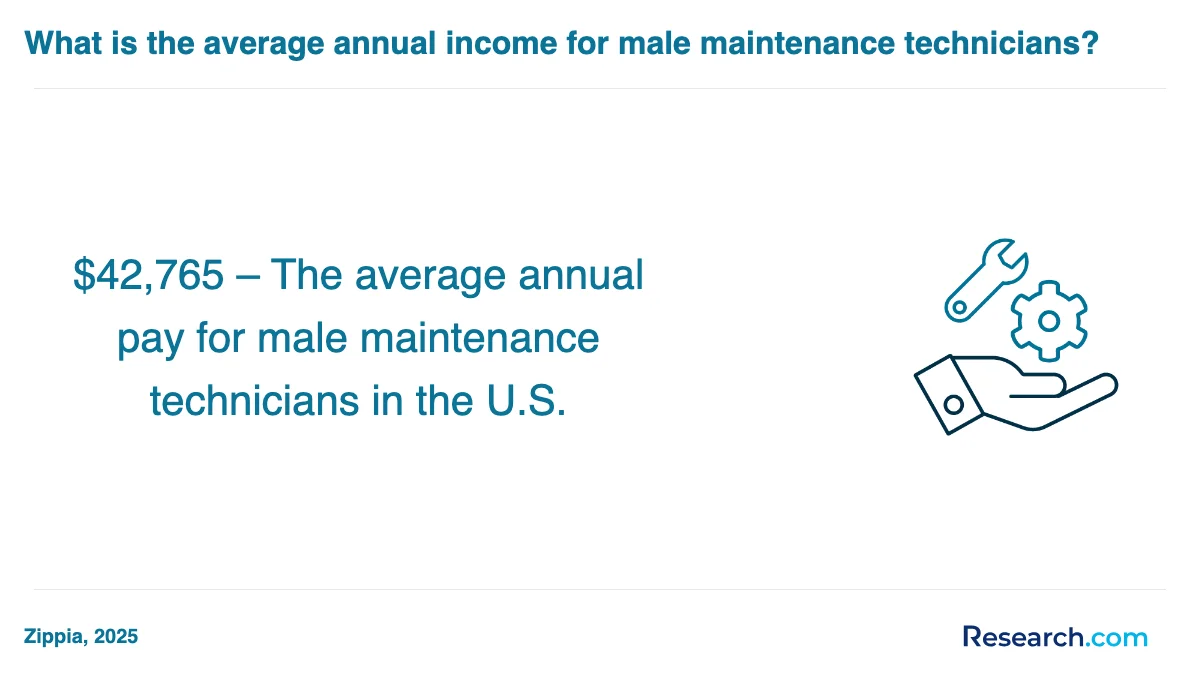
Maintenance technician students in Omaha often rely on a mix of financial aid to manage costs. Many graduates recall applying for federal Pell Grants, which provided crucial non-repayable funds based on financial need. These grants, combined with Nebraska state grants, helped cover part of the roughly $10,482 tuition plus $725 for tools and supplies at local trade schools.
Federal student loans also play a role, offering manageable interest rates and flexible repayment plans once students complete the Free Application for Federal Student Aid (FAFSA). Those who needed extra support found private loans an option, though often less favorable than federal ones.
Scholarships from Omaha-area schools and community colleges gave many students a confidence boost, knowing merit or need-based awards could ease financial pressure. Industry programs like the Lozier Sponsorship made a big difference for students entering maintenance careers by covering tuition and related expenses, helping them stay focused on training rather than finances.
Work-study jobs offered hands-on experience and income, coordinated through financial aid offices at popular Omaha trade schools, further supporting students while they learned.
Military and veterans' benefits provided additional tuition help and stipends for eligible students, ensuring that many felt well-supported throughout their technical training journey.
To enroll in a maintenance technician trade school program in Omaha, candidates typically need to meet a few straightforward prerequisites that set the stage for a successful hands-on learning experience. Most trade schools require a high school diploma or GED-this foundational step ensures students have basic math and reading skills essential for technical training.
Applicants should also demonstrate a genuine interest in mechanical systems and problem-solving, which often comes through in the application or an interview. For example, many graduates recall how expressing their passion for fixing things and eagerness to learn helped them stand out during enrollment.
Some schools may ask for:
- Proof of residency or citizenship status to confirm eligibility.
- Basic math placement tests to tailor the course to the student's skill level.
- Physical ability to handle manual tasks, reflecting real-world maintenance demands.
Trade schools in Omaha, known for their practical approach, often encourage applicants to share any prior experience working with tools or machinery, even if informal. Graduates frequently mention how this background gave them confidence and a smoother transition into the program's rigorous training.

Maintenance technician trade school programs in Omaha typically include a variety of practical and technical courses designed to prepare students for real-world challenges. Graduates from popular schools like Metropolitan Community College and Nebraska Maintenance Academy often highlight the value of core classes such as:
- Basic electrical systems, mechanical power, and hydraulics, which build a strong foundation for troubleshooting and repair
- Plumbing, HVAC, and appliance repair, allowing students to handle common residential and commercial maintenance tasks
- Drywall, carpentry, tile, and flooring, which add versatility to their skill set
- Workshop safety and OSHA compliance, ensuring a safe work environment
Hands-on training is a standout feature. For example, Nebraska Maintenance Academy students spend weeks in labs and then apply their skills during a paid practicum working directly with employers, handling real maintenance work orders and customer service. Graduates often feel confident stepping into roles managing apartment complexes or industrial settings.
Additionally, specialized courses in industrial hydraulics and pneumatic technology, offered by providers like Kriha Fluid Power, equip students with advanced skills tailored to Omaha's manufacturing sector. This practical, diverse curriculum prepares students well for immediate employment.
Maintenance technician programs Omaha cover a wide array of specializations to prepare students for real-world facility maintenance roles. Graduates from the Nebraska Maintenance Academy, for example, gain thorough training in HVAC, electrical systems, plumbing, drywall, carpentry, and OSHA safety standards. Their experience includes an 8-week classroom phase followed by a 4-week onsite practicum, where practical skills like customer service, work orders, and grounds maintenance come to life.
Other popular trade schools in Omaha, like Metropolitan Community College, add specialized tracks such as automotive technology, focusing on engine repair and transmissions, and fiber optics certification courses. These certifications teach essential skills like identifying fiber types, splicing cables, and testing networks, giving graduates an edge in diverse technical fields. Many students choose these programs to directly align with career goals, finding satisfaction in hands-on learning that boosts their confidence in what they do.
By focusing on maintenance technician specializations Omaha offers, students can confidently step into roles that match their skills and interests. For those aiming higher, exploring top paying trade school jobs related to these skills is a practical next step.
Choosing the best maintenance technician trade schools in Omaha means focusing on programs that blend hands-on training with strong theoretical knowledge. Graduates from Metropolitan Community College often praise the flexibility of earning an AAS degree or a certificate, allowing them to tailor their education to career goals. Meanwhile, those who completed the Nebraska Maintenance Academy highlight the value of its 12-week intensive program, combining classroom instruction with a paid practicum that made them confident and job-ready.
When you compare Omaha technician trade school costs, consider not only tuition but also financial aid options and program length. Short programs can get you into the workforce fast, but longer courses might offer deeper skills and certifications recognized by national bodies. Look for schools authorized by Nebraska's education department to ensure quality and eligibility for federal aid.
Many students benefit from schools with strong industry connections that offer apprenticeships or job placement support. Exploring careers in trades through careers in trades resources can also guide your decision.

Graduates from maintenance technician trade schools in Omaha find diverse career paths that align with their skills and interests. Entry-level maintenance technician jobs in Omaha NE often start with roles like General Maintenance Technician, where graduates confidently handle repairs in retail stores or apartment complexes, using skills learned at popular local trade schools. They quickly appreciate consistent schedules and benefits such as paid overtime.
For graduates targeting industrial settings, industrial maintenance career opportunities Omaha offer hands-on work troubleshooting and maintaining machinery in manufacturing plants. This path emphasizes preventive maintenance, crucial for minimizing costly downtime.
Other viable paths include specialized roles such as Aircraft Maintenance Technicians who inspect and repair aircraft, requiring additional certifications but offering rewarding and higher-paying positions. Facilities Operations and Maintenance careers in hospitals and data centers also attract graduates, focusing on ensuring safety and system compliance.
Many graduates from Omaha trade schools later advance to supervisory positions or specialize in HVAC or building automation, applying skills from their programs. Those seeking flexible options can explore the top construction trade program online to further enhance their careers.
The job market for maintenance technician trade school graduates in Omaha is strong and offers promising opportunities right after completing training. Graduates from popular trade schools in Omaha often find themselves with multiple job offers, reflecting the city's demand for skilled maintenance technicians. Employers value hands-on skills and formal education, which many students gain through their programs.
Many graduates share that securing roles in diverse industries-from residential property management to manufacturing-is common, with wages starting between $23 and $25 per hour for entry-level positions. Experienced technicians in industrial settings can earn as much as $35 to $43 per hour, showing tangible returns on completing a trade program locally. Some even report sign-on bonuses reaching up to $10,000 or more in specialized trades.
Key job market highlights include:
- High availability of positions, with over 250 jobs posted regularly in Omaha
- Demand for preventive maintenance and troubleshooting expertise
- Preference for candidates combining trade school education and certifications
- Advancement opportunities in sectors like manufacturing and property management
For students uncertain about program choices, understanding the difference between vocational training options can help; for example, comparing a vocational school vs trade certificate program is often a crucial step. Overall, the industrial maintenance technician demand Omaha-wide ensures graduates have a practical, stable path forward.
Most Affordable Maintenance Technician Schools & Training - Budget-Friendly Maintenance Tech Trade Programs in Omaha for 2026
# 1 position
Metropolitan Community College Area - Industrial Mechanics and Maintenance Technology/Technician.
associateThe Industrial Mechanics and Maintenance Technology/Technician program at Metropolitan Community College Area offers hybrid learning with some distance-education options. It prepares students to repair and maintain industrial machinery and equipment, including cranes, pumps, engines, pneumatic tools, conveyor systems, and refinery systems. The program’s annual in-state tuition is $3,285. It is accredited by the Higher Learning Commission.
# 2 position
Metropolitan Community College Area - Industrial Mechanics and Maintenance Technology/Technician.
certificate or diplomaThe Industrial Mechanics and Maintenance Technology/Technician program at Metropolitan Community College Area offers a hybrid format with some distance-education options. It prepares students to repair and maintain various industrial machinery and equipment, including cranes, pumps, engines, pneumatic tools, conveyor systems, and refinery systems. The program’s annual in-state tuition is $3,285. It is accredited by the Higher Learning Commission.
Frequently Asked Questions about maintenance technician
After completing a maintenance technician trade program in Omaha, preparing for the job market involves several key steps. First, graduates should obtain relevant certifications such as OSHA safety training or HVAC licenses, which are highly valued by local employers. According to the U.S. Bureau of Labor Statistics, the demand for maintenance technicians in Nebraska is projected to grow by 5% through 2030, indicating steady job opportunities.
Networking is also essential. Joining local trade organizations or attending job fairs in Omaha can connect graduates with employers seeking skilled technicians. Additionally, creating a detailed resume highlighting hands-on training and internships completed during school will improve job prospects.
Finally, consider applying to entry-level positions in manufacturing, healthcare, and facility management sectors, which are major employers of maintenance technicians in Omaha.
Employers in Omaha seek maintenance technician trade school graduates with strong technical and problem-solving skills. Proficiency in electrical systems, HVAC maintenance, and mechanical repairs ranks high, as these areas cover about 60% of typical job duties, according to the U.S. Bureau of Labor Statistics (2023).
Hands-on experience with diagnostic tools and preventive maintenance procedures is essential. Graduates who demonstrate the ability to read blueprints and technical manuals are preferred, as these skills improve efficiency on the job.
Communication skills also matter; employers value technicians who can clearly report issues and collaborate with team members. Attention to safety protocols is critical, especially in industrial settings common in Omaha's manufacturing sector, reported by the Nebraska Department of Labor.
Finding internships in Omaha related to maintenance technician trade school programs involves researching local industries that require skilled technicians. Key sectors include manufacturing, healthcare, and facilities management, which often provide hands-on training opportunities.
Students should utilize resources such as the Nebraska Department of Labor and local workforce development centers, which list internships and apprenticeships suitable for maintenance technicians.
Many trade schools in Omaha partner with employers to help students secure internships, so contacting school career services is beneficial. According to the Nebraska Department of Labor, Omaha's manufacturing sector employs over 30,000 workers, increasing internship availability for technical roles.
Online platforms like Nebraska's job bank also post relevant internship listings, making it easier for students to find positions matching their training.
Obtaining a maintenance technician trade school diploma in Omaha significantly enhances career mobility and advancement opportunities. According to the U.S. Bureau of Labor Statistics, skilled maintenance technicians earn a median annual wage of around $50,000, with certified graduates often starting at higher salaries. Employers in Omaha's manufacturing, healthcare, and facility management sectors value formal training, which can lead to quicker promotions and access to specialized roles.
Trade school diplomas provide practical skills and industry-recognized certifications, making candidates more competitive in Omaha's job market. The Nebraska Department of Labor highlights that diploma holders have a 15% higher employment rate in technical fields locally, supporting upward social mobility.
Additionally, many employers offer tuition reimbursement or career development programs for certified technicians, fostering long-term growth. Graduates can expect improved job security and potential pathways into supervisory or technical specialist positions, reflecting the diploma's positive impact on career trajectories within Omaha's industrial landscape.
Students enrolled in maintenance technician trade schools in Omaha can benefit from part-time jobs that provide practical experience and reinforce their technical skills. Positions such as maintenance assistant roles in local manufacturing plants or property management companies offer hands-on exposure to equipment repair and facility upkeep.
Omaha's industrial sector employs many maintenance technicians, with the U.S. Bureau of Labor Statistics reporting a 5% growth rate in related jobs statewide through 2031. Part-time work in warehouses or HVAC service companies can also complement coursework by familiarizing students with industry-standard tools and safety protocols.
These opportunities not only enhance resumes but can sometimes lead to full-time employment after graduation, supporting career advancement in this field.
To find the most affordable Maintenance Technician degree program near me in Omaha, NE, start by researching local community colleges, technical schools, and universities, as they often offer cost-effective programs in this field. Utilize resources like Research.com to compare program costs and features, which could help identify institutions with affordable tuition rates. Visiting or contacting these institutions directly would also provide personalized information about financial aid options and specific program expenses.
- Most Affordable Maintenance Technician Schools & Training - Budget-Friendly Maintenance Tech Trade Programs in Galesburg for 2026
- Most Affordable Maintenance Technician Schools & Training - Budget-Friendly Maintenance Tech Trade Programs in Joliet for 2026
- Most Affordable Maintenance Technician Schools & Training - Budget-Friendly Maintenance Tech Trade Programs in Fort Morgan for 2026
- Most Affordable Maintenance Technician Schools & Training - Budget-Friendly Maintenance Tech Trade Programs in Dayton for 2026
- Most Affordable Maintenance Technician Schools & Training - Budget-Friendly Maintenance Tech Trade Programs in Lexington for 2026
- Most Affordable Maintenance Technician Schools & Training - Budget-Friendly Maintenance Tech Trade Programs in Dearborn for 2026
- Maintenance Technician Program: What You Need to Know - San Joaquin Valley College https://www.sjvc.edu/program/maintenance-technician/
- Online Maintenance Technician from Gwinnett Technical College https://careertraining.gwinnetttech.edu/training-programs/maintenance-technician/
- Maintenance Technician Program | Carrington College https://carrington.edu/program/maintenance-technician/
- Industrial Maintenance Technician | Northwood Technical College https://www.northwoodtech.edu/academic-programs/degree-programs-and-certificates/industrial-maintenance-technician
- Maintenance Technician Trade Program - Aviation Institute of Maintenance https://aviationmaintenance.edu/programs/trade-programs/maintenance-technician/
- Maintenance Technician Training Program | JVS Boston https://www.jvs-boston.org/our-services/build-your-skills/maintenance-technician/
- Industrial Maintenance Technician Training https://stlcc.edu/pathways/industrial/industrial-maintenance-tech/
- 39772 - Industrial Maintenance Technician | I Can Go to College | California Community Colleges https://icangotocollege.com/college-courses/39772-industrial-maintenance-technician
- Maintenance Technician Apprenticeship Program | Madison College https://madisoncollege.edu/academics/programs/maintenance-technician-apprenticeship
- Skilled Trades and Technical Sciences https://www.mccneb.edu/afalanding/afaskilledtrades


