
Best Interior Design Training Programs & Schools - Top Interior Design Schools in Washington for 2026

Co-Founder and Chief Data Scientist
Choosing the right interior design trade school in Washington can shape your future career. This article introduces a carefully crafted interior designer trade school programs ranking created by the Research.com team of data scientists to guide your decision-making process.
By exploring the best options, you’ll discover programs that fit your goals and budget. Earning a diploma or certification in interior design opens doors to exciting opportunities and personal growth.
Whether you’re starting fresh or advancing skills, this guide helps you take confident steps toward a creative and rewarding profession.
Key benefits of finishing interior designer trade school in Washington
- Graduates from interior designer trade schools in Washington can expect starting salaries between $52,702 and $64,802 per year, with average earnings around $58,402, offering a strong foundation for a rewarding career.
- Trade school graduates often pursue diverse career paths, such as junior interior designers or project coordinators, gaining valuable hands-on experience that leads to steady growth and exciting opportunities in the design field.
- Completing an interior designer trade school online offers flexibility and convenience, allowing students to balance work and study, as seen in many successful online program graduates who quickly advance their careers without relocating.
- Best Interior Design Training Programs & Schools - Top Interior Design Schools in Washington for 2026
- What can I expect from interior designer trade schools in Washington?
- Where can I work after finishing interior designer trade schools in Washington?
What can I expect from interior designer trade schools in Washington?
Students enrolling in interior designer trade school programs in Washington can expect a balanced curriculum that combines creative artistry with hands-on technical skills. At institutions like Bellevue College, graduates often describe immersive studio courses where they develop real-world projects, building portfolios that reflect current industry trends.
Associate degrees typically take about six quarters to complete, roughly a year and a half to two years, while specialized certificates in areas like kitchen and bath design can be finished in just one quarter. Coursework covers drawing, textiles, materials, sustainable design, and CAD software, preparing students to work confidently in design firms, home-furnishing stores, or with contractors.
Many students appreciate the small class sizes and accessible faculty at Washington trade schools, which offer personalized guidance throughout their studies. Graduates find their degrees and certificates valuable for immediate employment or further education, often feeling empowered by the practical skills and professional connections they've gained.
Where can I work after finishing interior designer trade schools in Washington?
After completing an interior designer trade school program in Washington, graduates find diverse job opportunities that match their creative and technical skills. Many step into roles as interior designers at design firms or architecture companies, especially in Seattle or Bellevue, where firms like Gensler actively hire. These positions often involve designing residential spaces, such as apartments or homes, where graduates enjoy collaborating directly with homeowners and real estate agents to bring personalized visions to life.
Others thrive in commercial interior design, working on offices, hotels, or retail environments. Graduates from popular Washington trade schools appreciate how hands-on training prepares them for fast-paced projects in urban centers like Tacoma. Some choose sales and design consultant roles at furniture stores or home improvement companies, combining their design expertise with customer service and benefiting from uncapped commissions.
Additionally, trade school grads sometimes join landscape design firms or assist architectural studios with 3-D modeling, expanding their creative impact. A few find fulfillment teaching design at community colleges, using their practical skills to inspire others. These varied paths reflect Washington's robust market and the real-world readiness that trade schools instill.
Graduates of interior designer trade school programs in Washington typically start with an annual salary between $46,000 and $64,000. Many new designers from popular trade schools in Seattle report entry-level pay around $58,000, which feels rewarding after completing hands-on, practical training. These starting salaries reflect real-world experience gained through coursework and internships common at well-known Washington trade schools.
As you build your skills and gain experience, your income can rise significantly. In Seattle, graduates with a few years in the field often earn around $89,000 per year, showing clear financial growth. Many graduates share how their training helped them confidently negotiate better pay and take on specialized projects, boosting their earnings.
Washington's interior designer salaries fall between those of electricians and carpenters, offering a competitive wage for creative professionals. Many students find satisfaction knowing their career path combines artistic passion with a steady income, especially when starting salaries comfortably cover living expenses in cities like Seattle.
- Applicants typically need a high school diploma or GED, and some schools may require a minimum GPA.
- Most programs last two years for an Associate of Applied Science degree, with shorter certificate options and longer bachelor's degrees available.
- Annual tuition at Washington community colleges for associate programs is about $4,740, totaling around $9,480 for two years.
- Curriculum includes design concepts, drafting, sustainable design, CAD software, and hands-on studio work for portfolio building.
- The average annual salary for interior designers in Washington is $70,910, with higher earnings possible as experience grows.
Completing an interior designer trade school program in Washington typically takes between 9 months to 18 months, depending on the program's intensity and whether you study full-time or part-time. Many graduates from popular trade schools in Washington recall how the focused curriculum allowed them to quickly build practical skills without unnecessary delays.
For example, students at well-known Washington trade schools often share how immersive hands-on projects and real-world design challenges accelerated their learning, making the time commitment feel rewarding rather than overwhelming. One graduate mentioned how balancing work and study was manageable thanks to flexible scheduling, allowing completion in just over a year.
Choosing a program with clear timelines and practical experience ensures you can start your career sooner while feeling confident in your skills. This efficient timeframe fits well for those eager to enter the interior design field quickly and with a strong portfolio, reflecting the demands of Washington's competitive market.
The main difference between online and on-campus interior designer trade school programs in Washington is how you experience learning. Online programs, like those offered by larger universities, let you study from anywhere, fitting coursework around work or family life. Graduates often appreciate this flexibility and the ability to connect digitally with instructors and classmates, though they sometimes miss the spontaneous interactions and energy of campus life.
On-campus programs at schools such as Bellevue College and Spokane Falls Community College provide hands-on studio work, direct access to design labs, and immediate feedback from instructors. Students enjoy collaborative projects, site visits, and networking opportunities that build practical skills and professional relationships in real time. Many find the tactile experience and face-to-face mentorship essential for mastering interior design techniques.
Both formats cover core topics like CAD software and materials, but your choice depends on whether you prefer flexible scheduling or immersive, hands-on learning. Washington's trade schools offer options to match these needs, helping you shape your education around your lifestyle and career goals.
Students pursuing an interior designer trade school program in Washington typically face average tuition fees ranging from about $4,500 to nearly $8,000 per year, depending on the institution. For example, graduates from Spokane Falls Community College often recall the affordability of their Associate in Applied Science program, which focuses on practical residential and commercial design skills at roughly $4,500 annually. Meanwhile, those attending Clover Park Technical College, where the cost for families earning over $110,000 is about $7,900, appreciate the balance of cost and quality education they received. These examples help illustrate the average tuition fees for interior design programs in Washington and the value students gain through hands-on learning.
Trade school students also quickly learn that beyond tuition, it's essential to budget for additional expenses like books, supplies, and specialized materials, which can total $1,000 to $3,000 each year. These materials include drafting tools, model-building supplies, and digital drawing tablets that bring projects to life, making the learning experience both engaging and practical.
Many Washington students find that exploring financial aid, scholarships, and grants alleviates the financial demands during their studies. By weighing these costs with available financial support, future designers can confidently pursue their passion without overwhelming debt.
For those interested in starting a rewarding career, understanding the cost of interior design diploma programs in Washington is a crucial step. Exploring options at well-known trade schools can help students plan effectively and progress smoothly toward their goals. Learning more about interior design careers also provides valuable insights into the long-term benefits of these educational investments.
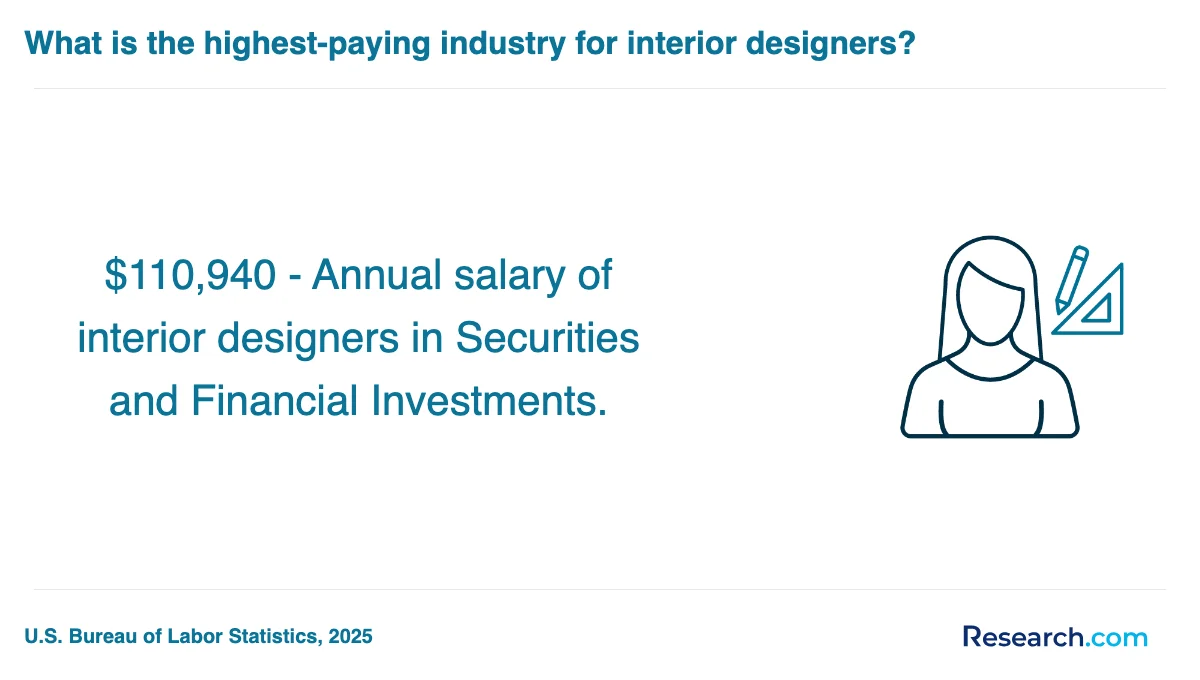
Interior designer trade school students in Washington often start by completing the Free Application for Federal Student Aid (FAFSA) to access federal grants and loans. For many, receiving a Pell Grant provides crucial, no-repayment financial support that eases tuition costs. Graduates from Spokane Falls Community College recall how federal aid combined with low-interest loans made their education manageable without overwhelming debt.
Washington-specific aid like the Washington State Need Grant offers extra help for residents enrolled in approved interior design programs. Students at Bellevue College have shared how institutional scholarships helped cover not only tuition but also textbooks, reducing financial stress during their studies.
Private scholarships, such as the Nellie Martin Carman Scholarship for local high school seniors, and national awards from groups like the American Society of Interior Designers, provide additional funding opportunities. These awards, ranging from $4,000 to $8,000, have empowered many to focus fully on honing their design skills.
Low student loan default rates at Seattle Pacific University and Cornish College of the Arts reflect positive post-graduation employment, giving students confidence in their financial futures after completing their programs.
To enroll in an interior designer trade school program in Washington, you typically need a high school diploma or GED. Many trade schools emphasize a practical, hands-on approach, so they look for students who show creativity and a passion for design. Graduates from popular Washington trade schools recall how their portfolios or previous art classes helped demonstrate their potential during the application process.
Some common prerequisites include:
- Completion of basic math and English courses to ensure strong communication and measurement skills
- Submission of a portfolio showcasing sketches, design ideas, or relevant projects, which can set you apart
- Letters of recommendation or personal statements highlighting your enthusiasm for interior design
- Some schools may require an interview to assess your motivation and practical understanding
For example, graduates from Seattle-based trade schools often share how their instructors encouraged early engagement with real-world design challenges, making the prerequisites feel like achievable stepping stones rather than obstacles. This practical focus helps you build confidence and excitement as you prepare to launch your interior design career in Washington.
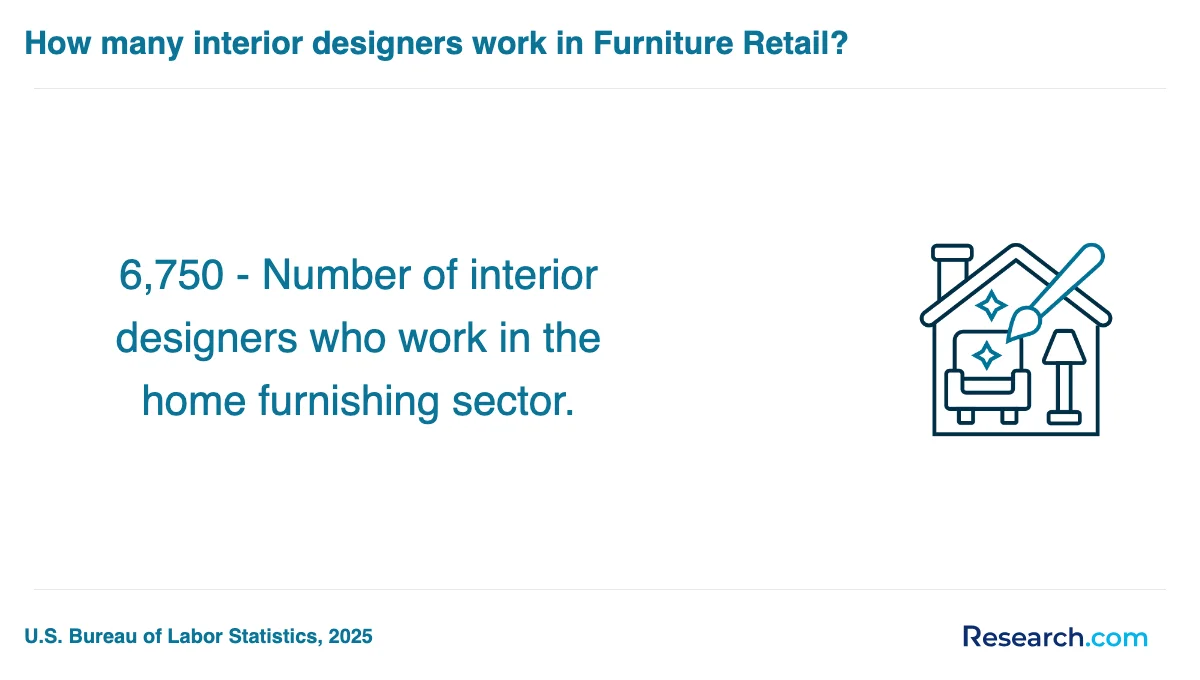
Interior designer trade school programs in Washington focus on practical skills and technical knowledge essential for a successful design career. Graduates from schools like Clover Park Technical College and Spokane Falls Community College often highlight how foundational courses in design fundamentals-covering balance, color theory, and spatial organization-help them confidently approach any project.
Many students gain hands-on experience through studio projects, such as designing a family room, which not only sharpens their problem-solving but also enhances their portfolios. Technical courses teach computer-aided design (CAD), drafting, and rendering, crucial tools for presenting professional-quality plans.
Programs also include:
- History of interior styles and furnishings to understand design trends
- Materials, finishes, textiles, and lighting technology for informed decision-making
- Business practices like marketing and project management to prepare for running a design firm
- Specialized electives such as sustainable design or kitchen and bath design for focused expertise
These courses equip students with skills to succeed both creatively and professionally, making the learning experience engaging and directly applicable to real-world interior design challenges in Washington.
Interior designer trade school programs in Washington commonly offer specializations that prepare students for focused career paths. Graduates from these programs often praise specializations such as Kitchen & Bath Design, where students learn practical skills including cabinetry layout, plumbing integration, and lighting design, making them confident in tackling residential projects. Another popular path is Commercial Design, featured in programs like Washington State University's curriculum, where students engage with large-scale projects bringing together design theory, technology, and sustainability. This hands-on approach helps students excel in creating functional, appealing commercial spaces.
Many programs also emphasize Construction Basics, teaching construction documents and material terminology, which equips students with vital knowledge to communicate effectively on job sites. Additionally, some students find courses in Business & Entrepreneurship especially beneficial, gaining insight into managing design firms and navigating industry processes. Hand rendering courses also enhance skills in visually presenting concepts clearly and artistically.
These specializations, along with foundational courses in design theory and computer-aided design, reflect the diverse training available through interior designer trade school programs. For students wanting flexible study options, exploring architecture online degrees might also complement their education and career goals.
Choosing the best interior designer trade schools in Washington starts with verifying accreditation and curriculum relevance. Graduates from Bellevue College and Spokane Falls Community College often praise their programs for combining creative design with technical skills like CAD and sustainable practices, which makes learning both engaging and practical. Hands-on experience through studio projects and internships is essential; many students find that Clover Park Technical College's specialized certificates, such as kitchen and bath design, offer tailored opportunities that align perfectly with career goals.
When deciding how to compare interior design programs in Washington, consider faculty expertise and industry connections. Graduates report that instructors involved in the local design community provide valuable insights and networking opportunities, which can lead to internships and job placements. Practical aspects such as program length, financial aid, and class size also influence satisfaction and success.
For those seeking flexibility, exploring accelerated online architecture degree programs can complement trade school learning and speed up career entry in design fields.

Graduates of interior designer trade school programs in Washington find diverse career paths fueled by hands-on training and real-world skills. Popular schools like Spokane Falls Community College and Clover Park Technical College equip students with expertise that opens doors to roles such as interior designer, junior designer, and design assistant. Opportunities expand in areas like space planning, 3-D modeling, and architectural presentations, enabling graduates to confidently contribute at residential design firms or commercial studios.
Many graduates relish working as residential interior designers, collaborating directly with homeowners to create beautiful, functional living spaces. Specialized certificate programs in kitchen and bath design or sustainable interiors offered by Washington trade schools also lead to niche careers. Beyond design studios, positions exist in home improvement stores, furniture retailers, and specialty shops where graduates apply their knowledge in sales and client consultation.
Jobs for interior designer graduates in Washington also include roles with contractors and construction companies, where technical skills and building codes are valued. Some embrace entrepreneurial ventures or consulting gigs, blending creativity with business savvy.
Exploring these interior design career opportunities in Washington empowers students to turn passion into rewarding work. Graduates often pursue certifications like NKBA or CIDQ to enhance prospects, tapping into lucrative majors and thriving industries.
The interior designer job market in Washington is promising for trade school graduates, with over 100 job postings statewide in early 2025. Graduates from well-known trade programs often find opportunities in sectors such as residential, commercial, and hospitality design. Employers typically look for candidates with strong portfolios and 2-5 years of experience, highlighting the practical skills gained through hands-on projects during training.
Many graduates from popular Washington trade schools report securing positions with firms like Weber Thompson and LMN, working on exciting multi-family and commercial projects. Benefits such as flexible schedules and hybrid work models make these roles even more attractive.
Focused career efforts and specialized skills can increase earning potential. Salaries in this region reflect that, with an average of $82,509 annually. The interior design career opportunities Washington offers motivate new graduates to build strong networks and continue professional development, often supported by employers.
For students exploring careers in the arts and design fields, Washington's job environment makes interior design a realistic and rewarding path to consider.
Best Interior Design Training Programs & Schools - Top Interior Design Schools in Washington for 2026
# 1 position
Spokane Falls Community College - Interior Design.
associateThe Interior Design program at Spokane Falls Community College offers a hybrid format with some distance-education options. It prepares students to professionally design and furnish residential and commercial spaces, covering computer applications, drafting, lighting, acoustics, and color coordination. The program's annual in-state tuition is $4,058. Graduates earn a median income of $21,508 one year after completion. The program is accredited by the Northwest Commission on Colleges and Universities.
# 2 position
Clover Park Technical College - Interior Design.
associateClover Park Technical College offers a hybrid Interior Design program focused on applying artistic principles to the planning and furnishing of residential and commercial spaces. The curriculum includes instruction in computer applications, drafting, lighting, acoustics, color coordination, furniture, textiles, and building codes. The program is accredited by the Northwest Commission on Colleges and Universities. Annual in-state tuition is $6,634.
# 3 position
Highline College - Interior Design.
associateHighline College offers a Hybrid Interior Design program focused on applied visual arts. The curriculum covers artistic principles, computer applications, drafting, lighting, acoustics, furniture, textiles, historical styles, structural design, building codes, and design applications for various commercial and residential spaces. The annual in-state tuition is $4,623. The program is accredited by the Northwest Commission on Colleges and Universities.
# 4 position
Bellevue College - Interior Design.
associateBellevue College offers a hybrid Interior Design program that prepares students to professionally plan, design, and furnish residential and commercial spaces. The curriculum covers computer applications, drafting, lighting, acoustics, furniture, textiles, historic design styles, building codes, and more. Annual in-state tuition is $4,305. The program is accredited by the Northwest Commission on Colleges and Universities, providing a comprehensive education in applied visual arts for interior design careers.
# 5 position
Spokane Falls Community College - Interior Design.
certificate or diplomaSpokane Falls Community College offers a hybrid Interior Design program that prepares students to plan, design, and furnish residential and commercial spaces. The curriculum includes computer applications, drafting, lighting, acoustics, color coordination, and furniture selection. The program also covers building codes, structural design, and various period styles. Annual in-state tuition is $4,058. Median earnings one year after completion are $21,508. The program is accredited by the Northwest Commission on Colleges and Universities.
# 6 position
Clover Park Technical College - Interior Design.
certificate or diplomaThe Interior Design program at Clover Park Technical College offers a hybrid format, combining in-person and distance education. It prepares students to professionally plan, design, equip, and furnish interior spaces using artistic principles and techniques. The curriculum includes computer applications, drafting, lighting, acoustics, furniture, textiles, design history, structural basics, building codes, and various commercial and residential applications. Annual in-state tuition is $6,634. The program is accredited by the Northwest Commission on Colleges and Universities.
# 7 position
Highline College - Interior Design.
certificate or diplomaHighline College offers a Hybrid Interior Design program that prepares students to plan, design, and furnish residential and commercial spaces. The curriculum covers computer applications, drafting, lighting, acoustics, color coordination, furniture, textiles, and building codes. The program is accredited by the Northwest Commission on Colleges and Universities. Annual in-state tuition is $4,623.
Frequently Asked Questions about interior designer
After completing interior designer trade school in Washington, preparing for the job market involves several key steps. First, graduates should build a strong portfolio showcasing their design projects, as employers prioritize practical experience. According to the U.S. Bureau of Labor Statistics, Washington's interior design employment is projected to grow 7% through 2031, slightly faster than the national average, highlighting a competitive but promising market.
Networking is essential; joining local chapters of professional organizations like the American Society of Interior Designers (ASID) can connect graduates with industry professionals. Additionally, obtaining certification from the National Council for Interior Design Qualification (NCIDQ) can enhance credibility and job prospects.
Internships and apprenticeships remain valuable for gaining hands-on experience and often lead to full-time positions. Washington-based trade schools often provide career services to assist with job placement and interview preparation, which graduates should utilize fully.
Employers in Washington seeking interior design trade school graduates often prioritize a combination of creative and technical skills. Strong proficiency in computer-aided design (CAD) software, such as AutoCAD and SketchUp, is essential, as these tools are widely used in the industry for drafting and visualization.
Additionally, knowledge of building codes, safety regulations, and sustainable design practices is highly valued. According to the U.S. Bureau of Labor Statistics, employers emphasize communication skills, as designers must collaborate with clients, contractors, and suppliers effectively.
Problem-solving abilities and attention to detail are also key, ensuring projects meet both aesthetic and functional requirements. Washington's growing real estate market increases demand for graduates who can adapt to diverse project types and budgets.
Finding internships relevant to interior designer trade school programs in Washington involves leveraging multiple resources. Start by contacting your school's career services office, which often partners with local design firms and businesses to offer internship opportunities. Many Washington-based interior design companies, especially in Seattle and Tacoma, provide internships to students seeking practical experience.
Online platforms like Handshake and the Washington State Workforce Board website also list internships in interior design and related fields. According to the U.S. Bureau of Labor Statistics, Washington's design sector is growing steadily, increasing internship availability.
Networking through local professional organizations such as the American Society of Interior Designers (ASID) Washington chapter can connect students to mentors and internship leads.
In Washington, earning a diploma from an interior designer trade school can significantly impact career mobility and advancement. Such programs provide practical skills and industry-specific knowledge that employers actively seek. According to the Washington State Employment Security Department, the interior design sector is projected to grow by 6% through 2030, reflecting steady demand for qualified professionals.
A trade school diploma often enables graduates to enter the workforce more quickly than traditional degrees, offering a faster route to employment. This credential can also enhance eligibility for roles like design assistant or project coordinator, which serve as stepping stones to senior positions.
Moreover, some trade schools in Washington offer networking opportunities and connections with local firms, improving job placement rates. While a diploma alone may not guarantee licensure, it lays a strong foundation for pursuing further certification and advancing in the field.
Students enrolled in interior designer trade schools in Washington can benefit from several part-time job opportunities that complement their education. Retail positions in home furnishing stores like IKEA or local boutiques provide hands-on experience with materials, color schemes, and customer preferences. According to the U.S. Bureau of Labor Statistics, Washington employs over 2,500 interior designers, indicating a healthy local demand for design-related skills.
Internships or assistant roles at architecture or design firms offer valuable exposure to project management and client interactions. Additionally, positions in home staging companies or real estate agencies help students understand space utilization and market trends. These jobs not only enhance practical skills but also improve professional networks essential for career growth in interior design.
To find the best Interior Designer degree program near you, consider researching accredited universities and colleges near Washington that offer specialized design programs. Universities with strong art and design faculties near Washington can provide high-quality degree programs. Consulting resources like Research.com can help identify top programs near me, along with faculty expertise and course offerings in the interior design discipline.
- Best Interior Design Training Programs & Schools - Top Interior Design Schools in Oregon for 2026
- Best Interior Design Training Programs & Schools - Top Interior Design Schools in California for 2026
- Best Interior Design Training Programs & Schools - Top Interior Design Schools in Utah for 2026
- Best Interior Design Training Programs & Schools - Top Interior Design Schools in Arizona for 2026
- Best Interior Design Training Programs & Schools - Top Interior Design Schools in Colorado for 2026
- Best Interior Design Training Programs & Schools - Top Interior Design Schools in Kansas for 2026
- Best Interior Design Training Programs & Schools - Top Interior Design Schools in Oklahoma for 2026
- Best Interior Design Training Programs & Schools - Top Interior Design Schools in Texas for 2026
- Best Interior Design Training Programs & Schools - Top Interior Design Schools in Minnesota for 2026
- Best Interior Design Training Programs & Schools - Top Interior Design Schools in Iowa for 2026
- 8 Ways to Find an Interior Design Internship for Design Students https://www.behindthedesignco.com/blog/8-ways-to-find-an-interior-design-internship
- 5 Transformative Internships - New York School of Interior Design https://www.nysid.edu/atelier-mag/five-internships
- Career Resources For Interior Architecture Students | RISDCareers https://careercenter.risd.edu/career-resources-interior-architecture-students
- Your Guide to Interior Design Internships - Allison Smith Design https://allisonsmithdesign.com/your-guide-to-interior-design-internships/
- Interior Design Internships Abroad | GoAbroad.com https://www.goabroad.com/intern-abroad/search/interior-design/internships-abroad-1
- 2025 Interior Designer Cover Letter Example (+Free Template) https://www.tealhq.com/cover-letter-example/interior-designer
- 14 Entry Level Interior Designer Cover Letter Examples: Plus Recruiter Insights (Updated for 2025) https://resumeworded.com/cover-letter-samples/entry-level-interior-designer
- Interior Design Cover Letter [Example for Download] https://resumegenius.com/cover-letter-examples/interior-design-cover-letter
- Interior Design Trade Schools & Training Programs https://www.best-trade-schools.net/programs/arts-design/interior-design/
- Interior Design Associate Degree Program, Interior Designer | Gateway Technical College https://www.gtc.edu/programs/associate-degrees/interior-design


