
Most Affordable HVAC Technician Schools & Training in Westminster for 2027
Audited and Verified:
Our Editorial and Data Verification Process
Research.com uses government datasets, official education statistics and primary institutional information to support its career and degree guides. Our review process checks factual accuracy, occupational definitions, source dates and the requirements associated with the credentials discussed.
How This Article Was Fact-Checked
Our editorial team verifies salary estimates, employment projections, education requirements and program information against original data providers and official organizations. Salary figures are checked against the relevant occupational definitions and reporting periods. Information about licensure, accreditation and required in-person training is reviewed separately.
Fact-checked and verified on:

Co-Founder and Chief Data Scientist

Reviewed by Karolina Broda
Fact-Checker and Data Verification
Choosing affordable HVAC training in Westminster, Colorado, means looking beyond tuition: a low-cost program may still leave you paying for tools, exams, or the hands-on experience employers expect. The U.S. Bureau of Labor Statistics projects 10.9% national job growth for HVAC mechanics and installers from 2025 to 2035. For career changers and first-time students, the Most Affordable HVAC Technician Trade Schools in Westminster for 2027 ranking, created by the Research.com team of data scientists, offers a starting point. This guide helps you compare costs, credentials, practical training, and routes into work.
Key findings about HVAC technician degrees in Westminster
- Compare total job-ready cost, not tuition alone: tools, safety gear, exam fees, and travel to labs or worksites can change which Westminster-area option is cheapest.
- For work involving regulated refrigerants, training alone is insufficient; technicians must meet U.S. Environmental Protection Agency Section 608 certification requirements for the equipment they service (U.S. Environmental Protection Agency).
- The national median for HVAC mechanics and installers was $61,010 in May 2025, not a Westminster starting wage; projected national employment growth is 10.9% for 2025-2035 (U.S. Bureau of Labor Statistics).
Table of Contents
- Most Affordable HVAC Technician Schools & Training in Westminster for 2027
- What can I expect from an HVAC technician trade school program in Westminster?
- Where can I work with an HVAC technician trade school training in Westminster?
What can I expect from an HVAC technician trade school program in Westminster?
Expect a mix of classroom instruction, troubleshooting labs, and preparation for supervised field work. HVAC technicians install, maintain, and repair heating, ventilation, air-conditioning, and refrigeration systems; they use electrical measurements, read controls and diagrams, and work around pressurized equipment and refrigerants (U.S. Bureau of Labor Statistics). Before enrolling, ask to see the lab schedule and equipment list. Two certificates with similar names may offer very different amounts of practice.
Westminster students can compare a public community-college route, including options at Front Range Community College, with career-school training, registered apprenticeships, and employer-sponsored entry roles across the Denver metropolitan area. A short program may suit someone who needs an introduction before applying for helper jobs. A registered apprenticeship is a different commitment: it combines paid work with related instruction and may better fit someone who can secure a position and wants substantial supervised experience (U.S. Department of Labor).
The most useful program is the one that matches your intended first job. Ask whether graduates practice residential and commercial diagnostics, whether the program prepares them for the appropriate EPA examination, and whether employers hire graduates directly or expect additional supervised training.
Where can I work with an HVAC technician trade school training in Westminster?
Potential workplaces include HVAC installation and service contractors, commercial building-maintenance teams, facilities operators, and refrigeration-service employers (U.S. Bureau of Labor Statistics). The Denver-area job market gives Westminster residents a wider commuting radius than a city-only search. That matters when comparing programs: a work placement or apprenticeship sponsor across the metro area may be more useful than a nearby classroom with few employer connections.
Entry-level work may begin with installation assistance, preventive maintenance, or supervised service calls. Ask prospective employers which tasks beginners perform, whether they provide tools or a vehicle, and whether they support EPA certification. A credential can help you enter the field, but it does not replace experience diagnosing systems on actual jobsites.
The U.S. Bureau of Labor Statistics reports a $61,010 national median annual wage in May 2025 for heating, air conditioning, and refrigeration mechanics and installers. That figure covers experienced and newer workers across the United States; it is not a published Westminster wage or a promise of first-year pay. Use a current Denver-area occupational wage estimate from the Colorado Department of Labor and Employment or the U.S. Bureau of Labor Statistics when evaluating a local offer.
Compare an offer's hourly wage with paid training, overtime expectations, travel time, tool purchases, and benefits. For an investment decision, estimate earnings you could realistically receive after training against what you earn now - not against the national median alone. An apprenticeship wage during training can also offset costs that a classroom-only comparison misses.
Length depends on the credential and schedule. A focused certificate generally takes less time than a broader diploma or associate degree; part-time attendance extends the calendar even when required instruction is unchanged. Registered apprenticeships typically span multiple years because paid work and related classroom instruction are integrated (U.S. Department of Labor). There is no single HVAC clock-hour requirement that applies to every Westminster training pathway.
Ask each provider for required contact hours, lab hours, field hours, course availability, and the earliest realistic completion date - not just its advertised "fastest" finish. Fast track college courses can be a useful scheduling comparison, but speed is a poor bargain if it removes the supervised diagnostics you need for an HVAC job.
Online study can cover terminology, electrical theory, diagrams, and exam preparation. It cannot by itself demonstrate safe wiring, refrigerant recovery, airflow measurement, or troubleshooting on operating equipment. A hybrid program is worth considering only if its in-person labs or employer-supervised work are accessible from Westminster and clearly scheduled.
Check exactly where practical instruction occurs and who evaluates it. An online course completion certificate is not the same as EPA Section 608 certification; EPA certification depends on passing an approved test for the applicable equipment category (U.S. Environmental Protection Agency). If remote study helps you stay employed, also check aid eligibility with the provider rather than assuming that every option resembles the colleges online that accept fafsa.
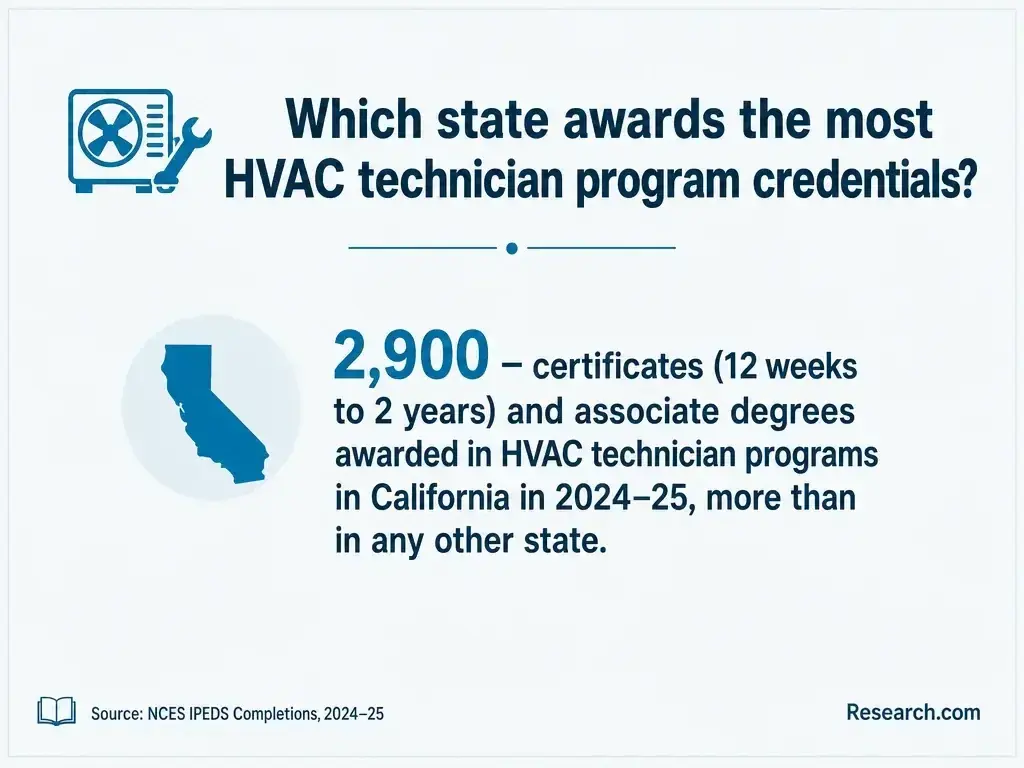
There is no reliable single Westminster average that covers community-college programs, career schools, paid apprenticeships, and employer training on comparable terms. Published tuition alone is especially misleading when one option includes equipment and another requires students to purchase it. Request a written, current quote before treating any program as the least expensive.
For a usable comparison, ask providers to itemize the following costs and offsets:
- School charges: tuition, mandatory fees, books, software, and consumable lab materials.
- Career-entry expenses: tools, meters, personal protective equipment, EPA exam fees, and transportation to labs or worksites.
- Offsets and trade-offs: grants, eligible federal or state aid, employer-paid training, apprenticeship wages, borrowing costs, and earnings forgone while studying.
Federal aid depends on the student, institution, and eligible program; check with the school and Federal Student Aid rather than assuming a short course qualifies. Colorado workforce offices may also assess eligibility for training assistance (Colorado Department of Labor and Employment). For HVAC, comparing practical training and paid-work opportunities is more useful than borrowing a cost benchmark from an affordable phd guide.
Depending on the route, you may earn a school certificate or diploma, an associate degree from an eligible college program, or a registered-apprenticeship completion credential. These are not interchangeable: ask employers which they recognize for the work you want. EPA Section 608 certification is separate from a school award and is required when technicians perform covered refrigerant work (U.S. Environmental Protection Agency).
Ask whether a shorter credential's coursework can later count toward a longer program, and get any transfer or advanced-standing agreement in writing. If you already have relevant work experience, ask whether it can reduce duplicated instruction; do not assume that experience automatically waives lab, examination, or apprenticeship requirements.
Requirements vary by provider and pathway. A school may specify prior schooling, placement steps, or prerequisites for technical coursework; an apprenticeship sponsor or employer may also assess work readiness, availability, and access to jobsites. The provider's current admissions policy - not a general description of HVAC careers - is the authoritative source for its requirements.
Before applying, ask about evening schedules, physical demands, required tools at entry, and whether you must travel beyond Westminster for labs or work. If you are pursuing a paid apprenticeship, ask when applications open and whether selection and job placement occur before instruction begins. That distinction can affect both your start date and your ability to earn while learning.
Relevant training covers refrigeration cycles, electrical circuits and controls, heating systems, airflow, system installation, preventive maintenance, diagnostics, and safety (U.S. Bureau of Labor Statistics). Strong labs let students take measurements, interpret faults, and explain a repair - not merely identify components in a textbook.
Ask whether instruction addresses newer, lower-global-warming-potential refrigerants and associated safety practices. Federal technology-transition rules are changing which refrigerants can be used in certain new equipment, so familiarity with equipment currently entering service is valuable (U.S. Environmental Protection Agency). Customer communication, accurate service records, and safe work at occupied homes or businesses matter alongside technical skill.
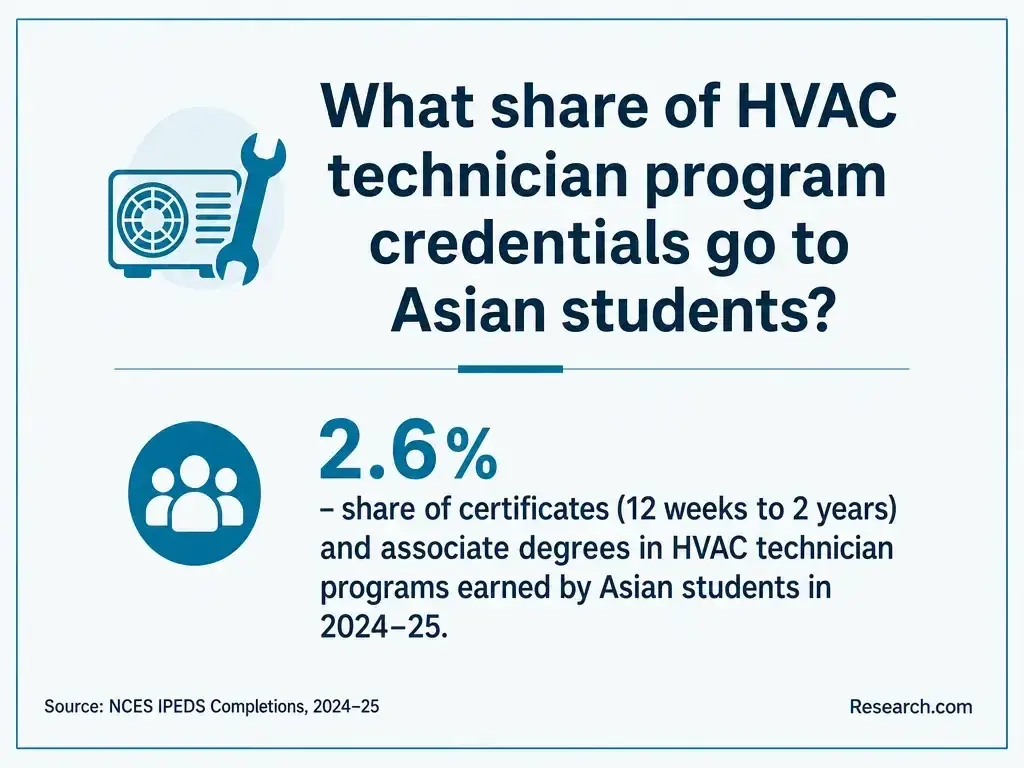
Federal requirement: Technicians who maintain, service, repair, or dispose of equipment in ways that could release regulated refrigerants must meet EPA Section 608 certification requirements. Certification types depend on the equipment, and passing the relevant approved exam - not graduating from an HVAC program - is the key step (U.S. Environmental Protection Agency).
Colorado and local rules: Do not assume a general HVAC school credential is a state occupational license. Colorado regulates certain related electrical and plumbing work separately, while contractor registration, permits, and the scope of work can depend on local rules (Colorado Department of Regulatory Agencies; City of Westminster). Before paying for training or taking independent jobs, ask the City of Westminster and the relevant Colorado regulator which requirements apply to your intended tasks. School accreditation, state school authorization, apprenticeship registration, professional certification, and permission to perform regulated work answer different questions; none automatically substitutes for the others.
Start with the job you want, then compare programs on the training needed to reach it. An affordable certificate may be sufficient for an entry-level helper role; a paid apprenticeship may make more sense if you can obtain a position and want extensive supervised work. A broader college program may suit someone who values a longer sequence of technical instruction. No route is automatically the best return on investment.
Use these checks before committing money or leaving a job:
- Ask for the credential awarded, required classroom and lab hours, and evidence of hands-on diagnostics and employer-supervised work.
- Verify institutional accreditation with its recognized accreditor, school authorization with the applicable Colorado agency, and any claimed industry recognition with the issuing organization; check EPA exam preparation separately.
- Request an itemized cost and aid estimate, then compare likely completion time, foregone earnings, debt, and potential apprenticeship or employer wages.
- Ask for program-specific completion and placement definitions, employer partners, and the tasks graduates are actually hired to perform.
A common mistake is choosing the lowest advertised tuition without checking tool costs or practical training. Another is relying on a ranking - or on a list of what trade school pays the most - as though it predicts your starting wage. A sound return-on-investment comparison considers completion probability, aid, debt, your current earnings, realistic future earnings, and how long you expect to work in the trade.
Training can lead toward installation assistance, maintenance, or supervised service work, followed by more independent residential or commercial troubleshooting as experience grows. Technicians may later specialize in controls, refrigeration, or particular building systems, or move into supervision. The precise route depends on employer requirements, demonstrated skill, and any credentials needed for the work - not a school award alone (U.S. Bureau of Labor Statistics).
If your goal is immediate paid experience, compare helper positions and apprenticeships before purchasing a lengthy classroom program. If you want a defined sequence of coursework and labs first, compare the credential and its employer connections. Searches for the easiest bachelor degree to obtain address a different decision; for HVAC entry, prioritize practical competence, relevant certification, and access to supervised work.
The U.S. Bureau of Labor Statistics projects 10.9% growth nationally from 2025 to 2035 for heating, air conditioning, and refrigeration mechanics and installers. That indicates expanding national employment, not a guaranteed opening in Westminster. Replacement needs and local hiring also matter, so review current Denver-area postings for required experience, EPA certification, driving expectations, and the systems employers service.
For a local decision, compare the commute to potential employers and training worksites with your willingness to travel for service calls. A program with meaningful Denver-area employer relationships may improve access to interviews, but ask for verifiable outcomes rather than assuming a placement claim guarantees work.
Most Affordable HVAC Technician Schools & Training in Westminster for 2027
Investing in training is an important decision, so Research.com evaluates programs against others in the same occupation and location rather than against unrelated schools. Only programs with completions reported to the Integrated Postsecondary Education Data System (IPEDS) enter the ranking. That makes the comparison more consistent, but it also means an apprenticeship or employer training program absent from IPEDS may be a worthwhile option that does not appear.
For the most affordable ranking, Research.com scores tuition, cost of attendance, median student debt, and federal loan default rate. An entropy-based method assigns more weight to measures that vary more across the programs compared. Accreditation and other quality indicators are not part of this affordability score. Separately, Research.com's best-program rankings consider student outcomes, earnings and return on investment, costs and debt, and quality and recognition. In those rankings, occupation-relevant programmatic accreditation or industry recognition receives 20%, institutional accreditation 10%, student support 10%, and outcomes, earnings, and costs collectively 60%, with entropy-based weights within that final group.
The Research.com team uses the following sources to check program, cost, outcome, and recognition information. Some recognition sources cover other trades or health programs and should not be mistaken for HVAC-specific accreditation:
- IPEDS database - reported completions and institutional data.
- National Center for Education Statistics - federal education data and definitions.
- College Scorecard database - available cost, debt, and outcome measures.
- Peterson's database - supplemental institutional information.
- Commission on Accreditation of Allied Health Education Programs (CAAHEP) - recognition information for applicable health programs.
- Accrediting Bureau of Health Education Schools (ABHES) - recognition information for applicable health schools.
- Commission on Dental Accreditation (CODA) - recognition information for applicable dental programs.
- Dental Assisting National Board (DANB) - occupation-specific credential information for dental assisting.
- National Center for Construction Education and Research (NCCER) - construction-training and credential information.
- Apprenticeship.gov Partner Finder - registered-apprenticeship pathway information.
Use the ranking to identify programs worth investigating, then request current itemized prices and verify lab training, completion requirements, and employer connections yourself. More detail on the broader ranking approach appears in Research.com's methodology.
# 2 position
Frequently asked questions about HVAC technician programs in Westminster
What is the cheapest way to start HVAC training?
Compare the full cost of a public-college or career-school program with paid apprenticeships and employer-sponsored helper roles. Include tools, travel, exam fees, aid, and wages earned during training; tuition alone cannot identify the cheapest route.
Can I become an HVAC technician entirely online?
Online lessons can teach theory, but equipment testing and safe hands-on work require in-person practice. If you expect to handle regulated refrigerants, check the separate EPA Section 608 examination requirement (U.S. Environmental Protection Agency).
Do I need an associate degree to enter the field?
No single academic credential is required for every HVAC job. Employers may consider a certificate, apprenticeship experience, or employer training. Match the route to the duties and qualifications in jobs you intend to seek.
Is EPA certification the same as a Colorado HVAC license?
No. EPA Section 608 is a federal certification for covered refrigerant work. Colorado rules for related regulated trades and Westminster contractor or permit requirements are separate questions (U.S. Environmental Protection Agency; Colorado Department of Regulatory Agencies; City of Westminster).
Is an HVAC program worth paying for?
It may be if its labs, credential, schedule, and employer connections help you reach your intended job at a manageable total cost. Compare that outcome with paid training and consider debt, completion likelihood, and earnings you would give up while studying.
- U.S. Bureau of Labor Statistics - Heating, Air Conditioning, and Refrigeration Mechanics and Installers
Used to verify salary, employment outlook, and typical education requirements.
https://www.bls.gov/ooh/installation-maintenance-and-repair/heating-air-conditioning-and-refrigeration-mechanics-and-installers.htm - NCCER - Accredited Training
Used to verify programmatic accreditation or industry recognition of programs.
https://www.nccer.org/ - NATE - Certification
Professional certification reference for graduates of this occupation.
https://natex.org/ - Front Range Community College - official website
Official school website (programs, tuition, admissions).
https://www.frontrange.edu/