Best HVAC Technician Training Programs & Trade Schools - Top HVAC Tech Schools in Massachusetts for 2026

Co-Founder and Chief Data Scientist
Choosing the right HVAC technician trade school in Massachusetts can shape your future career in a rewarding and in-demand field. This article introduces a carefully crafted HVAC technician trade school programs ranking, developed by the Research.com team of data scientists, to help you make an informed decision.
Whether you’re starting fresh or looking to upskill, earning a diploma or certification opens doors to steady work and growth opportunities. Exploring these top programs can guide you toward a path that fits your goals and lifestyle.
Discover the best options to kickstart your HVAC journey with confidence.
Key benefits of finishing HVAC technician trade school in Massachusetts
- Graduates of HVAC technician trade schools in Massachusetts can expect to earn between $27.64 and $35.42 per hour, with opportunities to grow their salary up to $60 per hour as they gain experience and certifications.
- Career paths for graduates include roles as residential or commercial HVAC technicians, refrigeration specialists, or system installers, similar to those from well-known local trade schools like the New England Institute of Technology.
- Completing HVAC training online offers flexibility for busy students, allowing them to learn at their own pace while balancing work or family, as experienced by graduates from popular online programs based in Massachusetts.
- Best HVAC Technician Training Programs & Trade Schools - Top HVAC Tech Schools in Massachusetts for 2026
- What can I expect from HVAC technician trade schools in Massachusetts?
- Where can I work after finishing HVAC technician trade schools in Massachusetts?
What can I expect from HVAC technician trade schools in Massachusetts?
Expect a hands-on, immersive experience when joining an HVAC technician trade school program in Massachusetts. Graduates from schools like New England Institute of HVAC and Greenfield Community College often describe working directly with real residential and commercial HVAC equipment, mastering refrigeration principles, electrical wiring, and oil burner servicing. These programs typically run from 13 to 17 weeks, or up to six months at places like JVS Boston, balancing classroom learning with practical labs and even online simulations.
Many students appreciate the flexibility of day and evening classes, which accommodate those working while studying. Post-course paid internships are common, helping students transition smoothly into full-time HVAC careers. Graduates frequently highlight earning credentials like EPA 608 certification and OSHA-10 safety training, which boost confidence and employability.
Additional support such as work boots, uniforms, transportation, and meals often create a welcoming environment. Students also find motivation in milestone rewards and mentorship programs, which foster a sense of achievement and community throughout their journey.
Where can I work after finishing HVAC technician trade schools in Massachusetts?
After completing an HVAC technician trade school program in Massachusetts, graduates find themselves stepping into a thriving job market with numerous paths to explore. Popular trade schools in the state prepare students for roles in both residential and commercial sectors, allowing them to work for HVAC companies, property management firms, or even hospitals and universities maintaining complex systems.
Many graduates share how they started with hands-on residential installations, gaining confidence by repairing home heating and cooling units. Others quickly moved into commercial roles, servicing larger systems in office buildings or healthcare facilities, inspired by the variety and challenges they encountered. Certifications like the MA Refrigeration License often open doors to specialized positions, such as refrigeration specialists or HVAC controls technicians.
Some stories highlight graduates who transitioned into supervisory roles or began their own businesses, enjoying the independence and steady demand in Massachusetts. The blend of practical skills and industry connections from trade schools gives students a hopeful outlook on a rewarding, stable career.
After finishing an HVAC technician trade school program in Massachusetts, graduates often find themselves stepping into careers with an average salary around $63,127 per year, or about $30.35 hourly. Many recent graduates from well-known trade schools in the state share how their first jobs started at rates between $24.13 and $34.90 per hour, reflecting the 25th to 75th percentile wage range. This real-world pay aligns with their expectations and fuels excitement about their new career paths.
Some graduates working in commercial services or with specialized skills report hourly rates climbing up to $40 or even $60, especially when overtime is factored in, adding roughly $6,750 annually to their earnings. One common story is of graduates leveraging overtime opportunities to boost their income significantly while gaining valuable experience.
Massachusetts stands out compared to the national average salary of about $57,300 per year, making it a smart place for HVAC technicians to grow their careers. As demand grows by an expected 9% through 2033, many graduates feel optimistic about stable job prospects and steady salary increases in this thriving field.
- Most HVAC trade schools in Massachusetts require a high school diploma or GED, with some programs allowing enrollment without one if additional testing is completed.
- Program lengths range from 13 weeks for intensive courses to about one year for comprehensive training, covering installation, maintenance, repair, and certification preparation.
- Graduates must pass a state license exam with at least a 70% score; apprenticeships typically involve 8,000 hours of paid work and 150 hours of classroom instruction per year.
- Program costs generally range from $5,000 to $15,000, often including tools and exam fees, with some schools offering day and evening classes.
- Entry-level HVAC technicians in Massachusetts earn between $45,000 and $55,000 per year, while experienced workers can make $75,000 to $90,000 annually.
Completing an HVAC technician trade school program in Massachusetts typically takes between six months and one year, depending on the intensity and format of the course. Graduates from popular trade schools in the state often share how the condensed schedules allowed them to quickly gain hands-on skills and enter the workforce sooner than they initially expected.
For example, some programs offer accelerated tracks that combine classroom instruction with practical labs, enabling students to experience real-world HVAC systems in action while still learning theory. Many students recall feeling a rewarding sense of accomplishment as they mastered troubleshooting and installation techniques within months.
Others choose part-time or evening courses to balance work and study, extending the timeline but preserving a steady income. This flexibility in Massachusetts trade schools makes the journey feel manageable and personalized, fueling motivation through small, consistent achievements.
Ultimately, the completion time aligns with the student's personal goals and life demands, making HVAC training in Massachusetts a practical and energizing step toward a promising career.
Online and on-campus HVAC technician trade school programs in Massachusetts offer distinctly different learning experiences. Graduates from on-campus programs at places like NETTTS in North Andover often describe the satisfaction of hands-on training with real HVAC systems-wiring, refrigeration units, and ductwork-where they can immediately apply what they learn and get direct feedback from instructors. This face-to-face interaction builds confidence and practical skills essential for Massachusetts licensing, which mandates a certain number of in-person training hours.
In contrast, graduates of online programs, such as those at Bristol Community College, appreciate the flexibility to study theoretical concepts like system design and safety regulations from home, making it easier to balance work and life. Some even mention how 3D simulation labs helped them visualize complex systems, though they still arranged local internships to complete required hands-on hours.
Both paths prepare students for HVAC careers, but the choice often depends on whether you value direct workshop experience or the convenience of remote learning within Massachusetts' certification framework.
The average cost HVAC technician programs Massachusetts students encounter depends heavily on the type and length of the program they choose. Graduates from certificate programs often recall tuition fees ranging from $1,200 up to $15,000, making this route appealing for those eager to enter the workforce quickly. In contrast, associate degree programs present a larger financial commitment, with tuition fees HVAC trade schools Massachusetts typically charging between $15,000 and $35,000. Many students find that balancing these costs with their career ambitions helps them stay motivated during their studies.
For example, one graduate from the Benjamin Franklin Institute of Technology in Boston reflects on paying around $18,306 in in-state tuition for their HVAC certificate program-an investment they view as worthwhile due to the school's strong network and practical training. Similarly, students at the New England Institute of HVAC in Lowell experience affordable options with daytime programs costing about $6,975 and evening classes at $5,975, allowing for flexibility in finances and scheduling. These varied costs make it essential to evaluate tuition fees HVAC trade schools Massachusetts charge to fit personal budget constraints while aiming for quality education.
Beyond tuition, graduates routinely mention additional expenses such as application fees, textbooks, tools, and living costs which can add thousands annually. Fortunately, financial aid including federal grants, scholarships, and work-study programs often alleviate this burden. Prospective students interested in exploring their options further can visit resources outlining what are the best trade schools to find programs matching both budget and career goals.

Students pursuing HVAC technician trade school programs in Massachusetts often find a variety of financial aid options that make their education more accessible and less stressful. Many graduates recall how completing the FAFSA unlocked federal student aid like Pell Grants, which provided crucial non-repayable support toward tuition and expenses. Federal loans, including Direct Subsidized and Unsubsidized Loans, also helped cover costs beyond tuition, such as tools and living expenses during their studies.
Several trade schools, including NETTTS, offer flexible payment plans that ease financial pressure by allowing monthly installments rather than lump-sum payments. These plans, based on financial need rather than credit, helped many students manage their budgets effectively.
Massachusetts residents have additional advantages through state workforce funding and agency-sponsored programs, often coordinated by vocational schools, which offer tuition assistance or stipends for those entering high-demand fields like HVAC. Graduates from programs like Benjamin Franklin Cummings Institute of Technology have shared how free six-month training programs combined with job placement made a significant difference in launching their careers.
Veterans benefit from GI Bill® education benefits, covering tuition and sometimes living stipends, easing their transition to civilian trades. While private scholarships and union grants are less common, students who proactively seek financial aid guidance often report feeling empowered and supported throughout their training journey.
To enroll in an HVAC technician trade school program in Massachusetts, prospective students typically need a high school diploma or GED. This foundational requirement ensures that students have the basic math and science skills necessary to grasp HVAC concepts. Graduates from local trade schools often recall how their strong grounding in algebra and physics helped them quickly understand system diagnostics and repair techniques.
Many programs also recommend or require applicants to pass an entrance assessment, which might cover basic math and reading comprehension. This step can feel challenging but is designed to set students up for success, ensuring they can keep pace with the coursework.
Additional prerequisites often include:
- Proof of residency or citizenship in Massachusetts
- Physical ability to handle hands-on work involving lifting and climbing
- Basic computer literacy to navigate modern diagnostic tools
Graduates from well-known Massachusetts trade schools describe the application process as straightforward but thorough, emphasizing how these requirements prepare them for real-world HVAC challenges from day one. For many, meeting these prerequisites sparked excitement about entering a skilled trade with strong career prospects.
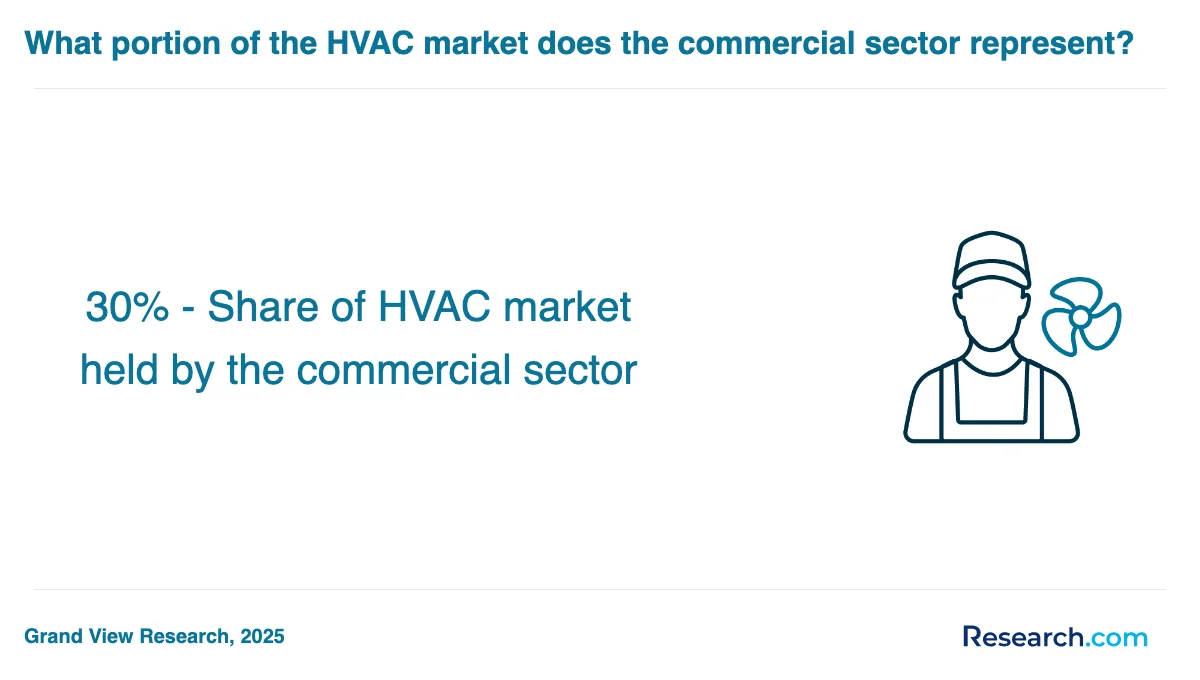
HVAC technician trade school programs in Massachusetts typically immerse students in a mix of technical knowledge and hands-on experience that prepares them for real-world challenges. Graduates often recall how fundamental HVAC theory courses helped them grasp the essentials of heating, cooling, and air distribution, making complex concepts feel approachable and relevant to everyday environments.
Students can expect to tackle essential topics such as:
- Electrical systems and circuitry, where learning to read wiring diagrams and troubleshoot electrical issues becomes second nature
- Refrigeration principles, including mastering diagnostics on compressors, evaporators, and refrigerants crucial for state licensing
- Installation, maintenance, and repair techniques practiced extensively in lab settings, as seen in programs like those at the New England Institute of HVAC and Benjamin Franklin Cummings Institute of Technology
- Preparation for certifications like EPA 608 and OSHA 10, which graduates find empowering for career advancement
Many students describe the hands-on training-such as installing ductwork or repairing malfunctioning systems-as both challenging and rewarding, providing confidence that translates directly to job readiness in Massachusetts' HVACR industry.
Massachusetts HVAC technician programs offer a range of specialized tracks that match diverse career ambitions. Graduates from schools like NETTTS and Benjamin Franklin Cummings Institute of Technology often highlight refrigeration technology as a rewarding focus, gaining hands-on skills vital for commercial food storage or healthcare facilities. Others find their niche in oil and gas heating systems, benefiting from programs at the Technology Learning Center and Southeastern Technical Institute, where preparation for the Massachusetts State Oil Burners License gives them a competitive edge in the local job market.
Many students also dive into air distribution and duct work design, mastering energy-efficient installations crucial to improving indoor air quality, a growing concern in modern buildings. Electrical controls and wiring courses, offered at various trade schools, further empower technicians to handle sophisticated HVAC diagnostics and safety requirements.
Some forward-thinking programs incorporate renewable energy technology, training students on heat pumps and solar-assisted HVAC systems, positioning them at the forefront of green innovation.
By focusing on these various Massachusetts HVAC technician program concentrations, students feel confident and motivated, often leaving with certifications such as the EPA Section 608 and progress toward refrigeration and pipefitter licenses. Many share that understanding how long does it take to become a hvac technician helped them chart a clear path forward.
Choosing from the best HVAC technician trade schools in Massachusetts means focusing on accredited programs that blend theory and hands-on practice. Graduates from institutions like Cape Cod Regional Technical High School praise the real-world lab sessions that build confidence and expertise. Others from Massasoit Community College highlight how well the curriculum prepared them for Massachusetts HVAC licensing exams, making the learning experience feel relevant and achievable. These top HVAC technician programs in Massachusetts often feature instructors with deep field experience, which students find inspiring and motivating, helping bridge classroom lessons with industry realities.
Financial flexibility and job placement support also matter. Many students who completed their training at the New England Institute of HVAC mention the advantage of flexible scheduling and the career assistance they received, which eased the transition into the workforce. To explore opportunities beyond local schools, consider researching the best vocational trade programs that can offer additional pathways and resources tailored to your goals.
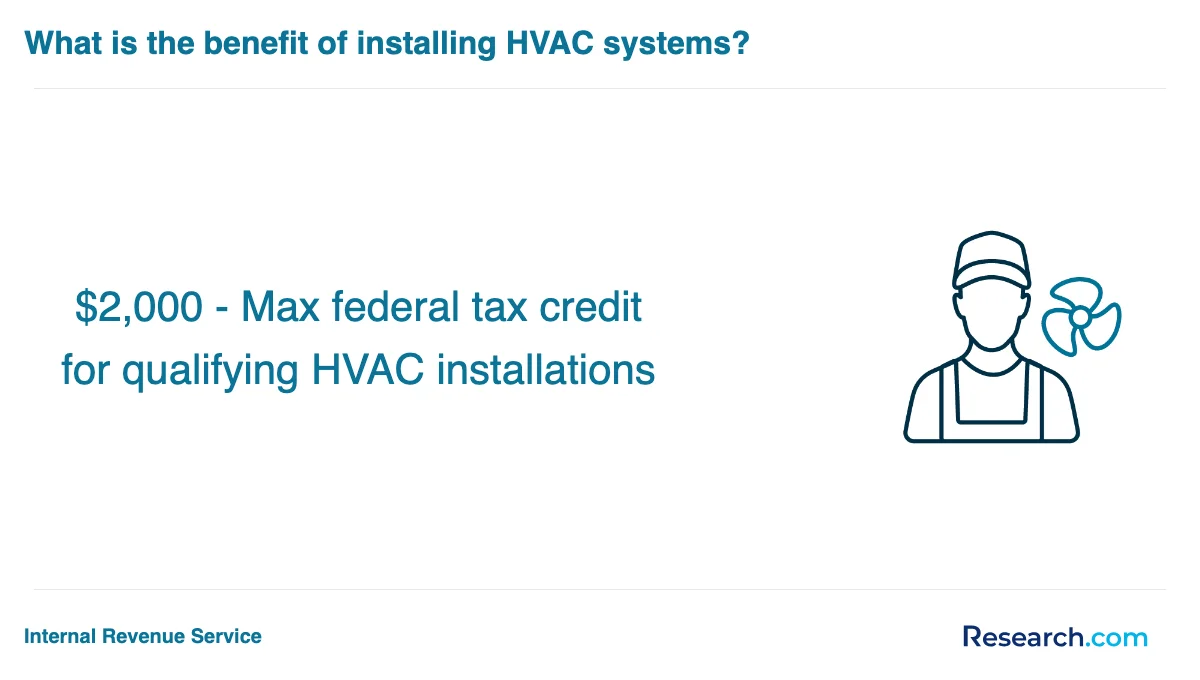
Graduates of HVAC technician trade school programs in Massachusetts often launch their careers as service technicians or installers, gaining hands-on experience with heating, ventilation, air conditioning, and refrigeration systems in diverse settings-from Boston's urban commercial buildings to residential homes on Cape Cod. These entry-level roles open doors to numerous HVAC career opportunities Massachusetts offers, allowing graduates to build confidence and skill in a rapidly growing industry.
With time, many advance to specialized positions such as lead installers, senior technicians, or HVAC controls technicians who handle automation and advanced system management. Some graduates who complete popular programs benefit from the strong demand for licensed refrigeration contractors regulated by Massachusetts authorities, securing higher responsibility and earnings. Others pursue entrepreneurial paths by becoming independent contractors or launch their own businesses after acquiring state licenses.
Key career avenues include:
- Residential and commercial HVAC technician jobs in Massachusetts, involving installation and maintenance.
- Supervisory and specialized roles focusing on HVAC controls and automation.
- Independent contracting and HVAC business ownership following licensing.
- Related areas like energy management and building automation.
Graduates from well-known Massachusetts trade schools often emphasize how training programs prepare them for these roles, reinforcing their excitement about entering a field with competitive salaries and strong job growth. Those researching their options might also explore cheap maintenance technician online courses to supplement their skills or accelerate career entry.
The HVAC technician job outlook in Massachusetts is promising for recent trade school graduates. Many find that completing programs at popular Massachusetts trade schools leads directly to employment, thanks to the state's steady demand for skilled technicians. Graduates often share how hands-on training coupled with industry certifications prepares them well for roles ranging from residential maintenance to commercial HVAC system installations.
Massachusetts HVAC technician employment opportunities frequently offer competitive starting salaries, with many technicians earning between $24 and $35 per hour early in their careers. Experienced workers can access higher wages, especially in cities like Boston or Springfield, where commercial growth fuels demand. Graduates express enthusiasm about overtime possibilities and advancing by specializing in energy-efficient systems or smart HVAC technologies.
Real-life scenarios from graduates highlight:
- Swift job placements due to connections between schools and local employers
- Positive experiences balancing classroom learning with on-the-job apprenticeship
- Skills gained that meet evolving market needs
For those still weighing paths in the field, comparing online hvac programs vs apprenticeships can clarify the best approach to entering this growing Massachusetts market.
Best HVAC Technician Training Programs & Trade Schools - Top HVAC Tech Schools in Massachusetts for 2026
# 1 position
Motoring Technical Training Institute - Heating, Air Conditioning, Ventilation and Refrigeration Maintenance Technology/Technician.
certificate or diplomaThe Heating, Air Conditioning, Ventilation and Refrigeration Maintenance Technology/Technician program at Motoring Technical Training Institute is a hybrid course designed to teach repair, installation, service, and maintenance of HVAC and refrigeration systems. Students learn diagnostic techniques, use of testing equipment, and principles of mechanics, electricity, and electronics. Graduates have a median earning of $51,281 one year after completion. The program is accredited by the Accrediting Commission of Career Schools and Colleges.
# 2 position
Southeastern Technical Institute - Heating, Air Conditioning, Ventilation and Refrigeration Maintenance Technology/Technician.
certificate or diplomaThe Heating, Air Conditioning, Ventilation and Refrigeration Maintenance Technology/Technician program at Southeastern Technical Institute offers a hybrid format with some distance-education options. It prepares students to repair, install, service, and maintain heating, air conditioning, and refrigeration systems. Instruction covers diagnostic techniques, testing equipment use, and principles of mechanics, electricity, and electronics related to these systems. The program is accredited by the Council on Occupational Education.
# 3 position
New England Tractor Trailer Training School of Massachusetts - Heating, Air Conditioning, Ventilation and Refrigeration Maintenance Technology/Technician.
certificate or diplomaThe Heating, Air Conditioning, Ventilation and Refrigeration Maintenance Technology/Technician program at New England Tractor Trailer Training School of Massachusetts prepares students to repair, install, service, and maintain heating, air conditioning, and refrigeration systems. The hybrid program includes instruction in diagnostic techniques, testing equipment use, and principles of mechanics, electricity, and electronics. Median earnings one year after completion are $42,532. The program is accredited by the Accrediting Commission of Career Schools and Colleges.
# 4 position
Technology Learning Center - Heating, Air Conditioning, Ventilation and Refrigeration Maintenance Technology/Technician.
certificate or diplomaThe Heating, Air Conditioning, Ventilation and Refrigeration Maintenance Technology/Technician program at Technology Learning Center trains individuals to repair, install, service, and maintain HVAC and refrigeration systems. It includes instruction in diagnostic techniques, testing equipment use, and principles of mechanics, electricity, and electronics relevant to these systems. The program is accredited by the Accrediting Commission of Career Schools and Colleges.
# 5 position
Springfield Technical Community College - Heating, Air Conditioning, Ventilation and Refrigeration Maintenance Technology/Technician.
associateSpringfield Technical Community College offers a hybrid program in Heating, Air Conditioning, Ventilation and Refrigeration Maintenance Technology/Technician. The curriculum prepares students to repair, install, service, and maintain HVAC and refrigeration systems, covering diagnostic techniques, testing equipment, and principles of mechanics, electricity, and electronics. The program is accredited by the New England Commission on Higher Education. Annual in-state tuition is $5,520, and median earnings one year after completion are $31,369.
# 6 position
Springfield Technical Community College - Heating, Air Conditioning, Ventilation and Refrigeration Maintenance Technology/Technician.
certificate or diplomaSpringfield Technical Community College offers a hybrid program in Heating, Air Conditioning, Ventilation and Refrigeration Maintenance Technology/Technician. The program prepares students to repair, install, service, and maintain HVAC and refrigeration systems using diagnostic techniques and testing equipment. Instruction covers mechanics, electricity, and electronics related to these systems. Annual in-state tuition is $5,520. The program is accredited by the New England Commission on Higher Education. Median earnings one year after completion are $31,369.
# 7 position
Massasoit Community College - Heating, Air Conditioning, Ventilation and Refrigeration Maintenance Technology/Technician.
associateMassasoit Community College offers a hybrid program in Heating, Air Conditioning, Ventilation, and Refrigeration Maintenance Technology/Technician. The curriculum prepares students to repair, install, service, and maintain HVAC and refrigeration systems, emphasizing diagnostic techniques and the use of specialized testing equipment. Instruction covers mechanics, electricity, and electronics relevant to these systems. The annual in-state tuition is $5,376. The program is accredited by the New England Commission on Higher Education.
# 8 position
Quinsigamond Community College - Heating, Air Conditioning, Ventilation and Refrigeration Maintenance Technology/Technician.
certificate or diplomaQuinsigamond Community College offers a hybrid Heating, Air Conditioning, Ventilation and Refrigeration Maintenance Technology/Technician program. This program prepares students to repair, install, service, and maintain HVAC and refrigeration systems. Instruction covers diagnostic techniques, testing equipment, and mechanical, electrical, and electronic principles relevant to these systems. The annual in-state tuition is $5,974. The program is accredited by the New England Commission on Higher Education.
# 9 position
Benjamin Franklin Cummings Institute of Technology - Heating, Air Conditioning, Ventilation and Refrigeration Maintenance Technology/Technician.
certificate or diplomaThe Heating, Air Conditioning, Ventilation and Refrigeration Maintenance Technology/Technician program at Benjamin Franklin Cummings Institute of Technology prepares students to repair, install, service, and maintain HVAC and refrigeration systems. The hybrid program covers diagnostic techniques, testing equipment, mechanics, electricity, and electronics relevant to these systems. Annual in-state tuition is $18,906. Median earnings one year after completion reach $29,266. The program is accredited by the New England Commission on Higher Education.
Frequently Asked Questions about HVAC technician
After completing an HVAC technician trade school in Massachusetts, preparing for the job market involves several key steps. First, obtaining EPA Section 608 certification is essential, as it allows technicians to handle refrigerants legally. Many employers in Massachusetts require this certification.
Next, gaining hands-on experience through internships or apprenticeships can significantly improve job prospects. The Massachusetts Division of Apprentice Standards supports registered apprenticeship programs that combine paid work with classroom instruction.
Networking is also important. Joining professional organizations like the Refrigeration Service Engineers Society (RSES) or local trade unions can provide job leads and industry connections.
Finally, Massachusetts reports a steady demand for HVAC technicians, with the U.S. Bureau of Labor Statistics projecting a 6% growth in the field through 2032, making timely job preparation critical.
Employers in Massachusetts prioritize several key skills when hiring HVAC technician trade school graduates. Technical proficiency in installing, repairing, and maintaining heating, ventilation, and air conditioning systems is essential. According to the U.S. Bureau of Labor Statistics, strong knowledge of electrical systems and refrigeration technology significantly improves job prospects.
Additionally, employers value problem-solving abilities and familiarity with digital diagnostic tools, reflecting the increasing use of smart HVAC technology. Communication skills are also important, as technicians often explain issues and solutions to clients.
Massachusetts employers expect graduates to understand safety regulations and local building codes to ensure compliance during installations and repairs. Hands-on experience through apprenticeships or internships is highly regarded in this competitive job market.
Finding internships in Massachusetts relevant to HVAC technician trade school programs involves several practical steps. Start by contacting the career services office of your trade school, as many maintain partnerships with local HVAC companies offering internship opportunities. The Massachusetts Clean Energy Center (MassCEC) and the Massachusetts Department of Career Services also list apprenticeship and internship programs focused on HVAC and energy-efficient technologies.
Networking through local trade unions such as the United Association Local 4 can provide access to registered apprenticeship programs. Additionally, websites like MassHire and the U.S. Department of Labor's apprenticeship.gov offer updated listings of HVAC internships and apprenticeships in Massachusetts.
According to the Massachusetts Executive Office of Labor and Workforce Development, HVAC-related apprenticeship openings have grown by approximately 10% annually over recent years, reflecting strong demand. Securing an internship early can greatly enhance hands-on experience and job prospects in this competitive field.
Obtaining a HVAC technician trade school diploma in Massachusetts significantly enhances career mobility and advancement opportunities. According to the Massachusetts Executive Office of Labor and Workforce Development, the demand for skilled HVAC technicians is expected to grow by 10% through 2030, faster than the average for all occupations.
A diploma from an accredited trade school provides the technical knowledge and hands-on experience employers seek, often leading to higher starting wages compared to those without formal training. Graduates typically qualify for state licensing exams, a requirement for many advanced HVAC positions.
Moreover, diploma holders can pursue specialized certifications in refrigeration or energy efficiency, which can open doors to supervisory roles and increased earning potential.
With Massachusetts' focus on green building and energy-efficient systems, trained HVAC technicians are well-positioned for long-term career growth in this evolving industry.
Students enrolled in HVAC technician trade schools in Massachusetts can benefit from various part-time job opportunities that enhance their practical skills. Entry-level roles such as HVAC helpers or apprentices allow students to gain hands-on experience with installation, maintenance, and repair under the supervision of licensed technicians. These positions often pay between $15 and $20 per hour, according to data from the U.S. Bureau of Labor Statistics for the Massachusetts area.
Retail positions at home improvement stores like Home Depot or Lowe's can also complement training by familiarizing students with HVAC equipment and customer service. Additionally, seasonal roles in construction or facilities maintenance provide exposure to real-world HVAC systems, helping students develop technical proficiency while earning income.
To find the best HVAC Technician degree programs near Massachusetts, you can start by searching online for programs and universities that offer HVAC courses within the state and nearby regions. Utilize Research.com as a helpful resource to compare program rankings and curriculums to determine which might be the best fit for you. Additionally, contacting local community colleges and vocational schools can provide insight into available training opportunities near me that meet industry standards.
- Best HVAC Technician Training Programs & Trade Schools - Top HVAC Tech Schools in New York for 2026
- Best HVAC Technician Training Programs & Trade Schools - Top HVAC Tech Schools in Maine for 2026
- Best HVAC Technician Training Programs & Trade Schools - Top HVAC Tech Schools in Pennsylvania for 2026
- Best HVAC Technician Training Programs & Trade Schools - Top HVAC Tech Schools in Delaware for 2026
- Best HVAC Technician Training Programs & Trade Schools - Top HVAC Tech Schools in Maryland for 2026
- Best HVAC Technician Training Programs & Trade Schools - Top HVAC Tech Schools in West Virginia for 2026
- Best HVAC Technician Training Programs & Trade Schools - Top HVAC Tech Schools in Kentucky for 2026
- Best HVAC Technician Training Programs & Trade Schools - Top HVAC Tech Schools in North Carolina for 2026
- Best HVAC Technician Training Programs & Trade Schools - Top HVAC Tech Schools in Michigan for 2026
- Best HVAC Technician Training Programs & Trade Schools - Top HVAC Tech Schools in Illinois for 2026
- Schools Offering HVAC Training in Massachusetts (MA) https://www.hvacclasses.org/schools/massachusetts
- New England Institute of HVAC | HVAC Training School & Certification Program https://newenglandhvac.com/
- Key Factors to Consider When Choosing HVAC Trade Schools https://nettts.com/hvac/important-considerations-when-comparing-hvac-trade-schools/
- HVAC Schools in Massachusetts - Get Local Training https://hvacprograms.net/ma/
- HVAC&R Technology - Certificate - Benjamin Franklin Cummings Institute of Technology https://franklincummings.edu/academics/academic-programs/hvacr/
- HVAC School in Massachusetts | Training for HVAC Jobs in MA https://www.hvacschool.org/massachusetts/
- Technology Learning Center (TLC): HVACR 101 HVACR Technician Program https://tlctech.edu/hvac-technician-program
- HVAC Trade Schools: HVAC Training Programs | Fortis https://www.fortis.edu/programs/skilled-trades/heating--ventilation--air-conditioning-and-refrigeration-trades.html
- Find HVAC Trade Schools - Diploma & Associate Degree Programs https://www.trade-schools.net/trades/hvac
- Ventilation Trade School | Chicago, IL | HVAC Tech https://www.hvac-tech.com/