Most Affordable HVAC Technician Schools & Training - Budget-Friendly HVAC Trade Programs in South for 2026

Co-Founder and Chief Data Scientist
Choosing the right HVAC technician trade school is a big step toward a rewarding career. For students in the South, finding affordable programs that offer quality training is essential.
This article features a HVAC technician trade school programs ranking created by the Research.com team of data scientists. It’s designed to help you make an informed choice about which schools truly stand out.
By exploring this guide, you’ll discover programs that fit your budget and goals, setting you up for success in a growing industry.
Key benefits of finishing HVAC technician trade school in South
- Graduates from HVAC technician trade schools in the South can expect an average starting salary around $54,100 per year, with experienced technicians earning up to $77,200 annually, offering strong financial stability.
- Career paths include roles such as installation, maintenance, and system design, with many graduates quickly advancing by gaining certifications and hands-on experience from popular trade schools in the region.
- Completing an HVAC program online provides flexibility for working students and faster completion times, as shown by graduates from well-known South-based online trade schools who balance study and work effectively.
- Most Affordable HVAC Technician Schools & Training - Budget-Friendly HVAC Trade Programs in South for 2026
- What can I expect from HVAC technician trade schools in South?
- Where can I work after finishing HVAC technician trade schools in South?
What can I expect from HVAC technician trade schools in South?
Students enrolling in HVAC technician trade school programs in the South can expect a hands-on, practical education designed to prepare them for entry-level roles. Programs typically last around 10 to 12 months, with options for daytime, evening, and part-time classes to fit various schedules. Graduates from popular institutions like Southern Technical College often describe a curriculum that balances HVAC fundamentals, refrigeration theory, and system design with real-world practice.
Many students appreciate the small class sizes, which allow them to work closely with experienced instructors and gain confidence through direct interaction. Hands-on training with actual HVAC equipment and simulations builds technical skills and problem-solving abilities, making the learning experience both engaging and rewarding.
Programs also emphasize important certifications such as the EPA 608, crucial for handling refrigerants legally. Career support services, including resume workshops and interview coaching, help graduates transition smoothly into the workforce, fostering excitement about entering the HVAC field in residential or commercial environments.
Where can I work after finishing HVAC technician trade schools in South?
After completing an HVAC technician trade school program in the South, graduates find diverse employment opportunities across multiple industries. Many secure positions with mechanical contractors, construction companies, or specialized HVAC service providers, gaining hands-on experience installing and maintaining heating, ventilation, air conditioning, and refrigeration systems. For example, graduates from well-known South Carolina trade schools often join commercial HVAC teams, such as those working with Trane in North Charleston, where they troubleshoot complex climate control systems in large facilities.
Other graduates find rewarding careers within educational institutions like the University of Southern Indiana or The Citadel in Charleston. These roles involve maintaining campus-wide HVAC systems, operating building automation, and performing preventive maintenance, offering a stable work environment and opportunities to develop skills in electrical schematics and refrigerant handling.
Positions in healthcare facilities, government buildings, and large commercial operations also provide steady demand for technicians. Many graduates appreciate the mix of routine maintenance and emergency callouts, which keeps the work engaging and dynamic while offering chances for overtime and higher pay with certifications.
Graduates from HVAC technician trade schools in the South can expect starting salaries generally ranging from $41,000 to $54,000 per year. For example, many recent graduates from well-known Southern trade schools report beginning their careers earning around $51,200 annually in South Carolina or approximately $41,572 in Alabama. These figures reflect real opportunities for those entering the field, offering a stable income right after completing their training.
As graduates gain experience, their earnings tend to rise noticeably. Intermediate technicians often see salaries near $65,700 per year, while senior HVAC techs can earn upwards of $77,200. Many graduates describe feeling confident and optimistic watching their paychecks grow as they develop skills and earn certifications that employers highly value.
In metropolitan areas like New Orleans, graduates find competitive wages, sometimes exceeding $53,000, which helps balance living costs. Hands-on training provided by Southern trade schools equips students to meet local demand, making their transition into the workforce smoother and more rewarding.
- HVAC technician programs in the South typically take about 10 months to complete, combining classroom and hands-on training.
- Admission usually requires a high school diploma or equivalent, with some programs open to high school juniors and seniors.
- The average cost is around $263 per credit hour, with textbooks and materials often included in tuition.
- Graduates are prepared for certifications like EPA Section 608, NATE Ready to Work, and HVAC Excellence certificates.
- Entry-level HVAC technicians earn between $34,000 and $45,000 annually, with experienced workers making $50,000 to $60,000 or more.
Completing an HVAC technician trade school program in the South typically takes between six months and one year, depending on the school and the depth of the curriculum. Many students find that accelerated programs offered by popular trade schools in the region allow them to quickly gain the technical skills and certifications needed to enter the workforce.
Graduates often share how the focused, hands-on training helped them feel confident in real-world scenarios, such as troubleshooting residential AC systems or installing commercial heating units. These programs balance classroom theory with practical lab work, enabling students to build expertise efficiently.
For example, attending a well-regarded Southern trade school often means completing around 600 to 900 hours of instruction, which can fit into a full-time schedule of 4 to 5 days per week. Students appreciate how this structure respects their time while providing thorough preparation for the HVAC field.
Many graduates recall feeling motivated by the swift progress made during their program, making the relatively short duration feel rewarding and purposeful toward launching a new career.
The key difference between online and on-campus HVAC technician trade school programs in the South lies in how students gain practical skills. On-campus programs, like those at Southern Technical College in Florida or South Florida Academy of Air Conditioning, require students to be physically present for hands-on training. Graduates often recall the confidence built from working directly with HVAC systems-installing units, troubleshooting issues, and receiving real-time instructor feedback. These immersive experiences are vital, as HVAC work demands familiarity with actual equipment and real-world scenarios.
In contrast, online programs in the South primarily focus on theoretical coursework, such as system design and safety regulations, delivered through digital platforms. For example, Florida State College at Jacksonville does not offer fully online certificates because essential skills like brazing copper and wiring must be mastered in person. Many students appreciate the flexibility online modules provide but recognize that full certification and employment readiness depend heavily on hands-on practice available only on campus.
Ultimately, Southern HVAC students value on-campus programs for their direct skill development, which is crucial for career success in this trade.
The average cost HVAC technician trade school South 2026 varies depending on the type of institution and program length. For many students attending vocational and trade schools in the South, tuition typically falls between $15,000 and $20,000 for programs lasting around 9 months to a year. Graduates from these schools often recall a hands-on, intensive training experience that prepared them thoroughly for careers in HVAC, making the investment feel worthwhile and motivating. These programs balance classroom instruction with real-world application, which many find engaging and confidence-boosting.
In contrast, community colleges offer more affordable HVAC technician programs, especially for in-state students, with annual tuition averaging about $2,580 in Southern states like Florida. Out-of-state tuition is higher, around $9,380, but still accessible. Graduates frequently emphasize the advantage of earning an associate degree or certificate at a lower cost while gaining valuable certifications. This affordability appeals to those seeking reliable and affordable HVAC technician programs Southern United States 2026.
Additional costs such as books, tools, and certifications may add $1,000 to $3,500, but many students report that the overall outcome and potential earnings justify the initial expenses. For those looking into options, exploring what are the best trade school programs in the region helps identify reputable schools offering strong HVAC programs with manageable costs and flexible learning formats.

Students pursuing HVAC technician programs in the South often rely on federal financial aid, including Pell Grants and low-interest student loans, by completing the FAFSA. Graduates from popular Southern trade schools report relief from tuition costs thanks to these funds, which can cover essential expenses without immediate repayment obligations. However, eligibility varies-some shorter certificate programs may not qualify-so checking with the school's financial aid office is crucial.
Scholarships specifically for HVAC students also play a vital role. Many Southern students have benefited from awards like the EGIA Foundation HVAC Scholarship, which offers up to $2,500, easing the financial burden. Programs such as the HVAC Excellence Scholarship and the Women in HVACR Scholarship Program provide targeted support, especially encouraging for women entering this field.
Additionally, institutional scholarships and tuition discounts offered by Southern technical colleges create more affordable pathways. Graduates often share how these school-based aids, combined with federal and national scholarships, made their HVAC training accessible and less stressful financially.
To enroll in an HVAC technician trade school program in the South, applicants typically need to meet a few essential prerequisites that ensure readiness and commitment to the profession. Most trade schools require a high school diploma or GED, reflecting a basic educational foundation necessary for technical training.
Applicants also often must be at least 18 years old, aligning with safety and legal standards for hands-on training. Some programs recommend or require basic math and reading proficiency, which are crucial for understanding HVAC systems and safety protocols.
Graduates from popular Southern trade schools frequently mention that having a genuine interest in mechanical work and problem-solving greatly enhances the learning experience. For example, students often share how early exposure to household HVAC issues motivated them to pursue formal training.
- High school diploma or GED
- Minimum age of 18 years
- Basic proficiency in math and reading
- Strong interest in mechanical systems and troubleshooting
Many Southern trade schools provide preparatory courses or assessments to help students meet these prerequisites, ensuring a smooth transition into the program and building confidence from day one.
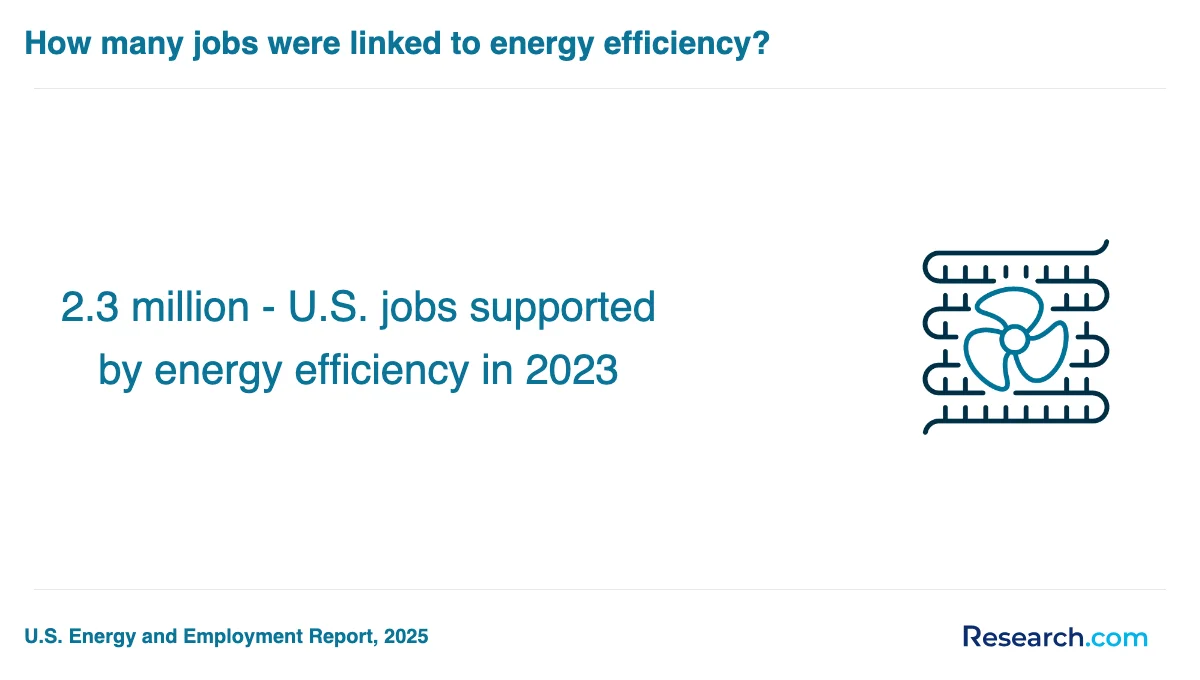
HVAC technician trade school programs in the South typically offer a comprehensive curriculum designed to equip students with both theoretical knowledge and practical skills. Graduates from popular schools such as SouthernTech and AC & Refrigeration Training Center highlight the value of hands-on experience combined with essential industry certifications.
Core courses often include:
- HVAC fundamentals: Learning basic principles like thermodynamics, airflow, and system components, which form the backbone of all HVAC work.
- Electricity, motors, and controls: Training on wiring diagrams, electrical safety, and troubleshooting electrical faults, vital for modern HVAC systems.
- Residential air-conditioning and heating systems: Covering installation, repair, and maintenance of home units, preparing students for everyday residential tasks.
- Commercial refrigeration systems: Focused on equipment used in grocery stores and restaurants, including walk-in coolers and freezers, as taught at Southeast Technical College.
- System troubleshooting and diagnostics: Using both traditional and computerized tools to identify and fix system faults efficiently.
- EPA Section 608 refrigerant handling: Ensuring compliance with federal regulations and safety standards.
Students often appreciate the balance between classroom learning and practical lab work, with programs ranging from a few months to two years. This structure allows working individuals to find flexible options while gaining confidence to tackle real-world HVAC challenges across Southern communities.
HVAC technician specializations in Southern United States trade school programs are diverse and designed to prepare students for real-world scenarios in the HVAC industry. Graduates from Texas institutions, like Southern Careers Institute, frequently praise their hands-on training in installation, maintenance, and repair of both residential and commercial temperature control systems. These programs often emphasize trade safety, energy conservation, and system design, equipping students to confidently handle venting, ducting, and troubleshooting tasks.
Southern HVAC trade school program specializations in South Carolina highlight advanced skills through certificates in HVAC/R mechanics, commercial and industrial HVAC/R applications, and refrigeration fundamentals. Students at colleges such as Trident Technical College and Greenville Technical College report feeling ready to tackle complex electrical and gas heating issues, thanks to strong curricula focused on practical knowledge and industry codes.
Florida programs add another layer by emphasizing energy management and green technology, training technicians to implement energy-efficient and environmentally friendly HVAC solutions. Those exploring Southern HVAC trade school program specializations should consider these comprehensive options to maximize career readiness and growth potential.
Prospective students interested in further exploring opportunities can check out the top vocational trade online schools for additional resources and program options.
To select the best HVAC trade schools in the South, start by verifying accreditation from recognized agencies like HVAC Excellence or PAHRA, as this ensures quality education and better job prospects. Graduates from schools such as Georgia Piedmont Technical College often praise the strong curriculum quality and hands-on training, which helped them confidently operate modern HVAC systems in real work environments.
Consider schools that offer robust job placement rates and have established industry connections. Many Southern institutions maintain partnerships with local HVAC employers, providing graduates with smooth transitions into the workforce. For instance, Northwest Louisiana Technical College students frequently highlight how these connections led directly to employment opportunities.
Flexibility in program length and schedule is crucial. Some prefer accelerated certificates, while others opt for associate degrees with evening or weekend classes to balance work and study. Cost and financial aid options are also key factors to assess when comparing programs.
Finally, evaluate facilities and support services to ensure a rich learning experience. Understanding how long to become an hvac technician influences your choice, and more details can be found how long to become an hvac technician.
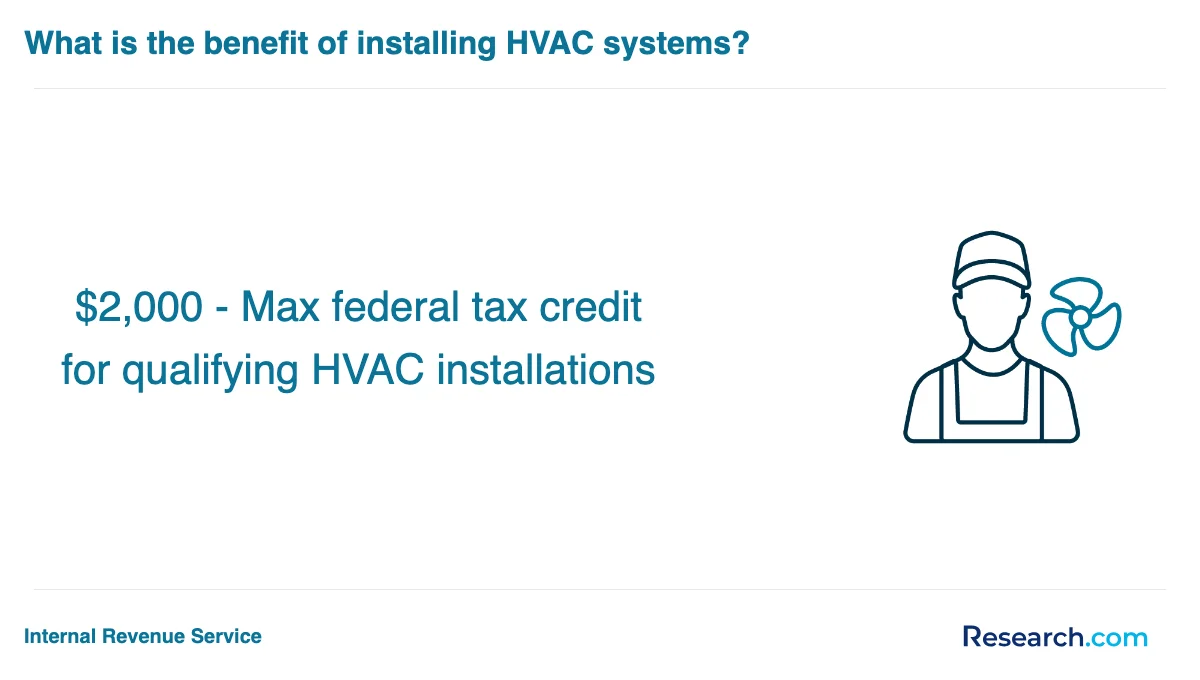
Graduates of HVAC technician trade schools in the South have access to a broad spectrum of HVAC technician jobs in the South, reflecting the region's high demand and diverse industry needs. Entry-level roles commonly involve hands-on work as HVAC apprentices, helpers, or residential service technicians, where graduates gain practical skills installing and maintaining heating and cooling systems in homes and businesses.
With experience, many advance to mid-level positions such as systems designers or service managers, often overseeing projects or working in sales and marketing. Southern trade schools emphasize training in emerging areas like energy-efficient technologies and smart HVAC systems, equipping graduates to meet evolving market demands. For example, several graduates from popular Southern programs report successfully transitioning into roles specializing in green building compliance and automation systems.
Advanced HVAC career paths for Southern trade school graduates include becoming building automation systems engineers, code inspectors, or instructors. Graduates also find opportunities as refrigeration technicians or can explore entrepreneurship by starting their own HVAC businesses.
Those undecided between hands-on roles or technical credentials can benefit from understanding the hvac certification vs apprenticeship comparison to choose the best route for their career goals.
The HVAC job market in Southern states is exceptionally favorable for graduates of HVAC technician trade school programs. With the South's hot and humid climate driving constant demand for heating and cooling services, graduates from well-regarded southern trade schools find themselves stepping into abundant employment opportunities. Many former students share how their hands-on training at popular vocational schools directly translated into job offers quickly after graduation, often at companies eager to fill positions amid a critical workforce shortage.
Key factors boosting HVAC technician employment trends South include:
- A projected 5% national growth in HVAC jobs by 2032, with Southern states leading due to climate needs.
- Industry shortages amounting to over 42,000 annual HVAC job openings, motivating employers to hire aggressively.
- Emerging environmental regulations, such as the 2025 EPA refrigerant ban, increasing demand for skilled technicians versed in new technologies.
Salary prospects in the region are strong, with entry-level technicians earning approximately $26 per hour and room to grow. Technical graduates often remark on the tangible benefits of their training, praising programs that emphasize energy-efficient systems aligned with industry shifts.
For those exploring educational options, low cost online maintenance technician trade school programs also provide flexible paths to enter this expanding field while accommodating diverse lifestyles.
Most Affordable HVAC Technician Schools & Training - Budget-Friendly HVAC Trade Programs in South for 2026
# 1 position
Georgia Northwestern Technical College - Heating, Air Conditioning, Ventilation and Refrigeration Maintenance Technology/Technician.
certificate or diplomaGeorgia Northwestern Technical College offers a Hybrid program in Heating, Air Conditioning, Ventilation and Refrigeration Maintenance Technology/Technician. The curriculum trains students to repair, install, service, and maintain HVAC and refrigeration systems, emphasizing diagnostic techniques and technical skills in mechanics, electricity, and electronics. Annual in-state tuition is $3,132. Graduates earn a median income of $30,324 one year after completion. The program is accredited by the Southern Association of Colleges and Schools Commission on Colleges.
# 2 position
Wharton County Junior College - Heating, Air Conditioning, Ventilation and Refrigeration Maintenance Technology/Technician.
certificate or diplomaThe Heating, Air Conditioning, Ventilation and Refrigeration Maintenance Technology/Technician program at Wharton County Junior College prepares students to repair, install, service, and maintain heating, air conditioning, and refrigeration systems. The hybrid program includes instruction on diagnostic techniques, testing equipment, and principles of mechanics, electricity, and electronics. Annual in-state tuition is $2,916. Median earnings one year after completion are $32,414. The program is accredited by the Southern Association of Colleges and Schools Commission on Colleges.
# 3 position
Paris Junior College - Heating, Air Conditioning, Ventilation and Refrigeration Maintenance Technology/Technician.
associateParis Junior College offers a hybrid Heating, Air Conditioning, Ventilation and Refrigeration Maintenance Technology/Technician program. It trains students to repair, install, service, and maintain HVAC and refrigeration systems using diagnostic techniques and testing equipment. The curriculum covers mechanics, electricity, and electronics principles relevant to these systems. Annual in-state tuition is $2,580. Graduates have median earnings of $28,207 one year after completion. The program is accredited by the Southern Association of Colleges and Schools Commission on Colleges.
# 4 position
Paris Junior College - Heating, Air Conditioning, Ventilation and Refrigeration Maintenance Technology/Technician.
certificate or diplomaParis Junior College offers a Hybrid program in Heating, Air Conditioning, Ventilation and Refrigeration Maintenance Technology/Technician. The program trains students to repair, install, service, and maintain HVAC and refrigeration systems, emphasizing diagnostic techniques, testing equipment, and relevant principles of mechanics, electricity, and electronics. Annual in-state tuition is $2,580. Graduates earn a median salary of $28,207 one year after completion. The program is accredited by the Southern Association of Colleges and Schools Commission on Colleges.
# 5 position
El Paso Community College - Heating, Air Conditioning, Ventilation and Refrigeration Maintenance Technology/Technician.
associateEl Paso Community College offers a hybrid program in Heating, Air Conditioning, Ventilation and Refrigeration Maintenance Technology/Technician. The program prepares students to repair, install, service, and maintain HVAC and refrigeration systems, emphasizing diagnostic techniques, testing equipment, mechanics, electricity, and electronics. Annual in-state tuition is $3,274. Graduates have median earnings of $20,992 one year after completion. The program is accredited by the Southern Association of Colleges and Schools Commission on Colleges.
# 6 position
El Paso Community College - Heating, Air Conditioning, Ventilation and Refrigeration Maintenance Technology/Technician.
certificate or diplomaEl Paso Community College offers a hybrid program in Heating, Air Conditioning, Ventilation and Refrigeration Maintenance Technology/Technician. The curriculum covers repair, installation, service, and maintenance of HVAC and refrigeration systems, including diagnostic techniques and the use of testing equipment. The program emphasizes mechanics, electricity, and electronics principles. Annual in-state tuition is $3,274. Graduates have median earnings of $20,992 one year after completion. The program is accredited by the Southern Association of Colleges and Schools Commission on Colleges.
# 7 position
San Jacinto Community College - Heating, Air Conditioning, Ventilation and Refrigeration Maintenance Technology/Technician.
associateSan Jacinto Community College offers a hybrid program in Heating, Air Conditioning, Ventilation and Refrigeration Maintenance Technology/Technician. This program prepares students to repair, install, service, and maintain HVAC and refrigeration systems, focusing on diagnostic techniques and the principles of mechanics, electricity, and electronics. The annual in-state tuition is $1,992. Graduates earn a median salary of $30,189 one year after completion. The program is accredited by the Southern Association of Colleges and Schools Commission on Colleges.
# 8 position
San Jacinto Community College - Heating, Air Conditioning, Ventilation and Refrigeration Maintenance Technology/Technician.
certificate or diplomaThe Heating, Air Conditioning, Ventilation and Refrigeration Maintenance Technology/Technician program at San Jacinto Community College prepares students to repair, install, service, and maintain HVAC and refrigeration systems. This hybrid program covers diagnostic techniques, testing equipment, and principles of mechanics, electricity, and electronics related to these systems. Annual in-state tuition is $1,992. Graduates earn a median income of $30,189 one year after completion. The program is accredited by the Southern Association of Colleges and Schools Commission on Colleges.
# 9 position
West Georgia Technical College - Heating, Air Conditioning, Ventilation and Refrigeration Maintenance Technology/Technician.
certificate or diplomaWest Georgia Technical College offers a hybrid Heating, Air Conditioning, Ventilation and Refrigeration Maintenance Technology/Technician program. This curriculum prepares students to repair, install, service, and maintain HVAC and refrigeration systems using technical skills and diagnostic techniques. Instruction covers mechanics, electricity, and electronics relevant to these systems. The annual in-state tuition is $3,122. Graduates earn a median income of $35,572 one year after completion. The program is accredited by the Southern Association of Colleges and Schools Commission on Colleges.
# 10 position
Indian River State College - Heating, Air Conditioning, Ventilation and Refrigeration Maintenance Technology/Technician.
certificate or diplomaIndian River State College offers a hybrid Heating, Air Conditioning, Ventilation and Refrigeration Maintenance Technology/Technician program. The curriculum prepares students to repair, install, service, and maintain HVAC and refrigeration systems using diagnostic techniques and testing equipment. Instruction covers mechanics, electricity, and electronics principles related to system repairs. The annual in-state tuition is $2,764. Graduates have a median earning of $41,239 one year after completion. The program is accredited by the Southern Association of Colleges and Schools Commission on Colleges.
Frequently Asked Questions about HVAC technician
After completing an HVAC technician trade school in South, preparing for the job market involves several key steps. First, obtaining industry certifications such as EPA Section 608 is essential, as employers prioritize certified technicians. According to the U.S. Bureau of Labor Statistics, HVAC jobs in the South are projected to grow by 10% over the next decade, indicating strong demand.
Building a professional resume that highlights hands-on training and any internships gained during school can improve job prospects. Networking through local trade associations and attending job fairs in South can connect graduates with potential employers.
Finally, consider continuing education to stay current with evolving HVAC technologies and regulations.
Employers in the South prioritize several key skills when hiring HVAC technician trade school graduates. Technical proficiency in installing, maintaining, and repairing heating, ventilation, air conditioning, and refrigeration systems is fundamental. According to the U.S. Bureau of Labor Statistics, candidates with hands-on experience using diagnostic tools and familiarity with electrical systems have higher job placement rates.
Strong problem-solving abilities and knowledge of local building codes and safety regulations are highly valued. Communication skills also matter, as technicians often explain complex issues to customers clearly. Additionally, employers seek graduates comfortable with energy-efficient and environmentally friendly technologies, reflecting regional trends toward sustainability.
Finding internships in South relevant to HVAC technician trade school programs involves several strategic steps. Start by contacting the career services office of your chosen trade school, as many schools maintain partnerships with local HVAC companies. According to the U.S. Bureau of Labor Statistics, internships significantly improve job placement rates for HVAC graduates, especially in Southern states where demand for HVAC services is rising.
Networking is also crucial; attending local trade shows and joining professional organizations like the Air Conditioning Contractors of America (ACCA) can connect students to internship opportunities. Additionally, use online job platforms that focus on skilled trades in South to find current openings. Many internships offer hands-on experience that aligns with school curricula, enhancing practical skills and employability.
Obtaining a HVAC technician trade school diploma in South significantly enhances career mobility and advancement opportunities. According to the U.S. Bureau of Labor Statistics, HVAC jobs in Southern states are projected to grow by 10% from 2022 to 2032, faster than the national average. This growth increases demand for skilled technicians holding formal credentials.
Graduates with a diploma often qualify for higher entry-level wages compared to those without formal training, with median salaries in Southern regions ranging from $40,000 to $50,000 annually. Employers in South typically prefer candidates with accredited diplomas, as these programs cover essential skills and safety standards.
Additionally, trade school diplomas open pathways for certification and licensing, prerequisites for many advanced roles. This credential also facilitates transitions into supervisory or specialized HVAC positions that demand technical proficiency and recognized education.
Students attending HVAC technician trade schools in South can benefit from part-time jobs that provide hands-on experience and income. Common opportunities include apprenticeships with local HVAC contractors, which combine paid work with on-the-job training. These apprenticeships often allow students to apply classroom knowledge in real-world settings, improving technical skills and employability.
Retail positions in home improvement stores, such as Lowe's or The Home Depot, are also popular. These jobs help students learn about HVAC products and customer service, enhancing their industry understanding. According to the U.S. Bureau of Labor Statistics, South's HVAC job market is projected to grow 10% through 2032, indicating rising demand for skilled technicians.
To choose the most affordable HVAC Technician degree program near me in South, it is important to consider tuition costs and available financial aid options offered by institutions in your region. Research.com is a helpful resource for discovering programs and universities near South that can provide comprehensive training and certifications necessary for a career in HVAC. Evaluating factors such as program duration, curriculum, and any additional fees will help you make a well-informed decision.
- 6 Hvac Technician Cover Letter Examples & Templates for 2025 | Himalayas https://himalayas.app/cover-letters/hvac-technician
- How to write an HVAC Technician cover letter https://hipcv.com/guides/hvac-technician-cover-letter
- 13 HVAC Technician Cover Letter Examples: Plus Recruiter Insights (Updated for 2025) https://resumeworded.com/cover-letter-samples/hvac-technician
- HVAC/R Technician https://www.wctc.edu/WCTC/Academics/Program-List/HVAC-R-Technician
- Trade School in California | Brownson Technical School https://brownson.edu/hvac-schools-california/
- HVAC/BR Training Program | HVAC Technician Courses in South Texas https://www.stvt.edu/career-training-programs/skilled-trades/heating-ventilation-air-conditioning-basic-refrigeration/
- HVAC Technician - BUILDSOUTHDAKOTA http://www.buildsouthdakota.com/college-careers/construction-career-pathways/hvac-technician/
- HVAC Degree | HVAC Schools, Training Programs | South Dakota https://www.southeasttech.edu/programs/industrial/hvac/index.php
- Heating, Ventilation, A/C and Refrigeration | South Texas College https://www.southtexascollege.edu/academics/hvacr/
- The Career Path for HVAC https://www.fortis.edu/blog/skilled-trades/the-career-path-for-hvac-.html