
Most Affordable Home Inspector Schools & Training - Budget-Friendly Home Inspector Trade Programs for 2026

Co-Founder and Chief Data Scientist
Choosing the right home inspector trade school can be a game-changer for your career. This article presents a carefully crafted ranking of home inspector trade school programs created by the Research.com team of data scientists to guide you in making an informed decision.
Whether you’re starting fresh or looking to enhance your skills, earning a diploma or certification opens doors to rewarding job opportunities and professional growth.
Explore affordable options that fit your goals and budget, and take a confident step toward a fulfilling future in home inspection.
Key benefits of finishing home inspector trade school in the USA
- Graduates of home inspector trade schools in the USA can expect starting salaries around $30,000 to $40,000, with experienced inspectors earning $55,000 to $60,000 or more annually, making it a rewarding career path financially.
- A graduate from a well-known trade school often finds diverse career paths, including working independently, joining inspection companies, or specializing in areas like radon testing, offering flexibility and growth.
- Finishing a home inspector trade school online provides convenience and faster completion times, as shown by many successful graduates who balance learning with work, making it a smart alternative to traditional degrees.
What can I expect from home inspector trade schools in the USA?
Enrolling in a home inspector trade school program in the USA means diving into a comprehensive curriculum that covers everything from structural components to electrical and plumbing systems. Graduates from popular schools often share how hands-on field events-sometimes up to five during in-person classes-made the technical details tangible and boosted their confidence. Imagine inspecting a real home's roof or HVAC system under the guidance of certified professionals, rather than just reading about it.
Students can expect a flexible learning experience, with options for both in-person intensive courses lasting a few weeks and self-paced online classes that use video simulations. Many find the blend of technical training and business skills-like marketing and report writing-particularly valuable, as these prepare them to launch their own inspection services successfully.
Beyond the coursework, ongoing support and mentorship offered by several top trade schools help ease the transition into the workforce. Graduates often express a sense of accomplishment when ready to tackle state licensing exams, feeling well-prepared and optimistic about earning potential and career growth.
Where can I work after finishing home inspector trade schools in the USA?
Graduates of home inspector trade school programs in the USA often find themselves entering a dynamic job market with a variety of employment paths. Many start as residential home inspectors, a role that involves assessing homes during sales by checking structural integrity, electrical, plumbing, HVAC, and roofing systems. For example, graduates from well-known trade schools share how inspecting homes in rapidly growing suburban areas has offered steady work and a sense of accomplishment helping families make informed decisions.
Others choose to join established home inspection companies, benefiting from steady salaries ranging between $48,000 and $110,000 annually, with added perks like health insurance and paid licensing fees. This option appeals to new inspectors seeking stability early in their careers.
Self-employment is also a popular route, granting flexibility and control over schedules. Graduates often express pride in building their own businesses, enjoying the independence it brings. Beyond residential work, roles such as commercial property inspector or construction inspector open doors in engineering firms and government agencies, providing diverse opportunities for career growth.
How much can I make after finishing home inspector trade schools in the USA?
Graduates of home inspector trade school programs in the USA often see a promising range of earnings right after finishing their training. For example, many recent grads from well-known trade schools start with salaries between $30,000 and $40,000 annually, which can feel rewarding as they put their new skills into practice inspecting homes in their communities.
With experience, their income typically rises, reaching an average of $55,000 to $60,000 per year. One graduate shared how, after a couple of years working in a busy metropolitan area, their hourly rate increased to nearly $29, allowing them to comfortably support their family while enjoying the independence of self-employment.
Location matters significantly. Those working in regions with active real estate markets, like parts of California or Texas, often report higher earnings than peers in rural areas. Furthermore, graduates who pursue certifications or take on leadership roles see salaries climb even further, sometimes surpassing $100,000 annually.
Overall, completing a home inspector trade school in the USA can unlock a solid career path with growing financial rewards, especially for those willing to build experience and seize opportunities in thriving markets.
Most Affordable Home Inspector Schools & Training - Budget-Friendly Home Inspector Trade Programs for 2026
# 1 position
North Hennepin Community College - Building/Home/Construction Inspection/Inspector.
certificate or diplomaNorth Hennepin Community College offers a hybrid Building/Home/Construction Inspection/Inspector program preparing students to apply industry standards and laws in construction oversight and building maintenance. The curriculum covers construction techniques, materials analysis, safety, building codes, blueprint reading, testing procedures, communication, and accident investigation. The annual in-state tuition is $5,050. Graduates have a median earning of $66,902 one year after completing the program. The program is accredited by the Higher Learning Commission.
# 2 position
College of the Sequoias - Building/Home/Construction Inspection/Inspector.
associateThe Building/Home/Construction Inspection/Inspector program at College of the Sequoias is a hybrid program that prepares students to oversee construction projects and building maintenance according to industrial, labor, and governmental standards. Coursework includes construction techniques, materials analysis, safety, building codes, blueprint reading, and accident investigation. The program is accredited by the Western Association of Schools and Colleges Accrediting Commission for Community and Junior Colleges. Annual in-state tuition is $1,394.
# 3 position
College of the Sequoias - Building/Home/Construction Inspection/Inspector.
certificate or diplomaThe Building/Home/Construction Inspection program at College of the Sequoias offers a hybrid format, combining distance education with in-person learning. It prepares students to apply standards and laws in construction oversight and building maintenance. The curriculum covers construction processes, materials analysis, safety, building codes, blueprint reading, testing procedures, communication, and accident investigation. Annual in-state tuition is $1,394. The program is accredited by the Western Association of Schools and Colleges Accrediting Commission for Community and Junior Colleges.
# 4 position
Fresno City College - Building/Home/Construction Inspection/Inspector.
associateThe Building/Home/Construction Inspection/Inspector program at Fresno City College offers a hybrid format with some distance-education options. It trains students to apply industry standards, laws, and safety regulations to construction projects and building maintenance. Coursework covers construction techniques, materials analysis, building codes, blueprint reading, and accident investigation. The program is accredited by the Western Association of Schools and Colleges Accrediting Commission for Community and Junior Colleges. Annual in-state tuition is $1,334.
# 5 position
Fresno City College - Building/Home/Construction Inspection/Inspector.
certificate or diplomaFresno City College offers a hybrid program in Building/Home/Construction Inspection/Inspector that prepares students to oversee construction projects and maintain buildings according to industrial, labor, and government standards. The curriculum includes construction processes, materials analysis, safety, building codes, blueprint interpretation, and accident investigation. The annual in-state tuition is $1,334. The program is accredited by the Western Association of Schools and Colleges Accrediting Commission for Community and Junior Colleges.
# 6 position
Portland Community College - Building/Home/Construction Inspection/Inspector.
associatePortland Community College offers a hybrid program in Building/Home/Construction Inspection/Inspector that prepares students to oversee construction projects and maintain buildings by applying industrial, labor, and governmental standards. The curriculum covers construction techniques, materials analysis, safety, building codes, blueprint reading, and accident investigation. Annual in-state tuition is $5,040. Graduates earn a median salary of $63,103 one year after completion. The program is accredited by the Northwest Commission on Colleges and Universities.
# 7 position
Portland Community College - Building/Home/Construction Inspection/Inspector.
certificate or diplomaPortland Community College offers a hybrid program in Building/Home/Construction Inspection/Inspector that trains students to oversee construction projects and building maintenance. The curriculum covers construction processes, materials analysis, safety, industry standards, building codes, blueprint interpretation, testing procedures, communication, and accident investigation. The program’s annual in-state tuition is $5,040. Graduates earn a median salary of $63,103 one year after completion. It is accredited by the Northwest Commission on Colleges and Universities.
# 8 position
San Diego Mesa College - Building/Home/Construction Inspection/Inspector.
associateSan Diego Mesa College offers a hybrid program in Building/Home/Construction Inspection/Inspector that prepares students to oversee construction projects and maintain completed buildings. The curriculum covers construction processes, materials analysis, safety and health, building codes, blueprint reading, testing procedures, and accident investigation. The program is accredited by the Western Association of Schools and Colleges Accrediting Commission for Community and Junior Colleges. Annual in-state tuition is $1,150.
# 9 position
San Diego Mesa College - Building/Home/Construction Inspection/Inspector.
certificate or diplomaSan Diego Mesa College offers a hybrid program in Building/Home/Construction Inspection/Inspector, combining distance education with in-person learning. The curriculum covers construction processes, materials analysis, occupational safety, building codes, blueprint reading, testing procedures, communication, and accident investigation. The program prepares students to apply industrial, labor, and governmental standards for construction oversight and maintenance. Annual in-state tuition is $1,150. The program is accredited by the Western Association of Schools and Colleges Accrediting Commission for Community and Junior Colleges.
# 10 position
Savannah Technical College - Building/Home/Construction Inspection/Inspector.
associateSavannah Technical College offers a hybrid program in Building/Home/Construction Inspection/Inspector designed to prepare students to oversee construction projects and maintain completed structures. The curriculum covers construction processes, materials analysis, safety and health, building codes, blueprint interpretation, testing procedures, communication, and accident investigation. Annual in-state tuition is $3,072. The program is accredited by the Southern Association of Colleges and Schools Commission on Colleges.
Key Findings
- Most programs require a high school diploma and include 80 to 120 hours of classroom and field training.
- Some states, like Connecticut, require up to 200 paid inspections or 100 supervised inspections for full licensure.
- Students must pass the National Home Inspector Exam with 200 multiple-choice questions to become certified.
- Tuition costs range from $1,000 to $3,000, with additional fees for exams and materials.
- Entry-level salaries average between $45,000 and $55,000 per year, with experienced inspectors earning over $70,000 annually.
How long does it take to complete home inspector trade schools in the USA?
Completing a home inspector trade school program in the USA typically takes between three to six months, depending on the curriculum and delivery method. Many students at popular trade schools find that part-time online courses offer the flexibility to learn while working or managing family commitments, often finishing in about six months. Conversely, full-time in-person programs can be completed faster, sometimes in as little as three months, which graduates often describe as intense but rewarding.
Graduates frequently share that this timeframe allows them to gain practical skills alongside theoretical knowledge, making the transition to real-world home inspection smoother. For instance, those attending well-known trade schools report engaging in hands-on training with experienced instructors, which builds confidence quickly. The relatively short duration appeals to many who want to start their careers promptly without sacrificing quality education.
Ultimately, the ability to complete the program swiftly yet thoroughly makes these trade schools attractive for individuals eager to enter the home inspection field with a sense of accomplishment and readiness.
What's the difference between online and on-campus home inspector trade school programs?
The key difference between online and on-campus home inspector trade school programs in the USA lies in how students engage with the material and training. Online programs, like those offered by InterNACHI and AHIT, provide flexible, self-paced learning that fits around busy schedules. Graduates often describe the convenience of accessing video lessons, quizzes, and even GoPro footage of real inspections from home, which helps them balance work and study effectively. AHIT's online course, for example, can be completed in as little as three weeks, and students appreciate the unlimited lifetime instructor support that eases real-world challenges.
On-campus programs, such as the blended model at DSDT College, emphasize hands-on field training and face-to-face interaction. Graduates highlight the confidence gained from conducting supervised inspections in actual homes and the immediate feedback from experienced instructors. The structured schedule and in-person mentorship help clarify complex topics and create a sense of community, which many find motivating and reassuring.
Ultimately, the choice depends on whether you value flexibility and remote learning or prefer direct engagement and practical experience in a traditional classroom setting.
What is the average cost of home inspector trade schools in the USA?
The average cost home inspector training program United States students encounter generally falls between $600 and $2,000. For example, graduates from the Home Inspector Institute often mention their $1,295 tuition as a worthwhile investment, since the course includes comprehensive materials and hands-on field exercises that build confidence. Similarly, Carroll Community College's Home Inspector Certificate program, priced at $1,515, offers an intense 81 hours of instruction over three months, preparing students thoroughly for the industry's challenges.
Many who choose trade schools appreciate this blend of theory and practical training, describing their experience as both rewarding and empowering. When considering tuition fees home inspector trade schools USA offer, it's important to note that some programs add significant value through extensive resources or state-approved certifications, which can improve job prospects.
Beyond tuition, factors like exam fees, licensing, and tools contribute to the full cost of becoming certified. Prospective students interested in weighing the benefits and costs can also explore the benefits of trade school vs college to determine which path fits their goals best. Recognizing this, many aspiring inspectors view the initial investment as a solid foundation for a stable and satisfying new career.
What financial aid is available for home inspector trade schools in the USA?
Financial aid options for home inspector trade school students in the USA are notably different from traditional college funding. Since most programs are noncredit vocational courses, federal aid like Pell Grants or FAFSA loans usually isn't available. Graduates often recall relying on private financing to manage tuition costs.
For instance, many students at ICA School benefit from flexible payment plans through Affirm, with monthly payments as low as $72 on an $800 course, offering rates from 0% to 36% APR depending on credit. This flexibility lets students start immediately without full upfront payment, which many find relieving and motivating. Some also use PayPal's four-month 0% APR split payments, easing financial pressure.
Others who studied at Ashworth College appreciated affordable installment plans that spread out tuition over time, making the investment manageable. Military discounts exist at schools like AHIT, though government benefits such as the GI Bill typically don't apply to these programs, which can be frustrating for veterans.
Scholarships and government grants remain extremely rare in this field, so prospective students often focus on comparing payment plans and discounts to find what fits their budget best.
What are the prerequisites for enrolling in home inspector trade schools in the USA?
Enrolling in a home inspector trade school program in the USA generally requires meeting a few straightforward prerequisites, designed to ensure students are prepared for the technical and practical demands of the field. Most trade schools expect applicants to have a high school diploma or equivalent, which lays the foundation for understanding construction basics and regulatory concepts.
Graduates from popular trade schools often highlight how prior experience in construction, real estate, or maintenance can make the coursework feel more intuitive and engaging. For many, this background transforms abstract textbook knowledge into relatable, hands-on learning moments-like identifying structural issues during a home walkthrough.
Typical prerequisites include:
- High school diploma or GED
- Basic computer skills for report writing and digital documentation
- Some schools may require passing a background check or drug screening
- Physical ability to inspect homes, including climbing ladders and navigating crawl spaces
These requirements feel reasonable and encourage a positive start, as graduates recall feeling confident walking into their first inspection with foundational knowledge and physical readiness acquired through their trade school training.

What are the typical courses in home inspector trade schools in the USA?
Home inspector trade school programs in the USA typically include a comprehensive set of courses designed to prepare students for real-world inspections. Graduates from popular schools often describe their training as hands-on and practical, giving them confidence in varied inspection scenarios.
Core courses usually focus on:
- Introduction to home inspection, covering industry standards like the ASHI Standard of Practice and ethical responsibilities.
- Structural components such as foundations, framing, basements, and crawl spaces, helping students identify common issues on-site.
- Exterior and roofing systems, teaching the evaluation of siding, windows, roofs, gutters, and drainage.
- Interior systems including floors, walls, ceilings, stairways, and insulation.
- Electrical system inspections to check panels, wiring, switches, and outlets for safety and code compliance.
- Plumbing systems with a focus on piping, fixtures, water heaters, and leak detection.
- HVAC systems, enabling evaluation of furnaces, air conditioners, and ductwork efficiency.
Students also engage in practical experiences like field events and report writing workshops, often recalling how these exercises helped them feel prepared to enter clients' homes professionally. Many programs include business and marketing classes, which alumni appreciate for teaching how to run a successful inspection business and build client trust. Some trade schools even offer state-specific law and exam prep to ease licensure readiness.
What are the available specializations in home inspector trade schools in the USA?
Home inspector trade school programs in the USA often include specialized home inspection courses designed to give students expertise in key areas of property assessment. Graduates from popular trade schools frequently highlight how focused training on critical systems builds confidence when evaluating homes. Common specializations include:
- Foundation and Structural Inspections: Understanding how to detect cracks, settling, or instability in building foundations.
- Heating, Ventilation, and Air Conditioning (HVAC) Inspection: Learning to assess HVAC system efficiency and safety, ensuring occupant comfort.
- Electrical Systems Inspection: Identifying potential hazards in wiring, panels, and circuit integrity.
- Plumbing Systems Inspection: Detecting leaks, pipe conditions, and proper water flow.
- Roofing Systems Inspection: Evaluating roof durability, water damage risks, and replacement needs.
These home inspector training specializations USA are often complemented with courses on environmental hazards like radon and mold, which many students find particularly satisfying as they protect families' health. Further, specialized commercial property inspection is an option for those wanting to broaden their market reach.
Students praise programs accredited by leading organizations, reporting that hands-on labs and real-world scenarios at top vocational trade online schools, such as those focused on energy efficiency auditing, strongly enhance practical skills. Those aiming to expand their qualifications appreciate the depth these specialized home inspection courses USA provide, increasing clients' trust and job prospects.
For those weighing options, exploring top vocational trade online schools offers insights into reputable programs that incorporate these vital skills.
How do you choose the best home inspector trade school program in the USA?
Choosing the best home inspector trade schools in the USA starts with understanding your state's licensing requirements, as they vary widely. Graduates from popular programs often recall how meeting specific prerequisites-like New York's 140 hours of approved coursework including supervised fieldwork-was crucial for their certification and confidence in the field. Accreditation by organizations such as ASHI or InterNACHI ensures the curriculum covers all essential skills, from structural inspections to ethical reporting, which many students find empowering when entering the job market.
Flexibility in course format also plays a major role. Some students appreciate online classes combined with in-person field events that mimic real-world inspections, offering both convenience and hands-on experience. This approach fits well with busy schedules and different learning preferences, making it easier to stay motivated and engaged.
When evaluating home inspector training program cost comparison USA, it's wise to consider tuition alongside financial aid options. Graduates often highlight that programs with strong alumni networks and solid reputations at well-known community colleges or trade schools led to better job placement and mentoring opportunities. For those still researching, resources like what is the best trade school can provide valuable guidance on selecting the right fit.
What career paths are available for home inspector trade school graduates in the USA?
Graduates of home inspector trade schools in the USA often find a variety of exciting home inspector career opportunities in the USA. Many step confidently into residential home inspection roles, where they evaluate critical systems like electrical, plumbing, and HVAC before homes are sold. Some start their careers working for trusted inspection firms or real estate agencies, gaining hands-on experience while building networks. Others capitalize on their training by launching their own businesses, enjoying the flexibility to set schedules and manage clients. Graduates from popular trade schools frequently highlight the rewarding nature of entrepreneurship, combining their technical skills with business savvy learned during coursework.
Specialty home inspection jobs United States graduates pursue include inspections for mold, radon, asbestos, and other environmental hazards. These certifications not only meet lender or regulatory demands but also expand earning potential. Many inspectors appreciate how these specialized roles create diverse, long-term career paths.
Additional paths include commercial property inspections, government code enforcement, and insurance-related roles. Choosing to explore these options can be especially beneficial in a market where what trades are in demand continues to evolve.
What is the job market for home inspector trade school graduates in the USA?
The home inspector job outlook in the USA remains generally positive despite recent challenges. Graduates from popular trade schools often find promising opportunities, especially in cities like Houston and Atlanta where active real estate markets create strong demand. Many report excitement about entering a field projected to grow by 10% by 2026, outpacing the national average, with an average salary around $58,000 per year. This positive outlook encourages students who are eager to turn their training into a rewarding career.
However, some graduates observe a shift in daily work volume, with inspections per inspector dropping 20 to 60% since 2020 due to factors like low housing supply and rising interest rates. A few have adapted by joining multi-inspector firms or specializing in new construction inspections-areas expected to expand in 2025. The demand for home inspectors in the United States thus varies regionally:
- Strong in large, growing markets with new homes being built
- More competitive in regions with low inventory and high prices
- Influenced by state-specific licensing and climate challenges
Graduates who tailor their skills to these shifting demands often gain an edge. Understanding what is a vocation or trade school and leveraging hands-on training from top programs can help future inspectors adapt and thrive in this evolving marketplace.
Frequently Asked Questions about home inspector
After completing a home inspector trade school in the USA, preparing for the job market involves several key steps. First, obtain any required state licenses or certifications, as most states mandate specific credentials to work legally as a home inspector. The American Society of Home Inspectors (ASHI) and International Association of Certified Home Inspectors (InterNACHI) offer widely recognized certifications that can improve job prospects.
Networking is also vital. Joining professional organizations and attending industry events can help graduates connect with potential employers and clients. Additionally, gaining hands-on experience through internships or apprenticeships increases employability.
According to the U.S. Bureau of Labor Statistics, the home inspection field is projected to grow 14% from 2022 to 2032, highlighting promising job opportunities. Graduates should also focus on developing strong report-writing and communication skills, as these are critical in the profession.
Employers in the USA highly value home inspector trade school graduates who demonstrate strong technical knowledge of residential systems, such as electrical, plumbing, roofing, and HVAC. According to the American Society of Home Inspectors (ASHI), graduates must understand building codes and safety standards to conduct thorough and accurate inspections.
Communication skills are essential, as inspectors need to clearly explain findings to clients and write detailed, easy-to-understand reports. Attention to detail is critical; small issues can indicate larger problems that affect property value and safety.
Many employers also seek graduates with practical experience using inspection tools and software, reflecting industry trends toward digital reporting and data management.
Finding internships relevant to home inspector trade school programs in the USA involves several practical steps. Start by contacting your school's career services or internship office, as many programs have partnerships with local inspection companies. According to the American Society of Home Inspectors (ASHI), networking through professional associations can increase internship opportunities by 30% compared to applying cold.
Online job platforms like Indeed and LinkedIn also list entry-level home inspection internships. Focus on companies offering hands-on training, as practical experience is crucial. Additionally, some states require specific internship hours to obtain licensing, so check local regulations via the International Association of Certified Home Inspectors (InterNACHI).
Direct outreach to local home inspection firms often yields positive results. Many small businesses are open to mentoring students, especially during summer months.
Obtaining a home inspector trade school diploma in the USA can significantly enhance career mobility and advancement. Many states require home inspectors to hold a diploma or certification from an accredited program, making this credential essential for entry into the profession. According to the American Society of Home Inspectors, professionals with formal training often earn 15-30% more than those without certification.
Trade school diplomas provide practical skills and knowledge that employers value, increasing opportunities for promotions or specialized roles. Additionally, completing a diploma program can help graduates meet licensing requirements faster, which is crucial in a competitive job market.
Data from the U.S. Bureau of Labor Statistics shows that home inspectors have a projected job growth rate of 8% from 2022 to 2032, faster than the average for all occupations. Holding a diploma improves one's chances of capitalizing on this growth, especially in states with strict licensing standards.
Overall, a home inspector diploma supports upward mobility by validating expertise, enabling access to better-paying jobs, and fulfilling regulatory criteria necessary for career progression.
Students enrolled in home inspector trade schools in the USA can benefit from part-time jobs that provide relevant experience and practical skills. Common opportunities include working as assistant home inspectors, where students support licensed inspectors during property evaluations. This role helps build familiarity with inspection tools and reporting techniques.
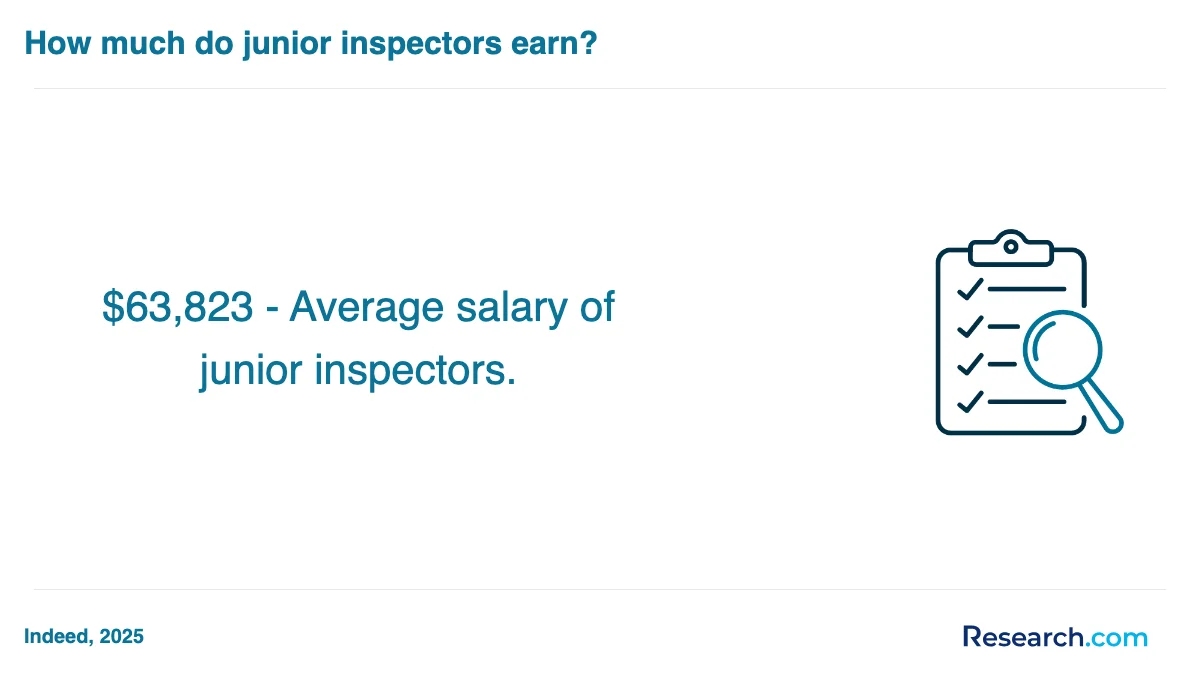
Another option is employment in construction or remodeling companies, which offers insight into building systems and common structural issues. According to the U.S. Bureau of Labor Statistics (BLS, 2023), home inspectors earn a median wage of around $63,000 annually, making early hands-on experience valuable for career advancement.
Additionally, roles in real estate offices or property management firms can enhance understanding of market standards and client communication.
Top Trending Rankings
References
- How To Become a Home Inspector | Penn Foster https://www.pennfoster.edu/blog/how-to-become-a-home-inspector
- American Home Inspectors Training - AHIT | Live & Online Classes https://www.ahit.com/
- Home Inspector School | Home Inspection Training | ICA https://icaschool.com/
- Home Inspector School | Home Inspection Training | PHII https://www.homeinspectioninstitute.com/
- What Is the Best Home Inspection Training? (2025 Guide) https://dsdt.edu/what-is-the-best-home-inspection-training-your-complete-guide-to-a-rewarding-career/
- Home Inspector - Career Training - Stratford Career Institute https://www.scitraining.com/home-inspector
- Online Home Inspector Training https://www.ashworthcollege.edu/career-diplomas/home-inspection/
- Tips For Starting A Business After Home Inspector Training https://nats.ca/Home/NewsArticle/tips-for-starting-your-own-business-after-home-inspector-training/
- Achieving Success in the Home Inspection Industry | HomeGauge https://www.homegauge.com/learning/how-to-succeed-as-a-home-inspector/
- 11 Reasons Why Home Inspecting Is The Best Trade Career https://superinspectortrainingacademy.com/overcoming-common-challenges-of-a-home-inspector/


