
Best Home Inspector Training Programs & Trade Schools - Top Home Inspector Schools in Las Vegas for 2026

Co-Founder and Chief Data Scientist
Choosing the right home inspector trade school in Las Vegas can shape your future career in a rewarding industry. This article introduces the best programs for 2026, carefully ranked by the Research.com team of data scientists to help you make an informed decision.
Whether you’re starting fresh or seeking certification, earning a diploma in home inspection opens doors to growth and stability. Exploring these top schools will give you confidence and clarity on where to begin your journey.
Get ready to discover opportunities designed to fit your goals and lifestyle.
Key benefits of finishing home inspector trade school in Las Vegas
- Graduates of home inspector trade schools in Las Vegas can expect starting salaries around $67,000, with opportunities to earn over $112,000 as they gain experience or start their own business.
- Career paths include working as residential inspectors, advancing to specialized roles, or owning a home inspection company, offering flexibility and growth based on skills and interests.
- Completing a home inspector trade school online allows for flexible scheduling and faster completion, making it easier to balance learning with personal commitments while entering the workforce quickly.
What can I expect from home inspector trade schools in Las Vegas?
Enrolling in a home inspector trade school program in Las Vegas means immersing yourself in a hands-on, state-approved curriculum designed to meet Nevada's licensing standards. Graduates from schools like the College of Southern Nevada and Key Realty School often describe the experience as both challenging and rewarding, with at least 40 hours of technical education covering building codes, inspection methods, and report writing.
Students can expect to engage in real-world training by participating in or observing a minimum of 25 supervised home inspections alongside licensed professionals. This practical exposure helps build confidence and ensures readiness for the licensing exam and fieldwork.
Many programs offer flexible options, including in-person and online classes, making it easier for working adults to balance study and life. Graduates frequently highlight the value of available resources such as practice exams, business management tools, and marketing support, which are crucial for launching a successful inspection career in Las Vegas.
Where can I work after finishing home inspector trade schools in Las Vegas?
After finishing a home inspector trade school program in Las Vegas, graduates typically find employment as licensed home inspectors, evaluating residential properties for buyers, sellers, and real estate agents. Many graduates share how working with established home inspection companies or launching their own independent services provides both flexibility and steady income in this competitive market.
Others discover opportunities as field or property inspectors, focusing on foreclosed homes or bank-owned properties, often collaborating with financial institutions or insurance firms. This variety allows graduates from popular Las Vegas trade schools to apply their skills in diverse environments, from on-site inspections to office-based roles.
Some graduates advance into roles like inspection technician apprentices or property managers who incorporate inspections into their daily work. A few find fulfillment teaching pre-licensing courses, helping new students succeed just as they once did. These career paths reflect the hands-on training and real-world readiness emphasized at Las Vegas home inspector trade schools.
How much can I make after finishing home inspector trade schools in Las Vegas?
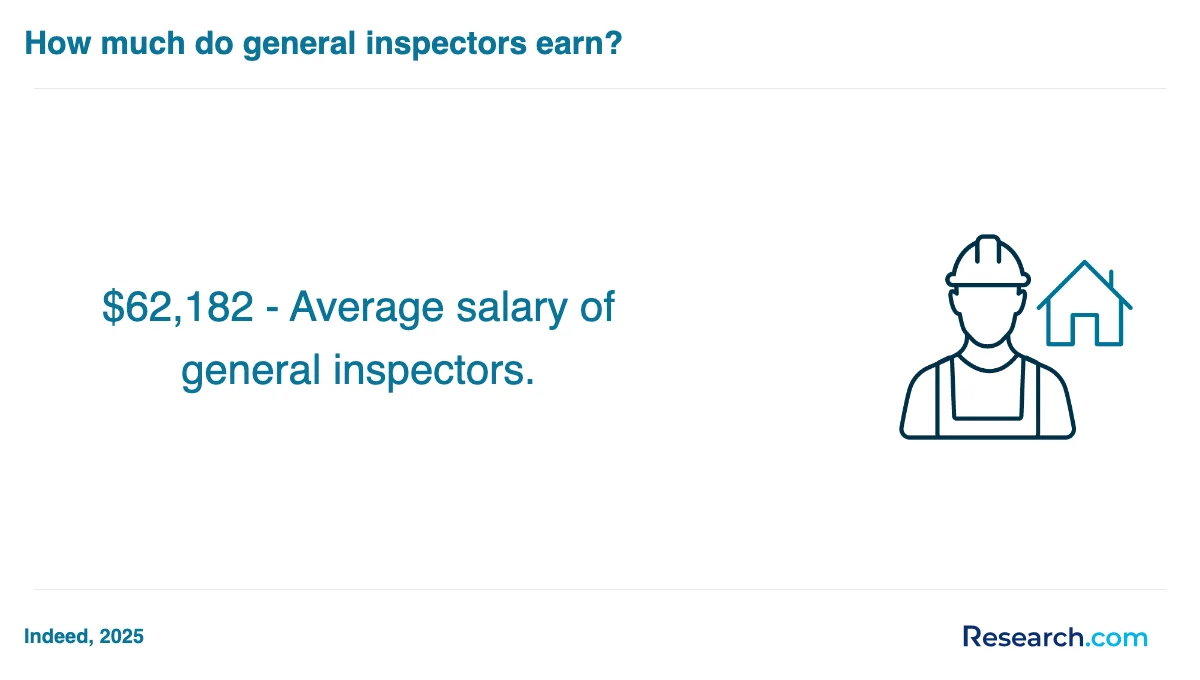
After completing a home inspector trade school program in Las Vegas, graduates typically start with an annual salary around $58,900 to $67,200, according to trusted local salary data. Many graduates from well-known trade schools in the area share how their initial pay reflects entry-level positions, yet they feel encouraged by the steady growth potential as they gain hands-on experience and industry certifications.
Some graduates report moving quickly beyond these starting figures, especially those who choose to work independently or build their own inspection businesses. For example, owner-inspectors frequently earn over $110,000 annually, with top professionals reaching upwards of $260,000 after developing a strong client base and business acumen.
While early earnings may feel modest, the steady demand in Las Vegas's active housing market allows new inspectors to build confidence and income progressively. Graduates often describe a rewarding sense of achievement as they transition from classroom learning to conducting real inspections, turning their education into a viable and lucrative career path.
Best Home Inspector Training Programs & Trade Schools - Top Home Inspector Schools in Las Vegas for 2026
# 1 position
College of Southern Nevada - Building/Home/Construction Inspection/Inspector.
associateThe Building/Home/Construction Inspection/Inspector program at the College of Southern Nevada offers a hybrid format with some distance-education options. It prepares students to apply industrial, labor, and governmental standards to oversee construction projects and maintain buildings. Coursework includes construction processes, materials analysis, safety and health, building codes, blueprint interpretation, testing procedures, communication, accident investigation, and documentation. Annual in-state tuition is $4,110. The program is accredited by the Northwest Commission on Colleges and Universities.
# 2 position
College of Southern Nevada - Building/Home/Construction Inspection/Inspector.
certificate or diplomaThe Building/Home/Construction Inspection/Inspector program at College of Southern Nevada offers a hybrid format with some distance-education options. It prepares students to apply industrial, labor, and governmental standards in overseeing construction projects and maintaining buildings. The curriculum covers construction techniques, materials analysis, occupational safety, building codes, blueprint interpretation, testing procedures, communication, and accident investigation. Annual in-state tuition is $4,110. The program is accredited by the Northwest Commission on Colleges and Universities.
Key Findings
- Complete at least 40 hours of Division-approved coursework to qualify for a home inspector license in Nevada.
- Tuition ranges from $123 to $223 per credit at community colleges, with private programs costing between $809 and $1,790.
- Applicants must perform or observe 25 supervised inspections and pass the National Home Inspector Examination with at least 75%.
- Licensing requires applicants to be 18 or older, have a high school diploma or GED, and pass a background check with fingerprinting.
- Licensed inspectors must carry errors and omissions insurance and general liability insurance of at least $100,000 each.
- License renewal every two years requires 20 hours of continuing education covering safety and law topics.
How long does it take to complete home inspector trade schools in Las Vegas?
Completing a home inspector trade school program in Las Vegas typically takes between three to six months, depending on whether you attend full-time or part-time. Many graduates from well-known Las Vegas trade schools share that this timeframe allowed them to quickly gain the essential skills and knowledge needed to enter the workforce with confidence.
For instance, students who opted for intensive full-time programs often found themselves ready to start inspections in just a few months, appreciating how the hands-on training and real-world simulations fit into their busy schedules. Part-time learners, balancing work or family, enjoyed the flexibility to progress steadily while still feeling supported by instructors and peers.
One graduate described their experience at a popular local trade school as both challenging and rewarding, emphasizing how the structured curriculum helped them master key concepts without feeling overwhelmed. This balance between speed and quality of education makes Las Vegas home inspector trade schools an attractive option for those eager to launch a new career quickly.
What's the difference between online and on-campus home inspector trade school programs?
The primary difference between online and on-campus home inspector trade school programs in Las Vegas lies in flexibility and learning environment. Online programs, like those offered by Key Realty School and InterNACHI, allow students to study at their own pace from anywhere, perfectly fitting busy schedules. Graduates often appreciate the freedom to revisit materials or complete coursework during off-hours, which helps balance work and family life without stress.
In contrast, on-campus programs such as those at the College of Southern Nevada require attending scheduled classes in person. Many students value this traditional setup for its structured routine and direct interaction with instructors, which can boost confidence and provide immediate feedback during hands-on training. These students often enjoy networking opportunities and practical experience gained through supervised inspections on-site.
Both formats meet Nevada's licensing requirements, but the choice depends on personal learning style-whether one thrives with self-directed online study or benefits more from face-to-face engagement in Las Vegas's tailored trade school settings.
What is the average cost of home inspector trade schools in Las Vegas?
The average cost home inspector trade school Las Vegas students face varies widely depending on the program's format and offerings. Graduates from popular institutions report spending anywhere from $1,600 to over $3,000 for comprehensive training. For instance, the School of Professional Home Inspection charges about $2,500 for its Nevada Fundamentals course, praised for its live Zoom sessions and practical mentorship. Such immersive experiences help many former students feel confident and career-ready.
Home inspector training expenses in Las Vegas also include packages like the Inspection Training Associates' $2,450 special, covering the state-required 25 field inspections. This hands-on component is crucial, as graduates often highlight the value of real-world inspections in building skills and professional networks.
Other trade schools, such as the College of Southern Nevada and Western Nevada College, offer tuition on a per-credit basis, generally between $123 and $223 per credit. This flexible pricing suits those balancing work and education, with positive feedback focusing on the affordability and quality of instruction. Meanwhile, some prefer online self-paced options like ATI Training Institute's $625 program, which allows students to customize their learning pace while still meeting state requirements.
To find the right balance between cost and quality, prospective home inspectors can explore a variety of options, including free membership-based programs like InterNACHI, which waive tuition fees but require paid membership. For detailed comparisons of offerings, profiles of online trade schools provide useful insights into pricing structures and course formats, guiding students toward programs aligning with their financial and professional goals. Consider checking comprehensive resources like online trade schools for more information.
What financial aid is available for home inspector trade schools in Las Vegas?
Home inspector trade school students in Las Vegas can access various financial aid options to ease the cost of their education. Tuition typically ranges from $123 to $223 per credit, with additional state licensing fees near $575, making aid critical for many. Graduates from popular local programs often share how federal financial aid, including Pell Grants and federal loans, helped them manage upfront expenses, provided their school met accreditation standards.
Military veterans and active service members benefit from GI Bill® coverage at institutions like PDH and ATI Training, along with programs such as the ArmyIgnitED Credentialing Assistance and Air Force COOL. Many find these benefits cover tuition fully or partially, significantly reducing financial stress. Some schools also offer exclusive tuition discounts for military affiliates, making trade education even more accessible.
While Nevada's state grants for trade schools are limited, scholarships and tuition reimbursement from private organizations or national home inspector associations occasionally support students. Graduates often report that free memberships to professional associations open doors to networking and further scholarship opportunities, helping them build a career with confidence.
What are the prerequisites for enrolling in home inspector trade schools in Las Vegas?
Enrolling in a home inspector trade school program in Las Vegas typically requires meeting several key prerequisites designed to ensure your success in this hands-on field. Most programs expect candidates to have a high school diploma or GED, as this foundational education supports understanding technical materials and safety protocols.
Applicants often need to demonstrate basic proficiency in math and reading, which are crucial for accurately assessing property conditions and writing detailed inspection reports. Some trade schools may require a background check, reflecting the trustworthiness needed to enter private homes and sensitive areas.
Graduates from popular Las Vegas trade schools share how these prerequisites prepared them well. For example, mastering reading comprehension helped them grasp building codes quickly, while basic math skills made calculating measurements and material costs straightforward during practical training.
- High school diploma or GED
- Basic math and reading skills
- Background check (in some cases)
- Completion of prerequisite safety or construction courses (optional at some schools)
These requirements ensure students enter the program ready to engage confidently with real-world inspection scenarios, fostering a positive and empowering learning experience in the heart of Las Vegas's dynamic housing market.

What are the typical courses in home inspector trade schools in Las Vegas?
Home inspector trade school programs in Las Vegas typically include a range of specialized courses designed to equip students with the essential skills needed on the job. Graduates from popular local schools often highlight how core classes on building codes, such as the International Residential Code (IRC) and International Building Code (IBC), helped them confidently assess homes to meet Nevada's safety standards.
Students can expect focused instruction on:
- Structural system inspections covering foundations, framing, roofing, and exterior components
- Identification of defects and documenting findings professionally
- Moisture intrusion, attic insulation, and ventilation assessments
- Inspection safety practices to handle onsite hazards effectively
- Business skills including report writing, customer service, and marketing
For example, graduates from the College of Southern Nevada emphasize how coursework on residential mechanical, electrical, and plumbing codes prepared them for real-world challenges. Practical exercises and supervised fieldwork transform theoretical knowledge into confidence, making students ready to perform thorough inspections. This hands-on approach helps many feel empowered and excited about launching their careers in home inspection within the Las Vegas market.
What are the available specializations in home inspector trade schools in Las Vegas?
Home inspector training programs in Las Vegas commonly include specializations that prepare graduates for the diverse demands of the local market. Popular specialized home inspection courses Las Vegas offer focus areas such as mobile and manufactured home inspections, which challenge inspectors to adapt methods for unique construction types encountered frequently in the region. Graduates often share that mastering these specialties provides confidence in assessing non-traditional housing structures.
Other crucial training modules include identifying wood-destroying organisms and conducting pool and spa inspections, highly relevant in Las Vegas neighborhoods with older properties and leisure amenities. Septic system evaluation is taught thoroughly due to many rural properties relying on private sewage, a detail graduates highlight as invaluable in real-world scenarios.
Modern programs also emphasize smart home technology inspections and thermal imaging techniques-skills that give recent graduates an edge by enabling them to spot hidden issues and meet rising client expectations.
Additional courses cover irrigation systems, asbestos and lead paint detection, and well water testing, equipping students with a broad skill set. Those exploring trade school programs that pay well find these specializations essential for expanding career opportunities in Las Vegas.
How do you choose the best home inspector trade school program in Las Vegas?
Choosing from the best home inspector trade schools in Las Vegas requires focusing on programs that comply with Nevada's strict in-person training mandate. Graduates of the College of Southern Nevada often praise its Building Inspection certificate for providing hands-on experience with structural inspections and building codes, making it easier to pass licensing exams. Similarly, those attending Key Realty School appreciate the balance of classroom theory and real-world practice, which builds confidence to tackle inspections independently.
Look for top-rated home inspector programs in Las Vegas that emphasize instructor expertise, since mentorship from seasoned professionals deepens understanding beyond textbooks. For example, the Certified Inspector of Structures program at Western Nevada College has earned acclaim for its knowledgeable instructors and comprehensive curriculum, which many alumni say prepared them well for entry into the field.
Cost is another consideration. Comparing tuition fees and available financial aid can ease the burden without sacrificing quality. Additionally, explore programs offering job placement support to help transition smoothly into employment. Prospective students curious about what are trade careers will find these factors critical to choosing the right program that sparks both enthusiasm and success in home inspection.
What career paths are available for home inspector trade school graduates in Las Vegas?
Graduates of home inspector trade school programs in Las Vegas find diverse career opportunities for home inspector graduates in Las Vegas that suit various interests and skill levels. Many begin as licensed residential home inspectors, conducting detailed assessments of structural, plumbing, electrical, and HVAC components to support smooth real estate transactions. These roles offer hands-on experience and the satisfaction of helping clients make informed decisions in a dynamic market.
Others pivot to commercial property inspector positions, which demand broader knowledge of building codes and certifications for office and retail spaces. Insurance inspectors and field inspectors also provide viable career paths, focusing on risk assessments and property surveys for insurance companies and financial institutions.
With experience, some graduates evolve into senior building inspectors or supervisory roles, overseeing teams and ensuring code compliance within municipal agencies or private firms. The flexible schedules and opportunities for self-employment make this field appealing to many.
Las Vegas home inspection jobs and career paths often start from popular trade schools where graduates highlight their ability to quickly transition into profitable, rewarding work.
Many students researching opportunities rely on helpful resources like trade school professions to guide their career decisions.
What is the job market for home inspector trade school graduates in Las Vegas?
The home inspector job opportunities in Las Vegas remain stable and promising for graduates of local trade schools. With over 200 job postings in the area as of 2025, employers such as inspection firms, real estate agencies, and property management companies actively seek qualified inspectors. Graduates from popular Las Vegas trade schools often share how their hands-on training and industry connections help them secure roles quickly, even in competitive periods.
Las Vegas home inspector salary and demand reflect a healthy balance between opportunity and reward. Entry-level inspectors typically start with salaries around $45,875 per year, yet many first-year professionals earn between $60,000 and $100,000 by leveraging commissions or bonuses. Experienced inspectors report annual incomes reaching $85,000 to $120,000, especially those who build strong client bases or specialize within the market.
Students considering this career benefit from programs featured among the top construction trade programs, which emphasize detail orientation, communication skills, and certification readiness. Graduates confirm that such comprehensive training is vital to standing out and thriving in the Las Vegas job market.
Frequently Asked Questions about home inspector
After completing a home inspector trade school in Las Vegas, preparing for the job market involves several key steps. First, obtaining state certification is essential; Nevada requires passing the Home Inspector exam and meeting experience criteria set by the Nevada Real Estate Division. Next, gaining practical experience through internships or entry-level positions helps build credibility and skills.
Networking is also important. Joining local professional organizations, like the Nevada Chapter of the American Society of Home Inspectors, can open doors to job opportunities and mentorship. Additionally, continuing education ensures inspectors stay current with industry standards and regulations.
Research from the U.S. Bureau of Labor Statistics projects a 7% growth in home inspection jobs nationwide through 2031, reflecting steady demand. Locally, Las Vegas's active real estate market supports this trend, making timely certification and hands-on experience vital for employment success.
Employers in Las Vegas seek several key skills when hiring graduates from home inspector trade schools. First, a strong understanding of building codes and construction materials is essential to accurately assess property conditions. According to the Nevada Real Estate Division, knowledge of state-specific regulations can improve job prospects significantly.
Attention to detail is critical, as inspectors must identify both visible and hidden issues. Communication skills are also highly valued; inspectors need to clearly explain findings in written reports and to clients. Practical experience with inspection tools and software is increasingly important, reflecting trends noted by the American Society of Home Inspectors.
Finally, strong problem-solving skills and professionalism help graduates succeed in the competitive Las Vegas housing market. These competencies align with local employer expectations and industry standards nationwide.
Finding internships in Las Vegas related to home inspector trade school programs involves several practical steps. Start by contacting local home inspection companies, many of which offer internship opportunities to students seeking field experience. The Nevada Real Estate Division provides a directory of licensed home inspectors, which can be a helpful resource for identifying potential internship sites.
Additionally, trade schools in Las Vegas often have partnerships with local businesses and can assist students in securing internships. Networking through professional organizations like the American Society of Home Inspectors (ASHI) Las Vegas chapter also helps connect students with industry professionals offering internships.
Online job platforms such as Indeed and Glassdoor frequently list internships in home inspection within the Las Vegas area. According to the Bureau of Labor Statistics, practical experience is vital for licensure and employment in home inspection, making internships a crucial part of training.
Obtaining a home inspector trade school diploma in Las Vegas can significantly enhance career mobility and advancement opportunities. The diploma certifies essential skills and knowledge required by Nevada's licensing board, a crucial step for entering the home inspection field legally and professionally.
Graduates often find improved job prospects, as employers and clients favor candidates with formal training. According to Nevada's Department of Employment, trade school graduates in construction-related fields, including home inspection, earn on average 15% more than those without credentials.
Further, diploma holders can pursue advanced certifications and specialize in areas like commercial inspections, increasing earning potential and marketability within the Las Vegas real estate market.
Students enrolled in home inspector trade schools in Las Vegas can benefit from part-time jobs that build relevant skills and industry knowledge. Common opportunities include working as assistant home inspectors or property maintenance aides. These roles provide hands-on experience with building systems, codes, and safety standards, directly complementing classroom learning.
Additionally, part-time positions in real estate offices or construction companies offer insight into the housing market and inspection processes. According to the U.S. Bureau of Labor Statistics, Las Vegas has a growing demand for home inspectors, with employment projected to increase by 5% over the next decade. Gaining practical experience while studying can improve job prospects upon graduation.
While there is no specific degree required to become a home inspector, several programs near Las Vegas, NV offer certification and training to help you enter the field. Community colleges and vocational schools often provide home inspection courses that are accessible to those in the area, and online options are available if you're searching for programs near me. Research.com is a helpful resource for identifying reputable institutions, as some universities offer related degrees in construction management or real estate that could complement a career in home inspection.
Related Home Inspector Rankings for Nearby Cities
- Best Home Inspector Training Programs & Trade Schools - Top Home Inspector Schools in San Bernardino for 2026
- Best Home Inspector Training Programs & Trade Schools - Top Home Inspector Schools in Fullerton for 2026
- Best Home Inspector Training Programs & Trade Schools - Top Home Inspector Schools in Visalia for 2026
- Best Home Inspector Training Programs & Trade Schools - Top Home Inspector Schools in Fresno for 2026
- Best Home Inspector Training Programs & Trade Schools - Top Home Inspector Schools in San Diego for 2026
- Best Home Inspector Training Programs & Trade Schools - Top Home Inspector Schools in Orem for 2026
- Best Home Inspector Training Programs & Trade Schools - Top Home Inspector Schools in San Mateo for 2026
- Best Home Inspector Training Programs & Trade Schools - Top Home Inspector Schools in Salem for 2026
- Best Home Inspector Training Programs & Trade Schools - Top Home Inspector Schools in Portland for 2026
Top Trending Rankings
References
- How to Become a Home Inspector in Nevada | Home Inspector Certification Courses in Nevada | Start a home inspector business in Nevada | ATI Home Inspector Training https://www.atihomeinspectortraining.com/States/Nevada
- Nevada Home Inspection Certification Courses | Official Key Realty School https://keyrealtyschool.com/inspection/
- Nevada Home Inspection Licensing | ICA School https://icaschool.com/state-licensing/nevada/
- Home Inspector School | Home Inspection Training | PHII https://www.homeinspectioninstitute.com/
- American Home Inspectors Training - AHIT | Live & Online Classes https://www.ahit.com/
- Carson Dunlop School of Home Inspection - Home Inspection Training https://www.carsondunlop.com/training/
- Home And Building Inspector Schools in Las Vegas, Nevada | TTS https://toptradeschools.com/near-you/home-and-building-inspector/nevada/las-vegas/
- Las Vegas, Nevada Home Inspector Programs https://www.trade-school.com/programs/Home-Inspector/NV/Las-Vegas
- Step-by-Step Guide: How to Become a Home Inspector in Ontario - Durham College https://durhamcollege.ca/centre-for-professional-and-part-time-learning/step-by-step-guide-how-to-become-a-home-inspector-in-ontario
- Home inspector licence | Alberta.ca https://www.alberta.ca/home-inspector-licence


