
Most Affordable Home Inspector Schools & Training - Budget-Friendly Home Inspector Trade Programs in Georgia for 2026

Co-Founder and Chief Data Scientist
Choosing the right home inspector trade school in Georgia can feel overwhelming, but this article is here to help. We've gathered a ranking of top home inspector programs created by the Research.com team of data scientists, designed to guide you toward smart, informed decisions.
Whether you want a diploma or certification, completing a program opens doors to a rewarding career with steady demand. Reading this article will give you confidence and clarity as you explore your options for 2026 and beyond.
Take a step closer to your future in home inspection today.
Key benefits of finishing home inspector trade school in Georgia
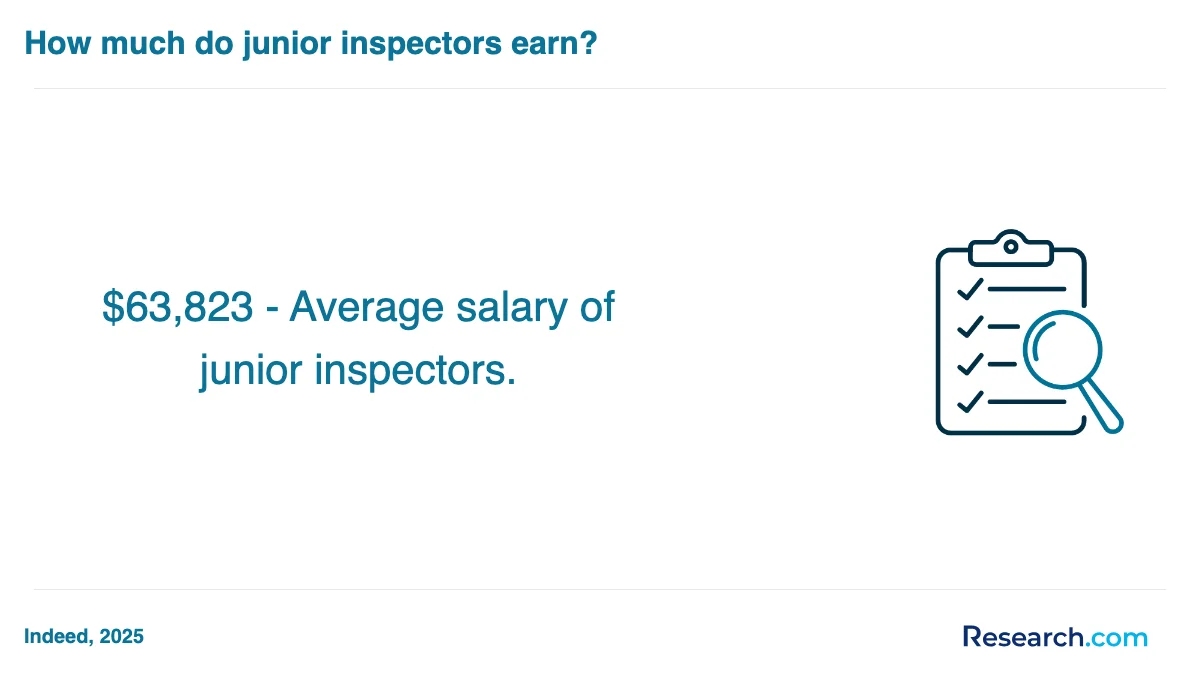
- Graduates from home inspector trade schools in Georgia can expect starting salaries around $50,955 per year, with opportunities to earn up to $66,706 as they gain experience and certifications.
- Career paths include working as general home inspectors, specializing in certifications, or even starting your own inspection business, as seen with successful alumni from top Georgia trade schools.
- Completing an online home inspector trade program offers flexible scheduling and faster completion times, allowing graduates to enter the workforce sooner while balancing personal commitments.
What can I expect from home inspector trade schools in Georgia?
When you enroll in a home inspector trade school program in Georgia, expect a hands-on, practical experience that really gets you ready for the job. Graduates often talk about the mix of classroom learning combined with field exercises, like checking out real homes to spot issues in roofing, plumbing, or electrical systems. One popular program offers 22 hours of intensive training over just four days, which many find both challenging and rewarding.
Online options are also a big plus for flexibility. Students appreciate programs like those from InterNACHI® School, where you can study and even get certified remotely, but still have chances for in-person workshops to sharpen your skills.
Another thing you'll notice is a strong focus on Georgia's specific rules and standards, even though the state doesn't require licensing. Graduates feel confident knowing their certification, like the CPI® designation, is respected in the industry. Plus, schools often throw in tips on marketing and business, which makes starting your own inspection service feel a lot less intimidating.
Where can I work after finishing home inspector trade schools in Georgia?
After finishing a home inspector trade school program in Georgia, many graduates find themselves stepping into diverse and rewarding career paths. For example, some start working with established home inspection companies in bustling cities like Atlanta or suburban areas such as Roswell, where demand is strong. These grads often share how exciting it is to get out in the field, inspecting homes and helping buyers feel confident about their investments.
Others join multi-inspector firms or decide to launch their own independent businesses, using the hands-on skills they honed during their trade school training. Imagine handling inspections from a cozy home office in North Atlanta or traveling to various neighborhoods, from Warner Robins to other parts of the metro area. Graduates report feeling proud when their detailed reports provide clarity and peace of mind to families making big decisions.
Some alumni also explore related roles like building inspectors for local governments or commercial property inspectors, enjoying the mix of office and fieldwork. Overall, completing a Georgia-based trade school opens doors to jobs that blend independence, steady demand, and the chance to be an essential part of real estate transactions.
How much can I make after finishing home inspector trade schools in Georgia?
After finishing a home inspector trade school program in Georgia, you can expect to start earning around $50,955 per year, which breaks down to about $24.50 an hour. Many graduates from popular trade schools in Georgia share how excited they felt stepping into their first inspections, knowing their training prepared them well for real-world challenges.
Salaries vary depending on where you work. For example, home inspectors in Atlanta often earn between $59,700 and $64,860 annually, thanks to the city's busy housing market. Meanwhile, those working in places like Savannah report salaries closer to $55,230. This means if you're flexible about where you work, your paycheck might reflect that.
Entry-level grads often start near the lower end, around $40,500, but with experience and extra certifications, it's possible to earn upwards of $66,700 or even break into the six-figure range for specialty inspections. Many graduates mention feeling proud when they reach this milestone, realizing their investment in training truly paid off.
Most Affordable Home Inspector Schools & Training - Budget-Friendly Home Inspector Trade Programs in Georgia for 2026
# 1 position
Savannah Technical College - Building/Home/Construction Inspection/Inspector.
associateSavannah Technical College offers a hybrid program in Building/Home/Construction Inspection/Inspector designed to prepare students to oversee construction projects and maintain completed structures. The curriculum covers construction processes, materials analysis, safety and health, building codes, blueprint interpretation, testing procedures, communication, and accident investigation. Annual in-state tuition is $3,072. The program is accredited by the Southern Association of Colleges and Schools Commission on Colleges.
# 2 position
Savannah Technical College - Building/Home/Construction Inspection/Inspector.
certificate or diplomaSavannah Technical College offers a hybrid program in Building/Home/Construction Inspection/Inspector. It prepares students to apply industrial, labor, and governmental standards to oversee construction projects and maintain completed buildings. The curriculum includes construction processes, materials analysis, safety, building codes, blueprint interpretation, testing procedures, communication, and accident investigation. The annual in-state tuition is $3,072. The program is accredited by the Southern Association of Colleges and Schools Commission on Colleges.
# 3 position
Gwinnett Technical College - Building/Home/Construction Inspection/Inspector.
certificate or diplomaGwinnett Technical College offers a hybrid program in Building/Home/Construction Inspection/Inspector designed to prepare students to oversee construction projects and maintain buildings. The curriculum covers construction processes, materials analysis, safety, industry standards, building codes, blueprint interpretation, and accident investigation. The program is accredited by the Southern Association of Colleges and Schools Commission on Colleges. Annual in-state tuition is $3,356.
Key Findings
- Georgia does not require statewide licensing for home inspectors, but completing a trade school program with about 120 hours of education is highly recommended.
- Programs cover property systems, inspection techniques, report writing, and Georgia-specific legal requirements like the Trade Practice Act of 1994.
- The National Home Inspector Exam (NHIE) is not required statewide but may be needed in some counties, and carrying liability or errors and omissions insurance is advised.
- Home inspector training costs in Georgia range from $1,000 to $3,000, with some free online options available through organizations like InterNACHI®.
- Starting salaries for home inspectors in Georgia typically range from $40,000 to $50,000 per year, with experienced inspectors earning up to $70,000 or more annually.
How long does it take to complete home inspector trade schools in Georgia?
When you're looking at home inspector trade school programs in Georgia, the typical completion time usually falls between three to six months. Many graduates from popular Georgia trade schools share how this timeline fits perfectly with their busy lives, allowing them to study part-time without feeling overwhelmed. For example, a recent graduate from a well-known Atlanta trade school mentioned how completing the program in just four months gave them the confidence to start their own inspection business quickly.
Most programs are designed to be flexible, combining online lessons with hands-on training sessions, so students can learn at their own pace. Imagine juggling work and family while still moving steadily through your coursework-many find this balance not only manageable but also motivating. The focused, practical approach in Georgia's trade schools means you don't waste time on unnecessary material, making the learning experience feel relevant and rewarding.
Overall, finishing your home inspector training in half a year or less is common, and graduates often describe the process as an exciting step toward a new career filled with opportunities.
What's the difference between online and on-campus home inspector trade school programs?
The biggest difference between online and on-campus home inspector trade school programs in Georgia comes down to how you learn and interact with the material. If you're juggling work or family, online programs like those offered by InterNACHI® are a lifesaver-tuition-free and flexible, letting you study at your own pace whenever you have time. Graduates often say they loved being able to fit classes around their busy lives without sacrificing quality content on inspection techniques and certification exams.
On the flip side, on-campus programs-like the one at the Home Inspection Training Institute in Atlanta-offer a hands-on experience that's tough to beat. Imagine spending four days immersed in a live classroom, using professional tools, getting immediate feedback, and practicing inspections with peers. Graduates often share how this face-to-face interaction boosted their confidence and skills quickly, though it comes with a higher price tag, around $1,595.
Both paths have their perks, so it really depends on whether you want the flexibility of online learning or the immersive, practical vibe of in-person training.
What is the average cost of home inspector trade schools in Georgia?
When you're diving into home inspector training in Georgia, the average cost home inspector training Georgia programs can range quite a bit depending on where and how you study. For example, graduates from the Whole House Home Inspections and Training Institute often share how the $1,495 six-week course felt like a solid investment, with hands-on inspections giving them confidence to step into real-world scenarios. Others who opted for the University of Georgia's Georgia Center online course, priced at $2,595, appreciate the flexible pacing and comprehensive 11-module curriculum, even though they had to double-check that it met Georgia's specific state requirements.
Many students find that home inspector program tuition fees Georgia tend to reflect the balance between convenience, class type, and added support. American Home Inspectors Training (AHIT) offers packages from $699 to $1,399, which attract those who want a mix of online and in-person classes across the state. Graduates especially value the local hands-on training in actual homes, which makes learning more relatable and practical.
These costs don't often include extra essentials like the national examination fee around $225, a starter toolkit ($500-$700), or monthly insurance and business registration expenses, but focusing on the core training helps many feel ready to start their careers. For those looking to compare training options, checking out the best community college online programs can also uncover affordable paths into home inspection education.
What financial aid is available for home inspector trade schools in Georgia?
When you're looking into home inspector trade schools in Georgia, you'll find that traditional federal aid like Pell Grants usually isn't available. But don't worry-there are still plenty of ways to get help with the costs. For example, many students rave about InterNACHI® School's tuition-free online training and certification, where paying a small annual membership fee opens the door to high-quality courses without extra tuition. It's a real game-changer for those wanting to break into the field without drowning in debt.
Other popular schools like the Professional Home Inspection Institute (PHII) offer affordable tuition with bonus perks like free software and business tools, which graduates say helped them hit the ground running. Plus, if paying upfront is tough, flexible payment plans from PHII and Ashworth College make it easier to spread out costs over time. Some schools also provide financing options or early-bird discounts, so it's worth asking about those. Many grads share how these options made their journey smoother and less stressful.
Additionally, keep an eye out for private scholarships from local industry groups in Georgia, which can sometimes help cover expenses too.
What are the prerequisites for enrolling in home inspector trade schools in Georgia?
Getting into a home inspector trade school program in Georgia usually means meeting some straightforward prerequisites that help set you up for success. Most schools expect you to have a high school diploma or GED, which is the basic foundation. This ensures you're ready to handle the technical material and hands-on training.
Graduates from popular trade schools in Georgia often share how having some background in construction, real estate, or even basic home maintenance gave them a boost. But don't worry if you're new to these areas-schools are designed to teach you from the ground up.
Here are some typical prerequisites you'll encounter:
- A high school diploma or GED
- Being at least 18 years old
- Basic computer skills for completing online modules or report writing
- Sometimes, a valid driver's license since inspections require travel
One graduate from a well-known Georgia trade school mentioned feeling confident after completing a pre-course orientation that helped clarify what to expect. This kind of prep can make starting the program feel less overwhelming and more exciting-especially when you picture yourself confidently inspecting homes around Atlanta or Savannah.
What are the typical courses in home inspector trade schools in Georgia?
In Georgia, home inspector trade school programs cover a variety of practical courses designed to get you ready for real-world inspections. Graduates often share how the hands-on approach made complex topics easy to grasp, especially when working through simulated home inspections in popular trade schools around the state.
You'll typically start with an Introduction to Home Inspection, which lays out the essentials like industry ethics and inspection basics. Then, the core courses dive into specific systems, such as:
- Structural Systems: Learning to check foundations and framing, students often recall feeling confident spotting issues in basements and crawl spaces.
- Roofing and Exterior: Inspecting roofs, gutters, and siding helps you understand common defects, which graduates say is a real eye-opener when visiting actual homes.
- Plumbing Systems: From water lines to fixtures, the focus on safety and code compliance really sticks with trainees.
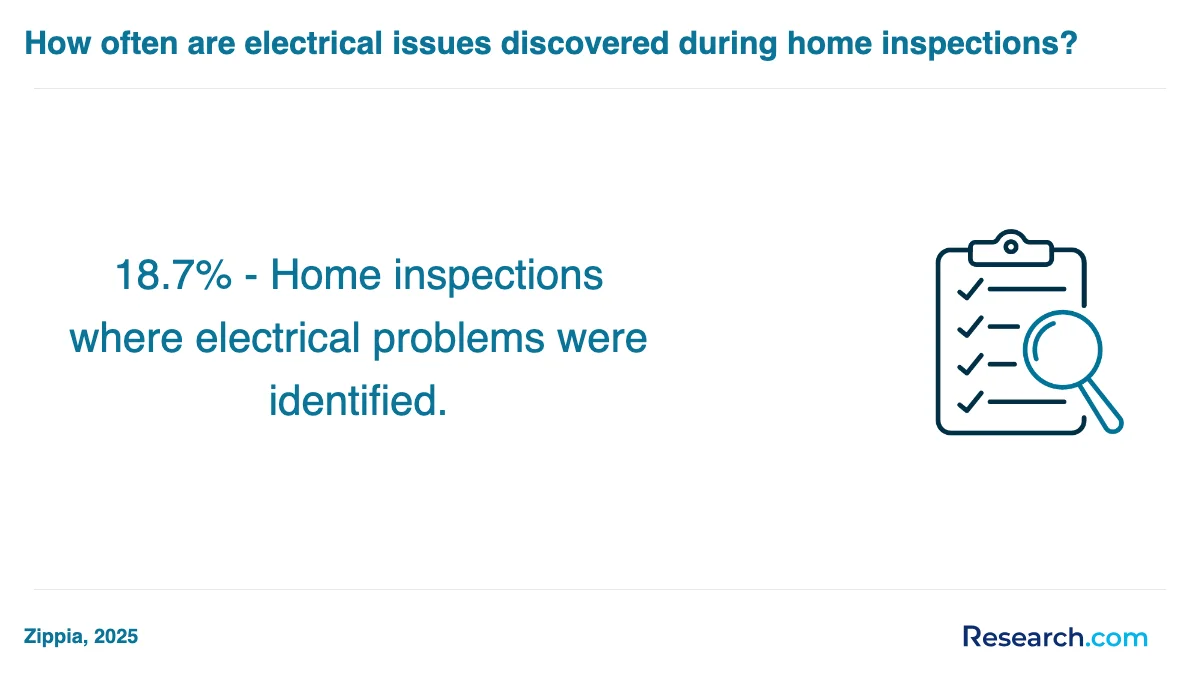
- Electrical Systems: Courses cover wiring and outlets, helping students feel prepared to identify hazards.
- HVAC: Understanding heating and cooling systems is a favorite for many, especially when learning to test efficiency and safety.
- Interior Systems: Inspecting walls, stairs, and built-ins rounds out your skills.
- Hazard Assessment: This course teaches spotting issues like mold or asbestos, which past students say gave them confidence in protecting future clients.
Many programs in Georgia also include practical labs or simulated inspections, making the learning process engaging and relevant. Graduates often mention how this hands-on practice helped them feel ready for the National Home Inspector Exam and real inspections in their communities.
What are the available specializations in home inspector trade schools in Georgia?
When diving into home inspector trade school programs in Georgia, you'll find a range of specializations tailored to build solid skills. Popular programs cover everything from identifying roofing issues to analyzing plumbing and electrical systems. Graduates often share how hands-on training with foundations, fireplaces, and home appliances boosted their confidence during real client inspections. Many also praise learning about business practices, which made starting their own inspection services less intimidating.
Beyond the basics, there are standout certifications that really make a difference. For example, Radon Measurement Technician Training in Georgia is a favorite among students who want to offer specialized services. Another popular path is Commercial Property Inspection Courses in Georgia, which expand career opportunities.
These focused courses give graduates the edge to tackle inspections in unique scenarios like thermal imaging or smart home technology. Plus, if you're weighing your options between more traditional schooling routes, I recommend checking out this detailed college vs trade school pros and cons guide for clarity.
How do you choose the best home inspector trade school program in Georgia?
When choosing the best home inspector trade school program in Georgia, prioritize schools with strong reputations and accredited programs-you want to be confident you're getting quality training. Graduates from places like Georgia Southern University often share how the hands-on field training helped them feel ready for real inspections. Many students appreciate programs that blend online coursework with in-person experience, making it easier to balance life while learning.
Affordability is key, too. Look for affordable home inspector programs in Georgia where tuition fits your budget without sacrificing training quality. For example, some programs offer flexible payment options and support services like mentorship, which can make a big difference as you start your career.
Scheduling and course length matter; intensive options like The ASHI School's 93 to 120-hour courses work well if you want to jump in quickly. Also, consider exploring trade school vs vocational programs to see which path fits your learning style and goals best.
What career paths are available for home inspector trade school graduates in Georgia?
Graduates of home inspector trade school programs in Georgia find a variety of career opportunities for home inspector graduates in Georgia stretching well beyond basic inspections. Many jump into roles as residential home inspectors, evaluating homes for buyers or real estate agents, especially in bustling areas like Atlanta. Some join multi-inspector firms, where formal training from popular trade schools in Georgia can really help get a foot in the door. Others explore roles with insurance companies or mortgage lenders, doing field inspections or even virtual property inspections, blending on-site work with remote reporting for flexibility.
Entrepreneurial grads often choose to start their own businesses, which brings exciting challenges like marketing and compliance with local laws like the Georgia Trade Practice Act. Then there's specialization, where some get certified in radon testing or commercial inspections to boost their credentials and client appeal.
Here's a quick glimpse of possibilities:
- Working independently or for multi-inspector firms
- Field inspection roles with insurance or lending agencies
- Starting a home inspection business
- Specializing in areas like mold, radon, or commercial properties
Graduates often say the hands-on experience gained during trade school helped them confidently enter the market, tapping into steady home inspection jobs and salaries in Georgia. If you're thinking about joining, know that this career path is one of the easiest trade to learn that pays well, offering real chances to grow in both urban and rural settings.
What is the job market for home inspector trade school graduates in Georgia?
The job market for graduates of home inspector trade schools in Georgia is fairly competitive but not without its bright spots. While Georgia ranks 50th in the nation for home inspector salaries, with an average around $50,955 annually, graduates from popular trade schools often find opportunities in major cities like Atlanta, Savannah, and Augusta where construction and housing demand are growing. Many grads share that having certifications and hands-on training from well-known programs boosts their chances of landing jobs despite the market's slower pace.
Some key points graduates often mention include:
- Starting salaries typically range from $40,500 to $66,700 depending on experience and location.
- Urban centers offer more inspections and clients, especially for those proactive about networking.
- The role often lasts 1-2 years initially as many inspectors gain experience before moving on or up.
The home inspector job outlook in Georgia can fluctuate, but grads remain optimistic by targeting areas with higher housing activity and continuing education. If you're curious about kickstarting your career here, look into top trade school degrees - many offer solid training that ties directly to local industry demands, giving you a useful edge in finding your first position.
Meanwhile, the Georgia home inspector salary and demand reflect a challenging but achievable market for those ready to put in the effort, especially in booming metro regions where inspections are more frequent than rural areas.
Frequently Asked Questions about home inspector
After completing a home inspector trade school in Georgia, preparing for the job market involves several key steps. First, obtaining state licensure is essential; Georgia requires passing the National Home Inspector Examination and completing 60 hours of approved education. This ensures you meet legal standards to work professionally.
Next, gaining practical experience through internships or working with established inspectors can improve your skills and credibility. Networking with local real estate agents and joining professional organizations like the Georgia Association of Home Inspectors can open job opportunities.
Continuing education is also important to stay updated with industry standards and evolving regulations.
Employers in Georgia seek specific skills from graduates of home inspector trade schools to ensure quality and safety in residential inspections. Key technical skills include a strong understanding of building systems such as electrical, plumbing, roofing, and HVAC. Knowledge of Georgia's state building codes and inspection standards is crucial for compliance and accuracy.
Communication skills are highly valued, as inspectors must clearly explain findings to clients who often lack technical backgrounds. Attention to detail is essential to identify potential safety hazards or structural issues. According to the Georgia Real Estate Commission, inspectors must also demonstrate proficiency in report writing and the use of inspection software.
Problem-solving abilities and ethical conduct are critical to maintaining trust and professionalism in the field. The U.S. Bureau of Labor Statistics notes that these combined skills contribute to job success and career advancement for home inspectors in Georgia.
Finding internships in Georgia related to home inspector trade school programs involves several strategic steps. Start by contacting the career services department of your trade school, as many maintain partnerships with local home inspection companies. According to the Georgia Department of Labor, job placement assistance is common among accredited programs.
Networking through professional organizations such as the American Society of Home Inspectors (ASHI) Georgia chapter can also open internship opportunities. Local real estate agencies and construction firms often seek interns to assist with property assessments.
Additionally, online job boards like Georgia's Employ Georgia platform frequently list internship openings in inspection fields. These resources help students gain practical experience required for Georgia's licensing exam.
Obtaining a diploma from a home inspector trade school in Georgia significantly enhances career mobility within the state's growing real estate and construction sectors. Licensed home inspectors are required by Georgia law to complete specific education and pass exams, making trade school diplomas an essential credential. According to the Georgia Real Estate Commission, formal training improves job prospects and potential for higher earnings.
Graduates with diplomas often find easier access to entry-level positions and can qualify for advanced roles more quickly than those without formal education. The U.S. Bureau of Labor Statistics notes that certified inspectors tend to experience faster career advancement due to recognized expertise.
Additionally, trade school diplomas help build professional networks and increase credibility with clients, further supporting upward mobility in the field. This credential is a practical step toward stable employment and growth in Georgia's competitive housing market.
Students enrolled in home inspector trade schools in Georgia can benefit from part-time jobs that build relevant skills and industry experience. Positions such as assistant home inspector or property maintenance technician provide practical exposure to property evaluation and repair. These roles help develop a keen eye for structural issues, a core competency for home inspectors.
Additionally, working in real estate offices or with local contractors can offer valuable insights into property transactions and building codes. According to the U.S. Bureau of Labor Statistics, Georgia's home inspector employment is projected to grow by 8% through 2031, reflecting increasing demand for property inspections.
Part-time roles in construction or remodeling firms also complement classroom learning by familiarizing students with building materials and safety standards, enhancing their technical knowledge.
Yes, there are affordable home inspector programs available near Georgia that cater to those seeking this profession. Many community colleges and vocational schools offer training programs that can often be completed more economically than traditional university degrees. For those searching specifically for options near me in Georgia, Research.com can serve as a helpful resource to explore universities and programs available within the region.
Related Home Inspector Rankings for Nearby States
- Most Affordable Home Inspector Schools & Training - Budget-Friendly Home Inspector Trade Programs in Illinois for 2026
- Most Affordable Home Inspector Schools & Training - Budget-Friendly Home Inspector Trade Programs in Arizona for 2026
- Most Affordable Home Inspector Schools & Training - Budget-Friendly Home Inspector Trade Programs in Utah for 2026
- Most Affordable Home Inspector Schools & Training - Budget-Friendly Home Inspector Trade Programs in Nevada for 2026
- Most Affordable Home Inspector Schools & Training - Budget-Friendly Home Inspector Trade Programs in California for 2026
- Most Affordable Home Inspector Schools & Training - Budget-Friendly Home Inspector Trade Programs in Oregon for 2026
- Most Affordable Home Inspector Schools & Training - Budget-Friendly Home Inspector Trade Programs in Washington for 2026
Top Trending Rankings
References
- Home Inspector Certification Requirements - InterNACHI® https://www.nachi.org/cpi-requirements.htm
- How To Become a Home Inspector | Penn Foster https://www.pennfoster.edu/blog/how-to-become-a-home-inspector
- How To Become a Home Inspector | Start Today! | AHIT https://www.ahit.com/become-home-inspector/
- Home Inspector School | Home Inspection Training | ICA https://icaschool.com/
- Home Inspector School | Home Inspection Training | PHII https://www.homeinspectioninstitute.com/
- Online Home Inspector Training Course for Certification https://www.best-trade-schools.net/programs/real-estate/home-inspector/
- How to Become a Home Inspector in Georgia in 3 Easy Steps | Georgia Home Inspection Certification Courses | License Requirements for Home Inspectors in Georgia | ATI Home Inspector Training https://www.atihomeinspectortraining.com/States/Georgia
- Online Home Inspection Certificate from Central Georgia Technical College https://careertraining.centralgatech.edu/training-programs/home-inspection/
- Become A Home Inspector | Home Inspection Training Institute Today | Roswell https://www.hitittoday.com/
- Online Home Inspector Training https://www.ashworthcollege.edu/career-diplomas/home-inspection/


