
Best Home Inspector Training Programs & Trade Schools - Top Home Inspector Schools in Midwest for 2026

Co-Founder and Chief Data Scientist
Choosing the right home inspector trade school in the Midwest can shape your future career. This article introduces a carefully crafted ranking of home inspector trade school programs created by the Research.com team of data scientists. It’s designed to help you find programs that truly stand out.
By exploring these options, you’ll gain insight into quality training that leads to valuable diplomas or certifications. Whether you’re starting fresh or seeking to boost your skills, this guide supports your journey toward a rewarding profession in home inspection.
Key benefits of finishing home inspector trade school in Midwest
- Graduates from Midwest home inspector trade schools typically start with salaries around $40,000, growing to an average of $55,000 within a few years, offering a solid income foundation in this rewarding field.
- Career paths often include working for inspection companies, specializing in luxury or older homes, or even starting a successful independent business, as demonstrated by many graduates from popular Midwest trade schools.
- Completing an online home inspector program provides flexibility and faster entry into the workforce, helping students balance learning with life, as experienced by numerous online graduates in the Midwest.
What can I expect from home inspector trade schools in Midwest?
Enrolling in a home inspector trade school program in the Midwest means immersing yourself in a dynamic learning journey that balances classroom knowledge with real-world practice. Graduates from popular programs like those offered by the American Home Inspectors Training and The ASHI School often describe the experience as empowering, gaining confidence through hands-on field training alongside seasoned professionals. Imagine yourself inspecting roofs, electrical systems, and plumbing under expert guidance, turning complex concepts into practical skills.
Expect flexible learning options to fit your lifestyle-whether you thrive in in-person classes or prefer self-paced online modules, Midwest programs accommodate your needs. Beyond technical training, you'll explore essential business skills, ethics, and report writing, preparing you not just to inspect homes but to build a thriving career.
Many students find the supportive instructor feedback and vibrant peer communities invaluable, offering motivation and networking opportunities. With program hours ranging from 80 to 120, your path is clear: practical, comprehensive, and designed to launch your success in this rewarding field.
Where can I work after finishing home inspector trade schools in Midwest?
Graduates of home inspector trade schools in the Midwest often find themselves stepping into rewarding careers with confidence and practical skills. Many begin by joining established home inspection companies in cities like Chicago or Minneapolis, where they gain hands-on experience inspecting homes, evaluating electrical and plumbing systems, and preparing thorough reports. These roles offer a strong foundation and steady income, with salaries ranging widely based on experience and location.
Others discover the appeal of working for government agencies or organizations such as FEMA, where their inspections contribute to community safety and disaster recovery efforts, providing career stability and meaningful work. Some graduates choose the adventurous path of self-employment, building their own client base and enjoying the flexibility to manage their own schedules.
Popular trade schools in the Midwest emphasize real-world training, inspiring students to specialize in areas like insurance inspections or commercial property assessments. This variety ensures graduates find career paths that match their passions and lifestyles, turning their education into a fulfilling profession.
How much can I make after finishing home inspector trade schools in Midwest?
After finishing a home inspector trade school program in the Midwest, graduates often find themselves stepping into a career with promising earnings potential. Many start with salaries around $39,988 per year, especially those fresh out of popular trade schools known for hands-on training and strong local networks. This initial income can feel rewarding as it reflects the real-world skills gained and the trust earned from early clients.
With just a few years of experience, income typically grows to about $54,916 annually, reflecting both skill mastery and expanding client bases. In bustling Midwest cities like Chicago, graduates often see starting salaries closer to $62,165 per year, or around $29.89 per hour, showcasing the value of their specialized education in competitive markets.
Many graduates share stories of how completing their trade school program unlocked opportunities to work independently or with established firms, steadily increasing their earnings as they complete more inspections. The combination of steady demand and affordable living in the Midwest makes this career path especially rewarding and sustainable.
Best Home Inspector Training Programs & Trade Schools - Top Home Inspector Schools in Midwest for 2026
# 1 position
McHenry County College - Building/Home/Construction Inspection/Inspector.
certificate or diplomaMcHenry County College offers a hybrid program in Building/Home/Construction Inspection/Inspector that prepares students to oversee construction projects and maintain completed structures. The curriculum covers construction techniques, materials analysis, safety, industry standards, building codes, blueprint interpretation, testing procedures, communication, accident investigation, and documentation. The program’s annual in-state tuition is $4,012, and it is accredited by the Higher Learning Commission.
# 2 position
South Suburban College - Building/Home/Construction Inspection/Inspector.
associateSouth Suburban College offers a hybrid Building/Home/Construction Inspection/Inspector program that prepares students to oversee construction projects and maintain buildings by applying industrial, labor, and governmental standards. The curriculum covers construction processes, materials analysis, safety and health, building codes, blueprint interpretation, testing procedures, communication skills, accident investigation, and documentation. The program’s annual in-state tuition is $5,093 and it is accredited by the Higher Learning Commission.
# 3 position
North Hennepin Community College - Building/Home/Construction Inspection/Inspector.
certificate or diplomaNorth Hennepin Community College offers a hybrid Building/Home/Construction Inspection/Inspector program preparing students to apply industry standards and laws in construction oversight and building maintenance. The curriculum covers construction techniques, materials analysis, safety, building codes, blueprint reading, testing procedures, communication, and accident investigation. The annual in-state tuition is $5,050. Graduates have a median earning of $66,902 one year after completing the program. The program is accredited by the Higher Learning Commission.
# 4 position
South Suburban College - Building/Home/Construction Inspection/Inspector.
certificate or diplomaSouth Suburban College offers a hybrid Building/Home/Construction Inspection program that prepares students to oversee construction projects and maintain buildings according to industrial, labor, and government standards. The curriculum covers construction processes, materials analysis, safety and health, building codes, blueprint reading, testing procedures, communication, accident investigation, and documentation. The program is accredited by the Higher Learning Commission and has an annual in-state tuition of $5,093.
Key Findings
- Most home inspector trade school programs in the Midwest take 80 to 120 hours to complete, with some certificates available in six months or less through accelerated or online options.
- Programs cover building systems, code compliance, report writing, and business basics to prepare students for state licensure exams and inspections.
- Tuition costs typically range from $1,000 to $3,000, varying by program length and inclusion of hands-on field training.
- Accredited schools like Macomb Community College, The ASHI School, and Ohio institutes meet state licensing requirements and offer flexible in-person and online formats.
- Starting salaries for graduates are between $40,000 and $50,000 annually, with experienced inspectors earning around $70,000 or more.
How long does it take to complete home inspector trade schools in Midwest?
Completing a home inspector trade school program in the Midwest typically takes between three to six months, depending on whether you choose a full-time or part-time schedule. Many graduates from well-known trade schools in the region share how this timeframe allowed them to balance learning with their existing commitments, making the journey feel manageable and rewarding.
One graduate recalled how immersive weekend classes at a popular Midwest trade school helped them quickly absorb crucial inspection techniques, turning theory into real-world skills with hands-on training. Another found that evening courses offered the flexibility needed while working a day job, enabling steady progress without overwhelming pressure.
The compact yet comprehensive nature of these programs means students quickly gain confidence inspecting residential properties, understanding building codes, and mastering report writing. This swift completion time inspires many to start their careers sooner, fueling excitement about entering a profession that makes a tangible difference in people's lives.
What's the difference between online and on-campus home inspector trade school programs?
The key difference between online and on-campus home inspector trade school programs in the Midwest lies in how you engage with your learning and hands-on experiences. Online programs, like those offered by Ashworth College or the Professional Home Inspection Institute, provide incredible flexibility. Graduates often share how they balanced coursework with family and jobs, progressing at their own pace through video lessons and interactive modules. This freedom is especially valuable for those living far from campus or juggling busy schedules.
On the other hand, on-campus programs, such as The ASHI School in the Midwest, bring students face-to-face with real-world learning. Graduates recall the excitement of participating in multiple field inspections, gaining confidence by inspecting actual homes alongside experienced professionals. These in-person experiences create a supportive environment where questions are answered instantly and skills are sharpened through direct practice.
Both paths lead to success, but your choice depends on how you want to learn-whether it's the adaptability of online study or the immersive, hands-on training of campus life.
What is the average cost of home inspector trade schools in Midwest?
The average cost home inspector trade school Midwest students encounter varies widely but generally falls between $600 and $2,500, depending on the program's format and depth. For example, graduates from Legacy Inspection Training in Illinois often appreciate the affordability of programs ranging from $597.50 to $1,397.50, which balance quality instruction with accessible pricing. Many who complete this program express satisfaction with how it equips them for real-world challenges without overwhelming financial burden.
On the other hand, those who pursue the School of Professional Home Inspection in Missouri encounter a more intensive, two-week training priced at $2,500. Graduates often highlight the immersive live Zoom lectures and comprehensive curriculum that prepare them confidently for their new careers, resonating with the enthusiasm and preparedness that come with hands-on experience.
Midwestern students seeking a more flexible option tend to favor the Inspection Certification Associates (ICA) online course in Indiana, offered at $695. Graduates appreciate the combination of online convenience with practical field training, fostering a sense of independence that builds professional confidence. Exploring tuition fees home inspector programs Midwest can give prospective students the clarity they need to select a program that fits their lifestyle and budget.
It's vital to remember that these tuition costs typically exclude other expenses such as textbooks, examination fees including the $225 National Home Inspector Examination, insurance, and membership dues. Prospective students can enhance their decision-making by gaining deeper insights into the value differences between programs. Researching college vs vocational school options may also reveal additional pathways with distinct benefits, helping aspiring home inspectors choose the best route toward a fulfilling career.
What financial aid is available for home inspector trade schools in Midwest?
Many home inspector students in the Midwest find financial aid through flexible payment plans offered by top trade schools. Graduates from Inspection Certification Associates recall how Affirm's financing options turned a $499 course fee into manageable monthly payments, making education accessible without overwhelming debt. One graduate shared how paying about $72 a month for an $800 course allowed them to balance family expenses while pursuing their dream career.
Others who attended the Professional Home Inspection Institute in Missouri benefited from bundled resources that felt like a gift. They gained free bonus courses, inspection software, and even a business website, all included in their tuition. These extras, valued at over $1,000, gave graduates a strong start without extra costs, fueling their confidence as they launched their home inspection businesses.
Additionally, many students tap into national organizations like InterNACHI, which offer free online training and continuing education. This helps Midwest learners stay sharp and grow professionally without extra fees. Together, these financial aids empower aspiring inspectors to invest in their futures with less worry and more hope.
What are the prerequisites for enrolling in home inspector trade schools in Midwest?
To enroll in a home inspector trade school program in the Midwest, applicants typically need a high school diploma or GED. This foundational requirement ensures students have the basic skills necessary to grasp technical concepts and practical training offered by schools in the region.
Many graduates from well-known Midwest trade schools recall starting their journey with simple but essential prerequisites that set them up for success:
- A genuine passion for homes and construction, which fuels motivation throughout the hands-on learning process.
- Basic computer literacy, as digital tools and inspection software are integral to modern home inspection.
- Strong communication skills to effectively report findings and interact with clients.
Some programs may also require applicants to be at least 18 years old and possess a valid driver's license, reflecting the real-world demands of traveling between inspection sites. Graduates often share how fulfilling it feels to transform these initial requirements into practical expertise, gaining confidence as they learn to evaluate homes with precision and care.
What are the typical courses in home inspector trade schools in Midwest?
Midwest home inspector trade school programs offer a powerful blend of technical knowledge and hands-on experience, preparing you to confidently enter the field. Graduates often recall how courses like Introduction to Home Inspection laid a strong foundation, helping them understand the profession's scope and ethical responsibilities.
The curriculum covers essential home components, including:
- Structural systems: foundations, walls, roofs, and framing, where students learn to spot weaknesses that others might miss.
- Exterior features: siding, windows, doors, and site grading, emphasizing how these affect home durability.
- Interior inspections: walls, ceilings, floors, and insulation defects that impact safety and comfort.
Courses on mechanical systems, such as electrical wiring, plumbing, and HVAC, empower students to identify real-world issues like faulty panels or hidden leaks. Popular trade schools in the Midwest also immerse students in specialty topics like fireplaces, chimneys, and hazard assessments including mold and radon.
Many graduates highlight how live field inspections-often spanning over 100 hours-give them confidence to handle real homes under expert guidance. The inclusion of report writing and business management ensures you're ready to communicate findings clearly and even run your own inspection business with pride.
What are the available specializations in home inspector trade schools in Midwest?
Home inspector trade school programs in the Midwest offer a variety of specialized paths that empower students to stand out in a competitive real estate market. Graduates from these programs often highlight the value of hands-on training in energy efficiency and insulation inspection, a key specialization given the region's extreme seasonal temperatures. This expertise allows inspectors to pinpoint areas of energy loss and recommend sustainable improvements, a skill highly sought after in Midwest home inspection certification courses.
Many graduates also pursue training in mold, radon, and environmental hazard inspection, tackling real challenges in older homes affected by these common Midwestern issues. Trade schools here often provide immersive electives and fieldwork that prepare students for certification in these critical disciplines. Another popular track is commercial property inspection, designed for those who want to expand their scope beyond residential properties, learning about larger HVAC systems and safety compliance.
Popular trade schools affiliated with ASHI or InterNACHI encourage ongoing growth through specialty classes, helping new and experienced inspectors explore areas like new construction or infrared thermography. These opportunities exemplify the benefits of vocational education, inspiring many Midwest-based students to advance their careers with confidence in these dynamic trade environments.
How do you choose the best home inspector trade school program in Midwest?
Choosing the best home inspector trade schools in Midwest means looking beyond just course listings. Graduates from top home inspector programs in Midwest often emphasize the importance of selecting schools accredited by state authorities, ensuring their training meets local licensing standards. Imagine joining a program like those in Chicago or Detroit where instructors bring years of real-world experience, making lessons come alive with practical insights.
Flexible learning options are also key-whether you thrive in an in-person setting or need hybrid classes to balance life's demands, the right program adapts to you. Many students appreciate how career support, including mentorship and job placement assistance, turns training into real work opportunities.
For those weighing their options, understanding if trade school is the same as vocational school can make a difference in choosing the right path. Explore more about this at is trade school the same as vocational school.
What career paths are available for home inspector trade school graduates in Midwest?
Home inspector trade school graduates in the Midwest enjoy diverse home inspector career opportunities in Midwest that extend beyond traditional roles. Many graduates from popular trade schools become residential home inspectors, collaborating with real estate agents to complete inspections that help families confidently purchase homes. Others embrace specialization by becoming commercial property inspectors, tackling exciting projects in bustling office buildings or apartment complexes.
Some graduates find rewarding positions as property inspectors for insurance companies, evaluating homes and commercial properties to support claims processes. Local government roles as building inspectors also attract those passionate about community safety and code enforcement. For entrepreneurial-minded graduates, Midwest home inspection business options offer fulfilling paths; many launch independent inspection companies, building trusted relationships in local real estate markets. Joining well-known franchises provides another avenue with strong business support.
Graduates often share how hands-on training at Midwest trade schools equips them with the skills and confidence to thrive across these varied roles. The state's continuing education requirements further empower inspectors to stay current and advance. For those exploring programs, best community college online lists can guide flexible learning options tailored to the region's vibrant opportunities.
What is the job market for home inspector trade school graduates in Midwest?
The home inspector job outlook Midwest 2026 remains steady and promising for graduates of local trade schools. Many find that with just a high school diploma and certification from a popular Midwest program, they step directly into an industry supported by ongoing property sales and renovations. Graduates often share stories of quickly landing entry-level roles, thanks to employers valuing their hands-on training and state-specific knowledge.
In real terms, this means:
- About 15,000 job openings nationwide each year, with many clustered in the Midwest regions
- Starting salaries often near or above the U.S. average, boosted by in-demand certification
- Job security as home inspections remain a critical part of 90% of property transactions
Graduates from top-ranked trade schools in the area praise programs that combine classroom learning with real-world scenarios, preparing them for roles like residential inspectors and building code specialists. To explore the best programs suited for a successful career, consider checking out the best vocational trade online programs available.
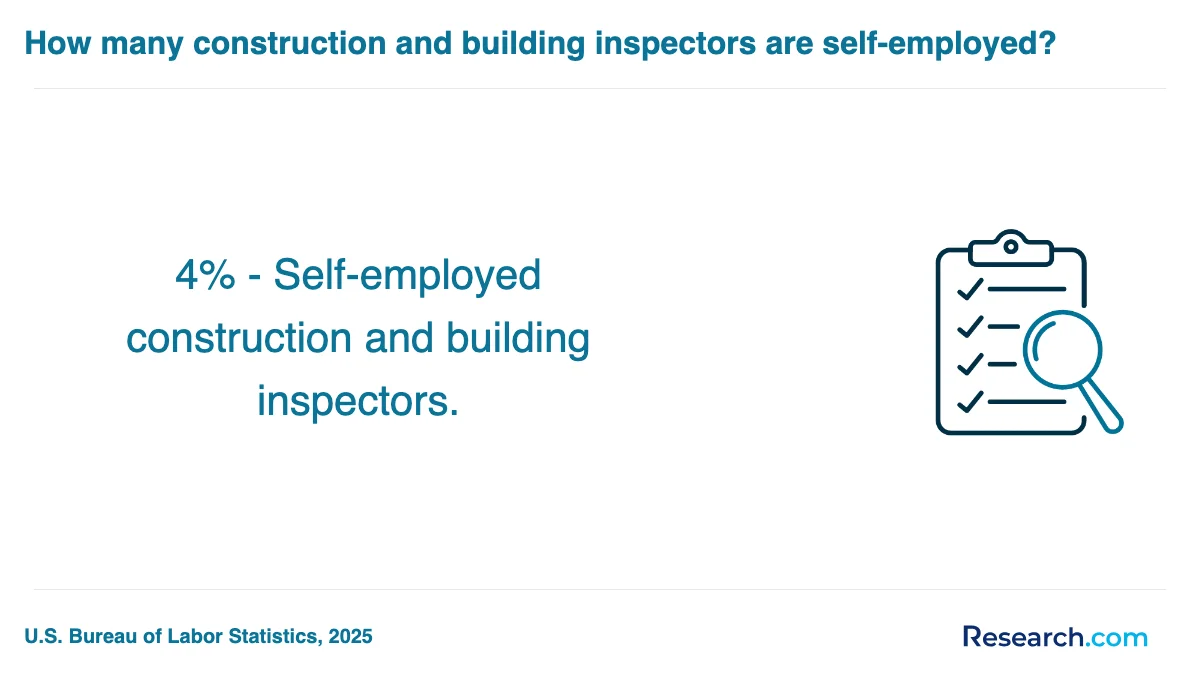
For those curious about Midwest home inspector salary and demand, the broader construction and building inspectors earn a median wage of $72,120 annually, reflecting the valuable expertise these graduates bring to the field. This stable demand, combined with moderate on-the-job training, assures a fulfilling career path filled with opportunities to grow and thrive professionally.
Frequently Asked Questions about home inspector
After completing a home inspector trade school in the Midwest, graduates should focus on obtaining state licensure or certification, as most states require this to work professionally. For example, Illinois and Michigan mandate passing a state exam and completing continuing education. Networking is crucial; joining organizations like the American Society of Home Inspectors (ASHI) can provide job leads and professional development. Building a strong portfolio of inspections during training helps demonstrate practical skills to employers. Additionally, understanding regional housing market trends in the Midwest improves job prospects. According to the U.S. Bureau of Labor Statistics, home inspector jobs are expected to grow 7% nationally through 2031, reflecting steady demand.
Employers in the Midwest home inspection industry prioritize strong technical knowledge in building systems, including electrical, plumbing, roofing, and HVAC. Graduates must demonstrate the ability to accurately identify defects and safety hazards in residential properties. According to the American Society of Home Inspectors, attention to detail and proficiency in using inspection tools are critical skills for success.
Effective communication is another key skill. Inspectors need to clearly explain findings to clients, often with written reports that are concise and easy to understand. The U.S. Bureau of Labor Statistics highlights that problem-solving abilities and ethical conduct are also highly valued by employers in this field.
Finding internships relevant to home inspector trade school programs in the Midwest involves targeted research and networking. Start by contacting local home inspection companies directly, as many offer internships or apprenticeships to students. Industry organizations, such as the American Society of Home Inspectors (ASHI), provide regional chapters where students can find internship opportunities and mentorship.
Community colleges and trade schools often have partnerships with businesses in the industry. According to the National Center for Education Statistics, about 40% of Midwest trade schools report active internship programs linked to local employers. Checking a school's career services is a practical step for locating openings.
Additionally, online job boards focused on trades, like Indeed or specific trade association sites, regularly list internships in home inspection. Internships can provide hands-on experience crucial for licensure and employment after graduation.
Obtaining a home inspector trade school diploma in the Midwest can significantly enhance career mobility and advancement. This credential demonstrates specialized knowledge and practical skills required for thorough property evaluations, which employers and clients highly value. According to the Midwest Association of Home Inspectors, graduates with formal training tend to secure jobs faster and command higher starting salaries compared to those without diplomas.
Many states in the Midwest require licensure for home inspectors, and completing an accredited trade program often fulfills education prerequisites. This can streamline the licensing process, enabling quicker entry into the profession. Additionally, trade school diplomas can open doors to advanced roles such as senior inspector or inspection business owner, boosting long-term career growth.
Data from the U.S. Bureau of Labor Statistics highlights that home inspectors in the Midwest earn a median annual wage above the national average, with those holding formal credentials enjoying better job stability and promotion prospects. Overall, a diploma from a reputable Midwest home inspector trade school is a practical investment in career development within this growing industry.
Students enrolled in home inspector trade schools in the Midwest often seek part-time jobs that enhance their practical skills and industry knowledge. Positions such as assistant home inspectors or property maintenance aides provide valuable hands-on experience with building systems and structural components. According to the U.S. Bureau of Labor Statistics, the Midwest has seen steady demand for home inspection and related services, supporting part-time roles in real estate agencies and construction firms.
Additionally, roles in property management or facilities maintenance help students understand building codes and safety standards. These jobs complement classroom learning and can improve job prospects upon graduation, as employers favor candidates with direct experience in the field.
When choosing the best Home Inspector degree program near Midwest, start by researching local universities and technical colleges with accredited programs, focusing on curriculum quality, faculty expertise, and hands-on training opportunities. Consider factors such as tuition costs, campus facilities, and proximity to your location by searching for "Home Inspector degree program near me." Utilize resources like Research.com to find detailed information and rankings, allowing for a comprehensive comparison of institutions near the Midwest.
Top Trending Rankings
References
- How Long Does it Take to Become a Home Inspector? | Learn the Steps to Becoming a Home Inspector in Every State | ATI Home Inspector Training https://www.atihomeinspectortraining.com/CareerBenefits/HowLong
- How Long Does It Take to Become a Home Inspector? | AHIT https://www.ahit.com/home-inspection-career-guide/how-long-does-it-take-to-become-a-home-inspector/
- Illinois Home Inspector License Training | ICA School https://icaschool.com/state-licensing/illinois/
- How long does home inspector training take? | Super Team Services https://yoursuperinspector.com/blog/how-long-is-a-home-inspector-training-in-my-state/
- 8 Steps to Become a Home Inspector in Illinois | HomeGauge https://www.homegauge.com/learning/how-to-become-a-home-inspector-in-illinois/
- Home Inspection - Macomb Community College https://www.macomb.edu/programs-courses/programs/home-inspection.html
- Michigan Institute of Real Estate | Home Inspection Courses https://myrealestateschool.com/course/home-inspection-course
- Home Inspection Training | Missouri Home Inspector https://www.kapre.com/home-inspection/missouri/professional-development-courses
- Wisconsin REALTORS® Association: Home Inspector Career https://www.wra.org/HomeInspectorInfo/
- Online Home Inspector Training https://www.ashworthcollege.edu/career-diplomas/home-inspection/


