
Best Electrical Technician Training Programs & Trade Schools - Top Electrical Tech Schools in Raleigh for 2026

Co-Founder and Chief Data Scientist
Choosing the right electrician trade school in Raleigh is an important step toward a rewarding career. This article highlights the best programs for 2026, helping you discover the options that match your goals and needs.
The electrician trade school programs ranking, created by the Research.com team of data scientists, offers trusted insights to guide your decision. By exploring these top programs, you can find the education that prepares you for success in the field.
Getting a diploma or certification opens doors to stable jobs and growth opportunities. Let this guide inspire your next move.
Key benefits of finishing electrician trade school in Raleigh
- Graduates from electrician trade schools in Raleigh can expect competitive salaries, with entry-level electricians earning around $62,604 annually and experienced licensed electricians making up to $72,766 per year.
- Career paths include roles such as residential, commercial, or industrial electrician, offering diverse opportunities for growth and specialization after completing a local trade program.
- Finishing an electrician trade school online provides flexibility and faster completion times, allowing graduates to start earning sooner while balancing other life commitments.
- Best Electrical Technician Training Programs & Trade Schools - Top Electrical Tech Schools in Raleigh for 2026
- What can I expect from electrician trade schools in Raleigh?
- Where can I work after finishing electrician trade schools in Raleigh?
What can I expect from electrician trade schools in Raleigh?
Students entering electrician trade school programs in Raleigh can expect a carefully balanced mix of classroom learning and hands-on training that truly prepares them for the electrical trade. Graduates from well-known centers like the Raleigh-Durham Electrical Training Center often recall their days mastering electrical theory, the National Electrical Code, and OSHA safety rules before moving to practical tasks such as wiring and tool use.
Many students appreciate the apprenticeship model, combining paid on-the-job experience with classroom hours. One graduate described the satisfaction of earning wages while learning in real work environments, gaining confidence under the guidance of seasoned electricians. Programs here typically span from several months for certificates to four years for full apprenticeships, offering flexibility depending on career goals.
Hands-on experiences, like working with motor controls or digital electronics, often leave students feeling empowered and ready for real-world challenges. Graduates from Raleigh schools frequently highlight the value of receiving industry-recognized credentials that open doors to licensing and promising careers in the local electrical industry.
Where can I work after finishing electrician trade schools in Raleigh?
Graduates from electrician trade school programs in Raleigh often find themselves stepping into roles that offer both challenge and growth. Many begin as Electrical Helpers or Apprentice Electricians, working alongside seasoned professionals on homes, offices, and industrial sites. These early experiences, common among students from popular Raleigh trade schools, build confidence and practical skills through hands-on work.
As skills deepen, graduates move into Journeyman Electrician positions, taking on responsibilities like rewiring buildings or inspecting electrical panels. This stage is where many feel a real sense of accomplishment, contributing directly to Raleigh's growing neighborhoods and commercial spaces.
Specializing is another pathway. Some choose residential work, installing lighting and wiring in local homes, while others prefer commercial or industrial settings, maintaining complex systems in schools or manufacturing plants. For those aiming higher, roles like Estimator or Superintendent open doors to project leadership and training opportunities.
Many graduates appreciate how their trade school training in Raleigh prepares them not just for immediate jobs but for ongoing career advancement in a thriving local market.
After finishing an electrician trade school program in Raleigh, many graduates find themselves pleasantly surprised by their earning potential. Entry-level electricians, often called Electrician I, typically start with an annual salary around $56,470, which feels rewarding after completing hands-on training at well-known Raleigh trade schools. One graduate shared how this starting wage, roughly $26 per hour, allowed them to confidently cover living expenses and begin saving.
As you gain experience and earn your license, your pay jumps noticeably. Licensed electricians in Raleigh earn an average of $33.12 per hour, with some reaching up to $50 per hour when working overtime or on specialized projects. Graduates often describe the satisfaction of this progression, especially as the local job market is quite active, offering steady opportunities.
For those who advance further to Master Electrician status, salaries average near $75,900 annually, with top earners pulling in close to $95,000. Many graduates from Raleigh's electrician programs speak of the pride and financial freedom that comes with these roles, reinforcing the value of continued training and dedication in this growing trade.
- Applicants must be at least 18 years old and have a high school diploma or GED to enter electrician trade school programs in Raleigh.
- Program length ranges from one to two years for community college or technical school, while apprenticeships typically last four to five years.
- Tuition for full programs in North Carolina can cost between $3,000 and $9,000, but many apprenticeships offer paid training.
- Raleigh requires two years of supervised work experience for licensing or 36 credit hours of technical instruction as a substitute.
- Licensed electricians in Raleigh usually earn between $40,000 and $50,000 per year, with experienced professionals making over $60,000 to $70,000.
- Passing the journeyman electrician exam with a minimum score of 75% is required for licensing, along with ongoing education to maintain the license.
Completing an electrician trade school program in Raleigh typically takes anywhere from six months to a year, depending on the intensity and structure of the course. Many graduates from popular Raleigh trade schools share how this timeframe felt just right-long enough to build confidence and skill but not so long that motivation waned. For example, attending a hands-on program that runs full-time over several months allowed one graduate to quickly transition from classroom theory to real-world wiring projects, creating a sense of accomplishment early on.
Others who chose part-time classes appreciated the flexibility to balance work and study, completing their programs within about a year. The steady progress kept their enthusiasm alive, especially when they began applying what they learned on actual job sites during internships arranged by their schools. This blend of practical experience and classroom learning fosters a deep understanding, making the completion time feel meaningful rather than rushed.
In Raleigh, the supportive environment of these trade schools helps students stay focused, turning what might seem like a short program into a rewarding journey toward becoming a skilled electrician.
The core difference between online and on-campus electrician trade school programs in Raleigh lies in how students engage with the material and gain hands-on experience. Graduates from Wake Technical Community College's on-campus program often recall the confidence built by working directly with real electrical systems in well-equipped labs. They describe the immediate feedback from instructors as invaluable to mastering complex skills like wiring and safety protocols.
In contrast, those who chose the online route appreciate the flexibility to study electrical theory, codes, and troubleshooting at their own pace, especially when balancing work or family. Raleigh's online programs use interactive simulations and 3D models that bring abstract concepts to life, helping students visualize circuit designs and problem-solving techniques without leaving home.
However, many online students emphasize the need to supplement their learning with apprenticeships or in-person training to meet state licensing demands. Hybrid programs in Raleigh offer a balanced approach, blending virtual lessons with essential hands-on labs, giving students the best of both worlds.
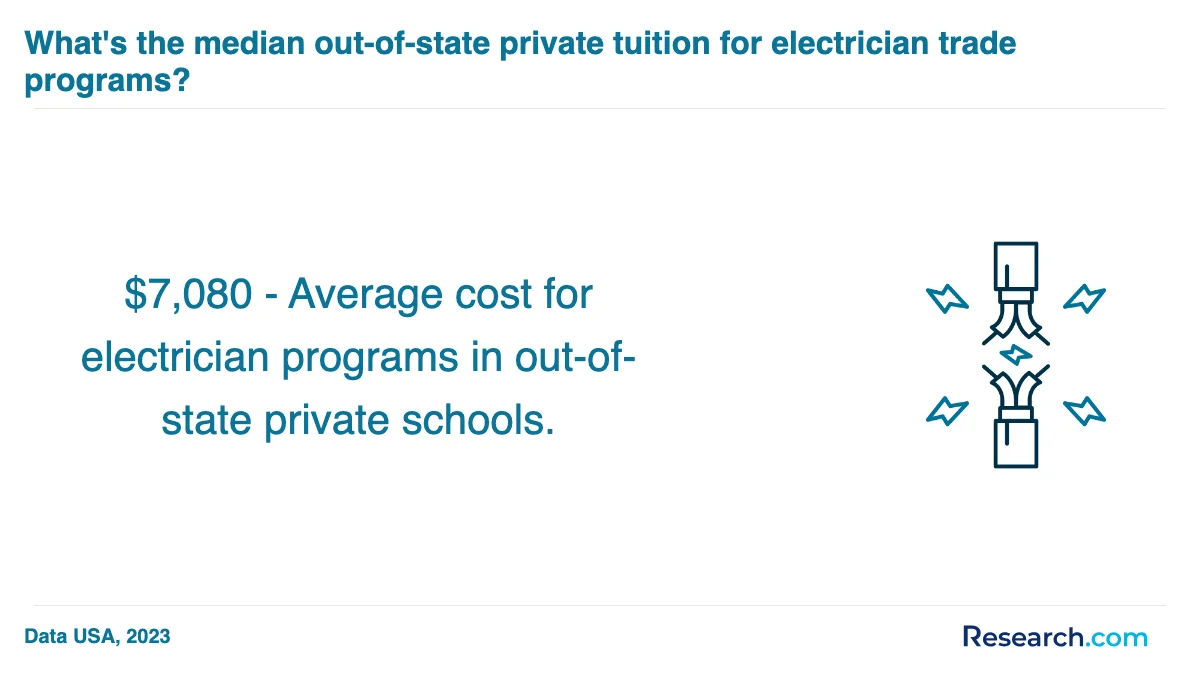
The average cost of electrician trade school programs in Raleigh varies notably depending on the type and length of the program. For example, Wake Technical Community College, one of the more popular trade schools for electricians in Raleigh, charges around $2,768 per year for in-state students, while out-of-state students may face tuition fees closer to $8,912. Graduates often share that this investment feels manageable, especially compared to four-year degrees, making it a practical choice for many seeking to enter the workforce swiftly.
Certificate programs, which some graduates favor for their shorter duration, typically cost between $1,000 and $4,000, allowing students to start hands-on work in months rather than years. These programs often appeal to those eager to dive into electrician roles without the extended commitment. On the other hand, associate degree programs present a more comprehensive education over two years and come with tuition fees ranging from $5,000 to $15,000 for in-state learners, reflecting a broader scope of training and opportunities after completion.
Students should also budget additional expenses for essential books, tools, and materials, which can add $500 to $1,500. Many graduates recall this as a necessary but worthwhile step in their journey, equipping them with everything needed to succeed. Some choose apprenticeships, attracted by tuition costs that are often reduced or waived, alongside paid on-the-job training-a real-life advantage that blends learning with earning.
Those interested in electrician programs in Raleigh NC should remember that tuition costs can fluctuate based on residency status and institution. Exploring options and speaking with advisors at local schools is a valuable step toward making a wise financial choice. For a career path even broader than electrical work, it is helpful to understand how other technical positions align; for instance, you can find more details on wind turbine technician job requirements, a related field offering promising opportunities.
Many electrician trade school students in Raleigh find financial aid essential to turning their career dreams into reality. Graduates often recall how completing the Free Application for Federal Student Aid (FAFSA) unlocked access to federal grants like the Pell Grant, which provided crucial support without needing repayment. This relief made pursuing an education at places like Wake Technical Community College feel much more achievable.
For those attending North Carolina community colleges, average in-state tuition of around $3,923 per year is often mitigated by scholarships specific to electrical systems technology. These awards, offered by institutions such as Wake Tech, help students focus on learning rather than worrying about costs. Out-of-state students, facing higher tuition, can benefit from apprenticeship programs linked to electrician training, where employers or unions may cover tuition and offer paid on-the-job experience. Graduates frequently describe this blend of classroom and paid training through programs like the Raleigh-Durham Electrical J.A.T.C. Apprenticeship as both practical and financially freeing.
Private trade schools also provide tailored financial aid, and many students tap into multiple resources-including military benefits and local grants-to ease their journey. This variety of support options helps students feel confident and supported throughout their training in Raleigh.
Enrolling in an electrician trade school program in Raleigh typically requires a few clear prerequisites that set a solid foundation for success. Most schools expect prospective students to have a high school diploma or a GED, ensuring basic literacy and numeracy skills necessary for understanding electrical theory and safety regulations. Graduates often reflect on how this requirement helped them grasp complex concepts more confidently.
Additionally, many programs ask for a minimum age of 18, which aligns with the physical demands and legal requirements of electrical work. Some trade schools in Raleigh also recommend or require a background in basic algebra and physics, as these subjects play a crucial role in mastering electrical circuits and systems.
Applicants might also be asked to pass a simple entrance test or interview, designed to assess motivation and readiness. Graduates recall that this step encourages a mindset of commitment, which is vital for the hands-on and rigorous nature of electrician training.
Practical experiences, like prior work with tools or a general interest in electrical repairs, are often seen as a plus but not mandatory. Schools appreciate students who come eager to learn and adapt, traits frequently mentioned by alumni as key to their positive experiences.
- High school diploma or GED
- Minimum age of 18
- Basic algebra and physics knowledge recommended
- Entrance test or interview for motivation assessment
- Prior hands-on experience helpful but not required
Electrician trade school programs in Raleigh offer a rich blend of coursework that prepares students for real-world challenges. Graduates often recall how mastering electrical theory helped them confidently troubleshoot complex wiring issues on job sites. Understanding both alternating current (AC) and direct current (DC) is fundamental to their success.
Key courses typically include:
- National Electrical Code (NEC) training, ensuring students grasp safety and legal standards vital for passing licensing exams.
- Safety training focused on OSHA regulations and practical electrical safety, which graduates credit with helping them avoid workplace hazards.
- Blueprint reading, teaching students to interpret construction drawings, a skill that many find indispensable when installing systems correctly the first time.
- Wiring methods, where hands-on practice with installing and testing electrical systems builds confidence.
- Specialized topics like motors, motor controls, transformers, fire alarm systems, structured cabling, PLCs, and digital electronics reflect the technological demands of modern electrical work.
These courses, combined with practical labs, make studying at Raleigh's well-regarded trade schools a rewarding experience, equipping students with both knowledge and skills that employers value deeply.
Electrician trade school programs in Raleigh typically offer specializations that cater to diverse career paths within the electrical industry. Many students find value in focusing on Residential and Commercial Wiring, where they learn essential skills like AC/DC theory, wiring practices, and adherence to the National Electrical Code. Graduates from programs at Wake Technical Community College often share how this specialization helped them confidently handle real-world projects-from wiring a new home to upgrading commercial systems.
Another common path is the Industrial Electrical Systems specialization. This track dives deeper into complex topics such as industrial motor controls, programmable logic controllers, and electrical safety practices. Graduates from the Raleigh-Durham Electrical Training Institute often describe feeling empowered by mastering these skills, which prepare them for challenging industrial electrician roles.
Students appreciate the hands-on learning combined with theoretical knowledge that these programs emphasize. Many highlight that the blend of coursework and real-world training enables them to thrive in various electrician roles in Raleigh. For those curious about broader opportunities in the electrical field beyond trade schools, exploring electrical engineering jobs might be inspiring.
Choosing the best electrician programs in Raleigh NC means prioritizing accreditation and hands-on training. Graduates from well-known schools like Forsyth Technical Community College often share how crucial it was to attend a program with strong lab components and apprenticeship connections, helping them confidently transition into real jobs. Flexibility also matters-many students balancing work and study appreciate part-time and evening classes that fit their busy lives.
Cost is another major factor. To compare electrician school costs in Raleigh effectively, look beyond tuition by considering fees and financial aid options available locally. Community colleges typically offer more affordable rates for residents, which can ease financial stress during training.
It also helps to check job placement rates and state licensing preparation, as these directly impact your career path. For those seeking more detailed insights into quality programs, exploring good electrician trade schools offers valuable guidance tailored to Raleigh's market demands.
Graduates from electrician trade school programs in Raleigh discover diverse and rewarding career paths shaped by the city's thriving construction and maintenance sectors. Many begin as apprentice electricians through electrician apprenticeship programs Raleigh, gaining hands-on experience that builds confidence and practical skills. These apprentices work closely under licensed professionals, often on active job sites in Raleigh's booming residential neighborhoods and commercial centers.
After completing apprenticeships and passing licensing exams, graduates often advance to journeyman electricians, roles that allow them to take pride in maintaining and troubleshooting electrical systems in homes and businesses. Some report the rewarding feeling of solving complex wiring challenges, while others appreciate the steady hourly wages in Raleigh's market.
Progression continues to master electrician or electrical contractor status, opening doors to leadership and entrepreneurship. Many graduates thrive managing projects or starting independent businesses, benefiting from Raleigh's consistent demand for electrical work. Alternative career paths include specializing as industrial electricians, overseeing large manufacturing facilities, or becoming electrical inspectors and project managers.
Real-life experiences from popular Raleigh trade schools reveal how these varied options cultivate both security and growth.
- Apprentice Electrician - entry-level, hands-on training in diverse settings
- Journeyman Electrician - qualified to work independently on complex systems
- Master Electrician or Electrical Contractor - leadership and business ownership
- Residential Service or Industrial Electrician - specialized expertise
- Electrical Inspector, Estimator, or Project Manager - advanced roles with experience
For those considering career advancement, understanding the electrical lineman requirements or additional certifications can further expand possibilities within Raleigh's electrical industry.
The electrician job market in Raleigh NC is vibrant and promising for graduates of local trade schools. Many graduates from well-known Raleigh programs find jobs quickly because the demand for skilled electricians remains high across residential, commercial, and specialized sectors. For instance, new graduates often share how their hands-on experience gained in class translated directly to confidence on job sites and quick employment. Employers seek candidates familiar with electrical codes, offering hourly wages from $23 to $39 depending on role and experience.
Graduates report positive experiences with local opportunities highlighted by:
- More than 350 active electrician job postings open in Raleigh at any time
- Competitive wages, especially for commercial foremen and journeymen
- Benefits like medical coverage, weekly pay, and referral bonuses
Additionally, expanding industries create openings beyond traditional electrician roles, including tech-driven fields. Trade school alumni benefit from this broad scope of Raleigh electrician employment opportunities, reflecting a market that rewards both skill and reliability. Those interested in complementary specialties might explore programs such as the top online wind turbine technician certificate programs to diversify their expertise and expand job prospects.
Best Electrical Technician Training Programs & Trade Schools - Top Electrical Tech Schools in Raleigh for 2026
# 1 position
Wake Technical Community College - Electrician.
associateWake Technical Community College offers a hybrid Electrician program that prepares individuals to install, operate, maintain, and repair electric apparatus and systems in residential, commercial, and industrial settings. The curriculum covers electronics, wiring, power transmission, safety, job estimation, electrical testing, inspection, and relevant codes and standards. The program is accredited by the Southern Association of Colleges and Schools Commission on Colleges. Annual in-state tuition is $2,336.
# 2 position
Wake Technical Community College - Electrician.
certificate or diplomaThe Electrician program at Wake Technical Community College is a hybrid course designed to teach technical skills for installing, operating, and repairing electrical systems, including residential, commercial, and industrial wiring. Instruction covers electronics, power transmission, safety, and applicable codes. The annual in-state tuition is $2,336. The program is accredited by the Southern Association of Colleges and Schools Commission on Colleges.
Frequently Asked Questions about electrician
After completing electrician trade school in Raleigh, graduates should focus on gaining practical experience through apprenticeships or entry-level positions. The U.S. Bureau of Labor Statistics notes that electricians in North Carolina earn a median annual wage of around $52,000, highlighting the importance of hands-on skills to secure competitive roles.
Networking within local trade unions and attending job fairs in the Raleigh area can increase employment opportunities. Additionally, obtaining necessary licenses, such as the North Carolina electrical contractor license, is critical to advance in the field.
Continuing education and certifications in specialized areas like solar or industrial wiring can also improve job prospects.
Employers hiring electrician trade school graduates in Raleigh prioritize a blend of technical and soft skills. Mastery of electrical theory, blueprint reading, and knowledge of the National Electrical Code (NEC) are essential. According to the U.S. Bureau of Labor Statistics, electricians must also understand safety protocols to reduce workplace accidents.
Practical skills like wiring installation, troubleshooting, and use of diagnostic tools are highly valued. Local employers in Raleigh emphasize adaptability, problem-solving, and teamwork abilities, reflecting the collaborative nature of construction projects.
A 2023 survey by the North Carolina Department of Commerce highlights that 78% of employers prefer candidates with hands-on experience obtained through apprenticeships or internships. Communication skills are also crucial for coordinating with clients and contractors effectively.
Finding internships in Raleigh related to electrician trade school programs involves several practical steps. Start by contacting local trade schools, as many maintain partnerships with electrical contractors and businesses offering hands-on experience.
The North Carolina Department of Commerce reports that the construction industry, including electrical work, is growing steadily in Raleigh, increasing internship opportunities. Searching job platforms like Indeed or the NCWorks Career Center can yield listings specifically for electrician apprenticeships and internships.
Networking through local trade unions or professional organizations such as the Independent Electrical Contractors (IEC) Carolinas chapter also helps. These groups often provide resources and connections to employers seeking interns.
Additionally, checking with Raleigh's community colleges and technical schools can reveal formal internship programs aligned with electrician training.
Obtaining an electrician trade school diploma in Raleigh significantly enhances career mobility and advancement opportunities. According to the U.S. Bureau of Labor Statistics, electricians in North Carolina earn a median annual wage of about $49,000, with the potential to increase with experience and certification. Completing a diploma program provides essential hands-on training and foundational knowledge, which employers highly value when considering promotions or specialized roles.
In Raleigh's growing construction and tech sectors, diploma holders often qualify for apprenticeships and journeyman licenses faster, accelerating entry into higher-paying positions. The North Carolina Department of Commerce highlights that certified electricians experience up to 15% higher employment rates locally compared to non-certified workers.
Additionally, many trade schools in Raleigh offer career placement services that connect graduates with local contractors, further supporting upward mobility within the industry.
Students enrolled in electrician trade schools in Raleigh can enhance their education by taking part-time jobs related to the electrical field. Popular roles include electrical apprentice positions, where individuals gain hands-on experience under licensed electricians. The U.S. Bureau of Labor Statistics notes that apprenticeships typically last 4-5 years but can start while attending school, providing a valuable blend of classroom knowledge and practical skills.
Additionally, part-time work as electrical helpers or assistants on construction sites is common. These jobs allow students to learn about wiring, safety protocols, and tool usage. According to the North Carolina Department of Commerce, Raleigh's construction sector is growing steadily, increasing available opportunities.
Retail positions at hardware or electrical supply stores also benefit students by familiarizing them with electrical components and customer service. These roles complement technical training by improving product knowledge and communication skills, vital for future electricians in client-facing roles.
To find the best Electrician degree program near me in Raleigh, NC, start by researching local colleges and technical schools that offer electrical training programs. Many institutions in and around Raleigh provide both degree and certification options for aspiring electricians to gain the needed skills and knowledge. Additionally, utilizing resources like Research.com can help identify programs and universities known for their quality in electrical studies, ensuring you make an informed decision about your education.
- What Can I Do After Finishing My Apprenticeship? | College of Electrical Training https://cet.asn.au/news-insights/what-can-i-do-after-finishing-my-apprenticeship
- Should You Choose a Trade School or an Apprenticeship? Exploring the Electrical Training Path - InterCoast Colleges https://intercoast.edu/articles/trade-school-apprenticeship/
- Construction Maintenance Electrician School | Blog Archives https://nats.ca/Home/NewsArticle/category/construction-maintenance-electrician/
- Becoming an Electrician: Guide to Starting a Career in the Electrical Trade | Centura College https://www.centuracollege.edu/blogs/trades-industry/how-to-become-an-electrician/
- Electrical Apprenticeship | Engineering, Manufacturing & Energy Sector Career Story | CareersPortal.ie https://careersportal.ie/articles/article.php
- Raleigh-Durham Electrical Training Institute https://raldurjatc.org/
- Electrical Systems Technology | Wake Tech https://www.waketech.edu/programs-courses/credit/electrical-systems-technology
- What are the Best Electrical Apprenticeship Programs in Raleigh, NC? https://electricalschool.org/what-are-the-best-electrical-apprenticeship-programs-in-raleigh-nc/
- Electrician | Durham Technical Community College https://www.durhamtech.edu/careers/electrician
- Online Residential Electrician from Wake Technical Community College https://onlinecareertraining.waketech.edu/training-programs/residential-electrician/


