Most Affordable Baking, Pastry & Culinary Schools - Top Baking & Pastry Chef Schools in Paul Smiths for 2026

Co-Founder and Chief Data Scientist
Exploring baking and pastry trade schools in Paul Smiths? This article introduces a helpful ranking created by the Research.com team of data scientists to guide you through the best programs available for 2026.
Choosing the right school can be overwhelming, but this ranking simplifies your decision-making by highlighting affordable and quality options.
Earn a diploma or certification to turn your passion for baking into a rewarding career. Reading this article will empower you with insights to take the next step confidently and enjoy the sweet success that comes with skilled craftsmanship.
Key benefits of finishing baking and pastry trade school in Paul Smiths
- Graduates in Paul Smiths can expect entry-level baking and pastry salaries between $36,000 and $46,000, with advanced roles or teaching positions offering up to $58,000 annually, providing a solid income start.
- Career paths include becoming bakers, pastry cooks, pastry chefs, or instructors, allowing graduates to find rewarding jobs in local bakeries, restaurants, or colleges.
- Completing a baking and pastry trade school online offers flexibility and convenience, enabling students to balance learning with other commitments while gaining skills valued by employers in Paul Smiths.
- Most Affordable Baking, Pastry & Culinary Schools - Top Baking & Pastry Chef Schools in Paul Smiths for 2026
- What can I expect from baking and pastry trade schools in Paul Smiths?
- Where can I work after finishing baking and pastry trade schools in Paul Smiths?
What can I expect from baking and pastry trade schools in Paul Smiths?
Students enrolling in baking and pastry trade school programs in Paul Smiths can expect a highly practical curriculum centered around hands-on experience. Programs at Paul Smith's College, a leading local institution, emphasize working in professional-grade pastry labs where students master breads, viennoiserie, and European pastries. Graduates often describe the satisfaction of creating complex plated desserts and decorating cakes with expert techniques learned firsthand.
A standout feature is the student-operated retail bakery, providing real-world bakery management and customer service experience that many find both challenging and rewarding. This direct engagement with customers helps students build confidence and professional skills beyond the kitchen.
Internships with regional resorts and restaurants offer paid, immersive learning environments that graduates highlight as crucial for networking and career readiness. Bachelor's degree students also study bakery operations and leadership, preparing them for roles such as bakery managers or entrepreneurs. Overall, students in Paul Smiths gain a balance of rigorous skill development and business acumen, fostering excitement about their future careers.
Where can I work after finishing baking and pastry trade schools in Paul Smiths?
After completing a baking and pastry trade school program in Paul Smiths, graduates typically find employment in hotels, restaurants, bakeries, resorts, and catering companies. Local employers like the Lake Placid Lodge frequently hire for roles such as pastry chef, baker, and kitchen staff, providing hands-on experience in dynamic culinary environments.
Many graduates start as journeyman bakers, pastry chef assistants, or retail bakery management trainees. These positions build essential skills and industry knowledge. With experience, career advancement to pastry sous chef or head pastry chef roles is common, allowing graduates to lead bakery teams and oversee operations.
Trade schools like Paul Smith's College equip students with bakery management and entrepreneurship training. This prepares graduates to confidently open and manage their own bakeries or cafés, often supported by experience gained running student-operated outlets such as A.P. Smith's Bakery on campus.
Other career paths include catering, freelance cake decorating, menu design for retail bakeries, and teaching baking arts, with instructor roles offering salaries between $50,000 and $58,000 annually. Job postings in 2025 reveal a steady demand for skilled professionals, often including benefits like health insurance and paid time off, reflecting a robust local market.
Graduates from baking and pastry trade schools in Paul Smiths typically start with salaries ranging from $27,700 to $32,475 annually. For instance, many who complete hands-on programs at local institutions find entry-level roles such as assistant pastry chef or bakery management trainee that offer competitive wages aligned with this range. These positions provide practical experience that graduates often describe as energizing and confidence-building, fueling their passion while earning.
Some graduates quickly advance to higher-paying roles; chefs and head cooks in New York earn a median salary around $52,010. Paul Smiths graduates often share how paid internships during their studies helped them establish valuable industry connections, resulting in earlier promotions and salary increases. Others seize opportunities to launch retail bakeries or catering services, where income varies but the satisfaction of entrepreneurship is a common theme.
Overall, the combination of local training and real-world experience in Paul Smiths equips graduates to enter the culinary field with a solid foundation and promising earning potential.
- Paul Smith's College offers an Associate of Applied Science in Baking & Pastry Arts (62 credits) and a Bachelor of Professional Studies in Baking Arts & Service Management (120 credits).
- Programs include hands-on training in pastry labs, covering baking essentials, chocolate work, plated desserts, yeast doughs, and bakery management.
- Tuition costs are considered affordable regionally, with national culinary trade program fees ranging from $10,000 to $35,000 per year.
- Entry-level salaries for graduates range from $28,000 to $38,000 annually, with experienced professionals earning $40,000 to $55,000 or more.
- Students gain paid work experience during studies, improving job prospects in local resorts, hotels, and restaurants.
Completing a baking and pastry trade school program in Paul Smiths typically takes between 9 to 12 months. This timeframe is common among popular local trade schools, where students engage in hands-on training combined with essential theory. Graduates often share that the intensive schedule allows them to master techniques quickly while still balancing personal commitments.
For example, students at well-known Paul Smiths trade schools begin with foundational skills such as dough preparation and cake decoration, progressing to advanced pastry arts within a single academic year. Many describe the journey as both challenging and rewarding, highlighting the excitement of creating professional-quality baked goods by the program's end.
The condensed length fits well for those eager to enter the workforce promptly or start their own bakery ventures. The immersive environment fosters confidence, with many graduates recalling the satisfaction of producing their first elaborate pastry before graduation day. Overall, the program length in Paul Smiths strikes an effective balance between depth of learning and timely completion.
The primary difference between online and on-campus baking and pastry trade school programs in Paul Smiths centers on the learning environment and hands-on experience. Online programs offer flexibility, allowing students to study at their own pace from home kitchens. Graduates from these programs often appreciate the ability to balance family or work commitments while accessing chef-led classes and submitting assignments with photos and notes for personalized instructor feedback. This format suits those who live far from campus or need adaptable schedules.
Conversely, on-campus programs in Paul Smiths provide immersive, real-time training in professional kitchens. Students benefit from immediate feedback and mentorship, practicing skills like dough handling and plating under expert supervision. Graduates frequently highlight the confidence gained from this tactile, fast-paced environment that mirrors a commercial bakery.
Both paths deliver quality education, but the choice hinges on whether a student prioritizes flexible learning or direct, hands-on practice critical for mastering pastry arts in Paul Smiths.
The average cost of baking and pastry programs in Paul Smiths typically centers around tuition fees of $33,961 per year at prominent trade schools like Paul Smith's College, where students undertake intensive hands-on training. Graduates from these programs often describe the investment as worthwhile, citing the balance of practical experience and professional preparation. Housing expenses range from $7,954 to $12,218 annually, while meal plans add another $6,098 to $6,709 annually, making the total educational cost a significant but manageable commitment for many students.
Tuition fees for baking and pastry schools in Paul Smiths also include mandatory fees such as the Sustainability Fund Fee, which is $39 per semester. Students engaging in the hands-on baking arts programs complete between 400 and 800 hours of industry work experience, an immersive component critical to skill development. This real-world exposure, though extensive, does not incur additional tuition fees, alleviating some financial pressure while enhancing career readiness.
Beyond tuition and fees, graduates highlight costs like books and supplies, estimated at about $1,000 annually. Budgeting for transportation and personal expenses remains essential for a clear understanding of total program costs. Many students find reassurance in exploring financial support options, with nearly 98% accessing grants, loans, scholarships, or campus work-study opportunities. For career planning beyond school, some also research liberal arts major jobs to understand the broader employment landscape.

Baking and pastry trade school students in Paul Smiths benefit from a robust financial aid system, with about 98 percent receiving some form of assistance. Graduates from popular programs report relief and motivation knowing that aid options like grants, scholarships, loans, and work-study programs make education affordable and manageable.
Many students at Paul Smith's College, a leading institution for baking and pastry arts, receive need-based aid-428 students recently shared in over $14 million awarded from federal, state, and institutional sources. For example, federal grants and scholarships accounted for $2.68 million, while state aid added $1.36 million, and the college itself provided $10.3 million in institutional aid. This extensive support helps students focus on perfecting their craft rather than financial stress.
Federal student loans with fixed interest and flexible repayment plans also assist those pursuing trade skills. The Federal Work-Study Program offers hands-on employment opportunities, often within culinary settings, allowing students to earn while gaining relevant experience.
Completing the FAFSA is essential, and the college's Financial Aid Office actively guides students through applications and deadlines, ensuring they maximize available support as they train to become skilled bakers and pastry chefs in Paul Smiths.
Enrolling in a baking and pastry trade school program in Paul Smiths typically requires a high school diploma or equivalent, ensuring foundational skills in reading, writing, and basic math. Many programs also encourage applicants to have some prior exposure to cooking or baking, either through home experience or entry-level food service jobs, to help them hit the ground running.
Popular trade schools in Paul Smiths report that graduates often come with a genuine passion for baking, which is as important as formal prerequisites. For instance, students who have spent time experimenting with recipes at home or assisting in local bakeries tend to adapt faster and enjoy the hands-on curriculum more deeply.
Common prerequisites include:
- Aged 18 or older, meeting legal enrollment age
- Proof of immunizations or health clearance, especially for food safety compliance
- Basic proficiency in English to follow technical instructions
- Sometimes an interview or personal statement to assess motivation and commitment
Graduates recall feeling excited when their past informal baking efforts translated into classroom success, reinforcing that enthusiasm is a key driver alongside formal entry requirements in Paul Smiths' trade schools.
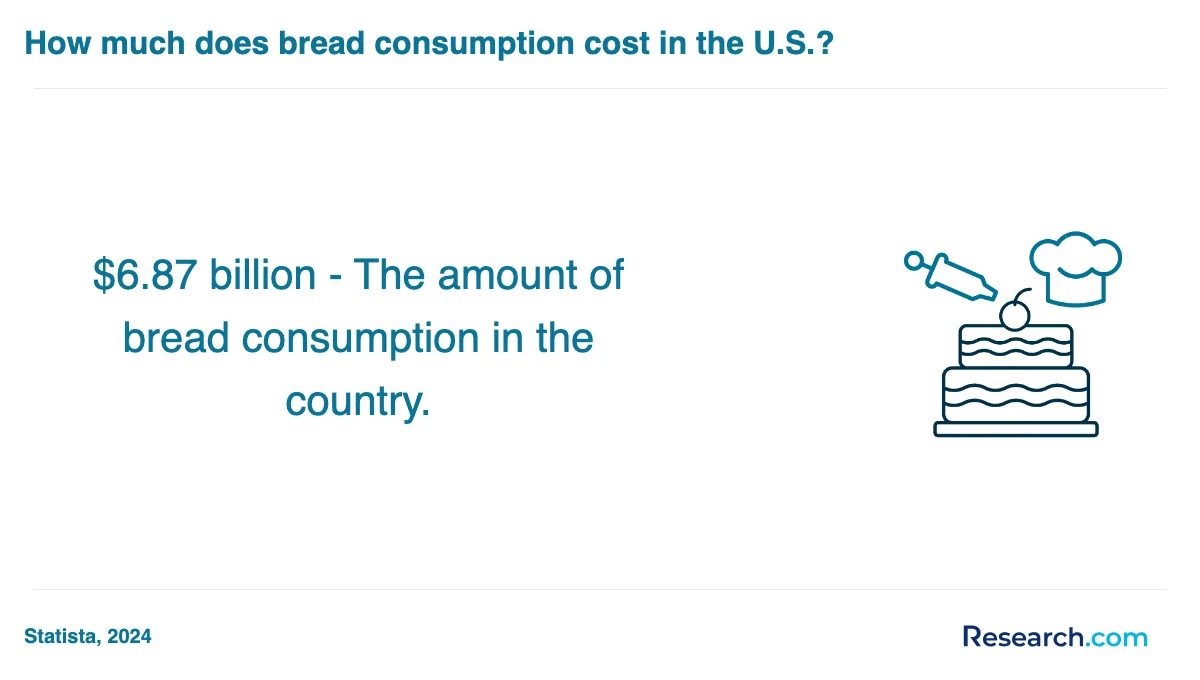
Baking and pastry trade school programs in Paul Smiths focus on a blend of technical skill development and business acumen, preparing students for real-world bakery environments. Graduates from popular local programs often highlight the hands-on nature of courses that build confidence in both classic and modern baking techniques.
Core courses typically include:
- Baking Essentials: Students master ingredient recognition, mixing methods, and baking math, essential for precise recipe execution.
- Classic and Modern Cookies, Tarts, and Pies: These classes build creativity and technique for a wide variety of baked goods.
- Yeast Doughs and Artisanal Breads: Learners experience fermentation processes and baker's percentage calculations, producing bakery-quality loaves.
- Viennoiserie and Laminated Doughs: Hands-on practice with croissants and Danish pastries emphasizes both skill and efficiency.
- Restaurant and Plated Desserts: Students develop eye-catching, flavor-balanced desserts, ready for upscale dining settings.
- Chocolate and Confectionery Arts: Techniques like tempering chocolate and creating decorative showpieces enhance artistic expression.
- European and International Pastries: Exposure to global recipes expands versatility for diverse market demands.
In addition, business courses such as Baking Retail Management and Principles of Marketing integrate practical retail experience, with students managing on-campus bakery outlets. This real-world exposure builds confidence in merchandising and customer interaction, which graduates report as invaluable for career readiness in Paul Smiths' hospitality scene.
Typical baking and pastry trade school programs in Paul Smiths include a variety of specializations to prepare students for dynamic careers. Paul Smiths College baking and pastry specializations frequently cover Artisan Bread Baking, focusing on mastering fermentation and shaping techniques prized by graduates for their rewarding hands-on experience. Pastry Arts programs deliver deep dives into cake and pastry creation, emphasizing decoration and flavor science that students find creatively fulfilling.
Other popular focuses include Cake Decorating, where students develop skills in piping and fondant work, often cited by graduates as a key to excelling in custom cake businesses. Chocolate and Confectionery Arts attract those passionate about tempering and molding confections, enhancing their practical skills in flavor pairing. Additionally, Food Safety and Sanitation training is integral, ensuring all graduates understand essential hygiene practices to maintain a safe baking environment.
Many enrolled in Paul Smiths baking and pastry programs value real-world applicability and often share how these specializations align with their aspirations. Looking into core competencies is essential, akin to understanding what skills are needed for restaurant managers, to fully grasp career pathways in the culinary industry.
To choose the best baking and pastry trade school program in Paul Smiths, prioritize accreditation and curriculum quality. Graduates from Paul Smith's College often highlight how the combination of hands-on training in professional pastry labs and comprehensive coursework-including retail bakery management-prepared them for real bakery environments. Such programs balance skill development with business acumen, crucial for those pursuing leadership roles or entrepreneurship.
When you compare baking and pastry school costs Paul Smiths offers, factor in program length and flexibility. For instance, the Culinary Arts Essentials certificate can be completed in under a year, making it ideal for those seeking fast entry into the field, while associate or bachelor's degrees provide deeper specialization over two to four years.
Faculty expertise also impacts outcomes significantly. Programs with instructors certified by industry bodies like the American Culinary Federation provide students with relevant, up-to-date skills. Internships embedded in the curriculum give valuable industry exposure, improving job placement rates. Graduates from local schools report positive experiences managing loan obligations, supported by Paul Smith's College's low 2.8% student loan default rate.
For those weighing options, exploring high paying jobs easy certification can help align educational investments with career goals.
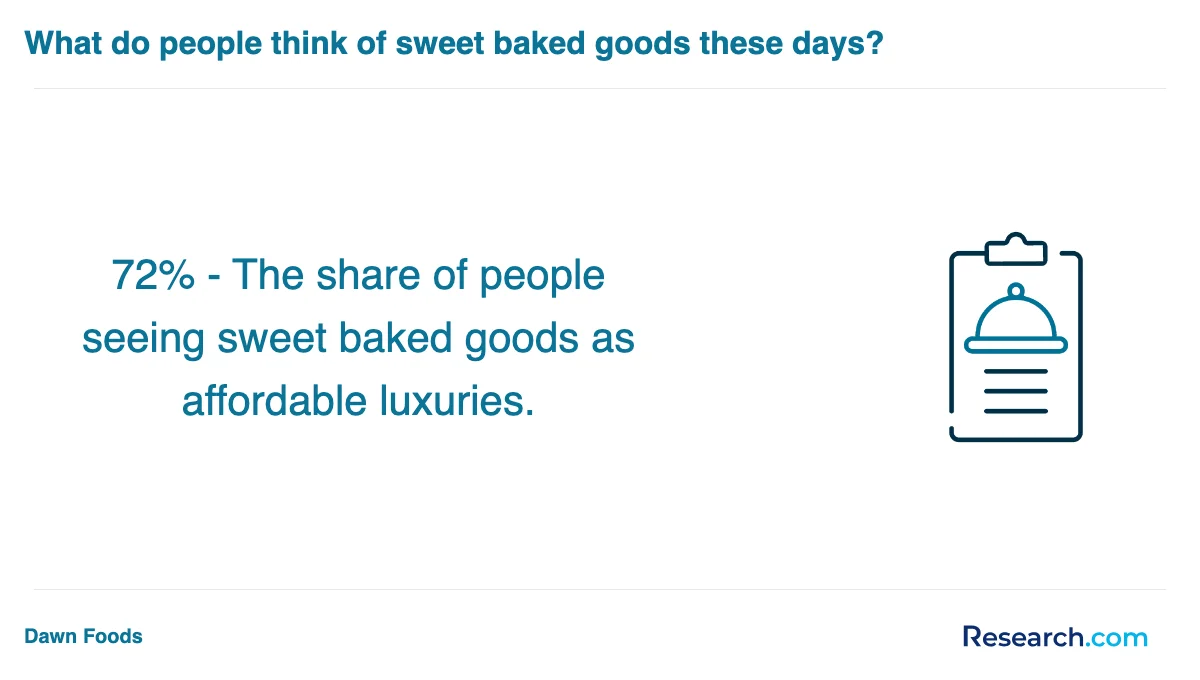
Graduates of baking and pastry trade school programs in Paul Smiths have access to diverse career opportunities that reflect the region's hospitality-focused economy. Popular trade schools like Paul Smith's College equip students with strong foundational skills that enable them to pursue roles as pastry chefs, pastry sous chefs, cake decorators, and caterers. Many graduates find rewarding baking and pastry jobs in Paul Smiths NY, including retail bakery menu designers or bakery owners, leveraging entrepreneurship training to open local bakeries or cafés.
Additionally, commercial baking positions exist for graduates interested in larger-scale production roles, such as journeyman bakers or production assistants supplying hotels and restaurants. Hands-on internships and direct industry experience offered by these programs ensure a smooth transition to employment in these competitive roles. Current job listings frequently feature positions like line cook or executive chef at resorts and restaurants, often with benefits including health coverage and career advancement.
For those aiming for academic or management paths, opportunities such as Instructor or Assistant Professor of Baking & Pastry Arts provide stable salaries, while an accelerated associate degree online that pays well opens doors to executive pastry chef or corporate pastry chef roles, demonstrating the variety of Paul Smiths pastry chef career opportunities available.
The job market for baking and pastry trade school graduates in Paul Smiths remains strong due to the region's robust hospitality and tourism sectors. Graduates from local programs, such as those at Paul Smith's College, benefit from hands-on bakery management experience and industry internships that often lead directly to paid positions. These internships build critical connections with local resorts, restaurants, and catering businesses, boosting graduates' prospects.
Examples of common roles obtained include:
- Journeyman bakers
- Assistant pastry chefs
- Retail bakery management trainees
- Commercial bakers
As of August 2025, there are 21 chef-related openings in Paul Smiths that reflect ongoing baking and pastry job opportunities in Paul Smiths, indicating steady local demand. Graduates often praise the real-world bakery operations experience offered on campus, which prepares them for customer interaction and business management.
Looking ahead, the pastry chef employment outlook Paul Smiths 2026 is positive, supported by regional tourism peaks. Students interested in advancing their careers can consider further education, such as a culinary arts degree, to expand their skill set and job options.
Most Affordable Baking, Pastry & Culinary Schools - Top Baking & Pastry Chef Schools in Paul Smiths for 2026
# 1 position
Paul Smiths College of Arts and Science - Baking and Pastry Arts/Baker/Pastry Chef.
associatePaul Smiths College of Arts and Science offers a hybrid Baking and Pastry Arts/Baker/Pastry Chef program preparing students for careers as professional bakers and pastry specialists. The curriculum covers bread and pastry making, handling, storage, cake decorating, and baking industry operations including packaging and marketing. Annual in-state tuition is $32,049. Graduates earn a median salary of $32,023 one year after completion. The program is accredited by the Middle States Commission on Higher Education.
# 2 position
Paul Smiths College of Arts and Science - Baking and Pastry Arts/Baker/Pastry Chef.
certificate or diplomaPaul Smiths College of Arts and Science offers a hybrid Baking and Pastry Arts/Baker/Pastry Chef program designed to prepare students for professional roles in commercial baking and pastry. The program covers bread and pastry making, decorating, handling, storage, and baking industry operations. Annual in-state tuition is $32,049. Graduates earn a median salary of $32,023 one year after completion. The program is accredited by the Middle States Commission on Higher Education.
Frequently Asked Questions about baking and pastry
After completing a baking and pastry trade school in Paul Smiths, preparing for the job market involves several strategic steps. First, students should build a strong portfolio showcasing their practical skills and creativity, which can be crucial when applying for baker or pastry chef positions. Networking is also essential; connecting with local bakeries, restaurants, and culinary professionals can lead to job opportunities.
Gaining certifications like ServSafe or other food safety credentials can improve employability. According to the U.S. Bureau of Labor Statistics, the demand for bakers in New York State is expected to grow by 5% through 2032, highlighting a steady job market. Internships and apprenticeships during or after schooling can provide valuable hands-on experience and references.
Additionally, researching local job boards and attending career fairs in the Paul Smiths area helps graduates stay informed about openings and industry trends. Continuous skill development and staying updated with new baking techniques will increase competitiveness in this growing field.
Employers in Paul Smiths highly value baking and pastry trade school graduates who demonstrate strong technical skills and creativity. Precision in measuring ingredients and mastering baking techniques is essential. According to the U.S. Bureau of Labor Statistics, attention to detail and consistency in product quality are critical for success in this field.
Communication skills also rank high, as graduates often work in team environments and interact with customers. Time management is another important skill, enabling bakers to meet tight deadlines during busy periods.
Familiarity with food safety regulations and sanitation standards is mandatory, ensuring compliance with local health codes in New York State.
Finally, adaptability to different baking styles and willingness to learn new trends are increasingly preferred by employers in Paul Smiths' growing culinary industry.
Finding internships in Paul Smiths relevant to baking and pastry trade school programs involves several practical steps. Start by connecting with local culinary schools, such as Paul Smith's College, which often have partnerships with nearby bakeries and restaurants offering internship opportunities. Additionally, use resources like the New York State Department of Labor's career services to identify hospitality and food service businesses seeking interns.
Networking is key; reach out to local bakeries and cafes directly to inquire about internship programs. Many small businesses in Paul Smiths value hands-on experience and may offer positions even if not formally advertised. According to the U.S. Bureau of Labor Statistics, internships in food preparation can improve job prospects by up to 15%.
Online platforms like Indeed and local job boards also list seasonal internships, especially during tourist seasons when demand rises in the Adirondacks region. Finally, attending local food industry events and trade fairs can connect students with employers actively recruiting interns in the baking and pastry field.
Obtaining a baking and pastry trade school diploma in Paul Smiths significantly enhances career mobility within the local food service industry. Graduates gain practical skills that qualify them for entry-level to mid-level positions in bakeries, restaurants, and hotels. According to the U.S. Bureau of Labor Statistics, the culinary arts sector, including baking and pastry roles, is projected to grow by 6% nationally from 2022 to 2032, reflecting steady demand.
In Paul Smiths, local employers often prioritize candidates with formal training, as diplomas demonstrate both technical competence and commitment. This credential can lead to wage increases; the New York State Department of Labor reports that certified pastry chefs earn approximately 15% more than uncertified peers in similar roles.
Additionally, many baking and pastry diplomas include internships or externships, which provide valuable networking opportunities in the Paul Smiths culinary community. This hands-on experience is crucial for career advancement and can facilitate transitions into supervisory or specialized positions, increasing long-term earning potential.
Students enrolled in baking and pastry trade schools in Paul Smiths can benefit from various part-time job opportunities that enhance their practical skills. Local bakeries and cafes often seek part-time assistants, providing hands-on experience in dough preparation, decorating, and customer service. According to the U.S. Bureau of Labor Statistics, food preparation worker roles in New York State, including Paul Smiths, have an average hourly wage of $12.50, making these jobs both educational and financially supportive.
Additionally, seasonal positions in hotels and resorts within the Adirondack region offer valuable exposure to large-scale baking operations. Catering companies in the area also hire part-time helpers, allowing students to learn about event-based pastry production. These roles complement classroom learning by offering real-world environments to apply techniques and develop time management skills.
There are affordable Baking and Pastry degree programs near Paul Smiths, NY, offered by institutions with a focus on culinary arts. Paul Smith's College itself provides specialized culinary programs that include training in baking and pastry arts, making it a suitable choice for those seeking an education in this field. Research.com can be a helpful resource to find additional affordable programs near me, catering to those interested in pursuing a career in baking and pastry.
- Baking and Pastry Certificate Program | Blue Ridge CTC - Apply Now! https://www.blueridgectc.edu/academic-programs/certificate-programs/culinary/baking-and-pastry/
- Professional Baking and Pastry Arts | Vancouver Island University | Canada https://tradesappliedtech.viu.ca/baking
- Baking and Pastry Arts Program | College of DuPage https://www.cod.edu/academics/programs/culinary/baking-pastry-arts/
- Professional Baking and Pastry : RRC Polytech: Program Explorer https://www.rrc.ca/explore/program/professional-baking-and-pastry/
- Baking and Pastry Arts Degree | Culinary Institute of America https://www.ciachef.edu/cia-baking-and-pastry-arts-associate-degree-program/
- Baking & Pastry Arts - Technical College High School Brandywine Campus https://www.tchsbrandywine.org/our-programs/baking-pastry-arts
- Baking & Pastry Arts - Lively Technical College https://www.livelytech.com/programs/baking-pastry-arts/
- Baking & Pastry Specialist - Technical Diploma | Chippewa Valley Technical College https://www.cvtc.edu/academics/programs/baking-and-pastry-specialist
- Baking and Pastry Arts, AAS | Monroe University Catalog https://catalog.monroeu.edu/catalog/schools-academic-programs/hospitality-management/baking-pastry-arts-aas/
- Baking & Pastry Arts - Paul Smith's College https://www.paulsmiths.edu/academics/programs/baking-arts-as/