Most Affordable Baking, Pastry & Culinary Schools - Top Baking & Pastry Chef Schools in Ohio for 2026

Co-Founder and Chief Data Scientist
Choosing the right baking and pastry trade school in Ohio can feel overwhelming, but it doesn’t have to be. This article presents a carefully crafted ranking of baking and pastry trade school programs developed by the Research.com team of data scientists.
Designed to help you make an informed decision, the ranking highlights programs that offer quality education at affordable prices. Whether you’re starting a new career or enhancing your skills, earning a diploma or certification in this field opens doors to exciting opportunities.
Explore your options with confidence and take the first step toward a rewarding future in baking and pastry arts.
Key benefits of finishing baking and pastry trade school in Ohio
- Graduates can expect competitive salaries, with entry-level baking and pastry workers earning around $17.01 per hour and experienced pastry chefs making up to $67,597 annually or more in Ohio.
- Career paths include roles like pastry chef, bakery pastry chef, and baking specialist, offering diverse opportunities in both local bakeries and larger city markets such as Columbus and Cleveland.
- Completing a baking and pastry trade school online provides flexibility and hands-on learning, allowing graduates to balance work and study while gaining skills that employers value just as highly as traditional degrees.
- Most Affordable Baking, Pastry & Culinary Schools - Top Baking & Pastry Chef Schools in Ohio for 2026
- What can I expect from baking and pastry trade schools in Ohio?
- Where can I work after finishing baking and pastry trade schools in Ohio?
What can I expect from baking and pastry trade schools in Ohio?
When enrolling in a baking and pastry trade school program in Ohio, expect a hands-on experience combined with essential industry knowledge. Graduates from schools like Sinclair College and Owens Community College share how they gained practical skills in bread making, cake decoration, and sugar art through kitchen labs using professional-grade equipment. Alongside this, classroom lessons cover important topics such as kitchen chemistry, sanitation, food service equipment, and cost control, preparing students for real-world bakery environments.
Programs typically last 9 to 12 months for certificates, with options to continue toward an associate degree. Many students appreciate how their training includes preparation for ServSafe certification, boosting employability. The curriculum is accredited by organizations like the ACFEF, ensuring quality education that meets industry standards.
Ohio students also develop skills beyond baking-communication, teamwork, and problem-solving are emphasized to thrive in fast-paced kitchens. Graduates often find job support through employer networking and platforms like Chef Rolls. The rising demand for bakers nationally means strong job prospects and rewarding careers await those who complete these programs.
Where can I work after finishing baking and pastry trade schools in Ohio?
Graduates from baking and pastry trade schools in Ohio often find themselves stepping into roles at hotels, restaurants, resorts, and country clubs, where their hands-on skills and kitchen management knowledge become valuable assets. Many alumni from well-known Ohio programs share how starting as bakers or pastry cooks in these settings helped build their confidence and refine their craft in fast-paced environments.
Commercial bakeries and supermarkets across Ohio consistently offer entry-level and apprentice positions, with over 100 openings regularly posted statewide. Graduates appreciate the steady demand here, producing breads, cakes, and specialty desserts for a loyal retail customer base.
Smaller independently owned bakeries and cafes also attract new professionals, providing more creative freedom and involvement in customer service. Some graduates enjoy the variety found in deli bakeries or grocery stores with in-house bakeries, blending baking skills with catering opportunities.
Trade school alumni often highlight institutional jobs in healthcare facilities, school cafeterias, and government institutions, where they handle large-scale baking while meeting strict health guidelines. These roles sometimes offer higher salaries and unique challenges compared to retail baking.
Others leverage their training to work on cruise ships, at event venues, or pursue specialized certifications in cake decorating or artisan bread making. Ohio's trade schools actively support these paths through job boards and industry connections, making career transitions smoother for graduates.
After completing a baking and pastry trade school program in Ohio, graduates typically start with an average salary of about $27,910 per year, closely matching the national entry-level average. Many students from popular Ohio trade schools find this starting salary encouraging, especially when landing roles like baker, cake decorator, or pastry assistant in local bakeries and restaurants.
Hourly wages for new bakers in Ohio range from $9.38 to $18.82, with a median around $12.37. Graduates often share how these rates help cover living expenses while they gain experience. Salaries vary by city-for instance, Cincinnati offers around $28,720 annually, while Cleveland-Elyria is closer to $25,590. Columbus and Akron tend to fall in the mid-$26,000 range, with Youngstown-Warren-Boardman slightly higher, at about $29,420.
Many graduates feel motivated knowing that with time, certifications, or moving into specialized roles like pastry chef or bakery manager, earnings can rise significantly, sometimes exceeding $80,000 annually. This progression reflects their growing skills and commitment in Ohio's vibrant baking industry.
- Most baking and pastry programs in Ohio have open admission and require a high school diploma or equivalent.
- Programs combine classroom learning with hands-on practice and typically require around 32 credit hours completed in two or three semesters.
- Many programs are accredited by the American Culinary Federation Education Foundation, enabling graduates to earn the Certified Pastry Culinarian credential.
- Tuition for these programs usually ranges from $4,000 to $6,000, excluding books and fees, with financial aid options available.
- Entry-level salaries in Ohio's baking and pastry field start around $25,000 to $32,000, increasing to $40,000 to $55,000 with experience and credentials.
Completing a baking and pastry trade school program in Ohio typically takes between 6 months and 1 year. This timeframe fits well for those eager to jump into the workforce without long delays. Many trade schools in Ohio structure their programs to balance hands-on practice with essential theory, helping students build confidence quickly.
Graduates from popular Ohio trade schools often share how immersive the experience is-intense weeks of mastering dough, decorating, and perfecting pastries create a rewarding rhythm. One graduate described the feeling of shaping croissants on day one and confidently running a kitchen station by the program's end as a powerful confidence boost.
Studying in Ohio offers the advantage of small class sizes and personalized instruction, which speeds up skill acquisition. For a student juggling work or family, these programs offer flexible scheduling options, making the roughly 6- to 12-month commitment manageable and motivating.
The main difference between online and on-campus baking and pastry trade programs in Ohio is how you experience learning and hands-on practice. On-campus students at places like Hocking College and Columbus State Community College dive into daily, hands-on work in professional kitchens. They get to practice pastry techniques alongside instructors and peers, using real baking labs and equipment. Graduates often describe this immersive environment as energizing and crucial for building confidence in a fast-paced kitchen setting.
Online programs, such as those from the Institute of Culinary Education, offer flexibility by delivering theory and foundational skills through virtual classes. Students study baking science and culinary business from home and then complete required externships in real bakeries or restaurants to gain practical experience. Graduates appreciate being able to balance work, family, and school, though they note it requires more self-motivation to secure quality externship placements.
Choosing between these options depends on whether you value direct, daily practice in Ohio's bakery labs or need the freedom to learn remotely while still gaining real-world experience.
The average tuition fees for baking and pastry programs in Ohio can vary widely depending on the type of institution you choose. For example, graduates from Hocking College in Nelsonville have shared that in-state tuition typically runs around $4,390 per year, while out-of-state students might pay about $8,780. Beyond tuition, budgeting approximately $1,350 for books and supplies is necessary, reflecting a realistic picture of the cost of baking and pastry trade school diplomas in Ohio. These figures illustrate what many students encounter when enrolling in reputable programs.
Another common route for students involves programs at culinary institutes like the International Culinary Arts and Sciences Institute in Chesterland, where tuition totals about $24,615 for the entire baking and pastry arts program. Graduates recall that this immersive 18-month experience, spanning over 1,000 contact hours, also requires an additional $1,325 for materials. This represents a more intensive commitment but one that many find rewarding as they develop hands-on skills.
Community colleges offer more affordable options, with Cincinnati State Technical and Community College and Sinclair Community College providing average net prices around $5,469 and $4,208, respectively, for students who qualify for aid. These programs often attract students who balance costs with quality education and practical training. For anyone navigating the complexities of cost, understanding these variations helps align financial planning with career goals.
Students considering their next steps should also explore culinary arts education and training requirements in Ohio to get a fuller picture of what to expect beyond tuition, including potential expenses for housing and daily living.

Baking and pastry students in Ohio often rely on a mix of financial aid options to make their education affordable. At schools like Sinclair Community College and Owens Community College, graduates frequently recall how federal Pell Grants, which don't require repayment, covered a significant portion of their tuition. Many students find state grants and scholarships from their institutions also play a crucial role in easing their financial burden.
For those pursuing shorter certificate programs, the Ohio Department of Higher Education's Talent Ready Grant can provide up to $5,000 for tuition, books, and fees. Graduates from various programs have shared how this grant's first-come, first-served availability encouraged early planning, helping them secure funds without the hassle of filing FAFSA.
At Hocking College, students appreciate the all-inclusive pricing model, which bundles costs and clarifies what aid covers, reducing stress before classes start. This comprehensive support system allows many Ohio baking and pastry students to focus more on mastering their craft than worrying about finances.
To enroll in a baking and pastry trade school program in Ohio, students typically need a high school diploma or equivalent. This basic educational requirement ensures you have the foundational skills for more specialized training.
Many trade schools also value some prior exposure to baking or culinary arts, though it's not always mandatory. Graduates often share how having a few months of home baking or a part-time job at a bakery made the transition into hands-on classes smoother and boosted their confidence.
Other common prerequisites include:
- Proof of residency or eligibility to study in Ohio
- Basic math and reading skills to follow recipes and safety guidelines
- Passing a simple entrance interview or assessment to gauge your passion and readiness
For example, students at popular Ohio trade schools find that being comfortable with measuring ingredients and understanding kitchen safety beforehand helps them feel more prepared and excited rather than overwhelmed when classes start.
Ultimately, schools want applicants who show enthusiasm for baking and a willingness to learn, reflecting the positive, creative energy that successful baking careers require.

Baking and pastry trade school programs in Ohio focus on a practical mix of foundational and advanced courses designed to build confidence and skill. Graduates often recall starting with core classes like Theory of Baking and Fundamentals of Baking, which explain the science behind ingredients and mixing methods. This solid base makes hands-on practice feel more meaningful.
Students at schools like Cincinnati State experience intensive lab sessions, such as six-hour cake decorating and pastry production classes, where they develop real-world skills. Sinclair College offers specialized lab courses including Baking I, II & Barista Basics and Artisan Breads, giving students varied, focused practice that builds confidence in different baking styles.
Food safety, taught through ServSafe-aligned courses, is a vital part of every Ohio program, ensuring graduates know how to maintain safe kitchen environments. As students progress, advanced topics like Novelty and Theme Cake Production and Chocolate Centerpiece Design challenge them creatively, as seen at Owens Community College.
Business courses in hospitality and bakery management also prepare students for career success beyond the kitchen. This blend of science, craft, safety, and management equips students for the realities of bakery work in Ohio's competitive food service industry.
Baking and pastry trade school programs in Ohio typically include specializations that prepare students for real-world culinary careers. Graduates from Columbus State Community College often highlight strong foundations in fundamentals of baking and pastry production, which enable them to confidently tackle everyday bakery tasks. Tri-C Culinary Arts students appreciate courses in advanced pastry arts, focusing on refining techniques that elevate their creativity in professional kitchens.
Technical skills like cake decorating and sugar art, along with bread and viennoiserie techniques, are standard at Cincinnati State Technical and Community College. These allow students to confidently produce high-quality artisan breads and elaborate desserts. At Hocking College, graduates frequently mention integrating chocolate and confectionery arts with nutrition and menu planning, striking a balance between taste and health consciousness.
Food safety and sanitation training is emphasized throughout these Ohio programs, as is culinary management and entrepreneurship, preparing students to lead in bakery environments. Many graduates find the blend of hands-on work and management skills invaluable for launching their careers or businesses with confidence.
Choosing these paths can lead to high paying careers with an associate's degree, making these specializations both practical and inspiring for students focused on success.
Start by verifying a program's accreditation, especially if it's recognized by the American Culinary Federation Education Foundation (ACFEF). Graduates from accredited schools in Ohio often share how this recognition helped them gain confidence and credibility with employers. Sinclair College and Owens Community College, for example, offer well-rounded curricula combining hands-on baking labs and classroom theory, which many students find invaluable. These programs provide a clear path to certifications like the Certified Pastry Culinarian, strengthening career prospects.
When choosing a baking and pastry school in Ohio, consider how courses align with your goals. Some students appreciate programs that include cooperative education or industry placements, enabling them to build real-world skills and professional networks before graduation. Also, review how credits transfer if you plan to pursue advanced degrees, ensuring your education remains flexible.
Cost is a practical factor-beyond tuition, factor in expenses for uniforms and supplies. Comparing these costs helps identify the best value baking and pastry programs in Ohio. For those balancing work and study, exploring options like easy online associate degrees can add flexibility while maintaining quality training.
Graduates of baking and pastry trade school programs in Ohio have access to a variety of rewarding career paths in both commercial and specialty sectors. Many find immediate employment in settings like retail and commercial bakeries, fine dining restaurants, hotels, patisseries, and boulangerie shops. Popular trade schools such as Columbus State Community College, Sinclair College, and Owens Community College prepare students well for these opportunities. Entry-level jobs for baking and pastry graduates in Ohio often include roles like baker, assistant pastry chef, kitchen staff, prep cook, and cake decorator.
As skills advance, graduates may move into leadership positions such as head baker, pastry chef, or bakery manager, focusing on artisan breads, fine pastries, or cake design. Some also pursue entrepreneurship, leveraging their trade school foundation to open bakeries or online pastry shops. Ohio programs also support career flexibility, allowing alumni to work in hotels, resorts, country clubs, hospitals, or cruise ships.
Ohio students benefit from accredited programs and industry credentials like the Certified Pastry Culinarian, boosting employment prospects. For practical insights into baking and pastry career opportunities in Ohio, it's useful to note graduates often advance by building on skills learned at these schools. For those looking at high paying trade school jobs, this path offers tangible growth and diverse options.
The job market for baking and pastry trade school graduates in Ohio is steady but competitive. Graduates often report that hourly wages average around $23.79, with entry-level positions starting near $17.36 and experienced pastry chefs earning up to $38.62. While the market is described as "not very active," opportunities exist, especially for those willing to work in smaller bakeries or entry-level roles. Many graduates from popular Ohio trade schools find themselves employed within local bakeries, grocery stores, or manufacturing plants where skill growth is valued.
To navigate the baking and pastry job outlook in Ohio effectively, consider these points:
- Ohio's bread production industry supports over 7,500 jobs across 1,100+ businesses, many of which are small and flexible employers.
- Graduates often benefit from starting roles at these smaller bakeries, where hands-on experience leads to advancement.
- Networking through trade programs and internships is crucial to gaining a foothold.
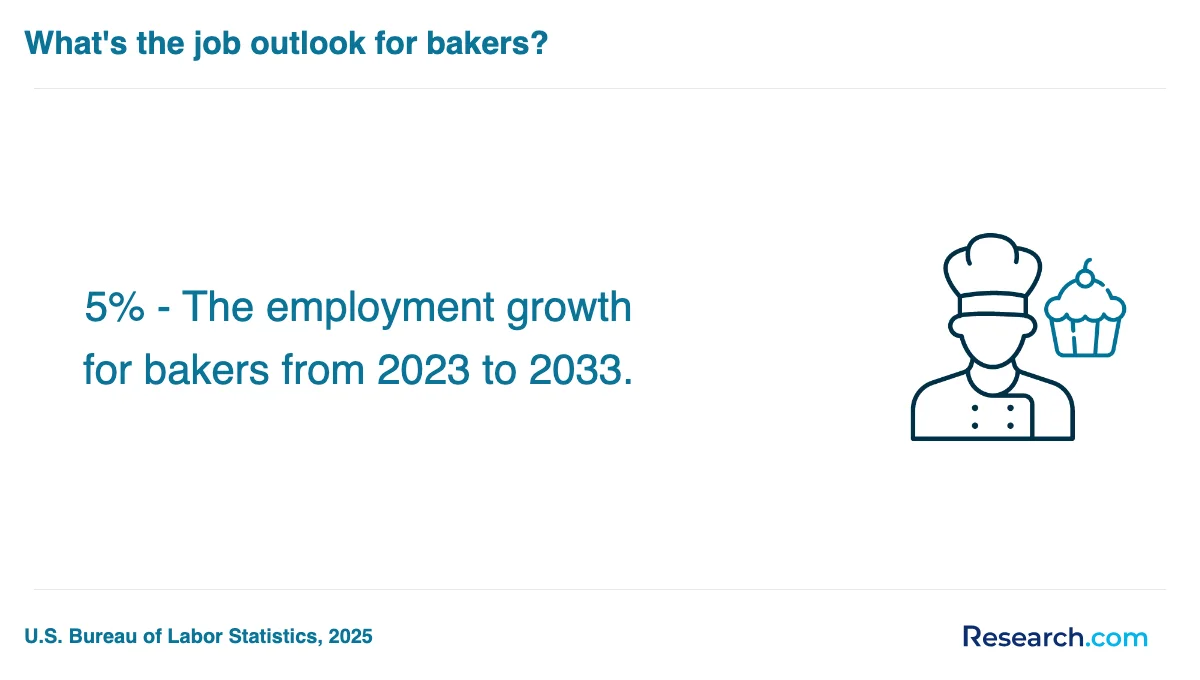
Bakers nationally will see about 5% job growth through 2033, and Ohio's market generally aligns with this. Graduates who combine their baking skills with a broader hospitality management degree report enhanced employment opportunities. Patience and flexibility often lead to rewarding careers despite the competitive Ohio pastry chef employment opportunities Ohio presents.
Most Affordable Baking, Pastry & Culinary Schools - Top Baking & Pastry Chef Schools in Ohio for 2026
# 1 position
Sinclair Community College - Baking and Pastry Arts/Baker/Pastry Chef.
associateSinclair Community College offers a hybrid Baking and Pastry Arts/Baker/Pastry Chef program designed to prepare students for professional roles in commercial baking establishments. The curriculum covers bread and pastry making, handling and storage, cake and pastry decorating, baking industry operations, and marketing. Annual in-state tuition is $3,435. Graduates earn a median salary of $28,037 one year after completing the program. The program is accredited by the Higher Learning Commission.
# 2 position
Sinclair Community College - Baking and Pastry Arts/Baker/Pastry Chef.
certificate or diplomaSinclair Community College offers a hybrid Baking and Pastry Arts/Baker/Pastry Chef program designed to prepare students for professional roles in commercial baking. The curriculum covers bread and pastry making, handling, storage, decorating, industry operations, packaging, marketing, and counter service. Annual in-state tuition is $3,435. Graduates have median earnings of $28,037 one year after completion. The program is accredited by the Higher Learning Commission.
# 3 position
Cuyahoga Community College District - Baking and Pastry Arts/Baker/Pastry Chef.
certificate or diplomaCuyahoga Community College District offers a Baking and Pastry Arts/Baker/Pastry Chef program with a hybrid format, including some distance-education options. The program prepares students for careers as professional bakers and pastry specialists in commercial settings. Instruction covers bread and pastry making, decorating, storage, marketing, and service. Annual in-state tuition is $3,736. The program is accredited by the Higher Learning Commission.
# 4 position
Columbus State Community College - Baking and Pastry Arts/Baker/Pastry Chef.
certificate or diplomaColumbus State Community College offers a hybrid Baking and Pastry Arts/Baker/Pastry Chef program designed to prepare students for careers as professional bakers and pastry specialists. The curriculum covers bread and pastry making, decorating, handling, storage, and industry operations, including packaging and marketing. Annual in-state tuition is $5,338. The program is accredited by the Higher Learning Commission and includes some distance-education options.
# 5 position
Cincinnati State Technical and Community College - Baking and Pastry Arts/Baker/Pastry Chef.
associateCincinnati State Technical and Community College offers a hybrid Baking and Pastry Arts/Baker/Pastry Chef program that prepares students for professional roles in baking and pastry specialties. The program covers bread and pastry making, decorating, storage, industry operations, and marketing. Annual in-state tuition is $5,400. Graduates earn a median salary of $36,330 one year after completion. The program is accredited by the Higher Learning Commission.
# 6 position
Cincinnati State Technical and Community College - Baking and Pastry Arts/Baker/Pastry Chef.
certificate or diplomaCincinnati State Technical and Community College offers a hybrid Baking and Pastry Arts/Baker/Pastry Chef program that prepares students for professional roles in commercial baking establishments. The curriculum covers bread and pastry making, decorating, handling, storage, and industry operations. Annual in-state tuition is $5,400. Graduates earn a median salary of $36,330 one year after completion. The program is accredited by the Higher Learning Commission.
# 7 position
Owens Community College - Baking and Pastry Arts/Baker/Pastry Chef.
certificate or diplomaOwens Community College offers a hybrid Baking and Pastry Arts/Baker/Pastry Chef program that prepares students for professional roles in commercial baking establishments. The curriculum covers bread and pastry making, handling, storage, decorating, and industry operations including packaging, marketing, and service. The annual in-state tuition is $5,750. The program is accredited by the Higher Learning Commission and includes some distance-education options.
Frequently Asked Questions about baking and pastry
After completing a baking and pastry trade school in Ohio, preparing for the job market involves several key steps. First, gaining practical experience through internships or apprenticeships is essential. Many Ohio culinary schools partner with local bakeries and restaurants to provide hands-on opportunities, which help build a strong resume.
Networking is also crucial. Joining professional organizations such as the American Culinary Federation (ACF) offers access to job boards, certifications, and local events in Ohio's food industry. According to the U.S. Bureau of Labor Statistics, Ohio's employment of bakers is projected to grow 4% from 2022 to 2032, indicating steady demand.
Lastly, developing skills in customer service and business management can increase employability in competitive markets.
Employers in Ohio's baking and pastry industry prioritize both technical skills and workplace qualities when hiring trade school graduates. Key technical skills include proficiency in dough preparation, cake decorating, and chocolate tempering. According to the U.S. Bureau of Labor Statistics, practical knowledge of food safety and sanitation is essential, as Ohio's food service regulations require strict compliance.
Beyond technical abilities, employers value time management and teamwork. The Ohio Department of Job and Family Services highlights that 65% of baking and pastry employers seek candidates who can work efficiently under pressure and collaborate well with kitchen staff. Creativity is also important, as bakery businesses often look for innovative recipe development and presentation skills to attract customers.
Finding internships in Ohio relevant to baking and pastry trade school programs involves several practical steps. Start by exploring partnerships that schools often have with local bakeries, restaurants, and hotels. Many Ohio culinary institutions maintain internship placement programs to connect students with industry employers.
Additionally, resources such as the Ohio Restaurant Association and the American Culinary Federation Ohio Chapter frequently list internship opportunities tailored to baking and pastry students. According to the U.S. Bureau of Labor Statistics, Ohio's food preparation sector is expected to grow by 6% through 2030, increasing internship availability.
Students should also utilize online job platforms focused on hospitality internships in Ohio, and consider reaching out directly to well-known bakeries in cities like Columbus, Cleveland, and Cincinnati. Networking at local food events and career fairs can further improve chances of securing valuable hands-on experience.
Obtaining a diploma from a baking and pastry trade school in Ohio can significantly enhance career mobility and advancement opportunities. Graduates often gain practical skills and industry-recognized certifications that employers value, helping them qualify for higher-paying roles in bakeries, restaurants, and hotels.
According to the Ohio Department of Job and Family Services, the food preparation and serving sector is projected to grow by 7% through 2030, indicating expanding job opportunities for skilled bakers and pastry chefs.
Trade school diplomas also provide access to professional networks and apprenticeships, which can lead to supervisory or specialized positions. Moreover, many Ohio employers prefer candidates with formal training, which can lead to faster promotions and increased earnings compared to those without credentials.
Part-time job opportunities in Ohio that complement baking and pastry trade school education are plentiful. Many students find positions as bakery assistants, where they gain hands-on experience with dough preparation, decorating, and customer service. Working in local bakeries or grocery store bakeries helps reinforce skills learned in class. According to the U.S. Bureau of Labor Statistics, Ohio employs over 3,000 bakers, with a steady demand expected through 2026.
Other roles include working as pastry kitchen helpers or catering assistants, which provide exposure to large-scale food preparation and event service. These jobs often offer flexible hours suitable for students. Additionally, farmers' markets and specialty food shops in Ohio sometimes hire part-time workers to sell baked goods, helping students develop sales and marketing skills.
To choose the most affordable Baking and Pastry degree program near me, it's essential to first compare tuition costs among community colleges, vocational schools, and universities, taking into consideration any out-of-state fees that might apply. You can further narrow down your search for institutions offering such programs near Ohio by consulting resources like college directories or platforms like Research.com to identify accredited institutions and their program costs. Finally, consider the availability of financial aid, scholarship opportunities, and hands-on training facilities to make an informed decision.
- Most Affordable Baking, Pastry & Culinary Schools - Top Baking & Pastry Chef Schools in Kentucky for 2026
- Most Affordable Baking, Pastry & Culinary Schools - Top Baking & Pastry Chef Schools in Pennsylvania for 2026
- Most Affordable Baking, Pastry & Culinary Schools - Top Baking & Pastry Chef Schools in Michigan for 2026
- Most Affordable Baking, Pastry & Culinary Schools - Top Baking & Pastry Chef Schools in Illinois for 2026
- Most Affordable Baking, Pastry & Culinary Schools - Top Baking & Pastry Chef Schools in North Carolina for 2026
- Most Affordable Baking, Pastry & Culinary Schools - Top Baking & Pastry Chef Schools in Maryland for 2026
- Most Affordable Baking, Pastry & Culinary Schools - Top Baking & Pastry Chef Schools in South Carolina for 2026
- Most Affordable Baking, Pastry & Culinary Schools - Top Baking & Pastry Chef Schools in Georgia for 2026
- Most Affordable Baking, Pastry & Culinary Schools - Top Baking & Pastry Chef Schools in New Jersey for 2026
- Most Affordable Baking, Pastry & Culinary Schools - Top Baking & Pastry Chef Schools in New York for 2026
- The sweet life: exploring the delicious world of baking and pastry careers :: École Ducasse https://www.ecoleducasse.com/en/blog/baking-pastry-careers
- 14 Exciting Careers with a Baking and Pastry Arts Degree https://www.baker.edu/about/get-to-know-us/blog/careers-with-a-baking-and-pastry-arts-degree/
- Career Opportunities in Baking and Pasty https://www.hrcacademy.com/en/blog/career-opportunities-for-bakers-and-pastry-chefs/
- How To Become A Pastry Chef | The Bakers Guide - Escoffier https://www.escoffier.edu/blog/culinary-pastry-careers/how-to-become-a-pastry-chef/
- What Are the Career Opportunities in Baking and Pastry? https://www.pastryclass.com/articles/baking-pastry-career-opportunities
- Sweet Careers: 9 Best Opportunities in Baking and Pastry https://chefibpa.com/best-career-opportunities-in-baking-and-pastry/
- Become a Pastry Chef: An Introduction to Baking and Pastry https://www.lci.edu/blog/become-a-pastry-chef-an-introduction-to-baking-and-pastry
- The Career Benefits of Baking & Pastry Courses https://laney.edu/news/baking-and-pastry-courses-for-professionals
- Exciting Careers with Your Baking & Pastry Arts Diploma | Pacific Institute of Culinary Arts https://www.picachef.com/in-the-news/exciting-careers-with-your-baking-pastry-arts-diploma
- 7 Exciting Careers for Baking & Pastry Arts Grads | Johnson & Wales University https://www.jwu.edu/news/2022/06/baking-pastry-arts-careers.html