
Most Affordable Automotive Technician Schools, Colleges & Trade Certification Training Programs in Harrisburg for 2026

Co-Founder and Chief Data Scientist
Choosing the right automotive technician trade school in Harrisburg can feel overwhelming. This article helps simplify that decision by presenting a carefully crafted ranking of trade school programs created by the Research.com team of data scientists. Their data-driven approach highlights the most affordable and reputable options available for 2026.
Whether you’re starting a new career or upgrading your skills, earning a diploma or certification in automotive technology opens many doors. Reading this guide will empower you to make a smart choice that fits your goals and budget.
Get ready to take an important step toward a rewarding future in the automotive industry.
Key benefits of finishing automotive technician trade school in Harrisburg
- Graduates of automotive technician trade schools in Harrisburg can expect starting salaries around $25 to $27 per hour, with opportunities to earn up to $100,000 annually as they gain experience and certifications.
- Career paths include roles such as automotive mechanic, service technician, or shop supervisor, offering steady growth and the chance to specialize in areas like diagnostics or repair.
- Completing an online automotive technician program offers flexibility and convenience, helping students balance work and study while gaining hands-on skills without the time and cost of a traditional degree.
- Most Affordable Automotive Technician Schools, Colleges & Trade Certification Training Programs in Harrisburg for 2026
- What can I expect from automotive technician trade schools in Harrisburg?
- Where can I work after finishing automotive technician trade schools in Harrisburg?
What can I expect from automotive technician trade schools in Harrisburg?
Enrolling in an automotive technician trade school program in Harrisburg means diving into a hands-on, fast-paced learning adventure where you quickly gain real skills. Graduates often share how the blend of classroom theory and intense lab training-covering everything from engine diagnostics to electrical systems-makes them feel ready to tackle actual repairs from day one.
One standout experience is the 480-hour cooperative work placement at local repair shops, which students describe as eye-opening and confidence-boosting. This real-world exposure doesn't just build skills; it also creates valuable industry connections that graduates say helped them land their first jobs.
Students appreciate how the programs, like those at HACC, are accredited by the Automotive Service Excellence Education Foundation, giving them assurance their training meets national standards. Many also highlight preparing for Pennsylvania's State Safety and Emission Inspector certifications, feeling proud to earn these crucial credentials.
Admission is competitive, requiring a mechanical aptitude test and a PA driver's license, but those with prior experience can advance quickly, saving time and effort. The sense of accomplishment after about a year of study, knowing you're ready to enter the workforce as a service technician, is a common feeling among Harrisburg's automotive program graduates.
Where can I work after finishing automotive technician trade schools in Harrisburg?
After finishing an automotive technician trade school program in Harrisburg, many graduates dive straight into a world of dynamic job opportunities. Imagine yourself working at a bustling Ford dealership, diagnosing engine issues or performing routine maintenance on sleek new models. Others find rewarding roles at local used car lots, independent repair shops, or national chains like Meineke and Midas, where structured training helps you sharpen your skills and climb the career ladder.
For those who crave variety, heavy vehicle work as a diesel mechanic with trucking companies or public transit agencies offers a different kind of challenge-imagine maintaining the buses that keep the city moving. Graduates often speak about the pride in supporting Harrisburg's logistics and fleet operations.
Some graduates thrive beyond the garage floor, becoming service advisors or parts specialists, blending technical knowledge with customer interaction. The Harrisburg automotive scene is alive with opportunities, from hands-on mechanic roles to supervisory positions, all fueled by the solid foundation built at local trade schools.
After completing an automotive technician trade school program in Harrisburg, many graduates find themselves stepping into a world of promising earnings. Imagine starting out with an annual salary around $49,514, which is the average for entry-level Automotive Mechanic I positions here. Some graduates from popular Harrisburg trade schools share how their first jobs offered salaries ranging from $40,000 to $55,000, making those long hours in the shop feel truly worth it.
Hourly wages also paint an exciting picture: new technicians often earn between $24 and $28 per hour, with top earners reaching up to $44.85 an hour. One graduate recalled clocking overtime that added an extra $5,000 annually, turning weekends into bonus pay opportunities. For those diving into auto body repair, the average salary climbs even higher-to about $53,922 annually, or roughly $26 per hour. These numbers reflect real chances to grow as skills sharpen and certifications stack up.
- Programs typically last about one year and focus on hands-on training in brake systems, engine performance, electrical systems, and heating/air conditioning.
- Admission usually requires a high school diploma or GED, with some schools needing a mechanical aptitude test and a valid Pennsylvania driver's license.
- Students can earn certifications like NOCTI Automotive Technician, Pennsylvania Vehicle Safety Inspector, and EPA Section 609 for refrigerant recycling.
- The cost ranges from $5,000 to $15,000, with financial aid and scholarships often available.
- Starting salaries range from $38,000 to $45,000, with experienced technicians earning up to $60,000 annually depending on specialization.
Completing an automotive technician trade school program in Harrisburg typically takes about 9 to 12 months, though some students finish in as little as 6 months depending on the pace and schedule they choose. Imagine diving into hands-on training every day at a local trade school, where you're quickly mastering engine diagnostics and brake systems, feeling the excitement of turning wrenches and solving real car problems.
Graduates often share how the intensive, focused curriculum in Harrisburg's popular trade schools kept them motivated and eager to learn. One recalls how a fast-track program helped them land a job sooner than expected, while another appreciated the balanced schedule that allowed time for part-time work and family.
The real thrill comes from seeing your skills grow rapidly-starting with basics and advancing to complex repairs within months. This immersive approach means you're not just reading about engines; you're rebuilding them, preparing for a rewarding career in automotive service right in Harrisburg's vibrant community.
Imagine stepping into a bustling workshop at HACC's Harrisburg campus, surrounded by the hum of engines and the clink of diagnostic tools. Here, on-campus automotive technician students get their hands dirty, mastering real engines and transmissions under expert guidance. This in-person training is the heartbeat of Harrisburg's traditional programs, offering immediate, practical skills that graduates rave about when landing their first jobs.
Now picture a different journey-logging in from home to Pennsylvania College of Technology's online Automotive Technology Management program. Students here dive deep into the business side of cars, studying leadership and management whenever their schedule allows. It's perfect for those balancing work or family, offering flexibility and 24/7 access to course materials.
Yet, online learners often start with a solid foundation from hands-on experience elsewhere, because nothing beats the real feel of a wrench in your hand. Harrisburg's on-campus programs build that foundation, while online options open doors to new careers beyond the garage.
When diving into the average tuition fees for automotive technician programs in Harrisburg, many students find a range that reflects different school types and program lengths. For example, graduates from Harrisburg Area Community College often recall paying roughly $9,000 per year, covering hands-on learning and technical instruction. This cost feels like an investment in a hands-on future-especially when paired with the excitement of wrenching under a hood or diagnosing engine issues. The affordable fees here make it a popular choice for locals eager to start a career without breaking the bank.
However, those who choose private trade schools nearby, such as the YTI Career Institute in York, share stories of a more intensive but pricier journey, with tuition hovering around $20,000. This is typical for the cost of automotive technician trade schools in Harrisburg, considering the thorough training and modern equipment offered. Graduates often emphasize how this investment reflects the comprehensive skills they gained, preparing them well for the competitive job market.
Many students are pleasantly surprised to learn about financial aid options that ease the tuition burden, including scholarships and flexible payment plans. If you're curious about what's the best trade school fit for your budget and career goals, exploring resources like what's the best trade school can provide valuable insights and guidance tailored to your aspirations.

Automotive technician students in Harrisburg often unlock their educational journey through the magic of financial aid, starting with the essential FAFSA. Graduates from popular schools like HACC rave about how submitting the FAFSA opened doors to Federal Pell Grants, which can provide up to $7,395 for those with financial need-money that doesn't have to be paid back. Imagine the relief of covering a big chunk of tuition without debt weighing you down!
Many students also tap into Federal Direct Loans, including Subsidized and Unsubsidized Stafford Loans, which offer manageable low-interest options to handle expenses beyond tuition. Parents sometimes pitch in via federal PLUS Loans, expanding the safety net.
For Pennsylvania residents, the Pennsylvania State Grant Program administered by PHEAA adds another layer of support, making trade school dreams even more attainable. HACC graduates often mention institutional scholarships funded by local foundations, which feel like unexpected boosts from the community cheering them on.
Some trade schools even guide students step-by-step through the maze of applications, ensuring every opportunity is seized. Specialized scholarships for automotive programs further ease the financial journey, turning challenges into exciting milestones.
To dive into an automotive technician trade school program in Harrisburg, you'll usually need a high school diploma or GED-this is the basic ticket to get started. Many graduates recall the excitement of submitting their transcripts and realizing that their previous education was enough to unlock the door to hands-on learning.
Beyond academics, some schools ask for a genuine passion for cars and problem-solving. Imagine walking into a bustling workshop where engines roar and diagnostics light up; enthusiasm for engines really fuels your success here.
Typical prerequisites include:
- Proof of high school graduation or equivalent certification
- Basic math and reading skills to handle technical manuals and diagnostics
- Sometimes a background check or drug screening, especially if internships at local garages are involved
- Physical ability to lift parts and stand for long periods, as shared by many who thrived in Harrisburg's hands-on programs
Graduates often share how starting with these simple requirements turned into a thrilling journey of mastering automotive technology in Harrisburg's well-equipped trade schools, setting them up for careers that blend passion with practical skills.

In Harrisburg's automotive technician trade schools, students dive straight into hands-on courses that build solid skills from day one. Graduates often recall their excitement mastering core subjects like vehicle systems, safety protocols, and tool usage-foundations that spark confidence when working on real cars.
The curriculum covers thrilling, specialized areas that prepare students for the fast-paced garage environment:
- Brakes: Understanding hydraulic systems and repair techniques keeps every stop smooth and safe.
- Suspension and Steering: Diagnosing alignment and suspension issues feels like solving mechanical puzzles.
- Electrical and Electronic Systems: Wiring and computerized diagnostics bring modern vehicle tech to life.
- Engine Repair and Performance: From rebuilding engines to tuning fuel systems, students experience the roar of power under the hood.
- Transmissions and Drive Trains: Learning both automatic and manual systems fuels versatility.
- Heating and Air Conditioning: Fixing climate controls ensures comfort on every ride.
Many Harrisburg programs also prepare students for Pennsylvania state certifications and ASE credentials, opening doors to rewarding careers. Graduates often share how small class sizes and hands-on labs made complex concepts click, turning curiosity into expertise in a vibrant, supportive setting.
Diving into automotive technician specializations in Harrisburg trade schools reveals a dynamic world where hands-on experience meets cutting-edge technology. Graduates from local programs like those at HACC share how exciting it is to master areas such as
- engine repair and electrical systems
- automatic transmissions
- suspension and steering systems
- fuel systems and air conditioning
- emissions control and state inspection certifications
Many students find huge value in the advanced concentrations offered through stacking skills diplomas, allowing them to explore advanced diagnostics or hybrid and electric vehicle systems-fields that are booming in today's auto industry. These Harrisburg automotive technology program concentrations truly prepare you for Pennsylvania's job market, where demand for specialists is soaring.
For a deeper look into how these focused tracks fit real career goals, check out comprehensive reviews on automotive mechanic training programs that highlight programs blending traditional repair with modern innovation.
Choosing the best automotive technician trade schools Harrisburg involves more than just picking the nearest option. Graduates often highlight how programs with hands-on training and updated equipment helped them feel confident on day one in the shop. Visiting campuses in Harrisburg reveals which schools emphasize real-world experience, from engine repair labs to computer diagnostics bays. Affordable automotive technician programs Harrisburg matter too-students recommend carefully weighing tuition against scholarships and financial aid to avoid overwhelming debt.
Many share how instructors with strong industry ties in Harrisburg helped them land their first internships, turning classroom lessons into paid work. Location plays a role, too: being close to home or potential employers can ease commuting stress and open doors. Some grads also suggest reading student reviews and exploring the difference between trade schools vs college to understand what fits your career path and learning style. Confidence builds when you find a school that feels like the right adventure toward your automotive career.
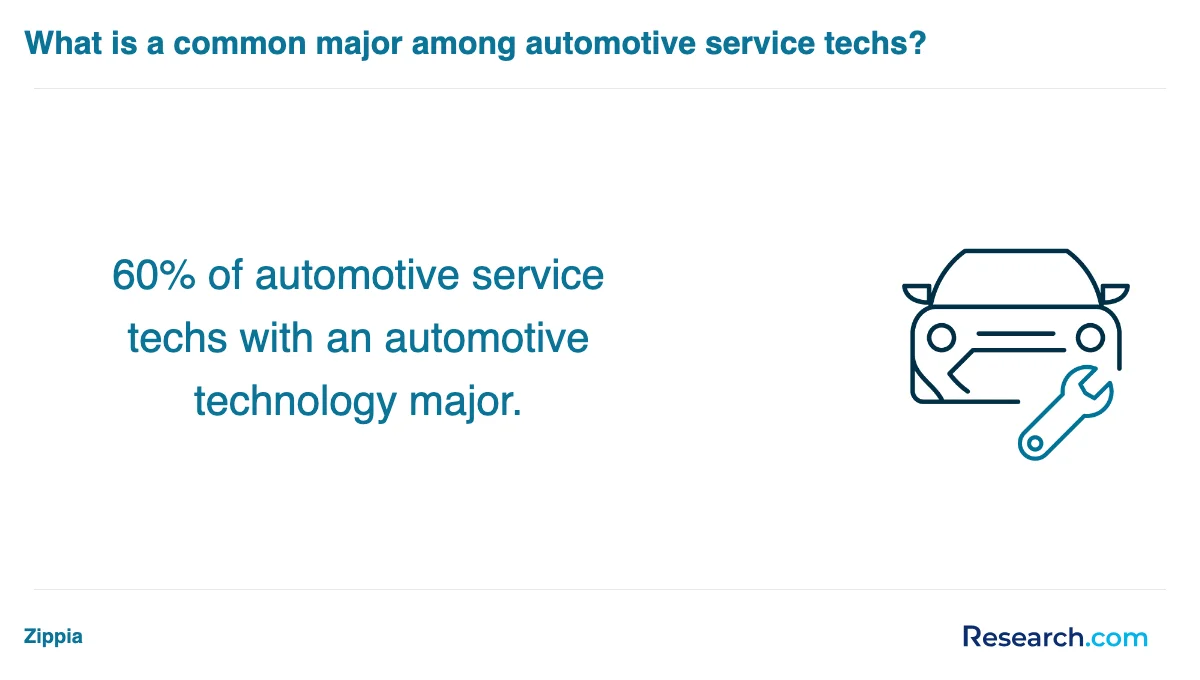
Graduates from popular automotive technician trade schools in Harrisburg quickly discover a variety of exciting career paths waiting for them. Imagine starting out in entry level mechanic jobs Harrisburg PA, where you handle routine maintenance and diagnostics in busy local repair shops, gaining hands-on experience and confidence. Many find themselves advancing to positions like lead technician or service advisor, where leadership and communication skills come alive while managing teams or consulting with customers.
Others dive into specialized careers, such as diesel mechanic roles supporting heavy equipment in trucking or construction industries, with competitive salaries and stable work offered by entities like the Pennsylvania Department of Transportation. Some adventurous grads explore fleet maintenance or parts supply, enjoying diverse daily challenges beyond the typical garage work.
Those curious about broader opportunities often discover paths in sales, technical instruction, or even shop ownership as their expertise and ambitions grow. This variety is why those wondering what jobs can you get with an automotive technology degree find Harrisburg trade schools particularly rewarding.
- Entry level mechanic jobs in local shops
- Lead technician and supervisory positions
- Diesel and heavy equipment mechanic roles
- Fleet maintenance and parts supply careers
- Sales, instruction, and shop ownership opportunities
The automotive technician job outlook in Harrisburg is buzzing with opportunity, especially for recent trade school graduates ready to jump into hands-on roles. With over 380 technician positions available, graduates from popular Harrisburg trade schools often find themselves quickly snapped up by dealerships, independent shops, and large service chains. Many graduates share exciting stories about scoring jobs that offer not only competitive pay but enticing sign-on bonuses up to $5,000 and benefits like health insurance and paid holidays.
Imagine starting your career with an entry-level position that provides on-the-job training, then climbing the ladder as you earn certifications-this is the path many local grads describe. The Harrisburg automotive technician salary range is compelling, stretching from $31,000 for newcomers up to a rewarding $125,000 as experience and skills grow.
For those eager to learn but needing flexibility, an affordable auto mechanic online course can complement hands-on programs, helping you stay competitive in this vibrant job market.
Most Affordable Automotive Technician Schools, Colleges & Trade Certification Training Programs in Harrisburg for 2026
# 1 position
Harrisburg Area Community College - Automobile/Automotive Mechanics Technology/Technician.
associateHarrisburg Area Community College offers a hybrid Automobile/Automotive Mechanics Technology/Technician program designed to prepare students in repairing, servicing, and maintaining various automobile systems. Coursework covers brake systems, electrical systems, engine performance and repair, suspension and steering, transmissions, and heating and air conditioning systems. The program's annual in-state tuition is $7,373. It is accredited by the Middle States Commission on Higher Education.
# 2 position
Harrisburg Area Community College - Automobile/Automotive Mechanics Technology/Technician.
certificate or diplomaHarrisburg Area Community College offers a hybrid program in Automobile/Automotive Mechanics Technology/Technician designed to equip students with skills in repairing, servicing, and maintaining automobiles. The curriculum covers brake systems, electrical systems, engine performance and repair, suspension and steering, transmissions, drive trains, and heating and air conditioning systems. Annual in-state tuition is $7,373. The program is accredited by the Middle States Commission on Higher Education.
Frequently Asked Questions about automotive technician
After completing an automotive technician trade school in Harrisburg, preparing for the job market involves several key steps. First, obtaining industry certifications such as the ASE (National Institute for Automotive Service Excellence) can significantly improve employability. According to the U.S. Bureau of Labor Statistics, ASE-certified technicians typically earn higher wages and have better job prospects.
Networking locally is crucial. Harrisburg has a growing automotive service industry, so attending job fairs and connecting with local repair shops can open doors. Internships or apprenticeships gained during training often lead to full-time positions.
Additionally, staying updated with the latest automotive technology through continuing education helps graduates remain competitive. The Pennsylvania Department of Labor & Industry highlights that employers in the region value technicians who can work on electric and hybrid vehicles.
Employers in Harrisburg seeking automotive technician trade school graduates prioritize strong diagnostic skills. Graduates must competently use computerized diagnostic tools to identify vehicle issues accurately. According to the U.S. Bureau of Labor Statistics, proficiency with electronic systems is essential due to the increasing complexity of modern vehicles.
Technical knowledge of engine repair, brake systems, and electrical components remains a core requirement. Additionally, practical experience with hybrid and electric vehicles is becoming more valuable in the Harrisburg job market, reflecting nationwide trends.
Soft skills such as effective communication and problem-solving are also critical. Employers report that technicians who can clearly explain repairs and maintain customer trust often have better career prospects.
Overall, a combination of hands-on experience, updated technical training, and interpersonal skills defines top candidates in this field.
To find internships in Harrisburg relevant to an automotive technician trade school program, start by contacting local trade schools and community colleges. Many institutions maintain partnerships with nearby automotive shops and dealerships that offer hands-on training opportunities. The Pennsylvania Department of Labor & Industry reports that automotive service technician jobs in the Harrisburg area are projected to grow by 5% through 2028, increasing internship availability. Additionally, websites like the Pennsylvania Apprenticeship and Training Council provide listings for registered apprenticeship programs, which often include internships. Networking through local automotive associations and attending career fairs in Harrisburg can also connect students with employers seeking interns.
Obtaining a diploma from an automotive technician trade school in Harrisburg significantly enhances career mobility and advancement opportunities. According to the U.S. Bureau of Labor Statistics, automotive service technicians with formal training earn a median annual wage of $46,880, higher than those without credentials. Locally, employers in Harrisburg prefer candidates with trade school diplomas because these graduates possess hands-on skills aligned with industry standards. This credential often leads to faster promotions and access to specialized roles such as diagnostics or hybrid vehicle repair. Additionally, trade schools in Harrisburg provide networking opportunities that can connect students to local dealerships and repair shops, facilitating job placement and career growth.
Part-time job opportunities in Harrisburg that complement automotive technician trade school education include positions such as automotive service assistant, parts clerk, and tire technician. These roles provide hands-on experience with vehicle maintenance and repair, which is valuable for students. According to the U.S. Bureau of Labor Statistics, automotive service technicians in Pennsylvania earn a median hourly wage of around $19.50, making part-time roles both educational and financially beneficial.
Local dealerships and independent repair shops in Harrisburg often seek part-time help, allowing students to apply classroom knowledge in real-world settings. Additionally, roles in car rental agencies or tire centers can enhance understanding of vehicle systems and customer service skills.
To choose the most affordable Automotive Technician degree program near you, consider community colleges or technical schools that offer such programs and are renowned for lower tuition costs. Near Harrisburg, PA, HACC, Central Pennsylvania’s Community College, provides programs in automotive technology that are often more budget-friendly compared to four-year institutions. You can use resources like Research.com to compare tuition fees and program offerings to determine the best option that meets your financial and educational needs.
- Jobs You Can Only Get with an Automotive Technology Degree - Benjamin Franklin Cummings Institute of Technology https://franklincummings.edu/blog/automotive-technology/
- 5 Tips to Succeed in Automotive Mechanic School | UTI https://www.uti.edu/blog/automotive/tips-for-succeeding-in-automotive-mechanic-school
- How to Become an Automotive Mechanic | Chapel Hill Tire | Chapel Hill Tire https://www.chapelhilltire.com/trade-school-vs-college-is-a-mechanic-career-right-for-you/
- 9 Reasons to Become an Automotive Technician https://wrenchway.com/blog/reasons-to-become-an-automotive-technician/
- Make Job Applications Stand Out When You Become A Mechanic https://www.autotrainingcentre.com/blog/make-job-applications-stand-out-when-you-become-a-mechanic/
- Automotive Service Technicians and Mechanics : Occupational Outlook Handbook: : U.S. Bureau of Labor Statistics https://www.bls.gov/ooh/installation-maintenance-and-repair/automotive-service-technicians-and-mechanics.htm
- Become an Auto Tech and Mechanic After High School | Automotive Technician and Mechanic School https://autotraining.edu/automotive-technician-training/become-a-certified-auto-technician/become-an-auto-tech-and-mechanic-after-high-school/
- Automotive Technology (4480) https://www.hacc.edu/ProgramsandCourses/Automotive-Technology-4480.cfm
- Mechanic Trade Schools - Harrisburg, PA https://mechaniccareernow.com/mechanic-schools/harrisburg-pa
- Auto Mechanic Schools in Pennsylvania https://automechanicschools.com/pennsylvania/


