Most Affordable Automotive Technician Schools, Colleges & Trade Certification Training Programs in Asheboro for 2026

Co-Founder and Chief Data Scientist
Choosing the right automotive technician trade school in Asheboro can feel overwhelming, but it doesn't have to be. This article introduces a carefully crafted ranking of trade school programs, developed by the Research.com team of data scientists, to help you make a confident and informed decision.
Whether you’re starting fresh or looking to upgrade your skills, earning a diploma or certification opens doors to rewarding career opportunities. Exploring these affordable options brings you one step closer to a future you can be proud of.
Read on to discover which programs stand out and find the best fit for your goals.
Key benefits of finishing automotive technician trade school in Asheboro
- Graduates from automotive technician trade schools in Asheboro can expect an average hourly wage around $25.15, which translates to about $52,300 annually, offering a strong start for a rewarding career.
- Career paths include roles like automotive service technician, mechanic, or positions at local shops such as Thomas Tire & Automotive, providing diverse opportunities to grow and specialize.
- Completing a trade school online offers flexibility and often lower costs, allowing graduates to balance work and study while gaining practical skills quickly compared to traditional degrees.
- Most Affordable Automotive Technician Schools, Colleges & Trade Certification Training Programs in Asheboro for 2026
- What can I expect from automotive technician trade schools in Asheboro?
- Where can I work after finishing automotive technician trade schools in Asheboro?
What can I expect from automotive technician trade schools in Asheboro?
Students enrolling in an automotive technician trade school program in Asheboro can anticipate a dynamic blend of classroom instruction and hands-on training that quickly builds job-ready skills. Graduates from popular local schools often describe their experience as intense but rewarding, balancing theory on engines, transmissions, and electrical systems with practical work on real vehicles using state-of-the-art diagnostic tools.
Expect flexible schedules that accommodate both day and evening classes, making it easier to manage work or family commitments. Tuition tends to be affordable, with many students appreciating financial aid options and clear upfront costs for tools and materials. The supportive environment at Asheboro trade schools fosters confidence as students prepare for ASE certification, an industry-recognized credential that graduates say opens doors to diverse career paths.
Many report feeling motivated by strong job placement rates and the variety of roles available-from dealerships to race teams-often securing employment even before graduating. The combination of modern facilities and practical learning creates an engaging atmosphere where students feel ready to launch their automotive careers.
Where can I work after finishing automotive technician trade schools in Asheboro?
After finishing an automotive technician trade school program in Asheboro, graduates often find themselves stepping into a wide range of rewarding job opportunities. Many quickly secure positions in local auto repair shops, car dealerships, and tire service centers, where hands-on skills learned during their training become invaluable. Graduates frequently share how working at well-known Asheboro service chains or specialty garages lets them apply diagnostic and repair techniques they mastered in class, fueling their confidence and passion for the trade.
Others explore roles beyond traditional workshops, such as fleet maintenance or mobile technician services, where flexibility and diverse challenges keep their work exciting. Several graduates mention how popular trade schools in Asheboro prepare them for positions like Lube Technician or Diesel Mechanic, with employers such as Asheboro Kubota offering competitive salaries that reflect their specialized skills.
Many appreciate the variety of part-time and full-time options available, allowing them to balance career goals with personal life. Opportunities also exist in service advising and parts departments, opening doors for those interested in expanding their expertise within the automotive industry locally.
After finishing an automotive technician trade school program in Asheboro, graduates typically start earning between $13 and $25 per hour. Many new technicians from local schools find themselves on the lower end initially, often around $13 to $15 per hour, especially at smaller shops or entry-level positions. However, this doesn't tell the full story-graduates from popular Asheboro trade schools share how real-world experience and overtime quickly boost their income, sometimes adding an extra $5,000 annually.
For example, some grads working at larger employers like Thomas Tire & Automotive report starting wages near $14.71 per hour. While this is below the national average, it offers a solid foundation with room to grow. Others at dealerships or specialized service centers see pay closer to $22 or $25 per hour, reflecting the value of certifications and hands-on skills gained during training.
Many graduates describe the excitement of watching their paychecks grow as they develop expertise and build trust with employers. The range in wages highlights how your specific path in Asheboro-from independent shops to dealerships-can shape your earning potential over time.
- Automotive technician programs in Asheboro typically offer certificates or diplomas that take about one year, while associate degrees require two years.
- Randolph Community College provides an Automotive Systems Technology program focused on hands-on training and industry certifications.
- Tuition costs vary widely, ranging from $2,152 to $7,168 at community colleges and up to $51,800 at private schools like NASCAR Technical Institute.
- Financial aid options include federal grants, scholarships, and loans to help reduce the cost of education.
- The average starting wage for automotive technicians in the area is about $24 per hour, or $50,000 annually, with job growth projected at 1.5% per year.
Completing an automotive technician trade school program in Asheboro typically takes between 12 and 24 months, depending on the school's curriculum and whether students choose full-time or part-time study. Graduates from popular Asheboro trade schools often share how the shorter, intensive programs helped them quickly transition from classroom learning to hands-on work with real vehicles, fueling their excitement and confidence.
Many students recall the balance of theory and practice, describing busy days spent mastering engine diagnostics one week and brake systems the next. The immersive environment at these schools makes the time fly, and graduates often express surprise at how fast they gained the skills needed to start their careers.
For those considering part-time options to accommodate work or family, the programs can extend closer to two years but still maintain a strong focus on practical training. This flexibility allows students in Asheboro to tailor their education to their lives without losing momentum.
Ultimately, the timeline offers a realistic, manageable pathway to becoming a certified automotive technician, making it an appealing choice for motivated individuals eager to enter the automotive field swiftly yet thoroughly.
Online automotive technician programs in Asheboro offer remarkable flexibility, allowing students to study theory at their own pace, often balancing work and family commitments. Graduates from these programs recall the convenience of accessing lectures anytime, which helped them maintain steady progress without sacrificing income. However, many also express that without hands-on practice, mastering vehicle diagnostics felt incomplete.
On-campus programs popular among Asheboro students immerse learners in daily, hands-on labs where they work directly on cars under expert guidance. Graduates highlight the excitement of using real tools and receiving immediate feedback, which built their confidence and practical skills far beyond textbook knowledge. The camaraderie formed during group projects also stands out as a rewarding part of their journey.
Some students choose hybrid programs, blending online theory with in-person labs, capturing the best of both worlds. This approach suits those who value flexibility but recognize the irreplaceable value of direct experience with vehicles in Asheboro's trade schools.
The average tuition fees for automotive technician programs in Asheboro NC are generally affordable compared to many urban areas, with Randolph Community College offering in-state tuition around $813 per year. However, the total cost extends beyond tuition, as graduates often recall investing significantly in essential tools and textbooks. Toolkits alone can range from $500 to $1,000, reflecting the hands-on nature of training. One graduate described the satisfaction of assembling their own toolkit, which became both a learning process and a source of pride.
Estimating the full cost of automotive technician trade school in Asheboro North Carolina also involves considering materials and course-related fees. Textbook expenses vary widely, typically between $150 and $1,000, depending on program depth. Financial aid options help ease these costs. Many students have successfully accessed state grants or scholarships, such as the North Carolina Need-Based Scholarship Program, which has made pursuing their passion more feasible.
Graduates often emphasize that while initial expenses might feel daunting, the trade school experience in Asheboro fosters a strong, supportive environment that justifies the investment. This encouraging atmosphere equips students with skills that lead to rewarding careers. For those curious about career potential post-graduation, researching trade school highest paying jobs is a helpful step in understanding long-term value and return on investment.

Automotive technician students in Asheboro often find relief through various financial aid options that make their education attainable. Many graduates recall how federal aid like the Federal Pell Grant helped cover significant tuition costs, with awards reaching up to $7,395 for the 2025-2026 year depending on financial need. This grant's non-repayable nature lifts a heavy burden, allowing students to focus on hands-on training rather than finances.
Trade schools popular in Asheboro, such as Randolph Community College, often guide students toward scholarships like the Ford Auto Tech Scholarship, which awards $5,000 to those pursuing automotive or diesel technology. Recipients share how this support extended beyond tuition, covering tools and transportation, making daily life smoother during studies.
Other scholarships, including the Mike Rowe Work Ethic Scholarship and the SEMA Memorial Scholarship Fund, offer opportunities for full or partial tuition coverage, inspiring students to push through challenges. Local colleges also provide institutional aid and personalized help with applications, creating a hopeful path for those determined to succeed in Asheboro's automotive technician field.
Enrolling in an automotive technician trade school program in Asheboro typically requires a high school diploma or GED, setting a foundational level of education. Graduates from popular Asheboro trade schools often mention how this basic prerequisite opens the door to hands-on learning without overwhelming academic pressure.
Applicants should also demonstrate a genuine interest in automotive technology, which can be shown through prior experience working on vehicles or basic coursework in automotive repair during high school. Many students recall that sharing their passion during interviews or application essays helped them stand out.
Some schools encourage or require basic math and science skills, as these are crucial for understanding diagnostics and repair processes. For example, graduates frequently reflect on how early proficiency in algebra or physics made complex engine diagnostics less intimidating.
Additional prerequisites might include:
- Proof of residency or citizenship to qualify for in-state tuition rates
- Physical ability to perform manual tasks such as lifting heavy parts or standing for long periods
- A valid driver's license, since practical driving and vehicle testing are often part of the curriculum
Students entering Asheboro's trade schools often feel excited knowing these clear prerequisites set them up for success, making the transition into an immersive, skill-focused environment smoother and more rewarding.
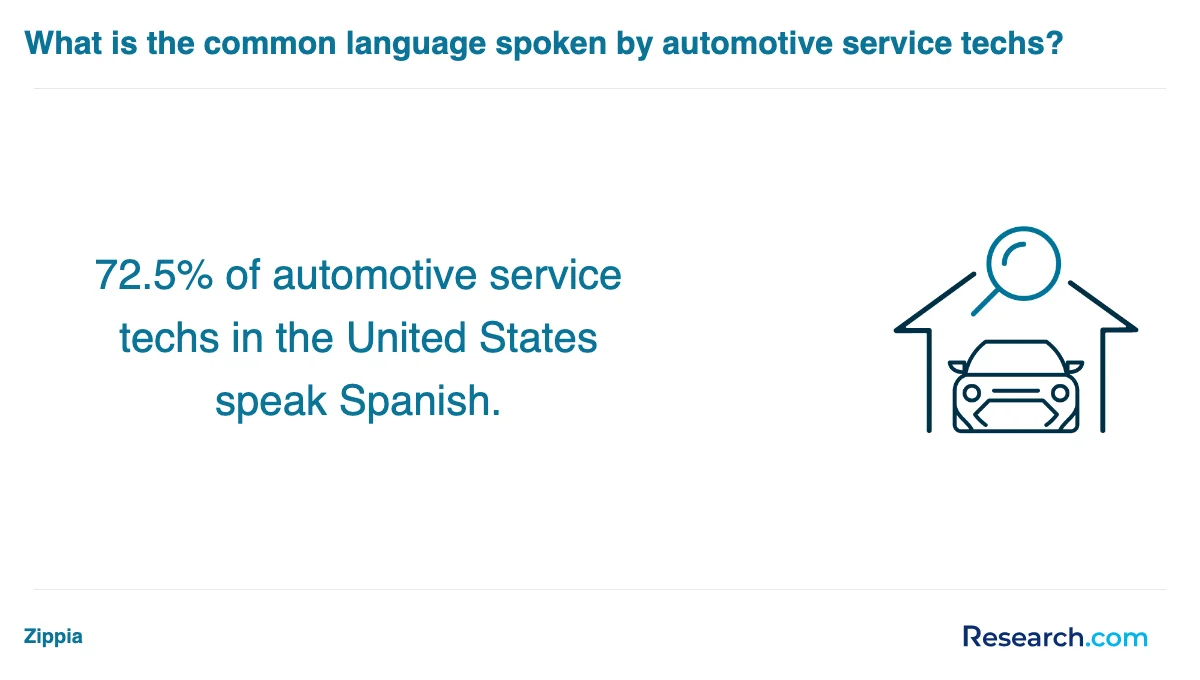
Automotive technician trade schools in Asheboro typically include a blend of core and specialized courses designed to build both confidence and competence. Graduates often recall hands-on experiences diagnosing engine problems, mastering brake systems, and troubleshooting electrical issues that mirror real shop environments.
Common courses include:
- Engine Repair: Learning to disassemble, inspect, and reassemble engines helps students understand the heart of any vehicle.
- Brake Systems: Students gain practical skills in replacing brake pads and understanding hydraulic systems, crucial for safety.
- Electrical Systems: From wiring to battery diagnostics, this course prepares students for modern vehicle challenges.
- Suspension and Steering: Hands-on labs simulate real-world alignment and suspension repairs, building confidence.
Many Asheboro trade schools also offer specialized training like automatic and manual transmission repair or heating and air conditioning system maintenance, enabling students to tackle diverse automotive issues. Graduates often share how evening classes allowed them to balance work while gaining valuable skills, making their learning journey both practical and rewarding.
Automotive technician trade school programs in Asheboro offer a range of specializations designed to prepare students for the dynamic automotive industry. Graduates from popular trade schools in Asheboro often highlight hands-on training in areas such as engine repair, automatic and manual transmissions, and braking systems. These real-world skills enable them to confidently troubleshoot and repair today's vehicles.
Typical specializations include:
- Steering and suspension systems
- Electrical systems and diagnostics
- Climate control systems
- Engine performance tuning
- Hybrid and electric vehicle technology
Many students appreciate how programs integrate emerging technologies with foundational knowledge, reflecting an evolving automotive landscape. For example, some curricula incorporate alternative fuels and hybrid vehicle technologies, preparing students for future industry demands. Through partnerships with local businesses, like apprenticeship opportunities at Asheboro companies, students gain invaluable real-world experience alongside their studies.
Asheboro's approach to combining classroom instruction with practical application ensures that students pursuing automotive technician trade school programs not only learn theory but develop problem-solving confidence. For those seeking flexible, specialized training, exploring the best vocational trade online programs can also complement in-person experiences, broadening future career pathways.
When deciding on the best automotive technician programs in Asheboro, accreditation stands out as a key factor. Graduates from well-regarded local colleges often share how accredited programs equipped them with industry-standard skills, making job hunting smoother. Many students appreciate the mix of certificate and associate degree options, allowing flexibility depending on career goals. For example, some find that a one-year diploma accelerates their entry into the workforce, while others enjoy the broader knowledge gained in a two-year associate degree.
Hands-on training shapes the real learning experience. Students from popular trade schools in Asheboro frequently highlight the value of working with up-to-date diagnostic tools and securing internships through school partnerships with local dealerships. This practical exposure often sparks confidence and excitement about their future careers. To understand how to compare automotive trade schools in Asheboro effectively, consider factors like program length, financial aid availability, and reputation within the community.
Exploring options through resources like automotive trade schools can help you find detailed comparisons and reviews, guiding your choice toward a program that fits both your budget and ambitions.

For graduates from automotive technician trade school programs in Asheboro, diverse career paths open up across the local job market. Many find rewarding opportunities as entry-level automotive technicians or automotive mechanics, diagnosing and repairing vehicles, with over 200 openings currently available. Graduates often share stories of starting as lube or general service technicians at busy Asheboro shops, quickly gaining the skills to move into specialized roles.
Some graduates choose the path of auto body technicians, working on collision repair and refinishing. These roles offer competitive salaries ranging from $45,000 to $80,000 annually, making auto repair career opportunities Asheboro particularly attractive for those passionate about bodywork and paint.
Others expand their skill sets to serve in niche areas such as shop mechanics for agricultural or industrial equipment, blending automotive knowledge with versatile mechanical expertise.
Advancement into supervisory or hybrid/electric vehicle service roles is common, supported by the strong job market in Asheboro. Many graduates from well-regarded trade schools in Asheboro express confidence about future prospects and often explore continuing education options to boost their careers, echoing insights on why college is better than trade school.
Graduates of automotive technician trade schools in Asheboro find a dynamic and expanding job market tailored to their skills. Local employers actively seek qualified candidates for a variety of roles, reflecting the broad demand for automotive technician jobs in Asheboro NC. Many graduates quickly secure positions in repair shops, dealerships, and specialty centers, where their hands-on training is highly valued. Popular trade schools in Asheboro report graduates landing roles such as service advisor or technician, with some earning annual salaries between $45,000 and $80,000. Benefits often include health insurance and retirement plans, enhancing job satisfaction and stability.
Job seekers in Asheboro often experience:
- Steady openings with 121 automotive repair technician jobs currently available across local platforms
- Opportunities for advancement through certification and skill development
- The chance to combine technical expertise with customer service roles
Entry-level technicians can expect an average hourly pay of $13.17 as of 2025, with wage growth tied to experience and credentials. Graduates pursuing an automotive technology degree online often enhance their career prospects and earning potential in this competitive market. The Asheboro NC automotive technician salary landscape encourages continuous learning, rewarding those who build on their foundational education with real-world experience and certifications.
Most Affordable Automotive Technician Schools, Colleges & Trade Certification Training Programs in Asheboro for 2026
# 1 position
Randolph Community College - Automobile/Automotive Mechanics Technology/Technician.
associateRandolph Community College offers a hybrid Automobile/Automotive Mechanics Technology/Technician program that prepares students to repair, service, and maintain various automobile systems. The curriculum covers brake systems, electrical systems, engine performance and repair, suspension and steering, transmissions, and heating and air conditioning. The program’s annual in-state tuition is $2,416. It is accredited by the Southern Association of Colleges and Schools Commission on Colleges.
# 2 position
Randolph Community College - Automobile/Automotive Mechanics Technology/Technician.
certificate or diplomaRandolph Community College offers a hybrid program in Automobile/Automotive Mechanics Technology/Technician designed to train individuals in repairing, servicing, and maintaining various automobiles. The curriculum covers brake systems, electrical systems, engine performance and repair, suspension, steering, transmissions, drive trains, and heating and air conditioning systems. The program’s annual in-state tuition is $2,416 and it is accredited by the Southern Association of Colleges and Schools Commission on Colleges.
Frequently Asked Questions about automotive technician
After completing an automotive technician trade school in Asheboro, preparing for the job market involves several key steps. First, obtaining industry certifications such as ASE (Automotive Service Excellence) can significantly improve employability and demonstrate technical competence to local employers. According to the National Institute for Automotive Service Excellence, ASE-certified technicians earn on average 20% more than non-certified peers.
Networking is also crucial. Engaging with local automotive shops and attending career fairs in Asheboro can open doors to apprenticeships and entry-level positions. Additionally, building a strong resume that highlights hands-on experience from your trade school training will be essential.
Finally, staying updated on the latest automotive technology trends, such as electric vehicle repair, can provide a competitive edge in Asheboro's evolving job market.
Employers in Asheboro value automotive technician graduates who demonstrate strong mechanical aptitude and the ability to diagnose complex vehicle issues accurately. According to the U.S. Bureau of Labor Statistics, problem-solving skills are critical, as technicians often need to identify faults using computerized diagnostic equipment.
Technical knowledge in engine repair, brake systems, and electrical components is essential. The National Institute for Automotive Service Excellence (ASE) certification is highly respected and often required by local employers.
Additionally, good communication skills and professionalism are important, as technicians must explain repairs to customers clearly.
Asheboro's automotive industry also favors graduates familiar with hybrid and electric vehicle technology, reflecting national trends in vehicle maintenance.
Finding internships in Asheboro relevant to automotive technician trade school programs involves several practical steps. Start by contacting local trade schools directly, as many maintain partnerships with nearby auto repair shops and dealerships that offer internship opportunities.
Additionally, students should explore listings on the North Carolina Department of Commerce website, which often features openings in automotive maintenance and repair sectors within Asheboro. Networking through community job fairs and events hosted by the Asheboro Chamber of Commerce can also connect aspiring technicians with employers.
According to data from the Bureau of Labor Statistics, automotive service technician internships in North Carolina have grown by 5% over the past three years, reflecting a steady demand for hands-on experience in this field.
Lastly, reaching out to national organizations like the National Institute for Automotive Service Excellence (ASE) can provide guidance on reputable internship programs and certifications that enhance employability in Asheboro's automotive industry.
Obtaining an automotive technician trade school diploma in Asheboro significantly enhances career mobility and advancement opportunities. According to the U.S. Bureau of Labor Statistics, certified automotive technicians earn a median annual wage approximately 15% higher than non-certified counterparts, reflecting the value employers place on formal training. In Asheboro, local dealerships and repair shops often prioritize candidates with diplomas for promotions and specialized roles, such as diagnostics or hybrid vehicle repair.
The diploma provides practical skills aligned with industry standards, increasing employability in a competitive job market. Furthermore, graduates can pursue certifications from bodies like ASE, which further boosts their career trajectory.
Students attending automotive technician trade schools in Asheboro can benefit from part-time jobs that provide hands-on experience and complement their education. Positions such as automotive service assistants or junior mechanics at local repair shops offer practical skills and exposure to vehicle diagnostics and repair processes.
Retail roles at auto parts stores also help students enhance their knowledge of car components and customer service. According to the U.S. Bureau of Labor Statistics, Asheboro's automotive service technician job market is growing steadily, with an expected 5% increase over the next decade, indicating ample opportunities for part-time work.
Additionally, some students find roles in car dealerships' service departments, which can provide valuable insight into manufacturer-specific repair techniques.
To choose the most affordable Automotive Technician degree program near Asheboro, NC, consider researching local community colleges and technical schools since these institutions often offer lower tuition rates and direct pathways to employment. Explore programs that provide hands-on training, experienced faculty, and credentials that local employers value, such as ASE certifications. Utilizing resources like Research.com can help compare programs to ensure you select one that is both economical and reputable, while also considering proximity factors for programs near me.
- Jobs You Can Only Get with an Automotive Technology Degree - Benjamin Franklin Cummings Institute of Technology https://franklincummings.edu/blog/automotive-technology/
- 5 Tips to Succeed in Automotive Mechanic School | UTI https://www.uti.edu/blog/automotive/tips-for-succeeding-in-automotive-mechanic-school
- How to Become an Automotive Mechanic | Chapel Hill Tire | Chapel Hill Tire https://www.chapelhilltire.com/trade-school-vs-college-is-a-mechanic-career-right-for-you/
- 9 Reasons to Become an Automotive Technician https://wrenchway.com/blog/reasons-to-become-an-automotive-technician/
- Make Job Applications Stand Out When You Become A Mechanic https://www.autotrainingcentre.com/blog/make-job-applications-stand-out-when-you-become-a-mechanic/
- Automotive Service Technicians and Mechanics : Occupational Outlook Handbook: : U.S. Bureau of Labor Statistics https://www.bls.gov/ooh/installation-maintenance-and-repair/automotive-service-technicians-and-mechanics.htm
- Become an Auto Tech and Mechanic After High School | Automotive Technician and Mechanic School https://autotraining.edu/automotive-technician-training/become-a-certified-auto-technician/become-an-auto-tech-and-mechanic-after-high-school/
- Automotive Technician Schools near Asheboro, NC https://careerschoolnow.org/colleges/programs/automotive-technology/cities/asheboro-nc
- Automotive Systems Technology | Randolph Community College https://www.randolph.edu/academics/college-majors/automotive-systems-technology/index.aspx
- T.A.C.T.: Toyota Apprentice Career Training Program | Modern Toyota of Asheboro https://www.moderntoyotaofasheboro.com/toyota-apprentice-career-training-program-asheboro-nc/