
Most Affordable Automotive Technician Schools, Colleges & Trade Certification Training Programs in American Samoa for 2026

Co-Founder and Chief Data Scientist
Choosing the right automotive technician trade school in American Samoa can shape your future career and open doors to exciting opportunities. This article introduces a carefully crafted ranking of automotive technician trade school programs, developed by the Research.com team of data scientists.
By exploring this guide, you can confidently discover affordable programs that fit your goals and budget. Earning a diploma or certification in this field empowers you with valuable skills and boosts your job prospects.
Whether you're starting fresh or seeking a career change, this resource supports your path to success.
Key benefits of finishing automotive technician trade school in American Samoa
- Graduates from automotive technician trade schools in American Samoa can expect starting salaries around $4,840 to $12,840 per year, with opportunities to earn up to $29 per hour as experience grows.
- Career paths include roles as service technicians, mechanics, or specialized repair experts, with many graduates from popular local trade schools quickly finding rewarding jobs in diverse automotive fields.
- Completing an online automotive technician program offers flexible learning and faster completion times, as experienced by graduates from top online schools in American Samoa who balanced work and study effectively.
- Most Affordable Automotive Technician Schools, Colleges & Trade Certification Training Programs in American Samoa for 2026
- What can I expect from automotive technician trade schools in American Samoa?
- Where can I work after finishing automotive technician trade schools in American Samoa?
What can I expect from automotive technician trade schools in American Samoa?
Enrolling in an automotive technician trade school program in American Samoa means diving into a hands-on learning experience tailored to local industry needs. At American Samoa Community College, students gain practical skills in diagnosing and repairing engines, electrical systems, brakes, and suspension through a mix of classroom lessons and lab work. Graduates often describe the close instructor support and small class sizes as key to their confidence in tackling real-world vehicle problems.
Expect to develop a solid foundation not only in mechanical tasks but also in professional skills essential for the workforce. Many students appreciate that the curriculum is shaped by local employers, making the training relevant and immediately applicable. This alignment helps graduates feel prepared for entry-level jobs or certifications, which open doors to career growth.
Students often share a sense of pride in being part of a diverse program that reflects American Samoa's unique community, enhancing their learning environment and motivation. This blend of technical mastery and community connection makes the experience both challenging and rewarding.
Where can I work after finishing automotive technician trade schools in American Samoa?
Graduates from automotive technician trade schools in American Samoa often find rewarding employment opportunities across diverse sectors. Many secure positions as automotive or service technicians at local dealerships like Ford Hyundai Samoa in Vaitele and Apia, where hands-on experience with modern diagnostic tools is highly valued. These roles allow graduates to apply their technical training directly, fostering a sense of accomplishment and professional growth.
Others pursue stable careers with the United States Postal Service, maintaining vehicle fleets while benefiting from government-backed job security and structured advancement. Working for USPS offers graduates a clear pathway to long-term employment, which many find reassuring after completing their trade programs.
Additionally, local government agencies provide roles maintaining public transportation and emergency vehicles, demanding formal training and sometimes extra certifications. Graduates often express pride in contributing to their communities through these positions.
Trade school alumni report positive experiences navigating job boards like My Jobs Samoa, reflecting ongoing demand. This real-world demand reinforces the confidence of students choosing automotive technician programs in American Samoa.
After completing an automotive technician trade school program in American Samoa, graduates typically start with an annual salary around $4,840. Many new technicians from popular local trade schools share that while the pay may seem modest, the hands-on training they receive builds confidence to quickly improve their skills and earnings. With two to five years of experience, salaries often rise to about $5,400, reflecting growing competence and job reliability.
Graduates often describe real-life scenarios where overtime work significantly boosts income. For instance, automotive mechanics can earn between $25.13 and $29.18 per hour, with overtime adding roughly $5,700 to $6,750 annually. This means annual earnings can range from around $20,000 to over $40,000 depending on hours worked and employer type.
As experience increases, technicians with five to ten years earn about $8,420 per year, while those with over twenty years can reach up to $12,840. Some graduates pursue specialized roles, such as heavy equipment mechanics, earning significantly more but requiring additional training. These figures highlight a realistic, progressive path for trade school students in American Samoa.
- American Samoa Community College offers an Associate of Science degree and certificate programs in Automotive Technology with small class sizes, graduating about 5 students per year.
- Applicants need a high school diploma or equivalent, and training includes both classroom and hands-on lab work in engine repair, electrical systems, and vehicle diagnostics.
- The cost of completing an associate's degree in automotive technology at ASCC is significantly lower than most mainland programs, though exact tuition amounts are not published.
- Graduates enter a job market supported by private garages and public vehicle fleets, with entry-level salaries in similar U.S. regions ranging from $30,000 to $40,000 annually.
- Career advancement opportunities include specialization and supervisory roles, often supported by gaining ASE certifications.
Completing an automotive technician trade school program in American Samoa typically takes between 12 to 18 months, depending on the specific curriculum and school chosen. Graduates from well-known trade schools often share that this timeframe balances hands-on training with essential theoretical knowledge, enabling them to gain confidence quickly while working on real vehicles.
For example, students attending popular programs often recall their excitement during practical sessions where they disassembled engines or diagnosed electrical issues under the guidance of experienced instructors. This immersive approach helps them feel prepared for the workforce sooner than in longer, more classroom-focused programs.
Many find the relatively short duration encouraging, as it means they can start earning and advancing in their careers without prolonged delays. The intensive nature of these programs in American Samoa is designed to fit local market needs, helping students transition smoothly from study to employment in the island's automotive service industry.
Graduates frequently emphasize the pride and satisfaction they experience when applying their skills immediately, reflecting positively on the efficient completion times offered by these trade schools.
The key difference between online and on-campus automotive technician programs in American Samoa centers on the learning experience and skill application. At American Samoa Community College (ASCC), on-campus students benefit from hands-on training in real workshops, working directly on vehicles with expert instructors. Graduates often describe a sense of accomplishment from diagnosing engine troubles or mastering brake repairs through immediate, guided practice. This direct engagement builds confidence and practical readiness for the job market.
Online programs, while less common locally, focus more on theory through videos and virtual tools. Students appreciate the flexibility, especially those balancing work or family responsibilities. However, many must still arrange local internships or lab time to gain necessary hands-on skills, which can be challenging without easy access to specialized equipment or timely instructor feedback.
Graduates from ASCC highlight how the on-campus environment fosters teamwork and instant problem-solving, making the transition into automotive roles smoother and more rewarding.
The average tuition for automotive technician programs in American Samoa is somewhat difficult to pinpoint due to limited public data from the American Samoa Community College (ASCC), the island's primary institution offering an Associate of Science degree in Automotive Technology. Graduates from this trade school often share that while tuition costs remain uncertain, the overall expense extends beyond just fees, with students frequently investing a significant amount in personal tools and equipment essential for hands-on training. This practical necessity adds a layer to the cost of automotive technician trade schools in American Samoa not always accounted for in standard tuition figures.
When compared to broader national trends, automotive technician trade schools in American Samoa align with observed price ranges where certificate programs generally cost between $5,000 and $20,000, and associate degree programs range from $10,000 to over $20,000. Many returning graduates highlight the value of the trade skills learned despite the financial commitment, noting their programs provided strong practical knowledge and hands-on experience readying them for entry-level positions.
For students looking beyond trade school to further their education in related fields, exploring options like an automotive bachelor's degree can also influence budgeting decisions. Prospective students in American Samoa considering automotive technician training are advised to contact ASCC directly to clarify the most current tuition details and factor in all associated costs to gain a realistic sense of the full financial investment required for success in this field.
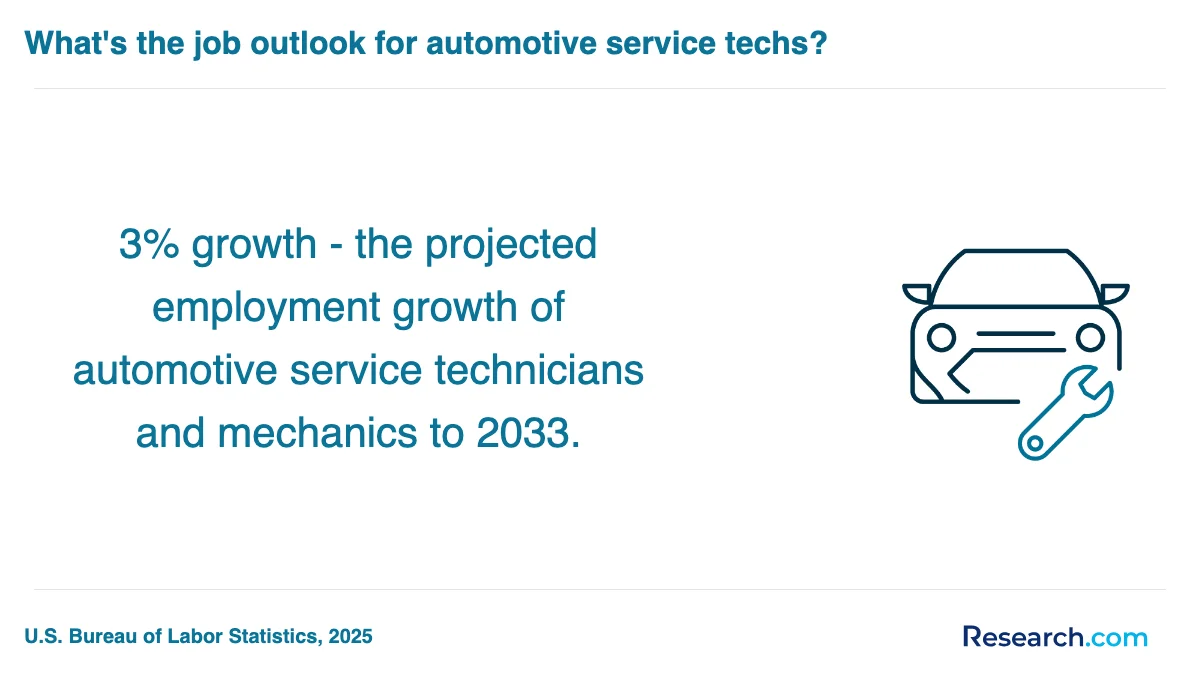
Automotive technician students in American Samoa frequently rely on the Free Application for Federal Student Aid (FAFSA) to access crucial financial support. Graduates from popular local trade schools often recall how submitting the FAFSA unlocked eligibility for the Federal Pell Grant, which can provide up to $7,395 annually without the burden of repayment. This grant is a vital resource for many who face financial hurdles while pursuing hands-on training.
Beyond Pell Grants, federal student loans with favorable terms and work-study programs offer additional support, allowing students to balance earning income with their studies. Many graduates emphasize how these options helped them manage tuition and living expenses effectively.
Scholarships tied to automotive programs also play a significant role. Students in American Samoa often apply for national scholarships from organizations like the National Technical Honor Society and industry sponsors such as NAPA. Some trade schools partner with automotive manufacturers to offer scholarships or tool grants, easing the cost of essential supplies.
These financial aids collectively transform the challenging journey into an achievable goal for many aspiring technicians in American Samoa.
Enrolling in an automotive technician trade school in American Samoa typically requires a high school diploma or equivalent, reflecting the foundational knowledge needed to succeed. Graduates from popular local trade schools often recall how these prerequisites prepared them for hands-on training and technical coursework. Many schools also expect students to demonstrate basic math and reading skills, essential for understanding repair manuals and diagnostic tools.
Some programs encourage applicants to have prior exposure to automotive work, whether through part-time jobs or internships, which boosts confidence and engagement. For instance, graduates frequently mention how early experiences under the hood made classroom lessons more relatable and enjoyable.
Key prerequisites often include:
- High school diploma or GED
- Basic competency in math and reading
- Proof of residency or citizenship in American Samoa
- Physical ability to perform manual labor and lift heavy parts
- Positive attitude and willingness to learn
These requirements ensure students are ready for the physically demanding and detail-oriented nature of automotive technician training. Graduates emphasize how meeting these prerequisites laid a strong foundation for their rewarding careers in the automotive industry within American Samoa's unique environment.
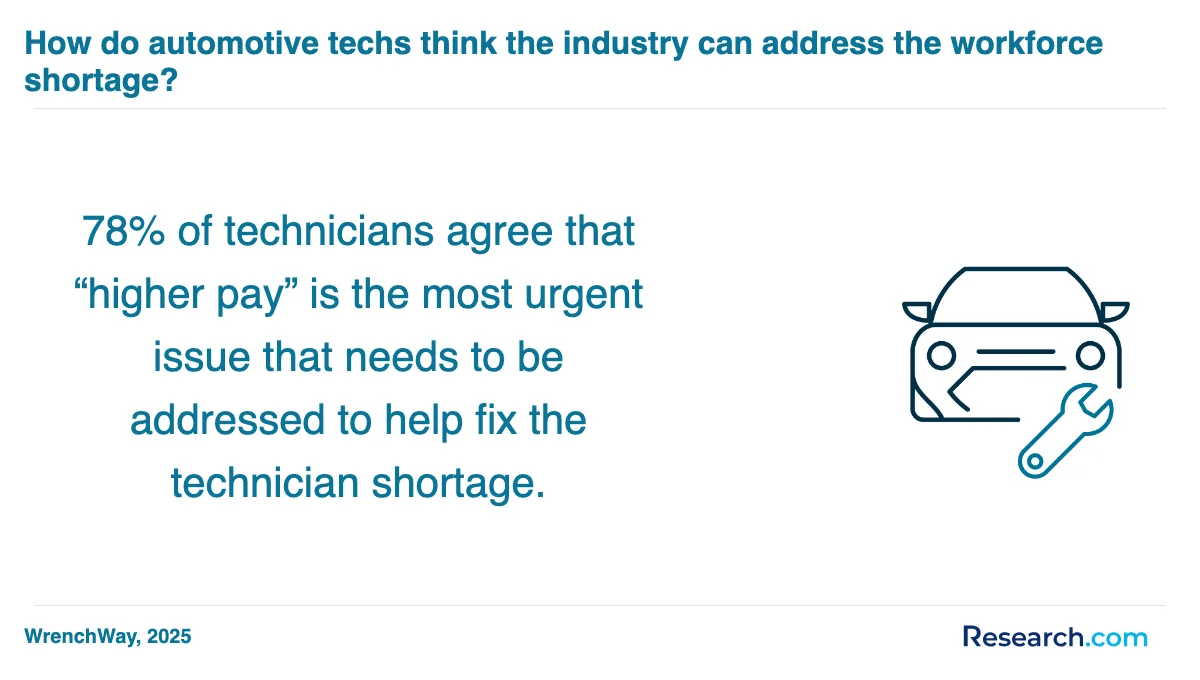
Automotive technician trade school programs in American Samoa, particularly at American Samoa Community College (ASCC), focus on a comprehensive set of courses designed to equip students with practical and theoretical skills. Graduates often describe their training as a balance between classroom learning and hands-on experience, which is crucial for mastering automotive service roles locally.
Core courses typically include:
- Engine repair, covering common engine issues and maintenance
- Brake systems, teaching safety-critical diagnostics and repairs
- Steering and suspension, essential for vehicle handling and comfort
- Electrical systems, including battery, wiring, and lighting troubleshooting
- Manual and automatic transmissions, vital for understanding drivetrain mechanics
- Heating and air conditioning systems, tailored to American Samoa's climate needs
- Engine performance, focusing on optimizing vehicle efficiency
Students praise the inclusion of safety procedures, proper tool use, and shop practices, which prepare them for real-world environments. Many highlight the value of practical lab work and local apprenticeships that bridge theory and daily workshop challenges. Some programs also offer electives like auto body repair and electronics diagnostics, reflecting the evolving technology in the automotive field.
Graduates often feel confident entering the workforce, knowing their training meets national standards while addressing the unique demands of American Samoa's vehicle market.
Students pursuing automotive technician trade school programs in American Samoa encounter a variety of valuable specializations tailored to meet industry demands. Popular institutions like American Samoa Community College (ASCC) deliver hands-on learning through courses focusing on automotive engine performance, braking systems, suspension, and electrical systems. Graduates often highlight the rewarding experience of diagnosing real vehicle issues, enhancing their confidence for entry-level jobs. Emphasizing practical skills, ASCC's Certificate of Proficiency programs further expand specializations into advanced automotive technology, addressing complex areas such as engine diagnosis and drivetrain systems.
Auto body repair courses in American Samoa also attract students eager to develop expertise in welding, panel replacement, corrosion restoration, and refinishing techniques. These skills enable graduates to secure specialized roles in vehicle restoration. Additionally, ASCC's Apprenticeship & Workforce Development program strengthens workforce readiness by offering targeted training for incumbent and new workers. Students appreciate how this approach bridges classroom knowledge with workplace realities.
For those seeking broader options, exploring nationally recognized programs via auto mechanic school online can supplement local opportunities with extensive technical training.
To find the best automotive technician schools in American Samoa, start by verifying the accreditation status of the program. Accreditation guarantees that your training will be recognized by employers locally and nationally. For instance, graduates from American Samoa Community College often emphasize how their accredited coursework prepared them effectively for real-world repairs and maintenance jobs.
Next, how to compare automotive trade schools in American Samoa involves examining the curriculum and hands-on training. Graduates frequently highlight the value of practical experience paired with theoretical lessons, something ASCC's program offers through its focus on vehicle repair aligned with industry expectations. Faculty expertise also plays a crucial role; programs with instructors who have ASE certification or significant industry experience provide a richer learning environment.
Cost is another major factor. Many students appreciate ASCC's affordable tuition and available financial aid, which eases the burden of education expenses. Finally, consider career outcomes-graduates often report positive job placement rates due to the school's strong ties with local automotive shops. If you want to understand more about why trade schools can be a better fit, see why is trade school better than college.
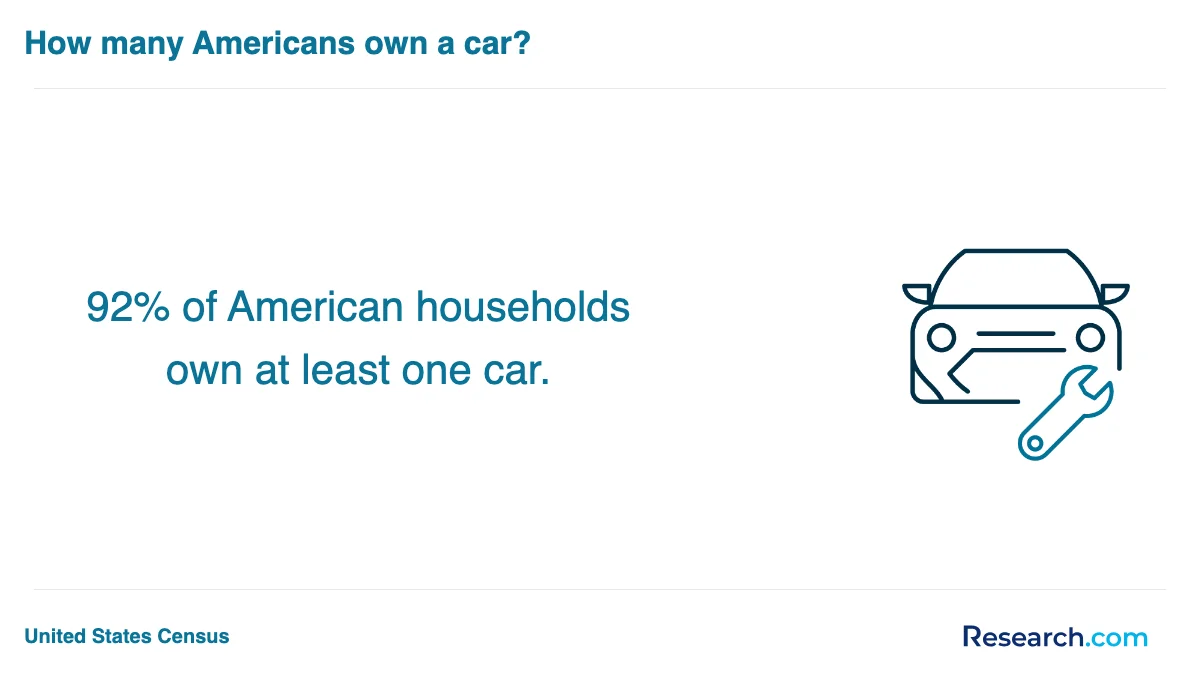
Graduates of automotive technician trade school programs in American Samoa typically enter a variety of hands-on roles within the local automotive sector. Common career paths include working as automotive service technicians, auto repair specialists, or vehicle maintenance technicians. Many find employment with dealerships such as Ford Hyundai Samoa or independent shops like Asco Motors American Samoa, where practical skills are highly valued. These positions often serve as a foundation for career growth, allowing graduates to develop diagnostic expertise on modern vehicles.
Beyond repair work, opportunities expand to roles in automotive parts sales, service advising, and customer relations within dealership environments. Some graduates have experienced steady advancement through ongoing training supported by employers emphasizing professional development. Additionally, certain individuals leverage their technical backgrounds to secure positions with government entities like the United States Postal Service.
Emerging career options also include fleet maintenance for commercial vehicles and technical training or teaching roles. Those seeking broader horizons in the automotive industry often benefit from local experience as a gateway to management or specialized technical jobs outside the territory. For those researching their options, programs recognized for accessibility and affordability in American Samoa connect well with online resources like the most affordable automotive engine technician course online.
- Automotive service technician at dealerships or repair shops
- Parts sales and service advising roles
- Fleet maintenance specialist for commercial businesses
- Technical instructor or automotive trainer
- Positions with government organizations such as USPS
The automotive technician job opportunities in American Samoa, while steady, reflect the limited size of the local market. Graduates from popular trade schools often find work with regional employers like Asco Motors and Ford Hyundai Samoa, where demand for skilled technicians remains consistent. Many graduates report that hands-on training combined with strong connections to local shops significantly enhances their chances of employment.
Key factors influencing the job market include:
- Reliance on automobiles for daily life and commerce, ensuring ongoing repair needs
- Preference among employers for candidates with formal trade school credentials
- A smaller number of automotive repair shops compared to larger U.S. states
Wages are competitive, with the average automotive technician salary in American Samoa around $29.18 per hour plus overtime averaging $5,712 annually. This earning potential often exceeds that of other entry-level positions locally, encouraging trade school graduates to pursue automotive careers despite a smaller market.
Prospective students should consider the advantages of enrolling at top trade schools in America, where up-to-date skills can lead to success. Monitoring local job listings and maintaining practical experience remain crucial. Resources like top trade schools in america provide valuable insights into quality programs that align with these market needs.
Most Affordable Automotive Technician Schools, Colleges & Trade Certification Training Programs in American Samoa for 2026
# 1 position
American Samoa Community College - Automobile/Automotive Mechanics Technology/Technician.
associateAmerican Samoa Community College offers a hybrid Automobile/Automotive Mechanics Technology/Technician program that prepares students to repair, service, and maintain various automobile systems. The curriculum covers brake, electrical, engine performance, transmission, suspension, and heating and air conditioning systems. The program is accredited by the Western Association of Schools and Colleges Accrediting Commission for Community and Junior Colleges. Annual in-state tuition is $5,460.
# 2 position
American Samoa Community College - Automobile/Automotive Mechanics Technology/Technician.
certificate or diplomaAmerican Samoa Community College offers a hybrid program in Automobile/Automotive Mechanics Technology/Technician, preparing students to repair, service, and maintain various automobile systems. The curriculum covers brake systems, electrical systems, engine performance and repair, suspension and steering, transmissions, and heating and air conditioning. Annual in-state tuition is $5,460. The program is accredited by the Western Association of Schools and Colleges Accrediting Commission for Community and Junior Colleges.
Frequently Asked Questions about automotive technician
After completing an automotive technician trade school in American Samoa, preparing for the job market involves several key steps. First, obtaining industry certifications such as ASE (National Institute for Automotive Service Excellence) can significantly improve employment prospects. These credentials are recognized across the U.S. and demonstrate technical competence.
Networking with local employers and participating in internships or apprenticeships during your program helps build practical experience. According to the U.S. Bureau of Labor Statistics, demand for automotive service technicians remains steady, with growth expected nationwide, which includes U.S. territories like American Samoa.
Additionally, maintaining updated knowledge on automotive technology trends, such as electric vehicles, is crucial to staying competitive. Job seekers should also prepare a strong resume highlighting their hands-on skills and certifications.
Employers in American Samoa seek automotive technician graduates with strong technical skills and practical experience. Key abilities include diagnosing and repairing vehicle systems such as engines, brakes, and electrical components. Proficiency in using diagnostic tools and computerized equipment is essential, reflecting national trends reported by the U.S. Bureau of Labor Statistics.
Communication skills are also important, as technicians must explain repairs clearly to customers and work effectively with team members. Attention to detail and problem-solving abilities help ensure accurate and efficient service.
Understanding safety protocols and maintaining compliance with environmental regulations are increasingly valued due to evolving industry standards across U.S. territories.
Finding internships in American Samoa related to automotive technician trade school programs requires a proactive approach. Start by contacting local automotive repair shops and dealerships, as these businesses often offer hands-on training opportunities. The American Samoa Department of Commerce and the American Samoa Chamber of Commerce can provide listings of local employers that may support internship placements.
Additionally, inquire at trade schools for partnerships with businesses. Many programs have established connections to help students gain practical experience. According to the U.S. Department of Labor, internships are critical for skill development and employment prospects in technical fields.
Networking through community centers and vocational training offices in American Samoa can also reveal internship openings not broadly advertised. Students should prepare a resume highlighting relevant coursework and skills to increase their chances of securing a position.
Obtaining a diploma from an automotive technician trade school in American Samoa significantly enhances career mobility and advancement opportunities. The diploma certifies practical skills and technical knowledge recognized by local employers, including automotive repair shops and fleet service centers. According to the U.S. Bureau of Labor Statistics, certified automotive technicians have a higher chance of securing stable employment and earn approximately 15% more than those without formal training.
In American Samoa, the limited number of certified technicians means diploma holders often advance faster into supervisory roles. The diploma also opens pathways to specialized certifications, which further increase earning potential and job security.
Part-time job opportunities in American Samoa that align well with automotive technician trade school education include positions at local vehicle repair shops, dealerships, and fleet maintenance facilities. These roles provide practical experience in diagnostics, engine repair, and routine maintenance, directly complementing classroom learning.
According to the U.S. Bureau of Labor Statistics, automotive service technicians in U.S. territories typically earn between $15 and $22 per hour, though specific data for American Samoa is limited. Gaining hands-on experience through part-time work can improve job prospects upon graduation.
Additionally, jobs in parts supply and inventory management at auto parts stores help students understand vehicle systems and components, reinforcing technical skills.
To choose the most affordable Automotive Technician degree program near me in American Samoa, begin by researching local community colleges and vocational schools that offer automotive programs, as these institutions often have lower tuition rates. You can use resources like Research.com to compare programs based on costs, course offerings, and facilities to ensure you are selecting a program that aligns with your budget and career goals. Additionally, inquire about financial aid, scholarships, and flexible payment plans available at universities and technical colleges near American Samoa, which can further reduce the financial burden of your education.
- Auto Mechanic School: What to Expect in Training Programs https://www.uti.edu/blog/automotive/auto-mechanic-school-expectations
- What to Expect From an Automotive Tech Program https://www.stvt.edu/automotive-tech-program-expectations/
- How to Become an Automotive Technician Guide | UEI College https://www.uei.edu/guides/automotive-technician/how-to-become-automotive-technician/
- Choosing Between Mechanic Trade Schools | Pennco Tech https://www.penncotech.edu/choosing-between-mechanic-trade-schools-what-to-consider/
- Becoming an Auto Mechanic with No Experience | Center for Employment Training https://cetweb.edu/blog/what-does-it-take-to-start-a-career-as-an-auto-mechanic
- Automotive Service Technicians and Mechanics : Occupational Outlook Handbook: : U.S. Bureau of Labor Statistics https://www.bls.gov/ooh/installation-maintenance-and-repair/automotive-service-technicians-and-mechanics.htm
- How to Become a Mechanic | Apex Technical School https://apexschool.com/toolbox/how-to-become-a-mechanic/
- Paid Technician Internships - Central Oregon Community College https://cocc.edu/programs/automotive/paid-technician-internships
- Technical Trades Work and Learning Program for Students | MassCEC https://www.masscec.com/technical-trades-students
- Job Placement Services at Mechanic Trade Schools | NYADI The College of Transportation Technology https://nyadi.edu/blog/job-placement-is-an-important-element-of-mechanic-trade-schools/


