
Best Automotive Technician Training Programs & Trade Schools - Top Automotive Technician Schools in Vancouver for 2026

Co-Founder and Chief Data Scientist
Choosing the right automotive technician trade school in Vancouver can shape your future career. This article introduces a carefully crafted ranking of automotive technician trade school programs, created by the Research.com team of data scientists to guide you in making an informed decision.
By exploring these top programs, you’ll discover options that match your goals and learning style. Earning a diploma or certification opens doors to rewarding job opportunities and skills that last a lifetime.
Take the first step toward an exciting and fulfilling career in automotive technology.
Key benefits of finishing automotive technician trade school in Vancouver
- Graduates from automotive technician trade schools in Vancouver can expect to start with salaries around $17.56 per hour, with opportunities to earn up to $33.58 per hour or more as they gain experience and certifications.
- Career paths often include roles such as diagnostic technician, hybrid vehicle specialist, or supervisory positions, giving graduates a variety of exciting options to grow within the automotive field.
- Completing an automotive technician trade school online offers flexibility and convenience, allowing students to balance work and study while gaining practical skills, which many graduates find boosts confidence and job readiness faster than traditional degrees.
- Best Automotive Technician Training Programs & Trade Schools - Top Automotive Technician Schools in Vancouver for 2026
- What can I expect from automotive technician trade schools in Vancouver?
- Where can I work after finishing automotive technician trade schools in Vancouver?
What can I expect from automotive technician trade schools in Vancouver?
Students entering an automotive technician trade school program in Vancouver can expect a hands-on learning experience that balances classroom theory with practical shop work. Graduates from popular schools like Vancouver Community College and BCIT describe working directly on engines, electrical systems, brakes, and computerized diagnostics, often using real tools and advanced diagnostic equipment. Many programs offer hybrid formats, allowing students to start with online coursework before moving to in-person labs, providing flexibility for different learning styles.
The programs typically last several months to a year for foundational certificates, while apprenticeship tracks extend over four years with thousands of hours of on-the-job training combined with in-school instruction. Graduates emphasize the supportive guidance from certified journeyperson instructors who bring real industry insights, making the learning relevant and engaging.
Students should also expect to develop both technical skills and workplace readiness through frequent assessments and collaborative projects. Successful completion leads to recognized credentials and prepares students for provincial exams like the Red Seal, opening doors to rewarding careers in Vancouver's automotive repair industry and beyond.
Where can I work after finishing automotive technician trade schools in Vancouver?
After completing an automotive technician trade school program in Vancouver, graduates find a broad range of job opportunities available locally. Many start their careers at independent repair shops or dealership service centers, where they apply hands-on skills learned during training. For example, graduates from popular Vancouver trade schools often share how they quickly adapted to roles at certified Kia service centers or local garages, performing diagnostics and routine maintenance with confidence.
Others find rewarding positions in fleet maintenance, supporting logistics companies or municipal agencies that require preventive care for diverse vehicle types. Some graduates pursue specialized paths as diesel or trailer mechanics, enjoying higher pay and focused expertise. Entry-level jobs such as lube or tire technicians provide a solid foundation, helping graduates build experience and move up to lead mechanic or diagnostic specialist roles.
This variety of career paths reflects the strong demand for skilled technicians in Vancouver, offering graduates practical, well-paying roles and the chance to grow within the automotive industry.
After finishing an automotive technician trade school program in Vancouver, graduates typically start earning around $23.73 per hour, according to recent data. This means a full-time technician working 40 hours per week can expect to make about $49,350 annually, not including overtime. For example, many students from popular Vancouver trade schools share stories of landing jobs quickly with this solid starting wage, which helps them feel confident about their career choice.
Some graduates see even higher pay. ZipRecruiter reports an average hourly wage of $27.35 in Vancouver, with experienced technicians earning up to $42.27 per hour. This progression motivates new technicians to pursue certifications and additional training offered by local schools, boosting their income over time.
Many Vancouver employers also offer overtime, benefits, and sign-on incentives, making the career financially rewarding. Graduates often describe the steady pay combined with opportunities to advance as a key reason they chose automotive technician training in Vancouver.
- Applicants must be at least 16 or 17 years old, have a valid BC driver's license, and completed Grade 12 or equivalent; mature students may qualify by passing an assessment test.
- The program typically lasts four years and includes 6,360 hours of on-the-job training plus 840 hours of in-school technical instruction.
- Course topics include electrical systems, air conditioning, fuel systems, brakes, suspension, driveline, and computer diagnostics.
- Application fees range from $44 to $46, and total tuition and materials can cost up to $10,000 CAD depending on the school.
- Graduates can write the Red Seal Interprovincial Certification exam to work across Canada.
- Entry-level salaries start around $35,000 to $45,000 CAD annually, with experienced technicians earning between $60,000 and $80,000 CAD.
Completing an automotive technician trade school program in Vancouver typically takes between 12 to 24 months, depending on the school and the depth of training. Many graduates from well-known Vancouver trade schools share how their hands-on learning approach accelerated their confidence and skills in diagnosing and repairing vehicles.
For example, some programs offer intensive 12-month courses focused on core mechanical skills, perfect for students eager to enter the workforce quickly. Others provide a more comprehensive 24-month curriculum that includes advanced diagnostics and hybrid vehicle technology, giving students a broader skill set.
Students often describe the experience as immersive and rewarding, highlighting how real-world workshops and internships included in these programs helped them transition smoothly into automotive careers. Popular trade schools in Vancouver emphasize practical training, which makes the time spent in school feel productive and directly connected to future job success.
Choosing the right program length depends on your career goals and how quickly you want to start working in the field.
The main difference between online and on-campus automotive technician programs in Vancouver is how hands-on training is delivered. On-campus students at schools like Vancouver Community College (VCC) benefit from daily face-to-face instruction and practical work in real automotive shops. Graduates often share how rewarding it was to work directly on customer vehicles using professional diagnostic tools, gaining confidence through real-time collaboration with instructors who hold Red Seal certification.
Online programs provide flexibility, allowing students to study theory from anywhere. VCC's hybrid model is popular, blending 13 weeks of online coursework with two weeks of intensive, on-campus hands-on training. Many students appreciate this approach because it fits around their work schedules while still offering essential practical experience.
While online courses cover the same curriculum, graduates emphasize that mastering advanced skills requires in-person sessions. The tactile experience of using tools and working on actual vehicles is crucial, making on-campus or hybrid formats ideal for those serious about becoming skilled automotive technicians in Vancouver.
The average cost automotive technician diploma Vancouver students encounter varies by institution but generally ranges from around $4,000 to $6,500 in tuition fees. For example, graduates from Vancouver Community College (VCC) appreciate the affordability of their Automotive Service Technician Harmonized Foundation program, which charges approximately $4,106 for domestic students. Meanwhile, those attending University of the Fraser Valley (UFV) pay roughly $137.94 per week over 34 weeks, totaling near $4,708.
When considering tuition fees automotive technician programs Vancouver offer, it's important to factor in additional expenses such as tools and supplies. Students at Kwantlen Polytechnic University (KPU) often mention the challenge of budgeting for essential hand tools, estimated at about $750, as well as costs for textbooks and uniforms. These extra costs, while sometimes unexpected, prepare students for the realities of the trade and contribute positively to their hands-on learning experience.
Many graduates highlight how financial aid options, including scholarships and grants, can ease the burden. Exploring these options at each trade school is crucial. For those looking to deepen technical skills and career prospects, researching automotive technology degrees can provide more pathways and financial strategies to support training in this rewarding field.
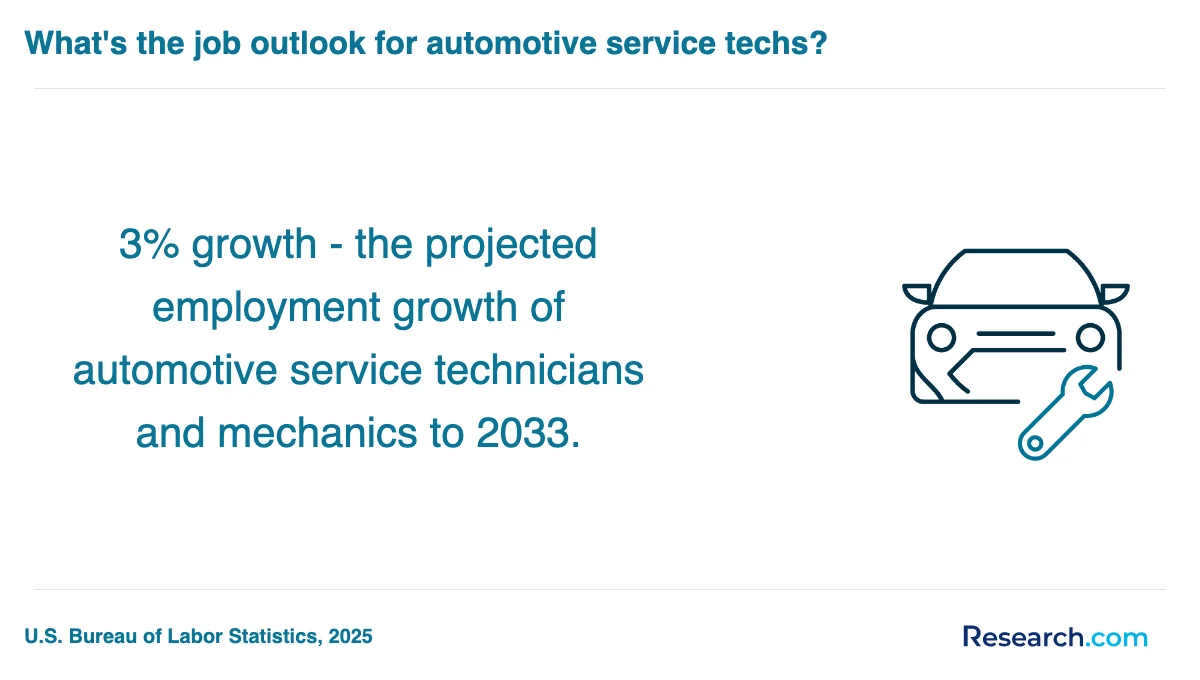
Automotive technician students in Vancouver have access to a variety of financial aid options that make training more affordable. Many graduates from local schools like Cascadia Tech Academy share how Pell Grants helped them cover tuition without adding debt, as these grants are awarded based on financial need and don't require repayment. Students typically apply through FAFSA, which assesses income to unlock federal aid including low-interest loans with flexible repayment plans.
Beyond federal programs, trade schools often provide institutional scholarships and payment plans tailored for automotive students, easing the financial strain further. Graduates recall that these school-based aids, sometimes merit- or need-based, opened doors for them when federal aid wasn't enough. Some students also benefit from work-study opportunities, earning part of their tuition by assisting in campus workshops or local repair shops, gaining hands-on experience while reducing costs.
Financial aid advisors at Vancouver's automotive programs play a key role in guiding students through these options, helping them combine aid sources effectively and feel confident about managing expenses throughout their training.
To enroll in an automotive technician trade school program in Vancouver, most schools expect applicants to have a high school diploma or equivalent. This foundational education ensures you're prepared for hands-on technical training.
Some popular Vancouver trade schools also look for:
- Basic math and science skills, especially in physics and electronics, since these are crucial for diagnosing vehicle issues.
- Good manual dexterity and problem-solving abilities, often assessed through practical tests or interviews.
- A genuine passion for cars, which many graduates recall as the key motivator pushing them through challenging courses.
Graduates often share that meeting these prerequisites made their training smoother, especially when tackling complex engine diagnostics or electrical systems. For example, one graduate from a well-known Vancouver trade school highlighted how prior experience working on personal vehicles gave them confidence during hands-on labs.
Many schools also recommend or require students to have a valid driver's license, which is essential for practical driving tests and understanding vehicle operation firsthand.
By focusing on these clear prerequisites, you set yourself up for success and make the most of your time studying automotive technology in Vancouver's competitive trade school environment.
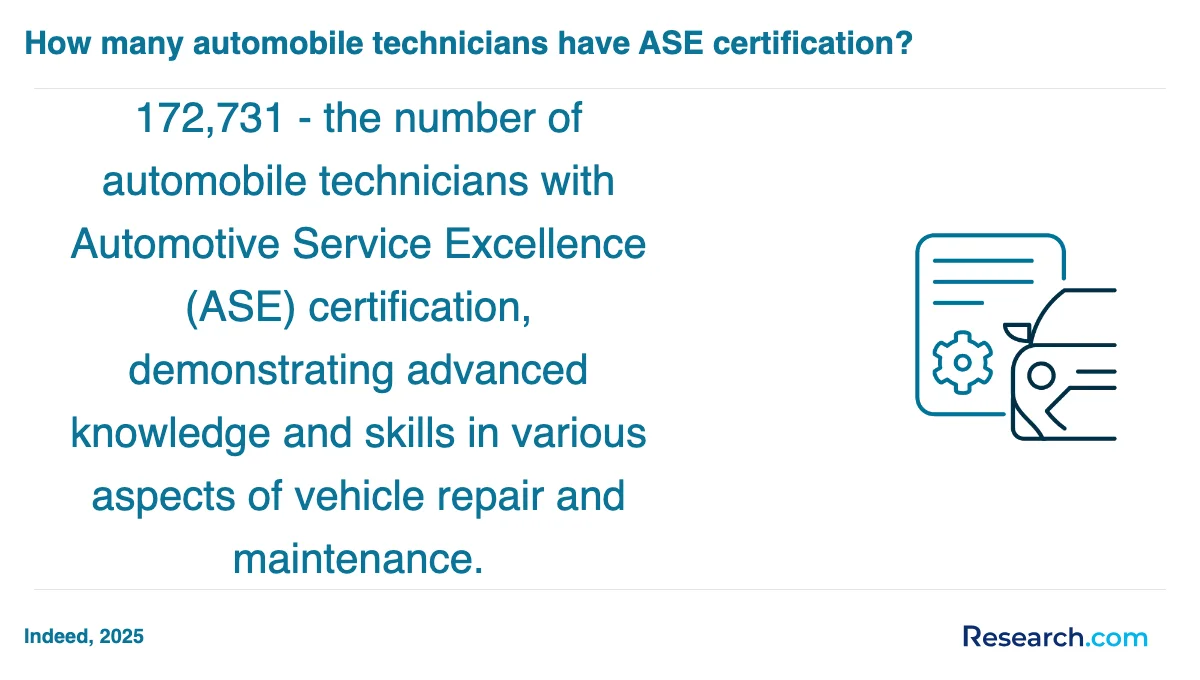
Automotive technician trade school programs in Vancouver typically include courses that cover the core systems found in modern vehicles, giving students hands-on skills that graduates often describe as directly applicable in real-world repair shops. Popular programs, such as those at Vancouver Community College and Vancouver Island University, focus on practical knowledge in:
- Engine repair and performance diagnostics
- Electrical and electronic systems, including computerized diagnostic tools
- Brakes, steering, and suspension systems
- Transmissions and drivetrain components
- Heating, ventilation, and air conditioning (HVAC) systems
Students frequently share how learning preventative maintenance tasks like oil changes, wheel alignments, and tune-ups builds their confidence to handle everyday vehicle care. The curriculum also emphasizes safety protocols and workplace best practices, which graduates find essential for thriving in busy, fast-paced shop environments.
Hands-on training is integrated daily, with many students appreciating how programs simulate actual shop conditions, preparing them for paid apprenticeships and real industry challenges.
Automotive technician trade school programs in Vancouver offer a range of specializations designed to prepare students for diverse careers in the automotive field. Popular programs at institutions like BCIT focus on areas such as:
- Auto Body & Collision Technician
- Automotive Service Technician & Operations
- Automotive Technician Apprenticeship
- Motorcycle Technician Apprenticeship and Foundation programs
Graduates often highlight the hands-on experience they gained repairing electrical systems, air conditioning, and driveline components, which builds confidence in tackling complex vehicle issues. Vancouver Community College's flexible Automotive Service Technician Apprentice program blends online and in-person learning, allowing students to balance studies with personal commitments. Another popular specialization is collision repair and refinishing, where students learn techniques like repainting and part replacement using advanced repair equipment, often through VCC's partnership with the Vancouver School Board.
For those looking to explore options beyond traditional classroom settings, researching auto mechanic school online can open additional pathways. These Vancouver automotive technician training programs and automotive technician specializations in Vancouver ensure students are ready to succeed in a rapidly evolving industry.
When choosing automotive technician programs in Vancouver, prioritize schools accredited by recognized organizations to ensure quality training and industry acceptance. Graduates from popular local colleges often praise programs with hands-on internships and access to modern diagnostic tools, which build real confidence for the fast-paced automotive industry.
Look for curricula that balance engine repair, electrical systems, and computer diagnostics, as many successful students highlight how this variety prepared them well for diverse job roles. Faculty experience also matters; instructors with real-world industry backgrounds provide mentorship that students find invaluable during and after their studies.
Flexibility is key for many students balancing work or family; some programs in Vancouver offer evening classes or online components to accommodate different schedules. Career support services including resume workshops and job placement assistance frequently lead to smoother transitions into employment, as shared by recent graduates.
For those seeking affordable options, consider exploring the cheapest auto mechanic online course, which can be a practical alternative while still supporting your path to certification.
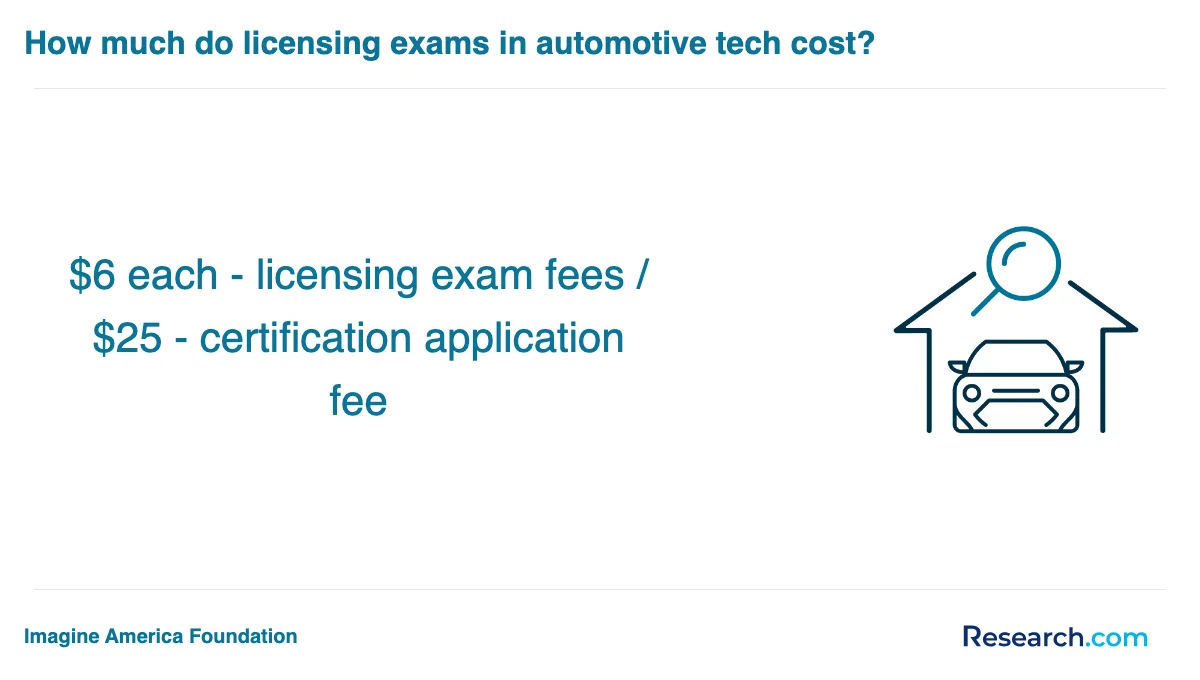
Graduates from automotive technician trade schools in Vancouver often start their careers in hands-on roles such as automotive service technician, apprentice mechanic, or maintenance technician. These initial positions, commonly found at local dealerships, independent repair shops, and specialty garages, offer valuable practical experience. Many students from popular Vancouver trade schools describe feeling confident and driven as they take on tasks like tire installation and lube rack duties, building a strong foundation for future growth.
As they gain experience, graduates can move into specialized roles-engine technician, electrical specialist, or hybrid and fuel cell technician-reflecting the evolving complexities of the market. The automotive technician job market in Vancouver shows high demand for front end technicians, brake specialists, and diagnosticians, creating diverse career opportunities for automotive technician graduates in Vancouver.
With further certifications or apprenticeships, many progress into supervisory roles or open their own shops. Some even transition into careers as service advisors or instructors, leveraging the comprehensive skills gained. For those exploring education options, Vancouver offers well-regarded programs, and you can find a list of top trade schools in the us that highlight similar promising pathways.
The automotive technician job outlook Vancouver is positive for trade school graduates, with over 180 jobs posted in early 2025 and strong ongoing demand from dealerships and repair shops. Graduates from popular trade schools in Vancouver often share how their hands-on training and exposure to the latest vehicle technologies have made it easier to secure full-time positions quickly. Many find opportunities especially rewarding when working on hybrid and electric vehicles, which are growing in number throughout British Columbia.
A few key factors help explain this promising outlook:
- The retirement of many experienced mechanics opens room for new technicians.
- Specialized training from Vancouver trade schools aligns well with advanced automotive technologies.
- Dealerships increase hiring to support rising electric vehicle sales, while independent shops sometimes face more competition.
For graduates, wages typically range from CAD $28-32 per hour-earning a competitive automotive technician salary Vancouver 2026-often supplemented by bonuses and flexible schedules. Those who strengthen skills through additional certifications reported faster employment and higher pay. Students interested in pursuing these programs should also consider broader educational paths when deciding between college vs trade school, as specialized trade school training remains highly effective for entering the local automotive labor market.
Best Automotive Technician Training Programs & Trade Schools - Top Automotive Technician Schools in Vancouver for 2026
# 1 position
Clark College - Automobile/Automotive Mechanics Technology/Technician.
associateClark College offers a hybrid program in Automobile/Automotive Mechanics Technology/Technician designed to prepare students with technical skills to repair, service, and maintain various automobile systems. The curriculum covers brake systems, electrical systems, engine performance and repair, suspension and steering, transmissions, and heating and air conditioning. Annual in-state tuition is $4,632. Graduates earn a median salary of $45,656 one year after completion. The program is accredited by the Northwest Commission on Colleges and Universities.
# 2 position
Clark College - Automobile/Automotive Mechanics Technology/Technician.
certificate or diplomaClark College offers a hybrid program in Automobile/Automotive Mechanics Technology/Technician, teaching skills to repair and maintain various automobile systems including brakes, electrical, engines, transmissions, and HVAC. The program’s annual in-state tuition is $4,632. Graduates have median earnings of $45,656 one year after completion. The program is accredited by the Northwest Commission on Colleges and Universities.
Frequently Asked Questions about automotive technician
After completing an automotive technician trade school in Vancouver, preparing for the job market involves several key steps. First, gaining hands-on experience through internships or apprenticeships is crucial, as 70% of employers in the automotive sector value practical skills highly, according to WorkBC data. Networking within the local industry helps graduates connect with potential employers and learn about job openings early.
Additionally, obtaining industry certifications such as the Automotive Service Excellence (ASE) credential can significantly boost employability. The BC Employment Standards recognize ASE certification as a mark of competency. Tailoring resumes to highlight both technical skills and any customer service experience is also important, as many employers seek well-rounded candidates.
Employers in Vancouver seek automotive technician graduates with strong technical skills, including engine diagnostics, brake systems, and electrical repairs. According to the Canadian Automotive Repair and Service Council, proficiency in using computerized diagnostic tools is essential as modern vehicles rely heavily on electronics.
Besides technical knowledge, employers value problem-solving abilities and attention to detail. The ability to accurately identify vehicle issues and perform efficient repairs directly impacts customer satisfaction and shop productivity.
Communication skills are also important, enabling technicians to explain repairs clearly to customers and work well within a team.
Furthermore, safety awareness and adherence to industry standards are critical for workplace compliance and accident prevention.
Finding internships in Vancouver that align with an automotive technician trade school program involves several strategic steps. Start by connecting with your school's career services, as many institutions maintain partnerships with local dealerships and repair shops. These partnerships often provide exclusive internship opportunities tailored to your field.
You can also explore listings on Vancouver-specific job boards such as WorkBC and the Automotive Training Centre's placement resources, which regularly feature internships for automotive technicians. According to WorkBC, the demand for skilled automotive interns in the region has increased by 12% over the past two years, reflecting strong industry growth.
Networking at local automotive events and trade shows can also open doors. Engaging with professionals and employers during these events allows you to learn about unadvertised internship openings. Finally, consider reaching out directly to dealerships and service centers in Vancouver to inquire about internship availability and application procedures.
Obtaining an automotive technician trade school diploma significantly enhances career mobility and advancement opportunities in Vancouver. According to the British Columbia Labour Market Outlook, skilled trades, including automotive technicians, are in high demand, with employment projected to grow by 8% through 2028.
A diploma equips graduates with recognized credentials, increasing eligibility for higher-paying positions and specialized roles such as diagnostics or service management. Employers in Vancouver often prioritize candidates with formal training due to industry standards and technological advancements in vehicles.
Furthermore, diploma holders benefit from access to apprenticeship programs and certifications like Automotive Service Excellence (ASE), which further improve job prospects and upward mobility within the automotive sector.
Students attending automotive technician trade schools in Vancouver can benefit from several part-time job opportunities that enhance their practical skills. Positions such as automotive service assistant, parts clerk, or tire technician provide hands-on experience while accommodating school schedules. According to WorkBC, the automotive repair sector in Vancouver is expected to grow by 5% over the next five years, increasing demand for skilled workers.
Working in local dealerships or independent repair shops offers students exposure to real-world diagnostics and repair processes. These roles often involve supporting certified technicians, which helps reinforce classroom learning. Additionally, some employers offer flexible hours suitable for students.
Gaining experience through part-time work may improve employability after graduation, as employers value both education and practical skills in the competitive automotive industry.
Yes, there are programs available that allow you to pursue a degree in Automotive Technology near Vancouver, WA. Many community colleges and technical institutes in the area offer specialized training for aspiring automotive technicians, providing hands-on experience and knowledge needed for the industry. Research.com can be a helpful resource to explore and find the best Automotive Technician degree programs near me.
- Best Automotive Technician Training Programs & Trade Schools - Top Automotive Technician Schools in Tacoma for 2026
- Best Automotive Technician Training Programs & Trade Schools - Top Automotive Technician Schools in Wenatchee for 2026
- Best Automotive Technician Training Programs & Trade Schools - Top Automotive Technician Schools in Walla Walla for 2026
- Best Automotive Technician Training Programs & Trade Schools - Top Automotive Technician Schools in Monterey for 2026
- Best Automotive Technician Training Programs & Trade Schools - Top Automotive Technician Schools in San Luis Obispo for 2026
- Best Automotive Technician Training Programs & Trade Schools - Top Automotive Technician Schools in Greeley for 2026
- Best Automotive Technician Training Programs & Trade Schools - Top Automotive Technician Schools in Anchorage for 2026
- Best Automotive Technician Training Programs & Trade Schools - Top Automotive Technician Schools in Marquette for 2026
- Best Automotive Technician Training Programs & Trade Schools - Top Automotive Technician Schools in Milwaukee for 2026
- Best Automotive Technician Training Programs & Trade Schools - Top Automotive Technician Schools in Chicago for 2026
- WorkBC Site Maintenance - Service Temporarily Unavailable https://www.workbc.ca/career-profiles/automotive-service-technicians-truck-and-bus-mechanics-and-mechanical-repairers
- View of Challenges Encountered of Automotive Technology Instructors in Higher Education Institution https://jisem-journal.com/index.php/journal/article/view/5805/2694
- Addressing the Technician Shortage in Automotive Service and Repair | MOTOR https://www.motor.com/2025/06/addressing-the-tech-shortage-in-auto-service/
- The Auto Tech Problem https://www.insidehighered.com/blogs/confessions-community-college-dean/auto-tech-problem
- Auto technician worker shortage creates challenges for Wisconsin repair shops, technical colleges - WPR https://www.wpr.org/news/auto-technician-worker-shortage-creates-challenges-for-wisconsin-repair-shops-technical-colleges
- Service Advisor's Challenges After Automotive Training https://www.autotrainingcentre.com/blog/challenges-of-service-advisors-after-automotive-training/
- Automotive Service Technician Apprentice - Vancouver Community College https://www.vcc.ca/programs/automotive-service-technician-apprentice/
- Automotive Service Technician | Vancouver Island University | Canada https://www.viu.ca/programs/trades-applied-technology/automotive-service-technician
- Auto Service Technician https://www.vsb.bc.ca/career-programs/page/11422/auto-service-technician
- Automotive Technician Foundation - Career Pathways 44 https://www.sd44.ca/sites/careerpathways/Programs/YTIT/Automotive/Pages/default.aspx


