
Best Automotive Technician Training Programs & Trade Schools - Top Automotive Technician Schools in Grand Island for 2026

Co-Founder and Chief Data Scientist
Choosing the right automotive technician trade school in Grand Island can feel overwhelming, but it doesn’t have to be. This article presents a carefully crafted ranking of automotive technician trade school programs created by the Research.com team of data scientists to help you make an informed decision.
Whether you’re starting fresh or looking to advance your skills, earning a diploma or certification opens doors to rewarding career opportunities. Reading this guide will give you confidence in selecting a program that fits your goals and sets you up for success in the automotive industry.
Key benefits of finishing automotive technician trade school in Grand Island
- Graduates from automotive technician trade schools in Grand Island can expect an average hourly wage around $27.77, which translates to approximately $57,762 per year, offering a strong start in a rewarding career.
- Career paths include roles at dealerships, independent shops, or retail chains, with opportunities to advance as skills grow, just like many successful trade school alumni in the area.
- Completing an online automotive technician program offers flexibility and convenience, allowing students to learn at their own pace while balancing work or family commitments, making it an appealing alternative to traditional degrees.
- Best Automotive Technician Training Programs & Trade Schools - Top Automotive Technician Schools in Grand Island for 2026
- What can I expect from automotive technician trade schools in Grand Island?
- Where can I work after finishing automotive technician trade schools in Grand Island?
What can I expect from automotive technician trade schools in Grand Island?
Enrolling in an automotive technician trade school program in Grand Island means diving into a balanced mix of hands-on training and classroom learning. Graduates from Central Community College often share how working directly on cars and light trucks in well-equipped workshops builds real confidence in diagnosing and repairing vehicles. Imagine spending your day alongside ASE Master Automotive Technician instructors, whose expertise turns complex engine repairs and electrical systems into manageable skills.
Students can expect to tackle a broad curriculum covering brake systems, automotive diagnostics, and engine repair, with plenty of practical exercises that mirror actual service shop scenarios. Many find the opportunity to earn ASE Student Certification during their studies especially motivating, knowing this credential boosts their employability.
Programs typically last about one to two years, with some students appreciating the option to earn a certificate quickly or pursue an associate degree for deeper knowledge. Financial aid availability also helps make this career path accessible and exciting for those ready to start in the automotive field.
Where can I work after finishing automotive technician trade schools in Grand Island?
After completing an automotive technician trade school program in Grand Island, graduates often find themselves stepping into a variety of rewarding career paths right in their community. Many quickly secure roles at local automotive dealerships, independent repair shops, or national service chains, where they apply hands-on skills learned during training. Imagine a recent graduate confidently diagnosing engine issues at a busy Big O Tires location or gaining specialized diesel mechanic experience through apprenticeships with agricultural equipment companies like AKRS Equipment.
Graduates frequently share how the steady demand in Grand Island's job market makes the transition from school to work feel seamless and encouraging. Opportunities extend beyond traditional garages to commercial transportation firms, municipal fleets, and agricultural machinery service centers, offering diverse environments to grow professionally. Students often appreciate how on-the-job training complements their formal education, helping them advance rapidly and sometimes earn up to $42.50 per hour as their skills deepen. This hands-on, flexible pathway makes starting a career in automotive technology in Grand Island both exciting and accessible.
Graduates from automotive technician trade schools in Grand Island often find themselves earning around $24.88 per hour shortly after completing their programs, which feels like a rewarding step into the workforce. Imagine starting your first job and seeing a paycheck that reflects this average, making it easier to cover living expenses and save for future goals. Many report an annual salary near $51,750, based on a typical full-time schedule, and some enjoy boosts from overtime pay, adding roughly $5,700 more per year.
New technicians from popular Grand Island trade schools often share stories of balancing hands-on training with real employer experiences, which help them confidently command starting wages between $19.95 and $28.17 per hour. Some begin at larger retailers like Walmart at about $15.00 per hour, but most quickly see their earnings rise as they sharpen skills and gain experience.
Looking ahead, many graduates feel optimistic knowing Nebraska's statewide average salary exceeds $60,000, signaling room for growth and advancement in this promising field.
- A high school diploma or GED, a valid driver's license, and being at least 18 years old are required to enroll in automotive technician programs in Grand Island.
- Programs offer certificates or diplomas that take about 12 months, while associate degrees typically require two years of full-time study.
- Tuition costs range from $8,000 to $10,000 for certificates or diplomas and $12,000 to $15,000 for associate degrees, with financial aid options available.
- Starting salaries for new graduates are approximately $23,000 to $28,000 per year, while experienced technicians can earn over $47,850 annually.
- Programs include hands-on labs and classroom instruction and may help prepare students for ASE Certification and state licensure.
Completing an automotive technician trade school program in Grand Island typically takes between 9 months and 2 years, depending on the intensity and structure of the curriculum. Many students at popular trade schools in the area find that an accelerated program of around one year allows them to quickly gain hands-on experience and start working in the field sooner, fueling their excitement about launching a career.
Graduates often share stories of how immersive, practical training helped them build confidence rapidly. One common experience involves working directly on vehicles in state-of-the-art labs, which makes the learning process feel dynamic and rewarding. The shorter completion time means students can balance their education with other responsibilities without feeling overwhelmed.
For those opting for more comprehensive programs, spanning closer to two years, the extended period offers deeper technical knowledge and more specialized skills. This approach appeals to learners who enjoy mastering the details and envision themselves advancing quickly in their careers.
Trade schools in Grand Island also offer flexible scheduling, making it easier for students to tailor their education pace to fit personal goals and life situations, which adds to the positive, motivating atmosphere many graduates describe.
In Grand Island, the key difference between online and on-campus automotive technician programs lies in the hands-on experience. Graduates from Central Community College often recall the confidence gained from working directly on vehicles with professional tools under the guidance of ASE Master Automotive Technician instructors. These real-world moments-like diagnosing engine issues or practicing brake repairs in fully equipped workshops-create a sense of accomplishment that online-only courses struggle to replicate.
Online components, where available, tend to cover theory and exam prep but lack the tactile engagement crucial for mastering automotive skills. Students frequently share how essential in-person labs helped them connect textbook knowledge to actual vehicle systems, something impossible to simulate through a screen.
For many in Grand Island, the blend of classroom instruction and hands-on training offered by local trade schools not only builds technical expertise but also boosts enthusiasm and readiness for the workforce. This immersive approach aligns closely with employer expectations, making on-campus programs a popular and trusted choice.
The average tuition fees for automotive technician programs in Grand Island generally reflect a sizeable but manageable investment in a promising career. For example, Central Community College, a well-regarded institution in Grand Island, lists the first-year expenses around $7,735, covering essential items like required tools, uniforms, and safety equipment. Graduates often recall feeling excited to own their professional tools early in the program, which adds a tangible sense of progress and readiness for hands-on work.
Beyond basic costs, students interested in enhancing their skill sets might spend an additional $3,800 on optional tools, a choice that many see as valuable for gaining an edge in the job market. These figures highlight the realistic cost of automotive technician trade school in Grand Island Nebraska, where program affordability is balanced with quality training. The average net price fluctuates based on family income, with typical rates between $7,241 and $9,077, reflecting financial aid options that can greatly relieve student budgets.
Many automotive technician graduates describe the investment as worthwhile, especially when they picture themselves confidently diagnosing complex vehicle issues in local shops. For prospective students aiming to balance cost and convenience, exploring options like the most affordable automotive engine technician course online offers new flexibility without sacrificing educational value.
When considering the cost of automotive technician trade school in Grand Island Nebraska, it's helpful to think about how these tangible expenses translate into rewarding career opportunities, fueling both professional growth and personal satisfaction.

Automotive technician students in Grand Island often find financial aid crucial to managing their educational expenses. Graduates from Central Community College's Grand Island campus frequently recall how completing the FAFSA unlocked access to Federal Pell Grants, which can provide up to $7,395 per year for those with the greatest financial need. This grant, a non-repayable source of funding, significantly eased their burden, allowing them to focus more on hands-on training than on financial stress.
Many students also rely on federal student loans, both subsidized and unsubsidized, which offer manageable repayment options compared to private loans. Some recall working part-time through federal work-study programs available at local trade schools, blending income with valuable campus experience.
Additionally, scholarships from organizations like the Automotive Service Excellence Education Foundation and local Grand Island businesses have been game-changers for aspiring technicians, providing targeted support and encouragement.
Institutional scholarships and flexible payment plans offered by trade schools further help students stay motivated and confident as they pursue their automotive careers.
To enroll in an automotive technician trade school program in Grand Island, applicants typically need a high school diploma or GED, reflecting a foundational knowledge essential for hands-on learning. Many trade schools here emphasize a passion for cars and problem-solving skills, often gauged through brief interviews or assessments.
Graduates from popular Grand Island trade schools often share how their curiosity about engines and commitment to learning fueled their acceptance. Schools may also require:
- Basic math and reading proficiency to understand technical manuals and measurements
- A valid driver's license, especially for programs including road testing or diagnostic drives
- Physical ability to handle tools and automotive parts safely
Some students recall how demonstrating eagerness to engage in practical workshops boosted their chances, showing that attitude matters as much as academic credentials. Aspiring technicians in Grand Island are encouraged to visit campuses, meet instructors, and visualize themselves thriving in dynamic, hands-on environments tailored to future-focused automotive careers.

Automotive technician trade school programs in Grand Island typically include a mix of foundational and advanced courses designed to build confidence and hands-on skills. Graduates often recall starting with essential lessons in automotive safety, shop practices, and diagnostic tools, which set the stage for real-world success.
Students then move into practical areas such as:
- Basic automotive maintenance like oil changes and tire repairs
- Brake systems, steering, and suspension with extensive hands-on training
- Engine repair and performance, including tune-ups and component rebuilds
- Automatic and manual transmission service and troubleshooting
- Electrical and electronic systems, such as wiring diagrams and sensor testing
- Air conditioning, heating systems, drive trains, axles, and emissions controls
Many recall the excitement of working on real vehicles during their coursework, which trade schools around Grand Island emphasize to prepare students for job readiness. Programs also often include preparation for ASE certification, a key step graduates highlight as boosting their confidence and employability in the competitive automotive industry.
Automotive technician trade school programs in Grand Island offer diverse automotive technology specializations in Grand Island that prepare students to excel in real-world settings. Graduates often highlight hands-on experience with engine repair and performance, where they learn to diagnose issues in gasoline and diesel engines after working on actual vehicles in local trade labs. Others are drawn to electrical systems and driveability, mastering advanced diagnostic tools essential for modern cars with complex electronics. Programs also emphasize brake systems and suspension, ensuring students can confidently maintain vehicle safety and handling.
Popular specializations include:
- Automatic and manual transmission repair, focusing on gear shifting and drivetrain mechanics
- Air conditioning and heating systems, offering skills necessary for climate control system maintenance
- Collision repair and automotive body work, training students for structural and cosmetic vehicle restoration
Many in Grand Island pursue ASE certification programs Grand Island NE to demonstrate proficiency across all major technical areas, a goal supported by program curricula. Students appreciate the opportunity to train for these certifications while connecting with employers, increasing their chances for careers in dealerships or fleet maintenance. Those eager to explore automotive mechanic jobs in the region benefit greatly from this hands-on, specialization-driven approach tailored to the evolving automotive industry.
Choosing the best automotive technician trade schools in Grand Island requires focusing on programs that combine rigorous accreditation with hands-on learning experiences. Graduates from local schools often praise the Academy of Technical Sciences for its strong industry partnerships, providing real-world internships on Freightliner and Western Star trucks that build confidence and job-ready skills. Programs with flexible schedules, like those at Lincoln Technical Institute, attract working students eager to balance life and education effectively.
Understanding how to choose automotive technician programs in Grand Island means evaluating post-graduation success. Many students share stories of a 95% job placement rate through the Academy's work-based learning, confirming the value of strong employer connections. The modern facilities at Metropolitan Community College create an inspiring atmosphere where students enthusiastically master diagnostic tools and automotive systems under expert guidance. Additionally, exploring a bachelor of science in automotive technology schools can open further career avenues beyond trade certifications, making such programs a wise long-term investment.
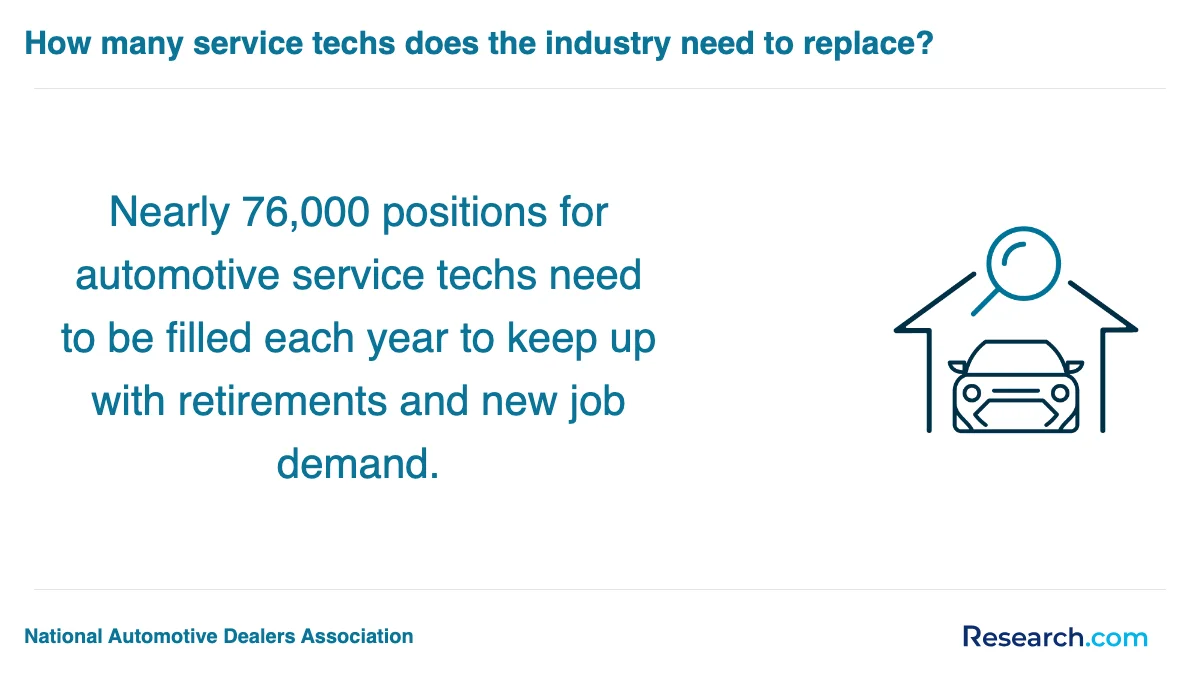
Automotive technician trade school graduates in Grand Island step into a diverse job market brimming with opportunity. Many quickly find automotive technician jobs in Grand Island NE, starting as service technicians or automotive mechanics. These entry-level roles involve hands-on tasks such as diagnosing and repairing a broad range of vehicles, which graduates often describe as rewarding and energizing work environments that sharpen practical skills daily.
Specific career paths also include diesel mechanic career opportunities Grand Island, supported by the region's agricultural and transport industries. Graduates have noted apprenticeships like Ag Diesel Tech Apprentice that allow them to work on large equipment like tractors, gaining invaluable specialized experience. These roles often come paired with advanced certification options through on-the-job programs, offering clear advancement routes.
Popular programs in Grand Island emphasize skills for positions such as lube or tire technicians, helping graduates build confidence through routine maintenance roles. Many alumni share that these stepping stones provide a solid foundation for climbing the professional ladder.
Beyond technical roles, graduates frequently explore careers as service advisors or shop foremen after gaining field experience. For those eager to continue their education while working, online classes trade schools supplement hands-on learning with flexible coursework, allowing graduates to tailor skill growth towards leadership or instructional roles.
The current automotive technician job openings in Grand Island present a promising landscape for recent trade school graduates. Popular local schools provide hands-on training aligned with the needs of employers actively seeking technicians skilled in diagnostics, maintenance, and repair of modern vehicle systems. Graduates often share how apprenticeship opportunities and company-paid training programs helped them transition smoothly into roles like Tire Technician or Diesel Specialist, enjoying competitive starting wages between $17 and $19.25 per hour.
Technicians with experience gain access to higher-paying positions, with the automotive technician salary in Grand Island NE reaching up to $42.50 per hour after seven or more years in the field. Job listings commonly highlight benefits such as health insurance, 401(k) matching, and flexible schedules, which many graduates appreciate for long-term career sustainability.
For those weighing education options, comparing trade school outcomes versus traditional college degrees can be eye-opening. Resources like college or trade school offer guidance tailored to career-focused students. The strong local demand, ongoing training, and clear wage progression make Grand Island a compelling choice for aspiring automotive technicians.
Best Automotive Technician Training Programs & Trade Schools - Top Automotive Technician Schools in Grand Island for 2026
# 1 position
Central Community College - Automobile/Automotive Mechanics Technology/Technician.
associateCentral Community College offers a hybrid program in Automobile/Automotive Mechanics Technology/Technician that prepares students to repair, service, and maintain various automobiles. The curriculum covers brake systems, electrical systems, engine performance and repair, suspension and steering, transmissions, and heating and air conditioning systems. The program’s annual in-state tuition is $3,360. Graduates earn a median salary of $46,758 one year after completion. The program is accredited by the Higher Learning Commission.
# 2 position
Central Community College - Automobile/Automotive Mechanics Technology/Technician.
certificate or diplomaThe Automobile/Automotive Mechanics Technology/Technician program at Central Community College prepares students to repair, service, and maintain all types of automobiles. This hybrid program covers brake systems, electrical systems, engine performance and repair, suspension and steering, transmissions, and heating and air conditioning. The annual in-state tuition is $3,360. Graduates earn a median salary of $46,758 one year after completion. The program is accredited by the Higher Learning Commission.
Frequently Asked Questions about automotive technician
After completing an automotive technician trade school in Grand Island, preparing for the job market involves several key steps. First, obtaining industry certifications such as ASE (Automotive Service Excellence) significantly improves employability. Employers in Nebraska value these credentials as they demonstrate verified skills.
Networking with local garages and dealerships can open job opportunities. Grand Island's growing automotive sector, supported by the Nebraska Department of Labor, shows steady demand for skilled technicians.
Additionally, creating a professional resume highlighting hands-on training and internships gained during schooling is essential. Many schools offer career services to assist with job placement, which students should utilize.
Continuous learning and staying updated on automotive technology trends also boost job prospects in this competitive field.
Employers in Grand Island prioritize several key skills when hiring automotive technician trade school graduates. According to data from the U.S. Bureau of Labor Statistics and local industry reports, strong diagnostic abilities are essential. Graduates must competently use computerized tools to identify vehicle issues accurately.
Technical knowledge in engine repair, brake systems, and electrical components is also highly valued. Employers seek candidates familiar with the latest automotive technologies, including hybrid and electric vehicles.
Good communication skills are important for explaining repairs and costs to customers clearly. Additionally, attention to detail and problem-solving capabilities rank highly among sought-after traits.
Hands-on experience gained through internships or apprenticeships often gives applicants an advantage in Grand Island's competitive job market.
Finding internships relevant to automotive technician trade school programs in Grand Island involves several practical steps. Start by contacting local automotive repair shops and dealerships, as many offer hands-on internship opportunities. The Grand Island Chamber of Commerce often lists local businesses seeking interns, which can be a valuable resource.
Trade schools themselves usually have partnerships with area employers and maintain internship placement programs. Students should inquire with their school's career services office for leads.
Additionally, online platforms like Nebraska's Workforce Development website provide updated listings of internship openings in the automotive sector specific to the Grand Island region.
Networking at local job fairs and industry events also increases chances of securing internships.
Obtaining a diploma from an automotive technician trade school in Grand Island significantly enhances career mobility and advancement opportunities. Graduates gain hands-on skills and certifications recognized by local employers, which often leads to higher starting wages compared to those without formal training. According to the Nebraska Department of Labor, automotive service technicians in Grand Island earn a median annual wage of around $44,000, with diploma holders more likely to access supervisory or specialized roles.
Trade school programs also provide networking opportunities with dealerships and repair shops, facilitating job placement. Additionally, many employers prefer candidates with accredited diplomas for advancement into management or diagnostic technician positions. This formal education can shorten the time needed to climb the career ladder within the local automotive industry.
Students enrolled in automotive technician trade schools in Grand Island can find valuable part-time job opportunities that complement their education. Local auto repair shops frequently hire assistants or service technicians, providing hands-on experience with vehicle diagnostics and repairs. According to the Nebraska Department of Labor, automotive service technician jobs in the Grand Island area are projected to grow steadily, supporting the demand for skilled workers.
Positions such as tire installers, lube technicians, or parts department assistants offer practical exposure to automotive systems and customer service. Additionally, dealerships may offer part-time roles that allow students to apply classroom knowledge to real-world vehicle maintenance.
Working part-time in these roles helps students build technical skills and professional networks, which are critical for future employment in the automotive industry.
Yes, there are automotive technician degree programs available near Grand Island, NE. Central Community College, with a campus in Grand Island, offers an Associate of Applied Science in Automotive Technology which includes comprehensive training and hands-on experience. Additionally, exploring educational platforms like Research.com can provide more information on available programs near me and help prospective students make informed decisions.
- Jobs You Can Only Get with an Automotive Technology Degree - Benjamin Franklin Cummings Institute of Technology https://franklincummings.edu/blog/automotive-technology/
- What Can You Do With An Auto Tech Degree? | MWCC https://mwcc.edu/blog/automotive-technology-faqs/
- What You Can Do With An Automotive Technology Degree 2021 https://www.neit.edu/blog/automotive-technology-degree
- Automotive Technician Jobs to Apply For | NYADI The College of Transportation Technology https://nyadi.edu/blog/industries-to-explore-after-finishing-your-automotive-technology-degree/
- Master Automotive Service Technology A.A.S. - Career Degree - College of Lake County https://www.clcillinois.edu/programs/egrdv/automotive-technology/master-automotive-service-technician-aas-career-degree
- Automotive Service Technicians and Mechanics : Occupational Outlook Handbook: : U.S. Bureau of Labor Statistics https://www.bls.gov/ooh/installation-maintenance-and-repair/automotive-service-technicians-and-mechanics.htm
- Become a Technician - More Than Auto Dealers - Educating | Giving | Connecting https://morethanautodealers.com/the-auto-industry/career-opportunities/become-a-technician/
- How to Become an Automotive Mechanic | Chapel Hill Tire | Chapel Hill Tire https://www.chapelhilltire.com/trade-school-vs-college-is-a-mechanic-career-right-for-you/
- Automotive Service Technician Apprenticeship Program https://www.confederationcollege.ca/program/automotive-service-technician-apprenticeship
- How to Craft the Perfect Cover Letter After Auto Mechanic School https://www.autotrainingcentre.com/blog/craft-perfect-cover-letter-auto-mechanic-school/


