
Best Automotive Technician Training Programs & Trade Schools - Top Automotive Technician Schools in Asheboro for 2026

Co-Founder and Chief Data Scientist
Choosing the right automotive technician trade school in Asheboro can shape your future career. This article introduces a carefully crafted ranking of local programs, developed by the Research.com team of data scientists, to guide you in making a well-informed decision.
By exploring these top schools, you’ll discover opportunities to gain valuable skills and certifications that open doors in the automotive industry. Whether you're starting fresh or advancing your expertise, this guide supports your journey toward a rewarding and stable profession.
Key benefits of finishing automotive technician trade school in Asheboro
- Graduates of automotive technician trade schools in Asheboro can expect starting salaries around $45,000 to $52,000 per year, with potential to earn more as experience grows.
- Career paths include roles like automotive mechanic, service technician, or specialist at local shops such as Thomas Tire & Automotive, offering hands-on work and steady job growth.
- Completing a trade school online provides flexibility and faster completion times, helping students balance life while gaining valuable skills without the cost and time of a traditional degree.
- Best Automotive Technician Training Programs & Trade Schools - Top Automotive Technician Schools in Asheboro for 2026
- What can I expect from automotive technician trade schools in Asheboro?
- Where can I work after finishing automotive technician trade schools in Asheboro?
What can I expect from automotive technician trade schools in Asheboro?
When enrolling in an automotive technician trade school program in Asheboro, expect a hands-on, focused learning experience designed to prepare you quickly for entry-level roles. Graduates often share how programs combine classroom lessons with practical work diagnosing and repairing engines, transmissions, brakes, and modern electronic systems. Many find the modern training labs particularly helpful, giving them confidence working with the latest diagnostic tools.
Most students choose between a one-year certificate or diploma program and a two-year associate degree, depending on their career goals and time availability. Graduates appreciate how both paths emphasize real-world skills that translate directly to jobs in Asheboro's growing automotive service industry.
Financial aid options ease the cost burden for many, while several programs also prepare students for ASE certification exams, boosting job prospects. Students often mention feeling supported by instructors who understand the local job market, making the transition from school to work smoother and more encouraging.
Where can I work after finishing automotive technician trade schools in Asheboro?
After finishing an automotive technician trade school program in Asheboro, graduates find a variety of solid job opportunities nearby. Many start as general automotive technicians at local independent repair shops or dealership service departments, where they quickly apply hands-on skills learned during training. Some graduates share how working at franchise service centers helped them build confidence diagnosing mechanical and electrical issues on cars and light trucks.
Specialization is another common path. For instance, some choose roles like diesel mechanic or lube technician, often employed at fleet maintenance shops or quick lube businesses. Others enjoy positions in autobody repair facilities such as Superior Body Center, where they work closely with insurance companies and earn competitive pay. These experiences bring a rewarding sense of accomplishment, especially when seeing damaged vehicles restored.
Part-time and flexible schedules are also common, fitting well with graduates balancing family or further education. With over 260 openings around Asheboro-from tire shops to dealership brand specialists-graduates from local trade schools find the transition into the workforce direct and encouraging.
After finishing an automotive technician trade school program in Asheboro, graduates typically start with an hourly wage around $13.17, according to Payscale data from early 2025. Many local graduates from popular trade schools share that this starting pay allows them to cover basic expenses while they gain hands-on experience. For example, some graduates working at shops like Thomas Tire & Automotive report earning about $14.71 per hour, which feels encouraging as it edges closer to a livable wage in the area.
With time, skills, and additional certifications, many graduates see their pay increase significantly. ZipRecruiter notes that average hourly wages for auto repair roles in Asheboro can reach $22.93, with experienced technicians earning up to $41.11. This range reflects real opportunities for career growth after trade school, especially for graduates who continue honing their expertise.
On an annual basis, new automotive mechanics in North Carolina earn about $36,301 to $42,391 initially, with average salaries around $49,079 as they build experience. Graduates from Asheboro trade schools often feel optimistic seeing these figures, as they confirm a clear path to steadily improving income and job stability in the local automotive industry.
- Automotive technician programs in Asheboro can be completed in about one year for certificates or diplomas, and two years for associate degrees.
- Tuition costs range from $2,000 to $7,000 per year at community colleges, while private institutes may charge up to $22,900 for the entire program.
- Randolph Community College offers hands-on automotive systems technology training, including engine repair, electrical systems, and vehicle diagnostics.
- Entry-level automotive technicians earn around $24 per hour, which is about $49,900 annually for full-time work.
- The job market shows steady growth with approximately 40 job openings expected locally and a 1.5% job growth rate in North Carolina's automotive sector.
Completing an automotive technician trade school program in Asheboro typically takes between 9 months and 18 months, depending on the school and the specific curriculum chosen. Many students at popular Asheboro trade schools find that the 12-month accelerated programs offer a focused, hands-on experience that quickly builds confidence and job-ready skills.
Graduates often share how the intensive pace keeps them engaged without feeling overwhelmed, making it easier to balance studies with part-time work or family commitments. One common scenario is a student starting with little mechanical background and, within one year, being able to confidently diagnose and repair complex engine issues thanks to the practical training.
Some programs extend to 18 months, providing more in-depth exposure to advanced systems like hybrid vehicles and diagnostics, which graduates appreciate for the added career flexibility. The key is selecting a program that fits your personal schedule and career goals while offering real-world learning through labs and apprenticeships common in Asheboro's trade schools.
The key difference between online and on-campus automotive technician programs in Asheboro is the balance between hands-on training and flexible learning. Graduates from popular trade schools here often share that online programs offer convenience, allowing them to study theory and watch instructional videos from home. This suits those juggling work or family commitments. However, many emphasize that online students must proactively find apprenticeships or labs to master practical skills crucial in automotive repair.
On-campus programs, favored by Asheboro's established trade schools, immerse students directly in automotive labs. Graduates recall the value of working side-by-side with instructors on real vehicles, gaining immediate feedback and building confidence. The in-person setting fosters motivation, keeping students focused through active, hands-on problem-solving.
Some Asheboro schools combine both methods, offering hybrid schedules that mix online coursework with essential lab time. This approach provides flexibility without sacrificing the critical practical experience employers expect in the automotive industry.
The average tuition fees for automotive technician programs in Asheboro NC typically revolve around $76 per credit hour at Randolph Community College (RCC), one of the most popular trade schools in the area. Graduates often recall that completing a comprehensive automotive technician trade school program can add up to several thousand dollars in tuition alone, making it essential to budget carefully. Beyond tuition, students share that the cost of essential tools, textbooks, uniforms, and lab fees can significantly increase expenses, often ranging from $500 to $2,500 annually.
Many who have recently completed their training highlight that the overall cost of automotive technician trade school in Asheboro North Carolina is manageable with the right financial planning, especially when factoring in financial aid. RCC and other institutions in Asheboro offer options like federal aid, state grants, and scholarships, which help ease the burden of these expenses. Connecting with the school's financial aid office early on has been a key step for students to confidently navigate these costs.
To those considering expanding credentials further, some graduates have pursued opportunities like an automotive bachelor's degree to enhance their career prospects. This option, while more costly, builds on the foundation laid by trade schools in Asheboro and broadens future job opportunities.
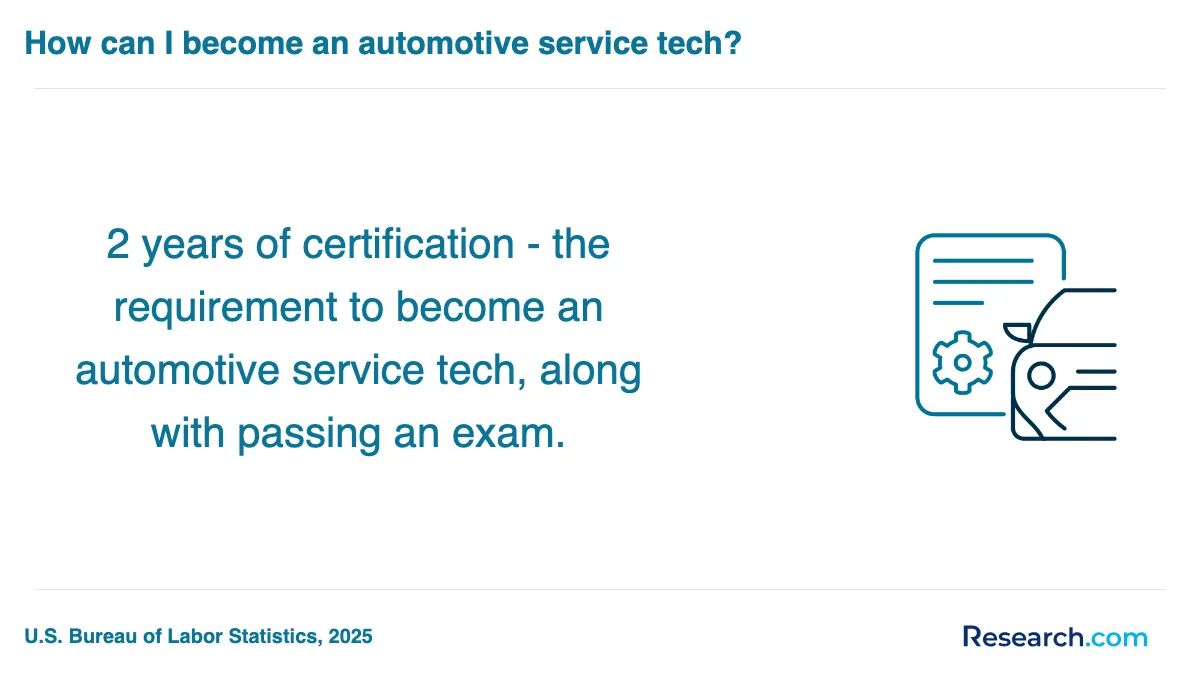
Automotive technician students in Asheboro commonly rely on a mix of federal grants, scholarships, and loans to fund their trade school education. Many graduates recall how the Federal Pell Grant, which offers up to $6,195 annually, made a real difference in managing tuition costs at Randolph Community College. Completing the FAFSA was a necessary step but straightforward enough with financial aid counseling offered on campus, which helped clarify the process for first-time students.
Scholarships geared toward this field also relieve financial pressure. Some students received awards like the Mike Rowe Work Ethic Scholarship covering full tuition or the SEMA Memorial Scholarship Fund, which provides up to $5,000. Smaller grants, such as the Future Mechanic Grant or the Automotive Hall of Fame Educational Fund, helped others cover tool and book expenses, often easing the stress of upfront costs.
Though loans are used by just about 1% of students at Randolph Community College, those who do borrow typically take out around $14,445 per year. Graduates describe how these loans were essential for covering remaining fees and living expenses, enabling them to focus on hands-on training without constant financial worry.
To enroll in an automotive technician trade school program in Asheboro, applicants typically need a high school diploma or GED. This basic educational prerequisite ensures students have foundational skills in math and reading, essential for understanding vehicle systems and technical manuals.
Many trade schools in Asheboro recommend or require:
- Basic knowledge of algebra and physics to grasp mechanical concepts.
- A valid driver's license, as hands-on training often involves working with actual vehicles.
- Strong communication skills, since graduates emphasize the importance of clear interactions with instructors and future customers.
Graduates from popular Asheboro trade schools often share how meeting these prerequisites prepared them to dive confidently into both classroom lessons and shop experiences. For example, they recall how solid math skills helped them quickly diagnose engine problems during practical sessions. This readiness not only eased their transition but also boosted their enthusiasm as they saw real progress in their learning.
Trade schools in Asheboro also sometimes encourage prior exposure to automotive work, such as internships or personal projects, which can positively impact admission decisions and improve early performance.

Automotive technician trade schools in Asheboro typically offer courses that equip students with practical skills and industry knowledge essential for entry-level jobs. Graduates often describe starting with fundamental classes covering engine operation, safety protocols, and basic maintenance, which build a solid foundation for more advanced work.
Hands-on courses usually include:
- Engine repair and performance, where students diagnose problems and tune engines using both mechanical tools and computerized systems.
- Electrical and electronic systems, focusing on vehicle wiring and complex electronic controls that power modern cars.
- Brake systems, teaching hydraulic principles and anti-lock braking system repairs through real-world practice.
- Suspension and steering, with alignment and chassis work that graduates say boosts their confidence in handling diverse repairs.
- Transmission and drivetrains, exploring manual and automatic systems, clutch operations, and axle assemblies.
- Heating and air conditioning, including refrigerant handling and troubleshooting climate control issues.
Many Asheboro programs also prepare students for ASE certification exams, a step graduates highlight as key for improving job opportunities. Courses on shop safety, customer service, and industry regulations help students feel ready for the professional environment they'll enter after graduation.
Automotive technician trade school programs in Asheboro typically offer practical, hands-on specializations designed to meet local industry needs. A standout specialty is collision repair, with comprehensive collision repair programs Asheboro trade schools provide focusing on painting, refinishing, structural and nonstructural damage repair, automotive detailing, and autobody estimating. Graduates often praise the strong emphasis on real-world skills like custom fabrication and basic welding, which prepare them for positions in body shops or insurance-related repair roles.
Other core areas include automotive technology, where students learn to diagnose and fix engine, transmission, brake, and suspension problems using modern diagnostic tools. This specialization suits those eager to quickly start careers as mechanics or lube technicians, usually completing programs in about a year.
Special courses in auto custom fabrication and detailing equip students with unique abilities to customize and restore vehicles, making their resumes stand out.
For a broader career scope, some trade schools also offer diesel mechanic tracks for work in commercial transportation.
Many graduates have reported that exploring these options at Asheboro's trade schools helped them align their training with high-demand, trade school high paying jobs locally and beyond.
When selecting the best automotive technician programs in Asheboro, focus first on accreditation and curriculum quality. Graduates from top-rated automotive trade schools in Asheboro often highlight how programs accredited by recognized organizations provided them confidence that their education met industry standards. Look for schools offering hands-on training with current tools, as practical skills in engine repair and diagnostics make the difference when starting your career.
Proximity is another key factor; many students choose Asheboro-based schools to balance commute time with study and work commitments. Graduates frequently praise programs with strong ties to local businesses that offer internships or job placement assistance, facilitating smoother transitions into the workforce.
Finally, consider cost and financial aid options. Schools that assist with scholarships or flexible payment plans ease the investment burden. For comprehensive guidance on choosing and comparing programs, exploring resources on what are the best trade schools online can offer valuable direction tailored to your goals.

Graduates of automotive technician trade school programs in Asheboro find a variety of rewarding career paths thanks to a strong local demand for skilled mechanics. Many begin as entry-level lube technicians or quick lube/entry-level auto technicians, performing essential maintenance tasks such as oil changes while gaining hands-on experience. These roles offer competitive hourly pay around $24.00 per flat-rate hour and benefits like health insurance and paid time off, providing a solid start to the automotive technician jobs in Asheboro NC.
As graduates build their skills, they often advance to specialized roles such as diagnostic technician or master technician, working on complex vehicle systems including hybrids and electrics. Some explore auto body repair positions, where experienced technicians earn between $45,000 and $80,000 annually. Diesel mechanic and shop technician positions also present viable options.
- Service manager
- Parts specialist
- Shop foreman
These supervisory roles leverage leadership and technical knowledge, expanding opportunities for career growth. Popular trade schools in Asheboro not only prepare students with practical skills but connect them to these diverse auto repair career opportunities Asheboro offers. Graduates often share how their hands-on training at these schools made exploring the automotive mechanic career path feel both clear and achievable, positioning them well in a competitive local job market.
The job market for automotive technician trade school graduates in Asheboro is strong, with over 70 open positions currently available. Local employers like Superior Body Center and Asheboro Auto Mall actively seek skilled graduates for roles such as automotive technician, diesel mechanic, and autobody repair technician. These roles come with competitive salaries ranging from $45,000 to $80,000 annually, reflecting the Asheboro automotive technician salary and demand.
Graduates from trade schools in Asheboro often highlight the value of hands-on training and certifications, which make entry-level positions accessible. Employers emphasize a combination of technical skills, a positive attitude, and customer service focus. Many offer benefits including health insurance, paid vacations, and career advancement through on-the-job training.
For students weighing their options, considering trade schools vs college is vital since trade schools in Asheboro provide practical experience and direct pathways to employment.
- High demand for automotive technician jobs in Asheboro NC supports a quick job placement.
- Employers invest in ongoing career training and access to advanced diagnostic tools.
- Steady local population growth sustains long-term opportunities.
Best Automotive Technician Training Programs & Trade Schools - Top Automotive Technician Schools in Asheboro for 2026
# 1 position
Randolph Community College - Automobile/Automotive Mechanics Technology/Technician.
associateRandolph Community College offers a hybrid Automobile/Automotive Mechanics Technology/Technician program that prepares students to repair, service, and maintain various automobile systems. The curriculum covers brake systems, electrical systems, engine performance and repair, suspension and steering, transmissions, and heating and air conditioning. The program’s annual in-state tuition is $2,416. It is accredited by the Southern Association of Colleges and Schools Commission on Colleges.
# 2 position
Randolph Community College - Automobile/Automotive Mechanics Technology/Technician.
certificate or diplomaRandolph Community College offers a hybrid program in Automobile/Automotive Mechanics Technology/Technician designed to train individuals in repairing, servicing, and maintaining various automobiles. The curriculum covers brake systems, electrical systems, engine performance and repair, suspension, steering, transmissions, drive trains, and heating and air conditioning systems. The program’s annual in-state tuition is $2,416 and it is accredited by the Southern Association of Colleges and Schools Commission on Colleges.
Frequently Asked Questions about automotive technician
After completing an automotive technician trade school in Asheboro, preparing for the job market involves several key steps. First, graduates should obtain relevant industry certifications, such as the ASE (Automotive Service Excellence), which are highly valued by employers nationwide. According to the U.S. Bureau of Labor Statistics, certified technicians tend to earn higher wages and have better job prospects.
Networking is also crucial. Participating in local job fairs and connecting with Asheboro-area dealerships and repair shops can open doors to employment opportunities. Many trade schools in Asheboro offer career services that assist with resume writing and interview preparation.
Finally, gaining hands-on experience through apprenticeships or internships significantly improves employability, as practical skills are essential in this field.
Employers in Asheboro seeking automotive technician trade school graduates prioritize a combination of technical and soft skills. According to the U.S. Bureau of Labor Statistics and local industry reports, strong diagnostic abilities are essential, as modern vehicles rely heavily on computerized systems. Graduates must also demonstrate proficiency in engine repair, brake systems, and electrical components.
Problem-solving skills and attention to detail are highly valued to ensure accurate repairs and maintenance. Communication skills are important for explaining issues and solutions to customers effectively. Additionally, employers prefer candidates familiar with updated safety standards and environmental regulations.
Hands-on experience gained through internships or co-op programs significantly enhances employability in Asheboro's competitive automotive job market.
Finding internships in Asheboro relevant to automotive technician trade school programs involves several practical steps. Start by contacting local automotive repair shops and dealerships, as many offer hands-on training opportunities for students. The Asheboro-Randolph Chamber of Commerce can provide a list of businesses in the automotive industry that may sponsor internships.
Additionally, trade schools often assist students by partnering with local employers to create internship placements. Students should inquire directly with their school's career services or internship coordinator. According to the U.S. Bureau of Labor Statistics, automotive technician internships improve job placement rates by up to 30%.
Networking through local events and job fairs in Asheboro can also connect students with potential internship providers. Finally, online platforms like the North Carolina Department of Commerce's job portal list internship openings by region and industry, including automotive technician roles.
Obtaining an automotive technician trade school diploma in Asheboro significantly enhances career mobility and advancement opportunities. According to the U.S. Bureau of Labor Statistics, automotive service technicians with formal training earn approximately 20% more than those without credentials. Local employers in Asheboro increasingly prefer graduates from accredited programs due to their verified skills in diagnostics and repair technologies.
Trade schools provide hands-on experience with modern automotive systems, making graduates more competitive for entry-level positions. Additionally, these diplomas often serve as a stepping stone for certifications like ASE, which further boost employability and potential salary increases.
In Asheboro's growing automotive sector, a diploma can open doors to roles in dealerships, repair shops, and fleet management, supporting upward career movement. Data from North Carolina's Community College System highlights that diploma holders report higher job placement rates within six months of graduation compared to those without formal training.
Students pursuing automotive technician trade school programs in Asheboro can benefit from several part-time job opportunities that enhance practical skills. Local auto repair shops and dealerships often seek entry-level assistants for tasks like inventory management, basic vehicle cleaning, and customer service. These roles provide hands-on experience and industry exposure.
Additionally, tire and oil change centers in Asheboro offer flexible part-time positions suitable for students. According to the U.S. Bureau of Labor Statistics, automotive service technicians and mechanics in North Carolina earn a median hourly wage of about $19, indicating strong local demand. Gaining work experience alongside education can improve job prospects after graduation.
Yes, there are automotive technician degree programs available near Asheboro, NC, offering education and training for aspiring automotive professionals. You can explore nearby community colleges and technical schools, which often have strong automotive programs designed to provide both theoretical knowledge and hands-on experience. Utilizing resources like Research.com can be helpful to identify specific programs and institutions near you that align with your educational and career goals.
- Automotive Mechanic Trade School | Sheridan Technical College https://www.sheridantechnicalcollege.edu/automotive-technology/
- Automotive Technology Program https://gwinnetttech.edu/automotive/
- Automotive Service Technician - Saint Paul College https://www.saintpaul.edu/programs/automotive-service-technician/
- Online Auto Mechanic School | Penn Foster https://www.pennfoster.edu/programs/automotive/auto-repair-career-diploma
- Automotive Technician | Clover Park Technical College https://www.cptc.edu/programs/auto-tech
- Automotive Service Technician: School of Trades and Technology : Thompson Rivers University https://www.tru.ca/trades/trades-programs/automotive-service-technician.html
- Automotive Service Technology Program | College of DuPage https://www.cod.edu/academics/programs/autotech/
- Skills For Career Success After Auto Mechanic School https://www.autotrainingcentre.com/blog/considering-auto-mechanic-school-skills-for-success/
- Jobs You Can Only Get with an Automotive Technology Degree - Benjamin Franklin Cummings Institute of Technology https://franklincummings.edu/blog/automotive-technology/
- 5 Tips to Succeed in Automotive Mechanic School | UTI https://www.uti.edu/blog/automotive/tips-for-succeeding-in-automotive-mechanic-school


