2027 Supply Chain Management Degree Job Posting Analysis: Skills, Credentials, and Experience Employers Request Most Often

Co-Founder and Chief Data Scientist
Supply chain management students face a practical question: which qualifications actually show up in job postings? Employers are hiring for resilience, cost control, analytics, and supplier coordination, not just warehouse knowledge. The U.S. Bureau of Labor Statistics projects logisticians to grow 19% from 2023 to 2033, much faster than average, which makes skill selection especially important.
This guide is for students, career changers, and recent graduates who want to compare employer expectations, prioritize coursework and certifications, and build a stronger application strategy.
Key Things You Should Know
- Supply chain management job postings most often combine business education with practical skills in planning, procurement, logistics, inventory control, data analysis, enterprise resource planning systems, and cross-functional communication.
- The clearest salary benchmark for related roles is the BLS-reported median annual wage of $79,400 for logisticians in May 2023, but compensation varies by industry, region, experience, and technical specialization.
- For entry-level candidates, internships, Excel or analytics projects, ERP exposure, and résumé alignment usually matter more than stacking multiple certifications too early.
- Which Industries Have the Highest Demand for Supply Chain Management Graduates?
- Which Job Titles Appear Most Frequently in Supply Chain Management Degree Job Postings?
Which Industries Have the Highest Demand for Supply Chain Management Graduates?
Employer demand for supply chain management graduates is broad because supply chains touch purchasing, production, transportation, inventory, forecasting, compliance, and customer delivery. In job postings, the highest demand usually appears in industries where delays, shortages, transportation costs, or supplier performance directly affect revenue.
The table below summarizes the industries where supply chain management degree holders commonly find openings and what those employers tend to emphasize. Use it to compare whether your coursework, internships, and projects match the industry you want to enter.
| Industry | Common Hiring Need | Skills Employers Often Emphasize | Best Fit for Students Who Prefer |
| Manufacturing | Coordinating materials, production schedules, suppliers, and inventory | MRP, production planning, lean operations, supplier coordination, cost control | Operations, plant-level problem solving, and process improvement |
| Retail and e-commerce | Maintaining product availability while managing fast-moving inventory | Demand planning, inventory analytics, fulfillment, vendor management, Excel | Consumer products, fast timelines, and data-driven replenishment |
| Transportation and warehousing | Improving shipment reliability, routing, storage, and distribution performance | Transportation management systems, routing, warehouse operations, freight coordination | Logistics execution and day-to-day operational decision-making |
| Healthcare and pharmaceuticals | Managing critical supplies, regulated products, and vendor reliability | Compliance awareness, supplier quality, inventory control, risk management | Mission-critical operations with high accuracy requirements |
| Government and defense contractors | Supporting procurement, contracts, compliance, and mission logistics | Contract administration, documentation, security-sensitive procurement, compliance | Structured environments and long-cycle projects |
| Consulting, technology, and third-party logistics | Helping clients redesign networks, improve visibility, or implement systems | Analytics, ERP or supply chain software, presentation skills, project management | Varied client work and technology-enabled transformation |
For students comparing industries and the best certifications for jobs, the best choice is not simply the one with the most postings. It is the one where the daily work matches your strengths: manufacturing favors process discipline, retail favors speed and forecasting, healthcare favors precision, and consulting favors communication plus analytics.
Which Job Titles Appear Most Frequently in Supply Chain Management Degree Job Postings?
Supply chain management degree job postings use many titles for related work, so students should search beyond a single phrase. A posting for "procurement analyst," "materials planner," or "logistics coordinator" may fit a supply chain graduate even if the title does not include "supply chain."
The table below groups frequently appearing job titles by the type of work they usually involve. This can help you expand your job search without applying to roles that are too far from your preparation.
| Job Title Family | Common Posting Titles | Typical Responsibilities | Common Entry Point? |
| Supply chain coordination | Supply Chain Coordinator, Supply Chain Analyst, Supply Chain Specialist | Track orders, analyze performance, coordinate suppliers, support planning teams | Yes |
| Logistics and distribution | Logistics Coordinator, Logistics Analyst, Transportation Analyst, Distribution Coordinator | Schedule shipments, monitor carriers, review freight costs, improve delivery performance | Yes |
| Procurement and sourcing | Buyer, Procurement Analyst, Purchasing Specialist, Sourcing Associate | Issue purchase orders, compare suppliers, negotiate terms, monitor vendor performance | Yes, especially with strong communication and Excel skills |
| Planning and inventory | Demand Planner, Materials Planner, Inventory Analyst, Production Planner | Forecast demand, plan materials, balance stock levels, support production schedules | Sometimes; many employers prefer internship or system experience |
| Operations improvement | Operations Analyst, Continuous Improvement Analyst, Lean Coordinator | Measure process performance, identify bottlenecks, support improvement projects | Yes, if project or analytics experience is documented |
| Management-track roles | Supply Chain Manager, Logistics Manager, Procurement Manager, Planning Manager | Lead teams, own budgets, manage suppliers, set operational strategy | Usually no; typically requires prior experience |
When reviewing titles, pay more attention to the responsibilities than the label. A "coordinator" role at one company may involve basic order tracking, while the same title elsewhere may require ERP reporting, supplier escalation, and customer-facing communication.
Employers rarely hire supply chain graduates for one isolated skill. Postings typically combine analytical, operational, technical, and interpersonal requirements because supply chain workers must turn data into decisions and coordinate across departments.
The table below separates the skills that tend to appear most often from the skills that differentiate stronger candidates. This helps you decide what to learn first if you have limited time before applying.
| Skill Category | Skills Commonly Requested in Postings | Why Employers Value Them | Priority for Students |
| Core supply chain knowledge | Inventory management, procurement, logistics, demand planning, order fulfillment | These skills show you understand how materials, products, suppliers, and customers connect | Highest |
| Data and analysis | Microsoft Excel, reporting, forecasting, KPI tracking, cost analysis, data visualization | Employers need graduates who can identify patterns and support decisions with evidence | Highest |
| Business systems | ERP systems, SAP, Oracle, Microsoft Dynamics, warehouse or transportation systems | Most supply chain work happens inside shared business systems, not just spreadsheets | High |
| Process improvement | Lean, Six Sigma concepts, root cause analysis, continuous improvement, standard operating procedures | Employers want candidates who can reduce waste, delays, rework, and unnecessary cost | Moderate to high |
| Communication and coordination | Supplier communication, stakeholder management, teamwork, customer service, presentation skills | Supply chain problems usually require cooperation across purchasing, operations, finance, and sales | Highest |
| Risk and compliance | Supplier risk, documentation, regulatory awareness, contract support, quality requirements | Disruption, compliance failure, and supplier problems can create major business exposure | Moderate; higher in healthcare, defense, and regulated manufacturing |
The most common mistake is treating technical skills and soft skills as separate choices. A graduate who can build a forecast but cannot explain assumptions to sales, operations, or suppliers will be less competitive than a candidate who can do both.
If you are still in school, prioritize skills in this order before adding extras:
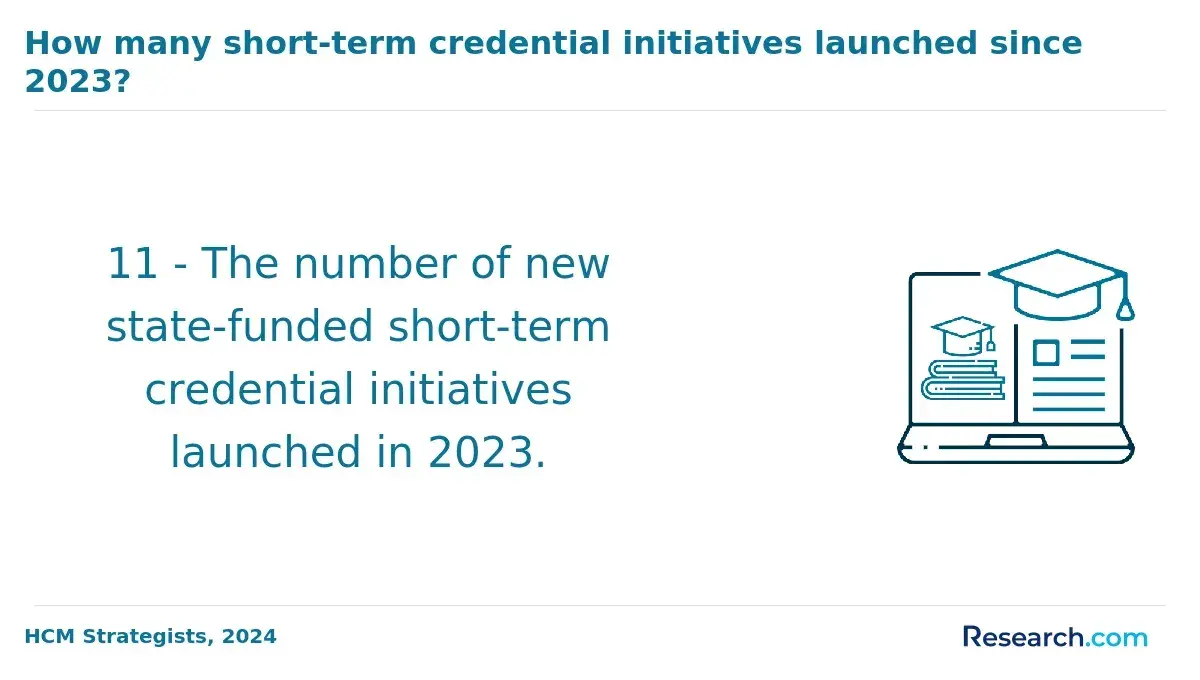
- Build advanced Excel ability, including pivot tables, lookups, scenario analysis, and clean spreadsheet documentation. You can learn this easily by enrolling in 6 week courses.
- Complete at least one project that uses real or realistic supply chain data to analyze inventory, freight, forecasting, or supplier performance.
- Gain exposure to an ERP or business system through coursework, internships, simulations, labs, or employer training.
- Practice explaining trade-offs, such as service level versus inventory cost or supplier price versus delivery reliability.
Experience requirements vary sharply by job level. Entry-level postings may accept coursework, internships, co-ops, military logistics experience, retail operations, warehouse leadership, or project experience, while experienced postings often expect direct ownership of suppliers, budgets, systems, or teams.
The table below summarizes how experience language usually maps to job levels. Use it to avoid applying only to roles that are too senior or underselling yourself for roles where your projects and internships may count.
| Experience Level | Common Years Requested | Roles Often Seen | What Employers Usually Want Evidence Of |
| Entry level | 0 to 2 years, internship acceptable | Supply Chain Coordinator, Logistics Coordinator, Procurement Assistant, Operations Analyst | Excel, communication, attention to detail, basic supply chain concepts, willingness to learn systems |
| Early career | 2 to 4 years | Supply Chain Analyst, Buyer, Inventory Analyst, Materials Planner | Independent analysis, supplier follow-up, planning support, reporting, problem escalation |
| Mid-level | 4 to 7 years | Senior Analyst, Demand Planner, Sourcing Specialist, Logistics Supervisor | Process ownership, cross-functional coordination, cost or service improvements, system fluency |
| Manager level | 5 or more years, often with leadership experience | Supply Chain Manager, Procurement Manager, Logistics Manager, Planning Manager | Team leadership, budget responsibility, supplier strategy, performance management |
Education can open the door, but experience often decides whether a candidate looks job-ready. The BLS-reported median annual wage of $79,400 for logisticians in May 2023 is a useful benchmark, but students should not interpret it as an entry-level guarantee; many higher-paying roles require several years of proven operational or analytical responsibility.
If you lack direct experience from online colleges, do not wait until graduation to close the gap. Build evidence through internships, co-ops, capstone projects, part-time operations work, campus procurement projects, case competitions, or volunteer logistics roles where you can describe measurable responsibilities.
Certifications can increase competitiveness, but they are not all equally useful at the same career stage. In many entry-level postings, certifications are preferred rather than required; for experienced roles, they can signal deeper expertise in planning, procurement, quality, or process improvement.
The table below compares certifications that commonly align with supply chain roles. Before paying for any credential, check postings in your target industry to see whether employers actually mention it.
| Certification | Common Fit | Typical Employer Signal | Best Timing |
| ASCM Certified in Planning and Inventory Management | Planning, inventory, production, materials management | Depth in inventory control, planning logic, and operations flow | Helpful after coursework or early experience in planning-related roles |
| ASCM Certified Supply Chain Professional | End-to-end supply chain, operations, logistics, planning | Broad understanding of integrated supply chain management | Often stronger after some work experience |
| ISM Certified Professional in Supply Management | Procurement, sourcing, supplier management | Procurement knowledge, supplier strategy, and sourcing professionalism | Best for candidates targeting purchasing or sourcing roles |
| Six Sigma Green Belt | Manufacturing, operations improvement, quality, process analytics | Ability to support structured improvement projects | Useful when paired with a real project, not just exam completion |
| Project Management Professional or CAPM | Implementation, consulting, operations projects, systems rollouts | Project planning, stakeholder coordination, and execution discipline | CAPM may fit early career; PMP generally requires substantial experience |
The biggest certification mistake is earning a credential before knowing your target role. A procurement-focused student may get more value from supplier management knowledge than from a planning certification, while a manufacturing planner may benefit more from inventory and production planning credentials.
A practical way to decide whether a certification is worth it is to compare it against your immediate career goal:
- Choose a planning or inventory credential if your target postings mention materials planning, demand planning, production scheduling, or inventory optimization.
- Choose a procurement credential if postings emphasize supplier negotiation, sourcing events, contracts, purchase orders, or vendor performance.
- Choose a process improvement credential if postings emphasize lean, waste reduction, root cause analysis, quality, or operational excellence.
- Delay advanced credentials if you have not yet built internship experience, Excel ability, and job-specific project evidence.
Employer expectations differ because "supply chain management" is not one job. A hospital supply chain team, a manufacturer, a retailer, and a defense contractor may all hire supply chain graduates, but each may weigh credentials, systems, communication, and compliance differently.
The table below shows how requirements change across common employer contexts. This can help you tailor your résumé instead of sending the same version to every posting.
| Employer Context | What They Often Require | What They Often Prefer | How to Tailor Your Application |
| Large corporations | Bachelor's degree, Excel, ERP exposure, communication, internship or rotational potential | Analytics tools, leadership activities, process improvement projects | Emphasize structured projects, cross-functional teamwork, and measurable results |
| Small and midsize firms | Hands-on flexibility, purchasing or logistics knowledge, attention to detail | Ability to cover multiple functions, customer service experience, quick learning | Show that you can work across procurement, inventory, shipping, and reporting |
| Manufacturers | Materials planning, production support, inventory accuracy, supplier follow-up | Lean, MRP, quality awareness, plant or operations experience | Highlight process flow, scheduling, and cost or waste reduction projects |
| Retailers and e-commerce firms | Demand planning, fulfillment, Excel, vendor communication, inventory analysis | Forecasting, category knowledge, dashboards, rapid problem-solving | Quantify stock, service, forecast, or replenishment work when possible |
| Regulated or government-linked employers | Documentation, compliance awareness, accurate records, sometimes citizenship or clearance eligibility | Contract knowledge, audit readiness, supplier quality awareness | Use precise language about documentation, controls, and compliance-related tasks |
Geography can also affect expectations. Major logistics hubs, manufacturing regions, ports, and corporate headquarters markets may offer different mixes of roles, so students should review postings in the locations where they actually plan to work rather than relying only on national-level descriptions.
A common red flag is assuming a posting's preferred qualifications are automatic disqualifiers. If you meet the degree requirement, core skills, and most responsibilities, it can still be reasonable to apply, especially for entry-level roles where employers expect training.
Supply chain employers are increasingly asking for skills that improve visibility, forecasting, automation readiness, and resilience. These emerging requirements do not replace fundamentals such as inventory, logistics, procurement, and communication, but they can separate strong candidates from applicants with only textbook preparation.
The table below highlights emerging skills that are becoming more visible in supply chain job postings and why they matter. Students should treat these as differentiators after building the core skills employers already expect.
| Emerging Skill | Where It Shows Up | Why It Matters | Student-Level Way to Build Evidence |
| AI-assisted forecasting and analytics awareness | Planning, demand analytics, inventory optimization, supply chain technology roles | Employers want faster scenario analysis and better use of large data sets | Complete a forecasting or inventory project that explains assumptions, limitations, and business impact |
| Data visualization | Analyst, operations, logistics, procurement, and management reporting roles | Dashboards help teams see service, cost, delay, and supplier performance quickly | Create dashboards using tools such as Excel, Power BI, or Tableau in coursework or projects |
| Supply chain risk management | Sourcing, procurement, global logistics, regulated industries | Supplier disruption, transportation delays, and geopolitical risk affect continuity | Analyze a supplier risk case and recommend mitigation options |
| Sustainability and responsible sourcing | Procurement, supplier management, consumer goods, manufacturing | Companies track emissions, ethical sourcing, waste, and supplier standards more closely | Evaluate supplier trade-offs involving cost, lead time, quality, and sustainability criteria |
| Automation and warehouse technology awareness | Distribution, fulfillment, transportation, operations improvement | Automation changes labor planning, throughput, accuracy, and system integration needs | Study warehouse process flows and identify where automation changes performance metrics |
AI is most useful to students when it strengthens judgment rather than replaces it. Employers still need candidates who can validate data quality, explain uncertainty, question unrealistic forecasts, and communicate trade-offs to nontechnical stakeholders.
Students can use job postings as a live curriculum map. Instead of guessing which skills matter, collect postings for the roles, industries, and locations you want, then compare the repeated requirements against your courses, projects, work history, and certifications.
A focused gap analysis is more useful than trying to learn everything at once. Follow this sequence to turn job posting trends into a concrete preparation plan:
- Collect 20 to 30 recent postings for your target roles, such as supply chain analyst, buyer, logistics coordinator, or materials planner.
- Highlight repeated requirements in separate categories: education, software, technical skills, soft skills, experience, and certifications.
- Label each item as required, preferred, or nice to have based on the wording used by employers.
- Compare the list to your résumé and mark where you have proof, partial proof, or no proof.
- Choose two high-impact gaps to close first, usually Excel or analytics plus internship or project experience.
- Rewrite your résumé bullets to mirror employer language honestly, using measurable responsibilities where possible.
Strong résumé bullets should show what you did, which tool or method you used, and why it mattered. For example, a student project on inventory should not be described only as "completed inventory analysis"; it should explain the dataset, the metric, the problem, and the recommendation.
Common mistakes to avoid include applying with a generic résumé, listing software without evidence of use, treating coursework as experience without explaining the project, ignoring soft skills, and waiting until the final semester to seek internships. These mistakes make it harder for employers to see job readiness even when the degree itself is relevant.
Supply chain management job posting trends can help students choose a career path by showing which qualifications are central for each specialization. The right path depends on whether you prefer analysis, negotiation, operations execution, planning, technology, or leadership.
The table below compares common supply chain career paths by the skills and experiences that matter most. Use it to choose electives, internships, projects, and certifications that match your intended direction.
| Career Path | Best-Fit Strengths | Credentials and Experiences to Prioritize | Less Useful Early Investment |
| Supply chain analyst | Data analysis, reporting, problem-solving, business communication | Excel, dashboards, SQL or analytics exposure, KPI projects, internship experience | Advanced management credentials before building analytical proof |
| Procurement or sourcing | Negotiation, supplier communication, cost analysis, relationship management | Purchasing internship, supplier evaluation project, contract basics, procurement coursework | Warehouse-focused credentials if you do not plan to work in operations execution |
| Logistics and transportation | Coordination, urgency, routing, cost-service trade-offs, carrier communication | Transportation coursework, logistics internship, freight analysis, TMS exposure | Advanced forecasting credentials unless planning is your target path |
| Demand or materials planning | Forecasting, inventory control, production coordination, detail orientation | Inventory projects, ERP or MRP exposure, forecasting coursework, planning internship | General business electives that do not build quantitative or system evidence |
| Operations improvement | Process thinking, root cause analysis, measurement, teamwork | Lean or Six Sigma project, operations internship, process mapping, quality metrics | Certifications without a real project to demonstrate application |
| Supply chain technology or consulting | Systems thinking, analytics, presentation skills, project coordination | ERP exposure, data visualization, business analytics, case competitions, client-style projects | Highly narrow credentials before confirming the software or industry focus |
Students should also ask employers and recruiters targeted questions before choosing expensive credentials or graduate study. Useful questions include which systems the team uses, whether certifications affect hiring or promotion, how entry-level staff are trained, what separates successful interns from average ones, and which skills are hardest for the team to find.
The best decision is usually staged: first build a relevant degree foundation, then add practical experience, then add targeted certification or graduate education when it clearly supports a role you want. This prevents overinvesting in credentials that look impressive but do not match the postings you plan to pursue.
Most supply chain management degree job postings expect at least a bachelor's degree for analyst, planner, sourcing, and management-track roles. Employers often accept related majors such as supply chain management, logistics, operations management, business analytics, industrial engineering, finance, or general business when the candidate has relevant experience or technical skills.
The table below shows how employers tend to treat different credentials. This distinction matters because "required" and "preferred" language should shape how you apply, but it should not automatically stop you from applying when you meet most of the role's core needs.
| Credential | How It Appears in Postings | What It Signals to Employers | How Students Should Interpret It |
| Associate degree | More common in logistics, warehouse, purchasing support, and coordinator roles | Foundational business or operations knowledge | Useful for entry roles, especially with experience; may limit access to analyst or advancement-track jobs |
| Bachelor's degree | Frequently required or strongly preferred for analyst, planner, procurement, and rotational roles | Broad business, quantitative, and operational preparation | The standard credential for many professional supply chain openings |
| Master's degree or MBA | Usually preferred rather than required, especially for strategy, consulting, leadership, or advanced analytics roles | Advanced business judgment, leadership readiness, or analytical depth | Best considered after clarifying career goals and likely return on investment |
| Related technical degree | Commonly accepted for manufacturing, engineering-heavy, analytics, and operations roles | Quantitative or process improvement strength | Competitive when paired with supply chain coursework or internship experience |
Cost should be part of the credential decision. The College Board's 2024 pricing report listed average published tuition and fees of $11,610 for in-state students at public four-year institutions for the 2024-25 academic year, before grants and scholarships. That figure does not determine whether a degree is worth it, but it shows why students should compare program cost, quick certifications, internship access, employer partnerships, transfer credits, and graduation timeline together.
Accreditation also matters. For U.S. students, a regionally accredited institution is typically the baseline for credit transfer, graduate admission, and employer confidence; programmatic business accreditation may add value, but it is not the same as a license and is not usually required for supply chain employment.
Other Things You Should Know About Supply Chain Management
A degree can qualify you for many entry-level roles, but employers usually look for proof of job readiness too. Internships, Excel skills, analytics projects, ERP exposure, and strong communication often make the degree more competitive.
Advanced Excel is usually the best first technical skill because it appears across analyst, logistics, procurement, inventory, and planning roles. After that, students should add forecasting, data visualization, ERP exposure, or procurement skills based on their target career path.
They can be worth it, but they are usually most valuable when aligned with a specific job path. Recent graduates often benefit more from internships, projects, and software skills before paying for advanced certifications.
Most supply chain management jobs in the U.S. do not require a government license. Some employers may require industry certifications, security clearance eligibility, compliance training, or specialized credentials depending on the role and industry.
See What Experts Have To Say About Studying Supply Chain Management
Read our interview with Supply Chain Management experts


Steven Carnovale
Supply Chain Management Expert
Associate Professor
Florida Atlantic University

Sampath Rajagopalan
Supply Chain Management Expert
Chair Emeritus in Distribution Management
USC Marshall

- Supply Chain Career Paths: What Each Role Actually Leads To https://www.scoperecruiting.com/blog/supply-chain-career-paths
- How To Start Supply Chain Career | WingsWay https://wingswaytraining.com/start-career-in-supply-chain-management/
- Supply Chain and Logistics Career Paths: Explained https://www.logisticsbureau.com/jobs-and-career-paths-in-supply-chain-and-logistics/
- Supply Chain Manager Jobs: Job Descriptions at Every Level https://supplychainmanagementedu.org/careers/
- 10 Supply Chain Skills To Include On Your Resume | ASCM https://apicshouston.starchapter.com/blog/supply-chain-skills
- Blog | Digital Workshop Center | Technology School https://digitalworkshopcenter.com/case-study/tech-career-outlooks/fastest-growing-tech-jobs-and-how-to-get-certified-for-them/
- The Supply Chain Management Certifications Needed for Your Career | Prologis https://www.prologis.com/insights-news/blog/certifications-needed-your-career-supply-chain-management
- Supply Chain Jobs & Careers: The Ultimate List https://blog.brasi.org/supply-chain-jobs/
- AI skills enhancement is a high priority for active job seekers, new CompTIA report reveals https://www.comptia.org/en-us/about-us/news/press-releases/ai-skills-enhancement-is-a-high-priority-for-active-job-seekers-new-comptia-report-reveals/