2027 Most Popular Speech Pathology Degree Programs Ranking in Puerto Rico
Are you considering a future in speech pathology and wondering which degree programs in Puerto Rico offer the best opportunities? This article introduces the 2027 Most Popular Speech Pathology Degree Programs Ranking in Puerto Rico, carefully created by the Research.com team of data scientists to guide you in making an informed decision.
By exploring the ranking, you'll discover programs that match your goals and aspirations. Earning a speech pathology degree opens doors to meaningful careers helping others communicate more effectively. Read on to find the right path for you.
Key benefits of getting speech pathology degree in Puerto Rico
- Salary: Graduates with a speech pathology degree in Puerto Rico can expect competitive salaries, such as $46,790 annually for speech therapists and around $47,010 for speech-language pathology assistants.
- Career paths: Many find rewarding roles in schools, hospitals, or private practice, following examples of local graduates who have built diverse and impactful careers in communication health support.
- Online degree benefits: Completing a speech pathology degree online offers flexibility and access to quality education from respected universities in Puerto Rico, making it easier to balance studies with personal or work commitments.
- Key benefits of getting speech pathology degree in Puerto Rico
- What can I expect from speech pathology degree in Puerto Rico?
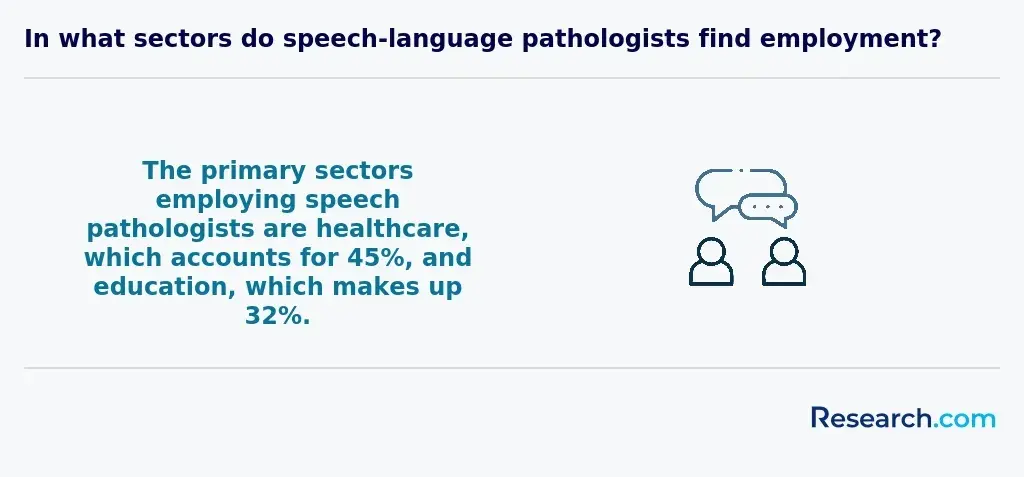
- Where can I work with speech pathology degree in Puerto Rico?
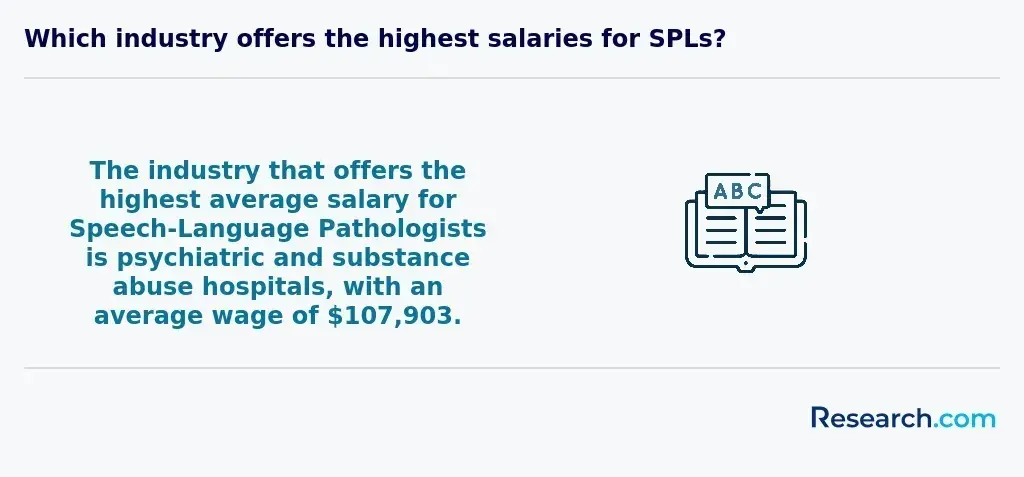
- How much can I make with speech pathology degree in Puerto Rico?
- 2027 Most Popular Speech Pathology Degree Programs Ranking in Puerto Rico
- Key Findings
- How long does it take to complete speech pathology degree in Puerto Rico?
- What's the difference between online and on-campus speech pathology degree?
- What is the average cost of speech pathology degree in Puerto Rico?
- What financial aid is available to speech pathology degree students in Puerto Rico?
- What are the prerequisites for enrolling in speech pathology degree program in Puerto Rico?
- Accreditation and Licensure Requirements
- What courses are typically in speech pathology degree programs in Puerto Rico?
- What types of specializations are available in speech pathology degree programs in Puerto Rico?
- How do you choose the best speech pathology degree in Puerto Rico?
- What career paths are available for speech pathology degree students in Puerto Rico?
- What is the job market for speech pathology degree in Puerto Rico?
- Top Trending Speech Pathology Rankings
- See What Experts Have To Say About Studying Speech Pathology
What can I expect from speech pathology degree in Puerto Rico?
The average cost of pursuing a speech pathology degree in Puerto Rico typically ranges between $5,000 and $9,000 per academic year at institutions like the University of Puerto Rico (UPR) system. Graduates often share how balancing tuition with living expenses was manageable, especially when leveraging financial aid or scholarships available specifically for UPR students. Since UPR programs are accredited, students find that investing in this education prepares them well for certification and licensure.
Students describe clinical practicum experiences in local healthcare settings as both challenging and rewarding, providing hands-on learning without the hefty price tag found in mainland programs. This practical training, combined with coursework, keeps overall costs reasonable while delivering quality education aligned with ASHA standards.
For many, the relatively affordable tuition paired with strong faculty support in Puerto Rico made completing their degree feel like a realistic, achievable goal. With financial aid options and government assistance, students can focus on mastering skills needed to serve the Puerto Rican community effectively, especially given the linguistic and cultural relevance of their training.
Where can I work with speech pathology degree in Puerto Rico?
Graduates from speech pathology programs at universities like the University of Puerto Rico often find rewarding roles in healthcare settings, such as hospitals and rehabilitation centers. Here, they support patients with speech and swallowing disorders, gaining hands-on experience that feels truly impactful. One graduate shared how working in a rehab center allowed them to see daily progress in patients recovering from strokes, which made the effort worthwhile.
Another common path is employment in public schools, where speech pathologists collaborate on Individualized Education Programs (IEPs) for students facing communication challenges. Graduates from popular colleges often emphasize the joy found in helping children gain confidence through therapy tailored to their needs.
Private practice offers flexibility, attracting those who want to specialize and set their own schedules. It's common for alumni to start outpatient clinics focusing on pediatric or voice therapy, combining professional fulfillment with work-life balance.
Long-term care facilities also hire speech pathologists, addressing the needs of aging patients, while some pursue academia or research roles, contributing valuable insights into Puerto Rico's diverse population.
How much can I make with speech pathology degree in Puerto Rico?
Graduates with a speech pathology degree in Puerto Rico typically start with annual salaries ranging from $35,000 to $40,000, especially when working in public schools or government healthcare jobs. This aligns with general entry-level figures on the island, where the economic context often leads to lower pay compared to mainland U.S. For example, a recent graduate from a well-known Puerto Rican university shared that after earning their degree, they secured a position in a public school earning close to $38,000 a year, which complemented their lower cost of living.
With further professional development, including certifications like the ASHA Certificate of Clinical Competence (CCC), earnings can improve. More specialized roles, such as clinical coordinators, often reported by U.S. BLS data, show mean annual wages near $43,350, indicating opportunity for upward mobility.
Speech-language therapists with a full degree could aim for salaries closer to the U.S. median of about $81,000, though in Puerto Rico, salaries typically cap around $55,000 to $60,000 in private clinics or specialized hospitals. One graduate who pursued a master's degree and worked in a private pediatric clinic described feeling motivated by the rewarding challenge and a salary that approached $60,000.
For those considering assistant roles, working as a Speech-Language Pathology Assistant (SLPA) may yield mean annual wages around $47,010 nationwide, offering a practical entry point while building experience.
2027 Most Popular Speech Pathology Degree Programs Ranking in Puerto Rico
How do we rank schools?
Investing in your education is a significant decision that can shape your future, and the Research.com team fully understands the importance of making well-informed choices. To assist prospective students in Puerto Rico, we have carefully developed the "2027 Most Popular Speech Pathology Degree Programs Ranking in Puerto Rico." Our dedication to quality, credibility, and accuracy is demonstrated through rigorous research and analysis behind this ranking.
We utilized the following reputable data sources to ensure a comprehensive evaluation of speech pathology programs:
By exploring this ranking, readers will gain valuable insights into the most popular and well-regarded speech pathology degree programs in Puerto Rico, empowering them to make confident decisions about their educational paths. For more details on our methodology, please visit our Research.com methodology page.
# 1 position
Pontifical Catholic University of Puerto Rico-Ponce
Bachelor of Science in Speech-Language Pathology

# 2 position
Inter American University of Puerto Rico-Metro
Master of Science in Speech-Language Pathology

# 3 position
Inter American University of Puerto Rico-Aguadilla
Bachelor of Science in Speech-Language Pathology

# 4 position
Inter American University of Puerto Rico-Ponce
Bachelor of Science in Speech-Language Pathology

# 5 position
Inter American University of Puerto Rico-Fajardo
Bachelor of Science in Speech and Language Therapy

# 6 position
Albizu University-San Juan
Master of Science in Speech

# 7 position
Albizu University-San Juan
Bachelor of Science in Speech-Language Pathology

# 8 position
Universidad Ana G. Mendez-Gurabo Campus
Bachelor of Science in Speech-Language Pathology

# 9 position
University of Puerto Rico-Medical Sciences
Master of Science in Speech-Language Pathology

# 10 position
Universidad Ana G. Mendez-Cupey Campus
Bachelor of Science in Speech-Language Pathology

Key Findings
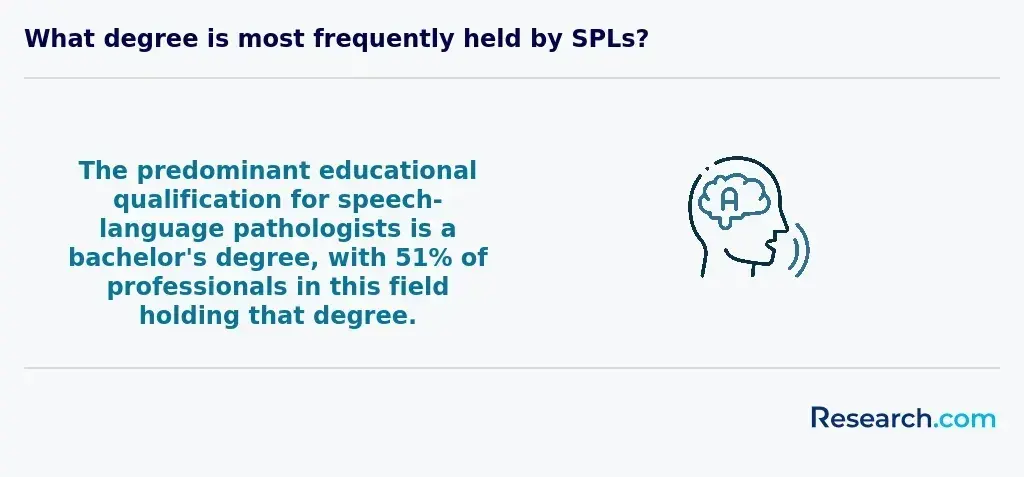
- Speech pathology degrees in Puerto Rico require a master's degree with coursework, clinical practicum, and research methods.
- Tuition at public universities ranges from $8,000 to $15,000 per year, while private institutions may charge over $20,000 annually.
- Entry-level speech pathologists earn about $55,000 per year, with experienced professionals making $70,000 or more.
- Job growth in speech pathology is around 16% annually, with demand in public schools, hospitals, and private clinics.
- Licensure requires passing the Praxis exam and completing a supervised clinical fellowship, plus ongoing continuing education.
How long does it take to complete speech pathology degree in Puerto Rico?
Completing a speech pathology degree in Puerto Rico generally takes around six years. Graduates from well-known institutions like the University of Puerto Rico often share how their journey started with a four-year Bachelor's in communication sciences, which laid the crucial groundwork. For example, one graduate recalls balancing coursework with part-time jobs, appreciating the manageable pace public universities offer compared to mainland costs.
After the bachelor's, the next step is a two-year full-time Master's program focusing on speech-language pathology, including supervised clinical practicum. Another graduate from a popular college mentions that securing clinical placements locally sometimes requires flexibility and planning, as these hands-on experiences are essential for the national ASHA certification.
Overall, students find satisfaction finishing their degrees within this timeframe, especially appreciating the lower public university tuition in Puerto Rico, which often allows them to study full-time without excessive financial strain. This combination of practical study length and cost makes Puerto Rico a realistic option for future speech-language pathologists.
What's the difference between online and on-campus speech pathology degree?
On-campus speech pathology programs in Puerto Rico, such as those at the University of Puerto Rico, offer direct, face-to-face instruction that many graduates find invaluable for mastering hands-on clinical skills. These programs typically follow traditional semester schedules, allowing students to engage closely with professors and peers during practicums in real clinical settings. This immediate interaction often boosts confidence and practical competence early on.
Alternatively, online programs provide a flexible schedule, which is perfect for students balancing work or family commitments. Graduates appreciate the ability to complete coursework at their own pace, but they must still arrange in-person clinical practicum hours at approved facilities near Puerto Rico, as required by ASHA. This setup demands good planning and self-discipline but opens education to those who can't relocate or attend fixed class times.
Cost-wise, on-campus tuition at Puerto Rican public universities tends to be more affordable, while online programs might include extra fees for technology and clinical placements. Both formats meet ASHA accreditation and licensing criteria, so consider your learning style, time availability, and budget carefully to decide which path matches your needs.
What is the average cost of speech pathology degree in Puerto Rico?
The average cost of a speech pathology degree in Puerto Rico is notably more affordable than many mainland options, making it a smart choice for residents aiming to manage education expenses effectively. At public universities like the University of Puerto Rico, graduates report that the median in-state total cost is around $6,650. This covers tuition and fees but excludes additional expenses such as books and clinical practicum fees, which are common in speech pathology programs.
Many students pursuing a speech pathology degree in Puerto Rico appreciate this financial advantage, especially when compared to mainland master's programs, which can exceed $15,000 annually. Private colleges on the island tend to charge more, with total program costs closer to the $17,450 median for out-of-state or private options. Still, these figures remain competitive and represent significant savings.
Graduates often highlight how affordable tuition allowed them to focus more on gaining hands-on clinical experience rather than being burdened by debt. Schools in Puerto Rico commonly require clinical placements, some of which may involve travel and related expenses, so budgeting should include those practical costs.
For those balancing work and study, exploring options such as an accelerated online bachelor's degree for working adults can further help manage both time and costs while progressing in this field. Factoring in available financial aid, scholarships, and assistantships can also significantly offset the overall financial commitment.
Understanding the average cost and planning accordingly will empower prospective students in Puerto Rico to pursue a speech pathology program without unexpected financial stress, keeping their focus on building a fulfilling career.
What financial aid is available to speech pathology degree students in Puerto Rico?
Students pursuing speech pathology degrees in Puerto Rico can benefit from federal financial aid programs just like those in the US mainland. Completing the FAFSA is the first essential step since it opens doors to Pell Grants, which for the 2023-2024 year can provide up to $7,395 in non-repayable funds. Graduates from the University of Puerto Rico's medical sciences campus recall how this aid significantly lowered their tuition burden.
Beyond grants, many rely on Direct Subsidized and Unsubsidized Loans to cover other costs such as books and living expenses. For example, some students from local universities found these loans invaluable because the government covered interest during their enrollment, easing financial stress.
Additionally, specialized scholarships from organizations like ASHA reward hard-working students with awards ranging from $1,000 upwards, especially for those who excel academically or come from underrepresented backgrounds. Institutional scholarships are also common at Puerto Rican universities, further easing costs.
Work-study and part-time jobs in clinical settings offer practical experience while supplementing income, making them a smart way to balance finances and education. Many students who juggled these options felt empowered and prepared for their careers ahead.
What are the prerequisites for enrolling in speech pathology degree program in Puerto Rico?
To enroll in a speech pathology degree program in Puerto Rico, you'll first need a bachelor's degree from an accredited college or university. Graduates from institutions like the University of Puerto Rico often mention how completing courses in biology, psychology, and linguistics really helped them feel prepared for the demanding graduate curriculum.
Most programs expect a minimum GPA around 3.0, so maintaining strong grades is essential. Coursework prerequisites commonly include Introduction to Communication Disorders, Anatomy and Physiology of Speech and Hearing, Phonetics, and Statistics or Research Methods-requirements familiar to students at schools such as the Inter American University of Puerto Rico.
Many students share that even before applying, gaining volunteer experience in speech therapy settings boosted their confidence and application strength. Also, be ready to provide GRE scores if required, though policies may differ among Puerto Rican institutions.
Ensuring your chosen program is CAA-accredited is crucial, as this accreditation is key to licensing and career success in Puerto Rico and across the U.S.
Accreditation and Licensure Requirements
Graduating from a CAA-accredited program is essential to qualify for national certification and state licensure in Puerto Rico.
- Enroll in a Council on Academic Accreditation in Audiology and Speech-Language Pathology (CAA)-accredited master’s program.
- Complete at least 400 supervised clinical practicum hours meeting ASHA standards.
- Pass the Praxis Examination in Speech-Language Pathology.
- Submit an application, official transcripts and exam scores to the Puerto Rico Board of Examiners for Speech-Language Pathology and Audiology for state licensure.
For additional program comparisons, consider speech pathology programs in texas.
What courses are typically in speech pathology degree programs in Puerto Rico?
When pursuing a speech pathology degree in Puerto Rico, you can expect a structured curriculum designed to build both theoretical knowledge and practical skills, tailored to the local linguistic environment. Courses typically include Introduction to Communication Disorders, Anatomy and Physiology of Speech and Hearing Mechanisms, and Phonetics and Language Development, forming the foundational understanding that graduates found essential during their studies at universities like the University of Puerto Rico.
Students often appreciate hands-on clinical practice courses such as Speech and Language Assessment, Clinical Methods and Treatment Techniques, and Voice and Fluency Disorders. These courses prepare you for real-world settings, where, as many graduates recall, supervised practicums at community health centers or special education schools were crucial in developing confidence and competence.
Given Puerto Rico's bilingual context, expect specialized classes in Bilingualism and Cultural Competency. Graduates highlight these as vital for navigating diverse patient needs effectively. Combined with Audiology Fundamentals, Research Methods, and Ethics, this curriculum equips students with skills directly applicable to local healthcare demands, helping them graduate well-prepared and optimistic about their impact in the field.
What types of specializations are available in speech pathology degree programs in Puerto Rico?
Speech pathology specializations Puerto Rico students encounter typically include pediatric speech-language pathology, adult neurogenic disorders, voice and resonance disorders, fluency disorders, and swallowing disorders (dysphagia). Graduates from popular universities in Puerto Rico often share how specializing in pediatric speech-language pathology helped them confidently assess and treat children with speech delays, which is vital given the high demand for skilled professionals focused on young populations.
Those choosing adult neurogenic disorders gain practical experience working with patients suffering from strokes or dementia, directly addressing the island's aging population needs. At well-known Puerto Rican colleges, students appreciate how real-world clinical settings enhance their learning in voice and resonance disorders, enabling them to aid clients with vocal cord damage effectively.
Many students find fluency disorder specialization rewarding, as it equips them to support individuals struggling with stuttering, a challenge with significant social impacts. Programs also cover swallowing disorders, preparing graduates to manage dysphagia cases confidently across all ages.
For those balancing studies and work, exploring top online programs for seniors has been a practical step forward in their careers.
How do you choose the best speech pathology degree in Puerto Rico?
Start by confirming the program's accreditation with the Council on Academic Accreditation (CAA). Graduates from the University of Puerto Rico often share how this ensures their degree meets national standards and prepares them for the ASHA certification. Choosing one of the best speech pathology programs Puerto Rico offers means reliable preparation for clinical work and licensure.
Next, compare tuition costs carefully. Many students find affordable speech pathology degrees Puerto Rico offers at public universities, where in-state tuition can substantially lower expenses. Remember to factor in additional fees like clinical practicum costs and exam preparation materials. Practical budget planning helped several recent graduates avoid financial strain.
Look for strong clinical practicum opportunities. Graduates frequently value programs partnering with local hospitals and schools, offering hands-on experience in bilingual settings. This real-world training boosts confidence in working with diverse populations.
Finally, consider faculty expertise and research chances. Programs that promote bilingual skills and cultural competence better prepare students for a local job market hungry for speech-language pathologists. For motivated students seeking high earning master's degrees, balancing these factors is key.
What career paths are available for speech pathology degree students in Puerto Rico?
Graduates of speech pathology programs in Puerto Rico find diverse career paths that match their training and goals. Many begin working in healthcare settings such as hospitals or rehabilitation centers, where they assist patients recovering from strokes or surgeries affecting communication. Public schools also hire speech pathologists to support children with speech delays or developmental disorders, providing a stable work environment throughout the academic year. For example, graduates from the University of Puerto Rico report feeling fulfilled collaborating with teachers and families to improve student outcomes, showcasing the rewarding nature of school-based work. Those interested in flexibility often choose private practice or early intervention programs, where customized treatment plans can make an immediate impact on clients' lives.
Research opportunities at universities in Puerto Rico appeal to graduates who want to contribute to the field's knowledge, focusing on speech disorders common in Caribbean populations. Considering local economic factors, exploring fast online degrees that pay well may also be a practical step for students balancing education with work. Understanding speech pathology career opportunities in Puerto Rico will help you plan a clear, rewarding future.
- Healthcare settings such as hospitals and rehabilitation centers
- Public and private school systems
- Private practice and early intervention programs
- Nonprofit organizations focused on disability services
- Academic and research institutions
What is the job market for speech pathology degree in Puerto Rico?
Graduates with a speech pathology degree in Puerto Rico find a stable job market, driven by growing demand in public schools and healthcare facilities. Speech pathology job opportunities Puerto Rico are especially visible in local Department of Education programs, where schools actively hire to support children with special needs. Many graduates from popular universities on the island share positive experiences about securing roles soon after clinical internships, which are critical to gaining hands-on expertise.
The Puerto Rico speech therapy career outlook is well-supported by the increasing need for professionals to address conditions like stroke and neurological disorders. Practical steps include obtaining national certification from ASHA and pursuing local licensure, which together ensure you meet both island and U.S. mainland standards. Graduates emphasize networking within local hospitals and schools as a key to unlocking promising employment.
Tuition costs vary, and some students consider options for a cheap online bachelor's degree to balance affordability and flexibility while acquiring their speech pathology credentials.
Frequently Asked Questions About speech pathology
Speech pathology degree students in Puerto Rico can maximize their learning experience by engaging actively in both academic and clinical opportunities. Enrolling in programs accredited by the Council on Academic Accreditation in Audiology and Speech-Language Pathology (CAA) ensures quality education aligned with U.S. standards. Students should seek internships and supervised clinical practice in diverse settings, such as hospitals and schools, to develop practical skills.
Networking with local professionals through Puerto Rico Speech-Language-Hearing Association events offers valuable insights and mentorship. Utilizing resources at universities, including research projects, enhances understanding of speech disorders prevalent in the region. According to the U.S. Bureau of Labor Statistics, speech pathologists in Puerto Rico are expected to grow steadily, making strong practical training essential.
Emerging niches within the speech pathology field are expanding rapidly, offering new career opportunities for students pursuing degrees in Puerto Rico. One notable area is telepractice, which has grown significantly due to technological advancements and the COVID-19 pandemic. This approach allows clinicians to provide remote services, increasing access in rural and underserved areas of Puerto Rico.
Another developing niche is bilingual speech-language pathology. Given Puerto Rico's predominantly Spanish-speaking population and growing English speakers, therapists skilled in both languages are increasingly in demand to address diverse communication disorders effectively. Additionally, there is rising interest in pediatric feeding and swallowing disorders, linked to increasing awareness in early childhood development.
According to the American Speech-Language-Hearing Association (ASHA), demand for speech-language pathologists in Puerto Rico is expected to grow by 19% from 2020 to 2030, reflecting these new areas of specialization.
After earning a speech pathology degree in Puerto Rico, preparing for the job market involves several key steps. Graduates must obtain state licensure through the Puerto Rico Speech-Language Pathology Board, which requires passing the national Praxis exam administered by the Educational Testing Service (ETS).
Completing a clinical fellowship is essential; it typically lasts 36 weeks and provides practical experience under supervision. This stage is required for certification by the American Speech-Language-Hearing Association (ASHA), a credential recognized across the United States and Puerto Rico.
Networking with local healthcare providers and school systems in Puerto Rico can enhance job prospects. According to the U.S. Bureau of Labor Statistics, speech pathology jobs in Puerto Rico are expected to grow steadily, making early professional connections valuable.
Continuing education and specialization in areas like pediatric or geriatric therapy can also improve employment chances and salary potential.
Employers in Puerto Rico seek speech pathology graduates with strong clinical skills and cultural competence. Mastery of assessment techniques and intervention strategies for diverse populations is essential, given the bilingual English-Spanish environment. Graduates must demonstrate effective communication abilities to collaborate with patients, families, and healthcare teams. According to the American Speech-Language-Hearing Association (ASHA), professionalism and ethical practice remain top priorities nationwide, including Puerto Rico.
Additionally, problem-solving skills and adaptability are crucial as speech pathologists often work with individuals with various disorders, from childhood language delays to adult aphasia.
Familiarity with federal and local healthcare regulations improves employability, reflecting the complex healthcare landscape of Puerto Rico.
Finding internships in Puerto Rico for speech pathology students involves utilizing both university resources and local healthcare facilities. Many universities with speech pathology programs maintain partnerships with hospitals, schools, and rehabilitation centers to provide practicum opportunities.
The American Speech-Language-Hearing Association (ASHA) sets clinical requirements for certification, and students often find internships through ASHA's online directory or their university's clinical placement office. In Puerto Rico, facilities such as the University of Puerto Rico's Medical Sciences Campus and pediatric hospitals offer placements fitting these criteria.
Networking with licensed speech-language pathologists in Puerto Rico also helps identify internship openings. Students should begin early and ensure their intern sites meet ASHA accreditation standards. According to ASHA, over 200 speech-language pathologists actively practice in Puerto Rico, indicating growing internship opportunities in public schools and healthcare agencies.
A speech pathology degree significantly impacts career mobility and advancement in Puerto Rico by meeting state licensure requirements and enhancing job prospects. Licensed Speech-Language Pathologists (SLPs) in Puerto Rico must hold a master's degree accredited by the Council on Academic Accreditation in Audiology and Speech-Language Pathology (CAA), essential for clinical practice. According to the U.S. Bureau of Labor Statistics and Puerto Rico's Department of Labor, certified SLPs in Puerto Rico earn a median annual wage higher than the local average for healthcare roles.
Holding this degree opens opportunities in hospitals, schools, and private clinics, including specialized roles in pediatric and geriatric care. Additionally, advanced degrees or certifications can lead to administrative positions or academic roles, increasing professional growth and salary potential. This credential is also vital for seamless out-of-state mobility within the U.S. jurisdiction.
Studying for a speech pathology degree in Puerto Rico equips students with skills to work effectively in interdisciplinary healthcare teams. Programs often align with U.S. accreditation standards, ensuring graduates understand collaboration with professionals like audiologists, occupational therapists, and educators. This approach reflects the integrated care model widely used across the United States.
Puerto Rico's bilingual environment also prepares students to support diverse populations, enhancing their ability to communicate across disciplines and cultures. According to the American Speech-Language-Hearing Association (ASHA), bilingual clinicians are increasingly valuable in U.S. healthcare settings.
Clinical training in Puerto Rico frequently occurs in varied settings, such as hospitals and schools, fostering coordination with multiple professionals. This practical experience strengthens teamwork and problem-solving skills essential for interdisciplinary roles.
When choosing between a thesis and a non-thesis speech pathology degree program in Puerto Rico, consider your career goals and time commitment. A thesis program focuses on research and often appeals to students interested in academic or clinical research roles. It usually requires additional semesters to complete a written thesis. In contrast, a non-thesis option emphasizes coursework and practical experience, suitable for those aiming to enter the workforce quickly.
Pricing, faculty expertise, and program accreditation by the Council on Academic Accreditation in Audiology and Speech-Language Pathology (CAA) are important factors. Puerto Rico's universities must meet U.S. standards, ensuring program quality for licensure eligibility.
According to the Puerto Rico Speech-Language-Hearing Association, approximately 30% of speech pathology students pursue research-focused programs, reflecting growing interest in evidence-based practice locally.
Students based in Puerto Rico who wish to study speech pathology abroad have several options within the US higher education system. As Puerto Rico is a US territory, residents can apply to universities across the mainland, subject to the same admission requirements as other US students. Many accredited programs offer master's degrees in speech-language pathology, which is required for state licensure and certification.
Popular study destinations include states with strong programs in communication sciences and disorders, such as New York, California, and Texas. According to the American Speech-Language-Hearing Association (ASHA), there are over 300 accredited programs in the US, many of which accept out-of-state students including those from Puerto Rico.
Financial aid and scholarships may be available to Puerto Rican residents through federal options like FAFSA, easing the cost of studying on the mainland. Additionally, online programs have become increasingly viable for students seeking flexibility while maintaining residency in Puerto Rico.
Part-time job opportunities in Puerto Rico that complement speech pathology degree education are varied and practical. Many students work as teacher aides or paraprofessionals in local schools, gaining firsthand experience with children who have speech or language difficulties. According to the Puerto Rico Department of Education, these roles offer valuable exposure to communication disorders in educational settings.
Additionally, some students find employment as rehabilitation assistants in hospitals or clinics, supporting speech-language pathologists with therapy preparations and patient care. These positions help build clinical skills and professional connections. Another option includes working with nonprofit organizations that focus on disabilities or childhood development, where students can engage in community outreach and support.
Speech pathology students in Puerto Rico benefit from several networking opportunities tied to both local and national organizations. The American Speech-Language-Hearing Association (ASHA) has an active Puerto Rico chapter that regularly hosts events, workshops, and conferences aimed at students and professionals alike. These events foster connections with licensed clinicians and researchers. Additionally, universities offering speech pathology programs often collaborate with local healthcare facilities, providing students chances for clinical internships and mentorships. According to ASHA's 2023 data, these practical experiences in Puerto Rico are crucial for building professional contacts within the U.S. healthcare system and enhancing career prospects.
Alumni networks play a crucial role for speech pathology degree students in Puerto Rico by offering valuable professional connections. These networks enable current students to access mentorship opportunities from experienced graduates practicing across the island.
In Puerto Rico, where speech pathology professionals are concentrated in urban centers like San Juan, alumni associations help bridge geographic gaps by facilitating internships and job referrals. According to the American Speech-Language-Hearing Association (ASHA), strong professional connections significantly boost employment outcomes for recent graduates.
Moreover, alumni networks provide updates on certification requirements and continuing education, which is important since speech-language pathologists in Puerto Rico must meet U.S. licensure standards. This ongoing support enhances students' career readiness and integration into the workforce.
Customizing a speech pathology degree program in Puerto Rico involves selecting courses, clinical practicum, and elective options that align with your career goals. Most programs accredited by the American Speech-Language-Hearing Association (ASHA) offer flexibility in practicum placements, allowing students to gain experience in diverse settings, such as schools, hospitals, or community clinics.
Students can choose electives focusing on bilingual speech therapy, critical in Puerto Rico where Spanish and English are both widely spoken. This specialization enhances job prospects in local and mainland markets.
Additionally, some universities collaborate with healthcare providers, supporting research or internships that shape career paths. According to the Puerto Rico Speech-Language-Hearing Association, demand for bilingual speech pathologists is growing due to the island's unique linguistic environment.
Speech pathology students in Puerto Rico face several challenges related to limited local resources and clinical placement opportunities. Many programs must align with the Council on Academic Accreditation (CAA) standards, which can be difficult given the island's smaller number of specialized facilities. This limitation impacts the availability of diverse practicum experiences that are crucial for hands-on training.
Language diversity also presents a unique challenge. Students often need to be proficient in both Spanish and English to effectively serve the bilingual population. According to the American Speech-Language-Hearing Association (ASHA), bilingual competency is increasingly valued but can require additional training.
Financial constraints and the cost of specialized graduate programs add another barrier. Scholarship options specific to speech pathology remain limited compared to mainland U.S. programs.
With a speech pathology degree in Puerto Rico, graduates can pursue professional certifications that enhance their credentials and employability. The most recognized certification is the Certificate of Clinical Competence in Speech-Language Pathology (CCC-SLP), awarded by the American Speech-Language-Hearing Association (ASHA). This certification requires completing an accredited graduate program, a supervised clinical fellowship, and passing a national examination.
Additionally, practicing speech pathologists in Puerto Rico must obtain licensure from the Puerto Rico Board of Examiners of Speech Pathologists. This local license ensures compliance with territory-specific regulations and standards.
Holding these credentials is crucial as they allow professionals to work in diverse settings such as schools, hospitals, and private practice throughout Puerto Rico and the broader United States.
To write a winning application for a speech pathology program in Puerto Rico, start by ensuring you meet the basic academic requirements, including a bachelor's degree in communication sciences or a related field with a competitive GPA. Programs accredited by the American Speech-Language-Hearing Association (ASHA) are preferred.
Highlight relevant experience such as volunteering or internships in speech therapy settings, which can set your application apart. Include strong letters of recommendation from professors or professionals familiar with your dedication and skills. Personal statements should clearly explain your passion for speech pathology and your career goals in Puerto Rico's bilingual environment.
According to the Puerto Rico Board of Speech Therapy, demonstrating knowledge of both English and Spanish is critical, as bilingual services are in high demand. Lastly, prepare for any required standardized tests and submit all materials before deadlines to maximize your chances of acceptance.
The field of speech pathology holds a strong and growing presence worldwide, including in Puerto Rico. In the United States, the demand for speech-language pathologists (SLPs) is projected to grow by 21% from 2021 to 2031, according to the U.S. Bureau of Labor Statistics. This growth reflects increasing awareness of speech and language disorders across all ages.
Globally, standards for speech pathology education emphasize clinical training, which U.S. programs, including those in Puerto Rico, integrate through accredited degrees. Graduates can practice in diverse settings such as schools, hospitals, and private clinics.
In Puerto Rico, certified speech pathologists are essential in addressing linguistic diversity and bilingualism challenges, making their expertise highly valuable locally and internationally. The American Speech-Language-Hearing Association provides national guidelines that influence education and practice standards island-wide.
Gaining practical experience while studying for a speech pathology degree in Puerto Rico is essential for preparing to enter the profession. Most accredited programs include clinical practicum hours, where students work directly with clients under supervision. These placements often occur in public schools, hospitals, and community health centers across Puerto Rico.
Additionally, students can seek internships or volunteer opportunities in local speech therapy clinics. The Puerto Rico Speech-Language-Hearing Association supports students by connecting them with professional mentors and resources. According to the American Speech-Language-Hearing Association, a minimum of 400 clinical hours is required for certification, ensuring hands-on experience.
Participating in research projects or university-led outreach programs can also enhance practical skills while contributing to the field.
Choosing the right concentration within a speech pathology degree program in Puerto Rico involves understanding both local healthcare needs and your career goals. The American Speech-Language-Hearing Association (ASHA) recognizes several specialties, including pediatric, adult neurological, and voice disorders.
In Puerto Rico, demand is growing for speech pathologists skilled in bilingual therapy due to the island's Spanish-English population. Concentrations focusing on bilingual communication disorders or early childhood intervention can offer strong job prospects.
Consider the program's clinical practicum options, ensuring they provide experience with populations you wish to serve. Schools accredited by the Council on Academic Accreditation (CAA) ensure curriculum quality and eligibility for certification.
Review local labor market data from the Puerto Rico Department of Labor showing steady employment growth for speech-language pathologists, especially in public schools and healthcare facilities.
Top Trending Speech Pathology Rankings
See What Experts Have To Say About Studying Speech Pathology
Read our interview with Speech Pathology experts
References
- Speech Pathology Graduate Programs | ASHA Comparison Tool https://www.speechpathologygraduateprograms.org/speech-pathology-graduate-programs-comparison-tool/
- Grad School Application Resource Center https://www.nsslha.org/programs/grad-school-application-resource-center/
- How Much Does It Cost to Become a Speech Pathologist | Advanced Therapy Clinic https://www.advancedtherapyclinic.com/blog/how-much-does-it-cost-to-become-a-speech-pathologist
- Landing Your First Speech Pathology Job After Graduation: A https://www.healthcarelink.com.au/article/landing-your-first-speech-pathology-job-after-graduation-a-practical-guide-for-new-speechies/2087
- How to Make a Career Change from Teaching to Speech Pathology https://teach.com/online-ed/healthcare-degrees/online-masters-speech-language-pathology/transition-from-teacher-to-slp/
- How to Become a Speech-Language Pathologist - Graduate Programs for Educators https://www.graduateprogram.org/blog/how-to-become-a-speech-language-pathologist/
- Finding your niche in private practice - Dysphagia Cafe https://dysphagiacafe.com/finding-your-niche-in-private-practice/
- Homepage https://speechpathologymastersprograms.com/
- Speech Language Pathology in 2026: Trends Clinicians Need to Watch - Lighthouse Therapy https://lighthouse-therapy.com/speech-language-pathology-in-2026-trends-clinicians-need-to-watch/
- Role of a Speech-Language Pathologist: How Are SLPs Changing the World? https://slponline.ithaca.edu/blog/how-slps-changing-world