2027 Best Online Information Technology Degree Programs Ranking in the USA

Co-Founder and Chief Data Scientist
Choosing the right online information technology degree program can feel overwhelming. Our 2027 Best Online Information Technology Degree Programs Ranking in the USA, created by the Research.com team of data scientists, is designed to simplify this decision for you.
This article helps you discover quality programs that match your goals and lifestyle. Earning an IT degree opens doors to exciting career opportunities and personal growth in a rapidly evolving field.
Explore trustworthy insights and make a confident choice for your future success.
Key benefits of getting online information technology degree in America
- Information technology degree graduates can expect competitive salaries, with many IT roles in the US offering median annual wages ranging from $60,000 to over $100,000, reflecting strong demand. These salaries provide a reliable foundation for a rewarding financial future in a growing industry.
- Graduates have diverse career paths including roles like network administrators, cybersecurity specialists, and software developers, as shown by many successful alumni from popular universities such as Arizona State University. This flexibility allows you to find a role that matches your interests and skills.
- Online IT degrees from institutions like the University of Florida offer flexibility and accessibility, enabling students to balance work and study while gaining the same accredited qualifications as traditional programs. This convenience often leads to higher student satisfaction and quicker entry into the workforce.
- 2027 Best Online Information Technology Degree Programs Ranking in the USA
- What can I expect from online information technology degree in America?
- Where can I work with online information technology degree in America?
What can I expect from online information technology degree in America?
The average cost of an online information technology degree in America typically ranges between $15,000 and $40,000 for a bachelor's program, depending on the institution's reputation, location, and whether it is public or private. Graduates from schools like Arizona State University or the University of Florida often share how the investment felt manageable because of flexible payment options and scholarships designed specifically for online learners.
Many students find that the ability to study at their own pace while working full-time makes balancing costs and life responsibilities much less stressful. For example, those enrolled in fully accredited programs at universities such as Oregon State University emphasize how the quality education and practical skills gained were well worth the fee, especially since accelerated courses let them enter the workforce faster.
Keep in mind that additional expenses like technology fees or course materials could slightly increase total costs. However, financial aid and employer tuition reimbursement often play a crucial role in easing the financial burden for aspiring IT professionals.
Where can I work with online information technology degree in America?
Graduates with an online information technology degree from universities like Arizona State or the University of Florida find themselves stepping into a variety of dynamic career paths. Many land roles in cutting-edge tech companies as network administrators, cybersecurity specialists, or software developers. Imagine a graduate working remotely for a Seattle-based startup, enjoying the flexibility of their online studies while solving real-world technology challenges.
Beyond tech hubs, IT expertise is vital across industries. Healthcare organizations in cities such as Boston and Houston seek IT professionals to protect patient data and manage digital records. Financial institutions in New York rely on graduates to safeguard critical information, while government agencies like NASA create roles that maintain sophisticated digital infrastructure.
Education also offers exciting opportunities. Graduates from online programs often support schools and universities by managing online learning platforms-a career path that has blossomed with the rise of digital classrooms nationwide. By choosing an online IT degree in America, you open doors to meaningful work where your skills are in high demand.
Graduates from online information technology programs in America can anticipate competitive earnings that reflect the strong demand for IT skills nationwide. Many alumni from well-known schools such as Arizona State University or the University of Florida report starting salaries around $50,000 to $65,000 in entry-level IT support roles, which is an encouraging launchpad for a rewarding career.
As they gain experience and specialize, these graduates often move into roles like network administrator or cybersecurity analyst, where salaries typically range from $80,000 to $110,000. Imagine beginning your career working remotely from a more affordable city yet accessing tech hubs' opportunities through these credentials. This flexibility is especially valuable for graduates balancing life demands while aiming for growth.
Many have seen their earning potential increase by obtaining certifications such as Cisco's CCNA or CompTIA Security+, which are highly valued across industries. Even without specific BLS salary data, the consensus among professionals suggests the median annual wage for IT occupations is around $99,390, illustrating a promising financial future.
- Many accredited US institutions offer fully online IT degrees ranging from associate to master's levels, providing flexible learning options.
- Tuition for online bachelor's IT programs varies: public universities charge $10,000 to $30,000 for in-state students, while private universities may exceed $40,000.
- Employment in IT occupations is projected to grow 15% from 2021 to 2031, creating approximately 682,800 new jobs.
- Starting salaries for IT graduates average around $65,000 annually, with median salaries increasing to $90,000 or more based on experience and specialization.
- Accreditation by organizations like ABET is essential to ensure program quality and employer recognition.
Completing an online information technology degree in America varies depending on your goals and lifestyle. For example, many associate degrees at community colleges take about two years of full-time study. Graduates often share how this foundational path at institutions like Northern Virginia Community College helped them quickly enter the IT workforce with confidence.
A bachelor's degree usually requires around four years of full-time effort, though online students in programs from universities like Arizona State University often take between 2.5 to 5 years. This flexibility allows you to balance work and study, so you can progress at your own pace without feeling overwhelmed.
If you're aiming higher with a master's degree, expect around 1.5 to 3 years to complete programs offered by schools such as University of Southern California. Graduates appreciate how these programs fit real-world schedules while deepening their expertise and opening doors to advanced IT careers.
Remember, studying part-time or using transfer credits can extend or shorten your timeline. Online IT degrees in America empower you to design an educational journey that matches your ambitions and life circumstances.
Online and on-campus information technology degrees in America offer distinct experiences that shape your learning journey. On-campus programs at universities like Purdue provide hands-on lab access and vibrant face-to-face networking through clubs and internships, immersing you fully in campus life. Graduates often recall how collaborating in physical labs strengthened their problem-solving skills and built lasting professional connections.
Conversely, online programs from institutions such as Arizona State University grant unmatched flexibility, allowing you to study at your own pace-ideal if you balance work or family. Graduates share that mastering self-discipline in online courses taught them valuable time management skills, preparing them for real-world IT challenges. Plus, with modern virtual labs, online students still gain immersive practical experience without commuting expenses.
Both routes carry solid accreditation within the US, assuring employers recognize your degree. Consider your personal rhythm and goals: if you thrive in structured, interactive settings, on-campus may uplift you; if adaptability and convenience inspire you, online IT degrees hold powerful advantages.
The average cost of an online information technology degree in America typically centers around a median total of about $35,220. For students studying in-state at popular institutions, the cost can be as low as $19,320, making it a more accessible goal. However, out-of-state students might face expenses closer to $35,068. Graduates from well-known universities often share how careful budgeting and choosing the right program helped them manage these costs, blending affordability with quality education.
Many students find that attending public universities, especially well-regarded ones, offers a valuable balance between price and strong academic reputation. These schools usually have tuition rates that align more closely with in-state or out-of-state figures and maintain robust support for online learners. For instance, graduates from programs within these colleges emphasize how the flexibility of online courses allowed them to continue working while earning their degree, making the overall investment feel worthwhile and aligned with their life goals.
When considering the average cost of online information technology degree USA options, it is important to remember additional expenses such as books, technology fees, and necessary software subscriptions. Many students count on financial aid, scholarships, and sometimes employer reimbursement programs to keep expenses manageable. Those eager to understand career outcomes often research degree paths aligned with information systems manager degree requirements to ensure their investment leads to practical and rewarding employment.
The total expenses for IT degree programs in the United States extend beyond tuition but planning with realistic figures helps future students stay motivated. Knowing a typical program requires about 120 credits over roughly four years allows individuals to pace their education, balancing cost with lifestyle and career advancement.

Many online information technology students in America discover that financial aid can transform their educational journey from daunting to doable. Graduates from institutions like Arizona State University and the University of Florida often emphasize how completing the FAFSA opened doors to grants, loans, and work-study opportunities that significantly eased tuition costs. For example, Pell Grants-offered to eligible students without the need for repayment-can provide up to $7,395, a substantial help for managing the average $40,000 to $90,000 total program costs.
Federal student loans, particularly Direct Subsidized Loans, are praised for their low-interest rates and the fact that the government covers interest while students remain enrolled. Many parents of IT students use Direct PLUS Loans to supplement costs, ensuring families can share the educational load.
At popular schools like Georgia Tech, institutional scholarships and need-based grants are common, reflecting that about 65% of public university undergraduates receive some aid. Students also benefit from state programs such as California's Cal Grant when studying within their home state.
Working professionals pursuing online IT degrees often tap into employer tuition reimbursement programs, making advanced skills attainable without financial strain. By seeking scholarships from IT associations or applying broadly to aid sources, students find that financial support is both accessible and achievable throughout their educational path.
To enroll in an online information technology degree in America, you'll need to meet certain academic and technical prerequisites that pave the way for success. Most bachelor's programs ask for a high school diploma or equivalent, like a GED, along with official transcripts. Many top schools in the US, such as the University of Arizona or Oregon State University, offer test-optional admissions, easing the pressure of standardized tests while still valuing your core achievements.
Graduate programs, on the other hand, usually expect a bachelor's degree in IT or a related field, but some graduates have transitioned smoothly from diverse academic backgrounds by demonstrating strong technical skills. Letters of recommendation and statements of purpose help showcase your passion and readiness, just like successful applicants at universities such as Northeastern or Georgia Tech have experienced.
Beyond academics, you'll want to have reliable internet and a dependable computer to join live classes and complete hands-on projects. Think of this as setting the foundation you need, much like those students who thrived while balancing work and study in flexible online formats.

Online information technology degree programs in America typically start with core courses like programming languages-think Python, Java, or C++-which graduates often recall as the foundation that boosted their problem-solving confidence. At well-known schools such as Arizona State University or the University of Florida, students quickly learn how software development really works, building skills that feel immediately applicable to real projects.
Networking courses are another cornerstone, covering everything from local area networks to cloud computing and network security. Graduates frequently share how understanding these topics helped them secure roles maintaining vital communication systems in dynamic companies.
Cybersecurity is a standout subject nowadays. Many students at institutions like Southern New Hampshire University find themselves diving into ethical hacking and risk management, preparing to protect organizations against real cyber threats they'll encounter in their careers.
Database management is also essential, teaching students to handle data with SQL and analytics-skills crucial for the decision-making landscape of modern businesses in America.
Finally, courses in systems analysis and project management round out the curriculum, empowering students to lead IT projects with confidence, bridging tech expertise and leadership in ways graduates describe as game-changing for their professional growth.
When pursuing an online information technology degree in America, you'll discover a variety of specializations designed to align with your unique career aspirations. Graduates from renowned programs at institutions like Arizona State University and Penn State often highlight how focusing on Cybersecurity empowered them to confidently defend digital frontiers amid rising cyberthreats-a field growing rapidly as companies prioritize data safety. Others find fulfillment in Network Administration and Management, mastering skills to keep complex computer networks running smoothly, a cornerstone role for many IT departments.
Software development remains a popular focus area, with alumni reflecting on the thrill of building applications that solve real-world problems. Similarly, Data Science and Database Management specializations open doors to careers driven by analytics and big data, a priority for businesses transforming digitally across America. Emerging interests like Cloud Computing and IT Project Management prepare students to lead in modern, dynamic tech environments.
For those unsure about which path to follow, exploring master's in information systems career paths can provide valuable insight and guidance in making informed decisions within the broad landscape of online information technology specializations USA.
When choosing the best online information technology degree programs USA, focus first on accreditation to ensure your investment leads to real-world recognition. Graduates from popular American colleges often share how regional accreditation and ABET certification opened doors in the IT job market. Think about your future-do you want to dive deep into cybersecurity, software development, or network management? Look for curricula that balance theory with hands-on labs, like those offered through some leading universities in America, which create confident problem solvers ready for today's tech challenges.
Cost matters, but it shouldn't be your only concern. Many public universities provide affordable tuition combined with scholarships or employer tuition reimbursement, allowing students to focus on learning without financial stress. Flexibility is vital for balancing life and study; asynchronous classes and dedicated support services can transform your experience from overwhelming to empowering. Connecting with career services tailored for online students often replicates the campus experience, boosting confidence and career readiness.
Research outcomes carefully-graduation rates, employment success, and average salaries matter. The median annual wage of $97,000 validates the power of a credible IT degree in America's tech landscape. For guidance on navigating these choices, explore opportunities in an information systems career to align your passion with viable paths ahead.
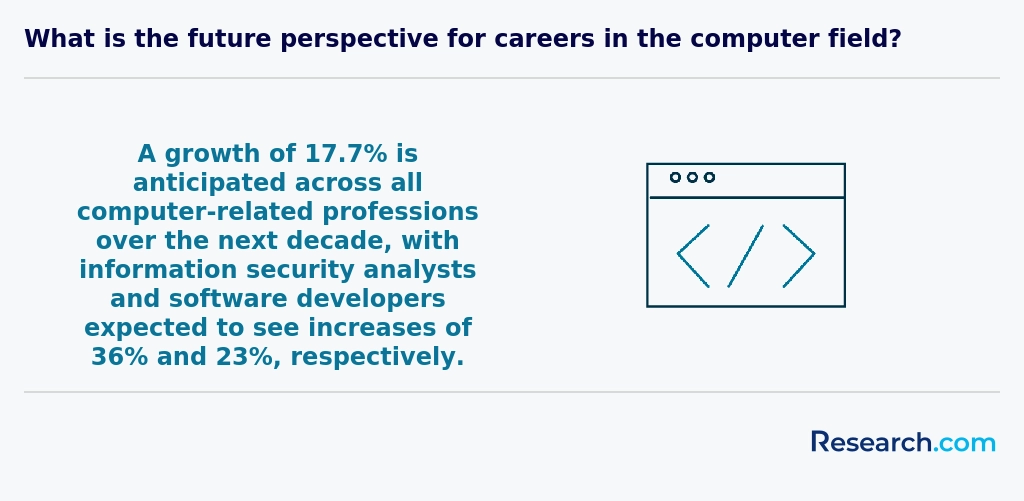
Graduates with an online information technology degree in America often find themselves stepping confidently into diverse and rewarding career paths. Many take on roles as network and systems administrators, ensuring the smooth operation of complex organizational infrastructures. Others dive into cybersecurity, protecting sensitive data against evolving threats-a field that continually grows in importance. Software developers and IT support specialists also enjoy steady demand, translating their skills into innovative applications and hands-on problem-solving every day.
Graduates from popular institutions such as Arizona State University and the University of Florida often share how their IT studies empowered them to specialize in cloud computing or data analysis, areas that open doors to cutting-edge roles across industries. Understanding the breadth of opportunities can also include high-impact certifications alongside your degree to enhance job prospects.
For those exploring further educational options, many consider an mba information systems management to advance into leadership positions that shape technology strategy. Embracing the versatility of an online IT degree in America truly means unlocking a pathway to a fulfilling, future-proof career.
The job market for online information technology jobs in USA is exceptionally strong and growing rapidly, especially for graduates of well-regarded programs from universities known for their practical curriculum. Many graduates from popular American colleges find themselves stepping confidently into roles such as software developers, network administrators, and cybersecurity analysts shortly after completing their degrees. Employers value not just the degree but hands-on experience and certifications earned alongside studies.
Graduates often share how they secured positions within healthcare technology firms or government agencies, thanks to the expanding demand for IT expertise in these sectors. The rise of remote work has further opened doors, allowing students from anywhere in America to tap into metropolitan-level salaries without relocation. For those exploring specialized areas, looking into database management bachelor programs online adds a strong edge in the competitive marketplace.
Understanding the job outlook for IT graduates in America means recognizing how the combination of an online IT degree, current skills, and certifications can transform opportunity into rewarding careers. With a median wage close to $97,000 and high entry-level salaries, the possibilities truly inspire dedication and confidence.
2027 Best Online Information Technology Degree Programs Ranking in the USA
Investing in your education is a significant decision that can shape your career and future, and the Research.com team recognizes the importance of making well-informed choices. To support prospective students, we have carefully developed the "2027 Best Online Information Technology Degree Programs Ranking in the USA." Our dedication to quality, credibility, and accuracy is demonstrated through rigorous research and thorough analysis behind this ranking.
We utilized the following reputable data sources to ensure a comprehensive evaluation of online IT degree programs:
By consulting this ranking, readers will gain valuable insights into the top online Information Technology degree programs in the USA, enabling them to make smart decisions about their educational investments. For further information on how this ranking was created, please visit our Research.com methodology page.


Frequently Asked Questions About information technology
Online information technology degree students in America can maximize their learning by actively engaging with course materials and participating in virtual discussions. Studies show that students who regularly communicate with instructors and peers retain information better. Utilizing campus resources such as tutoring centers or career services, often available remotely, also improves outcomes.
Time management is critical; creating a structured study schedule helps balance coursework and personal commitments. According to the National Center for Education Statistics, about 14% of IT professionals earned online degrees, highlighting the growing acceptance of remote education.
Finally, seeking internships or certifications alongside the degree can enhance practical skills and employability in the competitive US IT job market.
The field of information technology in the United States is rapidly evolving, with several emerging niches gaining prominence. Cybersecurity remains a critical area due to increasing cyber threats; according to the U.S. Bureau of Labor Statistics, employment in this sector is projected to grow 35% from 2021 to 2031. Another expanding niche is data science and analytics, driven by businesses seeking to leverage big data for decision-making. Cloud computing also offers vast opportunities as companies migrate to cloud platforms. Additionally, artificial intelligence (AI) and machine learning are becoming fundamental in IT, with significant investments from both private and public sectors supporting growth in these specialties.
Preparing for the job market after earning an online information technology degree in America involves several key steps. First, gaining relevant certifications such as CompTIA, Cisco's CCNA, or AWS can significantly boost employability. According to the U.S. Bureau of Labor Statistics, IT occupations are expected to grow 15% from 2021 to 2031, much faster than the average for all jobs, signaling strong demand.
Networking is also essential-joining professional groups like the Association for Computing Machinery (ACM) can open doors to opportunities. Practical experience via internships or freelance projects enhances skills and resumes, improving job prospects.
Finally, leveraging career services provided by your online program can help refine resumes and interview skills, ensuring a competitive advantage in the American IT job market.
Employers in the U.S. highly value information technology graduates who possess strong technical skills, especially in cybersecurity, cloud computing, and programming languages like Python and Java. According to a 2023 report by CompTIA, 60% of IT job openings require proficiency in cloud platforms such as AWS or Azure.
Beyond technical expertise, critical thinking and problem-solving abilities are essential. A recent survey by the National Association of Colleges and Employers (NACE) highlights that 80% of IT employers prioritize communication skills, teamwork, and adaptability for online graduates.
Data analytics knowledge is also increasingly important, reflecting the rise of big data in U.S. industries. Graduates who combine technical proficiency with soft skills tend to stand out in the competitive American IT job market.
Finding internships in America relevant to an information technology (IT) degree involves a multi-step approach. Start by leveraging your university's career services, as many online IT programs partner with companies seeking interns. According to the National Association of Colleges and Employers (NACE), about 60% of IT internships convert into full-time employment.
Online platforms like Handshake and LinkedIn specialize in connecting students to internships in technology fields. Also, explore company websites such as Microsoft, Google, and IBM, which regularly offer virtual internships nationwide. Networking through tech meetups or online forums can enhance your opportunities, as referrals remain a key method of securing positions.
Finally, consider applying for internships listed by professional organizations like the Information Systems Security Association (ISSA), which provide access to specialized IT roles in cybersecurity and software development.
An online information technology (IT) degree can significantly enhance career mobility and advancement in America's competitive tech job market. According to the U.S. Bureau of Labor Statistics, IT occupations are projected to grow 15% from 2021 to 2031, faster than the average for all occupations. This growth increases demand for skilled professionals, creating opportunities for those with formal education.
Completing an accredited online IT degree equips students with current technical skills and knowledge, often aligned with industry certifications. Employers value these credentials, which can lead to promotions or transitions into specialized roles such as cybersecurity, data analysis, or network architecture.
Furthermore, online programs offer flexibility for working professionals to upskill without interrupting their careers, broadening access to career advancement. According to a 2023 report from the Computing Technology Industry Association (CompTIA), 70% of IT professionals attribute career growth to earning a degree or certifications.
This dynamic environment underscores how an online IT degree supports upward mobility by expanding expertise, credentials, and practical experience essential for advancing in American technology sectors.
Studying for an information technology (IT) degree in America equips students with foundational skills that extend beyond pure technical knowledge. American IT programs often include coursework in areas such as business, communications, and data analytics, preparing graduates for interdisciplinary roles. According to the National Center for Education Statistics, over 60% of IT students take electives in fields like management or cybersecurity, enhancing their adaptability.
Online IT degrees also emphasize teamwork and problem-solving across disciplines, mirroring real-world workplace demands. This approach benefits those entering fields like healthcare IT or financial technology, where collaboration with experts in other domains is crucial.
When choosing between a thesis and a non-thesis online information technology degree in America, consider your career goals. Thesis programs usually involve independent research, preparing students for roles in academia or research-intensive jobs. Non-thesis tracks focus more on practical skills and coursework, suited for professionals aiming to advance in industry positions.
According to the National Center for Education Statistics, about 40% of IT master's students opt for non-thesis programs due to their flexibility and shorter completion times. Thesis options often require a longer duration but provide deeper expertise, which can be advantageous for specialized jobs or doctoral studies.
Evaluate your time availability and professional interests before deciding.
American students interested in studying information technology abroad have a variety of online options through partnerships between U.S. universities and global institutions. Many accredited U.S. schools offer joint or dual-degree programs with foreign universities, allowing students to earn degrees recognized both in the U.S. and abroad. For example, programs affiliated with the Consortium for Global Education provide pathways to study IT curricula aligned with international standards. According to the National Center for Education Statistics, online enrollment in IT-related fields grew by 15% from 2020 to 2023, highlighting increasing interest. These programs often include virtual cultural exchanges, providing valuable global perspectives without leaving the U.S.
Part-time job opportunities that complement online information technology degrees in America include roles such as IT support specialist, help desk technician, and junior web developer. These positions provide practical experience alongside academic learning. According to the U.S. Bureau of Labor Statistics, employment for computer support specialists is projected to grow 9% from 2022 to 2032, faster than average. Internships and freelance positions in cybersecurity or software testing can also enhance skills and resumes. Many employers are open to part-time or remote IT roles, which align well with the schedules of students pursuing online degrees.
Online information technology students in America have multiple networking opportunities to support their academic and professional growth. Many accredited universities offer virtual career fairs, webinars, and student forums where learners can engage with peers, faculty, and industry professionals. According to the National Center for Education Statistics, 60% of online students participate in such activities that promote networking.
Students also benefit from memberships in professional organizations like the Association for Computing Machinery (ACM) and the Information Systems Security Association (ISSA). These groups provide access to conferences, local meetups, and mentorship programs.
Additionally, platforms like LinkedIn enable students to connect with alumni and IT specialists nationwide.
Alumni networks play a crucial role for students pursuing online information technology degrees in America. These networks provide access to a community of professionals who have shared academic experiences and career interests. According to a 2023 report by the National Association of Colleges and Employers, 85% of jobs are filled through networking, making connections essential for IT graduates.
Through alumni groups, students gain mentorship opportunities and insights into current industry trends, helping them stay competitive in the fast-evolving IT job market. Additionally, many alumni networks offer exclusive job boards and events, facilitating internships and employment.
Participation in an active alumni community also fosters collaboration and lifelong learning beyond graduation, which is vital in a sector where new technologies emerge rapidly.
Customizing an online information technology degree in America allows students to align their education with specific career ambitions. Many accredited programs offer elective courses or specialization tracks such as cybersecurity, data analytics, or network administration. According to the National Center for Education Statistics, 75% of IT programs provide these options to help students focus their skills.
Additionally, students might engage in capstone projects, internships, or industry partnerships to gain practical experience relevant to their goals. Some schools also offer personalized academic advising to select courses that fit job market demands. This flexibility supports career readiness in a rapidly evolving IT sector.
Online information technology students in America often face challenges related to time management and self-discipline. Since many programs are self-paced, students must balance coursework with work and personal responsibilities. According to the National Center for Education Statistics, about 30% of adult learners struggle with consistent study habits in online environments.
Another significant challenge is limited access to hands-on labs or in-person technical support. IT fields often require practical experience, which can be difficult to replicate virtually. Technical issues, such as unreliable internet or outdated hardware, further complicate learning.
Finally, some students report feeling isolated, lacking interaction with peers and instructors, which can impact motivation and networking opportunities.
Graduates with an online information technology degree in the United States can pursue a variety of professional certifications that enhance their career prospects. Popular certifications include the CompTIA A+ and Network+, which validate foundational IT skills. For security-focused professionals, the Certified Information Systems Security Professional (CISSP) is widely respected. Cloud computing is a growing field, making certifications like Amazon AWS Certified Solutions Architect highly valuable, with the U.S. Bureau of Labor Statistics projecting 11% growth in cloud jobs through 2031.
Many employers prefer candidates with certifications from companies like Microsoft and Cisco. The Microsoft Certified: Azure Fundamentals and Cisco Certified Network Associate (CCNA) are examples.
These certifications typically require passing exams and some may demand relevant experience or continuing education to maintain good standing.
To write a winning application for an online information technology program in America, start by carefully researching the specific program's requirements. Admissions committees typically look for strong academic records, relevant experience, and clear career goals.
Highlight your technical skills, certifications, and any practical IT experience, such as internships or projects. According to the National Center for Education Statistics, demand for IT-related skills has grown steadily, so emphasizing your readiness for this dynamic field is essential.
Craft a compelling personal statement explaining why you want to pursue IT, how the program fits your goals, and what you aim to contribute.
Finally, secure strong recommendations from educators or employers who can attest to your aptitude and dedication.
Information technology (IT) careers in the United States are highly valued worldwide due to America's leadership in technology innovation. According to the U.S. Bureau of Labor Statistics, IT occupations are projected to grow 15% from 2021 to 2031, much faster than the average for all jobs. This growth reflects global demand for IT skills in areas like cybersecurity, software development, and data analysis.
Many countries look to the U.S. for IT education standards, often considering American online degrees as benchmarks. U.S. institutions emphasize practical skills and current technologies, preparing graduates to work not only domestically but also in multinational corporations and international markets.
Global companies frequently recruit U.S.-educated IT professionals, recognizing their strong technical foundations and problem-solving abilities. Furthermore, U.S.-based remote work policies allow IT specialists to collaborate worldwide, reinforcing the global nature of the IT sector.
Sources including the National Center for Education Statistics highlight that online IT degrees are growing in popularity as flexible, accessible options, meeting both domestic and international needs for highly skilled professionals.
Gaining practical experience while studying for an online information technology degree in America is essential for career readiness. Many programs incorporate hands-on labs and virtual simulations that mimic real-world IT environments, allowing students to apply theoretical knowledge. Additionally, participating in internships or cooperative education (co-op) opportunities through partnerships between universities and local businesses is common.
According to the National Association of Colleges and Employers (NACE), 62% of employers prefer candidates with internship experience in IT roles. Students can also engage in open-source projects or contribute to online coding communities. Moreover, some programs offer capstone projects that involve solving real IT problems under faculty supervision.
Choosing the right concentration within an online information technology degree program in America requires careful consideration of your career goals and industry demand. Popular concentrations include cybersecurity, data analytics, software development, and network administration. According to the U.S. Bureau of Labor Statistics, cybersecurity roles are expected to grow by 35% from 2021 to 2031, making it a strong option for job security and salary potential.
Examine program curricula to ensure alignment with your interests and desired skills. Look for accredited programs recognized by organizations such as ABET, which can enhance employment prospects. Consider your current expertise and time commitment, as some concentrations may require more technical background or hands-on projects.
- (apply for a place in the Bachelor of Information Technology) Letter of Motivation https://essayforum.com/letters/apply-place-bachelor-information-technology-39720/
- Why You Should Start Networking as a Student – and How to Do It https://amplifyme.com/blog/why-you-should-start-networking-as-a-student
- IT Certification Training & Career Programs | Global IT https://www.global-itech.com/
- Study Information Technology Abroad: Top Colleges and Careers https://www.aeccglobal.com/study-abroad/courses/information-technology
- How to Start an IT Career: A Beginner's Roadmap | Mindmesh Academy https://www.mindmeshacademy.com/blog/articles/how-to-start-it-career
- 2025 Most Affordable Online IT Degrees https://www.onlineu.com/most-affordable-colleges/information-technology-degrees
- 5 Essential IT Skills Employers Want to See in Candidates https://www.umassglobal.edu/blog-news/5-essential-skills-employers-want-see-candidates
- Trident Alumni Association Network https://www.trident.edu/students-and-alumni/alumni/
- Online Technology Degree Programs | University of Phoenix https://www.phoenix.edu/online-information-technology-degrees.html
- Study Information Technology Abroad | Go Overseas https://www.gooverseas.com/study-abroad/information-technology