2027 Easiest Online Doctorate in Information Technology Degree Programs Ranking in the South

Co-Founder and Chief Data Scientist
Choosing the right online doctorate program can be challenging, especially when balancing life in the South. This article presents the 2027 Easiest Online Doctorate in Information Technology Degree Programs Ranking in the South, developed by the Research.com team of data scientists. It's designed to help you find programs that fit your goals and lifestyle with ease.
By exploring this ranking, you'll gain valuable insights into programs that offer flexibility and quality education. Pursuing a doctorate in information technology can open doors to exciting career opportunities and personal growth. Let this guide inspire your next educational journey.
Key benefits of getting online information technology degree in the South
- Graduates with an information technology degree in the South often find rewarding careers with average annual salaries ranging from $60,000 to $90,000, reflecting strong demand for skilled IT professionals.
- Popular career paths include roles like network administrator, cybersecurity analyst, and software developer, as demonstrated by graduates from well-known Southern universities such as the University of Florida.
- Completing an online IT degree offers flexibility and convenience, allowing students to balance work and study, as experienced by graduates from institutions like Georgia Tech's online program.
What can I expect from online information technology degree in the South?
When considering the average cost of an online information technology degree in the South, many are surprised to find it is often more affordable than the national average. Graduates from universities like the University of North Carolina or Georgia Tech recall balancing a manageable tuition-typically ranging between $10,000 and $25,000 for a full bachelor's program-against the substantial value of flexibility and career advancement. These costs often include access to cutting-edge virtual labs and internship pathways that bring real-world tech scenarios directly into a student's home.
Students from such programs frequently express relief and satisfaction at the ability to maintain their current jobs while pursuing their degrees, highlighting how tuition fees feel like an investment rather than a barrier. Public universities in Texas and Florida, for instance, provide competitive rates for both in-state and out-of-state learners, making quality education accessible without excessive financial strain.
It's easy to underestimate how these reasonable costs, coupled with scholarships and employer assistance, transform the daunting prospect of earning an online IT degree into an achievable and motivating journey for many Southern students.
Where can I work with online information technology degree in the South?
Graduates with online information technology degrees from universities like the University of North Carolina or Georgia Tech often find themselves at the crossroads of innovation and opportunity in the South's booming tech landscape. Imagine stepping into Austin's vibrant tech scene, where major companies and startups alike eagerly compete for skilled professionals who understand both software development and cybersecurity. It's not just about coding; it's about safeguarding data for healthcare providers in Florida or ensuring government infrastructure in Georgia remains secure.
Many graduates recall how their internships at local hospitals or state agencies transformed their understanding of IT's critical role beyond the classroom. Positions in network administration, systems analysis, and IT coordination at community colleges or urban tech firms are common gateways, offering hands-on experience in diverse sectors. The narrative that IT careers are confined to Silicon Valley is challenged here-Southern cities are rich with growing industries that value adaptability and local knowledge paired with strong technical skills.
Working in the South means joining communities where technology meets real-world needs-education, healthcare, public service-providing a fulfilling career path that resonates with graduates eager to make an impact close to home.
How much can I make with online information technology degree in the South?
Graduates from online information technology degree programs in the South often find themselves pleasantly surprised by their earning potential. At universities like the University of Texas at Dallas or Georgia Tech, many alumni report starting salaries between $50,000 and $65,000 in roles such as network administrators or IT support specialists, reflecting a solid entry point into the tech world.
As they gain experience, these graduates see their incomes climb. Systems analysts and software developers, especially in tech hubs like Atlanta and Dallas, commonly earn $80,000 to $110,000 annually. This range challenges the outdated notion that an online degree limits one's career growth or salary prospects.
Consider the cybersecurity graduates who witness even higher offers-often exceeding $100,000-as regional demand intensifies. The fierce competition among Southern employers creates a marketplace that values skills and certifications alongside formal education, rewarding capable graduates well.
For those pursuing online IT degrees in the South, this means their investment can lead to a vibrant career with meaningful financial reward, fueled by a thriving regional tech ecosystem that embraces both newcomers and seasoned professionals.
- Key benefits of getting online information technology degree in the South
- What can I expect from online information technology degree in the South?
- Where can I work with online information technology degree in the South?
- How much can I make with online information technology degree in the South?
- How do we rank schools?
- 2027 Easiest Online Doctorate in Information Technology Degree Programs Ranking in the South
- What online information technology degree graduates have to say
- Key Findings
- How long does it take to complete online information technology degree in the South?
- What's the difference between online and on-campus information technology degree?
- What is the average cost of online information technology degree in the South?
- What financial aid is available to online information technology degree students in the South?
- What are the prerequisites for enrolling in online information technology degree program in the South?
- What courses are typically in online information technology degree programs in the South?
- What types of specializations are available in online information technology degree programs in the South?
- How do you choose the best online information technology degree in the South?
- What career paths are available for online information technology degree students in the South?
- What is the job market for online information technology degree in the South?
- Frequently Asked Questions About information technology
- Top Trending Information Technology Rankings
How do we rank schools?
Investing in your education is a significant decision that can greatly impact your career, and the Research.com team recognizes the need for reliable and accurate information to guide that choice. To support prospective students seeking doctorate degrees in Information Technology in the South, we have carefully developed the "2027 Easiest Online Doctorate in Information Technology Degree Programs Ranking." Our dedication to quality, credibility, and precision is evident through the thorough research and evaluation we conducted to assemble this ranking.
We utilized the following reputable data sources to ensure a comprehensive assessment of the programs:
By reviewing this ranking, readers will gain valuable insights into accessible and credible online doctorate programs in Information Technology, helping them make well-informed decisions about their educational investments. For more details on how this ranking was created, please visit our Research.com methodology page.
2027 Easiest Online Doctorate in Information Technology Degree Programs Ranking in the South
# 1 position

The University of Arkansas at Little Rock offers a Doctor-level program focused on Information Technology lasting 18 months. It has a less selective acceptance rate of 59% and a graduation rate of 42%. The program supports a large online community with 6,218 students enrolled. The average total cost is $28,725, and a high 98% of students receive financial aid, indicating strong financial support for attendees.
# 2 position
Texas Woman's University
Doctor
Texas Woman's University offers a Doctoral program in Information Technology with a 48-month duration. The program is open admission with a high acceptance rate of 96%. Approximately 94% of students receive financial aid, indicating a high level of support. The graduation rate is 49%, and the average total cost is $9,520. The program has a large online enrollment, counting 5,972 students.
What online information technology degree graduates have to say
- "Pursuing my online IT degree at Georgia Tech was a game-changer. The flexible schedule allowed me to balance work and study effortlessly. The Southern tech network opened doors for internships and career growth. It was more than education; it was a vibrant community. Truly grateful!" - Jordan
- "At the University of Alabama, studying information technology online gave me access to top-notch professors and resources without leaving home. I felt supported and challenged, which boosted my confidence in tech skills. The Southern hospitality made virtual learning warm and engaging. A fantastic experience overall." - Emily
- "Completing my IT degree through Texas A&M online was both convenient and enriching. The curriculum was industry-focused, and the peer discussions brought Southern perspectives that added depth. I appreciated how accessible faculty were despite the distance. Studying IT in the South online truly prepared me for the future." - Marcus
Key Findings
- Online IT bachelor's degrees in the South cost between $20,000 and $40,000, with public institutions charging under $15,000 for in-state residents and private universities over $35,000.
- States like Texas and Georgia have IT job growth rates of 3% to 5% annually, which is higher than the national average.
- Starting salaries for early-career IT professionals in the South range from $55,000 to $65,000, while mid-career salaries can exceed $80,000.
- Many southern online IT programs include industry certifications in areas like cybersecurity, networking, and cloud computing to boost job market competitiveness.
- Programs accredited by ABET or regional bodies ensure educational quality and are recognized by employers.
How long does it take to complete online information technology degree in the South?
Completing an online information technology degree in the South often defies the expectation that it must take a full four years. Graduates from schools in Texas and Florida share stories of accelerated programs that shrink this timeline to as little as two years, allowing those juggling jobs and family to achieve their goals faster. Imagine a working professional in Atlanta finishing their Bachelor of Science with year-round classes designed to fit tight schedules-this flexibility isn't just convenient; it's empowering.
Yet, for many part-time students, especially adult learners balancing multiple responsibilities, stretching the program to five or six years feels like a mindful, manageable pace rather than a delay. These students appreciate institutions like Georgia's online universities for honoring their unique journeys and pacing.
Graduate students across Southern universities find 18 to 24 months full-time enrollment ideal for balancing deep research with real-life demands. Such stories underscore that completion time is not merely about clocking hours but about integrating education with life's complexities in a way that feels achievable and rewarding.
What's the difference between online and on-campus information technology degree?
Choosing between online and on-campus information technology degrees in the South often boils down to lifestyle and learning preferences rather than the quality of education. Graduates from universities like Georgia Tech or UNC Chapel Hill describe the online path as a freeing experience-balancing full-time jobs or family while progressing through coursework asynchronously. This flexibility allows students to study on their own schedule without sacrificing career momentum.
Conversely, on-campus students at institutions such as Clemson or Louisiana State University emphasize the dynamic energy of physical labs and direct faculty mentorship. They recall late-night study sessions in computer labs and spontaneous idea exchanges that sparked innovation. These interactions create a community vibe that some say is hard to replicate online, especially within Southern tech hubs like Atlanta.
Cost also plays a subtle role. Online programs in the South often come with competitive tuition rates, sometimes lower and accessible to out-of-state students, reflecting evolving university strategies. Both routes offer rigorous curricula, yet the question remains: do you value flexible autonomy or immersive collaboration more?
What is the average cost of online information technology degree in the South?
The average cost of an online information technology degree in the South presents a nuanced picture that defies simplistic assumptions. While many expect high tuition fees, particularly at well-known universities, the median total cost reflects a more affordable reality. Graduates from popular Southern universities often note that pursuing an online IT degree can be managed at a median in-state total cost of around $9,520, demonstrating clear financial accessibility compared to many other regions.
This affordability is vital for those exploring affordable online information technology degrees southern US options, where public institutions offer substantial savings without compromising quality. For example, students enrolled in online programs at state universities often benefit from lower in-state tuition, while those from out-of-state face median costs near $25,720, still modest relative to private institutions.
Many graduates emphasize how balancing work and study becomes feasible due to this cost structure, making it easier to envision a successful career without overwhelming debt. Considering the real-life choices that IT students make, factors like financial aid and employer tuition reimbursement programs frequently reduce expenses further, reinforcing the appeal of pursuing an IT path in this region.
For those aiming to advance into leadership, understanding the economics behind the degree is also crucial; insights into careers such as information systems management inform study decisions. Students curious about these careers can find guidance through resources on information systems manager how to become, which align well with the IT education costs they encounter in the South.

What financial aid is available to online information technology degree students in the South?
Financial aid for online information technology degrees in the South goes far beyond simple loans. Many graduates from universities like Georgia Tech and the University of Texas have found that Pell Grants serve as a crucial financial foundation-offering real relief without repayment burdens. Yet, relying solely on federal aid misses the broader picture of state-supported opportunities designed to make STEM fields accessible.
Consider a student from North Carolina who leverages the state's workforce development grants, easing the cost of an IT degree while aligning with local job market growth. Similarly, merit-based scholarships from institutions such as Auburn University reward both academic excellence and professional achievements, transforming tuition into tangible accomplishment.
Employer tuition assistance is often overlooked but can be life-changing. Southern tech firms frequently invest in employees' growth, demonstrating a commitment to career advancement that textbooks alone can't provide. This blend of aid options reflects a regional ecosystem genuinely invested in nurturing future IT professionals.
What are the prerequisites for enrolling in online information technology degree program in the South?
Meeting prerequisites for an online IT degree in the South is often seen as a bureaucratic hurdle, but graduates from institutions like the University of Florida or Georgia Tech reveal it as a foundational step that shapes success. Holding a high school diploma or GED is not just a formality; it signals readiness to engage with complex technical material. Many students recall how having a solid GPA near 2.5, coupled with math skills in algebra and statistics, gave them confidence to tackle early coursework without feeling overwhelmed.
Contrary to the assumption that standardized tests are always gatekeepers, some Southern universities have embraced test-optional policies-something acknowledged by many recent enrollees as reducing stress and broadening access. For those pursuing graduate online IT degrees, real-life stories often emphasize the power of possessing a bachelor's degree, even if it's outside IT, combined with hands-on experience or STEM backgrounds to open doors.
This preparation is not merely academic; it builds the emotional resilience and technical agility necessary to thrive profoundly in Southern universities that value flexible, yet rigorous online programs. The journey, while challenging, sparks enthusiasm and a strong sense of accomplishment among students balancing work, family, and education.

What courses are typically in online information technology degree programs in the South?
Online information technology degrees in the South typically dive deep into courses like computer programming, database management, and systems analysis, forming the backbone of your IT knowledge. Graduates from well-known Southern universities often reflect on how mastering languages like Java and Python gave them confidence to solve real-world coding challenges encountered in local businesses.
Network administration and cybersecurity courses stand out as especially relevant, considering the rising cyber threats targeting organizations in the region. Many students recall hands-on labs in ethical hacking and digital forensics as eye-opening experiences that made security concepts tangible rather than just theoretical.
Cloud computing classes focusing on platforms like AWS and Azure prepare students for managing scalable infrastructures, a skill in high demand among Southern companies expanding their digital services. Electives such as data analytics and mobile app design allow learners to tailor their education to fast-evolving tech trends, fostering enthusiasm and a sense of direction.
These programs encourage practical application through capstones or internships, helping students transition smoothly from study to Southern workplaces eager for well-prepared IT professionals.
What types of specializations are available in online information technology degree programs in the South?
Choosing an online information technology degree in the South means diving into a spectrum of specializations that shape not just skills but career narratives. Graduates from popular Southern institutions often praise the cybersecurity focus, describing it as vital given the region's expanding tech hubs in states like Georgia and Texas. This specialization isn't just about theory; it's a frontline battle against escalating cyber threats, a reality graduates face with confidence and purpose.
Others explore data analytics, where students are thrilled by the power of big data to transform industries. Imagine crafting algorithms in your dorm that could influence healthcare decisions or financial models-this isn't abstract learning but a practical gateway to impact. Such opportunities highlight why online information technology specializations in the South resonate so deeply with students seeking relevance and engagement.
Many also zero in on software development or network administration, appreciating the hands-on projects that mirror real-world IT infrastructure challenges. Meanwhile, information systems management delivers a unique blend, fostering leadership alongside tech acumen; graduates often report feeling empowered to influence organizational strategy. For those curious about career trajectories, consulting the master's in information systems job outlook can offer valuable insight.
These diverse focuses, integral to South region IT doctorate degree concentrations, reflect a growing acknowledgment: today's IT education is not just learning-it's preparing to lead in an ever-evolving digital landscape.
How do you choose the best online information technology degree in the South?
Choosing the best online information technology degree in the South requires looking beyond surface-level factors like price or name recognition. Graduates from popular Southern universities emphasize accreditation that matters-such as regional accrediting bodies combined with ABET certification-because these ensure your degree holds real weight in competitive job markets like Florida's healthcare IT or Virginia's government tech sectors. It's not just about credentials; it's about how the curriculum connects to local industry demands and emerging technologies.
Flexibility also proves decisive. Many working professionals find asynchronous programs invaluable, allowing them to balance busy lives without sacrificing learning quality. Students have shared how this flexibility at Southern institutions transformed their educational experience by offering virtual labs that simulate hands-on work, which is crucial for technical mastery.
Cost considerations often bias decisions, but savvy students in affordable online IT doctorate programs Southern US options know to dig deeper. They review graduation rates, employment stats, and access to networks and faculty before committing. For those navigating career paths, exploring the information systems career path connected to their degree can reveal if a program truly aligns with their aspirations.
What career paths are available for online information technology degree students in the South?
Graduates with an online information technology degree in the South unlock a variety of exciting career paths that defy the old stereotype of limited tech roles. Many find themselves thriving as systems analysts, where they reimagine business processes within companies like those around the University of North Carolina's online programs, blending innovation with practical solutions. Others gravitate toward becoming network administrators or cybersecurity specialists-fields that feel both crucial and exhilarating given the South's rapid tech sector growth and its contribution to over 25% of the nation's cybersecurity workforce.
A common thread among these successful graduates is the ability to navigate the expanding digital landscape in Southern metropolitan areas such as Austin and Atlanta. These hubs don't just offer jobs-they create ecosystems where software developers and IT project managers flourish, steering projects that impact real-world business challenges. For those seeking flexibility and career versatility, exploring careers in online information technology careers in the South offers a compelling answer.
Many students also enhance their prospects by pursuing specialized tracks or combining their IT degree with advanced studies like an mba program in information systems management, further bridging technical knowledge with leadership in this competitive market.
What is the job market for online information technology degree in the South?
The job market for online information technology jobs in the South is surprisingly dynamic, defying some outdated perceptions of limited opportunities outside traditional tech hubs. Graduates from popular Southern universities often share stories of landing roles in bustling cities like Atlanta or Charlotte, where companies actively seek IT talent to fill positions in software development, cybersecurity, and network administration. These opportunities reflect a regional growth rate exceeding the national average, with expanding sectors from healthcare to finance fueling demand.
Considering IT degree career opportunities Southern states reveals not only competitive salaries near $87,000 annually but also a lower cost of living that intensifies the value of these wages. Students pursuing database management bachelor's degree programs online often find that their educational investment pays off as employers appreciate the specialized skills these programs offer. Graduates frequently note that state initiatives and tech corridors contribute to an innovative ecosystem where IT professionals thrive and continuously evolve their careers.
Frequently Asked Questions About information technology
Students pursuing online information technology degrees in the South can enhance their learning by actively engaging in virtual labs and practical projects. These hands-on experiences are crucial, as employers in Southern tech hubs like Atlanta and Austin prioritize practical skills. According to the Southern Regional Education Board, over 60% of IT programs in the South incorporate real-world simulations to boost job readiness. Networking with peers and faculty through online forums and local IT meetups also enriches learning, providing access to regional job markets. Finally, staying updated with certifications aligned with Southern industry demands, such as cybersecurity or cloud computing, supports career advancement.
The information technology field is rapidly evolving, with several emerging niches offering promising career paths. In the South, cybersecurity remains a critical area due to rising cyber threats targeting regional industries; the Bureau of Labor Statistics projects a 35% growth for cybersecurity jobs nationally through 2031. Another key niche is artificial intelligence (AI) and machine learning, which are increasingly integrated into business operations and healthcare technology across Southern states.
Data science and big data analytics also continue to expand, driven by efforts from Southern universities and companies to leverage data for decision-making. Cloud computing is essential too, supporting remote work and digital transformation initiatives prominent in the South's growing tech sector.
After completing an online information technology degree in the South, graduates should focus on building practical skills and professional networks to enter the job market confidently. Many Southern states, including Texas and Georgia, have growing IT sectors, with projected job growth of over 15% through 2030 according to the U.S. Bureau of Labor Statistics.
Internships, certifications such as CompTIA or Cisco, and participation in local tech meetups or virtual career fairs can boost employability. Additionally, tailoring resumes and LinkedIn profiles to highlight IT skills and project experience is crucial. Employers often value candidates who demonstrate real-world problem-solving and adaptability, especially in remote or hybrid work environments.
Employers in the South prioritize a blend of technical and soft skills when hiring graduates with online information technology degrees. Strong programming knowledge, particularly in languages like Python, Java, and SQL, ranks highly. Cybersecurity expertise is increasingly critical due to rising digital threats, with 65% of Southern employers emphasizing it, according to the Southeastern Tech Employers Report 2023.
Data analysis and cloud computing skills are also in demand, reflecting broader national trends outlined by the U.S. Bureau of Labor Statistics. Communication and teamwork abilities remain vital, as IT professionals often collaborate across departments. Problem-solving and adaptability are valued traits, ensuring graduates can manage evolving technologies in dynamic environments common to Southern tech firms.
Finding internships in the South relevant to an information technology degree involves leveraging regional resources and industry connections. Many Southern universities partner with local businesses and tech firms, offering students access to internship databases and career fairs. According to the U.S. Bureau of Labor Statistics, tech job growth in Southern states like Texas, Georgia, and North Carolina remains above the national average, increasing internship opportunities.
Online students should consider virtual internships offered by companies headquartered in the South, as remote work has become common in IT fields. Websites like Handshake and LinkedIn allow filtering by location and industry, helping target Southern tech employers. Networking through professional IT organizations such as the Southern IT Council can also provide leads.
Engaging with university career centers, even online, and attending regional tech conferences can connect students to internships tailored to information technology. Building a strong resume and gaining certifications boosts chances when applying in this competitive market.
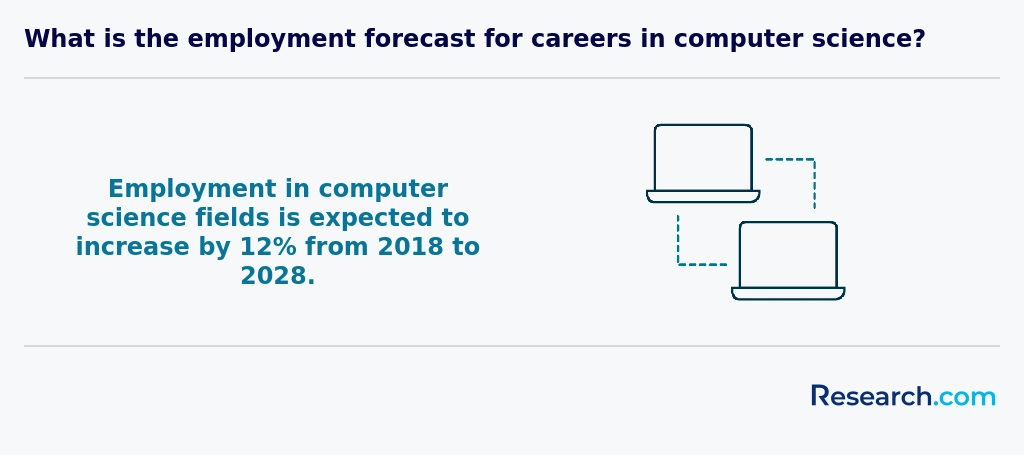
Obtaining an online information technology degree can significantly enhance career mobility and advancement opportunities in the South. The region's growing tech industry, particularly in hubs like Atlanta, Raleigh, and Austin, demands skilled IT professionals. According to the U.S. Bureau of Labor Statistics, IT jobs in Southern states are projected to grow 12% from 2022 to 2032, faster than the national average.
Online degrees offer flexibility, allowing professionals to upskill without interrupting their careers. Many employers in the South recognize accredited online programs, which can lead to higher earning potential and eligibility for leadership roles. This educational path supports transitions into specialized fields like cybersecurity, data analysis, and network administration, all crucial to the region's expanding digital economy.
Studying for an information technology degree in the South offers strong interdisciplinary preparation by integrating core IT skills with fields such as business, healthcare, and engineering. Many Southern universities emphasize collaborative projects and real-world problem solving, reflecting regional industry demands.
Data from the Southern Regional Education Board shows that over 60% of IT graduates in the South work in roles requiring knowledge beyond traditional computer science, including data analysis and cybersecurity.
Online programs also provide flexibility to take electives in complementary disciplines, fostering a broad skill set valued by employers in diverse sectors like finance and manufacturing.
This approach equips students to adapt and lead in complex, tech-driven environments common across Southern economies.
When choosing between a thesis and a non-thesis information technology degree program in the South, consider your career goals first. Thesis programs focus on original research, ideal for those aiming at careers in academia or research-heavy roles. Non-thesis options emphasize practical skills and may require additional coursework or projects, better suited for professionals seeking immediate industry application.
Institutions like the University of Florida and North Carolina State offer both options online, reflecting a regional trend towards flexible IT education. According to the Southern Regional Education Board, over 60% of IT graduate students in the South prefer non-thesis tracks for faster job placement.
Lastly, think about your learning style and time commitment, as thesis routes often demand more sustained effort on research.
Students based in the Southern United States interested in studying information technology abroad have several viable options through online programs offered by international institutions. Many universities in the UK, Canada, and Australia provide fully online IT degrees accessible worldwide, including the US. These programs often follow the US higher education accreditation standards or are recognized by global accrediting bodies, ensuring quality and transferability.
Some Southern universities also partner with foreign institutions to offer dual degrees or study-abroad opportunities focusing on IT. According to the National Center for Education Statistics, over 40% of online IT students in the South have considered international study options, demonstrating growing interest.
Cost and time zone differences remain important considerations for US-based learners.
Part-time job opportunities in the South that complement information technology (IT) degree education offer valuable practical experience while supporting students financially. Common roles include technical support specialists, help desk technicians, and web developers, which align with core IT skills taught in most programs.
The U.S. Bureau of Labor Statistics (BLS) indicates that the South's IT sector continues to grow, particularly in states like Texas, Georgia, and North Carolina, with more than 250,000 tech-related jobs forecasted by 2028. Part-time positions in local businesses, government agencies, or remote freelance work provide hands-on opportunities for students.
Additionally, internships and co-op roles in cybersecurity and network administration are often available on flexible schedules, helping students apply classroom knowledge directly to real-world environments. These roles help build strong resumes and professional networks critical for career advancement in IT fields.
Online information technology students in the South have access to various networking opportunities despite studying remotely. Many southern universities offering online IT degrees partner with local tech companies and professional organizations to facilitate internships and mentorship programs. For example, the Technology Association of Georgia and the North Carolina Technology Association often host virtual events and job fairs. Southern states like Texas and Florida boast growing IT job markets, with Texas employing over 400,000 IT workers as of 2023, according to the U.S. Bureau of Labor Statistics. These regional networks help students connect with industry professionals and enhance career prospects.
Alumni networks offer valuable support to students pursuing online information technology degrees in the South by providing connections to experienced professionals across the region. These networks facilitate mentorship opportunities, which can guide students through career challenges and industry developments. According to the Southern Growth Policies Board, the IT sector in the South has grown by over 15% since 2020, increasing demand for skilled workers and networking advantages.
Access to alumni events and job boards often gives students an edge in finding internships and employment. Schools like Georgia Tech and the University of North Carolina maintain robust alumni platforms that help graduates connect locally and nationally.
Customizing an online information technology degree program in the South allows students to align their education with specific career aspirations. Many Southern universities offer flexible curricula where learners can choose concentrations such as cybersecurity, data analytics, or software development. According to the Southern Regional Education Board, institutions in this region increasingly provide elective courses tailored to high-demand IT fields, enhancing employability.
Students can also benefit from partnerships between universities and Southern tech companies, offering practical projects and internships remotely. Additionally, some programs allow learners to accelerate courses or opt for part-time study, accommodating working professionals aiming to advance in IT sectors like cloud computing or network administration.
Resources such as academic advising and career services are crucial to guide students in selecting courses that match market trends in Southern states, where technology jobs are projected to grow by nearly 11% through 2030, based on Bureau of Labor Statistics data.
Online information technology (IT) students in the South often face challenges related to limited high-speed internet access. According to the Federal Communications Commission, about 20% of rural Southern households lack broadband, which can hinder smooth participation in online courses. Additionally, balancing work, family, and study remains difficult for many students, as the South has a higher proportion of working adults pursuing degrees.
Technical issues with online platforms also arise, sometimes due to outdated devices or software. Furthermore, students may experience a lack of local academic support or networking opportunities compared to on-campus programs. These factors combined can affect retention and completion rates in Southern online IT degree programs.
Graduates with an online information technology degree in the South can pursue several respected professional certifications to boost their careers. Popular credentials include the CompTIA Security+, which validates cybersecurity skills, and the Certified Information Systems Security Professional (CISSP), favored by IT security professionals. The Project Management Professional (PMP) certification is valuable for those interested in IT project leadership roles.
Many Southern employers value these certifications; for example, the Bureau of Labor Statistics reports above-average IT job growth in states like Texas and Florida, increasing demand for certified professionals.
Other options include vendor-specific certifications from Cisco and Microsoft, which align well with technical tracks in IT degrees.
Applying to an online information technology program in the South requires careful preparation. Start by researching regional accreditation to ensure your degree holds value within the US job market. Schools in states like Texas and Georgia often collaborate with local tech companies, which can enhance internship opportunities. Highlight your technical skills and professional experience clearly in your statement of purpose, focusing on how you plan to contribute to and benefit from the program.
Admissions committees appreciate applicants who demonstrate a clear understanding of IT trends. According to the Bureau of Labor Statistics, IT employment in the South is expected to grow 13% through 2030, which signals strong career prospects.
Include letters of recommendation from supervisors or faculty familiar with your work ethic. Finally, ensure all application materials are error-free and submitted before deadlines.
The global demand for information technology professionals continues to grow rapidly, reflecting the critical role IT plays in all sectors. In the United States, information technology jobs are expected to grow 15% from 2021 to 2031, much faster than the average for all occupations, according to the Bureau of Labor Statistics. This growth is mirrored in the Southern states, where cities like Atlanta, Dallas, and Raleigh are becoming major technology hubs.
Internationally, IT careers are recognized for their versatility and ability to adapt in diverse markets. Online degrees from Southern universities often include global industry standards, preparing students to work worldwide. These programs emphasize skills in cybersecurity, data analytics, and software development, aligning with the 2023 CompTIA IT Industry Outlook.
Graduates with online IT degrees from the South benefit from a collaborative network with global perspectives, increasing opportunities for remote work and international projects, vital in today's interconnected economy.
Gaining practical experience while pursuing an online information technology degree in the South is essential. Many Southern universities partner with local tech companies to provide remote internships, allowing students to work on real-world projects. These opportunities help develop hands-on skills alongside academic study.
Additionally, online learners can join virtual labs and simulation platforms, which replicate IT environments for practice in cybersecurity, networking, and software development. According to the Southern Regional Education Board, nearly 60% of online IT students in the region participate in such experiential learning.
Professional certifications, like CompTIA or Cisco, are also accessible online, boosting practical knowledge and employability.
Choosing the right concentration within an online information technology degree in the South requires assessing your career goals and local industry demand. In Southern states like Texas, Georgia, and Florida, cybersecurity and data analytics are rapidly growing fields, with IT employment expected to grow by over 15% by 2030 according to the U.S. Bureau of Labor Statistics.
Consider concentrations such as network administration, software development, or information security based on this data. Research regional employers and their technology needs to align your study focus with job opportunities. Accreditation and faculty expertise in a concentration also influence program quality.
Top Trending Information Technology Rankings
References
- Computer Science Internships | Programs For Students & Grads https://www.internhq.com/fields/computer-science-and-it/
- 2. How to Chart Your Connections https://ohioemploymentfirst.org/expanding-your-opportunities-through-networking-pre-ets/activity-2
- The Top Information Technology Skills Employers Want | AIU https://www.aiuniv.edu/degrees/information-technology/articles/top-information-technology-skills-employers-want
- Careers in IT: Lucrative Fields for Recent Grads https://www.onlinemastersdegrees.org/careers/information-technology-it/
- Information Technology Master's Program (without Thesis) | Eastern Mediterranean University Cyprus https://www.emu.edu.tr/en/programs/information-technology-masters-program-without-thesis/1070
- Online Bachelor's Degree in Information Technology (IT) | CSU Global | Accredited https://csuglobal.edu/academic-programs/undergraduate-degrees/bachelors-degree-information-technology
- 7 Proven Ways Classroom Technology Improves Student Learning Outcomes | Explorance https://www.explorance.com/blog/7-ways-technology-in-the-classroom-enhances-student-success/
- Best IT School Programs Online | ComputerScience.org https://www.computerscience.org/degrees/best-online-bachelors-information-technology/
- Why You Should Start Networking as a Student – and How to Do It https://amplifyme.com/blog/why-you-should-start-networking-as-a-student
- The Best Online Bachelor's in Information Technology Programs https://www.onlinecolleges.net/rankings/best-online-bachelors-information-technology-degree-programs/