2027 Most Valuable Online Master's in Human Services Degree Programs Ranking in New Jersey

Co-Founder and Chief Data Scientist
Choosing the right online master's program in human services can be overwhelming, especially for busy students in New Jersey. This article presents the 2027 Most Valuable Online Master's in Human Services Degree Programs Ranking in New Jersey, created by the Research.com team of data scientists to help you make an informed decision.
By exploring this ranking, you'll discover programs that offer strong value, flexibility, and quality education. Pursuing a degree in human services opens doors to meaningful careers that positively impact communities. Let's guide you toward a future filled with purpose and opportunity.
Key benefits of getting online human services degree in New Jersey
- Human services graduates in New Jersey can expect competitive salaries, with related U.S. careers often earning between $35,000 and $50,000 annually, providing a stable income as they support their communities.
- Graduates from popular New Jersey schools, such as Rutgers University, often find diverse career paths including counseling, social work, and community outreach, allowing for both personal fulfillment and professional growth.
- Online degrees from institutions like Thomas Edison State University offer flexible schedules and lower costs, making it easier for busy New Jersey students to balance education with work or family life.
- 2027 Most Valuable Online Master's in Human Services Degree Programs Ranking in New Jersey
- What can I expect from online human services degree in New Jersey?
- Where can I work with online human services degree in New Jersey?
What can I expect from online human services degree in New Jersey?
The average cost of an online human services degree in New Jersey can be surprisingly accessible, especially at well-known public universities like Rutgers or Montclair State. Many graduates share how finding a program with competitive tuition made their journey feel achievable without overwhelming financial stress. Residents often benefit from lower in-state tuition rates, which can bring the price down compared to private institutions.
For example, a graduate from a New Jersey public university recalls balancing work and family while enjoying affordable tuition rates that allowed more energy to go into studying and gaining practical skills. Financial aid and grants also play a crucial role in easing expenses, particularly for those committed to public service careers or seeking social work certification.
While exact prices vary, prospective students might expect tuition in the range of several thousand dollars per year, with some programs offering scholarships and flexible payment options. This financial flexibility combined with the ability to study from home creates an exciting path to enter a meaningful, growing field right from New Jersey.
Where can I work with online human services degree in New Jersey?
An online human services degree in New Jersey opens doors to vibrant careers where you can truly make a difference. Graduates from institutions like Rutgers or Kean University often find themselves working in state or local social service agencies, helping families navigate mental health resources or disability programs. Imagine collaborating with the Department of Human Services to improve lives-that's a common reality for many.
Others dive into New Jersey's bustling healthcare sector, coordinating care at hospitals or counseling clients in nursing homes. One graduate shared how connecting patients with community support brought unexpected fulfillment and growth. The nonprofit world also beckons, with professionals addressing homelessness or domestic violence through advocacy and program management-an environment rich with purpose and challenge.
Some explore roles in school districts, supporting at-risk students as counselors or behavioral specialists, weaving their degree into education. Even private companies seek human services graduates to uplift workforce wellness, proving that this degree's path is as diverse as your ambitions in New Jersey's dynamic landscape.
Graduates with an online human services degree in New Jersey often start their journey with roles like human services assistants, earning about $37,000 a year. Imagine a recent graduate from Rutgers University navigating client support tasks, gaining hands-on experience while building a foundation for future growth. These entry-level positions open doors to deeper, more rewarding career paths in the vibrant New Jersey community services scene.
As experience builds, many adventurous alumni from institutions like Montclair State University step into social and community service manager roles, where the mean annual wage climbs to approximately $85,000. Picture stepping into a leadership role, coordinating crucial community programs that foster real change-this is where passion meets reward.
In New Jersey, employers range from nonprofits to government agencies, each offering unique environments and benefits. Many graduates feel energized by the steady support government roles provide, while others thrive amid the dynamic challenges nonprofits present. The possibilities feel as broad as your ambitions here!
- The average cost for a bachelor's degree in human services online in New Jersey ranges from $10,000 to $25,000.
- Graduate programs typically cost between $15,000 and over $30,000, with in-state tuition discounts available at many public institutions.
- Entry-level salaries for human services graduates in New Jersey average between $40,000 and $45,000 annually.
- Experienced professionals can earn salaries of $55,000 or more, especially in specialized fields like substance abuse counseling.
- The job market for human services roles is expected to grow 8-10% over the next decade, with high demand in urban and suburban areas.
- Licensure or certification is often required, so choosing accredited online programs aligned with New Jersey standards is important.
Bachelor's degree seekers dive deeper, typically spending around four years immersed in flexible online classes that allow juggling family, work, and studies. Imagine taking a night class after work, energized by the knowledge that every lesson brings you closer to a career helping others. Part-time students, embracing a slower but steady pace, might stretch this to five or six years, weaving education seamlessly into their busy lives.
For those craving advanced expertise, online master's programs at New Jersey universities offer completion timelines of 1.5 to 2 years full time, with many choosing part-time options to fit demanding schedules. Graduates celebrate how internship opportunities and credit transfers accelerate their journey, making their time investment feel purposeful and adventure-filled.
Choosing an online human services degree in New Jersey means embracing flexibility that fits around your life. Imagine a graduate from a popular university in Newark balancing a full-time job while attending virtual classes in the evening, appreciating the freedom to learn from home without daily commutes. This flexibility is a lifeline for many, especially adult learners or those already working in social services.
On the other hand, a recent graduate from a well-known campus in Camden recalls the energizing buzz of face-to-face interactions and hands-on experiences through internships arranged directly by the college. The chance to connect deeply with professors and peers in classrooms and access campus labs feels like stepping into a supportive community.
While tuition can be similar-averaging between $8,000 and $20,000 for New Jersey residents-online learners save on commuting and housing, making the pathway feel more affordable and accessible.
Both routes demand dedication: online students thrive with tech-savvy independence, while on-campus students enjoy structured schedules and immediate support. Fieldwork, essential for New Jersey licensing, ties both experiences to real-world impact in human services careers.
The average cost of earning an online human services degree in New Jersey is around $52,878, offering a reasonable investment for those eager to make a difference in their communities. Graduates from popular institutions often share stories of managing their studies alongside work and family, a balance made easier by flexible online programs. These programs open doors without the heavy burden of moving or commuting, making the dream more attainable. Many have found that the cost aligns well with the quality of education and support they received.
Exploring affordable online human services programs NJ means navigating tuition that varies by institution type. Public universities typically offer lower rates, which attract students interested in blending budget-conscious choices with excellent instruction. For example, graduates from well-known state colleges appreciate how tuition reflects their in-state status, keeping education accessible while still robust and comprehensive.
Some students at private institutions experience higher tuition fees but often find value in specialized courses and networking opportunities. Despite costs, the overall experience fuels strong passion and commitment. Additional expenses like books and technology are balanced by scholarships and financial aid, which many students actively pursue.
As prospective students dive into this journey, they also consider the exciting career paths that follow. Discovering jobs for masters degree in human services encourages them to envision the impact and financial stability this field can bring.

Imagine starting your online human services degree at Rutgers or Stockton University with a surprising sense of relief-that's often the feeling when discovering the robust financial aid options available in New Jersey. Federal aid kicks off your journey through the FAFSA, unlocking opportunities like Pell Grants that could cover thousands annually without the stress of repayment. Many graduates recall how these grants and subsidized loans transformed their educational path, allowing them to focus on learning instead of looming debt.
New Jersey residents can also tap into state-specific programs such as the Tuition Aid Grant (TAG), which has been a game-changer for many attending local colleges. These awards, sometimes worth up to $7,200 per year, breathe life into ambitions by easing the financial weight. At the same time, universities themselves often offer scholarships tailored to human services students demonstrating dedication and potential.
Beyond grants and loans, think about the excitement a working adult feels upon discovering employer tuition assistance-that practical boost helped some graduates juggle work and study seamlessly. Even private scholarships from professional associations can appear like unexpected treasures along this educational adventure, opening doors to new possibilities.
For those eyeing a master's program, envision submitting a bachelor's degree from an accredited school plus heartfelt letters of recommendation that echo your passion and career goals. These steps aren't just hurdles-they're the keys unlocking opportunities within New Jersey's vibrant human services field, where median wages near $43,000 highlight the value of your commitment.
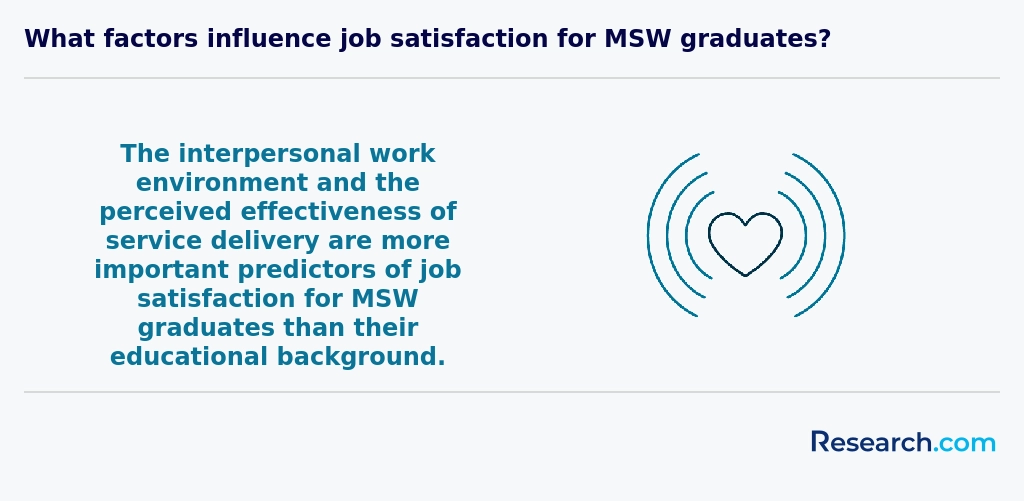
Diving into an online human services degree in New Jersey, students quickly encounter courses that feel like stepping into real-world challenges with a supportive guide at their side. For example, popular programs at colleges like Rutgers and Montclair State weave together foundational subjects such as Introduction to Human Services, where graduates recall discovering the rich history and vital roles of this field, sparking their passion for making a difference.
Courses like Case Management and Counseling Techniques bring alive practical skills-imagine learning to navigate client needs and create intervention plans that could genuinely change lives. Meanwhile, Human Development and Behavior opens eyes to the nuances of growth across a lifespan, helping students empathize deeply with every person they might support.
Ethics classes challenge learners to wrestle with real dilemmas, building confidence to act responsibly in New Jersey's diverse communities. Graduates often reflect on how Community Resources and Program Planning boosted their awareness of local services, making the state's unique social fabric feel accessible and navigable.
Other powerful courses like Mental Health and Crisis Intervention and Research Methods and Statistics round out the experience, equipping students to respond effectively and measure impact. Many also explore electives such as trauma-informed care, tailored to New Jersey's distinct population needs, adding layers of meaningful expertise to their learning journey.
Exploring online human services degree specializations New Jersey offers reveals an exciting spectrum of career tracks designed to meet many real-world needs. Imagine a graduate from a popular New Jersey college diving deep into substance abuse counseling, where they develop the skills to guide individuals through recovery journeys impacted by local opioid crises. Another might find their passion in mental health services, learning crisis intervention tactics that prove vital in community centers across the state.
Students choosing the gerontology track experience the rewarding challenge of supporting New Jersey's aging population, gaining insights into healthcare systems that shape elderly care. Those attracted to child and family services often feel a heartfelt connection to advocacy work, navigating foster care complexities with determination. Meanwhile, community advocacy and development enthusiasts embrace social justice causes, organizing initiatives that energize neighborhoods.
Victorious graduates frequently recall how their hands-on experiences at New Jersey colleges inspired a strong sense of purpose. For those eager to fast-track their journey, exploring accelerated human services online programs opens up practical options to sharpen skills quickly while supporting local communities.
Choosing the best online human services degree New Jersey means diving into programs that fit your life and ambitions. Graduates from well-known New Jersey colleges often share how accreditation influenced their confidence in career prospects, highlighting the value of programs approved by bodies like the Council for Standards in Human Service Education. Imagine balancing work with study: some students embraced fully asynchronous courses offering complete schedule freedom, while others thrived with live virtual classes that sparked a vibrant sense of community. The vibrant energy of hands-on practicums within New Jersey during their studies brought real-world challenges that boosted their skills and passion.
Exploring affordable human services programs NJ reveals a mix of tuition rates, with public universities averaging around $15,000 annually, while private options may exceed $30,000. This sparks adventure for budget-conscious learners investigating scholarships and aid. One can easily navigate these choices by checking out resources like the human services online degree guide, helping you map your educational path towards rewarding work in New Jersey's evolving human services field.
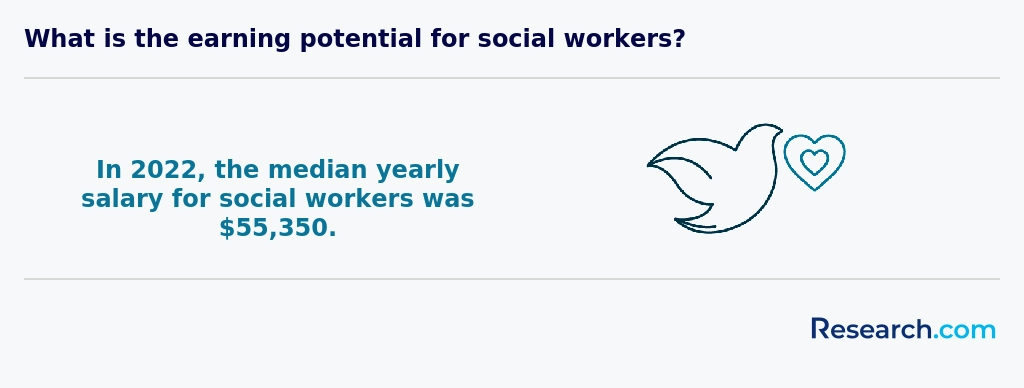
Graduates of online human services degrees in New Jersey venture into vibrant careers where making a real difference feels daily and rewarding. Whether working as social and community service managers coordinating crucial programs or as case managers guiding individuals through challenges, the state's diverse population ensures no two days are the same. Many alumni from respected institutions like Rutgers University-Newark or Montclair State University share how their education launched them into roles that unravel social issues like poverty or mental health with compassion and skill. Exploring human services careers in New Jersey opens doors to positions such as behavioral health counselors and rehabilitation specialists, blending empathy with real-world impact.
Some graduates find excitement combining clinical aspects with community work by becoming licensed social workers or substance abuse counselors, roles demanding specialized credentials but offering deep personal fulfillment. The positive outlook in the state, paired with flexible study options, lets students stay curious and adventurous while building meaningful futures. For those hungry for more advanced paths, learning about jobs with a masters in human services unravels even broader possibilities in New Jersey's social services landscape. These online human services degree job opportunities New Jersey spells out are gateways to both personal growth and community transformation.
The job market for graduates with an online human services degree in New Jersey is vibrant and full of opportunity. Professionals with these credentials often find themselves working in meaningful roles within government agencies, nonprofits, or community programs focused on mental health, substance abuse, and elder care. Many graduates from well-known New Jersey colleges describe feeling excited by the flexibility online education gave them-allowing them to balance work, family, and study while gaining skills that local employers eagerly seek. The New Jersey human services career outlook online remains strong, with a projected 13% job growth through 2030 for social and human service assistants, outpacing many other fields.
For students curious about the financial side, tuition can vary, but public schools offer a reasonable path with costs between $5,000 and $15,000 annually. Adding certifications like the Certified Human Services Professional can further boost career prospects. Exploring the affordable human services program online options can help students make smart choices about education investments in this rewarding sector.
2027 Most Valuable Online Master's in Human Services Degree Programs Ranking in New Jersey
Investing in your education is a significant decision, and the Research.com team recognizes the importance of providing trustworthy guidance. To support prospective students seeking online master's degrees in Human Services in New Jersey, we have carefully developed the "2027 Most Valuable Online Master's in Human Services Degree Programs Ranking in New Jersey." Our dedication to quality, credibility, and accuracy is demonstrated through rigorous research and detailed analysis.
We utilized the following reputable data sources to ensure a comprehensive evaluation of human services programs:
By consulting this ranking, readers will gain valuable insights into the most valuable and accredited online master's programs in Human Services across New Jersey, facilitating well-informed educational decisions. For a detailed explanation of our evaluation process, please visit our Research.com methodology page.


# 3 position
Thomas Edison State University
Master of Information Technology for Public Service

Frequently Asked Questions About human services
Online human services degree students in New Jersey can maximize their learning experience by actively engaging with course materials and participating in virtual discussions. Utilizing the state's strong network of social service organizations for internships or volunteer work enhances practical understanding. Students should also make use of academic support services offered by their institutions, such as tutoring and career counseling.
Staying abreast of New Jersey's specific human services challenges-such as those related to mental health and social welfare programs-can deepen context awareness. According to the New Jersey Department of Human Services, ongoing professional development is key for workforce success in the state. Networking with local professionals and joining relevant associations further strengthens learning and job prospects.
The human services field in New Jersey is evolving with several emerging niches that offer new career opportunities. One key area is gerontology, focusing on the growing elderly population in the state. According to the New Jersey Department of Health, residents aged 65 and over are projected to increase by 20% by 2030, driving demand for specialized care and support.
Another expanding niche is behavioral health, including substance abuse counseling and mental health services. The New Jersey Behavioral Health Planning Council highlights rising needs for treatment providers due to the opioid crisis and increased awareness of mental health.
Additionally, community-based services for vulnerable populations, such as refugees and homeless individuals, are growing rapidly. Programs addressing trauma-informed care are gaining attention within human services educational programs online.
After completing an online human services degree in New Jersey, it is important to prepare strategically for the job market. Start by gaining relevant experience through internships or volunteer opportunities, which many New Jersey employers value highly. According to the New Jersey Department of Labor, social service roles are growing by 10% through 2031, emphasizing the need for hands-on skills.
Networking is also essential; joining state-based organizations like the New Jersey Alliance for Social Work Practice can open doors to job leads and mentorships. Additionally, consider obtaining state licensure or certifications relevant to your specialization to increase employability.
Finally, tailor your resume and online profiles to highlight both technical skills from your degree and practical experiences.
Employers seeking graduates with online human services degrees in New Jersey prioritize a blend of interpersonal, analytical, and organizational skills. Communication is essential, as professionals must effectively engage with diverse populations and community partners. Strong critical thinking and problem-solving abilities help address complex social issues.
According to the New Jersey Department of Labor, employers also value cultural competence, given the state's diverse demographics. Additionally, proficiency in case management software and data collection tools is increasingly important.
Empathy and ethical judgment remain foundational, enabling graduates to advocate for vulnerable individuals responsibly. These skills align with national standards set by the Council for Standards in Human Service Education (CSHSE).
Finding internships in New Jersey relevant to a human services degree involves several strategic steps. Students should start by contacting their college's career services office, which often maintains partnerships with local agencies and nonprofits. According to the New Jersey Department of Labor, social and community service occupations are growing, increasing internship opportunities in areas such as counseling, mental health, and social work.
Internship portals like NJ Hire and the New Jersey Association of Mental Health and Addiction Agencies list openings specific to the region.
Networking with professionals through local chapters of organizations like the National Organization for Human Services can also provide valuable leads.
Finally, many online programs require fieldwork, so confirming placement assistance with the school helps secure relevant internships.
An online human services degree in New Jersey provides significant career mobility and advancement opportunities. The state has a growing demand for qualified human services professionals, with the New Jersey Department of Labor projecting a 9% increase in job openings through 2030.
Graduates from online programs can pursue roles in social work, mental health counseling, and community service management, where advanced degrees often lead to higher salaries and leadership positions. According to the U.S. Bureau of Labor Statistics, social and community service managers in New Jersey earn a median annual wage of approximately $75,000.
Additionally, earning an online degree allows working adults to balance employment while upgrading their credentials, supporting career growth without geographic constraints. Accredited online programs meet New Jersey licensing requirements, enabling graduates to qualify for state certifications and increase employability within public and private sectors.
Studying for a human services degree in New Jersey equips students with knowledge and skills from multiple disciplines, reflecting the state's diverse social needs. Programs often include coursework in psychology, social work, public health, and counseling, preparing graduates to work collaboratively across fields. The New Jersey Department of Labor reports strong demand for human services professionals who can address complex issues like mental health, substance abuse, and poverty.
Online programs emphasize real-world applications through case studies and internships, fostering interdisciplinary problem-solving skills. This approach helps students navigate diverse client needs and community resources effectively. Graduates are thus prepared for roles in various settings, from healthcare to nonprofit management.
Choosing between a thesis and a non-thesis human services degree program in New Jersey depends largely on your career goals and learning preferences. Thesis programs focus on original research, which can be beneficial if you aim to pursue a PhD or a career in research or academia. They typically require significant time for data collection and writing.
Non-thesis programs often emphasize practical skills and fieldwork, suitable for students seeking direct entry into human services roles. Many New Jersey institutions offer flexible online options reflecting these differences.
Considering that New Jersey's human services sector is growing, especially in mental health and social work fields (Bureau of Labor Statistics, 2023), non-thesis tracks may provide quicker access to licensing requirements and job readiness.
Review program curricula carefully and consult academic advisors to align your choice with your professional plans.
Students in New Jersey seeking to study human services abroad through online programs have several viable options, primarily via partnerships between New Jersey institutions and foreign universities. Many U.S.-based universities offering human services degrees provide study-abroad components or international internships that can be completed virtually, allowing students to gain global perspectives without relocating.
Additionally, New Jersey residents can explore accredited online degree programs hosted by foreign universities recognized by U.S. education authorities. However, verifying regional accreditation or equivalency with U.S. standards is crucial for transferability and licensure purposes.
The New Jersey Department of Education and the Council for Standards in Human Service Education offer guidance on acceptable international program credentials and can help students ensure their degrees meet local professional requirements.
Part-time job opportunities in New Jersey that align well with a human services degree include roles such as case aides, community outreach assistants, and residential support workers. These positions allow students to apply classroom knowledge in real-world settings while gaining valuable client interaction experience.
The New Jersey Department of Labor reports a steady demand for social and human service assistants, with average hourly wages around $17.50, benefiting those seeking to balance work and study. Additionally, internships with local nonprofit organizations and social agencies provide practical experience relevant to human services careers.
Engaging in these part-time jobs enhances skills in communication, crisis intervention, and advocacy, aiding future employment prospects in the field.
Online human services students in New Jersey can access a variety of networking opportunities to support their career growth. Many universities offer virtual career fairs and alumni networking events tailored to human services disciplines. For example, Rutgers University and Kean University provide online platforms connecting students with local agencies and professionals.
Professional organizations such as the New Jersey Human Services Professionals Association host webinars and virtual meetings, allowing students to interact with experienced practitioners. Additionally, New Jersey's growing human services sector employs over 80,000 workers, creating a strong market for internships and mentorships through these networks. Sources like the New Jersey Department of Labor provide insights on regional job trends relevant to students.
Alumni networks play a crucial role for online human services degree students in New Jersey by offering valuable professional connections and mentorship opportunities. Graduates often gain access to local job markets through these networks, which can enhance employment prospects in social work, counseling, and community outreach fields. According to the New Jersey Department of Labor, networking influences over 70% of job placements in human services statewide. Alumni groups also facilitate knowledge sharing about regional workforce trends and licensure requirements, helping students align their education with state standards. These connections provide ongoing support beyond graduation, fostering career growth in a competitive sector.
Customizing an online human services degree program in New Jersey involves selecting electives and concentrations aligned with your career goals. Many New Jersey institutions offer flexible curricula, allowing students to focus on areas like mental health, substance abuse, or social work. This flexibility helps meet the state's growing demand for specialized human services professionals, as reported by the New Jersey Department of Labor. Internships and practicum opportunities incorporated into the program can provide practical experience tailored to your interests. Additionally, some programs offer personalized academic advising to help plan courses that meet certification requirements in New Jersey's health and social service sectors.
Online human services students in New Jersey commonly face challenges related to balancing coursework with work and family responsibilities. Many students are working professionals or caregivers, making time management a significant obstacle. Additionally, access to reliable internet and technology can impact the learning experience, especially for those in rural parts of the state.
Another challenge is meeting practicum or fieldwork requirements. New Jersey human services programs often require in-person internships, which can be difficult to coordinate alongside online classes. According to the New Jersey Department of Labor, arranging placements in local agencies can extend program completion times.
Finally, students sometimes report limited interaction with faculty and peers, which can affect engagement and networking opportunities important in human services careers.
An online human services degree in New Jersey opens pathways to several professional certifications, enhancing career prospects in social work, counseling, and community services. One popular credential is the Certified Human Services Professional (CHSP), offered by the National Organization for Human Services. This certification validates expertise in case management and client support.
Graduates can also pursue the Licensed Social Worker (LSW) credential, regulated by the New Jersey Board of Social Work Examiners. This requires additional supervised experience but significantly broadens employment opportunities.
Other valuable certifications include the Certified Case Manager (CCM) and credentials in substance abuse counseling, both recognized across New Jersey's human services sector. According to the New Jersey Department of Labor, these certifications improve job placement rates by up to 20% in health and social assistance fields.
Writing a winning application for an online human services program in New Jersey starts with thorough research. Prospective students should clearly understand program requirements and how their background aligns with human services goals. Highlighting relevant volunteer work or professional experience in social services strengthens the application.
New Jersey's Department of Human Services reports a growing demand for trained professionals, so emphasizing a commitment to serving diverse populations can set applicants apart.
Strong personal statements focusing on career goals and the desire to impact local communities are important. Lastly, submitting all required documents on time, including transcripts and recommendation letters, is crucial for consideration.
The field of human services is recognized globally for its vital role in supporting diverse populations and fostering community well-being. In the United States, and specifically in New Jersey, this career path emphasizes culturally competent practices to address varied social challenges. According to the U.S. Bureau of Labor Statistics, employment of human services professionals is projected to grow 17% from 2022 to 2032, reflecting increasing demand.
Globally, human services work often aligns with principles from organizations like the International Federation of Social Workers, encouraging ethical practices and social justice. New Jersey's diverse population offers students unique perspectives on cross-cultural needs, enriching their global understanding.
Gaining practical experience while studying for an online human services degree in New Jersey is essential for career readiness. Many programs require or strongly recommend internships with local agencies, nonprofit organizations, or government programs, allowing students to apply classroom knowledge in real-world settings. New Jersey's Department of Human Services offers various practicum opportunities that online learners can access, especially in urban centers such as Newark and Trenton.
Additionally, students may find volunteer positions related to mental health, social work, or community outreach, which often count toward internship hours. These experiences build valuable skills and professional networks. According to the New Jersey Association of County Human Services Administrators, integrating hands-on work experience significantly improves employment outcomes for graduates.
Choosing the right concentration within an online human services degree in New Jersey depends on your career goals and local workforce demands. Human services roles vary widely, from case management to substance abuse counseling. Reviewing employment trends in New Jersey is essential; the New Jersey Department of Labor projects a 14% growth in social and human service assistant jobs through 2030. Specializations in mental health or community outreach are popular due to increasing demand for support in these areas. Consider concentrations that match your interests and align with state certification or licensing requirements, which often vary by field and county.
Researching program curricula can reveal if they offer practical skills relevant to New Jersey's human services organizations. Additionally, contacting local employers and professional associations can provide insight into which concentrations are highly valued. Many online programs include internships or fieldwork, so verify if these placements occur within New Jersey to gain regional experience. Selecting a concentration with strong regional job prospects improves your chances for successful employment after graduation.
- 2027 Most Valuable Online Master's in Human Services Degree Programs Ranking in Pennsylvania
- 2027 Most Valuable Online Master's in Human Services Degree Programs Ranking in New York
- 2027 Most Valuable Online Master's in Human Services Degree Programs Ranking in Maryland
- 2027 Most Valuable Online Master's in Human Services Degree Programs Ranking in Connecticut
- 2027 Most Valuable Online Master's in Human Services Degree Programs Ranking in Virginia
- 2027 Most Valuable Online Master's in Human Services Degree Programs Ranking in Massachusetts
- 2027 Most Valuable Online Master's in Human Services Degree Programs Ranking in Ohio
- 2027 Most Valuable Online Master's in Human Services Degree Programs Ranking in Kentucky
- 2027 Most Valuable Online Master's in Human Services Degree Programs Ranking in North Carolina
- 2027 Most Valuable Online Master's in Human Services Degree Programs Ranking in Georgia
- How To Navigate Human Services Challenges in 2026 https://nctinc.com/blog/how-to-navigate-human-services-challenges-in-2026/
- 6 Trends in Human Services That Will Change the Face of the Field | ANCOR https://www.ancor.org/connections/6-trends-human-services-will-change-face-field/
- What can you do with a bachelor's in human services? | edX https://www.edx.org/resources/what-can-you-do-with-a-bachelors-in-human-services
- Become a Social Worker in New Jersey https://socialworklicensemap.com/social-work-licensure/become-a-social-worker-in-new-jersey/
- Education & Human Services School | Raritan Valley Community College, NJ https://www.raritanval.edu/pathways/education-human-services/
- Utilize Your Alumni Networks https://www.keg.com/news/ways-to-use-your-alumni-networks-for-the-better
- Health and Human Services Career Guide https://www.ultimatemedical.edu/blog/hhs-guide/
- How To Solve the Key Challenges Faced by Community Social Workers https://www.casebook.net/blog/how-to-solve-the-key-challenges-faced-by-community-social-workers/
- 10 Effective Ways to Build Networking Skills in Community Services https://tsa.edu.au/ways-to-build-networking-skills-in-community-services/
- Is a Human Services Degree Right for You? https://www.ucumberlands.edu/blog/is-a-human-services-degree-right-for-you