2027 Criminal Justice Degree Wage Advantage by Region: Where Graduates Gain the Biggest Earnings Edge

Co-Founder and Chief Data Scientist
Choosing where to use a criminal justice degree can change its payoff as much as choosing the degree itself. The U.S. Bureau of Labor Statistics reported a May 2024 median wage of $77,270 for police and detectives, compared with $49,500 for all occupations, but that advantage varies sharply by region, employer, and living costs.
This guide is for students, graduates, and career changers comparing where to study, work, or relocate. You will learn which regions offer stronger salary value and how to judge the trade-offs before committing.
Key Things You Should Know
- The national wage advantage is real but uneven: BLS May 2024 data shows police and detectives had a $77,270 median wage, while the all-occupation median was $49,500.
- The West, Northeast, and federal-heavy Mid-Atlantic markets often offer the strongest nominal salaries, but high housing and taxes can reduce take-home value.
- The best ROI usually comes from matching region, employer type, degree cost, and specialization rather than choosing a state based only on advertised pay.
- What Is the Regional Wage Advantage for Criminal Justice Graduates?
- Which U.S. Regions Offer the Highest Salaries for Criminal Justice Graduates?
What Is the Regional Wage Advantage for Criminal Justice Graduates?
The regional wage advantage for criminal justice graduates is the extra earning power a graduate may gain in one labor market compared with another after accounting for occupation, employer type, experience, and local living costs. It is not a single guaranteed number. A graduate working as a patrol officer in a high-paying coastal city, a probation officer in a state agency, a federal analyst near Washington, D.C., and a corrections supervisor in a lower-cost Midwest metro can all have very different financial outcomes.
A criminal justice degree is commonly offered at the associate, bachelor's, and master's levels. Associate degrees can support entry into law enforcement, corrections, security, and transfer pathways. Bachelor's degrees are often preferred or required for federal agencies, probation, investigations, intelligence analysis, and advancement roles. Master's degrees tend to matter most for leadership, policy, administration, research, or specialized federal roles. Many sworn positions also require academy training, background checks, fitness standards, psychological screening, and state-specific certification.
The clearest national benchmark is that BLS May 2024 data placed the median annual wage for police and detectives at $77,270. That figure shows why criminal justice can produce a wage premium over the broader labor market, but it also hides regional variation. A graduate should treat the national median as a starting point, then adjust for local wages, cost of living, overtime practices, pension systems, and promotion ladders.
The table below explains the main components that create or reduce a regional wage advantage. Use it to separate headline salary from actual career value.
| Factor | How it affects the wage advantage | What students should check |
| Occupation | Detectives, federal agents, analysts, probation officers, and corrections roles do not pay the same even within the same region. | Compare the exact job title, not just "criminal justice jobs." |
| Employer type | Federal and some state agencies may pay more than small local departments, while local roles may offer overtime or pension value. | Review salary schedules, union contracts, benefits, and promotion rules. |
| Cost of living | High wages in coastal regions can be offset by rent, commuting, taxes, and childcare. | Compare after-housing income, not gross salary alone. |
| Degree cost | Lower tuition or transfer pathways can improve ROI even if starting salaries are moderate. | Estimate total debt, not only annual tuition. |
| Licensing and certification | Sworn law enforcement requirements vary by state and may not transfer smoothly after relocation. | Confirm POST, academy, or agency requirements before moving. |
The practical takeaway is simple: the best region is not always the highest-paying region. It is the region where your target role, credentials, living costs, and advancement path create the strongest net financial position.
Which U.S. Regions Offer the Highest Salaries for Criminal Justice Graduates?
The highest nominal salaries for criminal justice graduates are most often found in the West, the Northeast, and federal or state-government-heavy metro areas. These regions tend to have larger tax bases, stronger public-sector pay structures, higher unionization in some occupations, or greater demand for specialized investigative and security work.
The table below summarizes broad regional patterns using current U.S. labor market evidence from BLS wage reporting and common public-sector hiring structures. It is designed for comparison, not as a promise of pay in every city or agency.
| Region | Salary advantage profile | Best-fit criminal justice paths | Main trade-off |
| West | Often among the strongest nominal salary regions, especially in California, Washington, Alaska, and large metro agencies. | Police, detectives, forensic support, corrections leadership, emergency management, state investigations. | Housing costs can absorb much of the wage premium. |
| Northeast | Strong public-sector salaries in several state and metro systems, with opportunities in courts, corrections, investigations, and probation. | Probation, parole, state police, municipal policing, court administration, financial crime support. | High taxes, competitive hiring, and expensive commuting markets. |
| Mid-Atlantic and Washington, D.C. area | High-value market for federal, contractor, intelligence, cybersecurity, and policy-related criminal justice roles. | Federal law enforcement, intelligence analysis, compliance, homeland security, digital investigations. | Often requires a bachelor's degree, clearance eligibility, internships, or specialized skills. |
| Midwest | Moderate nominal salaries but often better affordability, especially outside the largest metros. | Local policing, corrections, juvenile justice, court services, probation, campus safety leadership. | Some smaller markets offer fewer specialized advancement paths. |
| South | Wide variation: some fast-growing metros offer strong opportunity, while many rural areas pay below coastal benchmarks. | Corrections, state agencies, local law enforcement, private security management, emergency preparedness. | Lower pay floors in some states can weaken degree ROI unless living costs are low. |
For a graduate focused on maximum salary, the West and Northeast deserve close attention. For a graduate focused on net value, parts of the Midwest, Texas, Virginia, North Carolina, Georgia, and selected inland metros may compete well because housing costs can be lower than in coastal markets.
One common mistake is comparing a Los Angeles salary with a smaller-city salary without adjusting for rent and commuting. Another is assuming that an entire state has one labor market. Criminal justice pay can differ sharply between a major city, a suburban county, a rural sheriff's office, and a state agency.
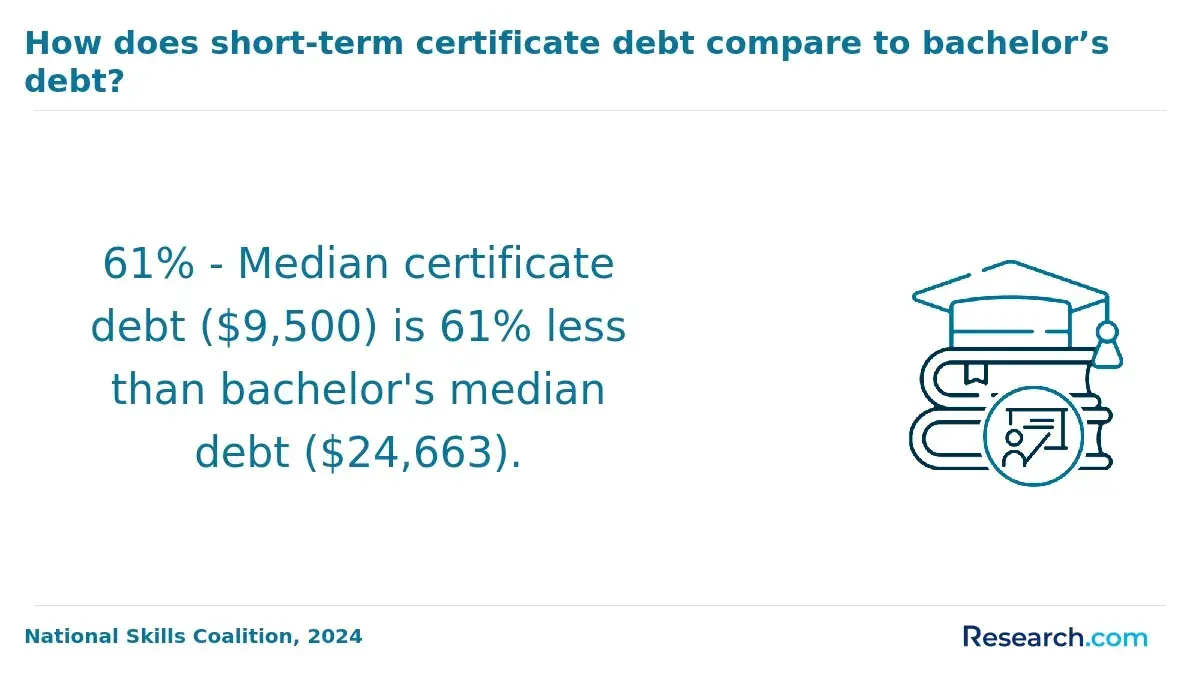
Cost of living can turn a high salary into an average financial outcome or make a moderate salary surprisingly valuable. The Bureau of Economic Analysis regional price parity data released in 2024 shows that state price levels can differ by more than 20 index points from the national average, meaning the same paycheck can buy much more in one region than another.
The table below shows how to think about salary value after living costs. It does not rank every state; instead, it gives a decision framework for comparing regional pay offers.
| Regional pay pattern | Cost-of-living effect | What it means for graduates | Best decision rule |
| High salary, high cost | Common in coastal West and Northeast metros. | Strong pay may still leave limited savings if rent, taxes, and commuting costs are high. | Accept if the role offers advancement, overtime, pension value, or specialized experience. |
| Moderate salary, moderate cost | Common in many Midwest and interior metro areas. | Net income may be competitive even without a top-tier salary. | Prioritize stable agencies, promotion paths, and affordable housing. |
| Lower salary, low cost | Common in some Southern and rural markets. | Can work financially if debt is low and benefits are strong, but advancement may be slower. | Avoid if the role has weak benefits, limited raises, or no path to specialization. |
| High salary, manageable cost | Found selectively in growing metros, state capitals, and federal-adjacent markets. | Often the strongest ROI combination for graduates who can meet hiring requirements. | Move quickly but verify job competition and credential rules. |
A useful way to compare regions is to estimate your "real" salary after major recurring costs. Start with gross pay, subtract expected rent or mortgage, commuting, taxes, loan payments, insurance, and required uniform or certification expenses. Then compare what is left for savings and career mobility.
Graduates should be especially careful with overtime. Overtime can be meaningful in law enforcement and corrections, but it is not guaranteed, may fluctuate by budget cycle, and can come with burnout risk. Treat base salary as your dependable number and overtime as a possible upside, not the foundation of your budget.
Entry-level criminal justice salaries vary widely because new graduates may enter very different jobs: police recruit, correctional officer, court clerk, probation aide, security supervisor, crime analyst assistant, or federal trainee. Experienced salaries widen even more because promotions, specialty assignments, overtime eligibility, supervisory roles, and federal grade increases can have a major effect.
BLS May 2024 wage data for police and detectives shows a wide earnings range, with the lowest 10% earning less than $48,200 and the highest 10% earning more than $121,530. For readers, the important lesson is that region matters, but career stage and advancement structure can matter just as much.
The table below explains how regional salary value usually changes from entry level to experienced roles.
| Career stage | Regions that may offer stronger value | What drives the difference | Best move for graduates |
| Entry level | Affordable Midwest, selected Southern metros, state capitals, and suburban departments. | Lower living costs can make modest starting pay more manageable. | Choose agencies with training, tuition support, and clear promotion timelines. |
| Early career | Growing metros, federal-adjacent markets, and larger county systems. | Special assignments, overtime, and internal transfers begin to matter. | Build evidence handling, report writing, interviewing, and data skills. |
| Experienced professional | West, Northeast, Mid-Atlantic, large state agencies, and federal systems. | Specialized units, supervisor roles, and higher pay scales can create larger premiums. | Target detective, analyst, federal, probation leadership, or compliance roles. |
| Career changer | Regions with strong private security, fraud, compliance, or public administration markets. | Prior experience in military, healthcare, finance, IT, or social services can transfer well. | Translate prior skills into investigations, risk, cyber, or case management language. |
New graduates should not automatically chase the highest starting salary. A slightly lower offer can be better if it comes with academy sponsorship, predictable raises, tuition reimbursement, safer staffing levels, or access to specialized units. Experienced professionals, however, may benefit more from relocating because they can qualify for higher-grade roles immediately.
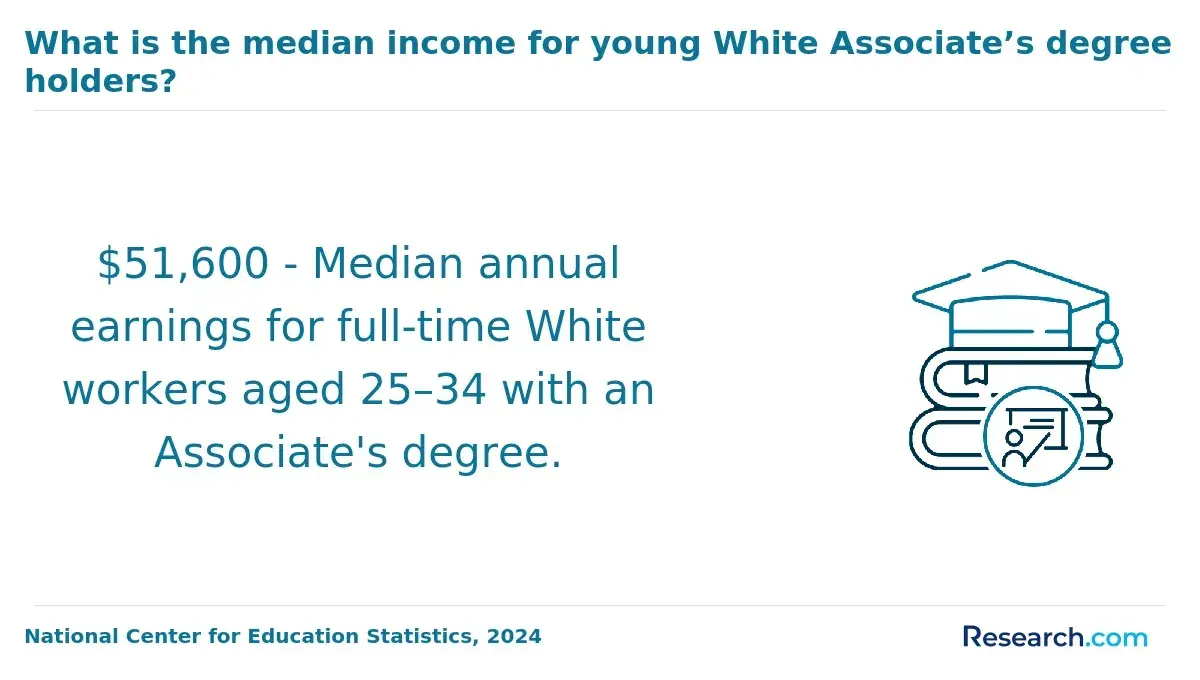
The best return on investment for a criminal justice degree usually appears where tuition is manageable, salaries are above the local median, and graduates can move into stable roles without excessive additional debt. ROI is weaker when students borrow heavily for a general degree but enter a low-wage market with limited advancement.
College Board's 2024 college pricing data placed average published tuition and fees for in-state students at public four-year institutions at $11,610 for the 2024-25 academic year. That matters because criminal justice salaries are often public-sector salaries: they can be stable, but degree cost must stay proportional to expected pay.
The table below compares regional ROI profiles for a criminal justice degree. It focuses on how degree cost, salaries, and living costs interact.
| Region type | ROI potential | Why it can work | When it may not work |
| Affordable public-university states with solid public safety pay | High | Lower tuition and reasonable housing can make even moderate salaries financially strong. | Weak if local agencies offer limited advancement or benefits. |
| High-paying coastal metro regions | Moderate to high | Large salary scales and specialized roles can reward bachelor's-level preparation. | Weak if rent, commuting, and debt consume the wage premium. |
| Federal and contractor-heavy regions | High for qualified candidates | Clearance-eligible graduates with analytical or technical skills can access stronger career ladders. | Weak if the graduate lacks internships, citizenship requirements, clean background checks, or specialized skills. |
| Rural low-cost regions | Moderate | Low housing costs can support financial stability. | Weak if salaries are low, overtime is mandatory, or promotion options are scarce. |
| Private-college high-debt pathways | Variable | Can work if the program has strong placement, internships, and transfer value. | Risky if debt is high and the target jobs do not require the degree brand. |
Students comparing ROI across public service and health-related majors may also look at adjacent fields such as kinesiology programs, especially if they are interested in rehabilitation, wellness, public safety fitness, or community health roles. The key is to compare total cost, required credentials, and realistic regional wages rather than assuming one major always outperforms another.
A strong ROI path often looks like this: start at a community college, transfer to an accredited public university, complete an internship with a local or federal agency, graduate with low debt, and target a region where your specialization is in demand. This approach gives you flexibility without overpaying for a credential.
Relocating can be financially worthwhile for criminal justice graduates, but only when the higher salary survives a full cost-and-career comparison. Moving for a $10,000 raise may not help if rent rises by the same amount, your commute doubles, or you lose eligibility for a local pension system. On the other hand, moving can be smart if it opens access to federal roles, specialized investigative units, stronger unions, or faster promotions.
Before accepting an out-of-region offer, use the steps below to test whether relocation improves your real outcome.
- Compare base salary first, then add only conservative estimates for overtime, shift differential, or bonuses.
- Calculate housing, commuting, taxes, insurance, childcare, and student loan payments in the new region.
- Confirm whether your academy training, POST certification, or corrections credential transfers to the new state.
- Review the employer's promotion schedule, pension vesting period, probationary period, and tuition assistance policy.
- Estimate job-market risk by checking how many similar agencies or employers operate nearby if the first role does not work out.
- Consider lifestyle factors that affect retention, including shift work, family support, commute safety, and housing stability.
Red flags include relocating before clearing the background process, relying on overtime to afford basic expenses, ignoring state certification rules, or choosing a high-cost metro because the salary sounds impressive. Another common mistake is overlooking smaller regions with strong benefits and lower housing costs.
Relocation makes the most sense for graduates who have a specific target role, meet the region's credential requirements, and can afford the transition period. Staying local makes more sense when you have low-cost housing, a strong agency pipeline, family support, or access to a public university that keeps degree debt low.
Skills can increase the regional wage advantage because they help graduates move from general entry-level roles into specialized, higher-value jobs. Employers increasingly need professionals who can manage digital records, interpret data, communicate with the public, and apply policy accurately under pressure.
The skills below are especially useful because they travel across regions and employer types.
- Data analysis and spreadsheet skills for crime analysis, staffing reports, fraud review, and performance tracking.
- Digital evidence handling, including chain of custody, body-camera systems, mobile device basics, and records management.
- Clear report writing for court-ready narratives, incident documentation, probation notes, and investigative summaries.
- Interviewing and de-escalation skills for law enforcement, corrections, victim services, compliance, and community supervision roles.
- Legal and policy literacy, including constitutional procedure, privacy rules, search standards, evidence basics, and agency policy.
- Language skills, especially Spanish or other languages commonly used in the target region.
- Cybersecurity and financial crime fundamentals for fraud, intelligence, corporate security, and federal pathways.
- Leadership and supervision skills for promotion into sergeant, lieutenant, casework supervisor, program manager, or security director roles.
Certifications can help, but their value depends on the role. A police academy credential, corrections certification, emergency management credential, forensic certificate, fraud examiner credential, or cyber certificate may improve competitiveness in certain regions. Always check whether the credential is recognized by the state, agency, or employer you want.
AI and automation are not replacing the need for judgment-heavy criminal justice work, but they are changing daily tasks. Records systems, predictive analytics tools, digital discovery platforms, and automated case-management software make technical comfort more important. Graduates who understand both ethics and technology are better positioned for wage growth in large agencies and specialized units.
Regions expected to see stronger salary growth for criminal justice careers are usually those with population growth, staffing shortages, cybercrime demand, high public safety budgets, or expanding federal and contractor activity. BLS 2024-34 projections place police and detective employment growth at 3%, which suggests steady rather than explosive national demand. Regional salary growth, therefore, is more likely to come from local budget pressure, competition for qualified candidates, and specialization.
The table below highlights the regional conditions most likely to support future wage gains. Use these indicators when comparing where to launch or advance your career.
| Growth condition | Regions where it may appear | Why it can support salary growth | Best-fit roles |
| Population and metro expansion | Selected Sun Belt metros, suburban counties, and fast-growing state capitals. | More residents can increase demand for policing, courts, corrections, emergency management, and community supervision. | Police, probation, court services, crime analysis, emergency management. |
| Federal presence and security contracting | Washington, D.C. area, border regions, port cities, military-adjacent metros. | Federal missions and contractors may create higher-skill career ladders. | Homeland security, investigations, intelligence, compliance, cybersecurity support. |
| Cybercrime and fraud growth | Finance, healthcare, logistics, and technology hubs. | Employers need people who understand investigations, evidence, privacy, and digital systems. | Fraud investigator, cybercrime analyst, compliance analyst, corporate security specialist. |
| Public-sector staffing shortages | Agencies with recruitment or retention challenges across multiple regions. | Departments may raise pay, improve benefits, or offer hiring incentives to compete. | Corrections, patrol, dispatch supervision, probation, juvenile justice. |
| Reentry and treatment-oriented justice programs | Urban counties, state capitals, and regions expanding diversion programs. | Demand for case management and supervision can increase value for graduates with social-service skills. | Probation, parole, reentry coordinator, victim services, program management. |
Students who are comparing public safety with faster healthcare workforce pathways may also research a fast track medical LPN option to understand how training length, licensure, and regional demand differ. That comparison can clarify whether you want a justice-focused career, a healthcare credential, or a hybrid path such as corrections health, compliance, or public health safety.
The most important trend is specialization. Regions with strong cyber, financial, healthcare, transportation, or federal sectors may reward criminal justice graduates who add technical or regulatory skills. A general degree can open doors, but specialized skills often determine how far the wage advantage grows.
Students should choose a region by matching career goal, degree cost, employer requirements, and lifestyle-not by salary alone. Criminal justice is highly regional because state certification rules, agency budgets, union contracts, court systems, and public-sector benefits differ widely. The best region for a future federal analyst may not be the best region for a patrol officer, probation officer, corrections supervisor, or corporate investigator.
Use the steps below to make a region-by-region decision before enrolling, transferring, or relocating.
- Choose your target role first, such as police officer, federal agent, probation officer, crime analyst, corrections leader, forensic technician, or compliance investigator.
- Identify the minimum credential for that role in your target region, including degree level, academy, background standards, age rules, citizenship requirements, and certifications.
- Compare total degree cost, including tuition, fees, transportation, housing, books, lost work time, and loan interest.
- Check whether the program is institutionally accredited and whether it has internships, agency partnerships, transfer agreements, and career placement support.
- Compare regional salaries against housing and commuting costs, not just state averages.
- Look for advancement paths, such as detective units, federal hiring pipelines, cybercrime teams, probation leadership, or corporate risk roles.
- Test the downside by asking what other employers in the region would value your degree if your first job does not work out.
Who is a criminal justice degree best for? It fits students who want public service, law enforcement, courts, corrections, investigations, security, policy, or justice administration and who can meet background and fitness requirements where relevant. It may not be the best investment for students who cannot pass required background checks, strongly dislike shift work or public contact, or want a career where licensure and pay are nationally uniform.
If you are comparing criminal justice with longer, higher-cost healthcare education, such as an online pharmacist degree, the decision should come down to total training time, licensure requirements, debt tolerance, and the kind of work you want to do every day. Criminal justice can be a strong value when education costs are controlled and the region offers stable public-sector or specialized private-sector opportunities.
The best final choice is usually a balanced one: a region with credible employers, manageable living costs, recognized credentials, and room to advance. A high wage is useful, but a sustainable career path is what turns a criminal justice degree into a long-term investment.
Industry matters because criminal justice graduates do not all work in the same employment market. Public agencies employ many graduates, but higher wage premiums can appear in federal law enforcement, cybercrime, fraud investigation, corporate security, risk management, compliance, and intelligence-related work. The strongest region for you depends partly on which industry cluster matches your degree, internships, and skills.
The table below compares major criminal justice employment sectors and the regions where they tend to create stronger wage potential.
| Industry or employer type | Regions where wage advantage can be stronger | Why it matters | Typical degree advantage |
| Federal law enforcement and homeland security | Mid-Atlantic, border states, major ports, large federal metros. | Federal pay systems, specialized missions, and clearance-based roles can raise earning potential. | Bachelor's degree, internship, language skills, cyber or accounting background. |
| State and local law enforcement | West, Northeast, selected Midwest and suburban markets. | Union contracts, overtime, pension systems, and promotion exams can influence long-term earnings. | Associate or bachelor's degree plus academy certification, depending on agency. |
| Corrections and community supervision | State capitals, county systems, federal facilities, and regions with large correctional networks. | Supervisor, treatment, reentry, and probation roles can pay more than entry custody roles. | Bachelor's degree often helps with probation, parole, and case management. |
| Corporate security, compliance, and fraud | Finance, healthcare, logistics, and technology metros. | Private-sector employers may pay a premium for investigations, risk, and regulatory knowledge. | Bachelor's degree plus data, interviewing, compliance, or cybersecurity skills. |
| Forensics, digital evidence, and intelligence analysis | Large metro labs, federal hubs, university cities, and technology corridors. | Technical skill shortages can improve wage leverage for qualified candidates. | Bachelor's degree with statistics, computer science, GIS, or lab coursework. |
Healthcare is also relevant because hospitals, insurers, and health systems hire compliance, fraud, privacy, and security professionals. If you are comparing criminal justice with healthcare data roles, reviewing health information management degree salary information can help you judge whether a public safety, compliance, or health-data path offers the better long-term return.
The current trend to watch is technology-driven enforcement. Digital evidence, body-camera management, cybercrime, data analytics, and automated records systems are changing what employers expect. Graduates who can write clearly, analyze data, preserve evidence, and understand privacy rules may have a stronger regional wage advantage than graduates with only general coursework.
Other Things You Should Know About Criminal Justice
The West, Northeast, and Washington, D.C.-area federal markets often show the strongest nominal salaries. The best net advantage, however, may come from affordable Midwest, Southern, or inland metro regions where living costs are lower.
It can be worth it if the target agency rewards college credit, requires a degree, offers promotion advantages, or supports specialized units. It is less valuable if you take on high debt for a role that only requires academy training.
Consider moving only after comparing salary, rent, taxes, certification transfer, benefits, and promotion potential. A higher salary is not automatically better if the cost of living rises faster than your income.
Data analysis, digital evidence, cybercrime basics, report writing, interviewing, legal procedure, language skills, and leadership can improve access to higher-paying roles, especially in federal, investigative, compliance, and analyst positions.
See What Experts Have To Say About Studying Criminal Justice
Read our interview with Criminal Justice experts

David Carter
Criminal Justice Expert
Professor, School of Criminal Justice
Michigan State University

Mark Moore
Criminal Justice Expert
Research Professor of Public Management
Harvard University

James W. Marquart
Criminal Justice Expert
Associate Provost and Professor of Criminology
Texas Christian University

- Criminal Justice Salary Guide | All Criminal Justice Schools https://www.allcriminaljusticeschools.com/criminal-justice/criminal-justice-salaries/
- America’s Broken Criminal Legal System Contributes to Wealth Inequality - Center for American Progress https://www.americanprogress.org/article/americas-broken-criminal-legal-system-contributes-to-wealth-inequality/
- Conviction, Imprisonment, and Lost Earnings: How Involvement with the Criminal Justice System Deepens Inequality https://www.brennancenter.org/our-work/research-reports/conviction-imprisonment-and-lost-earnings-how-involvement-criminal
- Criminal Justice Salary - How Much Can I Make With a Criminal Justice Degree? - Grace Christian University https://gracechristian.edu/blog/criminal-justice-salary/
- Socioeconomic Status and Criminal Justice Outcomes - iResearchNet https://criminal-justice.iresearchnet.com/criminal-justice-process/racial-and-socioeconomic-disparities/socioeconomic-status-and-criminal-justice-outcomes/
- Criminal Justice Salary Guide: What Every Career Actually Pays in 2026 https://policeofficer.org/criminal-justice-salary/
- The Impact of Socioeconomic Status on Criminal Behavior: A Cross-Cultural Perspective https://drpress.org/ojs/index.php/EHSS/article/view/28191
- Bachelor’s in Criminal Justice Salary Guide| University of Bridgeport https://www.bridgeport.edu/news/bachelors-in-criminal-justice-salary-guide/
- Careers in Criminal Justice https://www.warnerpacific.edu/blog/careers-in-criminal-justice/
- Socio-economic inequality leads to more crime and less effective criminal justice https://fairnessfoundation.com/fairness-index/substance/socio-economic-inequality-leads-to-more-crime-and-less-effective-criminal-justice