2027 Most Valuable Online Bachelor's in Business Degree Programs Ranking in the Midwest

Co-Founder and Chief Data Scientist
Choosing the right online business degree can shape your future career and open doors to exciting opportunities. This article shares the 2027 Most Valuable Online Bachelor's in Business Degree Programs Ranking in the Midwest, developed by the Research.com team of data scientists to guide you through the best options available.
By exploring this ranking, you'll gain insights into programs that balance quality education with real-world value. Whether you're starting fresh or advancing your skills, a business degree can be a powerful step toward achieving your goals.
Key benefits of getting online business degree in the Midwest
- Salary benefits: Graduates with a business degree in the Midwest can expect competitive salaries, such as Business Analysts earning a mean annual wage of $112,950 and Business Development Executives averaging $83,190 per year, offering strong financial growth opportunities.
- Career paths: Business degree holders from a Midwest university often pursue diverse roles in analysis, development, and management, benefiting from a broad skill set that supports advancement across many industries.
- Online degree advantages: Earning a business degree online provides flexibility for busy schedules and allows students from anywhere in the Midwest to balance work, life, and education without relocating, making career progress feel more achievable and empowering.
- 2027 Most Valuable Online Bachelor's in Business Degree Programs Ranking in the Midwest
- What can I expect from online business degree in the Midwest?
- Where can I work with online business degree in the Midwest?
What can I expect from online business degree in the Midwest?
The average cost of an online business degree in the Midwest is often surprisingly reasonable, especially when compared to coastal programs. Graduates from institutions like Indiana University's Kelley School of Business or the University of Illinois Urbana-Champaign often remark on how accessible tuition rates helped them pursue their goals without overwhelming debt. Many public universities offer in-state tuition rates to online students, which can significantly reduce expenses.
For example, it's common for students to pay somewhere between $10,000 and $20,000 for the entire program, depending on the school and residency status. This affordability allows students to focus more on gaining valuable skills rather than worrying about finances. Students often appreciate how financial aid and scholarships specific to business fields further ease their path.
Such pricing combined with flexible online formats creates an encouraging environment. Graduates frequently share how this combination allowed them to balance work, family, and education while gaining practical knowledge tailored to the vibrant Midwest economy.
Where can I work with online business degree in the Midwest?
Graduates with an online business degree from Midwest institutions such as the University of Illinois Urbana-Champaign or Ohio State University often find themselves drawn to thriving metro areas like Chicago, Minneapolis-St. Paul, and Columbus. These cities are bustling with opportunities in finance, marketing, and management, where companies value skills in business strategy and project management. One graduate shared how their time management skills, honed through online courses, helped them excel in a fast-paced Chicago finance firm.
Many alumni also land roles in smaller cities or rural communities, applying their knowledge in supply chain management or agricultural business. For example, graduates working near Iowa State University contribute to innovative agribusiness projects, blending technology with traditional practices to strengthen local economies.
Employers in the Midwest appreciate online business graduates for their adaptability and digital proficiency, often seeking them out for remote or hybrid roles. Others leverage their education to launch startups or become consultants, especially in emerging sectors like fintech and e-commerce, drawing from programs at schools such as the University of Minnesota.
Graduates from online business programs at well-known Midwest institutions often find rewarding salary prospects, particularly in roles where solid data is available. For example, business analysts-a common early to mid-career position-earn a mean annual wage of about $112,950. This figure reflects the strong demand for analytical skills among companies in cities like Chicago and Minneapolis, where larger firms frequently seek graduates capable of navigating complex data and strategy.
Business development executives in the region also enjoy competitive compensation, with a mean salary near $83,190 annually. Many graduates share stories of leveraging their online degree's flexibility to gain certifications in specialized fields, leading them to roles where such pay scales are achievable even early in their careers.
Given the Midwest's favorable cost of living, these earnings often translate to a comfortable lifestyle. Whether studying remotely while balancing local internships or starting a career in established business hubs, graduates feel confident their online degree opens doors to meaningful opportunities with salaries that steadily increase as they advance.
- The average cost for a bachelor's degree in business from a public university in the Midwest ranges from $25,000 to $40,000, while private schools can charge over $50,000.
- Financial aid and scholarships are often available for online students at private institutions, which can lower overall expenses.
- Starting salaries for business graduates in the Midwest average around $53,000 annually, with mid-career salaries frequently exceeding $85,000.
- Employment in business and financial fields in the Midwest is expected to grow by about 7% over the next decade.
- Top metropolitan areas like Chicago, Minneapolis, and Indianapolis offer many job opportunities in marketing, finance, management, and entrepreneurship.
- Many programs hold AACSB or ACBSP accreditation and include internships or virtual projects to enhance career readiness.
However, many find that flexibility is the key advantage of online learning. Part-time students balancing work and family often take five to six years, appreciating the ability to adjust their pace without feeling overwhelmed.
Some Midwest universities offer accelerated tracks or competency-based programs, enabling motivated students to finish in two to three years. These options resonate with individuals eager to enter the workforce sooner while still gaining a quality education.
Transfer credits can also dramatically shorten the journey. Several graduates recall how applying previously earned credits from community colleges shaved one to two years off their degree timeline, easing both financial and time pressures.
Choosing an online business program in the Midwest means weighing these factors against personal circumstances, creating a learning path that feels both achievable and rewarding.
Accreditation is the cornerstone of a reputable online business degree, signaling that a program meets rigorous academic and professional standards. Prospective students should look for both regional accreditation-granted by bodies such as the Higher Learning Commission (HLC) for Midwest institutions-and specialized business accreditation from organizations like AACSB (Association to Advance Collegiate Schools of Business), ACBSP (Accreditation Council for Business Schools and Programs), or IACBE (International Accreditation Council for Business Education). These accreditations ensure that curricula are continuously reviewed and updated, faculty qualifications meet industry expectations, and student outcomes are tracked for continuous improvement. Programmatic accreditation offers additional assurances: AACSB-accredited programs, for example, are recognized globally for excellence in research and teaching, while ACBSP and IACBE emphasize teaching effectiveness and student learning outcomes. Employers often give preference to graduates of AACSB-accredited schools, and credits earned at accredited institutions are more likely to transfer if you continue your education at another university. Accreditation also affects eligibility for federal financial aid, so verifying a school’s status on the U.S. Department of Education’s database is essential before enrolling. Beyond accreditation, quality assurance involves state authorization and adherence to best practices in online delivery-such as robust learning management systems, 24/7 technical support, and comprehensive library access. Students should review accreditation details on program websites, request documentation during admissions inquiries, and consult third-party resources to confirm standing. For those balancing quality with cost, it’s helpful to compare accredited options across regions; for instance, you might explore the Cheapest Online Business Degree Programs Ranking in Oklahoma to see how affordability aligns with accredited standards. Ultimately, selecting an accredited online business program in the Midwest not only safeguards your educational investment but also enhances employability, transferability of credits, and confidence in the value of your degree.
The main difference between online and on-campus business degrees in the Midwest lies in how students engage with their learning environment. Graduates from institutions like the University of Illinois Springfield often recall the energizing campus atmosphere, where face-to-face interactions with professors and peers create a strong sense of community. In contrast, online learners at places such as Indiana State University cherish the flexibility to balance work and family, completing coursework at their own pace through video lectures and discussion boards.
Many Midwestern students appreciate that online programs replicate the rigorous curriculum of on-campus degrees while offering a convenient way to study without commuting. However, the richer networking and internship opportunities found on-campus can be a powerful advantage for those seeking local business connections.
Ultimately, the choice reflects personal learning styles and life commitments, with online programs providing adaptable scheduling, and on-campus studies offering immersive, direct mentorship and campus resources.
Calculating the ROI of an online bachelor’s in business degree in the Midwest involves comparing total program costs against average post-graduation earnings and identifying the typical “break-even” point when tuition investment is recouped. On average, in-state students pay roughly $37,920 for a four-year online business degree, while out-of-state costs average $45,888 and the overall median sits at $48,600. With entry-level salaries for business graduates starting around $65,000 and mean wages for roles such as Project Manager ($80,220) and Business Analyst ($108,790), most alumni can expect to recover their educational investment within 3 to 4 years. Key factors that influence ROI include:
- Tuition and Fees: Public universities in the Midwest often offer the most competitive rates, especially for in-state learners.
- Financial Aid: Scholarships, grants and work-study opportunities can reduce payback time by up to 18 months.
- Career Services: Programs with robust career counseling and internship placement often see graduates secure higher-paying jobs more quickly.
- Salary Growth Trajectory: Graduates in high-demand specializations (e.g., data analytics, management consulting) typically experience faster salary increases, shortening ROI timelines. For graduates aiming to accelerate leadership trajectories and command even higher salaries in roles such as C-level executives or university faculty, pursuing a low-cost doctorate in business administration can further enhance long-term ROI by unlocking exclusive career pathways and research opportunities.
The average cost of an online business degree in the Midwest typically centers around $50,560 for the total program. This figure reflects a balance between more affordable in-state options-around $42,570-and higher out-of-state totals nearing $55,524. Graduates from well-known institutions in states like Ohio, Michigan, and Illinois often recall how budgeting within this range made their educational goals feel attainable rather than overwhelming. Such expenses include tuition charged per credit hour, as most business degree programs require about 120 credits, with public universities usually offering more competitive rates than private ones.
Many students pursuing Midwest online bachelor business degree tuition fees find value in considering not just tuition but also the additional costs like textbooks and technology fees, which add approximately $1,000 to $2,000 annually. Reflecting on stories from alumni, it becomes evident how leveraging scholarships or employer tuition assistance dramatically eased their financial burden while allowing them to focus on coursework and career growth.
Prospective students looking for practical guidance might explore the most affordable colleges for online business degree programs in the Midwest. These schools emphasize a smart combination of cost-effectiveness and academic quality, providing an encouraging path for those weighing the investment of an online business degree in the Midwest.
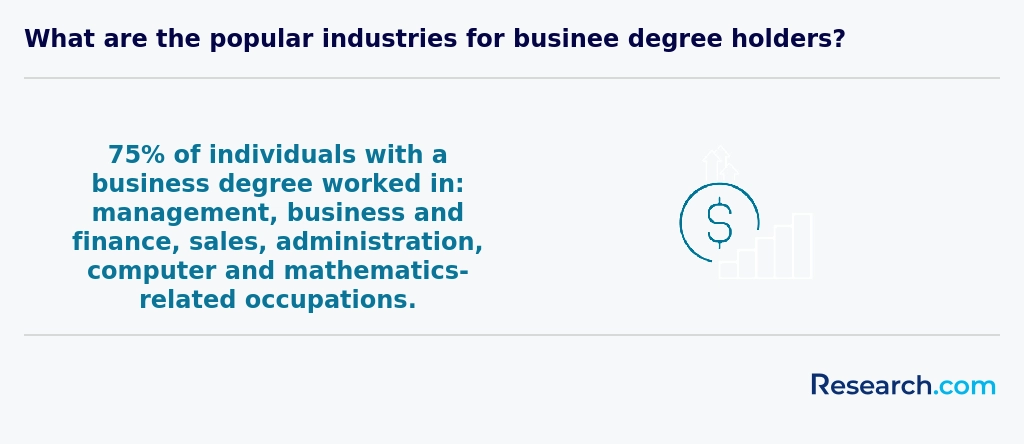
When considering an online business degree program, it's essential to weigh the advantages and disadvantages to make an informed decision. One of the significant advantages is flexibility, as online programs allow students to balance their studies with work and personal commitments. This flexibility is particularly beneficial for those living in rural areas or having full-time jobs, as they can access coursework and materials from anywhere. Another advantage is the cost-effectiveness of online programs, which often have lower tuition fees compared to traditional on-campus options. Additionally, online programs can provide access to a wider range of courses and specializations, as well as the opportunity to connect with a diverse group of students and instructors from different locations. However, one of the disadvantages is the potential lack of face-to-face interaction, which can make it difficult to build relationships with peers and instructors. Moreover, online programs require a high level of self-motivation and discipline, as students must be able to manage their time effectively and stay engaged with the coursework. Some students may also experience technical issues or difficulties with online platforms, which can hinder their learning experience. Despite these challenges, many students find that the benefits of online business degree programs outweigh the drawbacks, and with the right mindset and support, they can achieve their academic and career goals.
Many online business students in the Midwest find financial aid by completing the FAFSA, unlocking access to Pell Grants and federal loans. Graduates from schools like the University of Illinois and Ohio State appreciate how Pell Grants, offering up to $7,395 annually, lightened their financial burden without requiring repayment. Others have relied on Direct Subsidized Loans during their studies, benefiting from interest-free periods while focusing on coursework.
State grants also play a crucial role. For instance, students attending Michigan State University often tap into state-specific programs like the Illinois MAP grant, which can cover a large chunk of tuition. Institutional scholarships at these universities reward academic merit and leadership, giving students a feeling of pride and recognition beyond the classroom.
Working professionals pursuing degrees online frequently share how employer tuition assistance eased stress, allowing them to balance work and study. In addition, private scholarships from regional groups such as the Midwest Business Alliance prove encouraging, offering targeted support that creates a strong sense of community among business students.
As the landscape of business education continues to evolve, online programs are increasingly incorporating emerging technologies and innovative teaching methods to stay ahead of the curve. Today's students are not only learning traditional business principles but are also gaining insights into digital transformation, data analytics, and artificial intelligence – skills that will define the future workplace. Key trends include:
- Enhanced Digital Learning Platforms: Institutions are investing in interactive, user-friendly platforms that integrate virtual reality, gamification, and real-time collaboration to simulate dynamic business environments.
- Integration of AI and Big Data: Courses are evolving to include AI-driven analytics and big data management, ensuring graduates are prepared to make data-backed decisions in real-world scenarios.
- Flexible and Modular Learning: With the rise of micro-credentials and stackable certificates, students can now tailor their education to meet specific career goals while balancing their professional and personal lives.
- Increased Employer Partnerships: Many programs are forming strategic alliances with industry leaders, offering students practical experiences and direct pathways to internships and job placements. Moreover, research indicates that affordability remains a critical factor in program choice. For further insights into educational value and cost-effective options, check out most affordable colleges for online business degree programs. By staying informed about these trends and leveraging innovative study techniques, prospective students can make well-informed decisions that align with both current market demands and their long-term career aspirations.
Many graduates recall that the first step to enrolling in an online business degree in the Midwest is meeting foundational academic requirements. Typically, this means having a high school diploma or GED, which signals readiness for university-level work. At schools like the University of Illinois or Ohio State University, applicants sometimes face the choice of submitting SAT or ACT scores due to test-optional policies, easing stress and allowing their whole application to shine.
Official transcripts from high school or previous colleges are essential, particularly for those transferring credits. These documents help admissions teams understand your academic journey and how it aligns with business studies. Graduates often mention that proving proficiency in math and English through placement tests or prior coursework helped them feel confident they could handle the curriculum.
Beyond academics, sharing a personal statement or recommendations about your motivation and experience adds a valuable human element. For working professionals, highlighting relevant job experience can deepen your application and connect your real-world skills to your educational goals. Reliable internet and comfort using digital platforms are also crucial, as these ensure smooth participation in all online classes.
- Flexible learning formats that let you balance work, family and studies
- Lower tuition and cost of living compared to coastal programs
- Strong ties to regional industries in finance, manufacturing and healthcare
- Practical curriculum tailored to Midwestern economic hubs like Chicago and Minneapolis
- Clear pathway to advanced credentials: graduates can build on their bachelor’s with affordable online executive mba programs
Graduates from well-known Midwestern universities often recall how courses in management laid a solid foundation, helping them understand leadership in familiar regional contexts like Chicago's bustling corporate offices or Minneapolis's innovative startups. These classes cover essential topics such as organizational behavior and effective leadership strategies, which proved invaluable when stepping into real-world roles.
Finance courses typically embrace practical skills in financial accounting and investment analysis, reflecting the economic realities of industries prominent in the Midwest, such as manufacturing and agriculture. Alumni frequently share how mastering these concepts empowered them to make confident decisions, whether managing budgets for local businesses or evaluating investment opportunities.
Marketing classes engage students with market research and digital marketing techniques tailored to today's economy, often using case studies from Midwest companies adapting to online trends. This hands-on approach resonates deeply with those balancing studies and work, providing tools directly applicable to their communities.
Additional subjects like business law, ethics, and international business further enrich the curriculum, preparing students for diverse challenges. Specializations, from supply chain management to entrepreneurship, reflect the region's economic diversity and inspire many to pursue careers that align with their passions and local market needs.
Students pursuing an online business degree in the Midwest often encounter a rich variety of specializations tailored to the region's economic landscape. Graduates from popular universities in the area frequently share how concentrating in finance equips them with strong skills in investment analysis, benefiting from the Midwest's financial institutions and growing corporate headquarters. Another common path is marketing, where immersive courses in digital marketing and brand management prepare them to thrive in the Midwest's expanding tech and retail sectors.
Management remains a favored specialization, focusing on leadership and strategic planning that alumni find applicable across manufacturing and healthcare industries prevalent in the region. Meanwhile, accounting is appreciated for its affordability and steady demand, with many programs including CPA preparation which proves essential for graduates seeking long-term career stability. Those intrigued by logistics gravitate to supply chain management, capitalizing on the Midwest's strategic role in distribution and transportation hubs. These diverse Midwest online business degree concentrations genuinely reflect real-world opportunities, empowering students to align education with regional strengths and personal aspirations.
For those considering advanced studies, exploring a low-cost doctorate in business administration can be a worthwhile investment in deepening expertise and leadership skills.
Choosing the best online business degree in the Midwest means prioritizing accreditation from agencies like AACSB or ACBSP to ensure your education stands out. Graduates from well-known Midwestern universities often reflect on how strong faculty expertise and relevant curriculum helped them gain confidence and practical skills. Affordability is equally important; many find that affordable online business degrees in Midwest schools offer a greater value, especially when tuition covers all necessary fees. One graduate shared how the flexible scheduling of a major state university's online program allowed balancing work and family seamlessly.
Look beyond just cost and accreditation. Real-world success stories from graduates show the advantage of programs with specializations aligned to Midwest industries such as manufacturing and finance, offering clear paths to employment. Also, consider schools that provide robust support services for online learners and maintain active alumni networks within the region. For those seeking cost-effective options, explore the Cheapest Online Business Degree Programs Ranking in Oklahoma to discover competitive programs tailored to regional students.
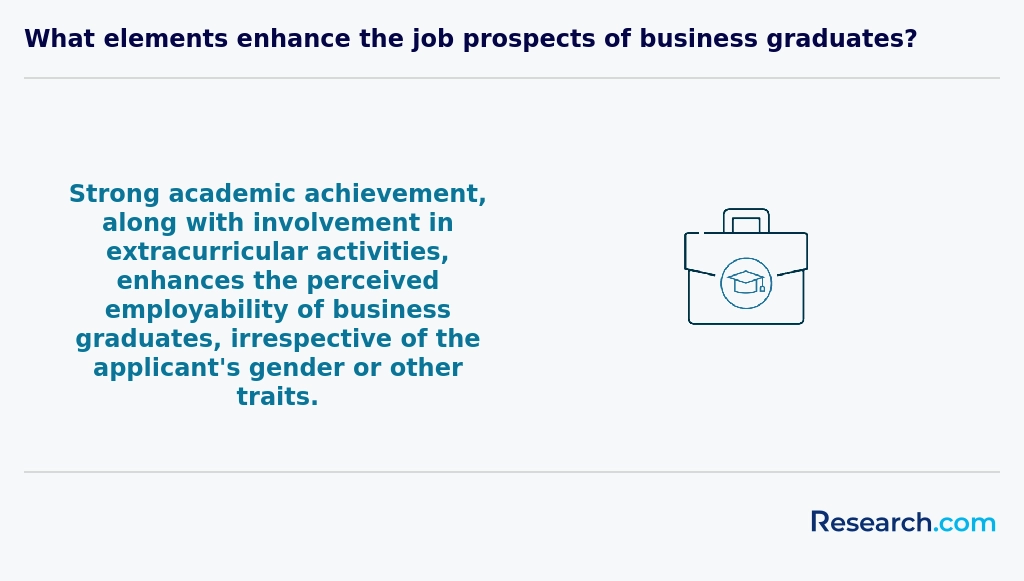
Graduates with an online business degree in the Midwest often find themselves stepping confidently into management roles, drawing on lessons learned from programs at well-known institutions like the University of Illinois or Indiana University. Many appreciate how their coursework prepared them to lead projects or teams in manufacturing firms or regional corporations, providing a sense of accomplishment as they help shape local businesses.
Others discover rewarding opportunities in finance and accounting, especially in financial centers like Chicago or Minneapolis, where employers value the practical skills honed during studies. Business students report feeling empowered as financial analysts or auditors, applying analytical insights to real-world challenges. The variety of business degree job opportunities Midwest adds a layer of reassurance for students wondering about job stability and growth.
Entrepreneurial ventures also thrive here, supported by growing startup ecosystems around campuses such as the University of Wisconsin-Madison. Graduates often describe excitement in launching their own ventures or joining innovation hubs, encouraged by the region's supportive infrastructure. Students mindful of costs frequently explore options for the most affordable online associate's degree, balancing investment and career growth effectively.
The job market for online business degree graduates in the Midwest offers promising career paths across diverse sectors such as manufacturing, finance, healthcare, and technology. Graduates from well-known business programs at universities like those in Chicago or Minneapolis report feeling confident stepping into roles demanding business analytics, management, or marketing skills. This reflects the real demand that employers have for flexible learners who can thrive in hybrid or remote settings.
Midwestern metropolitan areas provide vibrant opportunities: Chicago's financial sector, Minneapolis's healthcare and retail businesses, and Indianapolis's logistics and manufacturing fields all actively recruit business graduates. Many students find that the stability and steady growth of these markets make the Midwest an ideal place to start or advance a career in business.
Those considering the financial investment in their education often discover that tuition costs here are generally reasonable, especially at top accredited non-profit online colleges. Business students appreciate how this balance of affordability and opportunity enhances the overall value of their degree. The outlook for an online business degree job outlook Midwest is encouraging and rooted in genuine demand for adaptable professionals.
2027 Most Valuable Online Bachelor's in Business Degree Programs Ranking in the Midwest
Investing in your education is a significant decision that can shape your career and future, and the Research.com team recognizes the importance of making well-informed choices. To assist prospective students in the Midwest, we have carefully developed the "2027 Most Valuable Online Bachelor's in Business Degree Programs Ranking in the Midwest." Our dedication to quality, credibility, and accuracy is demonstrated through rigorous research and thorough analysis.
We utilized the following reputable data sources to ensure a comprehensive evaluation of online business degree programs:
By exploring this ranking, readers will gain valuable insights into the most worthwhile online business programs in the Midwest, helping them make confident and informed decisions about their educational investments. For more information on how this ranking was created, please visit our Research.com methodology page.
# 1 position
Peru State College
Bachelor of Management


# 3 position
Bethel University, Minnesota
Bachelor of Business Management




# 13 position
Central Michigan University
Bachelor of General Business Administration: Applied Communications





Frequently Asked Questions About business
Online business degree students in the Midwest can maximize their learning by actively engaging in interactive course components such as discussion boards and group projects. These platforms foster collaboration and help build professional networks, vital for future career opportunities in the region's strong industries like manufacturing and finance.
Utilizing university career services and attending virtual networking events can significantly boost practical job readiness. According to the National Association of Colleges and Employers, 73% of employers value internship experience, which students can pursue through local businesses offering remote positions.
Staying disciplined with a consistent study schedule and leveraging multimedia resources provided in courses ensures deeper comprehension of concepts essential to succeeding in competitive Midwest markets.
Emerging niches within the business field are shaping how students in the Midwest approach their online degrees. Areas like data analytics and supply chain management are gaining momentum due to regional manufacturing and logistics hubs. According to the U.S. Bureau of Labor Statistics, jobs in data analytics are expected to grow by 25% through 2030, reflecting strong demand in Midwest industries.
Another rapidly evolving niche is sustainable business practices. Midwest companies increasingly focus on environmental responsibility, creating a need for experts well-versed in green business strategies. Additionally, fintech is expanding, given Chicago's status as a major financial center. These niches offer growing career opportunities for business graduates.
To prepare for the job market after completing an online business degree in the Midwest, students should focus on practical experience alongside their studies. Engaging in internships or cooperative education programs can significantly improve employability. According to the National Association of Colleges and Employers (NACE), employers value candidates with real-world business skills and internships.
Networking is crucial in Midwest business hubs like Chicago, Indianapolis, and Minneapolis. Joining professional organizations such as the Midwest Business Administration Association provides access to job fairs and mentorship opportunities.
Additionally, sharpening skills in data analysis and digital marketing aligns well with regional job growth sectors reported by the Bureau of Labor Statistics.
Employers in the Midwest prioritize a blend of technical and interpersonal skills in business degree graduates. According to the National Association of Colleges and Employers (NACE), strong communication skills top the list, with 85% of employers valuing the ability to effectively convey ideas. Analytical skills and proficiency in data interpretation are also critical, given the region's growing focus on manufacturing and logistics sectors.
Adaptability and problem-solving are highly sought, reflecting shifting economic conditions in states like Illinois and Ohio. Familiarity with digital tools such as Excel and enterprise resource planning systems is essential for new hires.
The Bureau of Labor Statistics reports that teamwork and leadership skills improve employment prospects by nearly 20%. This combination of soft and hard skills forms the core expectations of Midwestern businesses hiring graduates from online business programs.
Finding internships in the Midwest for business degree students involves strategic networking and leveraging university resources. Many Midwestern universities partner with regional companies, providing students access to internships in sectors like manufacturing, finance, and technology. The U.S. Bureau of Labor Statistics notes that states such as Indiana, Ohio, and Illinois have strong business job markets, increasing internship opportunities.
Students should utilize their school's career services and online job portals specializing in the Midwest market. Joining professional associations like the Midwest Business Student Network can also open doors. Additionally, attending local job fairs and engaging with LinkedIn connections focused on Midwestern businesses helps students find relevant internships.
Obtaining an online business degree in the Midwest can significantly enhance career mobility and advancement opportunities. According to the U.S. Bureau of Labor Statistics, the Midwest hosts numerous growing industries such as finance, manufacturing, and technology, all valuing business skills highly. An online degree offers flexibility for working professionals, enabling skill development without interrupting current employment. Employers in this region increasingly recognize accredited online programs from reputable universities, often leading to promotions or new job prospects.
Data from the Midwestern Higher Education Compact (MHEC) shows a 15% salary increase on average for graduates with business degrees within five years of completion. Furthermore, networking opportunities through online cohorts also support career growth by connecting students with regional business leaders and alumni.
Studying for a business degree online in the Midwest offers students unique preparation for interdisciplinary roles by combining core business knowledge with practical skills relevant across multiple fields. Many Midwest institutions emphasize collaboration between departments such as economics, information technology, and supply chain management. This approach aligns with the evolving demands in regional industries like manufacturing, agriculture, and logistics, which rely heavily on cross-functional expertise.
According to the Midwest Economic Development Corporation, nearly 60% of businesses in the region seek employees capable of blending business acumen with technical and analytical skills. Online programs often incorporate case studies and project-based learning to foster this real-world application.
Moreover, the strong emphasis on data analysis and communication in these curricula equips students to navigate interdisciplinary challenges effectively.
When choosing between a thesis and a non-thesis business degree program in the Midwest, consider your career goals and learning style. Thesis programs are research-oriented, ideal for students planning to pursue graduate studies or roles requiring strong analytical skills. Non-thesis programs focus on coursework and practical experience, appealing to those seeking immediate workforce entry.
The Midwest hosts many accredited business schools offering varied formats. According to the Association to Advance Collegiate Schools of Business, midwestern universities emphasize practical skills in non-thesis programs, reflecting regional employers' needs in industries like manufacturing and finance.
Review job placement rates and alumni outcomes from specific programs to make an informed choice aligned with your professional ambitions.
Students based in the Midwest interested in studying business abroad have growing opportunities through partnerships between regional universities and international institutions. Many Midwestern schools offering online business degrees also provide study-abroad programs or exchange options, enabling students to combine online coursework with global experience.
According to NAFSA (Association of International Educators), around 30% of US study-abroad participants come from the Midwest, reflecting a strong regional interest in international business education. Programs often focus on key global markets such as Europe, Asia, and Latin America to align with Midwest economic ties.
Universities including the University of Wisconsin and Ohio State University emphasize global business competencies in their online curricula, sometimes incorporating virtual international collaborations or short-term residencies overseas.
Part-time job opportunities in the Midwest that complement business degree education often focus on roles offering practical experience and networking in regional industries. Positions such as retail management assistant, marketing intern, and financial clerk are common and align well with core business skills.
According to the U.S. Bureau of Labor Statistics, the Midwest's strong manufacturing and service sectors create demand for business-savvy workers in supply chain, customer relations, and data analysis roles.
Internships or part-time work in local banks and insurance companies also provide valuable industry exposure. Such jobs enhance understanding of finance and risk management while balancing academic commitments.
The experience gained from these jobs can improve resumes and develop soft skills crucial for business leadership, making part-time work a strategic complement to an online business degree.
Online business students in the Midwest benefit from various networking opportunities despite studying remotely. Many universities offer virtual career fairs, connecting students with Midwest-based employers and alumni. For example, institutions in Illinois and Ohio host annual online networking events that attract over 1,000 regional business professionals.
Students can also join local chapters of national organizations such as the Midwest Business Association, which provides access to workshops, mentorship, and events tailored to regional economic sectors like manufacturing and agriculture. According to the U.S. Bureau of Labor Statistics, these industries employ significant portions of the Midwest workforce, enhancing relevant professional connections.
Additionally, partnerships between online programs and local chambers of commerce provide students with opportunities to engage in live webinars and community projects. Such initiatives foster meaningful relationships and practical insights into the Midwest business environment.
Alumni networks play a crucial role for online business degree students in the Midwest by providing access to valuable professional connections. These networks facilitate mentorship opportunities, which can be especially important for students balancing studies with remote learning. According to the National Association of Colleges and Employers, 85% of jobs are filled through networking, highlighting the importance of alumni connections.
The Midwest hosts many regional business hubs like Chicago, Minneapolis, and Indianapolis, where alumni networks help graduates tap into local markets. Being part of an active alumni community can increase access to internships, job openings, and industry events, helping students build practical experience.
Moreover, alumni often share advice about navigating specific Midwestern industries, including manufacturing and finance, offering guidance tailored to the region's economic landscape.
Midwestern online business degree programs often offer a variety of concentrations, allowing students to tailor their studies to specific career goals. Common specializations include marketing, finance, supply chain management, and entrepreneurship. Many universities in the region, like Indiana University and the University of Minnesota, provide elective courses and certificate options to deepen expertise in chosen areas.
Students can also select internships or practical projects aligned with local industries such as manufacturing, agriculture, and technology, which dominate the Midwest economy. According to the Bureau of Labor Statistics, these sectors continue to grow, creating diverse job opportunities for graduates. Additionally, flexible course scheduling allows working adults to balance education with professional demands.
Finally, leveraging academic advising services can help students create individualized plans that meet both educational requirements and career aspirations, enhancing employability in competitive Midwestern markets.
Online business students in the Midwest often face challenges related to balancing coursework with work and family commitments. According to the National Center for Education Statistics, many adult learners in the region juggle full-time jobs alongside their studies. Limited access to reliable high-speed internet in rural Midwestern areas can also hinder smooth participation in online classes.
Another common difficulty is the lack of networking opportunities compared to traditional on-campus programs. Students may struggle to build professional connections vital for career advancement.
Additionally, ensuring that online degrees are properly accredited remains a concern for prospective employers and students alike.
An online business degree from a Midwestern university opens diverse certification opportunities that can enhance career prospects. Popular options include the Certified Management Accountant (CMA) and the Project Management Professional (PMP), both highly respected in the region's manufacturing and finance sectors.
Many graduates also pursue the Certified Business Analysis Professional (CBAP), given the growing demand for analysts in Midwest industries. Additionally, the Certified Financial Planner (CFP) is ideal for those focusing on finance or banking careers, prominent in cities like Chicago and Minneapolis.
According to the U.S. Bureau of Labor Statistics, obtaining these certifications can increase earning potential by 10-20% and improve job stability within the Midwest market.
Writing a winning application for an online business degree program in the Midwest requires clear preparation and understanding of what admission committees expect. First, emphasize your professional experience or academic achievements related to business, as many programs value practical skills. According to the National Center for Education Statistics, Midwest business programs typically seek candidates with a GPA of 3.0 or higher, though this varies.
Highlight your motivation for choosing an online format and a Midwest-based program, stressing flexibility and regional economic ties, such as the strong manufacturing and agricultural business sectors in states like Illinois and Ohio. Including specific goals aligned with these industries can strengthen your application.
Strong letters of recommendation and a well-written personal statement that clearly outline your career objectives and how the program fits into them are crucial. According to the U.S. Department of Education, nearly 40% of online learners select Midwestern universities due to affordability, so demonstrating awareness of tuition and financing options may also boost your profile.
Global perspectives on a business career emphasize adaptability, cultural awareness, and technological proficiency. For students in the Midwest, understanding international markets is increasingly vital as the region hosts diverse industries with growing export activities. According to the U.S. Census Bureau, Midwestern states contribute significantly to global trade, especially in manufacturing and agriculture sectors.
Online business degrees in the Midwest often incorporate global case studies and cross-cultural communication skills to prepare graduates for worldwide challenges. The demand for professionals who can navigate global supply chains and international finance continues to rise.
The U.S. Department of Education highlights that employers value candidates with global business insight, which can enhance career opportunities both locally and internationally.
Gaining practical experience while pursuing an online business degree in the Midwest is essential for career readiness. Many Midwestern universities incorporate virtual internships, allowing students to work with local companies remotely. For example, institutions in Illinois and Ohio often partner with regional businesses in finance and manufacturing, two leading sectors in the area, according to the U.S. Bureau of Labor Statistics.
Students can also participate in case competitions and live project courses offered by schools like Indiana University and Michigan State University. These opportunities simulate real business challenges and foster strategic thinking.
Additionally, networking via school-sponsored events and professional groups such as the Midwest Business Administration Association can connect students to mentors and job opportunities in key Midwestern markets like Chicago and Minneapolis.
Choosing the right concentration within an online business degree in the Midwest depends on your career goals and local market demands. The Midwest economy has strong sectors in manufacturing, finance, and agriculture, so concentrations like supply chain management, finance, or agribusiness often offer robust job opportunities. According to the U.S. Bureau of Labor Statistics, finance roles in Midwestern cities such as Chicago and Minneapolis are expected to grow by 5% through 2030.
Consider programs accredited by the Association to Advance Collegiate Schools of Business (AACSB) for quality assurance. Research courses aligning with emerging skills such as data analytics or digital marketing, which are increasingly valued across Midwest industries.
See What Experts Have To Say About Studying Business
Read our interview with Business experts

David W. Stewart
Business Expert
Emeritus President's Professor of Marketing
Loyola Marymount University

Ingrid S. Greene
Business Expert
Clinical Assistant Professor of Management
Loyola Marymount University

David Souder
Business Expert
Senior Associate Dean for Faculty and Research
Michigan State University

- Skills Employers Look for in Business Graduates – EU Business School https://www.euruni.edu/blog/skills-employers-look-for-in-business-graduates/
- 8 Best Places to Study Abroad for Business [+ How to Choose] https://www.semesteratsea.org/study-abroad-for-business/
- The Seven Biggest Challenges Faced by Student Entrepreneurs https://venturewell.org/blog/five-biggest-challenges/
- Illinois College | 100% Online Business Bachelor’s Degrees https://online.ic.edu/business/
- How to Find a Job with an International Business Degree - Hunter Recruiting https://www.hirecruiting.com/newsroom/how-to-find-a-job-with-an-international-business-degree/
- The 6 Best Places to Study Abroad for Business Students https://www.ciee.org/go-abroad/college-study-abroad/blog/6-best-places-study-abroad-business-students
- Know more about thesis vs non- thesis: what is the difference? https://studyfans.com/en/blogs/816
- Associate of Applied Science in Business Administration https://mccollege.edu/associate-of-applied-science-in-business-administration/
- 5+1: Five challenges facing business schools and one solution https://charteredabs.org/insights/opinion/51-five-challenges-facing-business-schools-and-one-solution
- What Employers Really Think About Online Business Degrees | ACE Blog https://ace.edu/blog/what-employers-think-about-online-business-degrees/