2026 Online Project Management Degrees With Change Management Coursework

Co-Founder and Chief Data Scientist
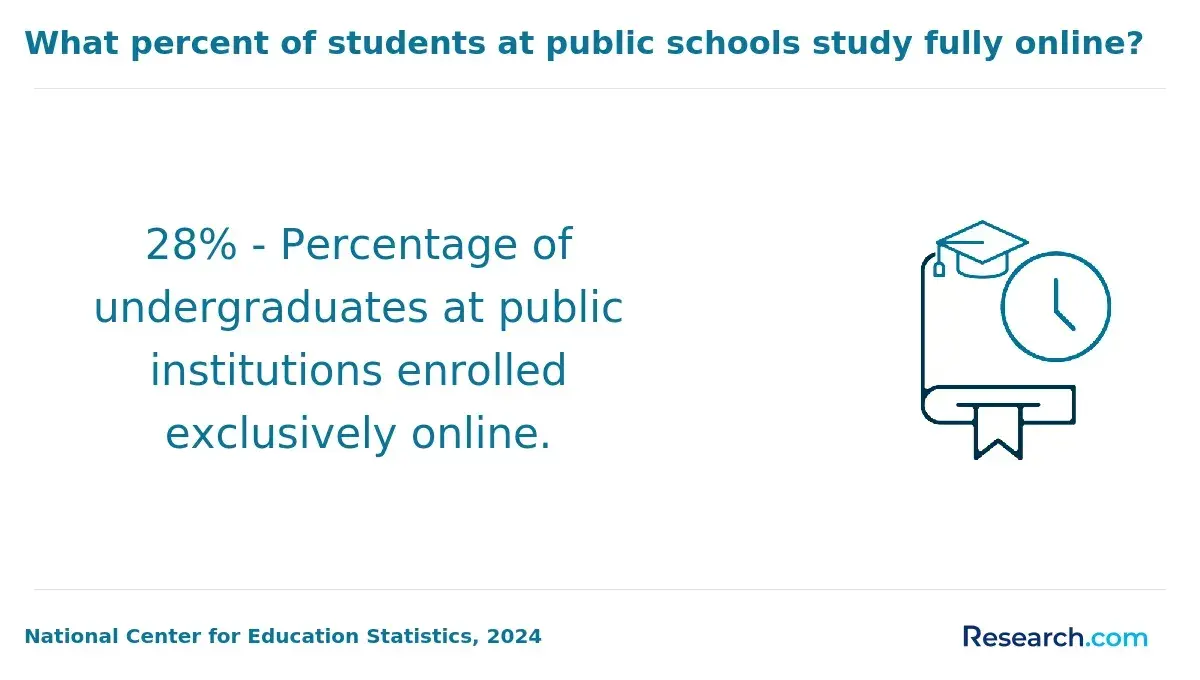
Juggling full-time work while pursuing advanced project management credentials often stalls progress for mid-career professionals aiming to lead organizational change. Many encounter rigid program schedules and scarce options for integrating change management coursework, an essential skill set, as 69% of projects globally now fail due to people-side issues, according to recent PMI research. The growth of online education, which saw a 6.5% enrollment rise in 2024 per the National Center for Education Statistics, reflects a shift toward flexible learning paths crucial for those balancing professional demands. This article assesses the best online project management degrees that include change management classes, helping prospective students identify programs that align with their career timing and skill needs.
Key Things You Should Know
- Graduates with change management coursework in project management degrees show 18% higher early-career salary growth, but programs extend average completion time by six months, increasing opportunity cost risk per U.S. Department of Education data.
- Employers report 62% preference for candidates combining project and change management skills, emphasizing adaptability in hybrid workflows, signaling elevated hiring standards from the 2024 PMI Talent Gap Report.
- Access disparities remain acute: 41% of programs with integrated change management are concentrated in private institutions, inflating costs by 25% compared to public counterparts, restricting affordability for mid-career pivoters, per NCES statistics.
What is an online project management degree with change management coursework, and who is it best for?
Integrating change management training within an online project management degree addresses a critical gap many programs overlook: managing the human factors that influence project outcomes. For instance, a healthcare IT project manager rolling out new electronic records software must balance intricate technical workflows while actively mitigating staff resistance. This practical skill set is essential in sectors like technology, construction, and financial services, where delays and budget overruns often stem from inadequate change adoption.
Employment growth for project management roles is projected at 6.1% through 2034, reflecting high market demand for candidates competent not just in delivering projects but in guiding organizational change. Graduates lacking change management expertise risk stalling before leadership roles that require cross-departmental influence and sustained employee engagement during transitions. This reality heightens the importance of selecting the best online project management programs with change management focus, emphasizing frameworks such as ADKAR or Kotter's 8-Step Process and their application in risk mitigation for resistance.
Online delivery models support working professionals needing flexible scheduling, but the quality of change management content varies widely. Prospective students should critically evaluate programs to avoid superficial leadership electives masquerading as substantive change coursework. Those seeking combined expertise might also consider related online credentials, such as the best 2 year construction management degree online, which can complement knowledge of organizational transitions in project environments.
Embedding this dual focus in a degree prepares project managers to manage not only processes and milestones but also the softer dynamics that determine project success.
How do online project management programs compare with on-campus options for flexibility and learning quality?
Choosing between online and on-campus project management degrees involves weighing significant tradeoffs that directly impact professionals balancing work and study. Online project management degrees flexibility comparison shows the online format caters especially well to mid-career professionals managing complex, cross-time-zone teams while maintaining full-time jobs. This flexibility, however, demands high self-discipline and initiative.
Learning quality differences between online and on-campus project management programs often manifest in mentorship and networking opportunities. Accredited online programs increasingly replicate traditional curricula using interactive case studies and virtual collaboration, delivering comparable rigor. Still, on-campus options frequently provide immediate, face-to-face access to faculty and localized industry connections, which can be critical for students valuing direct mentorship or regional networks.
Employers prioritize skills and credentials over delivery mode, with programs integrating change management proving particularly valuable for navigating evolving organizational dynamics. Graduates from top online programs have reported mid-career earnings up to $221,872 in senior roles, reflecting parity with traditional paths. Students should assess professional obligations and networking preferences to select the mode aligning with their strategic goals.
Prospective students seeking foundational credentials may consider a bachelor's degree in project management as a practical starting point, especially given the variety of flexible online options available.
Which accreditations should online project management degrees have to be recognized by U.S. employers?
Accreditation remains the primary filter U.S. employers use to validate project management degree accreditation recognized by U.S. employers, directly affecting candidate eligibility in change management and leadership roles. Programs accredited regionally-by entities such as Middle States, WASC, or the Higher Learning Commission-signal adherence to rigorous academic standards. Without this foundational accreditation, degrees risk being discounted or overlooked, especially when applicant volume drives recruiter reliance on automatic screening tools.
Supplementing regional credentials, specialized accreditation from bodies like the Project Management Institute's Global Accreditation Center (PMI-GAC) aligns curricula with industry best practices in risk control, stakeholder engagement, and change adoption frameworks. Employers actively recruiting for change management-focused positions prefer graduates from PMI-GAC-accredited programs, as these candidates typically require less onboarding and deliver more consistent project outcomes.
Financial returns from well-accredited programs underscore practical implications: New York University's master's in business and management delivers a lifetime adjusted ROI of $256,342, whereas a less accredited equivalent from Boston University shows a negative ROI of $-160,094 after costs. This contrast illustrates how accreditation quality directly shapes long-term employability and earning potential. Prospective students weighing educational investments should compare these outcomes alongside institutional credentials.
Given these considerations and the increasing emphasis employers place on verified qualifications, students should rigorously verify both institutional and program accreditations before enrolling. For those seeking expedited education pathways, options like the fastest online master's in healthcare management can offer additional practical advantages.
Best accrediting bodies for online project management programs in the United States operate as gatekeepers balancing academic rigor with workforce relevance, making accreditation validation essential for meaningful, strategic career pivots.
What change management courses are typically included in online project management curricula?
Change management courses in online project management programs prioritize frameworks such as ADKAR and Kotter's 8-Step Process, yet their practical value depends on industry-specific applicability. For instance, healthcare and IT sectors require nuanced communication strategies tailored to diverse workforce mindsets-skills emphasized in a typical change management curriculum in online project management degrees. Students also confront risk management linked with change readiness, measurement aligned to change goals, and mitigation of resistance to avoid costly project delays.
Real-world employers often expect candidates to demonstrate both theoretical understanding and applied methods, especially in complex environments undergoing rapid change. Manufacturing settings provide a concrete example where lean principles combine with change management tactics to ensure process improvements proceed without operational downtime. This intersection highlights a tradeoff: programs with deeper specialization in these areas often come with higher tuition, as seen in ranges from $11,529 to $95,697 across U.S. institutions. Prospective students should carefully evaluate whether more costly programs offer the targeted skills and certifications their sectors demand.
Choosing relevant coursework also involves recognizing that some industries mandate change management credentials alongside project management skills for leadership roles. Understanding these workforce requirements sharpens the purpose of these courses beyond theory. For individuals pursuing significant shifts through credentials like an online project management degree, integrating change management coursework strategically can enhance adaptability and leadership potential. Those comparing educational pathways may also find value in resources such as finance degree online to contextualize their broader career options.
What admission requirements and prerequisites do online project management programs usually expect?
Admission requirements for online project management degrees reflect varied workforce realities often determining a program's fit for a candidate. A bachelor's degree in business, engineering, or related fields with a GPA near 2.5 to 3.0 is the baseline, ensuring sufficient academic preparation. However, quantitative skills from coursework in statistics or business fundamentals are increasingly essential to navigate analytical program content.
Work experience prerequisites, typically one to three years of project or team leadership, are common in programs focusing on change management. Employers prioritize these skills; for example, PMI's 2024 Pulse of the Profession notes organizations with mature change-management capabilities complete 71% of projects on time versus 33% otherwise. Applicants without this background may struggle to integrate theory with practical challenges.
Standardized tests like the GRE or GMAT sometimes factor into admission but are often waived for those with relevant experience or advanced credentials such as PMP or CAPM certifications. These credentials boost applications by signaling demonstrated expertise.
The tradeoff for working professionals lies in selecting programs aligned with career goals: stricter prerequisites often correlate with stronger industry preparation, particularly in sectors like IT and construction where project success hinges on structured change management. Conversely, less restrictive programs may facilitate career pivots but tend to extend time to degree due to remedial coursework requirements.
How long do online project management degrees take and what do they typically cost?
Choosing an online project management degree demands weighing the substantial time and financial investments against tangible career benefits. Bachelor's degrees typically require around four years, while master's programs average two years full-time, though part-time and accelerated options shift these timelines. Tuition varies widely, from $15,000 for public institutions to upwards of $60,000 for private and top-tier graduate programs, reflecting differences in curriculum depth and faculty expertise.
Real economic impact becomes clearer when examining earnings data: full project management master's graduates report median salaries between $74,953 and $221,872, significantly outpacing certificate holders whose income gains remain uncertain due to limited tracking and narrower employer recognition. This distinction matters most for professionals targeting senior roles-such as program directors in healthcare or IT-where employers prioritize comprehensive knowledge and leadership capacity over credential length alone.
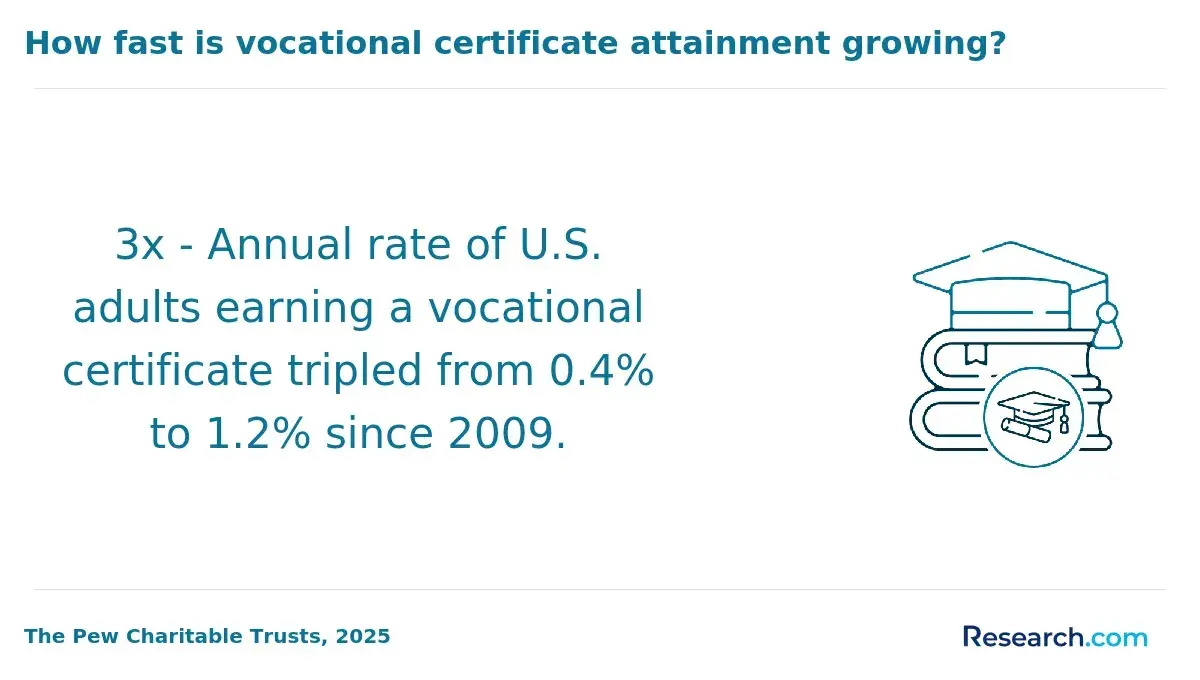
Deciding between shorter certificate pathways and full degrees also involves considering practical constraints. Part-time degree formats can better accommodate working professionals seeking incremental advancement with clearer long-term salary upside, while certificates often suit those pursuing narrow skills without guaranteed ROI. Employers typically favor degrees for roles demanding cross-functional coordination and strategic change leadership.
Ultimately, the decision should align with industry expectations, personal career trajectory, and capacity to commit time and resources rather than chasing the quickest or cheapest option.
What project management and change management careers can these degrees prepare you for?
Degrees combining project management and change management offer a distinct advantage in roles that demand both structured execution and adaptive transformation. For instance, a healthcare IT project manager must integrate change management strategies to secure user adoption and compliance, contrasting with an Agile project lead in finance who focuses on iterative development while maintaining legacy system stability. Demand for these hybrid roles is growing 2.5 times faster than traditional waterfall-only positions, driven by organizations' need to minimize resistance and accelerate adoption.
This pathway equips graduates to navigate both Waterfall and Agile frameworks, engage stakeholders, and implement technology-driven change across industries like manufacturing, technology, and government. However, students should anticipate challenges such as concurrently obtaining certifications like PMP or Prosci, plus building experience with Agile tools (e.g., JIRA, Trello) that exceed what most coursework covers. Industry-specific nuances also influence suitability: engineering sectors require rigorous risk management, while marketing emphasizes communication strategies.
Professionals pursuing this combined expertise enhance their prospects for leadership roles that blend execution with advocacy, which can elevate employability and salary potential. This dynamic reflects shifting workforce demands detailed in PMI's 2024 Talent Gap report, underscoring that success depends on strategic skill integration and practical experience beyond degree completion.
What salary ranges and advancement opportunities exist for project and change management roles?
Project and change management compensation varies notably by industry and experience, with technology and healthcare sectors offering $110,000 to $130,000 annually, while construction and manufacturing roles often remain between $70,000 and $90,000. These disparities reflect underlying differences in complexity, stakeholder engagement, and industry growth trajectories. For professionals targeting leadership roles, mid-career salaries push beyond six figures, recognizing demonstrated ability to deliver transformation outcomes.
Advancement typically requires progression from entry-level positions such as project coordinator to senior project or program manager roles before ascending to director or VP level, where strategic enterprise influence is expected. Notably, a majority of master's-level students entering project/change management programs bring five or more years of leadership experience, indicating that these degrees facilitate credential upgrades rather than initial qualification.
Transitioning from technical project management to change management, especially within Fortune 500 firms undergoing digital transformation, demands proven stakeholder alignment and risk management competencies. The best online business degree embedding change management coursework can address skill gaps but cannot replace the value of real-world results.
Key career tradeoffs include:
- Without at least five years of experience, salary growth and role eligibility plateau despite academic credentials.
- Networking within industry ecosystems and validated credentials are crucial but insufficient without measurable ROI on transformation projects.
- Hands-on leadership exposure combined with formal education aligns best with employer expectations for executive-level roles.
How do professional certifications like PMP and change management credentials align with these degrees?
Employers increasingly expect project management degrees to be paired with professional certifications like PMP or change management credentials to validate real-world capabilities beyond academic theory. The PMP certification signals proficiency in managing complex schedules, budgets, and risks, which employers cannot infer from degree completion alone. Change management certificates provide a practical framework for leading organizational transitions, an area often covered theoretically but less rigorously in many online degree programs.
A healthcare IT professional, for example, combining an online project management degree with PMP certification, enhances eligibility for leadership in multi-million-dollar electronic health record rollouts, where regulatory precision and process rigor are mandatory. In contrast, technology startups demand agility and cultural adaptability, making change management credentials especially valuable when paired with formal education.
Recent employer surveys show rising acceptance of online master's degrees-70% regard them as equivalent to on-campus programs for project management roles-but certifications remain a distinguishing factor in hiring decisions. Hiring managers look for candidates demonstrating standardized competencies alongside academic credentials.
Strategic timing is crucial: pursuing certifications within one to two years after degree completion optimizes marketability and counters evolving industry expectations. This combination addresses real hiring filters that favor verified expertise over degree credentials alone and supports ongoing skills validation amid shifting project methodologies.
How can you evaluate and choose a reputable online project management program focused on change management?
Selecting an online project management program with a focus on change management demands scrutiny beyond course listings. Employers increasingly seek candidates who can navigate industry-specific challenges-whether in healthcare, technology, or manufacturing-and apply strategic leadership to complex transformations. Programs that integrate real-world case studies aligned with these sectors better prepare graduates for nuanced roles like PMO leads or portfolio managers.
Outcomes data clarify the impact: graduates entering combined project management and strategy roles achieve median salaries from $175,000 to $192,000 at institutions such as USC and Georgetown, indicating the tangible return on targeted education. However, salary alone doesn't capture the employer's emphasis on faculty with direct industry experience or program accreditations from PMI or AACSB, which validate curriculum rigor and relevance.
Flexibility in delivery affects working professionals significantly; asynchronous coursework with scheduled live sessions balances learning needs with networking demands. Further, some sectors mandate certifications like PMP or Prosci alongside degrees, so programs that facilitate or embed these credentials confer advantage in competitive markets.
Assess programs for employer partnerships or internships that provide change-centric project exposure-this practical experience often determines employability beyond marketing claims. Evaluating alumni success metrics and job placement rates offers critical evidence of a program's workforce alignment, framing a realistic view of how effectively it supports career pivots or deeper strategic advancement.
Other Things You Should Know About Project Management
Recognition depends largely on the program's accreditation and curriculum rigor rather than delivery mode. Employers prioritize evidence of applicable skills, hands-on experience, and familiarity with change methodologies over whether the degree was earned online or in person. Candidates from online programs should highlight practical projects and relevant internships to offset any bias about the learning format.
Specialized change management coursework offers direct relevance for roles focused on organizational transformation and strategic change initiatives, increasing employability in sectors with high disruption rates. However, a broader project management curriculum provides versatility for various industries and roles. Prioritize specialization only if you are targeting employers or roles requiring deep change management expertise.
Hybrid programs can deliver a stronger network-building experience and access to in-person resources but often demand geographical proximity and stricter scheduling. Fully online degrees maximize flexibility and accessibility, benefiting those balancing family or work commitments but can reduce face-to-face engagement opportunities. Select the format aligning with your need for flexibility versus the value you place on direct interaction and campus resources.
References
- PMP Certification https://projectmanagementacademy.net/pmp-certification-process
- Diverse Applications and Careers With a Degree in Project Management https://www.ucumberlands.edu/blog/diverse-careers-with-a-degree-in-project-management
- Certified Project Manager Academy Institute MPM Accredited Institute Project Management Certifications ACAPM ® Certified Project Manager https://www.americanacademyofprojectmanagement.com/
- What is the Best Change Management Certification? https://apmg-international.com/article/what-best-change-management-certification
- Best Change Management Certifications for 2026 https://www.6sigmacertificationonline.com/best-change-management-certifications/
- Certified Project Manager Institute Accredited Institute Project Management Certifications ACAPM ® Certified Project Manager - Academy of Project Management Institute http://aapmglobal.com/Certified-Project-Manager-International-Master-Project-Manager-Training-Project-Management-Certification-Designation-Qualification-Designation-In.html
- Change Management Career Path & Salary | All You Need to Know – OCM Solution https://www.ocmsolution.com/change-management-career-path/
- Preparing for your career in project management: changing careers and returning to work https://www.apm.org.uk/jobs-and-careers/preparing-for-your-career-in-project-management-changing-careers-and-returning-to-work/
- Project Management Degree Vs Certification: Which is Best for You? https://pmoglobalinstitute.org/project-management-degree-vs-certification/
- Is Online Learning Here to Stay? Trends & Insights for 2026 https://www.calmu.edu/is-online-learning-here-to-stay-trends-insights-for-2026