2027 First Management Roles for Field Professionals Moving Into Office Leadership

Co-Founder and Chief Data Scientist
Field professionals transitioning into office leadership within construction management often confront a glaring proficiency gap: mastering financial oversight, contract negotiation, and strategic planning, skills rarely honed onsite. With 35% of construction management students enrolling as adult learners balancing work and family, according to the National Center for Education Statistics, flexible program formats have become nonnegotiable for career advancement.
Rigid full-time models clash with industry demands for immediate leadership capability, forcing many to defer promotion or settle for inadequate preparation. This article investigates practical educational strategies and program structures that enable field experts to secure their first management roles efficiently, addressing both timing and skill acquisition challenges.
Key Things You Should Know
- Field professionals moving into office leadership face a tradeoff between specialized technical experience and formal leadership education, with 58% of executives in construction management roles lacking advanced degrees yet expected to deliver complex project oversight, per the U.S. Bureau of Labor Statistics 2024.
- Employers increasingly prioritize interdisciplinary skills: 67% of surveyed firms in FMI's 2024 report demand early managerial roles to demonstrate budgeting and communication acuity beyond field expertise, reshaping workforce development strategies.
- Time-to-promotion lengthens by an average 18 months when transitioning via part-time education paths versus accelerated programs, creating critical cost implications for professionals balancing earnings loss against credential acquisition, according to the National Center for Construction Education and Research.
What are the first management and office-based leadership roles available to experienced field construction professionals?
Field construction professionals moving into office leadership often begin in roles like project coordinator, assistant project manager, or site superintendent, positions that demand a shift from direct supervision to skills in scheduling, budgeting, contract administration, and team coordination. An assistant project manager, for example, must oversee subcontractor performance and procurement logistics-tasks that require a deeper understanding of project delivery beyond site-level operations. This transition typically happens as a first management role for field construction professionals, where practical site knowledge must blend with new administrative responsibilities.
Office leadership positions for experienced construction field workers also require proficiency in documentation workflows, regulatory compliance, and client communication-areas unfamiliar to many who move inside. Mastery of technical specifications and financial data interpretation often hinges on targeted education, making credentials like construction management degrees online a strategic consideration for those balancing work and study.
The median annual wage for construction management roles was $122,090, over twice the median for all U.S. occupations. This differential reflects the premium employers place on candidates who combine field expertise with administrative and strategic skills. However, this pivot entails tradeoffs such as reduced direct control over daily operations and heightened accountability for costs and schedules, underscoring the need for leadership, communication, and data management skills before advancing further.
How does a construction management degree help field professionals move into office leadership?
The transition from field roles to office leadership in construction often stalls because practical experience does not automatically equip professionals with necessary management skills. With 82% of managers lacking formal leadership training before promotion, a construction management degree directly addresses this gap by focusing on competencies beyond technical expertise. This educational pathway supports leadership transition from field to office by teaching strategic project planning, budget oversight, regulatory compliance, and contract administration, areas typically unfamiliar to those accustomed solely to on-site work.
For example, a superintendent moving into a project manager role must shift from crew supervision to negotiating deadlines and managing budget adjustments-tasks that require frameworks and communication skills not learned on the job. Programs also introduce software tools critical for resource allocation and reporting in office environments, reducing costly trial-and-error approaches.
Practical outcomes of such education include improved decision-making, legal and financial literacy, and human resource management-skills vital for avoiding inefficiencies and cost overruns. These benefits underscore how construction management degree benefits for field professionals advancing into office roles extend well beyond credentialing to operational impact.
For those balancing work and study, a project management online degree can offer a viable route to gaining these competencies without leaving the workforce.
What skills do employers expect when promoting superintendents or foremen into management positions?
Field professionals transitioning to office leadership skills often face a steep challenge: technical expertise rarely translates into effective people management. Employers expect superintendents or foremen promoted to management roles to excel not just in schedules and safety but in interpersonal communication, conflict resolution, and team leadership. Gallup's data shows only 10% of adults possess advanced managerial talent naturally, underscoring the gap that many construction professionals must overcome.
Key competencies for superintendents promoted to management roles include the ability to delegate while maintaining accountability, translate technical details into actionable guidance for non-specialist stakeholders, and manage multi-project timelines alongside budget constraints. Without these skills, new managers risk costly delays and inefficient coordination that jeopardize overall project success.
Transitioning individuals also need digital fluency in project management software and reporting tools to maintain transparency and enforce quality remotely. There is a tangible tradeoff between relying on hands-on skills and adopting administrative responsibilities, with failure to develop people management risking turnover and underperformance.
Practical leadership training, mentoring, and exposure to real-time decision-making are essential steps in this transition. For those considering formal education to support this pivot, programs like an accelerated healthcare management degree online illustrate the importance of targeted, efficient upskilling that respects working professionals' time constraints.
Which construction management job titles mark the transition from field supervision to office leadership?
Project engineer, construction scheduler, and assistant project manager are pivotal job titles signaling the shift from direct field supervision to office leadership in construction management. This transition demands moving beyond hands-on crew oversight to mastering administrative duties, budgeting, and interdepartmental communication-skills distinctly different from managing a field crew. For instance, a project engineer balances technical tasks with client coordination and cost tracking, illustrating the nuanced shift in operational focus.
The assistant project manager role embodies the critical challenge of managing former peers and adopting strategic decision-making responsibilities. Gallup research indicates that poor manager-employee relationships drive turnover, with 28% quitting over this issue. Thus, developing soft skills in credibility and conflict resolution is essential for first office leadership roles in construction management careers.
Construction schedulers, while less supervisory, exert indirect leadership by controlling timelines and resource allocation through advanced scheduling software and remote collaboration. Their success relies on technical proficiency that contrasts with fieldwork, spotlighting another practical tradeoff during this professional pivot.
Preparing for fluctuating priorities and heightened accountability is crucial, especially concerning financial outcomes and stakeholder management. Candidates should also consider enhancing quantitative decision-making while maintaining team trust to prevent turnover and delays.
Those interested in related technical degrees, such as a mechanical engineer degree, may find cross-disciplinary skills beneficial for broader project oversight in construction management roles.
What education, certificates, or licensing best support a move into construction office management?
The transition from field roles to construction office leadership hinges on combining formal education with critical soft skills and practical certifications. Degrees in construction management, civil engineering, or business administration provide the technical foundation-project planning, budgeting, and regulatory knowledge-necessary for understanding complex office responsibilities. Yet this alone is insufficient without effective communication and conflict-resolution abilities, which employers increasingly demand.
Industry certifications such as the Associate Constructor (AC) or Certified Construction Manager (CCM) serve as essential markers of both competence and ethics at supervisory levels. These credentials require documented field experience plus management training, reinforcing a balanced practical and theoretical background necessary for navigating multi-team environments.
Although Professional Engineer (PE) licensing benefits those overseeing design or compliance, it is not mandatory for general construction leadership. More pressing is proficiency in interpersonal management; for example, Zippia's 2026 research reveals that half of workers leave their jobs due to poor communication by managers, signifying a direct operational risk for organizations with leaders lacking these skills.
Furthermore, office roles demand legal and contractual expertise, including OSHA compliance and risk mitigation, especially when mediating disputes among subcontractors. A project manager stepping into office leadership confronts regulatory complexity and workforce coordination challenges that extend beyond field experience.
Ultimately, professionals should pursue a hybrid credentialing approach-degree, certifications, and focused leadership training-to align with employer expectations, limit turnover, and manage diverse stakeholders effectively.
How do online construction management programs compare with campus options for working field professionals?
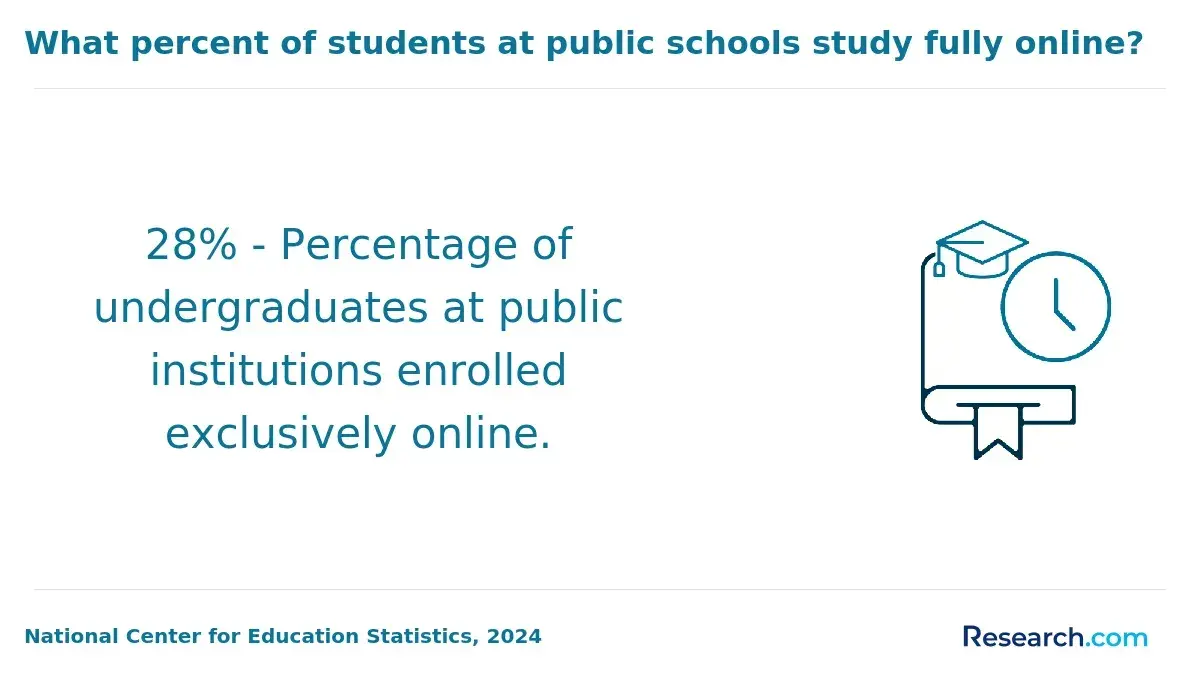
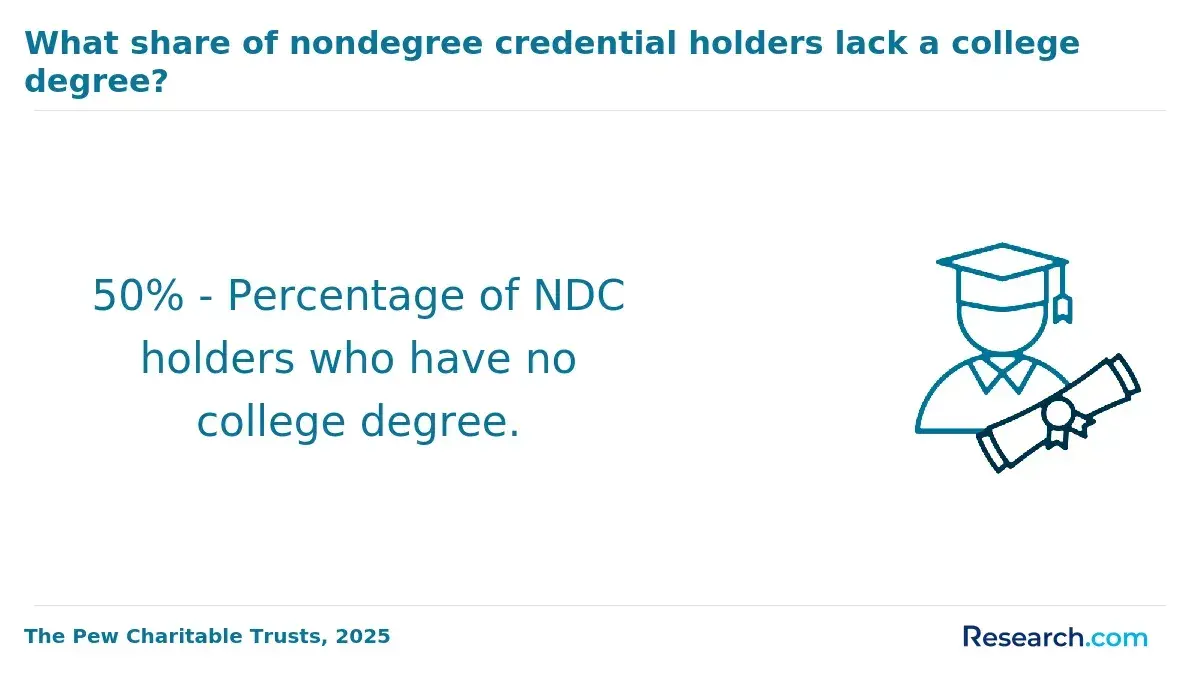
Selecting between online and campus construction management programs significantly shapes the development of essential leadership skills. Field professionals often favor online programs for their flexibility, allowing them to maintain job responsibilities without hiatus. However, this flexibility comes at the cost of less immediate feedback and fewer opportunities for real-time team interaction, which can hinder the growth of conflict resolution and delegation skills. For example, a superintendent moving off-site may benefit from asynchronous learning but might delay mastering interpersonal challenges crucial for office-based leadership.
Campus programs immerse students in structured, collaborative settings that better simulate the interpersonal dynamics and direct supervision found in typical management roles. Yet, fixed schedules can conflict with work demands and personal commitments, potentially limiting accessibility for working professionals. Practical experience with project management and delegation under supervision often comes more naturally in these environments. Employer expectations increasingly favor demonstrated leadership competencies, meaning hands-on experiences-whether via virtual simulations or campus internships-often weigh more heavily than credentials alone.
Key considerations for candidates include:
- Integrating leadership training without compromising current job performance
- Access to supervised hands-on practice in time management and delegation
- Opportunities for real-world project engagement or peer collaboration simulating office challenges
Balancing these factors matters because few managers feel adequately prepared to lead effectively. The choice of program modality directly affects how rapidly professionals transition from technical experts to strategic supervisors able to "let go" of task control and focus on organizational priorities.
What construction management courses most directly prepare field professionals for their first office role?
Construction management courses that effectively prepare field professionals for office roles focus on bridging operational experience with strategic responsibilities. This shift requires mastering project planning software such as Primavera or MS Project, which are essential for developing and monitoring timelines rather than hands-on onsite scheduling. Without this transition, new managers often face delays or inefficiencies when adapting to tasks like multi-project coordination.
Understanding construction law and contract management is non-negotiable for office roles that involve negotiating subcontracts and ensuring compliance-areas rarely covered in field positions but vital for leadership. Financial management training tailored to construction further enables accurate budgeting and forecasting, addressing common pitfalls in project oversight.
- Leadership and communication courses focused on stakeholder management and cross-departmental coordination prepare professionals for the demands of office environments versus direct crew supervision in the field.
- Programs that assume prior technical knowledge create barriers for candidates lacking foundational construction technology education, potentially slowing their leadership transition.
- Choosing courses integrating technical tools with soft skills reduces onboarding friction and aligns expectations between employers and employees across various construction sectors.
Given projections of roughly 1.1 million annual management openings from the U.S. Bureau of Labor Statistics, the ability to navigate both technical and managerial dimensions in office roles is a measurable factor in employability and effective leadership scale.
How much do entry-level construction office managers and project engineers earn, and what is the job outlook?
Entry-level office managers and project engineers in construction management earn between $60,000 and $75,000 annually, with salaries influenced by regional factors and company scale. Project engineers often receive pay closer to $70,000 due to their technical expertise and field oversight responsibilities, while office managers focusing on project administration typically start at lower levels. This wage range does not fully capture the substantial emotional and administrative demands placed on new leaders, especially those transitioning directly from field roles.
Newly appointed managers face a significant increase in psychological stress, with 71% reporting heightened pressure within a year and a half. The dual responsibility of managing project schedules, budgets, and personnel conflicts requires emotional intelligence rarely emphasized in traditional technical training. Without structured onboarding programs and leadership development that target these non-technical skills, burnout is a common outcome.
This reality necessitates a holistic approach to evaluating construction management education and career pivots, where higher compensation accompanies increased multitasking and emotional labor. For example, a project engineer responsible for subcontractor oversight must also handle documentation accuracy and client relations simultaneously, a complexity not present in fieldwork alone.
Decision-makers and prospective students should weigh these tradeoffs carefully, advocating for training that extends beyond technical proficiency to include resilience and interpersonal skills critical for sustainable advancement within the industry.
How can field professionals choose an accredited, reputable construction management program in the United States?
Choosing an accredited construction management program is critical for aligning education with industry expectations, particularly those accredited by the American Council for Construction Education (ACCET) or the Construction Management Association of America (CMAA). These accreditations indicate curriculum rigor and relevance, directly impacting graduate employability and salary potential-graduates of accredited programs typically earn 10-15% more than their non-accredited counterparts.
Programs differ substantially in focus; one tied to heavy civil construction with strong local employer partnerships prepares students for infrastructure projects, while another centered on commercial real estate development emphasizes different leadership and technical skills. Students must assess this alignment against their career targets.
Equally important is the integration of leadership training within the curriculum. Construction managers need proficiency in multidisciplinary team coordination, budgeting, compliance, and communication to manage projects effectively. Programs leaning heavily on technical skills without leadership development risk leaving graduates underprepared for first managerial roles.
Flexible delivery formats, such as online or hybrid models with recognized accreditation, provide working professionals the ability to study without interrupting employment. Workforce representation data from LinkedIn's 2024 Economic Graph reveals women hold only 30.6% of leadership roles despite 43.4% workforce participation. Selecting programs with demonstrated diversity support can enhance mentorship and networking opportunities essential for overcoming systemic barriers.
What are realistic career paths from first office management role to senior construction leadership?
Progressing from an initial office management role to senior construction leadership requires deliberate expansion beyond foundational technical skills toward strategic and operational expertise. Employers increasingly expect demonstrable outcomes such as reducing project delivery times by 10-15% and controlling budget overruns through proactive risk management. Since formal leadership programs exist in only about 5% of organizations despite 83% acknowledging their importance (Zippia's 2026 leadership analysis), new managers must self-direct their development by integrating targeted workshops, mentorship, and certifications emphasizing leadership impact over routine construction tasks.
Consider an office manager moving up from field supervision to roles like project director: success depends on mastering financial forecasting, legal compliance, and stakeholder negotiation. Job rotations and hands-on exposure to contract administration, resource allocation, and conflict resolution add practical proficiency often missing from traditional construction education. The tradeoff involves balancing immediate project pressures with time invested in leadership skill-building, a challenge magnified in smaller firms with limited formal training.
Creating tailored learning plans that combine external resources with mentor feedback becomes essential where institutional support is sparse. Advancing leaders must demonstrate influence across multidisciplinary teams and leverage data-driven metrics aligning with employer priorities to pivot effectively into senior construction management.
Other Things You Should Know About Construction Management
Transitioning from field to office management requires shifting focus from direct physical oversight to broader coordination and planning tasks. New managers often struggle to allocate time effectively between remaining site involvement and increasing administrative duties. Prioritizing skill development in communication, scheduling, and budget control over technical field tasks is essential to succeed in first office roles. Employers expect rapid adaptation to software tools and regulatory compliance, which demand a different mindset than field problem-solving.
Proficiency in project management software directly impacts a new manager's ability to deliver on deadlines and budgets. Without formal training, field professionals face steep learning curves that can delay project progress and reduce credibility with stakeholders. Prioritizing courses or certifications that include hands-on software experience produces more immediate productivity gains than focusing exclusively on theoretical management principles.
In 2027, prioritizing additional licenses over office management experience may restrict practical skill development, delay leadership readiness, and limit adaptability. Effective management often requires tactical experience that licensing alone doesn't provide. Balancing both enhances career progression and capability in leadership roles.
New office managers often face higher workloads due to dual responsibilities of learning new systems while managing teams and reporting. Accepting a position without clear boundaries risks burnout and underperformance. Candidates should seek roles with structured onboarding and mentorship, ensuring workload is scaled for skill development and avoiding premature full accountability for multiple complex projects.
References
- 17 Construction Certifications To Enhance Your Career | BigRentz https://www.bigrentz.com/blog/construction-certifications
- Construction Management Courses and Career Options https://www.hotcoursesabroad.com/india/find-your-course/how-to-choose-the-right-study-abroad-destinations/study-construction-management-in-the-usa/
- What Recruiters Look for in Top Construction Leaders | K2 Staffing https://k2staffinginc.com/superintendent-career-paths-what-recruiters-look-for-in-top-construction-leaders/
- CourseCareers https://coursecareers.com/course/construction-management
- Exploring 15 Crucial Construction Roles & Job Titles https://www.rib-software.com/en/blogs/construction-roles-jobs-titles
- From Entry-Level to Executive: Ultimate Project Management Career Path (2026-27 Guide) https://apmic.org/blogs/from-entry-level-to-executive-ultimate-project-management-career-path-2026-27-guide-1
- The 8 best construction certifications for gaining more business https://www.nextinsurance.com/blog/best-construction-certifications/
- Construction Manager Job Description, Salary & Duties https://www.goconstruct.org/construction-careers/what-jobs-are-right-for-me/construction-manager
- A Look at the Different Construction Management Jobs on the Jobsite https://www.hie-ce.com/blog/a-look-at-the-different-construction-management-jobs-on-the-jobsite