2027 Walden University Online PhD in Criminal Justice - Law & Justice Administration: Cost, Curriculum, Admissions, and Career Outcomes

Co-Founder and Chief Data Scientist
Professionals aiming for leadership roles in criminal justice often face the challenge of choosing a doctoral program that balances rigorous academic standards with the flexibility required by busy careers. Enrollment in online doctoral programs surged over 8% in 2024, according to the National Center for Education Statistics, reflecting growing demand for accessible advanced education among adult learners.
This upward trend highlights the importance of programs that accommodate diverse schedules without sacrificing depth. Assessing Walden University's online PhD in criminal justice - law & justice administration involves weighing curriculum relevance, cost, and admissions criteria alongside career advancement potential. This article explores these aspects to inform decisions about the program's fit with the intended goals.
Key Points About Walden University's PhD in Criminal Justice - Law & Justice Administration Program
- Open admission policies coupled with a total tuition of $34,458 offer clearer financial planning but may attract a diverse student body, influencing peer experience and academic rigor.
- Institutional accreditation and qualified faculty provide a baseline of academic credibility, which employers consider when evaluating PhD in Criminal Justice graduates for advanced roles.
- Recognition of alumni by employers in law and justice administration suggests tangible career advancement, yet success often depends on networking and relevant professional experience beyond the degree.
What can students expect from Walden University's online PhD in Criminal Justice - Law & Justice Administration curriculum?
Walden University's online PhD in Criminal Justice - Law & Justice Administration curriculum is structured to mirror the rigor and interdisciplinary scope typical of US doctoral programs while addressing the practical demands of leadership roles in complex justice systems. For instance, a student aiming for a senior policy analyst position within a state corrections department will find the curriculum's blend of research methods and applied justice administration essential for translating data into actionable reform strategies.
Below are key components illustrating what students can expect in this program.
- Criminal Justice Theory: This foundational coursework challenges students to engage deeply with established and emerging theories within criminal justice, requiring critical analysis that supports informed policy examination and scholarly contributions.
- Advanced Research Methods: Emphasizing quantitative and qualitative techniques, this segment equips students to design, execute, and interpret complex research projects critical for evidence-based decision-making in varied justice contexts.
- Law and Justice Administration: Focused on policy development, judicial administration, and corrections management, this coursework addresses the operational frameworks and ethical considerations necessary for effective leadership within diversified criminal justice agencies.
The curriculum culminates in a dissertation that demands original research contributing to policy or practice, reinforcing analytical and leadership skills relevant for academic roles, government agencies, or organizational administrations. Students seeking in-depth expertise will find that the balance between theoretical grounding and application in Walden's curriculum meets expectations for an online PhD in Criminal Justice, offering flexibility while maintaining alignment with advanced professional standards.
Those interested in exploring alternative advanced degrees might consider options like an online master degree for a quicker path with less research intensity, depending on career objectives.
What are Walden University's admission requirements for online PhD in Criminal Justice - Law & Justice Administration program?
The admissions process for Walden University's online PhD in Criminal Justice - Law & Justice Administration reflects a broader shift away from rigid standardized testing toward holistic evaluation. For example, an applicant with extensive professional experience but no recent standardized test scores can still be competitive, provided their academic background and supporting documents demonstrate preparedness.
Understanding these nuanced expectations is critical for prospective students aiming to avoid the common pitfall of overemphasizing test scores while neglecting comprehensive evidence of readiness. Below is an overview of typical admissions requirements prospective applicants should prepare to meet.
- Academic Transcripts: Official transcripts are required to verify prior graduate-level study. While no minimum GPA is specified, admissions committees look for consistent academic achievement indicative of the applicant's ability to handle doctoral-level research and coursework.
- Letters of Recommendation: These provide third-party perspectives on an applicant's professional competence and potential for doctoral research success. Strong recommendations often highlight qualities such as critical thinking, work ethic, and research aptitude.
- Resume or Curriculum Vitae: A current resume or CV outlines relevant professional and academic experiences. This helps assess alignment between the applicant's background and the program's focus on law and justice administration.
- Statement of Purpose or Research Proposal: Depending on program specifics, applicants may need to submit a statement detailing their research interests and goals. This document clarifies the applicant's motivations and how their objectives align with the program's expertise.
Walden University's policy on transfer credits for this doctoral program is not explicitly detailed, so applicants considering prior graduate coursework should communicate directly with program advisors about potential transfer evaluations. This case-by-case approach underscores the importance of early and proactive planning in the matriculation process.
Is it difficult to get admitted to Walden University's online PhD in Criminal Justice - Law & Justice Administration program?
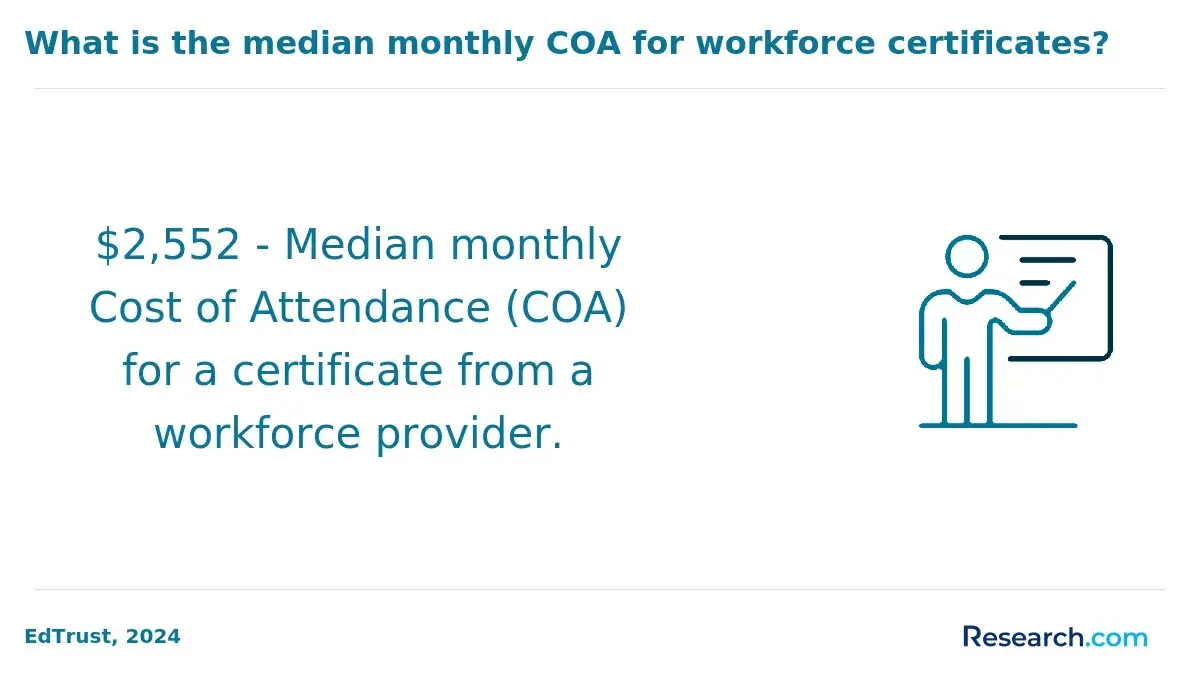
PhD programs in criminal justice and law & justice administration typically maintain selective admissions, reflecting competition among applicants with strong academic and professional backgrounds. These programs often require demonstrable research potential and standardized test scores, making entry challenging and placing pressure on candidates to differentiate themselves. This exclusivity can signal rigor but may limit doors for professionals balancing career and education demands.
Walden University's PhD in Criminal Justice - Law & Justice Administration contrasts sharply with this norm through an open admission policy that removes restrictive criteria like SAT or ACT scores. The program is designed without traditional competitive thresholds, implying a high acceptance rate and less conventional gatekeeping. While this inclusivity expands access for working professionals and non-traditional students, it may also prompt scrutiny regarding academic standards and employer perceptions of program selectivity.
One graduate recounted hesitating before applying, unsure if their non-traditional background would qualify them. After the straightforward admission process, they found relief but quickly realized the challenge shifted to sustaining the program's academic rigor independently. This experience underscores that lower admission difficulty does not equate to an easier doctorate but shifts the burden toward self-directed discipline and professional resolve within the doctoral journey.
What is the cost of attending an online PhD in Criminal Justice - Law & Justice Administration program at Walden University?
Tuition fees for PhD in Criminal Justice Law and Justice Administration at Walden University total approximately $12,498 per year, excluding books and supplies which add around $900 annually. The overall yearly cost, including room, board, and related expenses, approaches $34,458. Importantly, Walden does not levy a separate technology fee for online students, offering a flat tuition rate that simplifies financial planning across locations. This pricing model suits students seeking a clear, stable cost framework, especially those outside traditional residency zones.
When evaluating the cost of Walden University online PhD in Criminal Justice Law and Justice Administration, the affordability becomes more apparent compared with traditional on-campus programs, where fees often escalate due to additional room and board charges. Many institutions also charge differential tuition based on residency, which Walden's flat-rate approach avoids. This consolidated cost structure can make a practical difference for professionals balancing work and study, or for those needing predictable expenses despite geographic constraints.
For prospective students weighing the real-world implications, it is crucial to recognize that the decision to invest in a PhD includes assessing total financial impact against potential career benefits. The transparency of Walden's tuition and fee setup assists candidates in making informed choices about their educational commitments.
Those exploring alternative academic pathways may also consider programs offering less costly or more flexible options, especially given the growing availability of easy college degrees online that might better fit their time and financial circumstances.
While the cost of Walden University's online program falls within a competitive range for PhD in Criminal Justice Law and Justice Administration, the choice ultimately hinges on individual career goals, workforce demands, and readiness to manage these financial and time investments alongside professional responsibilities.
Are there financial aid options for online PhD in Criminal Justice - Law & Justice Administration students at Walden University?
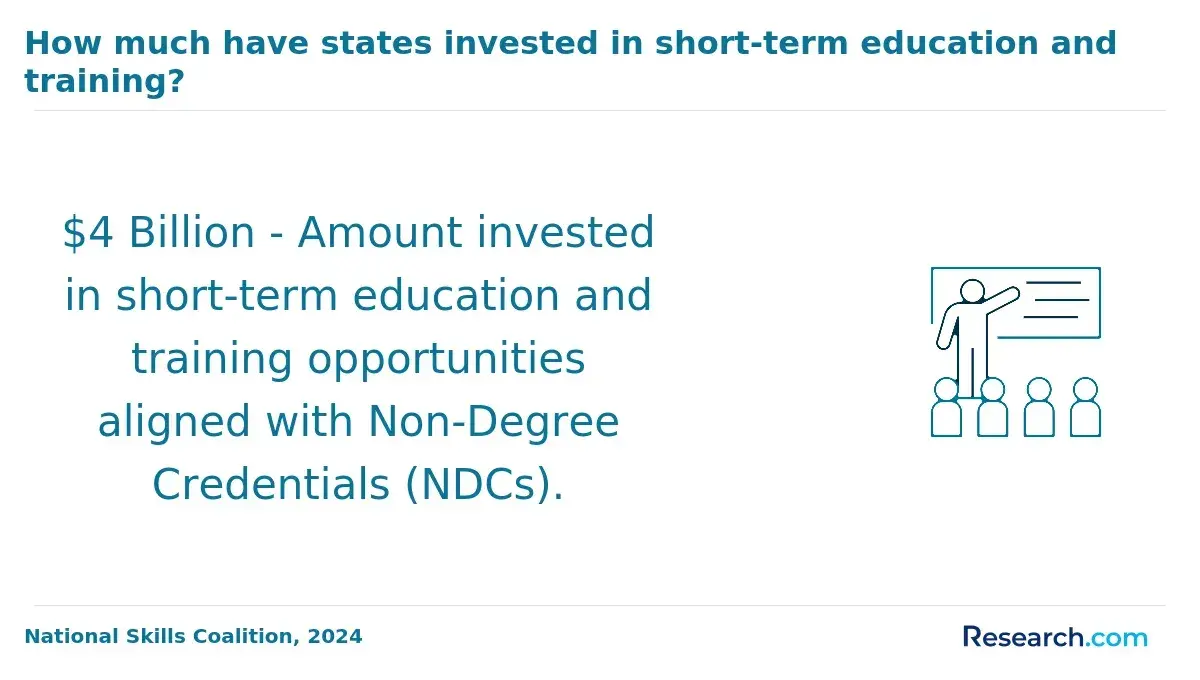
Access to financial aid for online PhD in Criminal Justice - Law & Justice Administration students at Walden University involves navigating a mix of institutional and federal supports that impact both upfront costs and long-term debt management. Given the demanding nature and extended duration of doctoral education, strategic use of these resources can meaningfully offset expenses but often requires meeting specific eligibility criteria tied to academic merit or professional status.
For working professionals, leveraging employer tuition reimbursement may reduce out-of-pocket payments but can come with commitments that influence career mobility. The array of aid options shapes not just affordability but also a student's ability to sustain focus on research and practical applications central to criminal justice fields. Below are key financial aid opportunities typically available to these doctoral candidates:
- Merit-Based Scholarships: Offered to students demonstrating strong academic records or relevant criminal justice experience, these scholarships reduce tuition costs substantially but often require a maintained GPA and periodic progress reports.
- Veteran Benefits: Eligible veterans can access federal and state educational benefits which may cover significant portions of tuition, although documentation and service verification processes can introduce administrative overhead.
- Corporate Tuition Reimbursement: Professionals employed in relevant sectors might tap employer-funded programs that reimburse tuition expenses, generally contingent on continued employment and sometimes specific performance metrics.
- Federal Financial Aid: Includes loans and grants accessible through FAFSA, providing flexible repayment options; these funds impose borrowing limits and require adherence to federal eligibility standards that affect overall debt load.
- Institutional Grants: Walden University occasionally awards grants targeted to doctoral students showing financial need or commitment to social justice themes, supplementing other aid but often limited in availability.
What learning resources are available to online PhD in Criminal Justice - Law & Justice Administration students at Walden University?
Effective learning resources critically shape doctoral students' ability to manage the demanding content and independent research required in a PhD in Criminal Justice - Law & Justice Administration program. For many working professionals balancing career and studies, the availability of reliable digital tools and personalized academic support can determine whether they complete their dissertation within anticipated timelines or face costly delays.
Access to specialized resources also influences how well candidates can engage with evolving criminal justice theories and methodologies, which directly impacts their research relevance and employability. Below is a breakdown of key learning supports provided that reflect these operational priorities.
- Technical Infrastructure: Walden University provides a 24/7 online help desk and a robust learning management system ensuring uninterrupted access to course materials and seamless navigation, essential for professionals accessing content across varying time zones.
- Academic Advising and Tutoring: Personalized advising helps students tailor their research focus and coursework, while tutoring addresses content gaps, enabling doctoral candidates to maintain steady academic progress despite the program's intensity.
- Digital Library Access: The extensive digital library offers comprehensive legal and criminal justice databases critical for in-depth literature reviews and up-to-date scholarly reference, underpinning dissertation quality and academic rigor.
- Research Workshops: Facilitated sessions target scholarly writing and methodological skills, aiding students in refining their dissertations and preparing for publication, a factor that enhances professional credibility post-graduation.
- Career Services and Networking: Career counseling, resume reviews, and virtual networking events connect students with alumni and industry professionals, bridging academic achievement with practical employment pathways in the criminal justice sector.
Does Walden University's online PhD in Criminal Justice - Law & Justice Administration program have in-person clinicals or practicums?
Many doctoral programs in criminal justice expect students to complete in-person clinicals or practicums to gain hands-on experience, particularly in practitioner-oriented curricula. This can pose significant logistical challenges for working professionals or those who cannot relocate near campus facilities. In contrast, Walden University's online PhD in Criminal Justice - Law & Justice Administration does not require these on-site clinical placements, reflecting a strategic focus on research, advanced theory, and leadership over direct fieldwork.
This approach aligns with the typical expectations of PhD-level study, where original research and dissertation work take precedence over experiential requirements common in professional degrees.
Specifically, Walden University online PhD Criminal Justice - Law and Justice practicums and residencies are not mandatory components. Instead, students are expected to bring relevant professional experience or independently pursue practical learning opportunities if they seek them. This flexibility allows candidates engaged in law enforcement, policy, or justice administration roles to integrate doctoral studies without interrupting career commitments or geographic constraints.
For students weighing program structure against employability, it is crucial to consider that absence of in-person practicums may limit supervised clinical experience valued in some justice sectors. However, this format supports sustained career engagement while developing research competencies applicable to leadership positions.
Those interested in highest return practical credentials might explore high paying certificate jobs alongside academic qualifications to enhance workforce readiness in specialized areas.
What careers can graduates of online PhD in Criminal Justice - Law & Justice Administration at Walden University secure?
Graduates of an online PhD in Criminal Justice - Law & Justice Administration from Walden University often face a competitive market where their advanced expertise can open roles requiring strong analytical and leadership capabilities. The degree's value ultimately hinges on its alignment with practical workforce demands and the program's ability to equip candidates for sustainable, high-impact positions.
For example, moving into senior law enforcement administration leverages deep operational knowledge but demands substantial prior experience to balance strategic responsibilities. Below are several in-demand career paths that reflect these realities.
- Criminal Justice Policy Analyst: Analysts assess and refine public safety strategies, influencing legislative or agency reforms. These roles require translating research into actionable policy recommendations, with salaries varying widely by sector and region but generally reflecting mid- to upper-level public administration pay scales.
- University Faculty Member: Faculty positions entail teaching advanced criminal justice courses, guiding doctoral research, and contributing to scholarly work shaping the discipline. Earnings depend on institution type and rank, commonly matching those of senior academic professionals.
- Senior Law Enforcement Administrator: These leaders oversee police or correctional agencies' operations and strategy, requiring practical leadership combined with academic grounding. Compensation often aligns with executive public safety roles but includes notable pressures from public accountability.
- Consultant for Government or Private Organizations: Consultants provide expert evaluation on reform initiatives and organizational development, balancing academic rigor with applied solutions. Payment varies by project scope and client but can be lucrative for those with proven outcomes.
Prospective students considering online phd careers in criminal justice administration from Walden University should weigh these career trajectories against their existing experience and targeted employment sector. For those prioritizing clear post-graduate job prospects, reviewing outcomes at non profit online colleges may offer comparative insight.
What is the salary outlook for online PhD in Criminal Justice - Law & Justice Administration graduates?
The salary outlook for Walden University online PhD in Criminal Justice - Law & Justice Administration graduates often reflects a strategic tradeoff between immediate earnings and long-term positional influence. With a median alumni salary of $42,810, these graduates generally occupy leadership roles in academia, government, or public safety, where salary gains may lag behind responsibilities but offer significant impact potential.
For professionals prioritizing direct financial returns, this specialization may necessitate balancing salary expectations with non-monetary career factors.
When evaluating career earnings after a PhD in Criminal Justice, Law and Justice Administration, it is notable that related disciplines such as Criminal Justice and Corrections report slightly higher median salaries near $46,339. This suggests that advancing expertise within certain subfields might yield modest pay improvements. Comparisons to fields like Computer and Information Sciences or Nursing Administration, which report median salaries above $50,000, illustrate the salary variability linked to sector demand, further emphasizing the need to align doctoral pursuits with specific professional objectives.
Prospective students should weigh these financial considerations carefully, especially when exploring accelerated degree programs for working adults, where balancing study duration, costs, and earnings potential is critical. Evaluating the salary outlook for Walden University online PhD in Criminal Justice graduates within this context helps frame realistic expectations about how the degree supports career trajectories beyond immediate compensation.
How do you know if Walden University's online PhD in Criminal Justice - Law & Justice Administration program is the right choice for you?
Choosing whether a PhD in Criminal Justice - Law & Justice Administration program at Walden University fits your professional and personal circumstances requires careful consideration of how it aligns with your priorities and goals. Because doctoral study demands significant time and focus, understanding key program features relative to your needs can prevent mismatches that undermine persistence or relevance.
Here are critical factors to weigh:
- Program Flexibility And Structure: Evaluate whether the balance of asynchronous and scheduled live sessions fits your work-life dynamics. Flexibility is crucial for those managing careers or family, but some amount of synchronous engagement may affect your ability to meet deadlines and network.
- Research And Practical Orientation: Determine how well the curriculum emphasizes applied policy analysis and research methods aligned with your intended career sector. A focus on systemic justice issues can enhance employability in administration or academia but may limit appeal for roles centered on operational enforcement.
- Peer And Faculty Interaction: Assess the availability of mentoring and collaborative opportunities since peer engagement contributes to doctoral completion and practical insight. Online programs often vary in community support, impacting motivation and professional growth.
- Alignment With Career Objectives: Consider whether the program's commitment to social change and justice administration matches your long-term ambitions. A doctoral degree is a significant investment that should further defined leadership or research goals within criminal justice systems.
One recent graduate recalled debating between purely asynchronous programs and Walden's hybrid approach. "I worried synchronous sessions might clash with my job," she said, "but they actually kept me accountable and connected to faculty and peers."
She ultimately chose the program because its curriculum emphasized policy research relevant to her objective of shaping justice administration practices, not just theoretical study. This alignment with her career outlook helped justify the intense workload and facilitated a clearer professional trajectory beyond graduation.
What Graduates Say About Walden University's PhD in Criminal Justice - Law & Justice Administration Program
- Joshua: "Studying at Walden University gave me the flexibility I needed while working full-time in law enforcement. The research-intensive approach of the PhD in Criminal Justice - Law & Justice Administration sharpened my analytical skills, especially in policy evaluation, which helped me transition into a more strategic role in my department. However, I found that while the degree opened doors, many employers still prioritized experience and certifications over academic credentials alone, so I made sure to supplement my education with targeted internships and networking."
- Thiago: "My experience with Walden University's PhD in Criminal Justice - Law & Justice Administration was rigorous but rewarding. The emphasis on practical case studies allowed me to deeply understand the complexities of justice administration, which proved invaluable when I shifted to a consultancy role focused on criminal justice reform. In reality, I noticed advancement in the field can be slow without licensure, but the program's online format helped me maintain my career momentum with access to remote opportunities and flexible study hours."
- Evan: "The Walden University PhD in Criminal Justice - Law & Justice Administration program pushed me to think critically about systemic issues in law enforcement, a perspective I didn't fully appreciate until I faced hiring challenges competing with candidates having more direct field experience. While the doctorate enhanced my credibility and research portfolio, it required me to pivot towards academic and policy advisory roles where the degree held more weight. Balancing coursework with my job was tough, but the program's strong support system made it manageable."
Other Things You Should Know About Degrees
The fully online format of Walden University's PhD in Criminal Justice - Law & Justice Administration limits face-to-face interaction with faculty and peers, which can reduce spontaneous networking opportunities common in traditional settings. Students must be proactive in engaging through virtual platforms and scheduled conferences to build meaningful mentorship relationships. Prioritizing participation in online discussions and faculty office hours is essential to compensate for the lack of in-person contact and can significantly influence academic support and professional connections.
Walden's program allows self-paced progression within certain term structures, which is beneficial for working professionals but can also lead to extended completion times if not carefully managed. Students with less rigid scheduling discipline may find themselves prolonging the research and dissertation phases, which could impact career advancement timelines and financial commitments. It is advisable for prospective students to establish a clear, realistic timeline upon enrollment and regularly revisit it to avoid unnecessary delays.
The PhD in Criminal Justice - Law & Justice Administration at Walden expects strong self-directed research skills and advanced quantitative and qualitative methodology knowledge upon entry. Students who lack recent experience with these methods may face a steep learning curve, which could affect progression speed and dissertation quality. Those uncertain about their readiness should consider taking preparatory courses or seeking mentoring early to strengthen their research capabilities, as this will have a direct impact on successful program completion.
References
- 15 Best Online PhD in Criminal Justice Programs [2025 Guide] https://www.degreeplanet.com/online-phd-criminal-justice/
- Financial Aid Tips for Criminal Justice Students https://www.criminaljusticeprograms.com/financial-aid/
- Fully Funded PhD Programs in Criminal Justice & Criminology | ProFellow https://www.profellow.com/fellowships/fully-funded-phd-programs-in-criminal-justice-criminology/
- How Much Does an Online Doctorate Cost? | phds.me https://www.phds.me/online-programs/cost-of-online-doctorate/
- List of Doctorate in Criminal Justice Programs – Campus & Online https://yescollege.com/degrees/phd-criminal-justice/