2027 South University Online Admission Requirements

Co-Founder and Chief Data Scientist
Students often face confusing requirements when applying to online degree programs, especially at institutions like South University that have specific credential standards and selectivity measures. The challenge is not only meeting baseline eligibility but also navigating administrative steps such as submitting transcripts, test scores, and prerequisite coursework that can affect acceptance.
Though online education may seem accessible, roughly 40% of applicants to online programs nationwide encounter delays or rejections due to incomplete or improperly documented materials, according to recent studies on digital higher education trends.
Understanding how South University evaluates candidacy and what thresholds exist can improve an applicant's chances significantly. This article breaks down South University's online admission requirements, highlighting critical criteria and procedural milestones. It aims to help prospective students make informed decisions and streamline their application process to increase the likelihood of successful enrollment.
Key Points About the South University Online Admission Requirements
- South University's open admission policy results in a high acceptance rate, minimizing competitive pressures and allowing most applicants who meet basic criteria to enroll.
- Applicants must submit official transcripts and complete an application, forming a minimal but essential screening to verify academic preparedness before admission.
- Despite accessible entry, prospective students should prepare required documentation fully to avoid administrative delays and ensure prompt processing of their application.
How competitive is the online admission process at South University?
South University maintains an open admission policy with acceptance rates generally near 100%, admitting most applicants who meet basic criteria. Unlike selective institutions, it does not impose strict enrollment caps, resulting in high volumes of admitted students relative to total applicants. This approach prioritizes accessibility over competition.
Selectivity can vary somewhat by program depending on additional enrollment demands or prerequisites. Health-related or technical programs may require supplemental materials or a minimum GPA, introducing moderate competition. However, these requirements still fall short of the rigor found in many traditional universities' admission processes.
By contrast, many US universities admit fewer than 50% of their applicants, reflecting limited capacity and heightened demand. A recent 2024 report on post-pandemic enrollment shifts notes some institutions tightened admission to manage shrinking pools, while South University's open model offers a stable path, especially for those aiming to enter promptly rather than compete intensely.
Applicants must weigh that open admission does not guarantee academic success or employer recognition. Employers may view degrees from broadly accessible programs differently than those from competitive schools. The real challenge lies in sustained performance after admission, which often differentiates graduates in the job market.
A graduate from South University's online program recalled hesitation before applying, unsure if open admission meant lower overall quality. "I worried the process was too easy and feared my degree might be undervalued," they said. The applicant decided to proceed, finding the admissions straightforward but realized maintaining steady progress in coursework was the true test of perseverance and career payoff.
How does the admission process differ for online programs at South University?
Admission for online programs at South University emphasizes digital identity verification over in-person interaction, differentiating it notably from on-campus processes. This shift reduces entry friction by eliminating residency checks or physical interviews, which are standard for traditional programs but less feasible for remote learners.
Online applicants submit materials through secure, remote platforms designed to uphold academic integrity while accommodating distance. Such workflows vary by program, with some requiring additional digital proctoring or encrypted credential validation to address specific discipline demands. This approach contrasts with on-campus admissions that often rely on face-to-face document review and interviews.
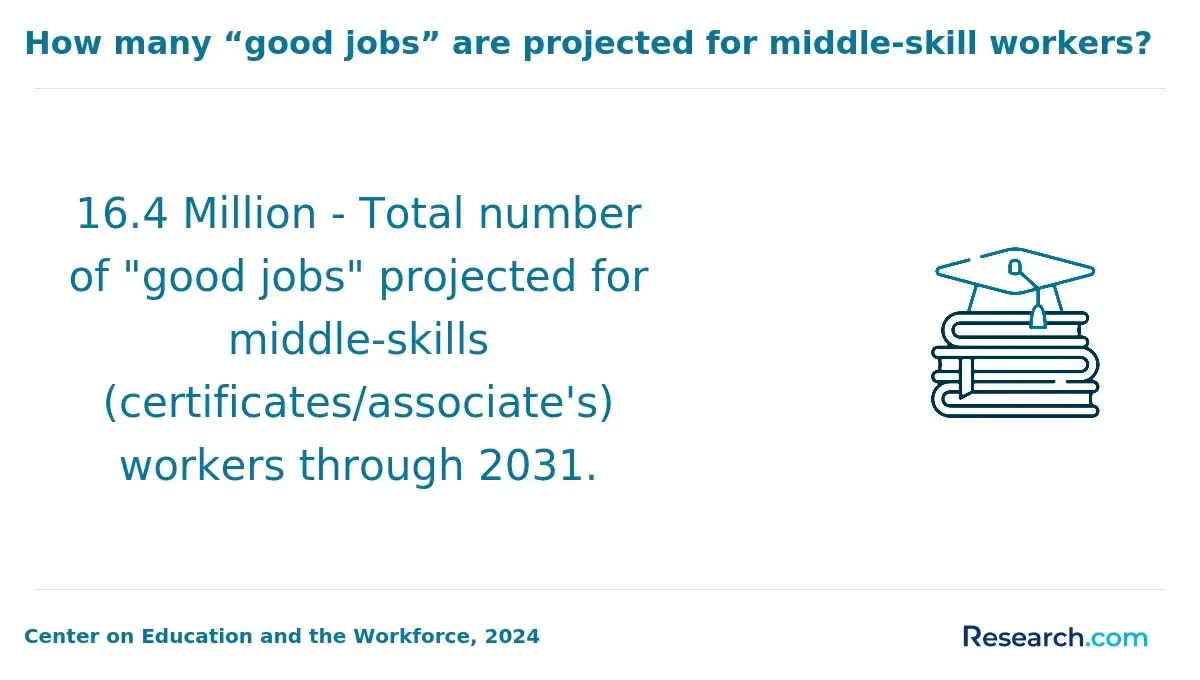
A recent study found institutions using integrated remote application systems lowered enrollment barriers by 30%, improving accessibility for working adults and non-traditional students. For example, a nurse pursuing an online degree benefits from streamlined verification without travel, making program access more practical amid job commitments.
Despite the open admission policy, applicant preparedness remains critical. Employers tend to prioritize completed credentials and demonstrable skills over admission selectivity, so effectively navigating online admissions contributes to timely program completion and career relevance more than competitive entry hurdles.
What are the general requirements for admission to South University?
South University's general admission criteria for online programs prioritize accessibility over selectivity, which can be advantageous for applicants balancing work or family with their education.
This open admission framework means the requirements focus largely on verifying fundamental academic credentials rather than competitive metrics like GPA or standardized test scores. For example, a working adult seeking an online degree while managing childcare will encounter fewer documentation hurdles, allowing faster entry into the program.
Below is a summary of the key requirements typically necessary for admission to South University online programs:
- Application Form: Completion of an official application form initiates the admissions process. This document captures essential personal and educational details that establish the applicant's intent and background.
- Proof of High School Graduation: Applicants must submit evidence of high school completion or an equivalent credential such as a GED, ensuring a basic academic foundation necessary for college-level coursework.
- Official Transcripts: Transcripts from prior educational institutions are required to verify academic history. This formal record confirms foundational knowledge but does not weigh heavily on admission decisions due to the open policy.
- Identification Documents: Government-issued photo ID must be provided to verify applicant identity and residency status, a standard requirement to ensure legal and procedural compliance.
- Background and Residency Verification: Depending on the program and applicant location, South University requires background checks or proof of residency to comply with state or federal regulations.
- No Letters of Recommendation: Unlike many institutions, South University online programs do not ask for letters of recommendation or personal statements, minimizing barriers and application complexity.
- No Interviews: Formal interviews are generally not part of the admission process, allowing for a streamlined entry that benefits working adults and others needing flexible admissions.
This streamlined approach reflects broader trends in higher education, where 68% of undergraduate applicants nationwide submit only basic credentials without qualitative supplements during admissions cycles.
The increasing acceptance of such open admission policies requires prospective students to proactively build supporting skills or certifications outside traditional admissions criteria. Applicants to South University online programs should consider how this general admission model aligns with their career ambitions and whether supplemental preparations are necessary.
For those exploring less competitive pathways, researching an easiest master degree can provide useful insights on program demand and post-graduate outcomes.
What are the minimum GPA thresholds for South University online programs?
South University maintains an open admission policy for online programs without strict minimum GPA requirements, making it accessible to many applicants. This approach removes common barriers seen at institutions with firm GPA cutoffs.
However, the minimum GPA requirements for South University online programs can vary notably between specialized fields, especially in health sciences or business disciplines where higher standards often apply.
The university does not distinguish GPA thresholds between its online and on-campus applicants, ensuring consistent academic expectations regardless of delivery format.
Still, some online programs may impose additional admission conditions such as prerequisite coursework or elevated GPA expectations to address field-specific demands. This variability means prospective students should carefully review program-specific criteria before applying.
For those with academic records below typical GPA levels, South University offers conditional or provisional enrollment pathways. These options permit entry while requiring students to meet defined performance benchmarks early in their studies.
Such models reflect a broader U.S. trend where conditional enrollments balance open access with maintaining academic quality, as noted in a 2024 study highlighting this shift in college admissions across the country.
While flexible GPA thresholds can ease admission, students must consider workforce realities. Higher academic performance often correlates with stronger employability in competitive sectors, making GPA an important factor beyond admission.
Students should align their applications with their career goals and even explore the best degrees to make money to optimize both educational and economic outcomes.
Can prior work experience be converted into college credit at South University?
South University allows students to convert prior work experience into college credit through structured Prior Learning Assessments (PLAs) and portfolio reviews. These require documented evidence aligning professional skills with academic standards.
However, the school caps such credits at 50% of total degree requirements, consistent with national standards enforced by bodies like the American Council on Education (ACE).
To earn credit from work experience, students must thoroughly document and validate their skills in portfolios or standardized exams such as CLEP and DSST. This process demands careful preparation and verification to meet South University's transfer rules and moderate admission selectivity. For example, a registered nurse with verified clinical training could translate that into credits toward a healthcare degree.
Credit allocation varies by program rigor and relevance to prior experience. Technical and specialized programs may allow fewer experiential credits due to curriculum complexity. Adoption of PLA has increased by 12% nationwide, supporting adult learners by reducing redundant coursework. Yet students should evaluate how these credits align with employer expectations or graduate program acceptability.
Those considering South University online degree credit for work experience must weigh these limits against their educational and career objectives. Exploring options like the easiest 2-year degree to get may offer alternative pathways that maximize credit recognition from prior learning while navigating institutional policies effectively.
Does South University require standardized test scores?
South University does not require SAT or ACT scores for its online undergraduate admissions, adopting a test-optional policy focused on academic transcripts and relevant experience. This aligns with a national trend where about 65% of U.S. colleges have adopted flexible testing policies to increase access, according to a 2024 study by the National Center for Education Statistics.
Unlike test-blind schools that disregard standardized tests entirely, South University evaluates applicants holistically but allows submission of scores if applicants choose. This flexibility tends to broaden the applicant pool while avoiding overreliance on test performance, which often does not predict long-term success effectively for online learners balancing work and study.
Applicants without standardized scores are assessed primarily on prior academic achievement and professional experience. Because test scores hold minimal weight, strong transcripts and relevant qualifications can improve chances of admission, especially for working adults with practical skills that traditional tests may not capture.
Graduate programs at South University maintain the GMAT requirement, differentiating undergraduate from advanced admissions standards. For prospective undergraduates, emphasizing credentials beyond test scores aligns better with employer expectations in fields valuing applied knowledge over exam outcomes.
Are there special requirements for international online applicants at South University?
International online applicants to South University face distinct documentation hurdles that significantly shape their admissions prospects and timelines. For example, a candidate from Brazil applying remotely must demonstrate English proficiency and secure official international credential evaluations before assessments can proceed.
These requirements create a more complex admission process compared to domestic applicants, influencing how students prepare and plan.
Below are the most critical documentation requirements for international online applicants seeking entry to South University:
- English Language Proficiency: Applicants must submit standardized test scores such as TOEFL iBT with a minimum of 80 or IELTS scoring at least 6.5. This proves their ability to engage with academic content delivered exclusively in English and meets a common U.S. institutional standard.
- Credential Evaluation: Non-U.S. academic transcripts require evaluation by recognized independent services affiliated with NACES or equivalent bodies. This process authenticates foreign credentials and equates them to U.S. standards, ensuring fair academic comparison.
- Official Translations: All foreign documents must be officially translated if not originally in English. This adds administrative complexity and can extend processing times, affecting enrollment planning.
- Additional Processing Time: Due to verification needs, international applications often experience slower turnaround than domestic ones. Applicants should account for this in their timelines, especially when coordinating with employers or visa requirements.
International remote enrollment in U.S. institutions has increased by approximately 8.7%, highlighting rising demand but also underscoring persistent bottlenecks in credential evaluation workflows. Those assessing South University admission criteria for overseas online students must weigh these factors carefully.
Prospective applicants interested in online options might also examine online schools no application fee to balance admission complexities with practical cost considerations.
Are there program-specific admission requirements at South University?
Admission at South University involves program-specific requirements that significantly affect applicants' preparation and selection chances. For instance, a nursing applicant must submit scientific prerequisites and meet GPA standards, while education candidates face interview stages.
This layered approach reflects the practical demands of each discipline. A growing share of programs responding to increasing demand across healthcare systems now insist on work experience or portfolios, pressing candidates to align their backgrounds with career realities rather than relying solely on grades.
The following outlines frequent specialized admission requirements found across South University programs and helps clarify what to expect before applying:
- Prerequisite Coursework: Certain majors, especially Nursing and Health Sciences, require completion of foundational subjects like biology and chemistry to ensure students possess essential baseline knowledge needed for professional success.
- Portfolio Submission: Programs within Arts & Sciences often request portfolios or writing samples. These qualitative assessments evaluate creativity or analytical skills that grades alone cannot measure, recognizing diverse talent expressions.
- Interview Process: The Education department typically mandates interviews after application review. This step assesses communication ability and vocational fit, screening for genuine teaching aptitude beyond academic records.
- Minimum GPA Standards: Graduate degrees such as Business Administration set relatively high GPA thresholds (3.2 or above), ensuring candidates demonstrate consistent academic rigor and leadership capacity.
- Letters of Recommendation: Health-related programs request professional or academic endorsements to validate applicants' suitability and readiness for demanding healthcare roles.
- Professional Experience: Some online offerings prioritize experiential learning, requiring documented work or leadership history as part of the application, reflecting employer preferences for practical competence over theoretical knowledge alone.
- Standardized Test Scores: Select disciplines maintain standardized testing requirements to benchmark applicants objectively, though this varies considerably by program focus and delivery mode.
National data shows 62% of applicants to STEM-related degrees now surpass traditional GPA minimums, intensifying admission competition in these fields and signaling that South University maintains selective practices accordingly.
Prospective students considering accelerated bachelor's degree programs for adults through South University online program admission criteria should strategically address these specialized standards to improve acceptance odds.
Understanding South University specialized admission requirements by program guides candidates in targeting the components that influence each pathway most critically.
When are the application deadlines for South University online programs?
South University employs a rolling admissions calendar for its online programs, allowing applications to be submitted year-round with multiple start terms. This flexible structure offers various entry points but demands strict awareness of documentation deadlines to avoid enrollment delays and maintain program momentum.
There are no significant variations in deadline policies across specific online programs at South University; the rolling admissions framework applies broadly. However, domestic applicants must submit all required materials at least 30 days before their intended start date to secure priority processing and reduce the risk of deferral to a later term.
Meeting these deadlines is crucial. Late or missing documents typically push admission to subsequent terms, which poses a real-world tradeoff for those seeking timely workforce entry. This delay can undermine the practical return on investment, especially in fast-moving industries that rely on accelerated training schedules.
A recent 2024 study from the National Center for Education Statistics found that 27% of institutions have adopted multi-term accelerated calendars to serve working adults better. South University's rolling admissions align with this trend but require applicants to be proactive. Failure to meet deadlines can affect not only enrollment timing but also eligibility for financial aid tied to specific enrollment periods.
How can you increase the chances of getting into South University online programs?
Admission to South University online programs is accessible, but strengthening your application can significantly improve the chances of acceptance and scholarship consideration. For example, an applicant with inconsistent academic history and limited professional experience can differentiate themselves by clearly addressing gaps and demonstrating relevant skills.
A 2024 national study found that applicants who submit materials during early admission windows boost their acceptance likelihood by about 15%, which shows timing combined with application quality impacts decisions. The following strategies focus on practical steps to enhance your submission profile and present a compelling case to admissions officers.
Key approaches to optimize your application include:
- Document Academic History Transparently: Clearly explain any academic gaps or fluctuations. Provide context for lower grades and emphasize improvements or recent coursework, showing readiness for online study.
- Tailor Your Resume Professionally: Highlight relevant work experience and skills that demonstrate practical preparedness, especially time-management and self-motivation critical for remote learning success.
- Obtain Strong Endorsements: Recommendations that emphasize commitment and reliability help confirm your suitability for online education beyond grades alone.
- Apply Early When Possible: Submitting applications during early admission periods signals genuine interest and allows time to resolve any issues or add supporting materials.
- Align Education with Career Goals: Articulate in personal statements how the degree connects directly to your workforce aspirations and the skills employers value.
- Address Online Learning Readiness: Demonstrate familiarity with digital platforms and discuss strategies for managing remote coursework to reassure reviewers of your fit.
- Highlight Continuing Education or Certifications: Including recent industry-related certifications or training can showcase ongoing professional development relevant to your program choice.
One graduate recalled hesitating over disclosing an academic gap in their transcript but decided to add a candid explanation along with updated coursework and volunteer experience related to their field.
They also submitted their application a week before the deadline, which provided time to supply an extra letter of recommendation. This approach eased their anxiety and strengthened their profile, ultimately making admission decisions more straightforward for the committee.
The combination of strategic transparency, early submission, and targeted endorsements proved critical in their admission into the program.
What Graduates Say About Getting Admitted Into an Online Program at South University
- Skylar: "Applying to South University's online program was definitely rigorous-I had to navigate a detailed transcript evaluation and verify some prerequisites that I initially overlooked. However, the digital application process was a relief compared to in-person submissions, allowing me to handle everything remotely without rushing. Looking back, the effort to meet their selective standards was worthwhile, as my degree directly contributed to the noticeable salary bump and smoother entry into my current role."
- Dominique: "I appreciated the structured yet flexible online program at South University, especially given my busy schedule. The admissions process was a bit of a hurdle, requiring careful preparation of transcripts and detailed documentation, which felt cumbersome at times. Still, managing it all online saved me from multiple campus visits, and the long-term career benefits-like increased job opportunities-have made that upfront administrative load feel justified."
- Latoya: "From the outset, South University's admissions emphasized strict verification steps that challenged me to get my paperwork exactly right, including prerequisites that I hadn't clearly understood before applying. While the thoroughness initially slowed my start, the completely remote application meant I didn't have to disrupt my work. Ultimately, I'm on the fence about whether the initial selectivity entirely matched the career acceleration I've experienced, but the program's flexibility did help me balance work and study effectively."
Other Things You Should Know About South University Degrees
Accelerated online programs at South University require a significantly higher weekly time commitment due to compressed course schedules and faster pacing. Prospective students should be prepared for intensive study periods that may conflict with full-time employment or family responsibilities. Prioritizing time management and limiting outside obligations is crucial, as the faster progression leaves little flexibility for catch-up or extended breaks.
South University evaluates transfer credits carefully, which can shorten time to degree completion but also vary in acceptance based on accreditation and course equivalency. Accepted credits reduce tuition costs and speed up graduation, but prospective students should anticipate potential delays in credit evaluation during admission. Prioritizing early and clear documentation of prior coursework can minimize delays and help better estimate total program expenses and duration.
Yes, digital literacy and reliable technology access are essential for success in South University's online programs, as courses rely heavily on virtual platforms and timely interaction. Students lacking strong technical skills may face additional challenges that affect performance and engagement. Investing time to develop these competencies before or early in the program, as well as ensuring access to up-to-date hardware and internet connectivity, can prevent obstacles that impact grades and overall progress.
References
- Online Admissions Information | South University https://www.southuniversity.edu/online/online-programs-admissions
- International Student Admissions Policy https://catalog.southuniversity.edu/international-student-admissions-policy
- South University - Savannah Online [Acceptance Rate + Statistics] https://edurank.org/uni/south-university-savannah-online/
- How Colleges Award Credits For Work Experience https://www.affordablecollegesonline.org/college-resource-center/college-credit-for-work-experience/
- South University Online Admission: Acceptance Rate, SAT, ACT & GPA https://testbook.com/en-us/college/south-university-online-admissions
- South University | College Degrees, Courses & Education Online https://www.academicinfo.net/online-schools/south-university/
- South University https://www.lcig.io/university/south-university
- Admitva – AI-Powered Pre-Health Admissions Platform https://admitva.com/blog/how-to-get-into-south-university
- College Credit for Your Work and Life Experience | University of Phoenix https://www.phoenix.edu/tuition-financial-aid/prior-learning-assessment.html