2027 Is Johns Hopkins University's Online MS in Data Analytics and Policy - Statistical Analysis Worth It? What Students Should Know

Co-Founder and Chief Data Scientist
Choosing an online MS in Data Analytics and Policy - Statistical Analysis program requires balancing rigorous academics with career relevance and flexible delivery. As labor market data from the U.S. Bureau of Labor Statistics highlights a 28% projected growth in data-related roles, students must assess if Johns Hopkins University's curriculum aligns with evolving analytics demands and policy-focused skill sets.
Additionally, the rise in online education accessibility challenges learners to verify program quality and networking potential against traditional in-person options. This article explores how the Johns Hopkins University program measures up in terms of academic depth, employer recognition, and practical outcomes to inform whether it suits your professional ambitions and learning style.
Key Points About Johns Hopkins University's Online MS in Data Analytics and Policy - Statistical Analysis Program
- The online MS in Data Analytics and Policy - Statistical Analysis at Johns Hopkins University has a selective 8% acceptance rate, which may limit access but ensures high academic standards.
- Graduates face a substantial tuition of $80,778 but benefit from a strong 8.54x earnings to debt ratio, reflecting significant long-term financial gains.
- The program's faculty and research reputation drive employer demand, positioning alumni advantageously in competitive, data-focused roles across industries.
What makes Johns Hopkins University's online MS in Data Analytics and Policy - Statistical Analysis program stand out?
The main distinction of Johns Hopkins University's online MS in Data Analytics and Policy - Statistical Analysis lies in its balance of rigorous academic depth with practical policy application. For professionals in public sectors or healthcare who must interpret complex datasets amid real-world constraints, this program cultivates statistical skills tailored to actionable policy insights rather than abstract theory.
Its asynchronous format with periodic synchronous engagement offers flexibility suited to working adults, while still enabling cohort interaction-important for those who benefit from peer collaboration but cannot relocate or pause careers. Compared to general data analytics degrees, this program's integration within a research-intensive institution with over 1,600 faculty members provides access to advanced resources and mentorship uncommon in large online offerings.
The strong academic foundation, combined with a 95% average graduation rate, indicates effective student support and program design that can mitigate typical online attrition risks. This makes it a viable option for students who seek not only technical expertise but also practical frameworks applicable in policy-driven environments.
Is it difficult to get admitted to Johns Hopkins University's online MS in Data Analytics and Policy - Statistical Analysis program?
The competitiveness of most MS programs in data analytics and policy reflects a balance between the specialized skill set demanded and the limited seats available. Unlike broader analytics programs, those with a policy and statistical analysis emphasis often attract applicants with strong quantitative backgrounds and professional aspirations in sectors like healthcare or government, making admissions notably selective.
Johns Hopkins University's online MS in Data Analytics and Policy - Statistical Analysis exemplifies this selectivity with an acceptance rate near 8%, admitting just 2,943 students from nearly 39,000 applicants. This rigorous filtering aligns with the university's broader standards, where admitted students typically present SAT verbal scores between 750 and 780 and math scores from 780 to 800, or ACT scores well above average.
The high bar ensures candidates possess a level of academic preparedness that can handle a demanding curriculum and the analytical complexity required in policy environments. For applicants, this means investing considerable time in preparing both academically and strategically, weighing the tradeoff between applying to a program with strong brand recognition but intense competition versus more accessible options with potentially less specialized training.
One graduate recalls the tension of timing their application amid professional obligations, noting, "I delayed applying for months because I wasn't sure if my test scores and prior coursework met the bar. When I finally submitted, the wait stretched longer than I expected, and the uncertainty was stressful. In hindsight, early preparation of my academic profile and understanding the program's competitiveness would have eased that pressure."
How does the curriculum of Johns Hopkins University's online MS in Data Analytics and Policy - Statistical Analysis program stay aligned with current industry trends?
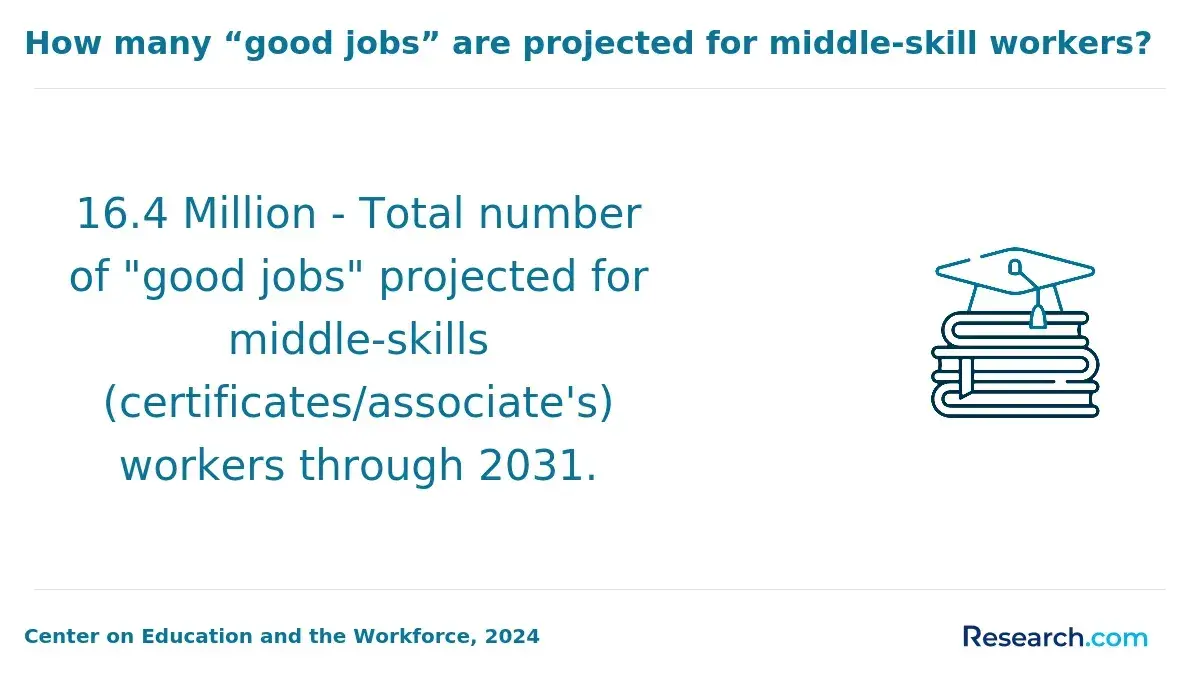
The curriculum of Johns Hopkins University's online MS in Data Analytics and Policy - Statistical Analysis reflects a deliberate alignment with the evolving expectations of data analytics employers, emphasizing a balance between technical skillsets and policy-relevant applications. This alignment matters because graduates must navigate not only advanced data methodologies but also contextualize results for decision-making environments, such as healthcare systems or government agencies.
Below are critical elements that demonstrate how the program stays in step with current industry trends.
- Technical Rigor: The program covers statistical methods, machine learning, and programming languages like R and Python, all of which are foundational tools demanded by data analytics professionals. This technical proficiency is necessary to handle complex datasets and perform analyses that meet employer standards in competitive sectors.
- Policy Integration: By incorporating policy analysis, the curriculum equips students to translate data insights into actionable strategies relevant to governance and organizational decision-making. This fusion addresses the growing need for analysts who can bridge data science and real-world policy implications.
- Applied Experience: Inclusion of capstone projects and real-world case studies ensures graduates emerge with tangible problem-solving skills, a factor many employers prioritize over theoretical knowledge alone when hiring data scientists or policy analysts.
This curriculum alignment with industry standards in Johns Hopkins University's data analytics program signifies a programmatic commitment not only to skill development but to practical workforce readiness. Prospective students should weigh this against their own career trajectories, particularly if they seek roles that demand translating complex data into policy-relevant insights.
For more information on related doctoral options that may impact future career decisions, see the shortest PhD programs.
How much does Johns Hopkins University's online MS in Data Analytics and Policy - Statistical Analysis program cost?
Tuition for the online MS in Data Analytics and Policy - Statistical Analysis program at Johns Hopkins University exceeds $63,000 annually, with the total cost including fees, books, and living expenses approaching $81,000. This level of investment requires careful consideration, particularly since the program does not offer in-state discounts or reduced fees for online learners, a factor that can significantly affect budgeting for prospective students.
For example, a mid-career professional weighing this program against in-person alternatives might find the financial burden daunting without substantial employer support or scholarships. The program's cost structure also includes additional expenses such as books and supplies, estimated at around $1,367 annually.
While financial aid is available-67% of undergraduates receive some form of assistance, averaging $54,088-graduate-level data is limited, necessitating prudent financial planning. Employer tuition reimbursement is a practical avenue to offset expenses, but it depends on workplace policies and the alignment of this degree with corporate needs in data-driven policy roles.
Compared to the average price of similar MS programs in data analytics and policy nationwide, the cost at Johns Hopkins University falls on the higher end. This premium reflects its faculty expertise and institutional prestige but may not match all students' ROI, especially those prioritizing affordability or flexible cost models. Choosing this degree involves weighing the program's reputed quality against the financial tradeoffs common in data analytics graduate education.
Prospective students seeking accelerated timelines or different delivery models might explore alternative accelerated programs online that occasionally feature lower tuition or innovative formats. Ultimately, evaluating how the Johns Hopkins University online MS in Data Analytics and Policy tuition cost aligns with career goals and financial realities is essential before committing to the program's considerable expense.
What are the admission requirements for Johns Hopkins University's online MS in Data Analytics and Policy - Statistical Analysis program?
Admission to Johns Hopkins University's online MS in Data Analytics and Policy - Statistical Analysis program requires careful attention to academic and language standards that shape candidate readiness for graduate-level rigor. Understanding these expectations is critical, as gaps in foundational preparation can extend time to degree completion or limit practical learning outcomes.
Below is a summary of key requirements applicants should consider before applying.
- Academic Background: Applicants must have completed high school or possess a GED. A solid secondary school GPA and a college-preparatory curriculum improve readiness for the program's quantitative and analytical coursework.
- Standardized Testing: While no program-specific entrance exam exists, competitive SAT scores (verbal 750-780, math 780-800) or ACT composite scores between 34 and 70 reflect the academic benchmarks Johns Hopkins seeks to maintain.
- English Proficiency: Non-native speakers need to demonstrate English skills via TOEFL, underscoring the essential role of communication in succeeding in an online environment and collaborating with diverse cohorts.
- Supporting Materials: Letters of recommendation are required to assess applicant potential beyond transcripts, although no portfolio or formal competency exam is mandated.
- Transfer and Credit Policies: Transfer credits may be accepted primarily for fall admissions, but evaluation is case-specific without explicit caps or minimum passing grades, reflecting a flexible yet selective approach to prior coursework.
What is the ROI of attending Johns Hopkins University's online MS in Data Analytics and Policy - Statistical Analysis program?
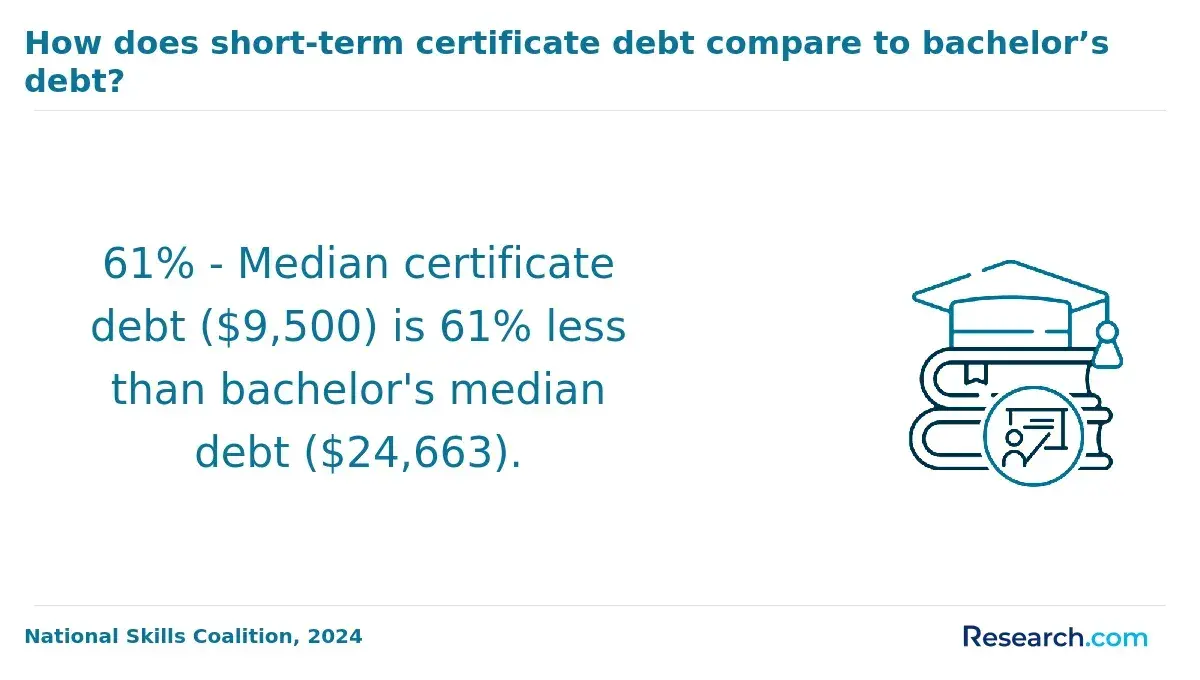
Attending Johns Hopkins University's online MS in Data Analytics and Policy - Statistical Analysis program represents a financial decision that hinges on balancing upfront costs against sustained earning potential. With a total annual expense close to $81,000, students face a significant investment compared to the median starting salary of graduates, which hovers near $87,555.
This starting salary aligns competitively with industry averages for data analytics professionals, indicating that the program prepares students for roles that command solid market wages from the outset. However, the economic value of the degree is influenced strongly by factors such as available scholarships, grants, and the ability to minimize student debt. With a median debt burden of around $10,250, graduates maintain an earnings-to-debt ratio exceeding 8, which suggests manageable financial risk relative to income.
In practical terms, this means professionals entering data analytics and policy roles-often in healthcare, government, or technology sectors-can expect steady return on investment, especially if they leverage the school's reputation and alumni network to access high-value employment opportunities.
Yet, long-term ROI depends on individual career trajectories and labor market dynamics. Salary growth in data analytics tends to accelerate after five to ten years, reflecting expanded expertise and responsibility. Prospective students who secure substantial financial aid or plan to work in regions with strong demand for data skills will enhance their ROI significantly compared to those assuming full tuition costs without targeted career advancement strategies.
Is there a high student satisfaction for Johns Hopkins University's online MS in Data Analytics and Policy - Statistical Analysis program?
Student satisfaction in this online MS in Data Analytics and Policy - Statistical Analysis program hinges largely on the balance between academic rigor and accessible support. Given the program's demanding curriculum, the availability of knowledgeable faculty and structured mentoring plays a pivotal role in sustaining motivation and fostering meaningful engagement.
This connection is critical, especially as many learners juggle professional roles alongside their studies-employers increasingly value candidates who demonstrate the ability to manage complex projects under tight schedules, so program flexibility can translate directly into workplace readiness.
The student culture within the program benefits from robust institutional resources, including active online communities and student-led groups, which counteract the isolation common to remote learning environments. While not universally experienced, these networks provide essential peer interaction and academic collaboration that alleviate the pressures of advanced coursework. However, satisfaction levels hinge on individual adaptability.
Those less comfortable with self-directed learning or limited in time may find the intensity and expectations challenging despite support mechanisms. Overall, the program's structure is designed to align with professional demands, but prospective students should weigh their own capacity for disciplined time management against the program's workload. The availability of extensive faculty and staff resources suggests a high potential for positive outcomes.
A graduate shared that adjusting to the program's pace was initially overwhelming given their full-time job, yet the faculty's responsiveness and the vibrant student forums created a sense of connection that made persistent challenges manageable. "There were nights I doubted I could keep up, but knowing I could reach out to instructors or peers in real time made a huge difference," they reflected.
This support network ultimately influenced their decision to recommend the program to professionals balancing work and study who seek a demanding but navigable academic experience.
How does Johns Hopkins University help online MS in Data Analytics and Policy - Statistical Analysis graduates secure employment?
The ability of Johns Hopkins University to assist graduates of its online MS in Data Analytics and Policy - Statistical Analysis program in securing employment hinges on its integration of practical career services with extensive professional networks. Hiring managers in data-driven fields increasingly prioritize candidates with strong professional connections and tailored application materials-factors often facilitated by institutional support.
Evidence suggests that 65% of job placements result from professional networks built during or shortly after academic programs, underscoring the importance of these resources for online learners seeking footholds in competitive markets. The implications are clear: programs without structured employer engagement or mentorship risk leaving graduates at a disadvantage in navigating data analytics roles.
Below are key components of Johns Hopkins University online MS career support services that concretely help this process.
- Virtual Career Fairs: These events connect students with employers actively recruiting data professionals, enabling live interaction and direct outreach despite geographic barriers commonly faced by online learners.
- Resume Workshops: Focused sessions help graduates develop application materials aligned with industry expectations. This is critical given that 78% of employers rank well-prepared resumes as a primary evaluation criterion.
- Alumni Mentorship: Access to a global alumni network with structured mentorship links current students to experienced graduates in relevant sectors, fostering practical advice, referrals, and career insights directly applicable to statistical analysis and policy roles.
- Job Placement Portal: A dedicated platform curates internships and job openings aligned specifically with the program's data analytics and policy focus, bridging the gap between academic preparation and employment demand.
For students balancing family commitments, these targeted supports make the MS in Data Analytics and Policy - Statistical Analysis a pragmatic option, comparable to other online degrees for stay at home moms emphasizing flexible yet employer-connected experiences.
What are the career outcomes for recent graduates of Johns Hopkins University's online MS in Data Analytics and Policy - Statistical Analysis?
The career outcomes for recent graduates of Johns Hopkins University's online MS in Data Analytics and Policy - Statistical Analysis indicate a competitive edge in sectors valuing both statistical expertise and policy insight. Prospective students weighing the program's value should consider how its focused curriculum aligns with technological and analytical roles increasingly prioritized by employers.
Career outcomes for Johns Hopkins University data analytics graduates reflect an ability to command salaries above comparable fields due to this mix of skills and institutional recognition. Practical implications of these outcomes include enhanced employability in environments where data analytics informs decision-making, especially within government, healthcare, and private sectors.
Job prospects after ms in data analytics and policy statistical analysis at Johns Hopkins University typically involve roles demanding proficiency in statistical tools and policy interpretation, which may limit candidates' fit to employers seeking more generalized technical skills or industry-specific experience. Below are examples of typical roles and their practical relevance:
- Data Analyst: Commonly responsible for interpreting complex datasets and generating actionable insights, this role typically offers salaries ranging from $60,000 to $100,000, depending on experience and sector.
- Statistical Consultant: This position involves advising organizations on statistical methodologies and data-driven strategies, often commanding salaries near the program's average graduate income.
- Policy Analyst: Focusing on translating data into policy recommendations, these analysts work primarily in government or healthcare settings, leveraging the program's combined analytical and policy training.
- Business Intelligence Analyst: These professionals support decision-making by integrating data analysis with strategic business objectives, capitalizing on strong quantitative skills refined through the program.
The salary advantage for graduates, compared to fields like mathematics or economics, underscores the program's specialized positioning. The data-driven policy lens equips alumni to meet the complex demands of modern, data-centric workplaces. For those exploring accredited online options in this domain, it is useful to review listings such as those found at non-profit online university sources to weigh alternatives aligning with your career goals.
How do I know if Johns Hopkins University's online MS in Data Analytics and Policy - Statistical Analysis program is the right fit for my goals?
Determining whether Johns Hopkins University's online MS in Data Analytics and Policy - Statistical Analysis program aligns with your professional goals requires evaluating multiple factors beyond the program's brand alone. A mismatch between your career aspirations and the program's emphasis on statistical methods integrated with policy analysis could limit your return on investment.
For example, someone targeting a highly technical data science role without policy focus might find better fit elsewhere. Conversely, those aiming to influence decision-making in public or private sectors using data-driven policy insights could benefit substantially. Several key criteria warrant close examination before committing. Consider the following:
- Curriculum Relevance: Assess how closely the coursework aligns with your intended career path. Look for a balance between statistical rigor and policy application that fits roles you aspire to, as this shapes both employability and skill development.
- Program Flexibility: Confirm the online delivery model suits your schedule, especially if balancing employment or other obligations. Determine the extent of synchronous sessions and deadlines to ensure compatibility with your learning style.
- Faculty and Institutional Reputation: Evaluate the expertise of faculty and the university's standing in data analytics and policy research, as these affect the degree's credibility and networking opportunities.
- Career Support Services: Analyze the availability of internships, alumni networks, and job placement assistance. Effective career support can be pivotal for transitioning from academic study to workforce integration.
- Quantitative Readiness: Reflect honestly on your mathematical and programming skills prior to enrollment. The statistical analysis concentration demands a strong foundation, making preparedness essential for success.
For students exploring how to select programs tailored for non-traditional learners, resources like college degrees for seniors can offer additional perspectives on aligning education with life circumstances. Considering these factors ensures a practical match between Johns Hopkins University's online ms in data analytics and policy program fit for career goals and your educational investment.
What Graduates Say About Johns Hopkins University's Online MS in Data Analytics and Policy - Statistical Analysis Program
- Luna: "Studying at Johns Hopkins University gave me a rigorous grounding in analytical methods that proved essential as I transitioned into a data science role focused on urban policy. What stood out was how the MS in Data Analytics and Policy - Statistical Analysis program emphasized building a strong portfolio through real-world projects rather than just coursework, which helped me get noticed despite lacking formal licensure. However, I quickly realized that while the degree opens doors, many employers in the public sector still prioritize internship experience and demonstrable impact over academic pedigree alone."
- Noelle: "The flexibility of Johns Hopkins University's online MS in Data Analytics and Policy - Statistical Analysis program was crucial for me, balancing full-time work and family commitments. This format allowed me to enter the workforce faster and focus on remote roles, which is typical in our field now. That said, I found advancement somewhat limited without additional certifications; the program laid a solid foundation, but continuous upskilling remains necessary to climb the career ladder in competitive environments."
- Bianca: "Reflecting on my path from student to policy analyst, Johns Hopkins University's MS in Data Analytics and Policy - Statistical Analysis program prepared me for the realities of the job market more than I expected. The blend of statistical rigor with policy insight sharpened my critical thinking, but I also encountered challenges-especially competing for roles that favored candidates with direct government hiring experience or specialized certifications. Ultimately, the program made me adaptable, encouraging me to pivot into consulting where my analytical skills and policy knowledge give me an edge on diverse projects."
Other Things You Should Know About Degrees
In 2027, the cohort format at Johns Hopkins University's Online MS in Data Analytics and Policy facilitates networking and collaboration by grouping students into a supportive community, promoting interaction through virtual platforms. This format enhances peer learning and helps students build strong professional networks, essential for post-graduation success.
The program includes applied projects and case studies that simulate real-world data challenges, but it offers limited opportunities for hands-on internships or direct industry placements. This means graduates may need to seek additional practical experience independently to fully bridge the gap between theory and workplace application. For those prioritizing immediate job readiness, supplementing the degree with internships or portfolio work is advisable.
The program's cohort-based structure fosters a more connected learning environment compared to fully self-paced models, encouraging peer interaction through group projects and discussion boards. However, networking remains more constrained than on-campus options, relying heavily on virtual engagement skills. If building strong professional networks is a top priority, students should proactively leverage virtual meetups and alumni platforms rather than expecting organic connections.
The statistical analysis focus aligns closely with roles in government, public policy analytics, and research institutions where advanced statistical modeling informs decisions. Conversely, careers centered on broader data science or machine learning applications may find the program's narrower emphasis less optimal. Prospective students whose goals emphasize diverse data techniques may consider complementary training to broaden marketability.
References
- Master's in data analytics jobs | edX | edX https://www.edx.org/resources/what-can-you-do-with-a-masters-in-data-analytics
- Master’s in Data Science: Everything You Need to Know - The Red Pen https://theredpen.in/study-abroad-article-masters-in-data-science-everything-you-need-to-know/
- Johns Hopkins Acceptance Rate https://orieladmissions.com/johns-hopkins-acceptance-rate/
- ms in business analytics in usa, masters in business analytics in usa, data science course in usa https://yocket.com/blog/masters-in-data-analytics-in-usa
- Johns Hopkins University (JHU) https://www.princetonreview.com/college/johns-hopkins-university-1022939
- Master’s (MSc) in Data Analytics for Government https://datasciencecampus.ons.gov.uk/capability/msc-in-data-analytics-for-government/