2027 Is Grand Canyon University's Online MS in Psychology - Forensic Psychology Worth It? What Students Should Know

Co-Founder and Chief Data Scientist
Choosing an online MS in Psychology - Forensic Psychology program presents a complex challenge for those balancing career advancement with flexible learning needs. As the Bureau of Labor Statistics projects a rising demand for forensic psychologists, selecting a program that aligns with evolving job market requirements becomes critical. Online education's growth reflects a shift toward accessibility but varies widely in how well it prepares graduates for real-world application.
Students must weigh program rigor, practical training opportunities, and employer recognition. This article examines whether Grand Canyon University's offering meets these demands, helping prospective students assess alignment with their professional objectives and learning preferences.
Key Points About Grand Canyon University's Online MS in Psychology - Forensic Psychology Program
- The moderately difficult admission with a 60% acceptance rate implies manageable accessibility, but applicants should prepare to meet specific program standards to succeed.
- The total tuition cost of $37,212 paired with an earnings to debt ratio of 1.91x suggests graduates typically earn nearly twice their debt, supporting sound financial investment decisions.
- Grand Canyon University's strong reputation among psychology employers reflects positively on graduate employability, particularly in forensic psychology and related career paths.
What makes Grand Canyon University's online MS in Psychology - Forensic Psychology program stand out?
The value of Grand Canyon University's online MS in Psychology - Forensic Psychology program lies in its capacity to serve diverse learners balancing professional demands with academic progress. For professionals working in law enforcement or psychology-related roles, the fully online format offers critical flexibility to maintain employment while advancing specialized skills. However, the program's 43% graduation rate signals a challenging academic environment that requires disciplined time management and commitment, factors that potential students must weigh against their readiness for rigorous study.
The program's distinct advantage comes from its broad curriculum integrating criminal behavior analysis, psychological assessment, and legal standards, rather than narrowly focusing on clinical or strictly legal aspects. This multidisciplinary approach cultivates analytical competencies that align with employer expectations for roles requiring forensic psychological expertise in assessing evidence and advising legal cases. Additionally, Grand Canyon University's scale—with over 107,000 students and close to 7,800 staff—enables access to a range of academic resources and peer collaboration tools that can enhance learning experiences not always available in smaller programs.
Choosing this program involves a tradeoff: students gain flexibility and a comprehensive forensic focus but must navigate a competitive graduation landscape. For those aiming to apply psychological insights in legal or criminal justice contexts, the program's practical scenario integration and support infrastructure provide notable benefits, yet sustaining progress demands consistent engagement and self-motivation.
Is it difficult to get admitted to Grand Canyon University's online MS in Psychology - Forensic Psychology program?
Admission to a typical MS in Psychology - Forensic Psychology program often involves moderate to high competitiveness due to the specialized skill set required at the intersection of psychology and law enforcement. Many programs expect strong academic records and relevant experience, reflecting the nuanced demands of the field. This makes the admissions process a significant filter for employers seeking candidates who can handle forensic contexts with both psychological insight and ethical rigor.
Grand Canyon University's online MS in Psychology - Forensic Psychology reflects this industry-specific moderate selectivity with its 60% acceptance rate, admitting 28,960 out of 47,978 applicants annually. This suggests a balance between accessibility and academic standards, making the program attainable for students who meet consistent but not exceptionally high test score thresholds, such as SAT verbal scores ranging from 540 to 620 and ACT scores between 19 and 47. The program's admissions do not excessively restrict entries, which can be an advantage for applicants needing flexible pathways without highly exclusive benchmarks.
One former applicant recalled pausing her application while waiting for final ACT scores, uncertain if her scores met the threshold but appreciating that the university's requirements were transparent enough to strategize her timing. "It wasn't like applying somewhere ultra-selective where you feel your entire future hinges on one number," she said. "The moderate acceptance rate took some pressure off, but I still made sure to prepare carefully to avoid any last-minute surprises." This approach reflects how realistic admissions difficulty can influence both the pacing and stress of the application process for online forensic psychology programs.
How does the curriculum of Grand Canyon University's online MS in Psychology - Forensic Psychology program stay aligned with current industry trends?
Alignment with forensic psychology career trends requires more than theoretical knowledge; programs must equip students with practical skills demanded across criminal justice and mental health systems. In this regard, Grand Canyon University's online MS in Forensic Psychology curriculum meets industry standards by emphasizing competencies that directly translate to forensic work settings.
Below are key factors that enable its consistency with current employer expectations and evolving professional requirements.
- Applied Skills Focus: The curriculum includes targeted courses such as Forensic Psychology, Legal and Ethical Issues, and Psychological Assessment in Forensic Settings, ensuring that students grasp the nuances of criminal behavior analysis and ethical decision-making. This specialization addresses the growing need for graduates proficient in assessment and legal frameworks, critical for courtroom and investigative roles.
- Research Integration: The program's incorporation of research design and statistics reflects the increasing demand for graduates skilled in both qualitative and quantitative methods. This emphasis prepares students for evidence-based practice, a core aspect of many forensic settings that require rigorous data interpretation and validation of psychological findings.
- Practical Experience: An essential part of the curriculum is a capstone project or practicum, which bridges theory with real-world application. Hands-on experience in forensic environments helps students understand procedural workflows and employer expectations, an advantage when competing for positions that require immediate readiness.
Examining the alignment of Grand Canyon University's MS in Forensic Psychology demonstrates a deliberate effort to integrate industry-relevant skills and applied learning components. For prospective students weighing online forensic psychology options, it is important to consider this practical orientation as a valuable factor.
Those evaluating affordability alongside program outcomes may find additional guidance by exploring cheapest online colleges that accept FAFSA near me to understand cost-effective pathways that also offer substantive forensic psychology content.
The base tuition and fees for the online MS in Psychology - Forensic Psychology program at Grand Canyon University total $17,450 annually, with additional costs such as books and supplies adding roughly $1,100. While the total annual cost including room, board, and other expenses reaches $37,212, these figures highlight the upfront financial commitment students must plan for, especially when balancing operational costs with potential future earnings in forensic psychology roles. Financial aid options are significant here; with about 99% of undergraduates receiving some form of assistance averaging $7,744, students can meaningfully reduce out-of-pocket expenses through institutional grants and corporate tuition reimbursement partnerships.
Comparing this to the average tuition cost for an MS in Psychology with a forensic concentration at other U.S. institutions—typically between $15,000 and $35,000 annually—places Grand Canyon University's pricing on the higher end of the spectrum, especially after factoring in total attendance costs. This has implications for those weighing program choices against long-term return on investment, as higher tuition fees must be justified by the program's support services, flexibility for working adults, or alignment with specific employer expectations in forensic psychology sectors.
Grand Canyon University's flat-rate online tuition structure, which applies uniformly to all students regardless of location, eliminates the unpredictability of additional online technology fees that some programs impose. This can simplify financial planning for distance learners but also means prospective students should carefully consider whether the overall price and program format fit their educational and career goals. In making these decisions, understanding the typical costs alongside accessible financial aid options is crucial for evaluating the program's practical affordability.
For students evaluating how much Grand Canyon University's online MS in Psychology - Forensic Psychology program costs relative to their specific circumstances, it's useful to place this within the wider context of forensic psychology careers and educational investments.
For those investigating the earning potential tied to various graduate degrees, consulting resources on highest paying majors provides additional clarity on whether this expense aligns with desired workforce outcomes.
Admission to Grand Canyon University's online MS in Forensic Psychology demands careful alignment with both basic and recommended criteria, reflecting the program's balance of accessibility and selectivity. Candidates should consider how each requirement plays into their preparedness for graduate-level work and professional relevancy in forensic settings.
Understanding these prerequisites also helps applicants weigh the logistical implications of credit transfer and proficiency validations. Below is an outline of key admission components relevant to applicants' strategic planning.
- Educational Background: Applicants must have completed high school or an equivalent credential such as a GED. Submission of secondary school GPA and full transcripts is mandatory, ensuring foundational academic performance is documented.
- Recommended Credentials: Though not required, secondary school rank, letters of recommendation, and completion of a college-preparatory program are encouraged to enhance the application's competitiveness and holistic review.
- English Proficiency: Demonstrating English language skills via the TOEFL exam is compulsory for non-native speakers, which aligns with maintaining academic standards in an online, text-intensive environment.
- Entrance Testing: No formal entrance exam or portfolio is required, but supplementary assessments like the Wonderlic or WISC-III can be submitted to provide a broader cognitive and behavioral profile for admissions evaluation.
- Transfer Credit Policy: Transfer students face moderate admission difficulty with credit acceptance available across terms. Recognized credits include AP, CLEP, DSST/DANTES, and credits recommended by agencies like ACE. Life experience credits qualify if they meet grading standards, though specific maximums are not publicly detailed.
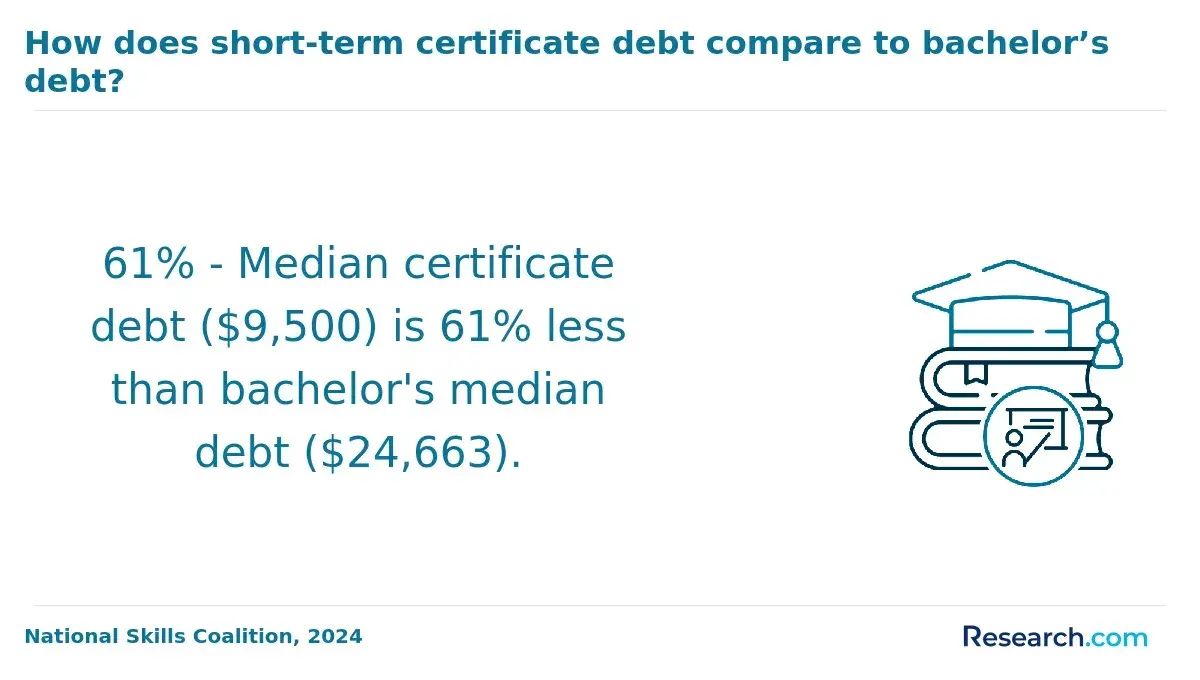
The return on investment of pursuing an online MS in Psychology - Forensic Psychology at Grand Canyon University hinges on balancing the program's total cost against the stable but modest salary outcomes for graduates. With annual expenses climbing to over $37,000 when factoring tuition, fees, and living costs, students face a significant upfront financial commitment. Graduates typically enter the workforce with a median salary near $42,000, which remains relatively flat even a decade post-graduation. This dynamic translates into a graduate earnings-to-debt ratio around 1.9, suggesting that borrowers earn roughly twice their student debt over time, but without rapid income growth.
For candidates weighing this program, accessing scholarships or grants can meaningfully improve the financial viability. Those able to reduce debt burdens enhance their earnings-to-debt ratio and mitigate long-term repayment pressures. Employment outcomes likewise influence the ROI; alumni often find roles in government agencies or correctional institutions with competitive but not premium forensic psychology salaries. Securing positions in specialized private sector roles with behavioral analysis expertise can tilt ROI favorably but remains less predictable.
Ultimately, the decision to enroll should consider these tradeoffs: the manageable but not exceptional salary trajectory against the substantial cost and the variability of individual scholarship success and postgraduation job placement. This nuanced perspective aligns with broader employment trends in forensic psychology fields, where moderate financial returns reflect the specialized but constrained labor market.
Student satisfaction in Grand Canyon University's online MS in Psychology - Forensic Psychology program is uneven, shaped by inherent tradeoffs of large-scale online education. While the program offers flexibility valued by working professionals juggling family and job commitments, some students encounter pacing challenges and delays in faculty responsiveness that can hinder engagement and momentum. This dynamic affects how well learners maintain motivation and perceive value during their studies, especially since a moderate graduation rate suggests some struggle to balance academic demands with other life responsibilities.
The university's support infrastructure, including student organizations and online mentoring, attempts to foster community and guidance despite distance learning's isolation. These elements create pockets of peer interaction and professional advice, which help improve the student experience when leveraged effectively. However, the reliance on part-time faculty may contribute to variability in accessibility and responsiveness, which can influence perceptions of program quality and satisfaction. Prospective students should weigh their need for consistent, immediate faculty interaction against the program's more flexible scheduling.
A former student in the MS in Forensic Psychology program shared how managing coursework alongside a full-time night shift was initially daunting. They appreciated the asynchronous classes that allowed studying during off-hours but noted occasional frustration when waiting days for faculty replies delayed progress on critical assignments. The mentoring network was a crucial resource providing emotional support and practical advice, which helped sustain motivation. Reflecting back, the student felt the program's flexibility justified the challenges but emphasized that discipline and proactive communication were key to a satisfying experience.
The direct role of an educational institution in facilitating employment after graduation often determines the immediate career trajectory of its graduates. Employers frequently prioritize candidates who have access to tailored career resources and networking opportunities, with research showing that approximately 85% of jobs are secured through networking channels.
This dynamic is particularly relevant for graduates from an online MS in Psychology - Forensic Psychology program, where specialized employment pathways are crucial. Institutions offering targeted support services can thus significantly influence a graduate's ability to transition smoothly into forensic psychology roles within a competitive job market.
Below are several employment support mechanisms offered by Grand Canyon University that exemplify this approach:
- Virtual Career Fairs: Hosting online events that connect students with forensic psychology employers, increasing the chance to engage recruiters early and understand specific industry expectations.
- Resume Workshops: Providing focused guidance on crafting resumes that highlight forensic psychology competencies, which helps graduates present relevant qualifications for niche job roles.
- Dedicated Job Portal: Featuring listings that target forensic psychology and related fields, enhancing the alignment between job seekers' credentials and employer requirements.
- Alumni Mentorship Network: Facilitating connections between current students and experienced forensic psychology professionals, offering insights and networking advantages that support job placement.
Such employment resources for Grand Canyon University forensic psychology graduates reflect a strategic response to workforce realities by integrating professional connections and practical preparation. Students considering this path should also examine broader institutional profiles, including rankings like those found among the best online colleges, for a more comprehensive understanding of program reputation relative to employment outcomes.
Career outcomes serve as a critical lens for evaluating the value of an online MS in Psychology - Forensic Psychology, as these positions often require a nuanced balance of psychological expertise and legal understanding. Graduates face a competitive job market where many roles overlap with the broader criminal justice field, which can both broaden employment options and create ambiguity in salary expectations. This tradeoff highlights the importance of aligning program content with realistic job functions and market demands.
To illustrate, some graduates may find analytical roles in correctional facilities more accessible but with lower compensation, while those pursuing forensic psychologist positions might encounter higher entry barriers yet earn comparatively more.
Differentiating career expectations based on credible data enhances decision-making for prospective students considering the program's practical return. Here are key career opportunities for graduates of Grand Canyon University forensic psychology program:
- Forensic Psychologist: Professionals in this role assess criminal behavior, provide expert testimony, and support legal proceedings. Salaries vary widely depending on the setting, but they generally enjoy a higher earning potential within forensic psychology, subject to licensing requirements.
- Criminal Case Analyst: These specialists support investigations by analyzing case files and evidence, contributing to law enforcement strategies. Earnings often align with criminal justice-related salaries, averaging around $35,660, reflecting the intersection of psychology and judicial processes.
- Behavioral Specialist: Working primarily in correctional or rehabilitation centers, these practitioners develop intervention plans to aid offender reintegration. Compensation tends to mirror criminal justice standards but can differ regionally based on institutional budgets.
Graduates should consider that the job outlook for online MS in Psychology - Forensic Psychology graduates at Grand Canyon University is influenced heavily by demand within both psychological services and criminal justice sectors. Balancing specialty knowledge with adaptable skill sets is essential. For individuals weighing economic factors against educational investment, researching "What is the cheapest online college?" alongside program outcomes can provide a fuller picture of long-term value.
Determining if Grand Canyon University's online MS in Psychology - Forensic Psychology program is the right fit for your goals hinges on multiple factors that reflect your academic and professional priorities. For example, a student aiming for applied roles in legal settings versus one targeting research-heavy or clinical psychology tracks will find different emphases more or less relevant. A clear understanding of how the program aligns with personal goals is crucial before investing time and money.
Below are key criteria to evaluate when deciding if this program fits your career path.
- Curriculum Relevance: Assess whether the program's coursework focuses on forensic psychology topics aligned with your career interests, such as criminal behavior analysis, legal systems, or psychological assessment. Examine the syllabi and learning outcomes to confirm that academic content supports your intended specialization rather than offering a generic psychology framework.
- Program Flexibility and Delivery: Since this is an online offering, consider how the program's schedule and teaching methods accommodate your lifestyle. Effective programs include interactive components like virtual discussions or applied projects that go beyond lectures, fostering deeper engagement with complex forensic concepts.
- Accreditation and Recognition: Verify accreditation status and reputation within forensic psychology and psychology fields, as these influence the value of your credential in the job market and for advanced study opportunities. A program with recognized accreditation increases the likelihood of licensure eligibility and employer acceptance.
- Career Support and Experiential Learning: Investigate availability of internship placements, faculty expertise, and networking opportunities. Practical experience and mentorship directly affect your ability to translate theory into real-world forensic settings, which employers prioritize highly.
- Cost Versus Return on Investment: Weigh tuition fees against expected outcomes such as certification paths, licensure preparation, and market demand for forensic psychology practitioners. An online degree may offer savings and flexibility, but assessing financial tradeoffs in the context of career benefits is essential.
In the broader context, programs like this increasingly feature competency based masters frameworks, adapting curricula to focus on clear demonstrable skills rather than seat time or credits. For those evaluating whether grand canyon university's forensic psychology degree aligns with their objectives, exploring these innovations can be instructive. More detailed analysis of competency based masters is available at competency based masters.
What Graduates Say About Grand Canyon University's Online MS in Psychology - Forensic Psychology Program
- Chloe: "Studying at Grand Canyon University's ms in psychology - forensic psychology program gave me the flexibility to work full-time while advancing my education, which was crucial. I found that employers in forensic settings often valued hands-on experience like internships and detailed portfolios alongside the degree, so I prioritized those during my studies. Although I hit some salary growth ceilings without licensure, the program helped me secure remote consultancy roles I wouldn't have otherwise considered."
- Hope: "Grand Canyon University's ms in psychology - forensic psychology provided a solid analytic foundation that proved essential when I pivoted my career from general psychology to specializing in forensic cases. The program's emphasis on research and case studies prepared me for the reality that many hiring managers in the field look beyond just degrees-they want certifications and relevant experience. Navigating those requirements post-graduation was challenging but the education gave me the confidence to pursue competitive roles, even if that meant starting with contract work initially."
- Eva: "I appreciated how the ms in psychology - forensic psychology program at Grand Canyon University combined theory with real-world applications. This approach was especially helpful as I transitioned into a forensic psychology technician role where understanding workflow and evidence handling was key. While licensure wasn't immediately pursued, the program opened doors to advancement opportunities within my organization, though I remain aware of the trade-offs involved without clinical credentials. Overall, my career trajectory felt pragmatic and steady because of the degree."
Other Things You Should Know About Degrees
The online ms in psychology - forensic psychology program at Grand Canyon University demands consistent weekly engagement, typically involving reading, assignments, and discussion participation. While it offers flexibility in scheduling, students with full-time jobs or caregiving obligations should anticipate dedicating 15-20 hours weekly to keep pace. Those who struggle with tight deadlines or prefer less compressed pacing may find the workload challenging without strong time-management skills. Prioritizing this program requires realistic planning to avoid burnout and ensure successful completion.
Unlike some forensic psychology programs that incorporate mandatory internships, Grand Canyon University's online ms in psychology - forensic psychology focuses more on theoretical knowledge and case studies with limited direct hands-on practicum opportunities. Students aiming to build applied experience for licensure or immediate workforce readiness might need to seek additional external internships or volunteer work. This means graduates should plan to supplement their education with fieldwork independently if practical skills are a crucial priority.
Applicants need a regionally accredited bachelor’s degree and must submit official transcripts. GCU does not require GRE scores for this program. The online master’s curriculum is 36 credits, so admission requirements focus on academic preparation rather than testing or a licensure prerequisite.
- Grand Canyon University https://www.bestpsychologydegrees.com/colleges/grand-canyon-university/
- 8 Best Online Master's in Forensic Psychology Degree Programs https://legalcareerpath.com/online-masters-in-forensic-psychology-degree-programs/
- Best Online Forensic Psychology Degrees For 2025 https://www.psychology.org/rankings/best-forensic-psychology-programs/
- Career Services https://georgian.edu/academics/career-services/
- Grand Canyon University (GCU) Rankings, Campus Information and Costs | UniversityHQ https://universityhq.org/best-colleges/grand-canyon-university/
- Master's Degree in Forensic Psychology https://www.monroeu.edu/academics/king-graduate-school/masters-forensic-psychology
- MSc Forensic Psychology at Glasgow Caledonian University | Postgraduate Search https://www.postgraduatesearch.com/courses/search/postgraduate/glasgow-caledonian-university/msc-forensic-psychology/52280194
- Affordable Online Master's in Forensic Psychology https://www.bestcollegesonline.org/most-affordable/masters-forensic-psychology-online/
- MS in Forensic Psychology | Neumann University https://www.neumann.edu/academics/grad/masters-degree-in-forensic-psychology
- Grand Canyon University Reviews https://www.gradreports.com/colleges/grand-canyon-university