2027 Arizona State University Online BFA in Digital Photography: Cost, Curriculum, Admissions, and Career Outcomes

Co-Founder and Chief Data Scientist
Choosing to pursue an online BFA in Digital Photography at Arizona State University requires careful consideration of program alignment with both academic aspirations and career objectives. The growing prevalence of digital media has intensified demand for visually skilled professionals, yet balancing flexible learning with practical experience remains challenging.
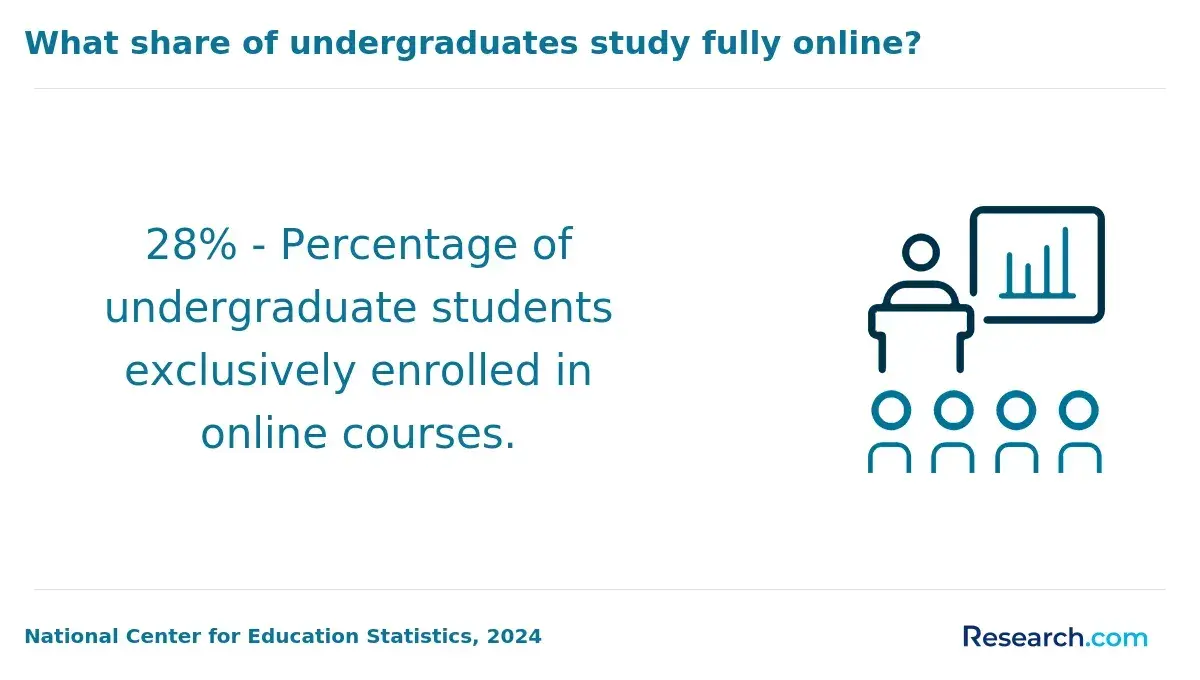
Recent trends from the National Center for Education Statistics show a 15% increase in online undergraduate enrollment in 2024, highlighting a shift toward accessible education but also raising questions about quality and student support. This article examines the cost, curriculum, admissions process, and career outcomes to help prospective students determine if this program fits their goals and circumstances.
Key Points About Arizona State University's BFA in Digital Photography Program
- With a 90% acceptance rate and total tuition of $34,845, Arizona State University's online bfa in digital photography offers accessible entry but requires consideration of investment versus career return.
- The program's academic rigor and faculty expertise translate into a degree that commands employer recognition, potentially easing professional entry but demanding strong student commitment.
- Graduates commonly find employment in creative fields, indicating solid workforce relevance, yet success often depends on continual skill development beyond the degree.
What can students expect from Arizona State University's online BFA in Digital Photography curriculum?
Employers often expect graduates with a BFA in Digital Photography to combine technical proficiency with critical visual thinking-an area where Arizona State University's online program aligns closely with established US standards for such curricula. Students can anticipate a blend of courses designed to build hands-on expertise while integrating contextual understanding of art and media.
This balance reflects broader trends across many programs but also addresses diverse career realities such as transitioning between gallery, commercial, or freelance environments. Below are three core components typically emphasized in the Arizona digital photography degree coursework overview.
- Digital Imaging Techniques: This coursework emphasizes mastering camera operation, digital capture, and editing software. Students learn to produce technically sound images, which is essential for meeting industry expectations around quality and efficiency on client projects or in editorial settings.
- Art History and Criticism: Classes covering these areas build critical thinking by encouraging students to contextualize their work within contemporary and historical photographic practices. This foundation supports more sophisticated creative decisions and effective communication with professional peers and clients.
- Professional Practices: Focused on branding, marketing, and client relations, these courses prepare students for the business realities of a photography career. Understanding these practicalities is vital because many photographers operate as freelancers or small business owners, requiring self-management skills beyond image creation.
By integrating technical, conceptual, and business-oriented coursework, Arizona State University's online BFA in Digital Photography curriculum offers a robust framework that prepares students to navigate the complexities of the evolving visual arts landscape. This structure also encourages exploration of related media such as video and mixed media projects, a growing expectation in the field.
For students weighing their options, understanding how these curriculum highlights translate into career readiness can clarify if this program suits their specific professional goals. For a broader perspective on relevant educational pathways, one may consult lists of top degrees for the future.
What are Arizona State University's admission requirements for online BFA in Digital Photography program?
Admission to Arizona State University's online BFA in Digital Photography requires more than simply meeting minimum academic criteria, reflecting a selective approach that prioritizes demonstrated skills and readiness. For instance, an applicant with a strong portfolio but no formal test scores may still compete well, while a student with standardized test results but a weak competency demonstration could face challenges.
Below is a summary of essential admission components prospective students should be prepared to fulfill.
- Secondary School Completion: Applicants must have completed high school or hold a GED certificate. This baseline ensures foundational academic preparation consistent with university-level expectations.
- Submission of Academic Records: A detailed secondary school record is required to verify prior coursework and grades. This helps Arizona State University assess academic consistency relevant to fine arts study.
- Competency Demonstration: A portfolio or similar presentation is recommended to showcase the applicant's photographic skills and creative capacity, which are critical indicators of potential success in the digital photography program.
- Admission Test Scores: While optional, SAT or ACT scores can strengthen an application by providing an additional measure of academic aptitude, though no strict minimum scores are mandated.
- English Proficiency: Non-native English speakers must submit TOEFL scores to confirm they have the language skills necessary for comprehending course material and participating in an online environment.

Is it difficult to get admitted to Arizona State University's online BFA in Digital Photography program?
BFA in Digital Photography programs often attract competitive applicant pools due to limited seats and growing interest in digital media careers. While some institutions impose rigorous portfolio reviews and standardized test requirements, others vary widely in selectivity, reflecting differences in program reputation and applicant volume. This variability impacts how difficult admission can be across institutions.
Arizona State University's online BFA in Digital Photography is notably accessible compared to many peers, as evidenced by an overall university acceptance rate of 90%. With 62,084 admissions from 68,840 applicants annually, this program benefits from relatively low entry barriers, including no SAT or ACT requirements.
This broad acceptance rate suggests fewer obstacles in gaining admission but doesn't eliminate the need for applicants to demonstrate creative aptitude and motivation within a competitive creative field.
One graduate recalled feeling both relief and caution during the application process. "I was surprised by how straightforward it was-no standardized tests, and the portfolio submission felt more like sharing my passion than competing," they said. However, they also emphasized how the lack of stringent entry criteria shifted the pressure onto sustaining discipline and skill development once enrolled, rather than worrying about being denied admission.
What is the cost of attending an online BFA in Digital Photography program at Arizona State University?
The tuition and fees for the online BFA in Digital Photography program at Arizona State University total approximately $12,051 annually, separate from room, board, and materials.
Students should also budget roughly $1,320 yearly for books and supplies, which reflects necessary investments in digital equipment and software often essential for portfolio development. This cost structure offers predictable expenses without added online technology fees, allowing students from diverse locations to benefit from a flat-rate tuition model.
Comparatively, this tuition cost sits within the mid-range of similar programs nationally, especially those at private institutions where fees tend to be higher. The total annual attendance cost-including living expenses-can approach $34,845, though in-state students living on campus may find different estimates, such as $28,047, due to methodological variations.
The online delivery model significantly reduces relocation or commuting expenses, a tradeoff that favors flexibility over traditional campus experiences.
Understanding tuition and fees for Arizona State University digital photography degree online provides insight into how this investment aligns with workforce realities. Graduates entering creative industries should weigh this financial commitment against expected earnings and the degree's influence on employability in competitive digital art markets.
This program's cost-benefit dynamic is particularly relevant for candidates balancing budget constraints with professional aspirations in digital imaging and content creation.
The decision to pursue this degree online can be informed by exploring broader trends in college degrees that pay well, ensuring that tuition costs correspond to realistic career outcomes and market demand for photographic skill sets.
Are there financial aid options for online BFA in Digital Photography students at Arizona State University?
Financial aid availability for students enrolled in the online BFA in Digital Photography at Arizona State University significantly influences the decision to invest in this degree. Given that the program's costs can be considerable, prospective students must navigate multiple funding sources to manage expenses realistically.
For instance, a working adult balancing tuition payments and living costs may rely on a mix of merit-based scholarships and federal aid to remain financially viable while completing the program. Understanding the specific types of aid available can clarify both immediate affordability and long-term debt implications.
Key financial aid options include:
- Merit-Based Scholarships: Offered through the Herberger Institute for Design and the Arts to students demonstrating artistic talent and academic achievement, these awards reduce tuition costs but generally require a portfolio and competitive grades.
- University-Wide Grants: These grants consider financial need, residency, and academic performance, providing partial tuition relief to eligible undergraduates and requiring the Free Application for Federal Student Aid (FAFSA) submission.
- Federal Financial Aid: Includes Pell Grants, Direct Loans, and PLUS Loans, accessible after FAFSA completion; they offer a combination of grants and loans designed to cover varying portions of educational costs, though loan terms and repayment obligations must be considered carefully.
- Corporate Tuition Reimbursement: Available to employed students whose companies offer education benefits; this option can offset a significant share of costs but typically requires ongoing employment and documented course completion.
- Veteran Benefits: Federal programs like the GI Bill support tuition and fees for qualifying veteran students, providing a stable source of funding independent of income level.
What learning resources are available to online BFA in Digital Photography students at Arizona State University?
Access to varied and targeted learning resources is critical for students in an online BFA in Digital Photography program, where hands-on skill development and conceptual understanding must coexist despite physical distance.
At Arizona State University, the absence of publicly detailed staff figures is offset by a digital ecosystem designed to reduce common barriers like software challenges and workflow disruptions-factors that can otherwise extend time to completion or degrade portfolio quality.
For instance, a student struggling to master editing tools remotely benefits directly from responsive tech support, mitigating risks of falling behind due to technical issues. Below are essential components shaping the student experience:
- Online Learning Platform: A robust, user-centered platform facilitates seamless access to lectures, assignments, and multimedia resources. This infrastructure supports asynchronous study patterns, allowing students to balance creative practice with deadlines effectively.
- Technical Assistance: Dedicated support helps resolve software navigation difficulties and connectivity problems, preventing interruptions in the workflow that can affect project timelines and learning outcomes.
- Academic Support: Personalized tutoring and writing aid beyond the classroom help students hone both their artistic techniques and critical communication skills, which are essential for well-rounded portfolio development and academic success.
- Advising and Mentoring: Continuous guidance ensures students remain aligned with degree requirements and better understand academic policies, a crucial factor in maintaining steady progress in a challenging creative discipline.
- Career Services Connections: Access to industry professionals and enhanced networking opportunities-including résumé reviews and portfolio workshops-address the practical need for transitioning from academic projects to market-ready skills and employment.
Does Arizona State University's online BFA in Digital Photography program have in-person clinicals or practicums?
Many traditional fine arts programs, including BFA in Digital Photography paths, emphasize in-person practicums to develop hands-on skills and direct mentorship. This real-world clinical or hands-on experience is often seen as vital for students to build tactile familiarity with equipment and studio environments sought by some employers. However, this requirement can pose logistical hurdles for students unable to relocate or commit to scheduled onsite hours.
Arizona State University's online BFA in Digital Photography does not require students to complete in-person clinicals or practicum components. Instead, the curriculum is designed around immersive digital assignments, virtual collaboration with faculty, and portfolio development tailored specifically for remote learners.
For those researching Arizona State University online BFA in Digital Photography in-person practicum requirements, this means gaining practical skills through simulated industry projects rather than physical studio time.
While this model offers flexibility, it may demand supplementary experience for some students aiming for positions that prioritize physical studio proficiency. Students wanting direct hands-on lab work or mentorship might consider augmenting their education with local internships or independent practice.
Those weighing options in clinical or hands-on experience for Arizona State University digital photography online students should also explore alternative certificates or short-term courses that bolster technical skill sets-resources identified in programs like 4-6-week certification programs online.
What careers can graduates of online BFA in Digital Photography at Arizona State University secure?
Graduates of the online bfa in digital photography at Arizona State University face a competitive market where success hinges on their ability to translate technical and creative skills into sustainable roles. The practical value of this degree depends largely on how well alumni navigate roles that often demand versatility and adaptability.
For example, a graduate working as a commercial photographer must combine technical proficiency with an understanding of client branding needs, often juggling freelance uncertainty against studio-based stability. Here are some core career options relevant to job opportunities for Arizona State University online bfa digital photography alumni:
- Professional Photographer: Involves assignments from portraits to fine art projects, requiring mastery in digital capture and editing. Salaries usually range from $30,000 to $50,000 depending on experience and market.
- Commercial Photographer: Collaborates with businesses and advertising agencies producing images for marketing campaigns. This role demands strong client relations and project management skills alongside technical know-how.
- Photojournalist: Uses photography to document news and storytelling. Candidates must excel under pressure and in rapidly changing environments, with a focus on narrative impact.
- Digital Imaging Specialist: Focuses on post-production tasks like retouching and color correction, requiring deep proficiency in industry-standard software.
The program's effectively balancing creative growth with technical training prepares students to adapt across freelancing, studio roles, and multimedia content creation settings.
For those considering educational pathways, it's useful to compare these outcomes to alternatives such as 2-year degrees, which may offer quicker entry but less depth in artistic development. Understanding these dynamics can guide prospective students in evaluating the tradeoffs between time investment, skill acquisition, and long-term employability in careers in digital photography for Arizona State University graduates.
What is the salary outlook for online BFA in Digital Photography graduates?
The earning potential for online BFA in Digital Photography graduates from Arizona State University reflects a distinct tradeoff between creative fulfillment and financial rewards. With a median alumni salary of $27,343, digital photography graduates often face a tougher market compared to other disciplines, suggesting the need for strategic career planning and diversified income streams to balance ambition with realistic expectations.
This salary outlook contrasts with the broader median alumni earnings of $62,668 at Arizona State University, highlighting the generally lower financial returns in the digital photography field versus many technical or STEM-related areas. For those focused on the average earnings for Arizona State University digital photography alumni, the initial income often aligns more closely with media production and advertising roles where wide demand exists but salary ceilings remain modest.
Graduates entering this creative sector should anticipate leveraging freelance opportunities, specialization, and evolving digital skills to augment income over time.
Those assessing the online BFA in Digital Photography graduate salary in Arizona need to weigh artistic goals against economic realities, especially when compared to adjacent fields like design and applied arts with higher median salaries. Prospective students might also explore flexible learning options such as open university free courses for over 60s to supplement skills and broaden career prospects.
How do you know if Arizona State University's online BFA in Digital Photography program is the right choice for you?
Choosing whether the online BFA in Digital Photography at Arizona State University suits your needs requires careful alignment with your learning preferences, career intentions, and practical circumstances. This decision impacts not only your educational experience but also the potential relevance and applicability of your skills in a competitive creative workforce. To guide this evaluation, consider the following critical factors:
- Curriculum Depth and Format: Assess if the program's blend of conceptual and technical training delivered through virtual studios matches your preferred learning style, especially if hands-on experience and real-time feedback are priorities. A program with interactive elements can better simulate studio environments remotely but may demand more self-discipline.
- Community Engagement: Evaluate the availability of peer interaction and instructor support, which influence motivation and collaborative growth. Distance learning often isolates students; proactive participation in forums and peer reviews can mitigate this but requires a commitment to online engagement.
- Career Pathways and Networks: Investigate the strength of alumni connections and industry partnerships for internships or job placements. Programs effectively integrated with professional networks can enhance employability but may also require geographical flexibility or additional outreach on your part.
Reflecting on this, one graduate shared that they initially hesitated because they valued in-person mentorship but needed flexibility due to a full-time job. After weighing the interactive virtual studio components against their time constraints, they found that ASU's program balanced their need for practical skill development with an adaptable schedule.
Staying active in online critiques helped them feel connected, and tapping into the alumni network later provided a crucial link to local exhibition opportunities. Their choice wasn't simple but proved based on a realistic appraisal of both personal circumstances and professional ambitions.
What Graduates Say About Arizona State University's BFA in Digital Photography Program
- John: "Studying the bfa in digital photography at Arizona State University gave me flexibility to balance my part-time job and coursework, which was crucial. The program's emphasis on building a portfolio rather than just theoretical knowledge helped me land an internship that turned into a steady freelance gig. However, I've noticed that many employers in this field still prioritize hands-on experience over the degree alone, so I always advise recent grads to focus on creating real-world projects to stand out."
- Colin: "Arizona State University's bfa in digital photography introduced me to a variety of technical skills and critique methods that truly shaped my eye for detail. Early on, I had to navigate hiring challenges where certifications or formal training weren't enough without a strong portfolio. The program's remote learning structure also prepared me for the freelance and remote opportunities that define much of today's photography industry, allowing me to build a sustainable career outside of traditional studios."
- Ian: "The bfa in digital photography from Arizona State University gave me a solid foundation, but entering the workforce required recalibrating my expectations around salary growth and upward mobility. The practical projects and mentorship I received were invaluable, yet I found that without additional licensure or specialized certifications, advancement was limited in more corporate settings. That said, the program's comprehensive approach gave me confidence to pivot into commercial and editorial photography with realistic awareness of industry demands."
Other Things You Should Know About Degrees
The online structure offers flexibility, but the BFA in Digital Photography program is rigorous, requiring consistent engagement with both technical projects and creative assignments. Students working full-time should expect to dedicate substantial hours weekly, particularly during studio projects or portfolio development phases. Prioritizing time management and setting clear weekly goals is essential, as coursework cannot be rushed without risking quality or comprehension.
While the program facilitates virtual collaboration and peer feedback, it lacks the spontaneous in-person interactions found in traditional settings. This can limit informal networking opportunities with classmates and faculty, which are often valuable for future job leads and mentorship. Prospective students should proactively leverage online platforms and local photography communities to supplement networking if they want to build industry connections effectively.
The curriculum covers a broad range of digital photography skills, fostering versatility rather than deep specialization. Students seeking highly focused careers may need to complement the degree with specific internships, workshops, or elective courses that address niche markets.
Prioritizing these supplementary experiences can significantly affect readiness for targeted roles in commercial or fine art sectors, which demand specialized portfolios and technical mastery beyond the general curriculum.
References
- ASU debuts first online photography degree - The Arizona State Press https://www.statepress.com/article/2018/08/spartcult-asu-now-offering-digital-photography-degree-online
- Photography, BFA https://www.nec.edu/programs/photography-bfa
- Online Bachelor of Fine Arts in Art (Digital Photography) https://plusalliance.org/online-bachelor-fine-arts-art-digital-photography
- Online Photography Degrees https://mycollegeguide.org/online-photography-degrees/
- Eligibility Criteria for BFA Course After 12th – A Complete Guide https://aaft.com/blog/fine-art/eligibility-criteria-for-bfa-course-everything-you-need-to-know/