2027 American Sentinel College of Nursing & Health Sciences at Post University Pros and Cons for Online Students

Co-Founder and Chief Data Scientist
Balancing work, family, and financial responsibilities while pursuing higher education poses a significant challenge for many prospective students. They often face uncertainty about whether enrolling in the American Sentinel College of Nursing & Health Sciences at Post University's online programs will fit their busy schedules without compromising quality or outcomes. National data shows that over 60% of online learners juggle employment alongside studies, making program flexibility and support critical factors in their decision-making.
Evaluating both the benefits and limitations of this institution's online offerings helps clarify if the approach aligns with individual learning styles, career goals, and time constraints. Online programs vary widely in rigor, networking opportunities, and employer recognition, which can affect long-term employability. This article analyzes key pros and cons of the American Sentinel College of Nursing & Health Sciences at Post University online experience to assist in making a well-informed enrollment choice.
Key Points About American Sentinel College of Nursing & Health Sciences at Post University Pros and Cons for Online Students
- American Sentinel College of Nursing & Health Sciences at Post University provides asynchronous classes with flexible scheduling, supported by responsive faculty, but students report frequent technology issues and delayed advisor feedback, which may hinder timely problem resolution.
- Graduates earn a median of $38,696 against typical debts of $30,157, yielding an earnings-to-debt ratio of 1.28x, indicating constrained financial returns that warrant careful consideration against program costs.
- The 35% average graduation rate and open admissions model suit self-directed transfer students and working adults; however, limited networking and slower academic support may challenge those requiring immediate guidance or extensive peer interaction.
What are the biggest advantages of studying online at American Sentinel College of Nursing & Health Sciences at Post University?
The advantages of online study at American Sentinel College of Nursing & Health Sciences at Post University depend heavily on individual student priorities and life circumstances. For adult learners balancing jobs, families, or other commitments, flexibility in course delivery and scheduling can determine whether education remains feasible or becomes an additional burden. Students aiming for careers in healthcare must also consider the academic rigor and employer recognition behind the online format. According to a National Online Learning Consortium study, flexible scheduling remains the top factor driving online student satisfaction, underscoring why such flexibility is critical for retention and success. The following points outline key advantages that may appeal depending on personal and professional goals.
- Flexible Asynchronous Scheduling: The ability to complete coursework on one's own time supports working adults and caregivers. This flexibility reduces conflict with job hours or family needs, making sustained progress possible even during busy periods.
- Same Faculty for Online and On-Campus Courses: Online courses are taught by faculty who also teach in person, which helps maintain academic quality and ensures alignment with employer expectations in healthcare fields.
- Financial Aid Accessibility: With 97% of students receiving aid averaging $5,853, affordability obstacles are somewhat alleviated. This is especially important for students managing expenses alongside education.
- Career Services Tailored to Remote Students: Customized support offers access to remote networking and job resources but requires proactive engagement to translate into tangible employment outcomes.
- Supports Moderately Growing Income Potential: Median alumni earnings around $38,696 suggest that while there is room for income improvement, graduates should align expectations with realistic workforce returns in nursing and health sciences.
- Open Admission Policy: This lowers barriers to entry for adult learners seeking to re-enter education but also demands discipline to persist given the low graduation rate of 35%.
What are the biggest drawbacks of American Sentinel College of Nursing & Health Sciences at Post University's online programs?
Every online learning environment involves trade-offs, balancing flexibility with certain inherent limitations. Understanding potential drawbacks before enrolling helps students align their expectations with reality. It also improves long-term satisfaction and mitigates surprises related to cost, engagement, and support. Students considering American Sentinel College of Nursing & Health Sciences at Post University should recognize that these online programs present challenges common to remote education but with additional specific trade-offs. Below are the most significant drawbacks identified for this institution's online offerings.
- High Financial Burden Relative to Outcomes: The total cost of attendance, around $27,202, combined with median graduate debt of $30,157, represents a substantial investment. This level of debt may not equate to proportionally higher earnings, especially given the uncertainty around job placement, making it a critical factor for financially sensitive students.
- Unexpected Additional Charges: Besides the $30,100 tuition, students report hidden fees such as administration costs and technology delivery charges. Out-of-state students face premiums, complicating budgeting and increasing overall expense unpredictability.
- Learning Management System Limitations: Periodic downtime and a less intuitive user interface disrupt workflow and cause frustration. Students who rely on steady, straightforward tech access may find these issues hinder steady progress.
- Restricted Digital Library Resources: Limited access narrows research opportunities needed for advanced study. Students seeking comprehensive academic materials may need to supplement through alternative sources.
- Social and Professional Isolation: Minimal peer interaction and few campus-based networking events reduce relationship-building chances. This affects students who depend on connections for job leads, especially in fields like nursing where networking often impacts employment.
- Impact on Career Advancement Opportunities: A recent study in the Journal of Online Education found 62% of online students cite lack of social interaction as a major career barrier. This highlights how the isolated nature of these programs can influence future professional growth.
- Misalignment with Career Goals for Some Students: Prospective enrollees should compare these challenges with their priorities, especially if targeting occupations listed among the highest paying online degrees. The return on investment may vary widely depending on specific career trajectories.
How flexible is American Sentinel College of Nursing & Health Sciences at Post University for online students?
Flexibility ranks as a critical factor for prospective students evaluating online programs because it involves more than location freedom. It requires programs to accommodate varied schedules, unpredictable responsibilities, and diverse learning styles. For many learners, such as a single parent or active military personnel, the ability to adjust study pace and timing without sacrificing academic rigor defines program suitability. American Sentinel College of Nursing & Health Sciences at Post University online program flexibility addresses these complex needs by emphasizing asynchronous learning options that do not demand real-time attendance.
The structure at American Sentinel College of Nursing & Health Sciences at Post University allows online students to balance work, family, and other commitments by offering mostly self-paced access to course materials. Part-time enrollment and the option to modify course loads each semester enhance this adaptability. However, flexibility is not without limits. Assignments have deadlines, exams require proctoring windows, and programs impose a maximum timeframe for degree completion. These constraints mean students must engage in proactive planning, lest delays in progression arise.
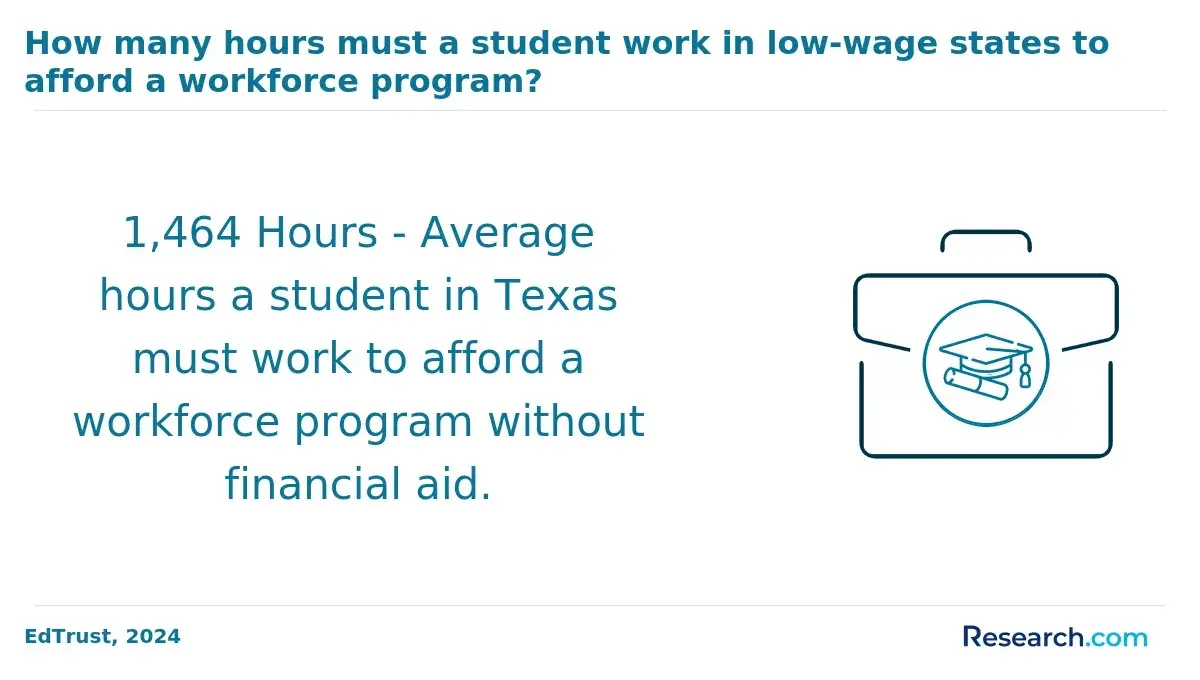
A practical example might involve a nurse working varying shifts who uses the asynchronous course format to study during off-hours or weekends. They leverage flexible deadlines and accelerated term options to manage unexpected work demands or family emergencies. Still, this model favors students with strong self-discipline who can navigate institutional timelines and maintain steady progress. The 35% graduation rate among 21,699 enrollees suggests a sizeable portion face challenges sustaining such momentum, an important consideration for those exploring flexible learning options for online students at American Sentinel College of Nursing & Health Sciences at Post University.
Prospective students should evaluate their own schedules, learning preferences, and external obligations against this program's flexibility. Those comfortable with autonomous study and capable of time management might find it well-suited to their goals. Conversely, learners needing more structured pacing could struggle with deadlines and less synchronous interaction.
A 2024 survey on online learning flexibility reported a strong link between student satisfaction and flexible pacing, but emphasized that benefits vary widely based on individual commitment. Understanding this nuance helps clarify whether American Sentinel College of Nursing & Health Sciences at Post University's model fits specific educational journeys, especially compared to alternative offerings like easy online degrees.
How strong is the online learning experience at American Sentinel College of Nursing & Health Sciences at Post University?
Evaluating the quality of the online learning experience at American Sentinel College of Nursing & Health Sciences at Post University requires looking beyond course delivery alone. Key factors include student engagement, instructor interaction, course design, academic support, and opportunities for meaningful learning. These elements shape how students absorb material and develop skills critical in nursing and health sciences, where practical understanding and timely feedback often impact professional readiness.
The online environment at American Sentinel offers accessible and stable LMS technology and up-to-date content aligned with industry standards, supporting self-directed learners and those who value flexibility. However, limited real-time interaction and constrained group collaboration may challenge students seeking active peer engagement or faster instructor feedback. According to a 2024 survey by EduEngage, 67.3% of online students associate quality with prompt faculty responses and active peer interaction, areas where some students at American Sentinel find room for improvement.
Prospective students should assess how their learning preferences match this mix of strengths and limitations. Those comfortable with independent study and periodic instructor contact may thrive, while students needing frequent interaction or deeper teamwork might struggle. Aligning educational goals with this environment means realistically weighing one's tolerance for delayed feedback and less immersive social learning against the convenience and foundational rigor offered.
One American Sentinel graduate recalled initial doubts about the program's online format, fearing insufficient interaction would hinder mastery of complex clinical topics. Over time, the steady accessibility of course materials and structured assignments helped build confidence. Despite occasional delays in faculty responses, flexibility allowed balancing family commitments and coursework, ultimately supporting a successful transition into healthcare roles requiring both knowledge and practical judgment.
Is American Sentinel College of Nursing & Health Sciences at Post University affordable for online students?
Affordability for online programs at American Sentinel College of Nursing & Health Sciences at Post University should be judged beyond tuition alone. The total federal cost of attendance is $27,202 while tuition totals $30,100, illustrating that broader expenses influence affordability. Graduates face a median debt of $30,157, nearly matching tuition costs, which results in an earnings-to-debt ratio of just 1.28x, indicating modest income gains relative to debt. These figures emphasize the importance of assessing the long-term value and financial implications of earning a degree in nursing online rather than focusing only on sticker price. Many nursing programs with earnings-to-debt ratios below 1.5x require careful financial planning to avoid undue risk, as shown by a recent 2024 study on online nursing education affordability.
Several factors affect affordability for students enrolling in American Sentinel College of Nursing & Health Sciences at Post University's online options. Savings on commuting, housing, and other campus-associated costs may allow students to maintain employment while studying, offsetting some tuition and living expenses. However, variability in fees and unclear disclosures on costs like online proctoring or digital materials make exact budgeting challenging. Affordability is highly individual, dependent on each student's financial aid, employment situation, and ability to manage these additional costs.
For those considering self-paced online colleges balancing income, time commitments, and program duration is key.
How do online programs at American Sentinel College of Nursing & Health Sciences at Post University affect graduation time?
Graduation timelines depend on more than online delivery alone. Factors like enrollment pace, course scheduling, and personal circumstances shape how quickly a degree is completed. Students who enroll full-time and can take courses continuously may finish sooner. However, course availability and external responsibilities often complicate steady progress, making graduation time highly individualized.
American Sentinel College of Nursing & Health Sciences at Post University's 8-week courses and year-round enrollment offer options for accelerated progress. Full-time students with flexible schedules might reduce their time to degree. Conversely, part-time learners managing work, family, or military duties often face extended timelines. Online format flexibility does not guarantee a faster graduation-it balances potential acceleration with real-world constraints.
Prospective students can better estimate their graduation by assessing how many courses they can take regularly and measuring outside commitments. Those who maintain steady enrollment and manage required clinical or capstone courses typically progress faster. Others should recognize that fluctuating availability and personal limits can lengthen completion. Understanding these dynamics helps align educational plans with career timelines.
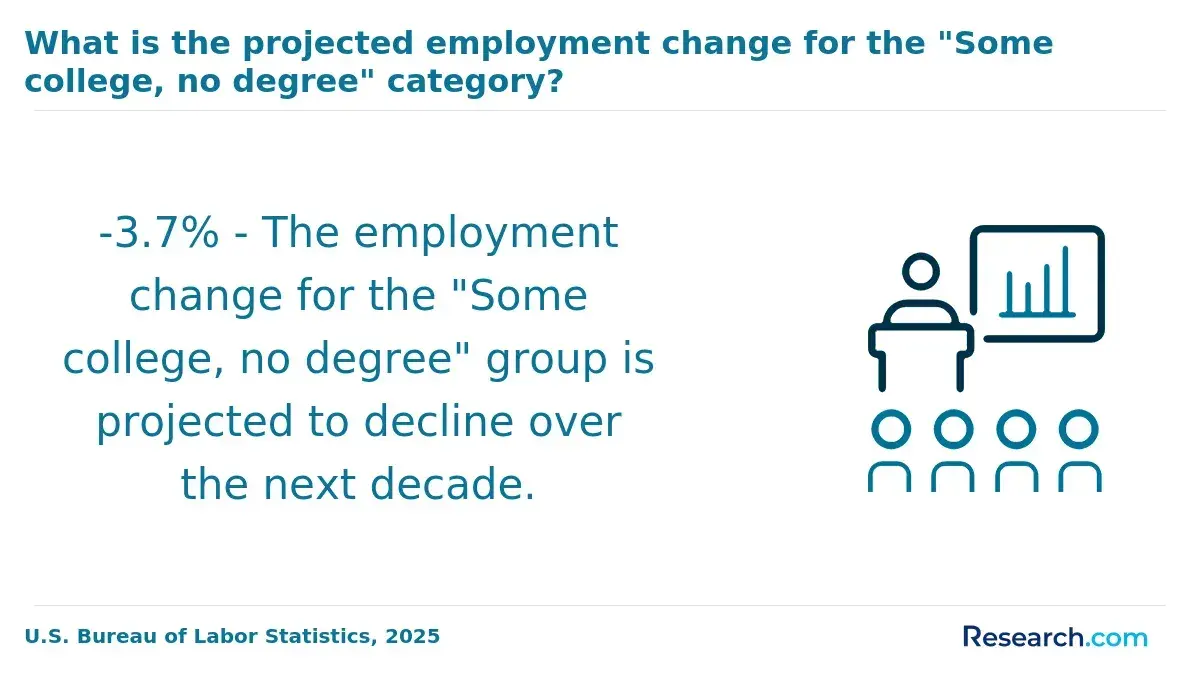
One student initially aimed to graduate within three years while working full-time and caring for two children. After enrolling, limited weekend availability for key clinical courses and unexpected family demands forced a shift to part-time study. "It was frustrating to adjust my timeline, but this realistic pacing kept me enrolled and reduced burnout," they shared. This adaptability allowed steady progress without compromising job stability or family needs, showcasing the practical impact of balancing online flexibility with life's complexities.
Who is most likely to succeed in American Sentinel College of Nursing & Health Sciences at Post University's online programs?
Success in an online program depends less on age or prior background and more on a student's capacity to manage demands of independent learning. Attendance and participation occur in a less structured environment that requires self-discipline and intentional habits. Understanding one's learning style and motivation level is essential before committing to these programs. A 2024 study from the Online Learning Consortium found that over 70% of successful online learners demonstrate effective self-regulatory skills coupled with relevant professional experience. The following points identify which types of students are best positioned to thrive in American Sentinel College of Nursing & Health Sciences at Post University's online offerings.
- Self-Disciplined and Organized Learners: Students who consistently plan and prioritize tasks tend to adapt better to the largely self-paced curriculum. Mastery of time management reduces risks of falling behind as there is limited direct instructor oversight. This skill can be cultivated but requires steady practice and commitment.
- Experienced Healthcare Professionals: Previous work in healthcare or related fields provides a contextual foundation that makes theoretical content more accessible and applicable. These students can leverage existing knowledge, which often eases the transition to online study and improves retention. However, they should also prepare to update or deepen skills in line with evolving healthcare demands.
- Effective Communicators and Networkers: The virtual format limits face-to-face interactions, so students who proactively engage with instructors and peers usually experience better support. Clear communication helps navigate occasional ambiguities in online instructions or technical barriers. This competence grows with intentional efforts to reach out and collaborate despite physical distance.
- Technologically Proficient Learners: Comfort with digital platforms and troubleshooting basic issues directly impacts persistence and success. Students lacking foundational digital literacy face steeper learning curves and greater risk of frustration or disengagement. Those willing to improve these skills can significantly enhance their learning experience.
- Motivated Adult Learners with Clear Goals: Individuals driven by specific career objectives are more likely to maintain focus amid flexible but challenging requirements. Understanding the long-term implications of degree completion encourages sustained effort. While goals may evolve, clarity at the outset helps in managing competing responsibilities efficiently.
- Students Open to Developing New Study Habits: Many incoming students need to adjust from traditional classroom routines to online learning strategies. Those willing to experiment with new ways to process information or organize study time see benefits. This adaptability can transform initial struggles into gradual academic progress.
- Resilient Learners Managing External Demands: Given the large enrollment and diverse backgrounds, those who balance work, family, and study demands effectively tend to complete the programs. Realistic self-assessment of available time and energy before enrollment prevents overcommitment. Support systems and stress management practices enhance chances of persistence.
How does American Sentinel College of Nursing & Health Sciences at Post University compare with other online colleges?
Comparing online colleges requires more than just examining rankings or reputations. Prospective students must assess how well each institution aligns with their unique educational needs, learning styles, and career ambitions. Differences in graduation rates, alumni earnings, and debt levels impact long-term outcomes and should influence decisions. For instance, a working nurse seeking to advance may prioritize a program with strong clinical partnerships and higher completion rates. Understanding these practical nuances helps students make informed choices beyond surface-level comparisons. Below are key factors to consider when comparing American Sentinel College of Nursing & Health Sciences at Post University to other online nursing colleges.
- Graduation Rate and Completion Challenges: American Sentinel's graduation rate of 35% is below many regional and national online programs that often exceed 50%. Students should consider whether a school's support services and pacing match their ability to complete the program without delays, as this directly impacts time to workforce entry and financial strain.
- Financial Return and Debt Load: With a median debt of $30,157 and alumni earnings around $38,696, the earnings-to-debt ratio stands at a modest 1.28x. This contrasts with programs where graduates achieve higher multiples. Prospective students should weigh if the potential financial returns justify the investment based on their career goals and local job markets.
- Specialization and Accreditation Focus: American Sentinel emphasizes nursing and health sciences with relevant accreditations, which suits students targeting these fields. Those wanting broader healthcare options or multidisciplinary careers might find more varied offerings elsewhere. Accreditation ensures program quality but unique partnerships can boost career placement.
- Career Services and Employer Connections: Unlike some competitors, American Sentinel lacks extensive unique career placement ecosystems. Students aiming for quick transitions or network advantages might prefer colleges with stronger employer engagement or clinical affiliations that facilitate job placement in competitive healthcare environments.
- Learning Environment and Student Support: The specific online learning design and faculty accessibility vary by program. Students should assess if American Sentinel's delivery style suits their preferred pace and interaction level, as this affects motivation and success, especially for those balancing work and studies.
- Student Demographics and Peer Networks: The type of classmates and their professional backgrounds influence collaborative opportunities and support systems. Prospective students should consider if they value connection with peers in similar career stages or geographic areas, which can enhance the educational experience.
- Alignment with Employment Outcomes: Many employers emphasize tangible skills and certifications. A 2024 national survey identified post-graduation employability and debt burden as top priorities for students choosing online universities. This highlights the importance of comparing how programs translate into actual job opportunities and manageable financial commitments, not just institutional prestige.
When evaluating American Sentinel College of Nursing & Health Sciences at Post University online program comparisons, students should also explore options like short certificate programs that might offer faster routes to employment with less debt. This is particularly relevant for those needing immediate workforce entry or supplemental qualifications in healthcare.
What student support services are available for online learners at American Sentinel College of Nursing & Health Sciences at Post University?
Student support services are critical to online learning success as they directly influence engagement, persistence, and outcomes. Online learners often face unique challenges, such as balancing education with work or personal responsibilities, which require accessible and flexible resources. Without strong institutional backing, students risk academic delays or dropouts. For instance, a working nurse seeking an accelerated degree path must rely on timely advising and technical assistance to navigate course requirements effectively.
National surveys reveal that nearly 70% of online students prioritize accessible academic and technical support as key to their persistence, underscoring the importance of these services. Following is an outline of notable student support services available for online learners at American Sentinel College of Nursing & Health Sciences at Post University.
- Comprehensive Academic Advising: Dedicated advisors guide online students through curriculum requirements and degree planning. This service benefits students unfamiliar with nursing education pathways or those juggling multiple responsibilities, helping to reduce confusion and ensure timely progress.
- 24/7 Technical Support and Help Desk: Round-the-clock IT assistance minimizes downtime caused by technical issues. Online learners who depend on stable access to coursework and exams can maintain momentum despite connectivity or platform challenges.
- Virtual Career Services: Services include resume workshops, virtual job fairs, and access to an alumni mentoring network. This support is vital for those seeking to transition into new roles or specialties, providing networking alternatives when physical opportunities are limited.
- Digital Academic Resources: Online tutoring, remote library access, and writing labs are designed for varied learning styles and schedules. Such resources support skill development essential for academic success and professional communication.
- Mental Health and Wellness Programs: Tailored to remote and non-traditional students, these services address stress, burnout, and accessibility needs. Effective mental health support helps maintain focus and persistence amidst the challenges of balancing education with life demands.
- Flexible Learning Accommodations: Accessibility supports ensure that students with disabilities or special requirements can fully participate. This inclusivity is critical for equity and enables all students to maximize their educational potential.
- Short Term Certificate Programs Guidance: Advising on short term certificate programs helps students explore quick, targeted credentials that can enhance employability, aligning with workforce demands in healthcare settings.
Is American Sentinel College of Nursing & Health Sciences at Post University the right choice for your career goals?
Choosing an online college requires focusing on career fit rather than convenience, cost, or reputation alone. For instance, a student aiming for a management role in healthcare should investigate the practical outcomes of the program, such as median salaries and employer recognition. National surveys show 48% of online students prioritize flexibility over career advancement, which can limit long-term professional gains if not carefully balanced with career goals. The decision must weigh how well the educational path aligns with the specific skills and credentials demanded in the target industry.
American Sentinel College of Nursing & Health Sciences at Post University offers online programs geared toward healthcare and management fields, sectors with steady demand. Its academic approach emphasizes flexibility and access, which suits working adults or those with family obligations. However, limited networking opportunities and modest graduation rates suggest students may encounter challenges securing strong employer connections or timely completion. The school's regional accreditation supports entry-level credentialing but may fall short for roles requiring nationally recognized qualifications or competitive advantages.
Prospective students should assess their career expectations alongside their current work environment, learning preferences, and need for flexible scheduling. Someone working full-time in a healthcare setting might find the convenience beneficial but must consider if the diploma's industry recognition matches their advancement plans. Understanding outcomes like the $38,696 median graduate salary and 1.28x earnings to debt ratio can clarify financial tradeoffs. Ultimately, success depends on aligning program features with personal goals, whether that means affordable access, practical credentialing, or preparation for more competitive sectors.
What Graduates Say About American Sentinel College of Nursing & Health Sciences at Post University Pros and Cons for Online Students
- Malik: "Studying in the online program at American Sentinel College of Nursing & Health Sciences at Post University offered me incredible flexibility to juggle my full-time job and family commitments. The ability to access lectures and materials anytime meant I could tailor my study sessions around unpredictable work shifts. However, I did find that the lack of in-person interaction sometimes made it challenging to clarify complex topics quickly, requiring a bit more self-motivation and independent research to stay on top of the coursework."
- Farhan: "My experience with American Sentinel College of Nursing & Health Sciences at Post University's online program was largely positive, especially for its clear structure and accessible faculty support through virtual office hours. The program design helped me maintain a steady workflow and prevented burnout by avoiding the commute and rigid schedules of traditional classes. On the downside, I occasionally struggled with maintaining engagement during purely asynchronous sessions, which demanded developing my own strategies to stay focused and participate actively in discussions."
- Nikhil: "The online learning environment at American Sentinel College of Nursing & Health Sciences at Post University allowed me to advance my career while still handling daily responsibilities. Its convenience truly stood out as I could study during weekends or late evenings. Nevertheless, I sometimes felt disconnected from peers and missed spontaneous networking opportunities that usually happen in physical classrooms, which pushed me to seek out informal online study groups to compensate for the social gap."
Other Things You Should Know About American Sentinel College of Nursing & Health Sciences at Post University Degrees
The American Sentinel College of Nursing & Health Sciences at Post University requires clinical hours that must be completed in person. While the college offers some assistance in finding placements, the responsibility largely falls on the student to secure appropriate clinical sites. This can create challenges for online students who live in areas with limited healthcare facilities willing to host students, potentially delaying program completion or increasing commute demands. Prospective students should assess local clinical opportunities before enrolling to avoid logistical issues.
Employers familiar with American Sentinel College of Nursing & Health Sciences at Post University generally accept its credentials, especially since the programs are accredited. However, some healthcare employers prefer candidates from longer-established or regionally prestigious institutions. Graduates may benefit from supplementing their education with hands-on experience or certifications to strengthen their resumes. When job market competitiveness is high, the choice of this college may require students to proactively demonstrate competence beyond the degree.
The online curriculum delivers theory and some virtual simulation well, but it cannot fully replicate the nuances of in-person patient interaction and teamwork. Students must be conscious that practical skills development depends heavily on the quality and availability of their clinical internships outside the digital platform. For those needing extensive hands-on preparation, combining this program with additional local training or choosing hybrid formats elsewhere might be necessary. Recognizing this gap is essential for students aiming for clinical confidence at graduation.
References
- Student Services https://forms.americansentinel.edu/Thank-you.php
- Post University Online NP Programs Programs https://www.npschools.com/profiles/post-university
- Online College Review: Post University (Online) https://www.collegetransitions.com/blog/post-university-online-college-review/
- Library Homepage: Nursing & Health Sciences : Welcome to the Library https://libguides.americansentinel.edu/nursing-health-sciences
- For-profit merger highlights sector's growing interest in healthcare https://www.highereddive.com/news/for-profit-merger-highlights-sectors-growing-interest-in-healthcare/594395/