2027 What Job Postings Reveal About Mobile App Development Careers: Skills, Degrees, and Experience Employers Want
Audited and Verified:
Our Editorial and Data Verification Process
Research.com uses government datasets, official education statistics and primary institutional information to support its career and degree guides. Our review process checks factual accuracy, occupational definitions, source dates and the requirements associated with the credentials discussed.
How This Article Was Fact-Checked
Our editorial team verifies salary estimates, employment projections, education requirements and program information against original data providers and official organizations. Salary figures are checked against the relevant occupational definitions and reporting periods. Information about licensure, accreditation and required in-person training is reviewed separately.
Fact-checked and verified on:

Co-Founder and Chief Data Scientist
What do employers actually look for when recruiting for mobile app development positions? Numerous new graduates and people changing careers ask whether a degree is necessary or whether practical skills matter more. Industry figures indicate that more than 65% of mobile app development job listings favor applicants who hold formal computer science or related degrees, underscoring the continuing importance of education. Still, hands-on experience and competence in widely used programming languages are just as vital. This article examines what job postings show about the equilibrium employers seek among skills, degrees, and experience, assisting future mobile app developers in matching their career preparation to market needs.
Key Things to Know About Skills, Degrees, and Experience Employers Want
- Job postings emphasize proficiency in languages like Swift and Kotlin, paired with experience in cross-platform frameworks, reflecting evolving technical skill demands for mobile app development roles.
- Employers typically seek candidates with a bachelor's degree in computer science or related fields, alongside 2-4 years of relevant experience, shaping realistic educational and professional expectations.
- Analyzing numerous job listings clarifies current hiring trends, helping students prioritize essential skills and certifications to meet employer standards in mobile app development careers.
What Do Job Postings Say About Mobile App Development Careers?
Job postings provide a realistic view of the expectations employers hold for mobile app development careers, underscoring a combination of technical skills, educational credentials, and professional experience. Numerous listings favor candidates skilled in languages such as Java, Swift, or Kotlin, along with a grounding in computer science or related fields.
Although degree requirements differ, a notable share of postings accept equivalent experience or portfolios as evidence of ability. One study reports that roughly 65% of job postings require three or more years of development experience, highlighting a preference for experienced candidates.
Trends in job postings show steady demand for both hard and soft skills, with continuing emphasis on teamwork, communication, and problem-solving abilities. Requirements frequently change with seniority, as entry-level roles center on internships or personal projects, while senior positions require deeper professional experience.
This organized distinction mirrors industry hiring patterns that balance technical know-how with interpersonal strengths across career stages. These insights help explain what employers value as they look for candidates who can succeed in fast-changing development settings.
What Skills Are Most Requested in Mobile App Development Job Postings?
Job postings for mobile app development positions show a clear emphasis on a mix of technical expertise and interpersonal abilities. Employers regularly look for candidates who are skilled in core programming languages, and a 2023 study shows that more than 70% of listings require expertise in one or more major programming languages. This underscores how vital these skills are for mobile app development careers.
Listed below are some of the most requested skills often cited in mobile app developer skills in demand:
- Programming Languages: Competence in languages like Java, Swift, Kotlin, and JavaScript is essential for building dependable, high-performing apps across Android and iOS platforms. Employers look for clean, maintainable code that enables long-term app updates.
- Development Frameworks: Knowledge of frameworks such as React Native and Flutter is highly prized because it supports efficient cross-platform app creation, letting businesses save time and reach multiple operating systems at once.
- Version Control: Familiarity with Git and other version control systems is vital for collaborative development. Such tools help teams handle code changes efficiently and preserve project integrity over time.
- UI/UX Design Principles: Grasping user interface and user experience design keeps apps intuitive and engaging. Developers able to turn design concepts into functional components help improve app adoption.
- Soft Skills: Problem-solving, communication, and adaptability matter more and more as mobile app projects change quickly. These interpersonal abilities help developers handle challenges and work together efficiently.
Students who are considering this field may also look into the highest paying online degrees to match their education with industry needs and improve career opportunities.
What Degrees Do Employers Require for Mobile App Development Careers?
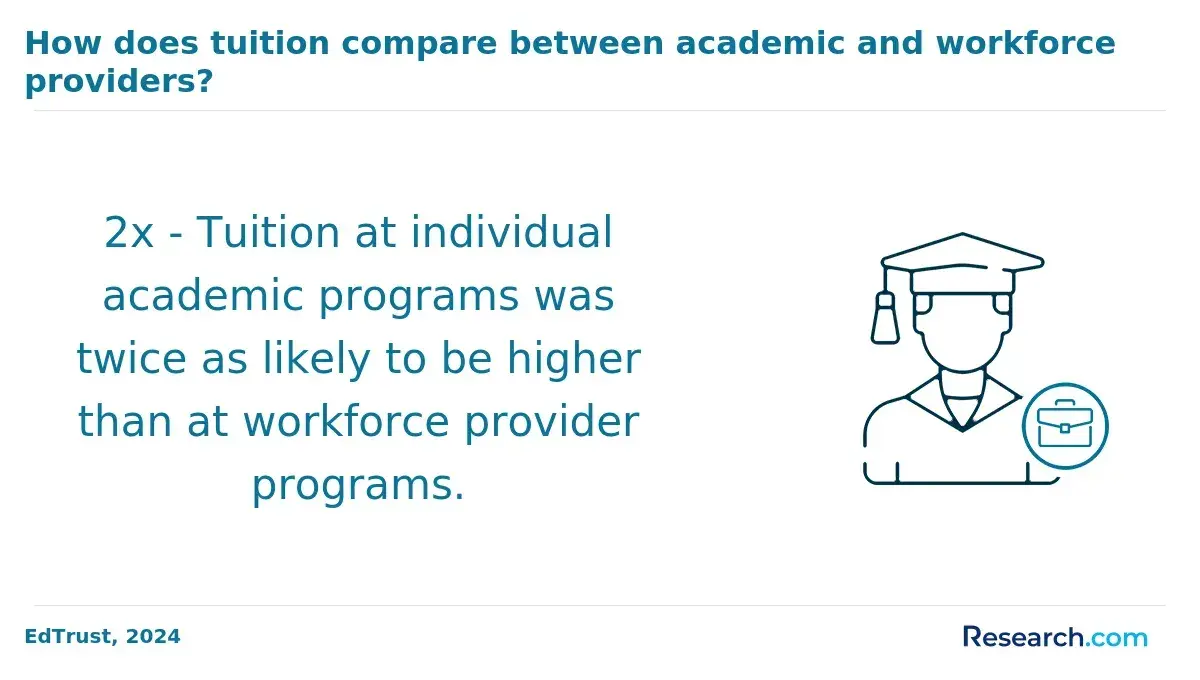
Job listings for mobile app development careers often state formal education requirements, and a bachelor's degree acts as the baseline for most positions. These expectations vary according to the role's complexity and the industry, with advanced degrees frequently sought for senior or specialized roles.
Research shows that around 70% of mobile app development job postings require at least a bachelor's degree, highlighting the weight employers give to formal qualifications. Still, some companies may consider portfolios or practical skills as well, particularly in fast-moving or innovative settings.
Degree requirements generally follow a few distinct patterns:
- Bachelor's Degree Baseline: Most entry-level and mid-level roles ask for a bachelor's degree in computer science, software engineering, or related fields to confirm basic programming abilities and knowledge of development tools.
- Advanced Degrees Preferred: Senior roles, such as those centered on mobile system architecture, design, or merging app development with security, often prefer candidates who hold master's or doctoral degrees, reflecting a need for greater expertise and leadership abilities.
- Industry Variation: Regulated sectors such as healthcare, finance, and government contracting usually demand stricter academic credentials, often paired with certifications, whereas consumer-facing or startup sectors may value experience alongside formal education.
- Flexible Exceptions: Some employers, especially smaller tech companies or startups, sometimes value proven skills and project experience as a substitute for formal degree requirements.
Mobile app development job postings usually list experience requirements that differ by role level and technical specialization. Employers treat these requirements as a key filter for finding candidates with the practical skills needed to succeed. Experience helps separate entry-level candidates from those with more advanced expertise.
Typical experience expectations include:
- Entry-Level Roles generally request little or no professional experience, sometimes accepting internships or up to one year in the industry. These positions are aimed at recent graduates or people changing careers, stressing basic coding skills and an eagerness to learn.
- Mid-Level Positions frequently require two to five years of relevant experience. Employers seek candidates who can manage projects independently, work across platforms, and contribute effectively in teams.
- Senior Roles call for five or more years of specialized experience. These positions expect solid leadership, advanced technical knowledge, and a portfolio of successful app launches or complete development cycles.
- Platform or Technology Experience can be a prerequisite in certain postings, underscoring the need for knowledge of specific environments or tools.
- Leadership and Management preferences are common, particularly in higher-level positions, where demonstrated project oversight or team coordination adds considerable value.
These trends match how mobile app development job requirements distinguish candidates by years of experience, helping entry-level vs experienced mobile app developer job requirements stand out clearly. People interested in this field may also consider related educational pathways, such as a psychology masters online, to complement their technical skills.
Several industries show a strong readiness to hire new graduates who have limited or no professional experience in mobile app development. Entry-level job postings often emphasize core technical abilities and a willingness to learn, instead of extensive work history. According to a 2023 survey from the National Association of Colleges and Employers, nearly 48% of entry-level positions in mobile app development were filled by candidates with less than one year of experience.
The points below highlight key sectors that frequently hire recent mobile app development graduates:
- Technology Startups: These fast-paced companies prize adaptability and creativity, often welcoming candidates who have basic knowledge of development frameworks and fresh perspectives rather than seasoned experience.
- Education and Edtech: Schools and educational technology companies look for junior developers to build accessible learning applications, providing opportunities for people new to professional settings.
- Healthcare and Wellness: This sector relies more and more on digital health tools, hiring entry-level developers to help with app projects focused on patient care and health management.
- Media and Entertainment: Companies in this area recruit junior developers to work on content delivery apps, offering many roles that do not require prior on-the-job experience.
Some sectors set higher standards for hiring mobile app development professionals, looking for candidates with considerable experience, specialized certifications, or advanced technical skills. Job postings in these fields often reflect strict requirements because of the sensitive or complex nature of their applications. Notably, more than 60% of job ads in regulated industries require a minimum of five years' experience or relevant credentials.
The following are examples of industries where advanced expertise is typically expected:
- Financial Services Employers require deep knowledge of secure coding, encryption, and compliance frameworks such as GDPR or PCI DSS. Positions often call for certifications like CISSP to confirm proficiency in protecting sensitive financial data.
- Healthcare Developers must handle both technological challenges and regulatory requirements such as HIPAA. Experience with health informatics projects and medical device integration is usually essential, along with specialized training.
- Aerospace Mobile applications here often support mission-critical functions, emphasizing performance and reliability. Candidates generally need proficiency in advanced programming languages such as C++ and experience with embedded systems.
- Regulated Sectors These include industries where legal and operational risks require rigorous certification and multi-year experience. The demand for tailored skill sets underscores the complexity and importance of secure, compliant app development.
Employers in mobile app development depend heavily on particular credentials to judge a candidate's fit for technical roles. Academic degrees, professional certifications, and at times licenses act as benchmarks for foundational knowledge and specialized skills, helping hiring managers assess candidates' readiness for dynamic development environments.
The following highlights some of the most valued credentials often sought in mobile app development job postings:
- Bachelor's Degree: A degree in computer science, software engineering, or a related field is often required. It reflects thorough training in programming concepts, algorithms, and software design principles essential to mobile app development.
- Professional Certifications: Certifications such as the Certified Mobile Application Developer (CMAD), Google Associate Android Developer, and Apple Certified iOS Developer show proficiency with platform-specific tools and development practices, assuring employers of up-to-date technical expertise.
- Industry Licenses: Although less common, licenses related to cybersecurity or data privacy are increasingly important in regulated sectors such as healthcare and finance, where compliance with legal and security standards is critical.
Together, these credentials help employers balance theoretical knowledge and practical skills, ensuring candidates are prepared to contribute effectively within changing technical and regulatory frameworks in mobile app development.
Salary levels in mobile app development job postings are closely linked to a candidate's experience, educational background, and the complexity of the role being offered. Employers usually set pay ranges that rise with demonstrated expertise, underscoring the value of advanced skills and leadership capabilities.
For example, a 2023 Stack Overflow report found that mobile app developers with more than five years of experience earn about 40% more than entry-level counterparts. This shows how salary differences based on mobile app development experience play a major role in compensation decisions.
Salary flexibility tends to increase with experience as employers accommodate the varied skills that seasoned developers bring, often offering wider pay ranges for senior or specialized positions. Entry-level roles generally have narrower salary bands, reflecting more standardized requirements, while advanced roles may permit greater negotiation based on individual qualifications.
This dynamic is common in job postings, allowing compensation to be tailored to a candidate's background and expertise, a key factor in mobile app developer salary negotiation tips. Candidates who pursue relevant qualifications, such as a game design degree, may also find better opportunities to use education in salary discussions.
Job postings act as vital guides for candidates seeking to tailor their resumes to the expectations of employers within Mobile App Development careers. These descriptions highlight not only the technical skills and educational qualifications recruiters prioritize but also the particular language and experiences that connect with hiring managers.
Research shows that nearly 75% of resumes for technical roles are filtered out by applicant tracking systems (ATS) before reaching human recruiters, underscoring the value of resume optimization.
To align your resume effectively with job descriptions, consider the following strategies:
- Skill Matching: Review the required skills listed in the job posting and directly cite those skills with concrete examples from your past projects or roles. This alignment helps show your practical expertise in Mobile App Development.
- Educational Alignment: Include certifications, degrees, or training programs explicitly mentioned, such as highlighting an online MBA AACSB accredited program if relevant. This signals that your educational background matches employer expectations.
- Keyword Integration: Use the exact terms and keywords from the job description to improve ATS compatibility. This helps your resume pass automated screenings while remaining clear for human reviewers.
- Prioritized Qualifications: Arrange your qualifications and experiences to reflect the employer's priorities, emphasizing the most critical skills and accomplishments first to catch attention quickly.
Applying these targeted resume optimization tips for Mobile App Development job descriptions can greatly improve how your skills and experience align with job requirements, ultimately boosting your chances of moving through early hiring stages.
Job advertisements reveal important information about what employers expect in mobile app development careers, helping candidates match their skills and experience with industry demands. Studies show that more than 70% of technology job listings explicitly outline required skills and qualifications, offering a clear roadmap for applicants. Careful review of these ads helps in understanding the specifics of each role and what employers prioritize.
Key aspects to review when analyzing job ads include the following:
- Responsibilities: Job descriptions usually list tasks such as coding, testing, maintaining apps, and working with design and development teams. These details provide insight into daily duties and project involvement.
- Qualifications: Educational prerequisites often specify degrees in computer science or related fields, although some emphasize practical training or diploma programs. Certifications may also be listed, helping candidates assess the minimum baseline knowledge.
- Experience Levels: Roles are often grouped by experience, junior, mid-level, or senior, with minimum years of relevant work or portfolio credentials clarified to help set realistic expectations.
- Technical Skills: Proficiency in programming languages such as Swift, Kotlin, or Java is commonly required. Knowledge of frameworks and development tools is also emphasized for effective app creation.
- Soft Skills: Employers prize problem-solving abilities, effective communication, and teamwork, mirroring the collaborative nature of app development projects.
Students who are considering the field can also look into specialized study options such as LCSW online programs to complement their technical background, strengthening their overall qualifications.
What Graduates Say About Skills, Degrees, and Experience Employers Want
- Tristan: "When I was a new graduate, job ads proved to be a valuable tool for finding my way through the Mobile App Development job market. They assisted me in determining the skills worth emphasizing and demonstrated how to adapt my resume for entry-level roles. Employing these advertisements with a clear plan turned the intimidating search for work into something far more manageable and instructive."
- Jesiah: "Through the years, I have come to depend on job advertisements to move my career forward in Mobile App Development. Such listings disclose new technologies and frameworks, and they also show the certifications and experience levels that employers prize most. Thinking over these patterns has allowed me to match my abilities with what the market wants, which has brought about substantial promotions and advancement."
- Christopher: "From my professional experience, job advertisements have been essential in forming the way I handle Mobile App Development projects. They bring attention to the industry's changing priorities, including user experience and cross-platform compatibility, and this has shaped my work and ongoing learning. I value how these postings keep me up to date and competitive in this rapidly changing field."
Other Things You Should Know About Mobile App Development Degrees
In 2027, employers often look for certifications such as Google's Associate Android Developer, Apple's iOS App Development, and Microsoft Certified: Azure Developer Associate. These certifications show proficiency in relevant platforms and tools essential for modern app development.
Yes, employers often prioritize experience with integrated development environments (IDEs) such as Android Studio and Xcode. Knowledge of version control systems, especially Git, and proficiency in frameworks like React Native or Flutter are also commonly requested, reflecting the importance of cross-platform development skills.
Job postings frequently show a balance between formal education and practical experience. Although a bachelor's degree in computer science or related fields is commonly required, employers also emphasize demonstrable coding skills, portfolio projects, and internships that showcase hands-on mobile app development experience.
Yes. Many postings request secure coding, API authentication, data encryption, and privacy-aware development. Employers often list awareness of OWASP Mobile Top 10, familiarity with App Store and Google Play security rules, and experience fixing vulnerabilities before release.
- A Guide to Mobile App Development Skills & Career Success https://sundancecollege.com/blog/a-guide-to-mobile-app-development-skills-career-success/
- How to become a Mobile Application Developer - Salary, Qualifications, Skills & Reviews – SEEK https://www.seek.com.au/career-advice/role/mobile-application-developer
- 5 Industries that Benefit from Application Development https://phaxis.com/2022/11/17/5-industries-that-benefit-from-application-development/
- How to Write a Mobile App Developer Resume in 2026 https://prores.ai/resume-guides/mobile-app-developer
- Top 5 Career Paths for Mobile App Developers - ABM College Canada https://www.abmcollege.com/blog/top-5-career-paths-for-mobile-app-developers
- 10 Mobile Developer Skills Organizations Demand in 2026 https://www.edstellar.com/blog/mobile-app-developers-skills
- Mobile Application Development Skills to add in your Resume https://www.founditgulf.com/career-advice/key-mobile-application-development-skills-you-can-add-in-your-resume/
- 8 Most Common Mobile Developer Resume Mistakes to Avoid (With Examples) – Few&Far https://www.fewandfar.io/blogs/8-most-common-mobile-developer-resume-mistakes-to-avoid-with-examples
- What to Look For When Hiring an App Developer https://quantilus.com/article/what-to-look-for-when-hiring-an-app-developer/
- App Developer Job Description Apr 2026 | Toptal® https://www.toptal.com/developers/app/job-description