2027 Accredited Online Mobile App Development Degree Programs for Working Adults: Flexible, Part-Time, and Self-Paced Options
Audited and Verified:
Our Editorial and Data Verification Process
Research.com uses government datasets, official education statistics and primary institutional information to support its career and degree guides. Our review process checks factual accuracy, occupational definitions, source dates and the requirements associated with the credentials discussed.
How This Article Was Fact-Checked
Our editorial team verifies salary estimates, employment projections, education requirements and program information against original data providers and official organizations. Salary figures are checked against the relevant occupational definitions and reporting periods. Information about licensure, accreditation and required in-person training is reviewed separately.
Fact-checked and verified on:

Co-Founder and Chief Data Scientist
Selecting an online mobile app development degree while employed full time involves weighing accreditation, scheduling flexibility, cost, and career return. NCES reported in 2024 that 54% of undergraduates enrolled in at least one distance education course in fall 2022, which shows how common online learning has become for busy adults.
This guide serves learners who are comparing accredited online programs, such as part-time, asynchronous, and self-paced choices. You will discover how formats vary, what they cost, how long they last, and how to pick a program that matches your work schedule and long-term software career objectives.
Key Things You Should Know
- Choose a school with recognized institutional accreditation, and check whether computing programs also hold ABET accreditation when that matters to your employer or graduate-school plans.
- Full-time online bachelor's students may take 12 or more credits per term, while part-time students often take 6 credits and extend completion to about 5 to 6 years unless transfer credits shorten the path.
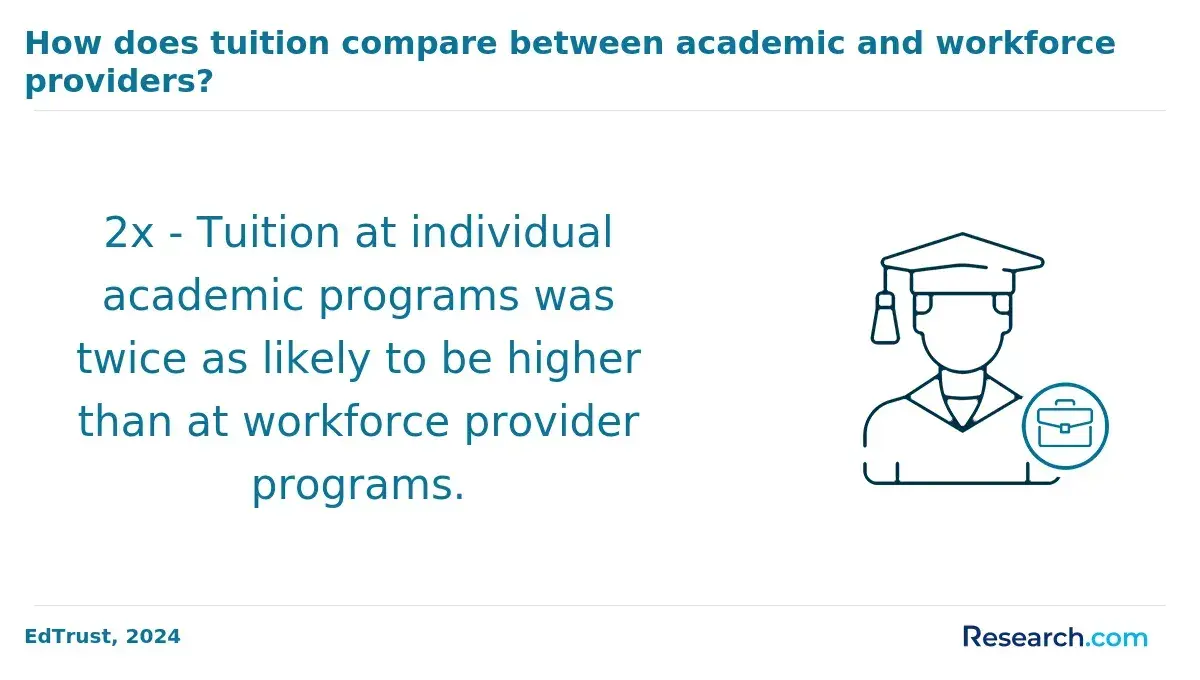
- Published 2024-25 tuition and fees averaged $11,610 at in-state public four-year colleges and $43,350 at private nonprofit four-year colleges, so transfer-friendly programs can change the total price more than a small per-credit tuition difference.
What Is an Accredited Online Mobile App Development Degree Program and Why Does Accreditation Matter?
An accredited online mobile app development degree is a college program offered entirely or largely online that instructs students in designing, building, testing, securing, and maintaining applications for smartphones, tablets, and connected devices. Based on the school, the degree might be named mobile application development, software development, computer science with a mobile concentration, information technology, web and mobile development, or software engineering.
For employed adults, accreditation is important because it influences financial aid access, credit transfer, employer acceptance, and graduate school choices. Institutional accreditation indicates that the college or university has been evaluated by an accreditor recognized by the U.S. Department of Education or the Council for Higher Education Accreditation. Programmatic accreditation, like ABET accreditation for certain computing programs, appears less often in mobile-specific degrees yet can be useful for students seeking a stronger engineering or computer science signal.
The key distinction is that accreditation applies to the institution or program, not merely to the fact that courses are delivered online. A carefully designed online degree may hold the same institutional accreditation as its campus counterpart, whereas an unaccredited online program can leave students with credits that will not transfer and credentials employers may not respect.
Use this comparison to determine which accreditation signals matter most before you apply.
| Accreditation or approval type | What it means | Why it matters for working adults |
| Institutional accreditation | The entire college or university has been evaluated for academic quality, governance, finances, and student outcomes. | Typically needed for federal financial aid, transfer credit, employer tuition reimbursement, and graduate admission. |
| Programmatic accreditation | A particular computing, engineering, or technology program has been evaluated by a field-specific accreditor. | May boost credibility for technical roles, although not every strong mobile app degree carries programmatic accreditation. |
| State authorization | The school is approved to enroll online students from certain states. | Significant if you reside outside the school's home state and need access to online courses, internships, or complaint processes. |
| Industry certifications embedded in coursework | The curriculum may prepare students for credentials in cloud, cybersecurity, programming, or platform-specific tools. | Useful for skill signaling, yet certifications do not replace institutional accreditation. |
Accreditation is also a consumer-protection matter. Before you enroll, verify the school's accreditation status through official accreditor or federal databases, ask whether the online program falls under the same accreditation as campus programs, and confirm that credits can transfer to other accredited institutions if your plans change.
Which Flexible Mobile App Development Degree Formats Are Best for Working Adults: Part-Time, Full-Time, or Self-Paced?
The ideal format depends on how predictable your work schedule is, how fast you want to complete the degree, and how much structure you require. "Flexible" may refer to several different arrangements: asynchronous weekly deadlines, evening live classes, shorter accelerated terms, part-time course loads, or competency-based self-paced progress.
The table below compares the main online formats that working adults are likely to find. Use it to align the program structure with your actual weekly availability instead of the fastest advertised completion time.
| Format | Typical structure | Best fit | Main trade-off |
| Part-time asynchronous | Students finish weekly modules and deadlines without attending live class at a set time. | Adults with full-time jobs, caregiving duties, or changing work shifts. | Slower completion unless the school accepts transfer credits or provides year-round terms. |
| Full-time online | Students carry a full course load, often 12 or more credits per term. | Learners who can cut work hours or use employer support to focus on school. | Heavy weekly workload and less room for overtime, travel, or family demands. |
| Self-paced or competency-based | Students progress faster through material they already know and spend more time on unfamiliar skills. | Experienced IT workers, career changers with coding experience, and highly disciplined learners. | Demands strong time management; some programs still have term limits, assessment windows, or subscription periods. |
| Synchronous evening or weekend online | Students join live virtual sessions at set times. | Learners who seek instructor interaction, cohort accountability, and real-time discussion. | Less flexible for shift workers or parents with unpredictable evenings. |
| Hybrid or low-residency | Most work occurs online, but some labs, orientations, or projects may require attendance at campus or an approved site. | Students near campus or those who want some in-person networking. | Travel and scheduling may generate hidden costs. |
Part-time study is typically the safest choice for adults who cannot consistently protect large blocks of study time. A 3-credit course often requires several hours of work each week, and programming courses may take longer because debugging, testing, and project work are hard to compress. If you enroll in two technical courses while working full time, prepare for a demanding schedule.
Self-paced learning can be effective, but it is not automatically easier. It works best when you already grasp some programming concepts and can set your own deadlines without regular live reminders. It works poorly when you are new to coding, need frequent instructor feedback, or tend to postpone open-ended work.
When comparing formats, ask every school these questions before you apply:
- Are classes asynchronous, synchronous, self-paced, or a blend of formats?
- How many hours per week should students expect for a single programming course?
- Can part-time students take just one course in a term without losing financial aid eligibility?
- Are there required login times, group meetings, proctored exams, or campus visits?
- What happens if a student must pause enrollment for work, illness, military service, or caregiving?
The right format is the one you can maintain. A slower accredited program finished successfully is generally more valuable than an accelerated schedule that leads to burnout or repeated withdrawals.
What Are the Admission Requirements for Accredited Online Mobile App Development Degree Programs?
Entry criteria differ depending on the degree level and the school, yet most accredited online bachelor's programs in mobile app development evaluate academic readiness, previous college credit, and foundational technical preparation. Plenty of programs are built for newcomers, but learners with no coding background should anticipate a period of adjustment during their first programming course sequence.
In most cases, applicants should be prepared to submit the materials listed below. Since requirements vary from school to school, verify the specifics with the admissions office before you pay any application fee.
- Official high school transcript, GED paperwork, or transcripts from prior colleges.
- A minimum GPA cutoff or a conditional admission route when earlier grades fall below the standard threshold.
- A placement exam or prerequisite check covering math, writing, and entry-level computing courses.
- A personal statement, resume, or employment history, particularly for adult degree-completion tracks.
- Evidence of English proficiency for candidates whose earlier schooling was not conducted in English.
- Confirmation of technology access, such as a dependable computer, high-speed internet, and the capacity to install development software.
Certain bachelor's programs let students enter a mobile development major right away, whereas others expect them to finish foundational coursework before they declare a concentration. Typical prerequisites cover college algebra, discrete mathematics, introductory programming, database fundamentals, and basic web development. If you are heading back to school after a gap of several years, find out whether the program provides refresher modules or placement alternatives.
People changing careers ought to weigh admissions requirements against career outcomes before making the switch. For instance, a student comparing technology with psychology-related fields might consult salary-focused resources like how much do forensic psychologists make to see why degree choice, licensure rules, and labor-market data deserve to be assessed side by side.
Frequent admissions errors include applying without confirming that earlier credits will transfer, presuming that professional coding experience automatically stands in for prerequisites, and ignoring math requirements. If you bring workplace IT experience, ask whether the school grants credit for prior learning, military training, industry certifications, or a portfolio-based assessment.
The cost of an online mobile app development degree hinges on tuition, fees, transfer credits, enrollment pace, textbooks or digital materials, technology requirements, and whether the institution is public, private nonprofit, or private for-profit. Published price differs from net price, so working adults should compare the total after grants, employer benefits, transfer credits, and required fees.
College Board's 2024 Trends in College Pricing reported the following average published tuition and fees for four-year institutions. These figures do not apply specifically to mobile app programs, but they offer a useful benchmark when judging whether an online degree's advertised tuition is low, typical, or unusually high.
Online students may avoid campus housing and commuting costs, yet they may still pay technology fees, online course fees, proctoring fees, graduation fees, cloud-lab subscriptions, software costs, or hardware upgrades. Adults comparing programs should also weigh opportunity cost: a cheaper program that delays graduation by several years may not be the best value if an accelerated but still manageable option helps you qualify for better roles sooner.
The table below summarizes cost factors that can significantly change your out-of-pocket price.
| Cost factor | How it affects total cost | What to verify |
| Per-credit tuition | Determines the base cost for every course. | Whether online students pay an identical rate no matter their state residency. |
| Transfer credits | Can lower the number of credits you must pay for. | Maximum transferable credits and whether technical credits carry expiration limits. |
| Fees | May increase annual costs by hundreds or more depending on the school. | Technology, online learning, lab, proctoring, and graduation fees. |
| Course materials | Programming courses might require digital platforms, cloud tools, or e-books. | Whether materials come included in tuition or are billed separately. |
| Hardware | Mobile development might require a modern computer and, for iOS work, access to Apple hardware. | Minimum laptop specifications and expectations for device testing. |
Financial aid can make a substantial difference if you attend an eligible accredited institution. The federal maximum Pell Grant remains $7,395 for the 2025-26 award year, but eligibility depends on financial need, enrollment intensity, and other federal rules. Students should also investigate federal loans, state grants, institutional scholarships, military benefits, workforce grants, and employer tuition assistance.
When comparing affordability, borrow strategies from other online degree searches: students researching cheapest MBA programs online often look beyond sticker price and compare fees, transfer policies, employer reimbursement rules, and completion speed. The same method applies to mobile app development degrees.
A practical cost-control plan should include these steps:
- Complete the FAFSA early if the school participates in federal aid programs.
- Request a written transfer-credit evaluation before enrolling.
- Ask whether tuition is charged per credit, per term, or by subscription period.
- Compare net price after grants, scholarships, employer benefits, and credits accepted.
- Find out whether part-time enrollment alters your aid eligibility or employer reimbursement.
A conventional bachelor's degree generally calls for roughly 120 credits, yet the real timeline for an online mobile app development degree hinges on course load, term length, transfer credits, prerequisite needs, and whether courses run every term. Working adults frequently complete their studies more slowly than full-time students, since they deliberately enroll in fewer courses to safeguard work and family obligations.
The table below illustrates realistic timeline patterns instead of guarantees. Schools might promote faster options, but your own pace should reflect how many technical courses you can finish successfully while keeping up with your job.
| Enrollment route | Usual course load | Estimated completion pattern | Ideal for |
| Full-time bachelor's route | Roughly 12 to 15 credits each term | Usually around 4 years for first-time students who transfer no credit. | Learners who can cut back on work hours or make studying their main commitment. |
| Part-time bachelor's route | Around 6 credits each term | Typically about 5 to 6 years when little transfer credit applies. | Adults employed full time or handling caregiving duties. |
| Degree-completion route | Depends on how many credits are accepted | May be considerably shorter when general education and elective credits transfer. | Learners who hold prior college coursework, associate degrees, military credit, or certifications. |
| Self-paced competency route | Progress hinges on how many assessments you complete | May go faster for experienced learners, yet slower for those who need more structure. | Disciplined learners with prior coding, IT, or software experience. |
For adult learners, transfer credit can be the largest timeline advantage. General education courses tend to transfer more readily than upper-division technical courses, whereas older programming classes might be scrutinized closely, since languages, frameworks, and security practices evolve quickly.
When speed matters most, compare policies like those students look at when researching 2 year accelerated bachelor degrees. What counts is not simply whether a school calls itself accelerated, but whether it accepts enough of your earlier credits and schedules required major courses often enough to keep you progressing.
Before you count on transfer credits to trim your degree, follow these steps:
- Submit all previous transcripts, including community college, military, and dual-enrollment records.
- Request a course-by-course transfer evaluation rather than a verbal estimate.
- Verify which credits fulfill major requirements and which apply only as electives.
- Find out whether certifications, bootcamps, work experience, or portfolios may be reviewed for credit.
- Check if transferred credits influence residency requirements or the minimum credits that must be earned at the institution.
Do not presume that a self-paced program combined with transfer credits will always yield the shortest path. Certain schools cap how many courses you may attempt per term, mandate sequential prerequisites, or schedule capstone courses only in particular sessions.
When comparing accredited online mobile app development degrees, look past the words "online," "flexible," and "career-focused." The strongest programs combine recognized accreditation, a current curriculum, accessible faculty, meaningful projects, transfer-friendly policies, and support services designed for adult learners.
The curriculum should cover both foundations and modern tools. A balanced program usually includes programming fundamentals, data structures, databases, mobile user interface design, Android development, iOS development or cross-platform development, APIs, cloud services, cybersecurity basics, software testing, project management, and a capstone or portfolio project. As AI-assisted coding becomes common in software teams, students should also seek coursework that teaches code review, prompt-aware development, ethical AI use, and debugging rather than treating AI tools as shortcuts.
The table below outlines quality signals that help separate a serious degree from a weak or overly narrow program.
| Program feature | Strong signal | Potential red flag |
| Accreditation | Recognized institutional accreditation plainly listed and verifiable. | Unclear claims such as "internationally approved" without a recognized accreditor. |
| Curriculum | Covers native or cross-platform mobile development, databases, APIs, testing, security, and capstone work. | Just a few app-building tutorials with little software engineering foundation. |
| Flexibility | Clear description of asynchronous work, live sessions, deadlines, term lengths, and pause policies. | Marketing says "study anytime" yet syllabi require frequent fixed meetings. |
| Faculty | Instructors hold relevant academic credentials, software experience, or active technical expertise. | No faculty information or heavy reliance on unsupported independent-study modules. |
| Career preparation | Portfolio, capstone, career coaching, resume help, and employer-connected projects. | Career claims with no evidence of services, projects, or outcome transparency. |
Working adults should pay particular attention to policies that affect schedule and persistence. A program can be accredited and still be a poor fit if required courses are offered only once a year, group projects require evening availability, or technical support is unavailable outside standard business hours.
Use this checklist when speaking with admissions advisors or program directors:
- Verify the school's institutional accreditation through an official source.
- Inquire whether the online degree has the same name, transcript status, and faculty standards as the campus version.
- Request sample course schedules for part-time students, not just full-time plans.
- Review syllabi for live sessions, proctored exams, group work, and weekly deadlines.
- Ask how frequently upper-level mobile development courses are offered.
- Confirm career services availability for online and part-time students.
- Ask whether the capstone produces a portfolio-ready app or software project.
Program-comparison habits are useful across online education. For example, students reviewing best online EdD programs often compare accreditation, cohort structure, faculty access, and support services; mobile app development students should apply the same scrutiny to technical curriculum and project quality.
Frequent mistakes include selecting the lowest tuition without checking fees, assuming all credits transfer, ignoring course sequencing, choosing a program with outdated tools, and enrolling in a "self-paced" format without confirming maximum completion limits. Avoid these by requesting written policies before you commit.
A degree in mobile app development can prepare you for roles in software development, mobile engineering, web and mobile design, quality assurance, application support, technical product teams, and freelance or entrepreneurial app work. It proves particularly helpful for learners who want a structured academic route, a wider computing foundation, and portfolio projects that show genuine software-building skill.
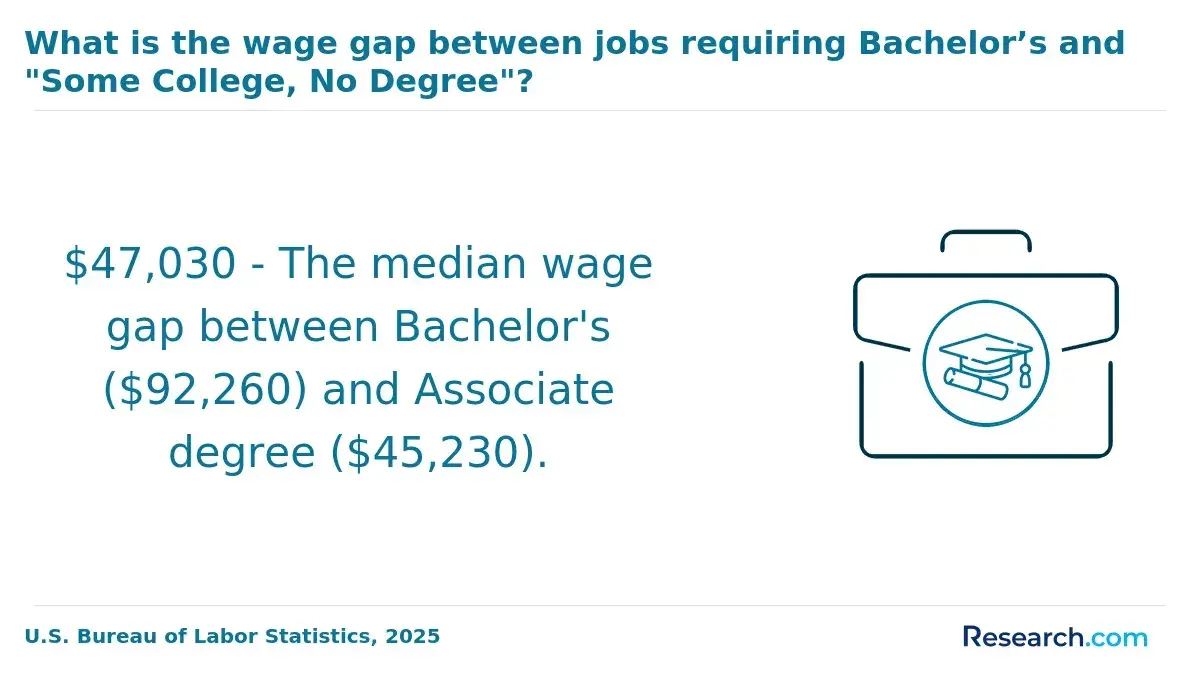
The U.S. Bureau of Labor Statistics reported that software developers earned a median annual wage of $133,080 in May 2024. That number does not apply specifically to entry-level mobile app developers and guarantees nothing, yet it indicates that software development stays a high-wage occupational category relative to many bachelor's-level career paths.
The table below connects common mobile-related roles with the work they usually involve. Job titles vary widely by employer, so read postings carefully for required languages, frameworks, and experience levels.
| Role | Usual duties | Skills employers commonly look for |
| Mobile app developer | Creates and maintains apps for iOS, Android, or cross-platform settings. | Swift, Kotlin, Java, React Native, Flutter, APIs, testing, and the basics of app store deployment. |
| Software developer | Designs, writes, tests, and refines software systems, at times including mobile products. | Programming fundamentals, data structures, version control, debugging, and secure coding practices. |
| Front-end or full-stack developer | Creates user-facing web or mobile-connected interfaces and connects them to back-end services. | JavaScript, TypeScript, responsive design, databases, APIs, and cloud services. |
| Quality assurance analyst or tester | Checks applications for bugs, usability problems, performance issues, and compatibility. | Test planning, automated testing tools, device testing, documentation, and defect tracking. |
| UX-focused app developer | Merges interface design with development to enhance mobile usability. | Basics of user research, prototyping, accessibility, mobile UI patterns, and front-end coding. |
Career prospects rest on your portfolio, internships or project experience, preparation for coding interviews, local and remote job markets, and your willingness to keep learning. Employers more and more expect developers to grasp AI-assisted coding tools, security, data privacy, accessibility, and cross-platform development. A degree is most valuable when it yields proof of ability rather than merely finished courses.
Mobile development additionally overlaps with marketing, analytics, and social platforms. Learners drawn to app growth, engagement, and creator-economy products might benefit from weighing technical study against a social media marketing degree, particularly when their long-term aim is product marketing, app monetization, or digital strategy instead of software engineering.
This degree can be worthwhile if you seek a recognized credential, require a structured route into software development, intend to use financial aid or employer tuition assistance, or want academic credit that transfers easily. It may suit you less if you simply need one narrow skill fast, already hold a strong computer science degree, or would rather take a short bootcamp centered on building a portfolio right away.
Juggling a mobile app development degree with a full-time job takes more than motivation. Programming assignments frequently demand unpredictable hours, since a single bug can eat up an evening, and group projects may call for coordination with classmates spread across time zones. The wisest approach is to plan your course load around your life before the term starts.
Begin by assessing your weekly capacity with honesty. When your job routinely brings overtime, travel, rotating shifts, or on-call duties, a single technical course might be a wiser first-term pick than two. Adults with caregiving responsibilities should likewise factor in school breaks, childcare gaps, and family emergencies as they select term length and deadlines.
Follow this practical sequence to create a study plan you can sustain:
- Pick a lighter course load for your first term so you can get familiar with the online platform and academic expectations.
- Reserve recurring study blocks on your calendar before classes begin, plus one backup session for debugging or exams.
- Let your employer, family, or support network know when major deadlines fall so they grasp your availability.
- Save short time blocks for reading, videos, and discussion posts, while reserving longer ones for coding assignments.
- Reach out to instructors early if work travel, illness, or caregiving throws off your schedule.
- Reevaluate your course load each term rather than automatically speeding up.
Asynchronous courses help because they allow you to study before work, once the children are asleep, or over the weekend. Still, asynchronous does not mean free of deadlines. Most courses continue to include weekly modules, discussion requirements, quizzes, programming labs, exams, or project milestones.
Self-paced programs call for a different sort of discipline. With no weekly due dates, you might need to build your own milestone calendar and treat it with the same seriousness as a work deliverable. If procrastination is a struggle for you, a structured asynchronous format could prove more realistic than fully self-paced study.
Working adults ought to watch for signs of burnout: skipping assignments, coding late night after night, missing family obligations, or rushing through projects without actually learning. If that occurs, think about dropping to a single course, seeking tutoring, taking a planned break, or extending your timeline instead of abandoning the degree altogether.
Solid student support can decide whether an online mobile app development student makes it through demanding programming courses. Working adults should count on access to academic advising, technical assistance, tutoring, library resources, career services, disability accommodations, mental health resources, and faculty communication channels that function beyond traditional campus hours.
Online technical programs should offer platform-specific support as well. Mobile development courses might require integrated development environments, emulators, device testing, Git repositories, cloud services, database tools, and secure coding environments. When support is available only during weekday business hours, that can pose a serious problem for students who study at night.
Watch for these support services while comparing programs:
- Academic advisors familiar with part-time degree plans and prerequisite sequencing.
- Online tutoring in programming, math, writing, and project documentation.
- Faculty office hours held virtually, with evening options whenever possible.
- Technology help for development tools, learning platforms, proctoring systems, and account access.
- Career coaching covering resumes, GitHub portfolios, technical interviews, internships, and remote job searches.
- Library access to technical databases, e-books, citation tools, and research assistance.
- Disability accommodations that extend fully to online courses, exams, labs, and timed assessments.
Find out whether part-time students receive support on the same terms as those enrolled full time. Certain schools promote robust services yet restrict particular opportunities, career events, or coaching appointments to students in specific programs or credit loads.
It is also worth comparing the way online programs in other fields describe student support. Research into options such as best online EdD programs often emphasizes advising, cohort support, and online library access; mobile app development students should add technical labs, coding assistance, and portfolio support to that list.
Vague language about support is a practical warning sign. If a school cannot describe how students obtain help when development software fails, a repository breaks, or an online exam tool malfunctions, keep pressing with questions before you enroll.
Do Online Mobile App Development Degree Programs Include Internships, Practicums, or Other Hands-On Learning Requirements?
Lots of online mobile app development degree programs build in hands-on learning, though the format differs. Some call for internships, while others rely on capstone projects, simulated client work, team software projects, open-source contributions, cloud labs, or portfolio-based assessments. A program need not include a traditional internship to be worthwhile, but it should make students build and document actual projects.
Practical experience matters especially in mobile development, since employers want to see code that works, interfaces people can use, testing habits, and awareness of deployment. A transcript demonstrates academic progress; a portfolio demonstrates what you can genuinely build.
Typical hands-on components cover the learning experiences below. Ask whether they are required, optional, or open only to students who satisfy particular prerequisites.
- Capstone project: a culminating software project that may involve designing, building, testing, and presenting a mobile or cross-platform app.
- Portfolio assignments: class projects that can be polished into GitHub repositories, demos, screenshots, or case studies.
- Internship: supervised work experience at an employer, nonprofit, campus unit, or approved technical organization.
- Practicum or applied project: a structured assignment for a real or simulated client, frequently completed remotely.
- Team development project: collaborative work that echoes software team practices like version control, code review, issue tracking, and agile planning.
- Virtual labs: guided settings for testing apps, databases, APIs, cybersecurity concepts, or cloud deployments.
Internships can prove difficult for working adults, since they may demand daytime availability, a minimum number of weekly hours, or employer approval. If an unpaid or daytime internship is not possible for you, seek programs that permit workplace projects, remote internships, evening-friendly practicums, or capstone alternatives.
Before you enroll, ask how the school assists online students in finding internships and whether career services keep up employer relationships for remote learners. Also verify whether your present job can fulfill an applied-learning requirement if your work touches software, IT, analytics, product support, or process automation.
The best hands-on experiences yield artifacts you can present to employers without breaching confidentiality. By the time you graduate, aim to hold several polished projects: one mobile app, one API-connected project, one database-backed application, and one project that showcases testing, documentation, accessibility, or security awareness.
Other Things You Should Know About Mobile App Development
Not necessarily. Android and cross-platform development can frequently be done on Windows, macOS, or Linux, yet iOS development usually requires access to macOS and Apple development tools. Ask each program about its precise hardware requirements before you enroll.
Frequently used languages include Kotlin or Java for Android, Swift for iOS, and JavaScript, TypeScript, or Dart for cross-platform frameworks. A solid degree should also cover programming fundamentals so you can adjust as tools evolve.
Most programs call for a capstone or portfolio containing 2 to 4 polished apps, typically including one iOS app, one Android app, and a cross-platform project. Schools generally expect documented code, testing results, and a public demo or GitHub repository as part of the assessment.
Certifications may help when they align with your target role, such as cloud, cybersecurity, database, or platform credentials. They serve best as additions to a degree, portfolio, and hands-on projects rather than as substitutes for them.
- Learn the Skills to Be an App Developer in Europe https://ehef.id/post/learn-skills-be-app-developer-europe/en
- Choosing Your Tech Career: Mobile App vs. Web Development https://sundancecollege.com/blog/choosing-your-tech-career-mobile-app-vs-web-development/
- App Development Job Training | Year Up United | Year Up United https://www.yearup.org/job-training/application-development
- Mobile App Development B.Sc. https://www.hof-university.com/studying-at-hof-university/our-degree-programs/mobile-app-development-bsc.html
- Why Mobile App Development is Relevant for YOUR Classroom - MAD-learn blog http://www.mad-learn.com/blog/in-support-of-infusing-mobile-app-development-into-your-curriculum/
- Online Degree Programs for Working Adults https://thehorizonsunlimited.com/blog/online-degree-programs-for-working-adults
- Admission Requirements https://www.fanshawec.ca/admission-finance/before-applying/admission-requirements
- What Adult Students Want: Is Your College Catering to These Learners? - Collegis Education https://collegiseducation.com/insights/what-adult-students-want-the-clearest-shortest-most-efficient-path/
- Online, Hybrid, and More: Flexible Learning Options in College - ReUp Education https://reupeducation.com/blog/online-hybrid-and-more-flexible-learning-options-in-college/
- Learn Anytime, Grow Faster https://www.manoramahorizon.com/blogs/article/self-paced-online-courses-learn-anytime-grow-faster